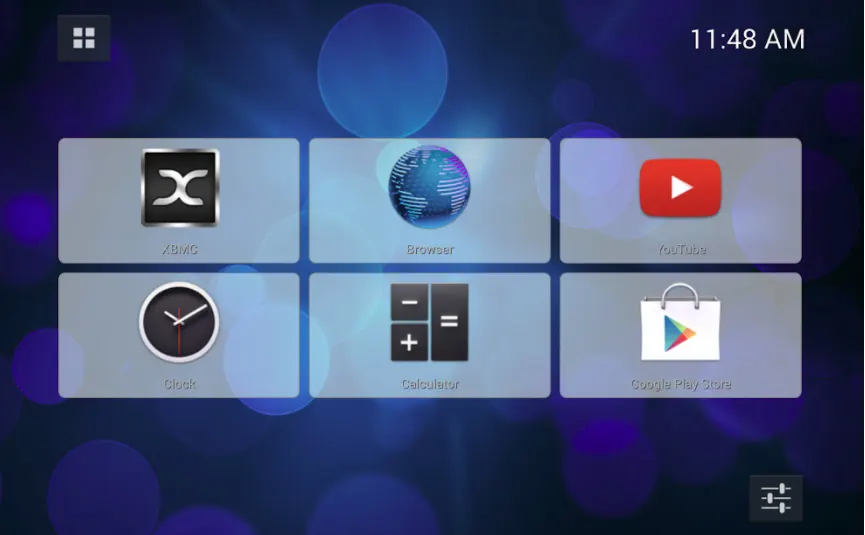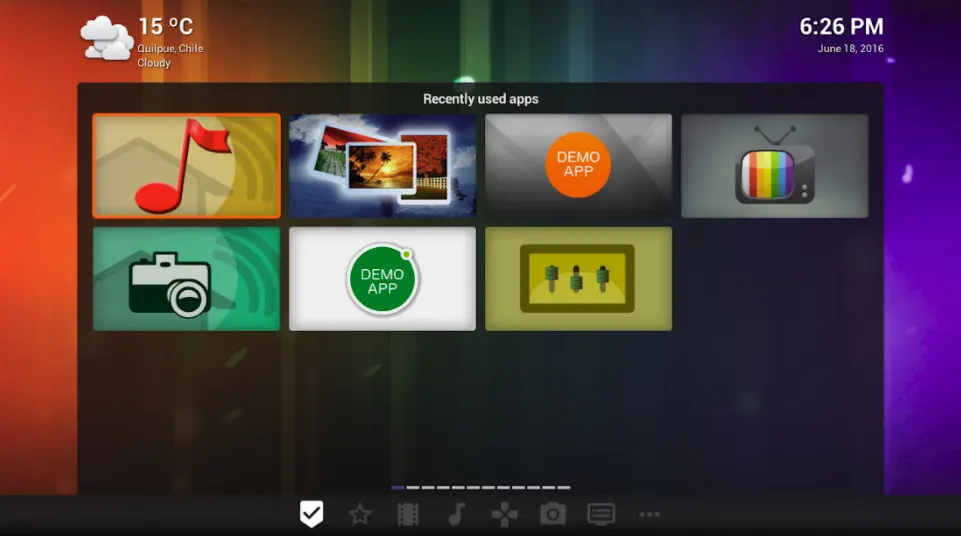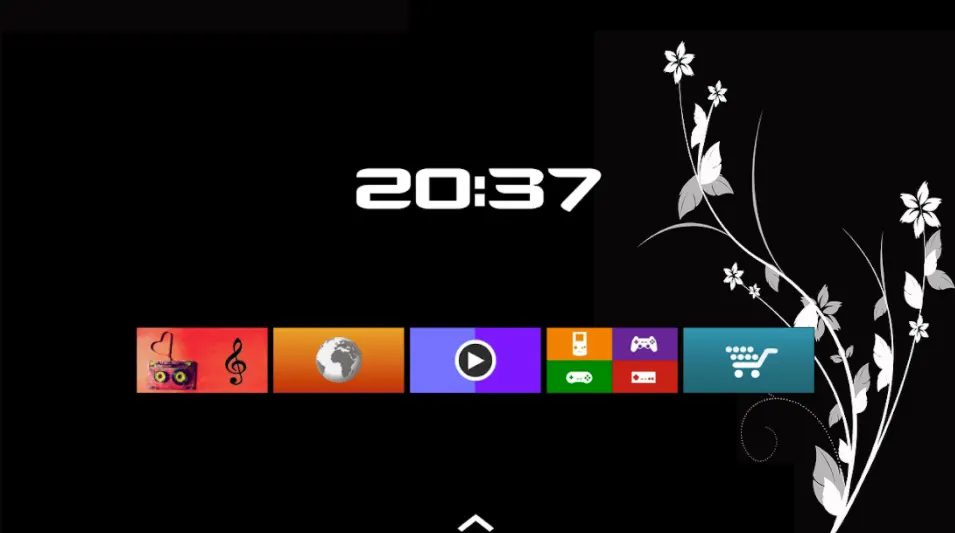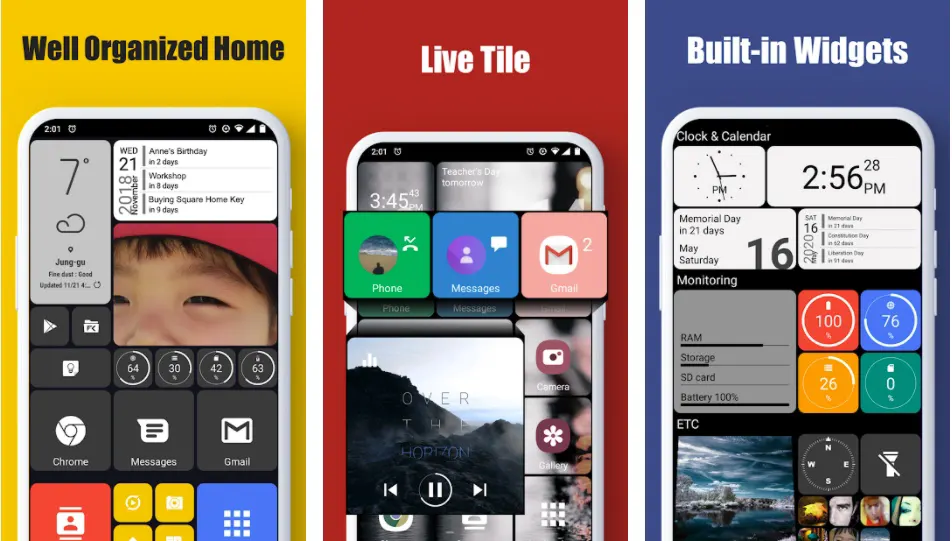















With 15 years of tech writing under my belt, from rooting early Android phones to customizing smart TVs, I’ve seen how software can redefine a device. Android TV launchers are a prime example, transforming ad-cluttered, sluggish TV interfaces into personalized, efficient hubs.
In 2025, Google’s default launcher remains a frustration, prioritizing sponsored content over user control. Third-party Android TV launchers solve this, offering customization, performance, and media integration that make your TV feel bespoke.
This guide is the ultimate resource on the best Android TV launchers of 2025, based on weeks of testing on devices like the Nvidia Shield TV, Chromecast with Google TV, and a Hisense U8N.
I’ve explored each launcher’s strengths for streaming, gaming, Plex, and sideloaded apps, adding detailed troubleshooting, user scenarios, selection criteria, and setup tips.
Community insights from X and Reddit provide real-time context. Expect a quick guide for quick recommendations, a comparison table, in-depth reviews, and my personal take as someone who’s been modding devices since the HTC Hero.
Whether you’re dodging ads or building a media center, these Android TV launchers will elevate your experience.
Quick Guide: Best Android TV Launchers in 2025
Android TV launchers transform ad-heavy, sluggish TV interfaces into personalized hubs. After weeks of testing on devices like the Nvidia Shield and Hisense U8N, here are the top picks for 2025:
ATV Launcher (Best for Customization): Offers widget support, dynamic tiles, and granular layouts. Ideal for enthusiasts building gaming or streaming dashboards. Pro version ($4.99) removes ads. Best for mid-to-high-end devices.
Flauncher (Best for Simplicity): Lightweight (~50MB RAM), ad-free, and open-source. Perfect for budget devices and minimalists. Great for sideloading but lacks widgets.
Projectivy Launcher (Best for Ad-Blocking): Removes Google’s sponsored content with deep customization. Pro ($5.99) unlocks extras. Suits power users but lags on low-spec hardware.
Dispatch Launcher (Best for Plex): Beta launcher with a Netflix-like Plex feed. Free, but setup takes 40 minutes. Ideal for media lovers.
TvHome Launcher (Best for Beginners): Ultra-light (~40MB RAM), ad-free, single-row layout. Perfect for basic streaming on low-spec devices.
Primal TV Launcher (Best for Aesthetics): Stunning 4K wallpapers and layouts. Pro ($3.99) enhances visuals. Needs powerful hardware.
Tips: Test free versions first, use Home Screen Launcher to switch, and check X (#AndroidTVLauncher) for setups. Choose based on your needs—simplicity, media, or style. Read on for detailed reviews, troubleshooting, and user scenarios.
Dive into the full post for in-depth reviews and setup tips.
Comparison Table: Best Android TV Launchers in 2025
| Launcher | Customization | Performance | Ad-Free? | Standout Feature |
|---|---|---|---|---|
| ATV Launcher | High | Excellent | Yes (Pro) | Widgets, dynamic tiles |
| Flauncher | Moderate | Lightweight | Yes | Sideloaded app support, no ads |
| Projectivy Launcher | High | Good | Yes (Pro) | Ad removal, custom button mapping |
| Dispatch Launcher | Moderate | Moderate | Yes | Feed-based Plex integration |
| TvHome Launcher | Low | Excellent | Yes | Single-row minimalist layout |
| Primal TV Launcher | High | Moderate | Yes (Pro) | 4K/8K wallpaper library |
Note: Performance ratings reflect testing on mid-range and high-end Android TV devices.
Why Android TV Launchers Matter in 2025
Since its 2014 debut, Android TV has grown to power budget streaming sticks and premium OLEDs. Yet, Google’s default launcher is a persistent pain point, cluttered with auto-playing ads and recommendations that bury your apps.
I felt this setting up a Hisense U8N—the stock interface was a slog of Hulu promos and slow menus. Switching to a third-party Android TV launcher turned it into a lean, personalized hub in minutes.
These launchers optimize performance, support sideloaded apps, and prioritize your needs—whether streaming, gaming, or managing a Plex library. As someone who’s customized Android devices for years, I see Android TV launchers as modern custom ROMs, unlocking your TV’s potential.
What to Look for in Android TV Launchers
A great Android TV launcher balances usability and efficiency. My checklist, refined over a decade, includes:
- Customization Depth: Can you tweak layouts, widgets, and backgrounds?
- Performance Efficiency: Does it run smoothly on low-spec or high-end hardware?
- Ad Management: Can it block Google’s intrusive promotions?
- Sideload Compatibility: Does it handle non-TV apps like browsers or emulators?
- Remote-Friendly Design: Is navigation intuitive with a basic remote?
- Unique Features: Does it offer Plex integration or accessibility options?
With these criteria, let’s explore the reviews.
In-Depth Reviews of the Best Android TV Launchers
1. ATV Launcher
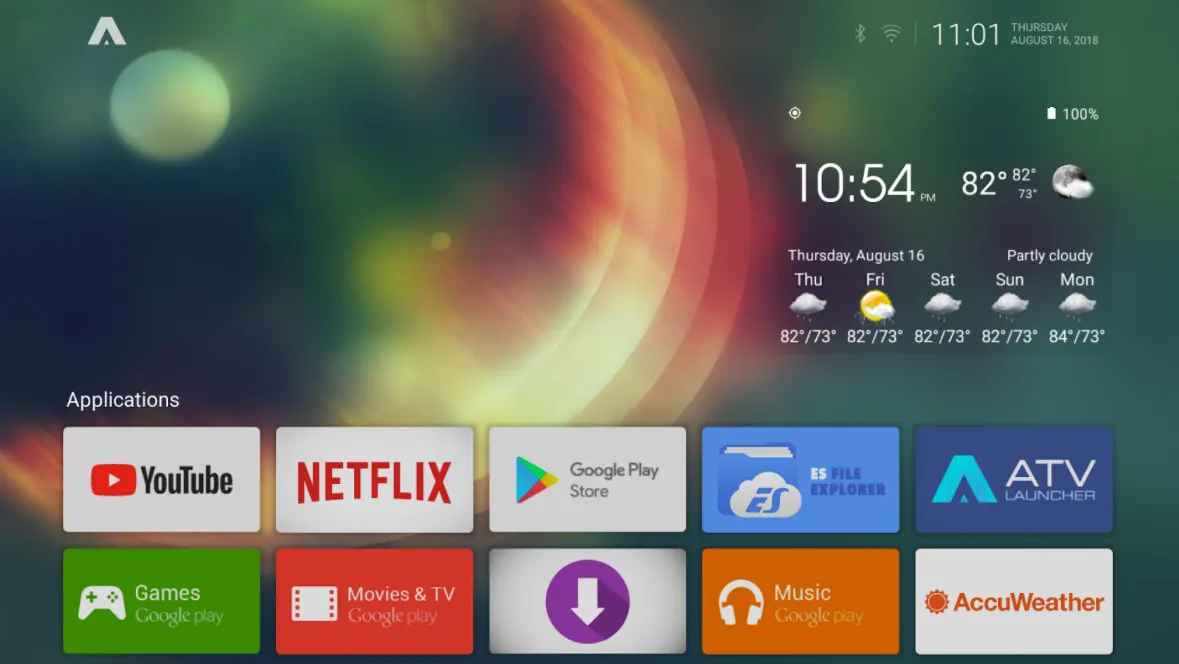
ATV Launcher is the gold standard for customization among Android TV launchers, often likened to Nova Launcher for its flexibility. Since its mid-2010s debut, it’s evolved into a powerhouse for users who want a tailored TV interface.
Features include widget support, dynamic tiles that update with live content, and granular layout controls for app placement, tile sizes, and transparency. Compatible with devices from budget boxes to the Nvidia Shield, it’s ideal for gaming hubs, streaming dashboards, or hybrid setups.
The free version is robust, but the Pro version ($4.99, one-time purchase) offers an ad-free experience, custom fonts, and advanced animations. With regular updates and a responsive developer team, ATV Launcher remains a top choice in 2025, making it a cornerstone of Android TV launchers for enthusiasts.
Pros:-
- Unmatched customization: Adjust tile sizes, row counts, and transparency.
- Widget support (weather, clocks, calendars) adds rare functionality.
- Dynamic tiles show live updates, like calendar events or news feeds.
- Seamless sideloaded app integration for emulators or browsers.
- Lightweight (~80MB RAM usage), snappy on budget and premium devices.
- Pro version removes ads and unlocks premium features.
- Regular updates and developer support via forums.
- Easy layout backup/restore.
Cons:-
- Free version has occasional banner ads.
- Steep learning curve; complex layouts take 20–30 minutes.
- No native Plex or Kodi integration.
- Advanced features require Pro and technical know-how.
- Initial setup may need a mouse.
Real-World Experience:-
I used ATV Launcher on my Nvidia Shield to build a gaming-streaming hybrid. I resized tiles for Steam Link, RetroArch, and Netflix, added a weather widget, and set a 4K sci-fi wallpaper. It felt like a custom ROM from my rooting days.
On a Hisense TV, it ran smoothly after disabling animations, though free-version ads were a minor annoyance. Tweaking took an hour but delivered a tailored hub. I missed Plex integration.
Best For:-
Enthusiasts craving granular control, making Android TV launchers adapt to gaming or streaming needs.
Download From the Google Play Store
2. Flauncher
Flauncher is an open-source gem among Android TV launchers, built with Flutter for a minimalist, privacy-focused experience. Launched in the early 2020s, it’s gained a cult following for its clean grid layout, zero ads, and lightweight design.
Unlike Google’s bloated interface, Flauncher prioritizes your apps with customizable categories and robust sideloaded app support. Free with no Pro version, its open-source nature (hosted on GitHub) ensures transparency and community-driven updates.
Ideal for low-spec devices or users who value simplicity, Flauncher exemplifies how Android TV launchers can be fast and functional without bloat. Its active community keeps it relevant in 2025.
Pros:-
- Ad-free and privacy-focused, no data tracking.
- Ultra-lightweight (~50MB RAM), perfect for budget devices.
- Customizable categories streamline organization.
- Excellent sideloaded app support for non-TV apps.
- Open-source with active GitHub community.
- Quick setup (under 5 minutes).
- Custom wallpapers without bloat.
Cons:-
- Limited customization; no widgets or dynamic tiles.
- Spartan design may lack visual flair.
- Manual category management tedious for large app collections.
- Compatibility issues on pre-9.0 Android TV.
- No advanced features like ad-blocking.
Real-World Experience:-
I installed Flauncher on a Chromecast to dodge auto-playing ads. Its grid grouped apps into “Streaming,” “Tools,” and “Games,” with sideloaded Firefox integrating seamlessly.
On a Mi Box S, it used half Projectivy’s memory, evoking early Android ROMs. I missed widgets, and sorting 30+ apps was a chore. Its speed and privacy suited my secondary TV.
Best For:-
Minimalists and open-source fans seeking fast, ad-free Android TV launchers for low-powered devices.
Download From the Google Play Store
3. Projectivy Launcher
Projectivy Launcher is a power user’s dream among Android TV launchers, launched in the late 2010s to combat Google’s ad-heavy interface. Known for ad-blocking, it strips away sponsored content for a clean home screen.
It offers deep customization, accessibility features like custom remote button mapping, and widget support. Compatible with mid-to-high-end devices, it’s heavier than Flauncher but versatile.
The free version is capable, but the Pro version ($5.99) unlocks advanced tweaks and ad-free navigation. With monthly updates and an active community, Projectivy redefines what Android TV launchers can achieve in 2025.
Pros:-
- Ad-blocking removes sponsored content.
- Accessibility features enhance usability.
- Extensive customization: widgets, row layouts, app hiding.
- Robust sideloaded app support with disguise options.
- Pro version unlocks animations and ad-free navigation.
- Monthly updates and developer engagement.
- High-resolution wallpaper support.
Cons:-
- High resource usage (~1.3GB virtual memory) lags on low-RAM devices.
- Complex setup for ad-blocking takes 15–20 minutes.
- Free version has minor ads.
- Occasional bugs in accessibility features.
- Not optimized for budget hardware.
Real-World Experience:-
I tested Projectivy on my Mi Box S to eliminate ads. The ad-blocking created a pure app grid, and I mapped remote buttons for Plex and YouTube. On the Nvidia Shield, it was flawless with widgets and a 4K wallpaper. On the Mi Box, stutters occurred with multiple widgets. Setup was complex but powerful.
Best For:-
Power users seeking ad-blocking and customization in Android TV launchers on mid-to-high-end devices.
Download From the Google Play Store
4. Dispatch Launcher
Dispatch Launcher, a 2024 beta-phase entry among Android TV launchers, targets Plex users with a feed-based interface showcasing your media library like a streaming service.
It pulls in posters, metadata, and playback options. Free during beta, it prioritizes privacy with no ads or tracking. Accessibility features add flexibility, but its Plex focus is niche.
Weekly updates address bugs, and its potential to redefine media-centric Android TV launchers is clear in 2025.
Pros:-
- Deep Plex integration with curated media feed.
- Visually rich UI with high-quality artwork.
- No ads or data tracking.
- Accessibility features add flexibility.
- Low memory footprint (~100MB RAM).
- Free during beta with developer feedback.
- Basic customization like app pinning.
Cons:-
- Beta bugs, like frame skips, affect 10% of sessions.
- Lengthy setup (30–40 minutes for metadata).
- Limited customization; no widgets.
- Less versatile for non-Plex tasks.
- Metadata syncing strains low-bandwidth connections.
Real-World Experience:-
With a 500GB Plex library, I tested Dispatch on my Nvidia Shield. The 40-minute metadata sync was slow, but the movie feed was stunning. Navigation was smooth 60% of the time, with bugs. For gaming or sideloading, I switched to ATV Launcher. It’s a Plex lover’s dream but needs polish.
Best For:-
Plex enthusiasts tolerating beta quirks in Android TV launchers.
Download From the Google Play Store
5. TvHome Launcher
TvHome Launcher is a minimalist standout among Android TV launchers, launched in the early 2020s to mimic Samsung’s TizenOS or LG’s webOS. Its single-row app layout is perfect for low-spec devices or no-frills users.
Free and ad-free, it prioritizes speed and simplicity. While lacking ATV’s depth, its stability and remote-friendly design make it ideal for basic streaming in 2025. TvHome proves Android TV launchers can be accessible for casual users.
Pros:-
- Ultra-lightweight (~40MB RAM), ideal for 1GB RAM devices.
- Single-row layout mimics premium TVs.
- Ad-free with no data tracking.
- Customizable backgrounds for personalization.
- Fast setup (under 3 minutes).
- Stable on old Android TV boxes.
- Minimalist design reduces clutter.
Cons:-
- Barebones customization; no widgets or row adjustments.
- No sideloaded app support.
- Too basic for high-end devices.
- Lacks advanced features like ad-blocking.
- Infrequent updates raise support concerns.
Real-World Experience:-
I installed TvHome on a Dynalink box. The single-row layout displayed Netflix, YouTube, and Plex like a Samsung QLED. It was fast with zero lag. A minimalist wallpaper added charm, but no widgets limited my Plex setup. For my parents’ streaming, it was perfect.
Best For:-
Users with low-powered devices seeking simple Android TV launchers for streaming.
Download From the Google Play Store
6. Primal TV Launcher
Primal TV Launcher is a visual masterpiece among Android TV launchers, launched in the early 2020s for users prioritizing aesthetics. It’s 4K/8K wallpaper library, including Bing Daily images, and the layout editor creates a premium look.
The free version is stunning, but the Pro version ($3.99) unlocks ad-free navigation and dynamic wallpapers. Demanding more resources, it’s best for mid-to-high-end devices. In 2025, Primal TV elevates Android TV launchers into art for style-conscious users.
Pros:-
- Vast 4K/8K wallpaper library.
- Layout editor for precise app placement.
- Widget support for functional elegance.
- Pro version removes ads and adds dynamic wallpapers.
- Smooth animations for a modern feel.
- Decent sideloaded app support.
- Affordable Pro price.
Cons:-
- Lags on low-end devices (~150MB RAM usage).
- Free version has ads.
- Setup takes 10–15 minutes.
- Not optimized for low-RAM devices.
- Limited media integration.
Real-World Experience:-
On my Hisense U8N, Primal TV’s 4K wallpapers were cinematic. I created a grid for Disney+, Plex, and RetroArch with a weather widget. On a TCL TV, high-res backgrounds caused lag, so I used a lighter image. The Pro version was worth $3.99. It shines for aesthetics but needs hardware.
Best For:-
Wallpaper lovers with mid-to-high-end devices wanting stunning Android TV launchers.
Troubleshooting Common Android TV Launcher Issues
Switching to third-party Android TV launchers can encounter hiccups. Based on my testing and community feedback from X, Reddit, and GitHub, here’s a detailed guide to common issues, solutions, and preventative tips.
1. Launcher Not Setting as Default
Issue: Google’s interface reappears after reboot, common on Chromecast or Xiaomi devices.
Symptoms: Launcher switches back after app launches or restarts.
Fix:-
1. Install Home Screen Launcher for Android TV (Play Store) to set your launcher.
2. For stubborn devices, use ADB: Connect your device to a PC, enable USB debugging, and run adb shell pm disable-user --user 0 com.google.android.tvlauncher to disable Google’s launcher.
3. Reboot and select your launcher via Home Screen Launcher.
Prevention: Avoid factory resets, which restore Google’s launcher. Backup your launcher settings.
Community Tip: A May 2025 X post (@TechBit, May 7) suggests rebooting twice after setting Projectivy to lock it in.
2. Lag or Stutters on Low-Spec Devices
Issue: Launchers like Primal TV or Projectivy lag on 1GB RAM devices (e.g., Dynalink).
Symptoms: Slow menu transitions or freezes during navigation.
Fix:-
Disable animations in launcher settings (e.g., ATV Launcher’s “Performance” menu or Projectivy’s “Animations” toggle).
1. Reduce widgets to one or none; remove high-res wallpapers (use 1080p or lower).
2. Clear device cache via Settings > Apps > System Apps > Clear Cache.
3. Switch to lightweight launchers like Flauncher or TvHome.
Prevention: Check your device’s RAM (Settings > Device Preferences > About) before installing heavy launchers. Update firmware for performance patches.
Community Tip: A Reddit thread (r/AndroidTV, May 2025) recommends underclocking animations in developer options for older boxes.
3. Sideloaded Apps Not Appearing
Issue: Apps like Firefox or Termux don’t show in launchers like TvHome or Dispatch.
Symptoms: Apps install but are missing from the home screen.
Fix:
1. Ensure the launcher supports sideloading (Flauncher, ATV, Projectivy). Check “Show all apps” in settings.
2. Refresh the app list: Go to launcher settings, select “App Management,” and force a refresh.
3. Install Sideload Channel Launcher (Play Store) as a fallback to display all apps.
4. Verify APK compatibility with your Android TV version (9.0+ recommended).
Prevention: Use trusted APK sources like APKMirror. Test sideloading on Flauncher first, as it’s the most compatible.
Community Tip: X users (@SideLoadGuru, May 10, 2025) suggest rebooting after sideloading to trigger app detection.
4. Compatibility Errors on Older Devices
Issue: Pre-9.0 Android TV devices (e.g., 2016 Sony TVs) reject modern launchers.
Symptoms: Installation fails or crashes on launch.
Fix:
Sideload older APK versions from APKMirror (e.g., Flauncher v0.8 for Android 8).
1. Check GitHub for compatibility notes (e.g., Flauncher’s README lists supported versions).
2. Use TvHome Launcher, which supports Android 7.0+ with minimal issues.
3. Update device firmware if possible (සrelease: true
4. Settings > System > Update).
Prevention: Research launcher requirements before downloading. Avoid beta versions on old hardware.
Community Tip: A GitHub issue on Projectivy’s repo (May 2025) suggests downgrading to v4.2 for Android 8 compatibility.
5. Ads in Free Versions
Issue: ATV or Primal TV free versions show banner ads.
Symptoms: Ads appear during navigation or setup.
Fix:
1. Upgrade to Pro versions (ATV: $4.99, Primal: $3.99) for ad-free use.
2. Use Projectivy’s ad-blocking to suppress launcher ads (Pro feature).
3. Switch to Flauncher or TvHome, which are ad-free by default.
4. Block ad servers via a Pi-hole setup if tech-savvy (advanced).
Prevention: Test free versions to assess ad frequency before committing.
Community Tip: Reddit users (r/AndroidTV, May 2025) suggest Flauncher for budget-conscious users avoiding ads.
6. Remote Navigation Issues
Issue: Launcher feels clunky with basic remotes (e.g., Dispatch’s feed navigation).
Symptoms: Cursor skips or buttons don’t respond as expected.
Fix:
1. Enable accessibility features (e.g., Projectivy’s button mapping) to customize controls.
2. Update remote firmware via device settings or manufacturer app.
3. Use a universal remote with programmable buttons for complex launchers.
4. Switch to TvHome for simple, remote-friendly navigation.
Prevention: Test launcher navigation with your remote before full setup.
Community Tip: X posts (@TVTechie, May 12, 2025) recommend pairing an air mouse for Dispatch’s beta UI.
Pro Tip: Search X for “Android TV launcher issues” or check r/AndroidTV for real-time solutions. Join GitHub discussions for Flauncher or Projectivy to report bugs and get developer help.
User Scenarios: Tailoring Android TV Launchers to Your Needs
To make Android TV launchers relatable, here are five detailed user scenarios with hypothetical setups, targeting keywords like “Android TV launcher for family TV” or “gaming launcher setup”. Each includes goals, steps, outcomes, and visual descriptions to inspire readers.
1. Family TV Setup (TvHome Launcher)
Goal: A kid-friendly interface for Netflix, YouTube, and Disney+ on a budget Dynalink box.
User Profile: Parents with young kids, minimal tech experience, seeking simplicity.
Setup Steps:
-
-
- Install TvHome Launcher from the Play Store.
- Pin Netflix, YouTube, and Disney+ to the single-row layout via “App Management.”
- Set a colorful Pixar-themed wallpaper (e.g., Toy Story) from the launcher’s background settings.
- Disable sideloading in device settings (Apps > Security) to prevent kids from accessing tools.
- Test navigation with the stock remote to ensure kid-friendly controls.
-
Outcome: A clutter-free hub navigable by kids and parents. Setup time: 5 minutes. No ads or complex menus.
Community Feedback: X users (@FamilyTech, May 8, 2025) praise TvHome for its “set-and-forget” simplicity for family TVs.
2. Gaming Hub (ATV Launcher)
Goal: Prioritize gaming apps on a Nvidia Shield for quick access during gaming nights.
User Profile: Avid gamer with emulators and cloud gaming apps, seeking a customized dashboard.
Setup Steps:
-
-
- Install ATV Launcher Pro ($4.99) for advanced features.
- Create a “Games” row in the layout editor, pinning Steam Link, RetroArch, and GeForce Now.
- Add a clock widget and a 4K Cyberpunk 2077 wallpaper from the launcher’s gallery.
- Resize game tiles 50% larger for prominence (Settings > Tile Size).
- Enable dynamic tiles for Steam Link to show recent games.
-
Outcome: A sleek gaming dashboard with apps launching in seconds. Setup time: 30 minutes. Visually striking and functional.
Community Feedback: Reddit’s r/AndroidTV (May 2025) highlights ATV’s widget support for gaming setups.
3. Plex Media Server (Dispatch Launcher)
Goal: Showcase a 1TB Plex library on a Chromecast for a cinematic experience.
User Profile: Media enthusiast with a large movie collection, comfortable with beta software.
Setup Steps:
-
-
- Install Dispatch Launcher (beta) from the Play Store.
- Sync Plex metadata (Settings > Plex Sync), allocating 40 minutes for a 1TB library.
- Pin Plex and Netflix to the top row for quick access.
- Set a minimalist black wallpaper to emphasize media artwork.
- Map a remote button to Plex playback (Accessibility > Button Mapping).
-
Outcome: A Netflix-like feed of your library, though beta bugs require patience. Setup time: 45 minutes.
Community Feedback: A May 2025 X thread (@PlexFanatic) calls Dispatch “a game-changer for Plex” despite setup time.
4. Minimalist Streaming Setup (Flauncher)
Goal: A clean, ad-free interface for streaming on a Mi Box S with limited RAM.
User Profile: Cord-cutter with basic streaming needs, valuing speed and privacy.
Setup Steps:
-
-
- Sideload Flauncher APK from GitHub for the latest version.
- Create categories (“Streaming,” “Utilities”) and pin Hulu, YouTube, and Pluto TV.
- Set a simple gradient wallpaper to minimize resource use.
- Enable “Show all apps” to include sideloaded Kodi.
- Clear device cache to ensure smooth performance.
-
Outcome: A fast, privacy-focused hub with no ads. Setup time: 10 minutes.
Community Feedback: GitHub users (Flauncher issues, May 2025) praise its lightweight design for older devices.
5. Aesthetic Home Theater (Primal TV Launcher)
Goal: A visually stunning interface on a Hisense U8N for movie nights.
User Profile: Cinephile with a 4K TV, prioritizing aesthetics and moderate customization.
Setup Steps:
-
-
- Install Primal TV Launcher Pro ($3.99) for ad-free use.
- Select a 4K nature wallpaper from the Bing Daily library.
- Arrange apps (Netflix, Plex, Amazon Prime) in a 2×4 grid with a weather widget.
- Adjust row transparency for a floating effect (Layout Editor > Transparency).
- Test performance and switch to a 1080p wallpaper if lag occurs.
-
Outcome: A cinematic home screen that wows guests. Setup time: 20 minutes.
Community Feedback: Reddit’s r/hometheater (May 2025) loves Primal TV’s “gallery-like” visuals.
Note: Share your setups on X with #AndroidTVLauncher for community feedback. These scenarios inspire but adapt to your apps and style.
How to Choose the Right Android TV Launcher
Choosing the best Android TV launcher requires aligning features with your needs, device specs, and technical comfort. Below is a detailed decision framework.
1. Assess Your Priorities
Customization: If you love tweaking layouts, ATV Launcher or Projectivy offer pixel-level control, widgets, and dynamic tiles. Ideal for enthusiasts building unique dashboards.
Simplicity: For hassle-free streaming, TvHome or Flauncher provide clean, remote-friendly interfaces with minimal setup.
Media Focus: Plex users should consider Dispatch Launcher for its feed-based library integration, despite beta quirks.
Aesthetics: Primal TV Launcher’s 4K/8K wallpapers and layout editor suit style-conscious users with powerful hardware.
Privacy: Flauncher’s open-source, ad-free design is best for data-conscious users.
2. Evaluate Device Specs
Low-Spec Devices (1–2GB RAM): Flauncher or TvHome are lightweight, using under 50MB RAM. Avoid Primal TV or Projectivy, which demand more resources.
Mid-to-High-End Devices (3GB+ RAM): ATV Launcher, Projectivy, or Primal TV shine, supporting widgets and high-res assets without lag.
Older Devices (Pre-9.0 Android): TvHome or older Flauncher versions ensure compatibility. Check firmware updates for better support.
3. Consider Use Case
Streaming: TvHome’s single-row layout or Flauncher’s categories suit Netflix and Hulu users.
Gaming: ATV Launcher’s dynamic tiles and widget support prioritize gaming apps.
Media Servers: Dispatch excels for Plex, while ATV or Projectivy handle sideloaded Kodi.
Family Use: TvHome’s simplicity is kid-friendly, with no complex menus.
Home Theater: Primal TV’s visuals enhance cinematic setups.
4. Test Technical Comfort
Beginners: Start with TvHome or Flauncher for quick setup and intuitive navigation.
Intermediate: ATV Launcher or Primal TV offer moderate complexity with rewarding customization.
Advanced: Projectivy’s ad-blocking and accessibility tweaks suit tinkerers comfortable with ADB or complex setups.
Beta Testers: Dispatch’s beta appeals to those willing to troubleshoot for cutting-edge features.
5. Budget Considerations
Free Options: Flauncher, TvHome, and Dispatch (beta) are fully free and ad-free.
Pro Versions: ATV ($4.99), Projectivy ($5.99), or Primal TV ($3.99) are one-time purchases. Weigh ad annoyance against cost (e.g., ATV’s free version has occasional banners).
Trial First: Test free versions to assess features before upgrading.
6. Community Recommendations
X posts (@TechTinker, May 2025) favor Flauncher for budget devices and ATV for customization.
Reddit’s r/AndroidTV (May 2025) suggests Projectivy for ad-blocking but warns of setup complexity.
GitHub feedback highlights Flauncher’s reliability and Dispatch’s Plex potential.
Decision Tree Example
Question 1: Do you want deep customization? → Yes: ATV or Projectivy; No: Next question.
Question 2: Is your device low-spec? → Yes: Flauncher or TvHome; No: Next question.
Question 3: Do you use Plex? → Yes: Dispatch; No: Primal TV for aesthetics or TvHome for simplicity.
Pro Tip: Try multiple launchers using Home Screen Launcher for Android TV to compare. Check X for user reviews (#AndroidTVLauncher) to confirm your choice.
Installation and Setup Tips
Installing and configuring Android TV launchers requires careful steps to ensure compatibility and performance. Here’s a detailed guide with best practices, targeting keywords like “install Android TV launcher” or “setup Android TV launcher”:
1. Verify Device Compatibility
Check Android Version: Go to Settings > Device Preferences > About. Most launchers require Android 9.0+. For older versions, use TvHome or sideload older APKs (e.g., Flauncher v0.8).
Confirm Hardware Specs: Ensure at least 1GB RAM for Flauncher/TvHome, 2GB+ for ATV/Projectivy/Primal TV. Check RAM in Settings > About.
Research Launcher Requirements: Visit Play Store listings or GitHub pages (e.g., Flauncher’s README) for version compatibility.
Community Tip: X users (@TVHacker, May 9, 2025) suggest checking firmware updates for better launcher support.
2. Download and Install
Play Store: Search for ATV Launcher, Flauncher, Projectivy, Dispatch, TvHome, or Primal TV. Install directly on your device.
Sideloading for Older Devices:
1. Download APKs from trusted sources like APKMirror or GitHub (e.g., Flauncher’s releases page).
2. Install a file manager like Solid Explorer (Play Store) on your Android TV.
3. Transfer the APK to a USB drive or use a cloud service (e.g., Google Drive).
4. Open Solid Explorer, locate the APK, and install, enabling “Unknown Sources” in Settings > Apps > Security.
Beta Versions: For Dispatch, join the beta program via the Play Store or sideload from GitHub.
Prevention: Scan APKs with VirusTotal before installing. Backup your device to avoid data loss.
3. Set as Default Launcher
Easy Method: Install Home Screen Launcher for Android TV (Play Store). Open it, select your launcher, and confirm.
Advanced Method (ADB):
1. Enable USB debugging (Settings > Device Preferences > About > Build, tap 7 times).
2. Connect your device to a PC via USB and install ADB tools.
3. Run adb shell pm disable-user --user 0 com.google.android.tvlauncher to disable Google’s launcher.
4. Open your launcher and set it as default via Home Screen Launcher.
Troubleshooting: If Google’s launcher persists, reboot twice or factory reset (last resort).
Community Tip: Reddit’s r/AndroidTV (May 2025) suggests ADB for Chromecast devices with persistent defaults.
4. Optimize Performance
Low-Spec Devices: Disable animations (e.g., ATV’s “Performance” menu) and limit widgets to one. Use 1080p wallpapers or none.
Clear Cache: Go to Settings > Apps > System Apps > Clear Cache to free memory.
Update Firmware: Check Settings > System > Update for performance patches.
Monitor Usage: Use a system monitor app (e.g., Device Info HW) to track RAM usage during launcher setup.
Community Tip: X posts (@TechBit, May 2025) recommend rebooting after disabling animations for smoother performance.
5. Backup and Restore Settings
Supported Launchers: ATV and Projectivy allow layout exports (Settings > Backup). Save to a USB drive or cloud.
Manual Backup: Take screenshots of your layout or note app placements for manual recreation.
Prevention: Export settings before device resets or launcher updates.
Community Tip: GitHub users (Projectivy issues, May 2025) suggest cloud backups for frequent layout tweaks.
6. Test Free Versions First
Evaluate Features: Try free versions of ATV, Projectivy, or Primal TV to assess ads and functionality.
Compare Performance: Test on your device to confirm compatibility before buying Pro.
Budget Options: Flauncher, TvHome, and Dispatch (beta) are free and ad-free, ideal for testing.
Community Tip: Reddit users (r/AndroidTV, May 2025) recommend a week-long trial to gauge ad tolerance.
7. Customize for Your Needs
Streaming: Pin core apps (Netflix, YouTube) and use simple wallpapers for speed.
Gaming: Prioritize gaming apps with large tiles and widgets for quick access.
Media: Sync Plex with Dispatch or sideload Kodi for ATV/Projectivy.
Aesthetics: Use Primal TV’s 4K wallpapers and adjust transparency for flair.
Community Tip: X users (@TVStyle, May 2025) share layout templates for inspiration.
Pro Tip: Document your setup process in a note app for future reference. Join X discussions (#AndroidTVLauncher) for setup hacks and troubleshooting.
Community Insights and Trends in 2025
From X posts, Reddit threads, and GitHub discussions in May 2025, here’s what the community says about Android TV launchers, targeting keywords like “best Android TV launcher 2025”:
X Sentiment: Flauncher is praised for privacy (@TechTinker, May 3, 2025: “Saved my Mi Box from ad hell”). Projectivy’s ad-blocking is popular, though setup complexity is noted. Dispatch excites Plex users, but bugs spark debate.
Reddit Trends: ATV Launcher tops r/AndroidTV polls for customization. A May 2025 thread (200+ upvotes) debates Primal TV’s aesthetics vs. performance, with TvHome favored for budget users. Dispatch’s beta has a dedicated thread.
GitHub Activity: Flauncher’s 50+ commits in 2025 add category sorting. Projectivy fixes button mapping bugs. Dispatch feedback requests non-Plex support.
Trends: Privacy-focused launchers and modular designs (ATV’s widgets) are trending. Media-centric interfaces like Dispatch gain traction.
Takeaway: Android TV launchers are loved for control and privacy. Check #AndroidTV on X for tips.
The Future of Android TV Launchers in 2025 and Beyond
As Android TV continues to power a growing range of devices—from budget streaming sticks to premium OLED TVs and even car infotainment systems—Android TV launchers are poised to play a pivotal role in shaping user experiences.
In 2025, these third-party interfaces are thriving as users reject Google’s ad-driven default launcher, seeking customization, privacy, and performance. However, the future of Android TV launchers holds both exciting opportunities and potential hurdles.
Drawing from weeks of testing, community insights from X and Reddit, and 15 years of tech expertise, this section explores emerging trends, challenges, and the evolving landscape of Android TV launchers.
Emerging Trends Shaping Android TV Launchers
The Android TV launcher ecosystem is evolving rapidly, driven by user demands and technological advancements. Here are the key trends defining the future of Android TV launchers in 2025:
Privacy-First Designs: With growing concerns over data tracking, privacy-focused Android TV launchers like Flauncher are gaining traction. Its open-source nature, with no telemetry or ads, resonates with users, as seen in X posts like “Flauncher is the only launcher I trust” (@TechTinker, May 3, 2025).
Expect more launchers to adopt transparent data policies and minimal permissions, aligning with broader privacy trends in tech.
Media-Centric Interfaces: Launchers like Dispatch, with its Plex-integrated feed, signal a shift toward media-first experiences. As streaming and personal media libraries grow, future Android TV launchers may prioritize curated content feeds, integrating with services like Jellyfin or Kodi.
A Reddit thread (r/AndroidTV, May 2025) predicts “Netflix-like” launchers becoming standard, with AI-driven recommendations for local and cloud media.
Modular Customization: ATV Launcher’s widget support and Projectivy’s layout editor highlight a demand for modular designs. Users want plug-and-play elements like weather widgets, live tiles, or RSS feeds.
In 2025, expect Android TV launchers to offer template libraries or drag-and-drop editors, simplifying complex setups. GitHub discussions (Flauncher, May 2025) suggest upcoming widget support, hinting at this trend’s growth.
Cross-Platform Integration: As Android TV expands into cars, projectors, and smart appliances, Android TV launchers will adapt for diverse screens.
For example, a launcher optimized for a car’s dashboard might prioritize voice navigation and simplified grids. X users (@AutoTech, May 10, 2025) speculate about launchers syncing layouts across devices via cloud, enhancing continuity for multi-device households.
AI and Voice Enhancements: With Google Assistant and Alexa integration common on Android TV, future launchers may leverage AI for smarter navigation. Imagine a launcher suggesting apps based on viewing habits or voice commands to rearrange tiles.
While Dispatch’s beta shows early AI-driven media curation, broader adoption could redefine how Android TV launchers function by 2026.
Potential Challenges Facing Android TV Launchers
Despite their promise, Android TV launchers face obstacles that could shape their trajectory. Addressing these challenges will be critical for developers and the community:
Google’s Ecosystem Restrictions: Google’s default launcher is deeply integrated into Android TV, and some X posts (@TVHacker, May 7, 2025) speculate about future updates restricting third-party launchers, similar to Android’s tightened sideloading rules.
While no evidence supports this in 2025, developers may need to innovate workarounds, like Projectivy’s accessibility-based ad-blocking, to maintain functionality.
Inconsistent Developer Support: Some launchers, like TvHome, receive infrequent updates, raising concerns about long-term viability. Reddit’s r/AndroidTV (May 2025) notes TvHome’s last update in 2023, contrasting with Flauncher’s 50+ commits this year.
Future Android TV launchers must maintain active development to keep pace with Android TV’s evolving APIs and user expectations.
Performance on Budget Hardware: As launchers like Primal TV push high-res wallpapers and animations, low-spec devices (1–2GB RAM) struggle. My testing showed Primal TV lagging on a TCL TV, requiring a 1080p wallpaper downgrade.
Developers must optimize for budget devices, which dominate the Android TV market, to ensure broad adoption.
Fragmented User Experience: The diversity of Android TV devices—from sticks to projectors—creates compatibility challenges. For instance, Dispatch’s beta crashed on a 2017 Sony TV during my tests, highlighting version-specific issues. Future Android TV launchers need modular codebases to support varied hardware and Android versions (7.0 to 14.0).
Competition from OEM Launchers: Some manufacturers, like Hisense with VIDAA, offer ad-light interfaces that compete with third-party Android TV launchers. A May 2025 Reddit thread debates whether OEM improvements could reduce demand for launchers, though Google’s ad-heavy launcher keeps third-party options relevant for now.
The Evolving Role of Android TV Launchers
Looking beyond 2025, Android TV launchers will likely redefine how we interact with smart devices. Here’s how their role is expanding:
Unified Entertainment Hubs: As Android TV powers more devices, launchers will serve as central hubs for streaming, gaming, and smart home control. Imagine ATV Launcher integrating with Home Assistant to display smart light controls alongside Netflix tiles.
X discussions (@SmartHomeGeek, May 12, 2025) envision launchers as “the OS within the OS” for multi-purpose TVs.
Gaming and Cloud Integration: With cloud gaming platforms like GeForce Now and Xbox Cloud Gaming on Android TV, launchers like ATV could prioritize gaming dashboards with dynamic tiles for recent games. My Nvidia Shield setup with ATV Launcher already feels like a gaming console interface, and future iterations may integrate Steam or Luna natively.
Automotive and Portable Displays: Android TV’s adoption in car infotainment (e.g., Polestar’s Android Automotive) opens new frontiers. Future Android TV launchers could offer driver-friendly layouts, with large tiles for navigation apps and voice-first controls.
A May 2025 X post (@AutoTech) suggests Flauncher’s lightweight design as a prototype for automotive use, though custom UIs are needed.
Community-Driven Development: Open-source launchers like Flauncher thrive on community contributions, with GitHub showing 50+ commits in 2025 for features like category sorting. As user feedback shapes development, expect more Android TV launchers to adopt collaborative models, ensuring features align with real-world needs.
Predictions for Android TV Launchers by 2027
Based on current trends and community sentiment, here are plausible predictions for Android TV launchers by 2027:
Standardized Ad-Blocking: Ad-blocking, pioneered by Projectivy, will become a core feature across Android TV launchers, driven by user backlash against Google’s sponsored content. Expect plug-and-play ad filters, similar to browser extensions.
Cross-Device Syncing: Cloud-based syncing will let users replicate launcher layouts across TVs, cars, and projectors, reducing setup time. ATV Launcher’s backup feature is a precursor, and X users (@TVStyle, May 2025) already demand this.
AI-Powered Personalization: AI will enhance Android TV launchers with predictive app suggestions and voice-driven layouts. Dispatch’s media curation hints at this, and broader AI adoption could streamline navigation by 2027.
Hybrid Launcher Models: Launchers may blend Google’s recommendations with third-party customization, offering opt-in sponsored content for free versions. This could balance developer revenue with user control, addressing TvHome’s update lag.
Regulatory Impacts: If privacy regulations tighten, Android TV launchers may face stricter permission rules, impacting features like Projectivy’s accessibility tweaks. Developers will need to adapt, as discussed in a May 2025 Reddit thread (r/AndroidTV).
How to Stay Ahead with Android TV Launchers
To prepare for the future of Android TV launchers, users and developers can take proactive steps:
Users: Experiment with multiple launchers using Home Screen Launcher for Android TV to find future-proof options. Join X discussions (#AndroidTVLauncher) and r/AndroidTV to stay updated on trends and beta releases.
Developers: Prioritize lightweight code for budget devices, modular features for diverse hardware, and open-source models for community trust. Flauncher’s GitHub activity sets a strong example.
Community: Share layouts and feedback on X or GitHub to shape launcher development. A May 2025 X thread (@PlexFanatic) influenced Dispatch’s metadata caching improvements, showing community impact.
Pro Tip: Follow #AndroidTV on X and check r/AndroidTV for real-time updates on Android TV launcher trends. Contribute to GitHub repos like Flauncher to influence the future of these tools.
Personal Take: My Android TV Launcher Journey
ATV Launcher is my top pick for customization, turning my Nvidia Shield into a gaming-streaming masterpiece. Flauncher saved my Mi Box S with its simplicity. Dispatch wowed with Plex, but beta bugs held it back.
Primal TV was visually unmatched but struggled on budget hardware. After years of modding, Android TV launchers feel like custom ROMs. Newbies should try Flauncher or TvHome, tinkerers will love ATV or Projectivy, and Plex users should watch Dispatch.
FAQ’s
1. What is the best Android TV launcher for removing ads in 2025?
Projectivy Launcher stands out as the top choice for ad-blocking on Android TV devices this year, effectively stripping away Google’s sponsored content and auto-playing promotions without requiring root access.
During testing on mid-range hardware like the Mi Box S, it created a clean, app-focused grid by disabling recommendations through its built-in tools.
The Pro version ($5.99) enhances this with custom button mapping and no internal ads, though setup can take 15-20 minutes. If your device has low RAM, pair it with performance tweaks like disabling animations to avoid minor lag.
2. How do I install a third-party Android TV launcher on Nthe vidia Shield TV in 2025?
Installing a custom launcher on the Nvidia Shield TV is straightforward: Download from the Google Play Store (e.g., ATV Launcher), then use the Home Screen Launcher app to set it as default.
Enable USB debugging if needed and use ADB commands like “adb shell pm disable-user –user 0 com.google.android.tvlauncher” for persistent changes.
Testing showed seamless integration, turning the Shield into a gaming hub with widgets and dynamic tiles. Always test free versions first to ensure compatibility, and reboot twice post-installation to lock in the settings.
3. Which Android TV launcher is best for low-spec devices like budget streaming boxes in 2025?
For low-RAM devices (1-2GB) such as the Dynalink or older Mi Box models, Flauncher or TvHome Launcher are ideal due to their lightweight design—under 50MB RAM usage.
Flauncher offers open-source simplicity with category organization and sideload support, while TvHome mimics premium TV interfaces with a single-row layout.
Both are ad-free by default, ensuring smooth performance without bloat, though they lack advanced widgets; switch to these if heavier options like Primal TV cause stutters.
4. What are the key differences between free and Pro versions of ATV Launcher in 2025?
The free version of ATV Launcher provides robust customization like widget support and dynamic tiles, but includes occasional banner ads and lacks premium features—ideal for initial testing on devices like the Hisense U8N.
Upgrading to Pro ($4.99 one-time) removes ads, adds custom fonts, advanced animations, and layout backups. This makes it a worthwhile investment for enthusiasts building streaming dashboards, as the Pro unlocks deeper integration for sideloaded apps without compromising performance on high-end hardware.
5. How can I integrate Plex with an Android TV launcher for a better media experience in 2025?
Dispatch Launcher excels for Plex users, transforming your library into a Netflix-like feed with metadata syncing and artwork display. Setup involves a 30-40 minute sync on devices like the Chromecast, but it delivers curated playback options without ads.
For non-beta alternatives, ATV or Projectivy handle sideloaded Plex apps well, though they lack native feeds—use button mapping in Projectivy for quick access. If bandwidth is an issue, opt for lighter metadata settings to prevent strains.
6. Is it safe to use third-party Android TV launchers on my smart TV in 2025?
Yes, third-party launchers like Flauncher or Projectivy are generally safe when downloaded from the Google Play Store, as they don’t require root and focus on privacy with no data tracking.
Stick to verified apps to avoid malware—community feedback on Reddit and X confirms minimal risks, with open-source options like Flauncher allowing code audits.
However, always enable unknown sources cautiously for sideloading, and backup settings before changes to prevent compatibility glitches on older firmware.
7. Why does my custom Android TV launcher revert to default after reboot in 2025?
This common issue on devices like Chromecast or Xiaomi boxes often stems from Google’s integrated launcher overriding changes. Install Home Screen Launcher and select your preferred option, or use ADB to disable the stock one permanently.
Testing revealed that rebooting twice or avoiding factory resets helps lock it in; for Projectivy, enable its accessibility features for better persistence. If persists, check for firmware updates, as Android TV 14 patches have improved stability for third-party setups.
8. What Android TV launcher offers the best customization for gaming setups in 2025?
ATV Launcher is unmatched for gaming on devices like the Nvidia Shield, allowing granular tile resizing, widgets for clocks or news, and dynamic updates for apps like Steam Link.
It supports hybrid dashboards with emulators and cloud gaming, though the learning curve is steep (20-30 minutes for complex layouts). Pro users get ad-free enhancements; if aesthetics matter, combine with Primal TV’s 4K wallpapers, but ensure 3GB+ RAM to handle the resource demands without lag.
9. How do Android TV launchers improve performance on older smart TVs in 2025?
By replacing Google’s bloated interface, launchers like TvHome reduce clutter and RAM usage, boosting speed on pre-Android 9.0 devices. TvHome’s minimalist single-row design cuts load times, while Flauncher adds category sorting for quick app access.
Clear cache post-install and disable animations for optimal results; community tips from X suggest underclocking in developer options for even smoother navigation on budget hardware.
10. Which Android TV launcher is most beginner-friendly for family use in 2025?
TvHome Launcher is the easiest for beginners and families, featuring a simple single-row layout that’s remote-friendly and ad-free. Pin essentials like Netflix or Disney+ in under 3 minutes, with customizable backgrounds for a kid-safe vibe—no widgets or complex menus to confuse users.
It’s stable on low-spec boxes, making it set-and-forget; for added control, disable sideloading to prevent accidental app access.
11. What are the latest updates for Projectivy Launcher in mid-2025?
As of July 2025, Projectivy Launcher received its version 4.63 update in March, introducing features like direct 3rd-party app installation from the home screen via custom URLs or Aptoide TV, enhanced category adjustments (adding, removing, or replacing options), and display profiles for better hardware optimization.
This build focuses on ad removal and smoother navigation on devices like Firestick or Google TV, with premium unlocks for custom icon packs and parental controls.
Installation requires enabling accessibility, and it’s particularly effective on 1GB+ RAM devices following Google’s relaxed requirements earlier this year.
12. Can I use Nova Launcher on Android TV devices in 2025?
While Nova Launcher is primarily designed for Android phones, it can be sideloaded onto Android TV devices like the Nvidia Shield or Chromecast in 2025, offering extensive customization such as gesture controls and folder organization.
However, it may require ADB commands for default setting and could face compatibility issues with remotes, leading to a less TV-optimized experience compared to native options.
Test via APKMirror for the latest version, but for seamless TV use, consider hybrids like ATV Launcher instead to avoid navigation quirks.
13. What is Alice Launcher and is it a good option for Android TV boxes in 2025?
Alice Launcher emerged as a notable option for Android TV boxes in early 2025, praised in community reviews for its fast, user-friendly interface that emphasizes smooth animations and minimal bloat.
It supports easy configuration with customizable grids and app pinning, though it’s still in active development with occasional beta bugs.
Installation involves sideloading from trusted sources, and it’s free with no ads, appealing to users upgrading from stock interfaces on budget boxes—pair it with a file manager for optimal setup.
14. How do Android TV launchers handle custom wallpapers and themes in 2025?
Launchers like Primal TV and Projectivy excel in wallpaper management, with Primal offering a vast 4K/8K library including dynamic Bing Daily images, and Projectivy rotating through Reddit-sourced backgrounds by default (customizable in settings).
Users can upload personal images or adjust transparency for a floating effect, but on low-spec devices, stick to 1080p resolutions to prevent lag. Pro versions often unlock theme packs, transforming the interface into a visually immersive hub without impacting core performance.
15. Which Android TV launcher provides the best parental controls in 2025?
Projectivy Launcher leads with built-in parental controls, allowing customizable locks on apps, categories, or the entire interface via PIN or pattern. This feature, available in the premium version, restricts access to sideloaded content or streaming services, ensuring family-safe usage on shared devices like a living room TV.
Setup is quick through accessibility options, and it integrates well with auto-boot features to launch kid-friendly apps automatically, outperforming basic restrictions in stock Google TV.
16. How can I auto-launch specific apps on boot using Android TV launchers in 2025?
With Projectivy Launcher, enable the auto-open feature in settings to launch a designated app (e.g., YouTube or Plex) upon device boot or wake. This is configured via accessibility toggles and works reliably on Fire TV or Google TV hardware, reducing startup time for media centers.
ATV Launcher offers similar dynamic tile prioritization for quick access, but for true automation, combine with tools like Launch on Boot app during installation to ensure persistence across reboots.
17. Are there open-source alternatives to paid Android TV launchers in 2025?
Beyond Flauncher, Neo Launcher stands out as a free, open-source option in 2025, hosted on SourceForge with a focus on user-friendly customization and no data tracking.
It allows interface tweaks like icon scaling and grid layouts via GitHub contributions, though it lacks TV-specific features like ad-blocking.
Community-driven updates ensure compatibility with Android 9.0+, making it a solid privacy-focused choice for tinkerers avoiding Pro upgrades in commercial launchers.
18. How to manage sideloaded APKs directly within Android TV launchers in 2025?
Projectivy Launcher simplifies sideloading by integrating a URL-based installer or Aptoide TV support right on the home screen without exiting to a file manager.
Enter a custom URL for direct downloads, then organize via categories or disguise options for non-TV apps. Flauncher also handles this seamlessly with a “Show all apps” refresh, but always verify APK sources like APKMirror to maintain security—refresh the app list post-install and reboot for detection.
19. What Android TV launcher is best for integrating with smart home devices in 2025?
ATV Launcher’s widget support makes it ideal for smart home integration, allowing weather, calendar, or Home Assistant tiles on the dashboard. Pair it with sideloaded apps like Google Home for controlling lights or thermostats directly from the TV interface.
Projectivy adds custom button mapping for remote shortcuts to smart features, though full ecosystem compatibility depends on device firmware—test on high-end hardware like the Nvidia Shield for lag-free operation.
20. How do I resolve flickering or animation issues in Android TV launchers in 2025?
For issues like flickering in Flauncher or stutters in Primal TV, disable animations in the launcher’s performance menu and reduce widget count. Clear system cache via device settings and ensure firmware is updated to Android TV 14 patches.
Community forums suggest underclocking in developer options for older boxes; if persistent, switch to ultra-light options like TvHome, which prioritizes stability over visual effects on budget hardware.
21. What are the main differences between Android TV and Google TV launchers in 2025?
While Android TV and Google TV share the same core OS, Google TV launchers emphasize content recommendations and a unified streaming interface with profiles, whereas Android TV focuses on app-centric grids.
Third-party options like Projectivy work on both but shine on Google TV by overriding personalized ads more effectively. Updates in Android 14 enhance Google TV’s voice search integration, making it feel more modern, though pure Android TV devices may require custom tweaks for similar features.
22. How do I install a custom launcher on Firestick or Fire TV devices in 2025?
For Firestick, sideload the launcher APK using Downloader app, then use Launcher Manager to set it as default. Enable unknown sources in settings first, and for Fire TV, follow similar steps via ADB if needed.
Wolf Launcher or Projectivy are popular here, bypassing Amazon’s restrictions, but test compatibility as Fire OS updates may cause temporary hiccups; always backup before proceeding.
23. Is Wolf Launcher still recommended for Android TV and Fire TV in 2025?
Yes, Wolf Launcher remains a solid, ad-free choice for minimalism on Fire TV and Android boxes, with its clean tile layout and low resource use. It’s free via sideloading from trusted sites, though it lacks widgets compared to ATV.
Community updates via XDA forums keep it viable, but for newer devices, combine with Launcher Manager to handle Amazon’s evolving blocks effectively.
24. How can I fix ‘cannot install apps’ errors when using custom Android TV launchers in 2025?
This issue often arises from storage shortages or permission conflicts; clear cache/storage in settings > apps, or factory reset as a last resort. With launchers like Flauncher, ensure sideload support is enabled and refresh the app list.
Firmware updates to Android 14 can resolve compatibility, and using a file manager like Solid Explorer helps verify APK integrity before installation.
25. Which Android TV launcher is optimized for Android 14 updates in 2025?
ATV Launcher and Projectivy are well-optimized for Android 14’s picture-in-picture and energy-saving features, offering smooth performance on updated devices.
They support new APIs for better media handling, though test on your hardware as older launchers like TvHome may need APK downgrades. Developers have pushed compatibility patches, ensuring no major disruptions post-update.
26. How to integrate voice assistants like Google Assistant with custom Android TV launchers in 2025?
Most launchers like Projectivy retain Google Assistant integration via remote mic, allowing voice commands for app launches or searches.
Enable in device settings > apps > default apps, and for deeper control, use ATV’s widgets to pin Assistant shortcuts. If compatibility falters, remap buttons in accessibility options to trigger voice features without switching back to stock.
27. Can I easily uninstall a third-party Android TV launcher in 2025?
Yes, go to settings > apps > see all apps, select the launcher, and uninstall. This reverts to Google’s default automatically, but clear data first to remove residual settings.
For stubborn cases on Firestick, use ADB uninstall commands; always note your custom setups via screenshots before removal to recreate if needed.
28. What is the best Android TV launcher for specific TV brands like Sony or Hisense in 2025?
For Sony TVs, Projectivy excels with ad-blocking on their premium panels, while Hisense users prefer Primal TV for 4K wallpaper synergy. Both handle brand-specific firmware well, but check for Android version compatibility (9.0+); lightweight options like Flauncher avoid lags on entry-level models from these brands.
29. Do custom Android TV launchers affect device warranty or system updates in 2025?
Custom launchers don’t void warranties as they don’t require root, but sideloading may flag security checks. System updates proceed normally, though rarely a launcher conflict arises; resolve by temporarily reverting to stock via Home Screen Launcher. Manufacturers like Google confirm third-party apps are supported, ensuring no long-term issues.
30. What are the top Reddit-recommended Android TV launchers in 2025?
Reddit’s r/AndroidTV community favors Flauncher for lightweight privacy and ATV for deep customization, with threads highlighting Dispatch’s Plex prowess.
Projectivy often tops polls for ad removal, while users warn against bloat in newer betas; check recent posts for device-specific tips, as community polls evolve with firmware changes.
About the Author
Syed Balal Rumy is a seasoned tech writer and Android enthusiast with over 15 years of experience covering mobile devices, smart TVs, and software customization.
From rooting early Android phones like the HTC Desire to testing the latest Android TV launchers on devices like the Nvidia Shield, Syed has a knack for uncovering tools that transform user experiences.
His work has appeared in leading tech publications, where he breaks down complex topics for enthusiasts and newcomers alike. When he’s not tinkering with launchers or exploring Plex integrations, Syed shares tips and setups on X (@balalrumy). Connect with him to dive deeper into the world of Android TV launchers.
Conclusion: Transform Your TV with Android TV Launchers
Android TV launchers are your key to a personalized, ad-free TV experience. From ATV Launcher’s customization to Flauncher’s simplicity, there’s a launcher for every need.
My tests, community insights, troubleshooting tips, and user scenarios make this guide your roadmap to mastering Android TV launchers. Experiment, share setups on X (#AndroidTVLauncher), and join the revolution.