
























Home garage owners often face the daunting task of maintaining, repairing, and upgrading their vehicles. Lying flat on their back under a car is uncomfortable and inefficient and can lead to potential safety risks.
What if there was a way to elevate your vehicle safely, giving you easy access to all parts of your car without having to be a professional mechanic?
Think about the number of times you’ve scraped your knuckles, strained your back, or wasted precious hours trying to get a good angle for your repair work.
Imagine the discomfort of sliding under your car on a cold, hard concrete floor. The fact is, working on your car shouldn’t have to be a test of your physical endurance.
Enter the best car lift for home garage. A well-selected car lift can transform your home garage into a safe, efficient, and comfortable place to conduct regular maintenance or undertake in-depth repair projects.
This article aims to guide you through the top car lift options in the market, considering their lifting capacity, safety features, installation requirements, and more.
By the end, you’ll understand what to look for when searching for the best car lift for your home garage. Let’s elevate your car maintenance experience to the next level.
Why You Need a Car Lift for Your Home Garage
Having a car lift in your home garage might not be something you’ve considered, but it can bring many benefits. A car lift is a mechanical device that elevates your vehicle off the ground, providing additional space and convenience for various purposes.
Whether you’re a car enthusiast, a DIY mechanic, or someone who values their garage space, investing in a car lift can greatly enhance your automotive experience.
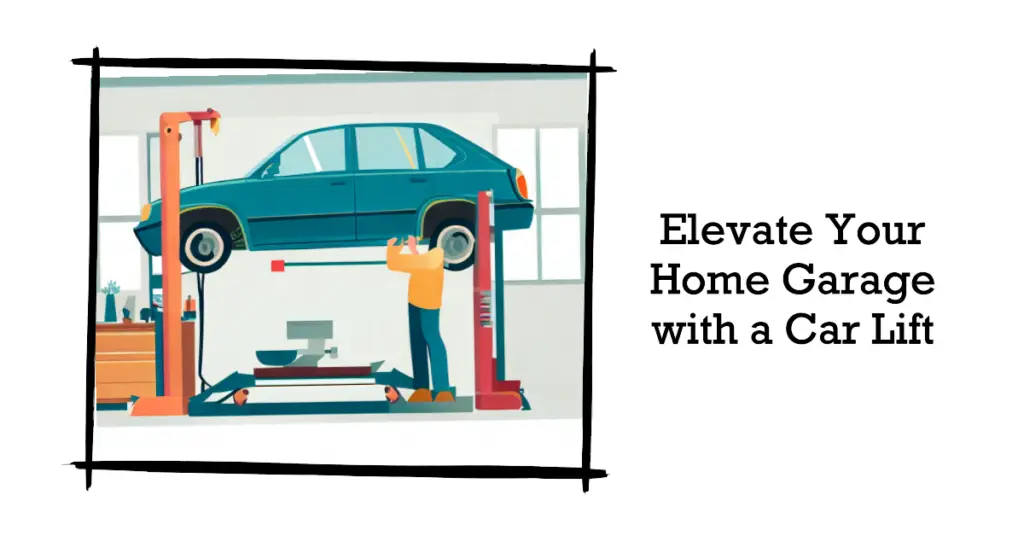
One of the primary advantages of a car lift is the space optimization it offers. By lifting your vehicle, you create an extra area beneath it, allowing you to park another car, store equipment, or set up a workspace.
This can be particularly beneficial for those with limited garage space. Moreover, a car lift eliminates the need for bulky and space-consuming ramps or jack stands, providing a more efficient and organized setup.
Another compelling reason to have a car lift at home is its ease and safety for maintenance and repair tasks. Working underneath a lifted vehicle provides better accessibility to the underside, making tasks such as oil changes, tire rotations, and brake inspections less arduous.
Additionally, a car lift ensures stability and security during these procedures, reducing the risk of accidents and injuries.
In conclusion, a car lift is valuable to any home garage. It optimizes space utilization, simplifies maintenance tasks, and enhances safety. If you’re passionate about or enjoy working on cars, investing in a car lift can elevate your automotive experience.
Factors to Consider When Buying a Car Lift
Investing in a car lift for your garage can revolutionize your automotive maintenance experience. However, with various options available in the market, it’s crucial to consider certain factors before making your purchase decision.
By evaluating these key aspects, you can ensure that you select a car lift that meets your specific needs and provides optimal performance.
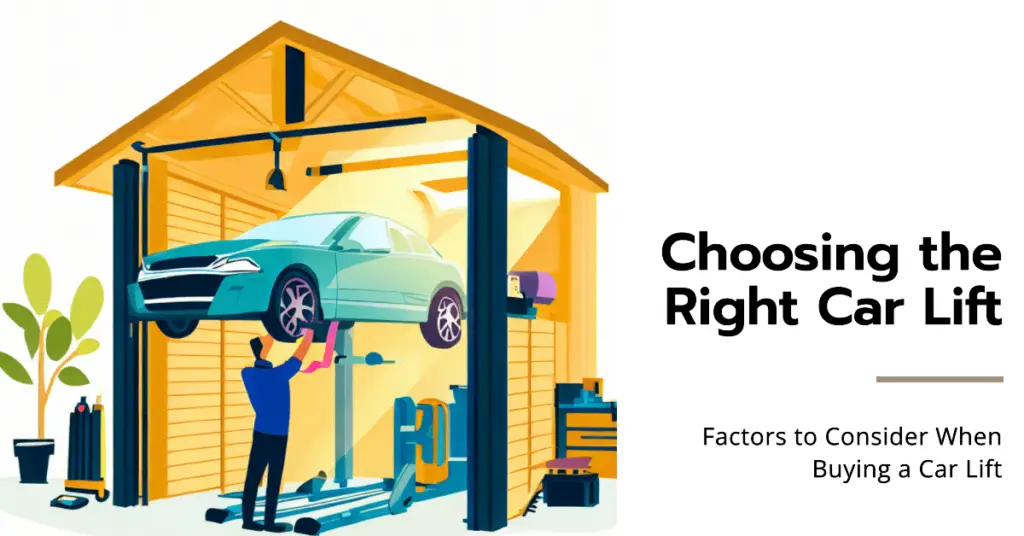
Weight Capacity:- The weight capacity of a car lift is a critical consideration. Determine the heaviest vehicle you plan to lift and choose a lift that can handle that weight plus a safety margin. It’s important to account for future vehicle acquisitions or modifications.
Lift Type:- There are different types of car lifts available, including two-post lifts, four-post lifts, scissor lifts, and portable lifts. Each type has its advantages and limitations. Consider factors such as the type of vehicles you’ll be lifting, the available space in your garage, and the ease of use you desire.
Lift Height:- The lift height refers to how high the car lift can elevate your vehicle. Consider the clearance required for your specific needs, whether for performing maintenance tasks or storage purposes. Ensure the lift height is suitable for your intended use.
Safety Features:- Safety should be a top priority when purchasing a car lift. Look for automatic safety locks, arm restraints, and sturdy construction. Ensure the lift meets industry safety standards and has a good reputation for reliability.
Installation and Space Requirements:- Evaluate the car lift’s installation process and space requirements. Some lifts may require professional installation or modifications to your garage. Consider the available ceiling height, floor space, and electrical requirements.
Price and Warranty: Compare the prices of different car lifts while considering their features and quality. Additionally, check the manufacturer’s warranty to ensure you have proper coverage in case of any issues.
By carefully considering these important factors when buying a car lift, you can make an informed decision that aligns with your requirements. A well-chosen car lift will enhance your automotive maintenance capabilities and provide long-term value and convenience for your home garage.
Best Car Lift For Home Garage – A Comparison
1. QuickJack 5000TL 5
When finding the ideal car lift for home garage, the QuickJack 5000TL 5 is an exceptional choice. Designed with convenience and performance in mind, this 5,000lb portable car lift with a 110V power unit offers a range of features that make it the best option for automotive enthusiasts and DIY mechanics.
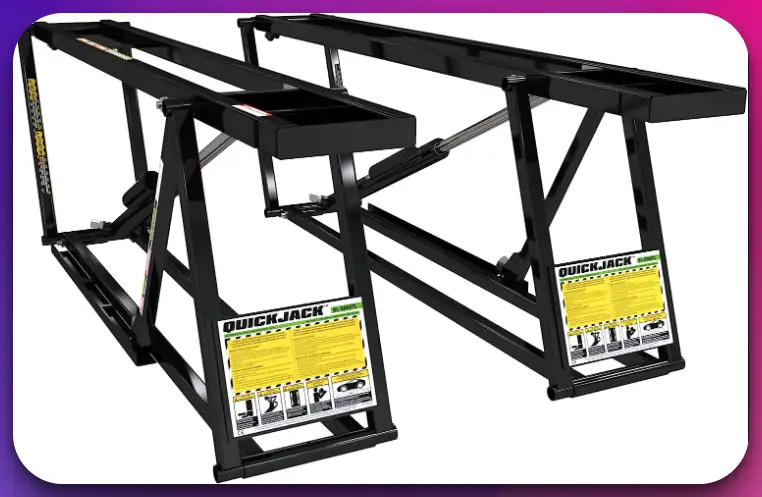
One of the key advantages of the QuickJack 5000TL 5 is its portability. Unlike traditional car lifts, this model can be easily transported and stored, allowing you to utilize it wherever needed. Its compact size and lightweight design make it perfect for those with limited space in their home garages.
Despite its portability, the QuickJack 5000TL 5 doesn’t compromise on strength or capacity. With a weight rating of 5,000 lbs, it can effortlessly lift most vehicles, from sedans to SUVs. This robust lifting capability is complemented by a sturdy frame construction, ensuring safety and stability during use.
The 110V power unit of the QuickJack 5000TL 5 adds to its appeal. This feature allows for easy and quick setup, enabling you to lift your vehicle within minutes. Say goodbye to the hassles of hydraulic systems or time-consuming manual labor—this car lift is designed for efficiency and convenience.
Furthermore, the QuickJack 5000TL 5 boasts user-friendly operation. It’s intuitive controls and smooth lifting action make it a breeze to use, even for those new to car lifts.
The automatic safety locks also provide peace of mind, ensuring your vehicle remains securely elevated during maintenance tasks.
In conclusion, the QuickJack 5000TL 5 is the best car lift for your home garage. Its portability, impressive weight capacity, 110V power unit, and user-friendly operation make it an exceptional choice.
With this car lift, you can elevate your automotive maintenance experience to new heights, enjoying the convenience and efficiency it brings to your home garage.
Pros:-
Portability: The QuickJack 5000TL 5 is designed to be easily transported and stored, making it an ideal choice for those with limited space in their home garages or for individuals needing to move the lift to different locations.
Impressive Weight Capacity: With a 5,000lb weight rating, this car lift can handle many vehicles, including sedans, SUVs, and light trucks, providing versatility and convenience.
110V Power Unit: Including a 110V power unit allows for quick and easy setup, eliminating the need for manual labor or complex hydraulic systems. This feature ensures efficient and hassle-free operation.
User-Friendly Operation: The QuickJack 5000TL 5 is designed with intuitive controls and smooth lifting action, making it easy to use even for individuals unfamiliar with car lifts. The automatic safety locks provide added peace of mind during maintenance tasks.
Cons:-
Limited Lifting Height: While the QuickJack 5000TL 5 offers convenience and portability, its lifting height may not be sufficient for certain tasks that require extensive under-vehicle access. Users should ensure that the lift height meets their specific requirements before purchasing.
Dependency on Power: As the QuickJack 5000TL 5 relies on a 110V power unit for operation, it may not be suitable for individuals with limited access to electrical outlets in their garage or who prefer a completely self-contained lifting system.
Limited Accessories: The QuickJack 5000TL 5 may have a limited range of available accessories compared to other car lift models. It’s important to consider if any specific accessories or add-ons are necessary for your intended use and if they are compatible with this particular model.
Overall, the QuickJack 5000TL 5 excels in its portability, weight capacity, and user-friendly features, making it an excellent choice for many home garage owners. However, potential buyers should carefully consider their specific lifting requirements and ensure that the lift’s lifting height and power source align with their needs.
2. QuickJack 7000TL 7
When finding a reliable and efficient car lift for home garage, look no further than the QuickJack 7000TL 7. This exceptional portable car lifts with a 110V power unit is designed to meet the needs of automotive enthusiasts and DIY mechanics who demand nothing but the best.
With a robust weight capacity of 7,000 lbs, the QuickJack 7000TL 7 can effortlessly lift many vehicles, including sedans, SUVs, and light trucks. This exceptional strength ensures you can safely and securely elevate your vehicle for maintenance, repairs, or storage.
Portability is a key feature of the QuickJack 7000TL 7. Despite its impressive weight capacity, this car lift remains highly portable, allowing you to move and store it as needed easily.
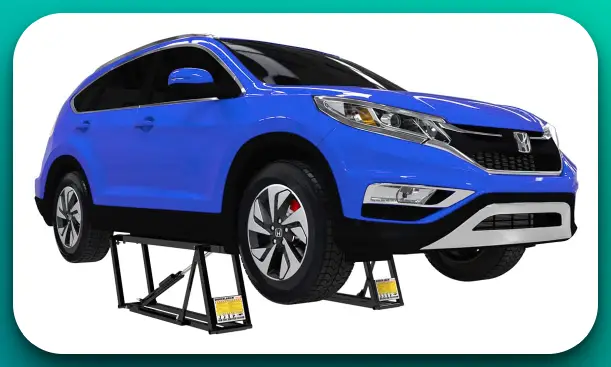
It’s compact size and lightweight construction make it an excellent choice for those with limited space in their home garages or for individuals who require a portable lifting solution.
The 110V power unit of the QuickJack 7000TL 7 makes setup quick and effortless. With a simple push of a button, you can conveniently lift your vehicle, eliminating the need for cumbersome hydraulic systems or manual labor. This user-friendly operation ensures a smooth and efficient lifting process.
Safety is of paramount importance, and the QuickJack 7000TL 7 prioritizes it. Equipped with automatic safety locks, this car lift provides added security, preventing accidental vehicle lowering during maintenance tasks. This feature ensures a worry-free lifting experience and protects you and your vehicle.
In conclusion, the QuickJack 7000TL 7 is the perfect car lift for your home garage. Its impressive weight capacity, portability, 110V power unit, and focus on safety make it an outstanding choice for automotive enthusiasts and DIY mechanics. Elevate your automotive maintenance experience with the reliability and convenience offered by this exceptional car lift.
Pros:-
Impressive Weight Capacity: With a weight capacity of 7,000 lbs, the QuickJack 7000TL 7 can lift a wide range of vehicles, including sedans, SUVs, and light trucks. This exceptional strength provides versatility and accommodates various automotive maintenance needs.
Portability: Despite its robust weight capacity, the QuickJack 7000TL 7 remains highly portable. Its compact size and lightweight construction make it easy to move and store, ideal for individuals with limited space in their home garages or those requiring a portable lifting solution.
110V Power Unit: Including a 110V power unit ensures a quick and convenient setup. With the push of a button, you can effortlessly lift your vehicle, eliminating the need for complex hydraulic systems or manual labor. This user-friendly feature enhances efficiency and saves time.
Safety Features: The QuickJack 7000TL 7 prioritizes safety during use. Equipped with automatic safety locks, it prevents accidental vehicle lowering, providing added security and peace of mind during maintenance tasks. These safety features ensure a reliable and secure lifting experience.
Cons:-
Limited Lifting Height: The QuickJack 7000TL 7 may have a limited maximum lifting height. Depending on your specific needs, this height limitation may restrict access to certain areas of your vehicle during maintenance tasks. Consider your requirements and ensure the lifting height meets your needs.
Power Dependency: As the QuickJack 7000TL 7 relies on a 110V power unit, it requires access to an electrical outlet. This may pose a limitation if your home garage lacks convenient power sources. Ensure that your garage is equipped with suitable electrical infrastructure for seamless operation.
Price: The QuickJack 7000TL 7, with its advanced features and high weight capacity, may come at a higher price point than other car lift options. Potential buyers should consider their budget and evaluate the product’s long-term value and benefits.
Overall, the QuickJack 7000TL 7 provides exceptional strength, portability, user-friendly operation, and safety features, making it an excellent car lift option for home garages.
However, before purchasing, potential buyers should consider lifting height, power availability, and budget.
3. Jegs 79025 Hydraulic Car Lifts – Best Affordable
When finding a reliable and affordable car lift for home garage, look no further than the JEGS 79025 Hydraulic Car Lifts. Designed with quality and affordability, this hydraulic lift with a 3000 lb. capacity stands out as the best option for budget-conscious automotive enthusiasts and DIY mechanics.
One of the key advantages of the JEGS 79025 Hydraulic Car Lifts is its budget-friendly price. Despite its affordability, this car lift does not compromise quality or performance.
It provides excellent value for money, allowing you to elevate your vehicle for maintenance, repairs, and storage without breaking the bank.
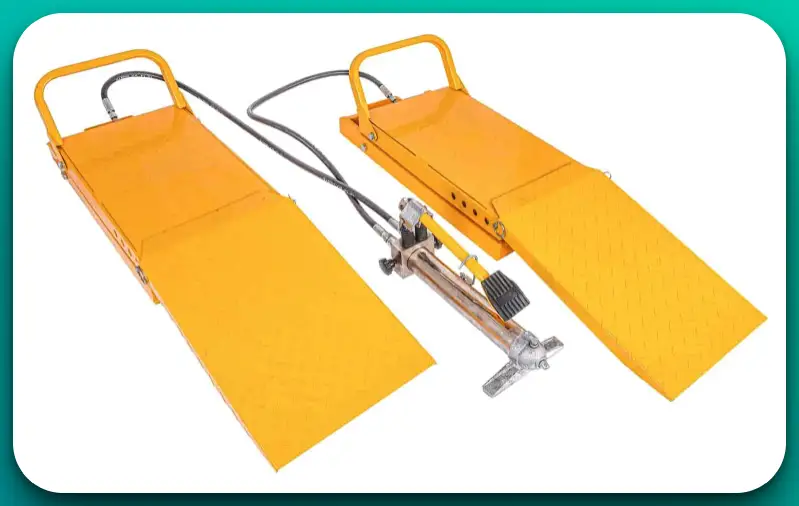
With its 3000 lb. capacity, the JEGS 79025 Hydraulic Car Lifts can accommodate many vehicles, including sedans, small SUVs, and lightweight trucks. This capacity ensures versatility and convenience, making it suitable for most home garage applications.
The hydraulic mechanism of the JEGS 79025 ensures smooth and efficient lifting operation. With the help of a hydraulic pump, you can effortlessly raise your vehicle to a comfortable working height. The hydraulic system provides stability and control during lifting, ensuring a safe and secure environment for maintenance tasks.
Installation and setup are straightforward with the JEGS 79025 Hydraulic Car Lifts. The lift has clear instructions and all the necessary components for easy assembly. It is designed to be user-friendly, allowing you to quickly get your lift up and running in your home garage.
In conclusion, the JEGS 79025 Hydraulic Car Lifts is the best budget car lift for your home garage. Its affordable price, 3000 lb. capacity, smooth hydraulic operation, and easy installation offer excellent value without compromising quality.
Elevate your automotive maintenance experience without straining your budget with this reliable and budget-friendly car lift option.
Pros:-
Budget-Friendly: The JEGS 79025 Hydraulic Car Lifts offer an affordable price point, making it an excellent choice for those on a budget. It provides great value for the price without compromising on quality.
Versatile Capacity: With a 3000 lb. capacity, this car lift can handle many vehicles, including sedans, small SUVs, and lightweight trucks. It offers versatility and convenience for various home garage applications.
Smooth Hydraulic Operation: The hydraulic mechanism of the JEGS 79025 ensures smooth and efficient lifting. The hydraulic pump allows for easy raising and lowering of the vehicle, providing stability and control.
User-Friendly Installation: The JEGS 79025 comes with clear instructions and all the necessary components for easy assembly. It is designed to be user-friendly, allowing for a straightforward installation process in your home garage.
Cons:-
Limited Weight Capacity: While the 3000 lb. capacity of the JEGS 79025 is suitable for most home garage applications, it may not be sufficient for heavier vehicles or certain larger trucks. Buyers should ensure the weight capacity meets their specific needs.
Lower Lift Height: The lift height of the JEGS 79025 may be limited compared to other car lift models. This height limitation may affect access to certain areas of the vehicle during maintenance tasks. Consider your requirements and ensure the lift height aligns with your needs.
Availability of Accessories: The JEGS 79025 may have a limited range of available accessories compared to more premium car lift options. Potential buyers should consider if any specific accessories or add-ons are necessary for their intended use and if they are compatible with this model.
In conclusion, the JEGS 79025 Hydraulic Car Lifts offer a budget-friendly option for home garage owners. Its affordable price, versatile capacity, smooth hydraulic operation, and user-friendly installation provide great value without sacrificing quality.
Buyers should consider the weight capacity, lift height, and accessory availability to ensure it meets their specific requirements. The JEGS 79025 is a reliable, cost-effective car lift solution for automotive enthusiasts and DIY mechanics.
4. CR L2910 220V
The CR L2910 220V is the best choice for automotive enthusiasts and DIY mechanics when equipping your home garage with a reliable and efficient car lift. With its exceptional features and capabilities, this two-post car lift offers unparalleled performance and convenience.
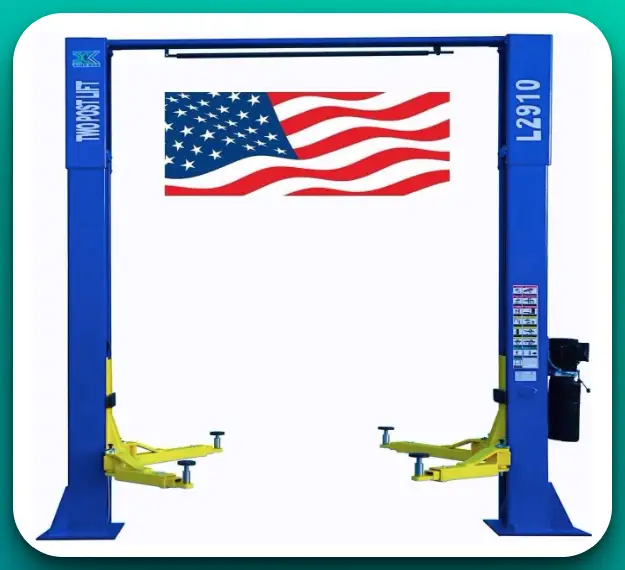
The key advantage of the CR L2910 220V is its impressive 9,000 lbs capacity. This high weight capacity makes it suitable for lifting many vehicles, from compact cars to larger trucks. This car lift can easily handle whether you have a personal vehicle or work on different vehicles.
Equipped with a 220V power unit, the CR L2910 ensures powerful and efficient lifting. The higher voltage enhances the lift’s performance, allowing for quick and smooth operation. With a simple button push, you can elevate your vehicle to a comfortable working height, enabling easy access to the underside.
Durability and stability are key features of the CR L2910 220V. Constructed with robust materials and designed for heavy-duty use, this car lift offers long-lasting performance and reliability. The two-post design provides excellent stability and support, ensuring your vehicle’s safe and secure lifting environment.
The CR L2910 220V comes with a 12-month warranty to prove its quality. This warranty provides peace of mind, knowing you’re covered for any unexpected issues or defects.
In conclusion, the CR L2910 220V is the best two-post car lift for home garage. Its impressive weight capacity, powerful 220V power unit, durability, and 12-month warranty offer exceptional performance and reliability.
Elevate your automotive maintenance experience with this high-quality car lift that delivers professional-level capabilities in the comfort of your garage.
Pros:-
High Weight Capacity: With a remarkable 9,000 lbs capacity, the CR L2910 220V can lift many vehicles, including larger trucks and SUVs. This versatility allows you to work on various types of vehicles in your home garage.
Powerful 220V Operation: The 220V power unit of the CR L2910 ensures efficient and powerful lifting. This higher voltage enhances performance, allowing quick and smooth operation, saving time and effort.
Durability and Stability: Constructed with sturdy materials and designed for heavy-duty use, the CR L2910 offers long-lasting durability. The two-post design provides excellent stability and support, ensuring your vehicle’s safe and secure lifting environment.
12-Month Warranty: Including a 12-month warranty provides peace of mind, assuring you of the manufacturer’s confidence in the product’s quality and reliability. This warranty ensures you are covered for any unexpected issues or defects.
Cons:-
Professional Installation Required: Installing the CR L2910 220V may require professional assistance due to its more complex setup. This additional cost for installation should be considered when budgeting for the car lift.
Space Requirements: The two-post design of the CR L2910 requires a sufficient amount of space in your home garage. Ensure you have adequate ceiling height and floor space to accommodate the lift and allow for proper vehicle lifting and maneuverability.
Higher Voltage Requirement: The 220V power unit of the CR L2910 may require specific electrical infrastructure in your garage. Ensure you have the appropriate electrical setup to support the higher voltage requirement for seamless operation.
In conclusion, the CR L2910 220V Two Post Car Lift offers high weight capacity, powerful 220V operation, durability, and a warranty for peace of mind.
However, potential buyers should consider the need for professional installation, space requirements, and the necessary electrical infrastructure. Overall, this car lift provides exceptional performance and reliability, making it an excellent choice for those seeking professional-level capabilities in their home garage.
5. Atlas 9KOHX 9,000 lb Overhead 2-Post Lift
If you’re searching for the ultimate two-post car lift for home garage, look no further than the Atlas 9KOHX 9,000 lb Overhead 2-Post Lift. Engineered with precision and innovation, this exceptional car lift offers unmatched performance and versatility for automotive enthusiasts and DIY mechanics.
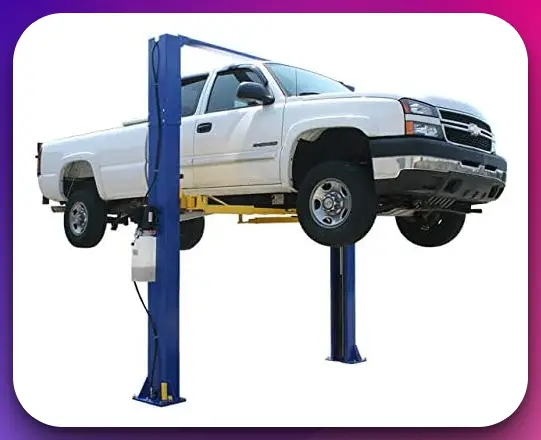
With a 9,000 lb capacity, the Atlas 9KOHX can handle many vehicles, from compact cars to larger trucks. Its sturdy construction and robust design ensure stability and reliability during lifting operations, giving you the confidence to work on your vehicles easily.
One standout feature of the Atlas 9KOHX is its specially designed-arms that allow for symmetric and asymmetric lifting configurations.
This versatility allows you to adapt the lift to different vehicle types and sizes, maximizing flexibility and convenience in your home garage. Whether you need to lift vehicles with centered weight distribution or offset loads, this car lift has you covered.
The clear floor design of the Atlas 9KOHX ensures unobstructed access to the underside of your vehicle. This feature allows for convenient maintenance and repairs, enabling you to work easily and efficiently—no more hassle of dealing with posts or crossbeams that can limit access.
Safety is paramount, and the Atlas 9KOHX incorporates various safety features to provide peace of mind. It includes automatic safety locks that engage during lifting, ensuring secure and stable vehicle positioning. The durable construction and high-quality materials make this lift a reliable and long-lasting investment.
In conclusion, the Atlas 9KOHX 9,000 lb Overhead 2-Post Lift is the best choice for your home garage. Its impressive weight capacity, specially designed lifting arms for symmetric and asymmetric configurations, clear floor design, and emphasis on safety offers unparalleled performance and versatility.
Elevate your automotive maintenance experience with this top-of-the-line car lift that combines precision engineering and innovative features.
Pros:-
High Weight Capacity: With a 9,000 lb weight capacity, the Atlas 9KOHX can accommodate a wide range of vehicles, including larger trucks and SUVs. This versatility lets you work on various vehicle sizes and types in your home garage.
Symmetric and Asymmetric Lifting Configurations: The specially designed arms of the Atlas 9KOHX allow for both symmetric and asymmetric lifting configurations. This flexibility enables you to adapt the lift to different vehicle weight distributions, maximizing convenience and efficiency during maintenance tasks.
Clear Floor Design: The clear floor design of the Atlas 9KOHX ensures unobstructed access to the underside of your vehicle. This feature provides a more convenient and spacious working environment for easier maintenance and repairs.
Safety Features: The Atlas 9KOHX is equipped with automatic safety locks that engage during lifting, ensuring secure positioning of the vehicle. This feature provides added safety and peace of mind during maintenance tasks.
Cons:-
Professional Installation Required: Due to the complexity and weight of the Atlas 9KOHX, professional installation may be required. The additional installation cost should be considered when budgeting for the car lift.
Space Requirements: The Atlas 9KOHX requires sufficient space in your home garage. Consider the height and width requirements to ensure proper installation and sufficient clearance for vehicle lifting and maneuverability.
Higher Price Point: The Atlas 9KOHX, with its advanced features and high weight capacity, may come at a higher price point than other car lift options. Potential buyers should consider their budget and evaluate the product’s long-term value and benefits.
In conclusion, the Atlas 9KOHX 9,000 lb Overhead 2-Post Lift offers a high weight capacity, versatile lifting configurations, clear floor design, and safety features.
However, potential buyers should consider the need for professional installation, space requirements, and the higher price point. Overall, this car lift provides exceptional performance and convenience, making it a top choice for home garage owners seeking professional capabilities.
6. Atlas 8000 LB Hobbyist 4-Post Lift
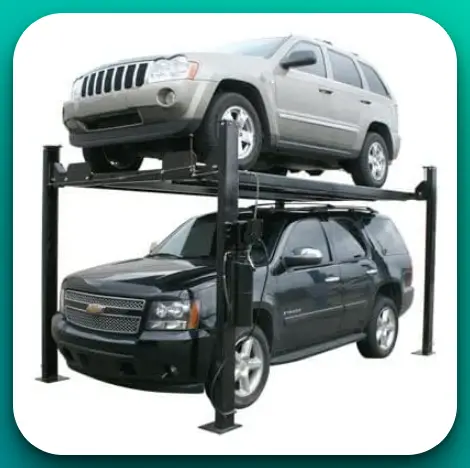
When selecting the ideal car lift for your home garage, the Atlas® Garage Pro 8000 EXT is the best choice for automotive enthusiasts seeking exceptional performance and versatility. This portable 4-post lift offers unparalleled convenience and functionality with its 8,000 lbs. capacity and extra tall design.
The Atlas® Garage Pro 8000 EXT boasts an impressive weight capacity of 8,000 lbs., making it suitable for a wide range of vehicles, including sedans, SUVs, and light trucks. Its robust construction and sturdy design ensure stability and reliability during lifting operations, providing peace of mind as you work on your vehicles.
One key advantage of the Atlas® Garage Pro 8000 EXT is its portability. As a portable lift, it offers the flexibility to move and store it as needed.
This feature is particularly useful for individuals with limited garage space or those who require a versatile lifting solution that can be used in different locations.
The extra tall design of the Atlas® Garage Pro 8000 EXT provides additional clearance, allowing for comfortable access to your vehicle’s undercarriage. This feature is especially beneficial for oil changes, inspections, and general maintenance, making the lift an efficient and user-friendly tool for your home garage.
With its 4-post configuration, this car lift offers excellent stability and support. The robust posts and crossbeams ensure a secure lifting environment, allowing you to work confidently on your vehicles. The Atlas® Garage Pro 8000 EXT is designed to withstand heavy-duty use, ensuring durability and longevity.
In conclusion, the Atlas® Garage Pro 8000 EXT is the best 4-post lift car lift for your home garage. Its high weight capacity, portability, extra tall design, and stability offer outstanding performance and convenience.
Elevate your automotive maintenance experience with this top-of-the-line car lift that combines versatility and reliability, bringing professional-level capabilities to your home garage.
Pros:-
High Weight Capacity: The Atlas® Garage Pro 8000 EXT boasts an impressive 8,000 lbs. weight capacity, making it suitable for many vehicles, including sedans, SUVs, and light trucks. This versatility allows you to work on various types of vehicles in your home garage.
Portability: As a portable lift, the Atlas® Garage Pro 8000 EXT offers the flexibility to move and store it as needed. This feature is particularly beneficial for individuals with limited garage space or those who require a lifting solution that can be used in different locations.
Extra Tall Design: The extra tall design of the Atlas® Garage Pro 8000 EXT provides ample clearance, allowing for comfortable access to the undercarriage of your vehicle. This feature enhances efficiency and ease of maintenance tasks, such as oil changes and inspections.
Stability and Durability: The 4-post configuration of the Atlas® Garage Pro 8000 EXT ensures excellent stability and support. The robust posts and crossbeams provide a secure lifting environment, allowing you to work confidently on your vehicles. The lift is built to withstand heavy-duty use, ensuring long-lasting durability.
Cons:-
Space Requirements: The Atlas® Garage Pro 8000 EXT requires sufficient space in your home garage due to its 4-post configuration. Consider the height, width, and length requirements to ensure proper installation and sufficient clearance for vehicle lifting and maneuverability.
Setup and Assembly: Setting up and assembling the Atlas® Garage Pro 8000 EXT may require some time and effort. Proper installation and alignment of the posts and crossbeams are essential for optimal performance. It is recommended to follow the instructions carefully or seek professional assistance for installation.
Price: The Atlas® Garage Pro 8000 EXT, with its advanced features and high weight capacity, may come at a higher price than other car lift types. Potential buyers should consider their budget and evaluate the long-term value and benefits the lift offers.
In conclusion, the Atlas® Garage Pro 8000 EXT 4 Post Lift provides a high weight capacity, portability, extra tall design, stability, and durability.
However, buyers should consider the space requirements, setup and assembly process, and price. Overall, this car lift offers exceptional performance and convenience, making it a top choice for home garage owners seeking professional-level capabilities.
7. CHIEN RONG CR L2900
When selecting the perfect car lift for your home garage, the CR Two Post L2900 is the best choice for automotive enthusiasts and DIY mechanics. With its exceptional features and capabilities, this 2-post lift offers unmatched performance and convenience.
The key advantage of the CR Two Post L2900 is its impressive 9,000 lb. capacity. With this robust weight capacity, the lift can easily handle many vehicles, from compact cars to larger trucks.
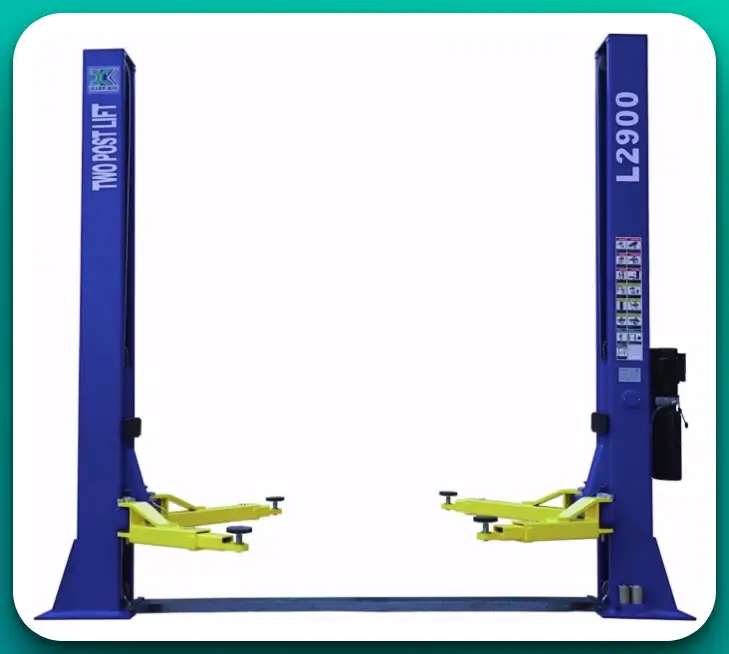
Its sturdy construction and reliable design ensure stability and safety during lifting operations, allowing you to work on your vehicles easily.
The 2-post configuration of the CR L2900 offers excellent accessibility and versatility. It provides unobstructed access to your vehicle’s undercarriage, allowing for convenient maintenance, repairs, and inspections. The lift’s design accommodates a range of vehicle sizes and types, making it a versatile tool for your home garage.
The CR Two Post L2900 has numerous safety features to ensure a secure lifting environment. It includes automatic safety locks that engage during lifting, providing stability and peace of mind. The durable construction and high-quality materials ensure the lift’s longevity and reliability.
Installation and setup of the CR Two Post L2900 are straightforward. The lift has clear instructions and all the necessary components for easy assembly. It is designed to be user-friendly, allowing you to quickly and efficiently set up the lift in your home garage.
In conclusion, the CR Two Post L2900 is the best 2-post lift car lift for your home garage. With its impressive weight capacity, accessibility, safety features, and ease of installation, it offers outstanding performance and convenience.
Elevate your automotive maintenance experience with this top-of-the-line car lift that combines reliability and functionality, providing professional-level capabilities in the comfort of your garage.
Pros:-
High Weight Capacity: The CR Two Post L2900 boasts an impressive 9,000 lb. weight capacity, making it suitable for many vehicles, including larger trucks and SUVs. This versatility lets you work on various vehicle sizes and types in your home garage.
Accessibility and Versatility: The 2-post configuration of the CR L2900 provides unobstructed access to your vehicle’s undercarriage. This feature allows for convenient maintenance, repairs, and inspections. The lift’s design accommodates different vehicle sizes and types, providing versatility for your home garage needs.
Safety Features: The CR Two Post L2900 has automatic safety locks that engage during lifting, ensuring a secure and stable lifting environment. These safety features provide peace of mind and protect you and your vehicle during maintenance tasks.
Ease of Installation: Setting up the CR Two Post L2900 is straightforward. The lift has clear instructions and all the necessary components for easy assembly. The user-friendly design allows for quick and efficient installation in your home garage.
Cons:-
Space Requirements: The CR Two Post L2900 requires sufficient space in your home garage due to its 2-post configuration. Consider the height, width, and length requirements to ensure proper installation and sufficient clearance for vehicle lifting and maneuverability.
Professional Assistance for Installation: While the CR Two Post L2900 is designed for easy installation, it may still require professional assistance for proper setup and alignment. This additional cost should be considered when budgeting for the car lift.
Price: The CR Two Post L2900, with its impressive features and weight capacity, may come at a higher price point than other types of car lifts. Potential buyers should consider their budget and evaluate the long-term value and benefits the lift offers.
In conclusion, the CR Two Post L2900 2 Post Lift provides a high weight capacity, accessibility, safety features, and ease of installation.
However, potential buyers should consider the space requirements, the potential need for professional assistance during installation, and the price when making a purchasing decision.
Overall, this car lift offers exceptional performance and convenience, making it a top choice for home garage owners seeking professional-level capabilities.
How To Install a Car Lift in Your Home Garage
Installing a car lift in your home garage can enhance your automotive maintenance capabilities and convenience whether a car enthusiast or a DIY mechanic, a car lift lets you work on your vehicle easily and efficiently.
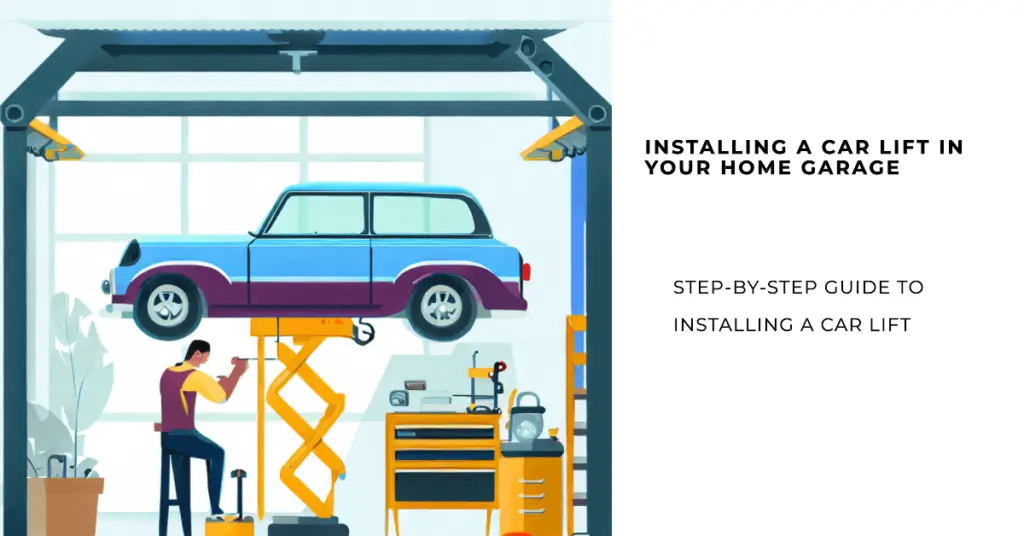
This guide will take you through the step-by-step process of installing a car lift in your home garage.
Step 1: Evaluate the Space
Before installing a car lift, evaluating the available space in your home garage is crucial. Consider the dimensions of the lift, including height, width, and length, and ensure that your garage can accommodate it comfortably.
Measure the ceiling height and ensure it meets the lift’s height requirements. Additionally, assess the flooring to ensure it can support the weight of the lift and the vehicles you intend to lift.
Step 2: Gather the Necessary Tools and Equipment
You will need a set of tools and equipment to install a car lift. Common tools include wrenches, ratchets, sockets, a torque wrench, a level, a drill, and a tape measure. Ensure you have the appropriate tools and equipment before starting the installation process.
Step 3: Prepare the Garage
Clear the area where you plan to install the car lift. Remove any obstacles, clutter, or debris that could hinder installation or pose safety risks. It’s essential to have a clean and organized workspace.
Step 4: Read the Manufacturer’s Instructions
Carefully read the manufacturer’s instructions that accompany your car lift. Familiarize yourself with the installation process, safety precautions, and the manufacturer’s specific requirements. Following the instructions diligently is crucial for a successful installation and ensures the safe operation of the car lift.
Step 5: Install the Anchor Bolts
Most car lifts require anchor bolts to secure them to the garage floor. Mark the locations for the anchor bolts according to the manufacturer’s specifications and drill holes for them. Insert the anchor bolts and tighten them securely using a torque wrench, ensuring the lift is level and properly aligned.
Step 6: Assemble the Lift Components
Follow the manufacturer’s instructions to assemble the various components of the car lift. This may involve attaching crossbeams, lifting arms, hydraulic components, and other structural elements. Ensure all connections are tight and secure to guarantee the lift’s stability and safety during operation.
Step 7: Test the Lift
Once the car lift is fully assembled, perform a thorough inspection to ensure that all components are properly installed. Test the lift by raising and lowering it without a vehicle to verify its smooth operation and stability. Pay attention to any unusual noises or movements and address them promptly.
Step 8: Conduct a Safety Check
Conduct a comprehensive safety check before using the car lift with a vehicle. Verify that all safety features, such as safety locks and arms, function correctly. Inspect the lift for any wear or damage and ensure it meets all safety regulations and standards.
Step 9: Begin Using Your Car Lift
With the installation and safety checks complete, you can begin using your car lift in your home garage. Make sure to follow all safety guidelines and use the lift responsibly. Enjoy the convenience and enhanced capabilities that your car lift brings to your automotive maintenance tasks.
Remember, if you are uncertain about any step in the installation process or lack the necessary expertise, it is recommended to seek professional assistance to ensure a safe and proper installation.
Installing a car lift in your home garage is a rewarding investment that opens up a world of vehicle maintenance and repair possibilities. By following these steps and adhering to safety guidelines, you can successfully install a car lift and elevate your automotive experience in the comfort of your garage.
Maintenance Tips for Your Car Lift
A car lift is a valuable investment that enhances your ability to work on vehicles in your home garage. To ensure its optimal performance and longevity, regular maintenance is essential.
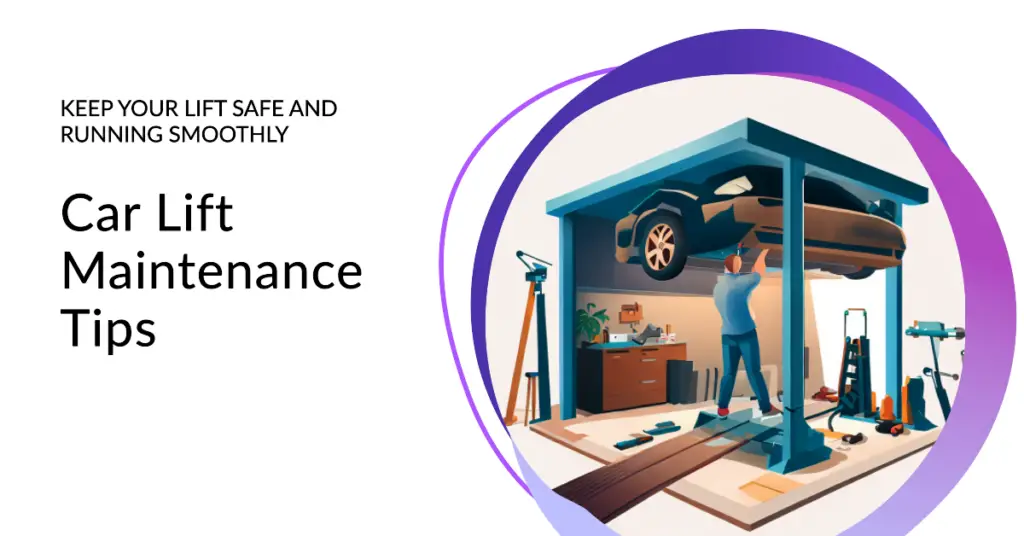
Following these maintenance tips for your car lift, you can keep it in top condition and enjoy safe and efficient operation for years.
1. Inspect and Lubricate Moving Parts
Regularly inspect all moving parts of your car lift, including cables, pulleys, hinges, and pivot points. Look for any signs of wear, corrosion, or damage. Lubricate these parts per the manufacturer’s recommendations using a high-quality lubricant to ensure smooth operation and prevent premature wear.
2. Check Safety Features
The safety features of your car lift are crucial for protecting you and your vehicle. Regularly check the safety locks, arms, and cables to ensure they function properly. Test them periodically to verify that they engage and disengage smoothly. If you notice any issues, have them inspected and repaired promptly by a professional.
3. Maintain the Hydraulic System
Proper maintenance is vital if your car lift operates on a hydraulic system. Regularly check the hydraulic fluid levels and inspect the hoses and fittings for leaks or damage. Ensure the hydraulic fluid is clean and free from contaminants. If necessary, top up or change the fluid according to the manufacturer’s recommendations.
4. Clean and Inspect Lifting Pads
The lifting pads of your car lift come into direct contact with your vehicle, so it’s important to keep them clean and in good condition. Regularly clean the pads to remove dirt, grease, and debris. Inspect them for any signs of wear or damage, and replace them if necessary. Proper lifting pads ensure stability and prevent damage to your vehicle.
5. Keep the Lift Area Clean
Maintaining a clean and organized lift area is crucial for safe and efficient operation. Regularly clean the floor around the lift to remove any oil, grease, or debris that can cause slips or interfere with the lift’s operation. Keep the surrounding area free from clutter to prevent any obstructions that could hinder the movement of the lift.
6. Perform Regular Safety Checks
In addition to checking the safety features, perform regular safety checks on the entire car lift system. Inspect the structural components, such as posts, crossbeams, and bolts, for any signs of wear, corrosion, or damage. Verify that the lift is level and properly aligned. Address any issues promptly to ensure safe and reliable operation.
7. Follow the Manufacturer’s Maintenance Schedule
Each car lift model may have specific maintenance requirements outlined by the manufacturer. Consult the manufacturer’s maintenance schedule and follow it diligently.
This may include adjusting cable tension, replacing worn items, or inspecting electrical components. Adhering to the recommended maintenance schedule helps prolong the lifespan of your car lift.
8. Seek Professional Assistance
While the car lift owner can perform regular maintenance, certain tasks may require professional assistance. If you encounter any complex issues or are unsure about performing maintenance tasks, it’s best to seek the help of a professional technician.
They have the expertise and knowledge to handle intricate maintenance procedures and ensure the optimal performance of your car lift.
Implementing these maintenance tips lets you keep your car lift in excellent condition and enjoy safe and efficient operation. Regular inspections, lubrication, and attention to safety features will not only extend the lifespan of your car lift but also provide you with a reliable and hassle-free automotive maintenance experience.
Remember, a well-maintained car lift is an investment that pays off in terms of convenience, safety, and performance.
📗FAQ’s
What is the best car lift for a home garage?
The best car lifts for a home garage depend on various factors such as weight capacity, available space, and budget. Popular options include 2 post lifts and 4 post lifts. It’s important to consider your specific needs and requirements before deciding.
How tall does a garage wall need to be for a car lift?
The garage wall height needed for a car lift depends on the lift’s specifications and the required clearance. Typically, a ceiling height of around 12 to 14 feet is recommended for most car lifts.
Can you put a car lift in a normal garage?
Yes, installing a car lift in a normal garage is possible. However, you must ensure that the garage has sufficient space, proper structural support and meets the requirements for the specific car lift you intend to install.
How high does your ceiling need to be for a car lift?
The required ceiling height for a car lift depends on the lift’s specifications and maximum lifting height. Generally, a ceiling height of 12 to 14 feet is sufficient for most car lifts.
How many inches of concrete do I need for a car lift?
The thickness of concrete required for a car lift depends on the weight capacity of the lift and local building codes. Typically, a concrete thickness of 4 to 6 inches is suitable for most car lift installations.
How thick should a garage floor be for a car lift?
The garage floor thickness for a car lift depends on the weight capacity of the lift and local building codes. A garage floor thickness of 4 to 6 inches is typically recommended for car lift installations.
Can a car lift fit in a 10-foot ceiling?
Most car lifts require a ceiling height of 12 to 14 feet for proper installation and operation. A 10-foot ceiling may not provide sufficient clearance for a car lift, so it is advisable to check the lift’s specifications and consult a professional.
What is the minimum size garage for a 2-post lift?
The minimum size garage for a 2-post lift depends on the specific lift’s dimensions and the space required for installation and operation. It is recommended to have a garage with a width of at least 20 feet and a depth of 24 feet to accommodate a 2-post lift comfortably.
How far from the wall should a 2-post car lift be?
The distance between a 2-post car lift and the wall depends on the lift’s specifications and the required clearance for vehicle doors to open fully. Typically, a distance of 3 to 4 feet from the wall is recommended for proper operation and maneuverability.
What are the disadvantages of a lift on a car?
Some potential disadvantages of using a car lift include the requirement for sufficient space, higher installation costs, and the need for proper maintenance and safety precautions. Some lifts may also be unsuitable for certain vehicle types or have weight capacity limitations.
What electrical do I need for a garage car lift?
The electrical requirements for a garage car lift vary depending on the lift model and its power source. It’s important to consult the manufacturer’s specifications and local electrical codes. A dedicated circuit with sufficient amperage and voltage capacity is needed to power the car lift.
How tall is a standard garage?
The height of a standard garage can vary, but most residential garages have a standard height ranging from 7 to 9 feet. However, it’s important to consider the specific dimensions of your garage, as heights can vary based on construction standards and regional building codes.
How much room do I need for a car lift in my garage?
The space required for a car lift depends on its dimensions, height, and whether it is a 2 post or 4 post lift. As a general guideline, a garage with a minimum width of 10 feet and a depth of 20 feet is recommended to accommodate a car lift comfortably.
Are 2 post lifts safe?
Yes, 2 post lifts can be safe for lifting vehicles when properly installed, used, and maintained. It’s crucial to follow safety guidelines, use appropriate lifting points, and regularly inspect the lift for any signs of wear or damage. Proper training and adherence to safety protocols are essential for safe operation.
How thick should concrete be for a 2-post lift?
The concrete thickness required for a 2-post lift depends on the lift’s weight capacity and local building codes. Generally, a 4 to 6 inches concrete thickness is suitable for most 2 post lift installations. However, it’s important to consult the manufacturer’s specifications for precise requirements.
How much does it cost to install a 2-post lift?
Installing a 2-post lift can vary depending on the lift brand, model, weight capacity, installation requirements, and labor costs. On average, you can expect to spend several thousand dollars for the lift itself and additional costs for installation and any necessary modifications to your garage.
Will a 4-post lift fit in my garage?
The fit of a 4-post lift in your garage depends on the dimensions of both the lift and your garage. A minimum ceiling height of 10 to 12 feet is typically required for most 4-post lifts. Measuring the available space and consulting the lift manufacturer’s specifications is important to ensure a proper fit.
What is the best 2-post car lift?
The best 2-post car lift depends on your specific needs, budget, and the lift’s quality, features, and reliability. Popular and highly regarded brands in the industry include BendPak, Rotary Lift, and Challenger Lifts. Researching and comparing different models and customer reviews can help you determine the best 2-post lift for your requirements.
What PSI should concrete be for a garage floor?
A garage floor’s recommended PSI (pounds per square inch) can vary. Still, typically a concrete floor with a PSI rating of 3,000 to 4,000 is considered suitable for most residential garage applications. It’s important to consult local building codes and consider factors such as the weight of vehicles and equipment on the floor.
Is 4 inches of concrete enough for a garage floor?
A concrete thickness of 4 inches is generally considered sufficient for a residential garage floor, assuming it is properly reinforced and meets local building code requirements.
However, it’s important to consider the weight and traffic load the floor will experience and any specific requirements outlined by the car lift manufacturer.
How thick does a concrete slab need to be for a garage?
The thickness of a concrete slab required for a garage depends on various factors, such as the expected load, local building codes, and the type of vehicles or equipment on the slab. Typically, a 4 to 6 inches thickness is suitable for most residential garage applications.
What is the minimum ceiling height for a 4-post car lift?
The minimum ceiling height required for a 4 post car lift depends on the lift’s specifications and the maximum lifting height it offers. Generally, a ceiling height of 10 to 12 feet is recommended to ensure sufficient clearance for raising and storing vehicles.
How tall are 2 post car lifts?
The height of 2 post car lifts can vary depending on the specific model and design. Typically, the height ranges from around 9 to 12 feet, depending on the lift’s lifting capacity and other features. It’s important to consider the ceiling height of your garage when selecting a 2 post car lift.
What is the average garage door size?
The average garage door size for a residential garage is typically 7 feet in height and 8 to 9 feet in width. However, door sizes can vary based on individual preferences, vehicle sizes, and regional building codes. It’s important to consider the door size when installing a car lift.
How do car lifts not tip over?
Car lifts are designed with stability in mind. They incorporate structural features such as wide bases, solid anchoring systems, and counterweight mechanisms to prevent tipping during operation.
Adherence to proper installation guidelines and weight distribution while lifting vehicles further ensures stability and safety.
What to look for when buying a two-post lift?
When buying a two-post lift, it’s important to consider factors such as weight capacity, lifting height, construction quality, safety features, warranty, and compatibility with your garage space and vehicles. Research different brands, read customer reviews, and consult with professionals to make informed decision.
How heavy is a 2 post car lift?
The weight of a 2 post car lift can vary depending on its size, design, and weight capacity. Generally, a standard 2 post car lift can weigh anywhere between 1,500 to 3,000 pounds. It’s important to ensure that your garage floor and structure can handle the weight of the lift.
What are common problems with lift kits?
Some common problems with lift kits include improper installation, misalignment, worn-out components, fluid leaks, and malfunctioning hydraulic systems. Regular maintenance, inspections, and proper installation by experienced professionals can help prevent and address these issues.
What are common faults with lifts?
Common faults with lifts can include hydraulic system failures, electrical issues, worn-out cables or pulleys, and mechanical component failures. Regular inspections, preventive maintenance, and prompt repairs by qualified technicians are essential to address and prevent these faults.
Do mechanics install lift kits?
Yes, professional mechanics are trained and experienced in installing lift kits. They have the expertise and knowledge to ensure the lift kit’s proper installation, alignment, and safety. It is recommended to consult with a reputable mechanic or specialized shop for lift kit installation.
What are the different types of garage car lifts?
Various garage car lifts are available, including 2 post lifts, 4 post lifts, scissor lifts, and portable lifts. Each type has its own advantages and considerations based on weight capacity, lifting height, space requirements, and intended use. Researching and understanding the different types can help you choose the most suitable lift for your garage.
What size wire do I need to run a car lift?
The size of wire required to run a car lift depends on the lift’s power requirements, voltage, and length of the wire run. It’s important to consult the lift manufacturer’s specifications and local electrical codes to determine the appropriate wire size and gauge.
Is 18 feet deep enough for a garage?
An 18-foot depth is generally considered sufficient for most standard vehicles and can accommodate a single car comfortably. However, it’s important to consider any additional space needed for storage, workspace, or maneuvering within the garage.
How deep should a garage be for a full-size pickup?
A full-size pickup typically requires a garage depth of around 20 to 24 feet for proper parking and maneuverability. It’s advisable to measure the length of your specific vehicle and consider any additional space needed for doors, tailgates, and clearance.
Can you fit 2 cars in a 16-foot garage?
Fitting two cars in a 16-foot garage can be challenging, especially for larger vehicles. While it may be possible for smaller cars, it’s important to consider factors such as door clearance, maneuvering space, and accessibility. It’s recommended to have a wider garage for comfortable parking of two vehicles.
What is the car lift in a garage called?
The car lift used in a garage is commonly called a “garage car lift” or simply a “car lift.” It is a mechanical device designed to raise and lower vehicles for maintenance, repair, and storage.
What is the minimum size of lift car?
The minimum size of a lift car, also known as the platform, can vary depending on the specific lift model and design. It is typically designed to accommodate a single vehicle, but sizes can range from compact to larger dimensions, depending on the intended use and lift capacity.
What is the disadvantage of a 2 post lift?
One potential disadvantage of a 2 post lift is that it requires proper positioning of lifting points on the vehicle for safe and balanced lifting. Additionally, some models may have limitations in terms of lifting capacity compared to 4 post lifts.
Which is better 4 post or 2 post car lift?
The choice between a 4 post and 2 post car lift depends on individual needs and preferences. A 4 post lift offers more stability and storage capabilities, while a 2 post lift provides better access to the vehicle’s undercarriage. Consider your specific requirements and consult professionals to determine which type is better suited for your needs.
What ceiling height is needed for a 2 post lift?
The required ceiling height for a 2 post lift depends on the lift’s specifications and maximum lifting height. Generally, a ceiling height of 12 to 14 feet is recommended to ensure sufficient clearance for raising and storing vehicles.
How deep should a 2 post lift anchor bolt be?
The depth of the anchor bolts for a 2 post lift depends on the specific model and manufacturer’s recommendations. Generally, anchor bolts should be embedded into the concrete floor at a depth of at least 4 to 6 inches to provide secure anchoring and stability for the lift. It’s important to follow the manufacturer’s guidelines for proper installation.
Conclusion
In this article, we’ve journeyed through car lifts, understanding their benefits, key considerations, and the top options available for your home garage.
We’ve unpacked the importance of selecting a lift with the right lifting capacity, robust safety features, and the impact on your garage space.
Remember, owning the best car lift for your home garage means more than ease and comfort. It’s about transforming your garage into a space that enhances safety and efficiency when working on your car. You’ll save time and money with the right lift and avoid unnecessary discomfort or injuries.
So, don’t let another day go by working under strenuous conditions. Upgrade your garage set up with a high-quality car lift and transform your vehicle maintenance experience.
We hope this guide is a useful starting point in your quest for the best car lift for your home garage. Happy lifting!