
























Even the slightest lag or glitch can differentiate between victory and defeat in online gaming. You need fast, responsive software that can keep up with the demands of modern games, but not every browser can handle that load.
Many gamers use standard web browsers, not realizing these can limit the performance, security, and overall gaming experience.
Think about those frustrating moments when you’re in the middle of the action, and your browser freezes or crashes. Or the ongoing struggle with pop-ups and ads interrupting your gameplay, not to mention the worries about security and data protection. These are all symptoms of using a browser not optimized for gaming.
But here’s the good news – the solution to your problem lies in gaming browsers. Designed to the specific needs of gamers, these specialized browsers ensure an immersive, secure, and seamless gaming experience.
This article explores the ‘best gaming browsers’ available, diving deep into their performance, user experience, security features, and more. Whether casual or professional, this guide will help you find a browser that meets all your gaming needs.
Why Use a Gaming Browser?
Gaming has evolved into a captivating and immersive experience in digital entertainment, transcending traditional boundaries. To fully unlock the potential of gaming, using a gaming browser has become increasingly essential.
But what exactly makes a gaming browser so indispensable? Let’s delve into the remarkable reasons.
First and foremost, a gaming browser offers a seamless and optimized gaming environment. Unlike conventional web browsers, gaming browsers are specifically designed to prioritize performance, ensuring that your gaming sessions are smooth and lag-free.
The meticulously crafted architecture of these browsers harnesses the power of multi-threaded technology, harnessing the potential of modern processors to handle resource-intensive gaming applications effortlessly. Furthermore, a gaming browser brings forth an array of specialized features that cater specifically to the needs of gamers.
These include built-in ad-blockers that eliminate distractions, customizable interfaces to create a personalized gaming environment, and extension support to enhance gameplay with tailored functionalities. These features streamline the gaming experience, enabling players to concentrate on their virtual adventures without interruptions.
Another compelling reason to embrace a gaming browser is its enhanced security. With the rise of online threats, safeguarding personal information and ensuring a secure browsing experience has become paramount.
Gaming browsers implement advanced security measures such as anti-tracking technologies, phishing protection, and sandboxing, creating a fortified shield against malicious attacks and preserving the integrity of gaming accounts.
Moreover, gaming browsers provide a vast repository of gaming-related resources. These browsers integrate seamlessly with gaming platforms, offering quick access to news, updates, and communities.
Players can stay up-to-date with the latest gaming trends, discover new releases, and engage with like-minded individuals, fostering a sense of camaraderie and enriching the gaming journey.
In summary, a gaming browser presents various benefits that elevate the gaming experience. From optimized performance to specialized features, enhanced security, and access to gaming resources, these browsers revolutionize how we engage with digital games.
So, if you are an ardent gamer seeking an immersive and fulfilling gaming escapade, don’t hesitate to embrace the power of a dedicated gaming browser.
Factors To Consider When Choosing a Gaming Browser
When indulging in the exhilarating world of online gaming, the right choice of a gaming browser can significantly impact your overall experience. With many options available, it’s crucial to consider certain factors before selecting.

Let’s explore these factors to ensure you make an informed decision.
1. Performance and Optimization:- One of the primary aspects to consider is the performance of the gaming browser. Look for a browser that offers optimized performance specifically tailored for gaming purposes. This includes low system resource consumption, efficient memory management, and fast rendering to ensure smooth gameplay and minimal lag.
2. Compatibility:- Another crucial factor is the compatibility of the gaming browser with your gaming platform. Ensure that the browser supports the latest web technologies and is compatible with the gaming platforms you frequent. Compatibility ensures seamless integration and maximizes your gaming experience.
3. Specialized Gaming Features:- Look for a gaming browser with specialized gaming features to enhance your gameplay. These features may include built-in ad-blockers to minimize distractions, game-specific extensions for added functionalities, and customizable interfaces to personalize your gaming environment according to your preferences.
4. Security:- Security is paramount regarding online activities, including gaming. Ensure that the gaming browser offers robust security measures such as malware protection, anti-phishing tools, and secure browsing to safeguard your personal information and protect you from potential threats.
5. User-Friendliness:- Opt for a gaming browser that prioritizes user-friendliness. Look for an intuitive and easy-to-navigate interface that allows you to easily access your favorite gaming sites and features. A clutter-free design and smooth user experience can greatly enhance your gaming journey.
6. Community and Support:- Consider the community and support associated with the gaming browser. A vibrant community ensures access to forums, discussions, and support channels, enabling you to seek assistance, share experiences, and connect with fellow gamers.
7. Updates and Development:- Keep an eye on the updates and development of the gaming browser. Choose a browser that regularly releases updates and bug fixes to ensure a stable and evolving gaming experience. Active development indicates a commitment to providing the best features and performance.
Considering these essential factors, you can choose a gaming browser that aligns with your gaming needs and elevates your online gaming adventures to new heights.
Remember, a well-chosen gaming browser can enhance your gaming experience, offering seamless performance, advanced features, and a secure environment to immerse yourself in virtual entertainment.
Best Gaming Browsers To Level Up Your Gaming
1. Opera GX – Best browsers for gaming
When gaming on Windows 11, Opera GX is the best gaming browser, with its unrivaled features and exceptional performance, Opera GX is designed to enhance the gaming experience on this latest Windows platform.
Opera GX stands out from the competition with its remarkable resource management capabilities. This gaming browser allows users to limit CPU and RAM usage, ensuring that games receive maximum system resources. By efficiently managing resources, Opera GX minimizes the chances of lags or performance issues, delivering a smooth and immersive gaming session.
One of the standout features of Opera GX is its GX Control panel. This unique feature empowers gamers to fine-tune their browsing experience by limiting system resource consumption.
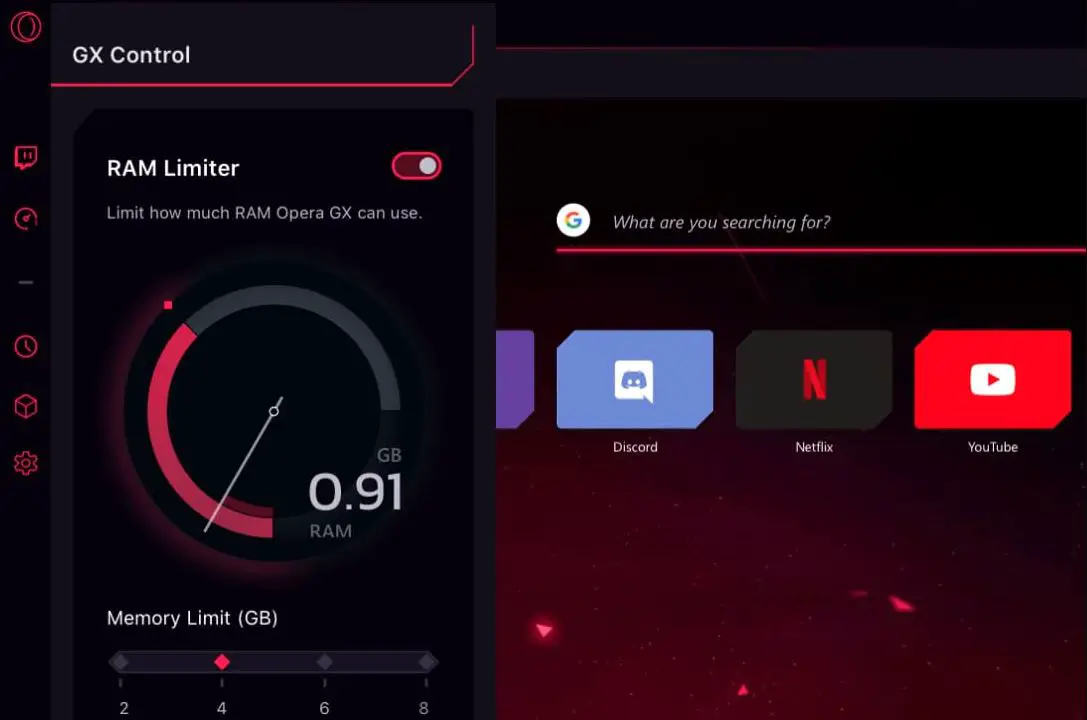
Users can allocate specific CPU and RAM to the browser, giving them optimal control and prioritizing their gaming performance.
In addition, Opera GX offers a Network Limiter feature, allowing users to manage their browser’s network bandwidth. Gamers can prioritize their gaming traffic more, guaranteeing a stable and lag-free online gaming experience. This feature is particularly valuable for multiplayer games, where a stable connection is essential for competitive play.
Opera GX understands the importance of a distraction-free gaming environment. With its built-in ad-blocker, gamers can bid farewell to intrusive ads that disrupt their gameplay. The ad blocker eliminates distractions, providing an uninterrupted and immersive gaming experience.
Moreover, Opera GX goes beyond just being a gaming browser by offering various customization options. Users can personalize their browsing experience with various themes, color schemes, and wallpapers. This level of customization ensures that gamers can create a visually appealing and immersive gaming environment that resonates with their style.
Furthermore, Opera GX provides a dedicated GX Corner, serving as a central hub for gaming content. Users can access a wealth of gaming-related information within this hub, such as news, deals, and upcoming releases. This feature eliminates switching between multiple tabs or applications, keeping gamers informed and connected without interrupting gaming sessions.
In terms of compatibility, Opera GX seamlessly integrates with Windows 11. It leverages the latest web technologies and optimizations the platform provides, ensuring a smooth and efficient browsing experience. This compatibility ensures that Opera GX users can fully enjoy the benefits of the new Windows 11 features while indulging in their favorite games.
Lastly, Opera GX prioritizes the security of its users. It offers a built-in VPN (Virtual Private Network) that encrypts user data, protecting their privacy and enhancing online security.
Gamers can enjoy peace of mind, especially when gaming on public Wi-Fi networks, as the VPN feature shields their personal information from potential threats.
In conclusion, Opera GX is undeniably the best gaming browser for Windows 11. With its exceptional resource management, customizable interface, distraction-free browsing experience, and seamless integration with the latest Windows platform, Opera GX truly enhances the gaming experience.
Whether you’re a casual gamer or a dedicated enthusiast, Opera GX empowers you to take your gaming adventures to the next level, providing a smoother, faster, and more enjoyable gaming journey.

Pros:-
Optimized Performance: Opera GX offers resource management features that allow users to allocate CPU and RAM usage, ensuring maximum system resources for gaming and minimizing lags or performance issues.
Customization Options: With various themes, color schemes, and wallpapers, Opera GX allows users to personalize their gaming browser, creating a visually appealing and immersive gaming environment.
GX Control Panel: The GX Control panel provides users with fine-tuned control over resource allocation, enabling them to prioritize gaming performance and optimize their browsing experience.
Network Limiter: Opera GX’s Network Limiter feature lets users manage their browser’s network bandwidth, giving higher priority to gaming traffic and ensuring a stable and lag-free online gaming experience.
Built-in Ad-blocker: Opera GX has a built-in ad-blocker that eliminates intrusive ads, ensuring an uninterrupted and immersive gaming experience.
GX Corner: The GX Corner serves as a central hub for gaming content, providing access to gaming news, deals, and upcoming releases, allowing users to stay informed and connected without interrupting their gaming sessions.
Compatibility with Windows 11: Opera GX seamlessly integrates with Windows 11, leveraging the platform’s latest web technologies and optimizations, ensuring a smooth and efficient browsing experience.
Built-in VPN: Opera GX offers a built-in VPN that encrypts user data, providing enhanced online security and privacy, particularly useful when gaming on public Wi-Fi networks.
Cons:-
Limited Browser Extensions: Compared to other browsers, Opera GX has a more limited selection of browser extensions, potentially limiting the customization and functionality options for some users.
Focused on Gaming: While Opera GX excels as a gaming browser, users looking for a more general-purpose browser may find some features and functionalities geared towards gaming unnecessary or less relevant.
May Require Familiarization: Switching to a new browser like Opera GX may require some time to familiarize oneself with its interface and features, particularly for users accustomed to other browsers.
Less Third-Party Integration: As a relatively newer browser, Opera GX may integrate less with certain third-party applications or services compared to more established browsers.
Overall, the pros of using Opera GX as a gaming browser for Windows 11 outweigh the cons, offering optimized performance, customization options, gaming-focused features, compatibility with Windows 11, and enhanced security.
However, users seeking a broader range of browser extensions or a more general-purpose browser may find alternatives more suitable for their needs.
2. Brave Browser
When it comes to choosing the best gaming browser, Brave (Download Here ) stands out as an exceptional choice. With its unique features and focus on privacy and speed, Brave offers an unparalleled browsing experience that caters to the needs of gamers.
Brave sets itself apart from other browsers by prioritizing user privacy. It employs advanced privacy features, such as a built-in ad-blocker and tracking protection, ensuring gamers can enjoy gaming sessions without intrusive ads or constant tracking.
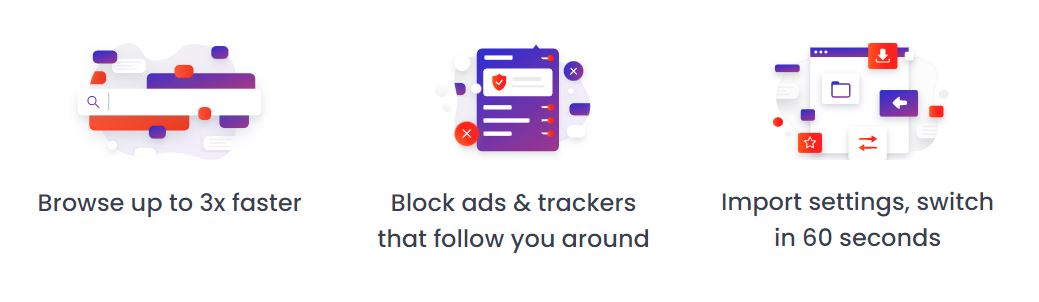
One of the standout features of Brave is its Brave Shields, which not only block ads but also prevent unwanted scripts, trackers, and malware from affecting the browsing experience. This enhances security and protects gamers from potential threats while playing online.
Moreover, Brave is known for its exceptional speed. The browser utilizes a built-in ad-blocker and optimized loading techniques, resulting in faster page loading times and smoother gameplay. This speed is crucial for gamers who require quick access to gaming platforms and websites without any delays.
In addition, Brave offers a unique rewards system called Brave Rewards. This system allows users to earn Basic Attention Tokens (BAT) by opting into privacy-respecting ads.
Gamers can then use these tokens to support their favorite content creators or redeem them for various rewards. This feature provides an additional incentive for gamers to choose Brave as their go-to gaming browser.
Brave’s customizability is another feature that makes it a top choice for gamers. Users can personalize their browsing experience by selecting from various themes and customizable settings, creating a visually appealing and tailored environment that enhances the gaming atmosphere.
Furthermore, Brave offers compatibility with various platforms and operating systems, including Windows, macOS, and Linux. This cross-platform compatibility ensures gamers enjoy a consistent and seamless browsing experience across different devices.
While Brave excels in many aspects, it is worth noting that its selection of browser extensions is relatively smaller compared to other browsers.
However, Brave focuses on providing essential and secure extensions, ensuring gamers enjoy a streamlined and secure browsing experience without compromising performance.
Another factor to consider is that Brave’s privacy-focused features may affect the compatibility of certain websites or online services that rely heavily on tracking or ads.
However, Brave offers an easy-to-use shield customization feature that allows users to adjust settings per site, providing flexibility while maintaining privacy.
Brave emerges as the best gaming browser because it emphasizes privacy, speed, and customizability. With its built-in ad-blocker, tracking protection, exceptional speed, and unique rewards system, Brave caters specifically to the needs of gamers.
Pros:-
Privacy Protection: Brave prioritizes user privacy by offering built-in features like an ad-blocker, tracking protection, and secure browsing, ensuring a more private and secure gaming experience.
Fast and Efficient: Brave’s optimized loading techniques and ad-blocking capabilities result in faster page loading times, allowing gamers to access gaming platforms and websites quickly and efficiently.
Customizability: Brave offers a range of customization options, including themes and settings, allowing gamers to personalize their browsing experience and create a visually appealing environment that suits their preferences.
Unique Rewards System: Brave Rewards enables users to earn Basic Attention Tokens (BAT) by opting into privacy-respecting ads, providing an opportunity to support favorite content creators or redeem tokens for rewards.
Cross-Platform Compatibility: Brave is available on multiple platforms and operating systems, including Windows, macOS, and Linux, ensuring a consistent and seamless browsing experience across different devices.
Cons:-
Limited Browser Extensions: Brave has a smaller selection of browser extensions available than other browsers. While it focuses on providing essential and secure extensions, users may find a narrower range of options compared to more established browsers.
Compatibility with Certain Websites: Due to Brave’s strong privacy features, some websites or online services heavily reliant on tracking or ads may experience compatibility issues. However, Brave’s shield customization feature allows users to adjust settings per site to address this concern.
Less Established User Base: Brave is a relatively newer browser compared to some competitors, which means it may have a smaller user base and community than more widely-used browsers. However, its popularity has been growing steadily over time.
Learning Curve: Switching to a new browser like Brave may require some time to familiarize oneself with its interface and unique features, particularly for users accustomed to other browsers.
Overall, the pros of using Brave as a gaming browser, such as its privacy protection, speed, customizability, and rewards system, make it an excellent choice for gamers seeking a more secure and efficient browsing experience.
However, users relying heavily on specific browser extensions or prefer a more established user base may find alternatives more suitable for their needs.
3. Microsoft Edge
Regarding gaming on the web, Microsoft Edge stands out as one of the best gaming browsers available. With its range of features, performance optimizations, and seamless integration with the Windows ecosystem, Microsoft Edge offers a compelling browsing experience for gamers.
One of the standout features of Microsoft Edge is its speed and performance. The browser leverages the power of the Chromium engine to deliver a fast and efficient browsing experience, ensuring smooth gameplay and quick access to gaming platforms and websites.
With its optimized resource usage, Edge minimizes unnecessary system load, allowing gamers to allocate more resources to their games.
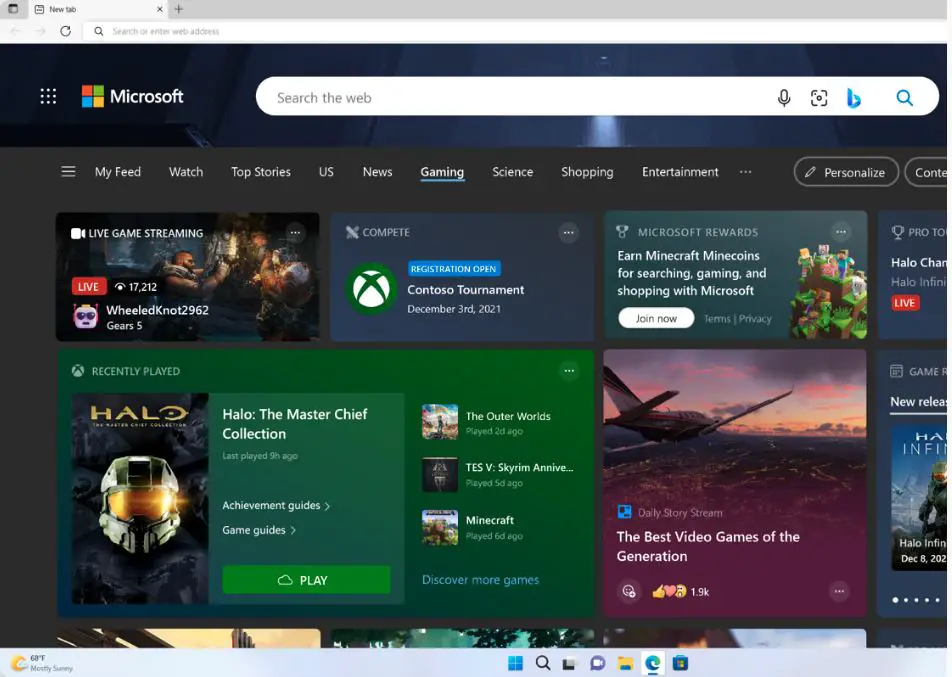
Another key strength of Microsoft Edge lies in its compatibility with the Windows ecosystem. Edge is intricately integrated as the default browser on Windows operating systems, ensuring seamless compatibility and performance.
Gamers can use features like DirectX integration for enhanced graphics and Windows Game Mode for optimized system performance during gaming sessions.
Moreover, Microsoft Edge offers a range of gaming-centric features that enhance the overall gaming experience. The Immersive Reader feature allows gamers to focus on gaming content by removing distractions and providing a clean reading experience.
Additionally, the Collections feature enables users to gather and organize gaming-related content such as articles, videos, and images, making it easier to keep track of gaming resources and inspiration.
Microsoft Edge also excels in privacy and security, offering features such as Microsoft Defender SmartScreen, which helps protect users from malicious websites and downloads. The browser also integrates with Microsoft Defender Application Guard, providing an extra layer of security when visiting potentially risky websites.
Furthermore, Microsoft Edge incorporates the Microsoft Store into its browser interface, allowing gamers to discover and install games directly from the browser. This seamless integration simplifies the gaming experience, allowing users to browse, purchase, and download games without leaving the browser environment.
Microsoft Edge offers synchronization across devices using a Microsoft Account regarding cross-device compatibility. This enables gamers to access their browsing history, favorites, and settings seamlessly on multiple devices, providing a consistent experience whether gaming on a desktop, laptop, or mobile device.
While Microsoft Edge excels as a gaming browser, it is worth noting that the availability of browser extensions may not be as extensive as some other browsers. However, Edge does support popular extensions like AdBlock Plus and Honey, offering some flexibility for customization.
In summary, Microsoft Edge proves to be an outstanding choice as a gaming browser. With its optimized performance, seamless integration with the Windows ecosystem, gaming-centric features, privacy and security measures, and cross-device compatibility, Edge provides gamers a robust and enjoyable browsing experience.
Whether a casual gamer or a dedicated enthusiast, Microsoft Edge is poised to elevate your gaming sessions to new heights, offering speed, convenience, and seamless integration with the Windows gaming ecosystem.
Pros:-
Optimized Performance: Microsoft Edge leverages the Chromium engine to deliver a fast and efficient browsing experience, ensuring smooth gameplay and quick access to gaming platforms and websites.
Seamless Windows Integration: As the default browser on Windows operating systems, Microsoft Edge offers seamless integration with the Windows ecosystem, providing enhanced compatibility and performance for gamers.
Gaming-centric Features: Edge provides features like Immersive Reader and Collections that enhance the gaming experience by removing distractions and allowing users to gather and organize gaming-related content.
Privacy and Security: Microsoft Edge incorporates features such as Microsoft Defender SmartScreen and Microsoft Defender Application Guard to protect users from malicious websites and downloads, ensuring a more secure browsing experience.
Microsoft Store Integration: Edge integrates with the Microsoft Store, allowing gamers to conveniently discover, purchase, and download games directly from the browser interface.
Cross-Device Compatibility: With synchronization through a Microsoft Account, Edge offers seamless access to browsing history, favorites, and settings across multiple devices, providing a consistent experience for gamers.
Cons:-
Limited Browser Extensions: Microsoft Edge may have fewer browser extensions than other browsers. While popular extensions like AdBlock Plus are supported, the extension ecosystem may not be as extensive.
Less Customization: Edge’s customization options may be limited compared to other browsers, potentially limiting the level of personalization and customization for gamers.
Less Established User Base: Edge may have a smaller user base than more popular browsers, resulting in a potentially smaller community and fewer available resources or support channels.
Learning Curve: Switching to a new browser like Microsoft Edge may require some time to familiarize oneself with its interface and unique features, particularly for users accustomed to other browsers.
Overall, the pros of using Microsoft Edge as a gaming browser, such as its optimized performance, seamless Windows integration, gaming-centric features, privacy and security measures, Microsoft Store integration, and cross-device compatibility, make it a compelling choice for gamers.
However, users who heavily rely on a wide range of browser extensions or prefer a high level of customization may find alternatives more suitable for their needs.
4. Avast Security Browser
When it comes to cloud gaming, having a reliable and secure gaming browser is essential. Avast Secure Browser emerges as the best gaming browser for cloud gaming.
With its focus on security, privacy features, and optimized performance, Avast Secure Browser provides an exceptional gaming experience for cloud gamers.
Avast Secure Browser is a top choice for cloud gaming due to its robust security features. The browser ensures a secure and private browsing experience with its built-in banking mode and anti-tracking technology.
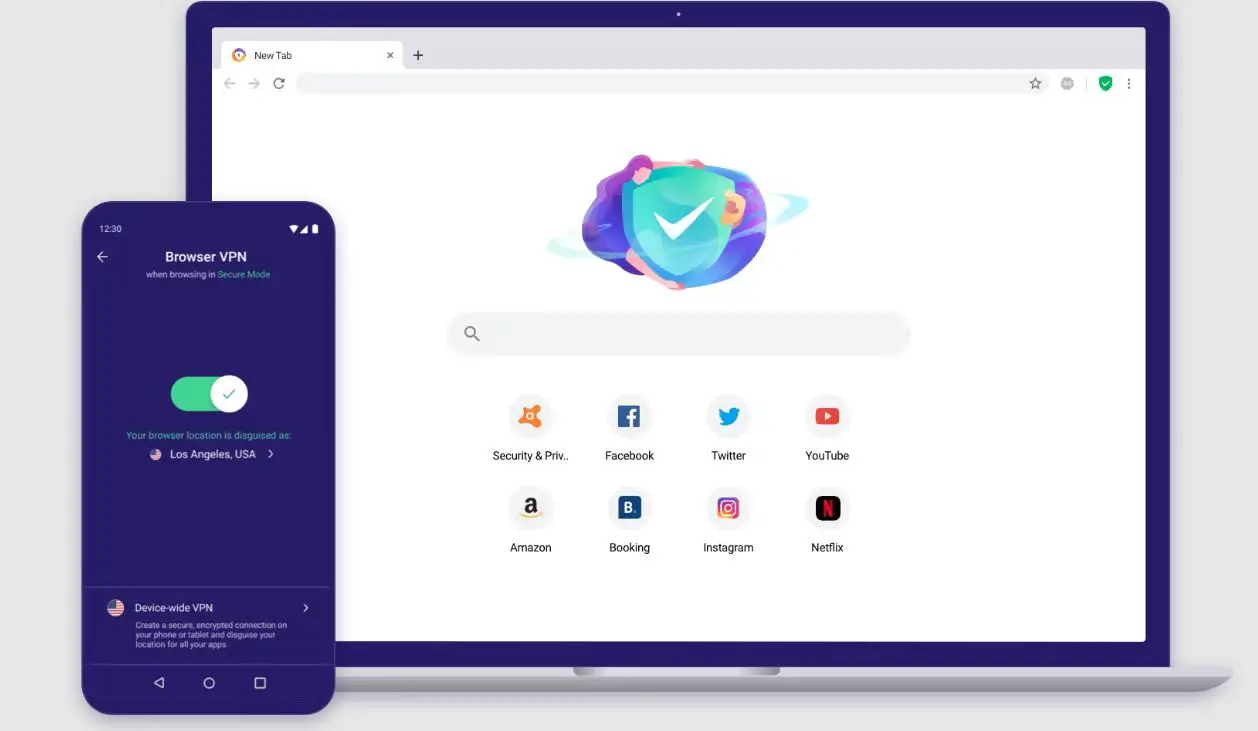
Cloud gamers can enjoy peace of mind knowing that their sensitive information is protected while they indulge in their favorite games.
One of the standout features of Avast Secure Browser is its focus on privacy. The browser has features like Anti-Fingerprinting and Anti-Phishing protection, which protect gamers from potential online threats. These features enhance the security of cloud gaming sessions, allowing gamers to play without concerns about their data being compromised.
Furthermore, Avast Secure Browser excels in optimized performance. It leverages resource-saving technologies that ensure efficient use of system resources, enabling gamers to have a smooth and lag-free gaming experience in the cloud. The browser’s intelligent ad blocker enhances performance by reducing distractions and boosting loading times.
Avast Secure Browser offers compatibility with various cloud gaming platforms, ensuring seamless integration and smooth gameplay. It supports popular cloud gaming services, allowing gamers to access their favorite games without any compatibility issues or performance drawbacks.
Moreover, Avast Secure Browser provides a streamlined user interface that prioritizes simplicity and ease of use. Gamers can navigate the browser effortlessly, accessing their favorite gaming platforms and websites with just a few clicks. The clean and intuitive interface enhances the overall gaming experience and minimizes distractions.
Additionally, Avast Secure Browser offers a range of customization options to cater to individual preferences. Users can personalize the browser’s appearance by selecting themes and customizing the layout, making it feel unique and tailored to their gaming style.
While Avast Secure Browser excels in many aspects, it is worth noting that its extension ecosystem may not be as extensive as some other browsers. However, the browser still supports popular extensions that enhance the gaming experience, providing some flexibility for customization.
In summary, Avast Secure Browser is the best gaming browser for cloud gaming due to its strong focus on security, privacy features, optimized performance, compatibility with cloud gaming platforms, streamlined user interface, and customization options.
Avast Secure Browser ensures a secure and enjoyable gaming experience for casual or dedicated cloud gamers. With Avast Secure Browser, gamers can immerse themselves in the world of cloud gaming, knowing that their privacy and security are protected, and their gaming sessions are optimized for optimal performance and enjoyment.
Pros:-
Enhanced Security Features: Avast Secure Browser prioritizes security with built-in features like banking mode, anti-tracking technology, anti-fingerprinting, and anti-phishing protection, ensuring a secure and private gaming experience.
Privacy Protection: The browser’s focus on privacy ensures gamers can enjoy cloud gaming sessions without concerns about compromised data.
Optimized Performance: Avast Secure Browser utilizes resource-saving technologies to efficiently use system resources, providing a smooth and lag-free gaming experience in the cloud.
Compatibility with Cloud Gaming Platforms: The browser offers compatibility with various cloud gaming platforms, ensuring seamless integration and a smooth gaming experience.
Streamlined User Interface: Avast Secure Browser features a user-friendly interface that allows gamers to navigate effortlessly and access their favorite gaming platforms and websites without distractions.
Customization Options: Users can personalize the browser’s appearance by selecting themes and customizing the layout, creating a tailored and visually pleasing gaming environment.
Cons:-
Limited Extension Ecosystem: Avast Secure Browser may have fewer browser extensions than other browsers. While popular extensions are supported, the overall extension ecosystem may not be as extensive.
Learning Curve: Switching to a new browser like Avast Secure Browser may require some time to familiarize oneself with its interface and unique features, particularly for users accustomed to other browsers.
Less Established User Base: Avast Secure Browser may have a smaller user base compared to more popular browsers, resulting in potentially fewer available resources or support channels.
Less Customization: The customization options in Avast Secure Browser may be limited compared to some other browsers, potentially limiting the level of personalization and customization for gamers.
Overall, the pros of using Avast Secure Browser for cloud gaming, such as enhanced security features, privacy protection, optimized performance, compatibility with cloud gaming platforms, streamlined user interface, and customization options, make it a compelling choice for gamers.
However, users who heavily rely on a wide range of browser extensions or prefer a higher level of customization may find alternatives more suitable for their needs.
5. Vivaldi
Regarding gaming on your PC, Vivaldi is one of the best gaming browsers available. With its features, customizable interface, and performance optimizations, Vivaldi provides an exceptional gaming experience tailored to PC gamers.
Vivaldi stands out from the crowd with its focus on customization. The browser offers an extensive range of personalization options, allowing gamers to fine-tune their browsing experience to their liking.
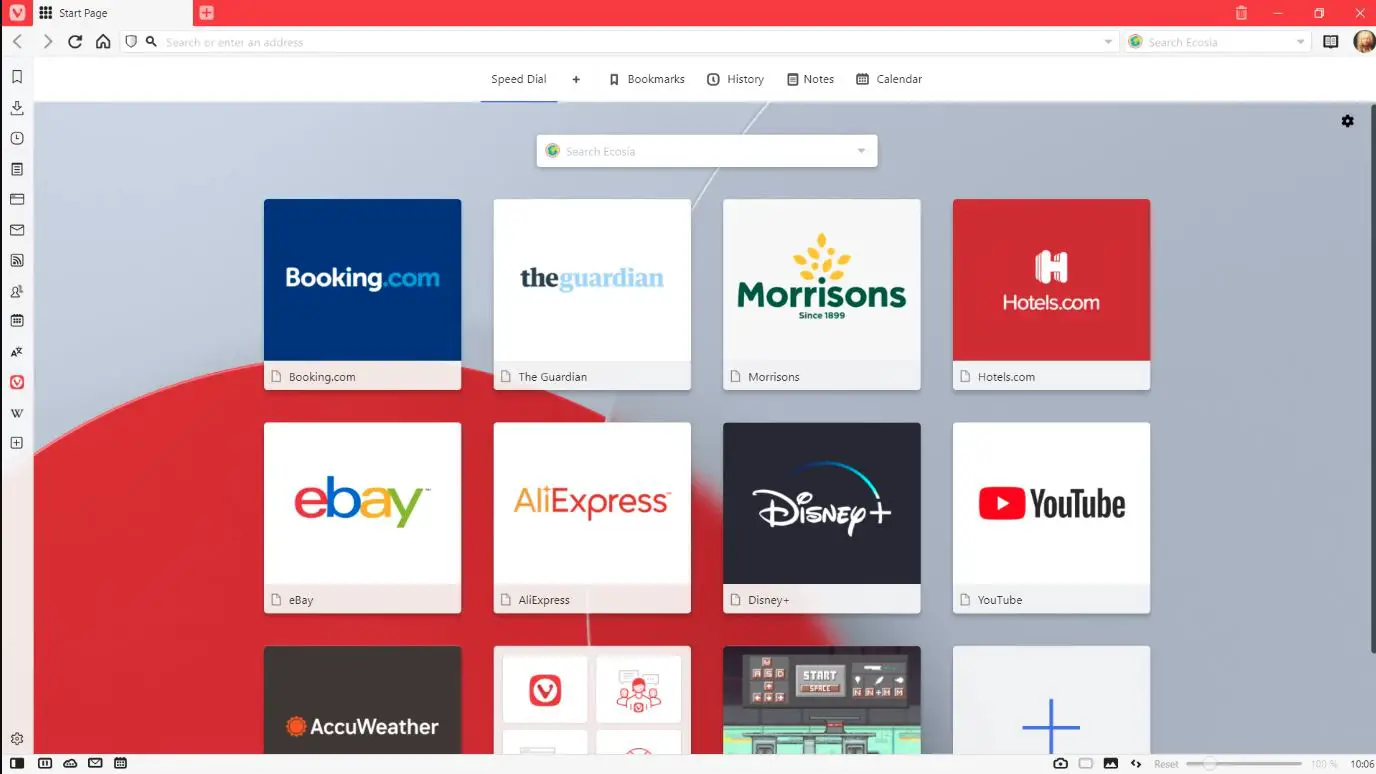
From customizable themes and color schemes to adjustable tab layouts and keyboard shortcuts, Vivaldi empowers gamers to create a truly unique and immersive gaming environment.
In addition to its customization capabilities, Vivaldi boasts a powerful tab management system that caters specifically to the needs of PC gamers. With features like Tab Stacks and Tab Tiling, users can efficiently organize their gaming sessions, multitask, and seamlessly switch between games and other browsing activities.
Furthermore, Vivaldi places a strong emphasis on performance. The browser leverages the power of Chromium while optimizing resource usage to ensure a smooth gaming experience.
Vivaldi’s low CPU and RAM footprint ensures that system resources are efficiently utilized, allowing gamers to dedicate maximum power to their games without sacrificing performance.
Vivaldi’s built-in web panels come in handy for gamers who enjoy streaming or recording their gameplay. These panels enable users to watch their favorite gaming platforms, chat with fellow gamers, or monitor streaming services, all within the browser interface. This convenience enhances the gaming experience and keeps gamers connected while playing.
Moreover, Vivaldi prioritizes user privacy with built-in features like Tracker and Ad Blocker and enhanced privacy settings. These features protect gamers’ online privacy and contribute to smoother gameplay by eliminating distractions and reducing unnecessary resource consumption.
Vivaldi’s flexible tab management also extends to its tab stacking feature, which allows users to group related tabs. This feature is particularly useful for PC gamers with multiple tabs open for guides, walkthroughs, or gaming communities.
With tab stacking, gamers can keep browsing organized and clutter-free, ensuring a focused gaming experience.
While Vivaldi excels as a gaming browser for PC, it is worth mentioning that its extension ecosystem may not be as extensive as some other browsers. However, Vivaldi is compatible with most Chrome extensions, providing users access to additional functionalities and customization options.
In summary, Vivaldi is the best gaming browser for PC due to its extensive customization options, powerful tab management system, performance optimizations, and emphasis on privacy.
Whether a casual gamer or a dedicated enthusiast, Vivaldi empowers you to create a personalized gaming environment while delivering a smooth and immersive browsing experience. With Vivaldi as your gaming browser, you can unlock the full potential of your PC gaming sessions and take your gaming adventures to new heights.
Pros:-
Extensive Customization: Vivaldi offers a wide range of customization options, allowing users to personalize their browsing experience and create a unique gaming environment.
Powerful Tab Management: Vivaldi’s tab management features, such as Tab Stacks and Tab Tiling, enable the efficient organization and multitasking, enhancing the gaming experience.
Performance Optimization: Vivaldi optimizes resource usage to deliver a smooth gaming experience with its low CPU and RAM footprint, ensuring maximum system resources are dedicated to games.
Built-in Web Panels: Vivaldi’s web panels allow users to keep track of gaming platforms, chat with fellow gamers, or monitor streaming services within the browser interface, providing convenience while gaming.
Privacy Protection: Vivaldi prioritizes user privacy with features like Tracker and AdBlocker, enhancing security and reducing distractions during gaming sessions.
Flexible Tab Stacking: Vivaldi’s tab stacking feature enables users to group related tabs, keeping browsing organized and clutter-free, especially useful for gaming with multiple open tabs.
Compatibility with Chrome Extensions: Vivaldi is compatible with most Chrome extensions, providing users access to additional functionalities and customization options.
Cons:-
Limited Extension Ecosystem: Vivaldi’s native extension ecosystem may not be as extensive as other browsers. However, compatibility with Chrome extensions partially compensates for this limitation.
Learning Curve: Switching to a new browser like Vivaldi may require some time to familiarize oneself with its interface and unique features, particularly for users accustomed to other browsers.
Smaller User Base: Vivaldi may have a smaller user base compared to more popular browsers, resulting in potentially fewer available resources or support channels.
Resource Consumption: While Vivaldi optimizes resource usage, users with older or less powerful systems may experience higher resource consumption compared to more lightweight browsers.
Overall, the pros of using Vivaldi as a gaming browser, such as extensive customization, powerful tab management, performance optimization, built-in web panels, privacy protection, flexible tab stacking, and compatibility with Chrome extensions, make it a compelling choice for PC gamers.
However, users relying heavily on specific browser extensions or prefer a more established user base may find alternatives more suitable for their needs.
Comparative Analysis of The Gaming Browsers
In the vast landscape of web browsers, finding the perfect one for gaming can be daunting. To help you make an informed decision, let’s delve into a comparative analysis of gaming browsers.
We will explore their key features, performance, security, customization options, and compatibility.
Opera GX: The Gamer’s Choice
Opera GX stands as a top contender in the gaming browser arena. Designed specifically for gamers, it offers a range of features that enhance the gaming experience.
With its GX Control panel, users have granular control over resource allocation, allowing them to prioritize gaming performance by allocating CPU and RAM.
The Network Limiter feature enables bandwidth allocation, ensuring a stable online gaming experience even in bandwidth-constrained scenarios. Opera GX also incorporates a built-in ad-blocker that eliminates intrusive ads, reducing distractions and enhancing gameplay immersion.
Brave: Security-First Gaming
Brave strongly emphasizes security and privacy, making it an excellent choice for gamers seeking a more secure browsing experience. With its built-in ad-blocker and tracking protection, Brave ensures gamers can enjoy gaming sessions without intrusive ads or constant tracking.
Brave’s performance is commendable, with optimized loading techniques resulting in faster page loading times and quick access to gaming platforms and websites.
The unique Brave Rewards system allows users to earn Basic Attention Tokens (BAT) by opting into privacy-respecting ads, providing an additional incentive for gamers to choose Brave.
Microsoft Edge: Seamlessly Integrated Gaming
Microsoft Edge offers seamless integration with the Windows ecosystem as the default browser on Windows operating systems, making it an attractive option for gamers.
Using the Chromium engine’s power, Microsoft Edge delivers a fast and efficient browsing experience. The browser’s performance optimizations ensure smooth gameplay and quick access to gaming platforms.
In addition, Microsoft Edge incorporates privacy and security features such as tracking prevention and protection against malicious websites, enhancing the overall browsing experience.
Vivaldi: A Customizable Gaming Experience
Vivaldi stands out for its extensive customization options, allowing gamers to tailor their browsing experience to their liking. From customizable themes and color schemes to adjustable tab layouts and keyboard shortcuts, Vivaldi empowers gamers to create a personalized and immersive gaming environment.
The browser also offers a powerful tab management system with features like Tab Stacks and Tab Tiling, enabling efficient organization and multitasking while gaming.
Vivaldi’s performance optimizations, including a low CPU and RAM footprint, ensure a smooth gaming experience.
Avast Secure Browser: Security-Focused Gaming
For gamers prioritizing security, Avast Secure Browser offers a compelling choice. With features such as banking mode and anti-tracking technology, it provides a secure and private browsing experience.
Avast Secure Browser’s optimized performance ensures smooth gameplay, and its compatibility with various gaming platforms enhances the overall gaming experience.
The streamlined user interface and customization options create an immersive gaming environment that aligns with gamers’ preferences.
In conclusion, each gaming browser has its strengths, catering to different needs and preferences. Opera GX excels in resource management and network control, providing gamers precise control over system resources.
Brave emphasizes security and privacy, ensuring a secure browsing experience while offering performance optimizations.
Microsoft Edge seamlessly integrates with the Windows ecosystem, delivering fast performance and enhanced privacy features. Vivaldi shines with its extensive customization options and powerful tab management system, allowing gamers to create a personalized gaming environment.
Finally, Avast Secure Browser focuses on security, ensuring gamers a secure and private browsing experience.
When choosing the best gaming browser, consider resource management, security, performance, customization options, and compatibility with gaming platforms.
Evaluate your gaming needs and preferences to find the browser that meets your requirements. Regardless of your choice, these gaming browsers are designed to enhance your gaming experience, making your journey into the gaming world more immersive and enjoyable.
Choosing The Right Gaming Browser for Your Needs
Having the right browser can significantly impact your gaming experience when gaming on the web. With many options available, choosing the right gaming browser for your needs is essential.
Let’s explore key factors to consider in this process.
1. Performance and Speed:- One of the critical factors in selecting a gaming browser is performance and speed. Look for a browser that offers optimized performance and quick loading times. A browser that efficiently utilizes system resources and leverages modern technologies, such as caching, resource prioritization, and parallel processing, can provide a seamless gaming experience with minimal lag.
2. Compatibility and Support: Consider the browser’s compatibility with your gaming platforms. Some browsers offer better compatibility with specific platforms or technologies.
Ensure that the browser you choose supports the gaming platforms and technologies you rely on, whether Flash, HTML5, or WebGL. Additionally, consider the browser’s track record for timely updates and support for new gaming technologies.
3. Customization Options:- Personalization and customization can enhance your gaming experience. Look for a browser that offers a range of customization options, such as themes, extensions, and configurable settings. This allows you to tailor the browser’s appearance and functionality to suit your preferences and create a gaming environment that aligns with your style.
4. Security and Privacy Features:- Gaming involves online activities, making security and privacy crucial. Opt for a browser that prioritizes these aspects by offering features like malware protection, phishing detection, and advanced privacy settings. Look for built-in ad-blockers and tracking protection to minimize distractions and safeguard your personal information while gaming.
5. User-Friendly Interface:- A user-friendly interface can greatly enhance your gaming experience. Look for a browser that offers an intuitive and easy-to-navigate interface. Consider features like tab management, keyboard shortcuts, and gesture controls that streamline your gaming activities and allow efficient multitasking.
5. Extension Ecosystem:- The availability of a diverse and robust extension ecosystem can significantly expand the functionality of a gaming browser.
Check whether the browser offers a wide range of extensions relevant to gaming, such as game-specific tools, gaming communities, or streaming platforms. An active and vibrant extension ecosystem can enhance your gaming experience and provide additional tools and features.
6. Cross-Platform Compatibility: Cross-platform compatibility becomes essential if your game is across multiple devices. Look for a browser with synchronization capabilities, allowing you to seamlessly access your bookmarks, history, and settings across different devices. This ensures a consistent gaming experience, regardless of your device.
7. Community and Support:- Consider the community and support surrounding the browser. A thriving community provides opportunities for engagement, troubleshooting, and sharing gaming-related tips and tricks. Look for a browser with an active user community and reliable support channels, including forums, documentation, and responsive customer support.
In summary, choosing the right gaming browser requires considering factors such as performance, compatibility, customization options, security and privacy features, user interface, extension ecosystem, cross-platform compatibility, and community support.
Assess your gaming needs and preferences to identify the browser that aligns with your requirements. Remember that the perfect gaming browser is the one that enhances your gaming experience, providing a seamless, secure, and personalized environment to fuel your gaming adventures.
Best Gaming Browsers for Android
In the vast world of mobile gaming, having the right tools at your disposal can significantly enhance your gaming experience.
While many Android users rely on standard web browsers for their online needs, dedicated gaming browsers offer a specialized approach tailored to gaming enthusiasts. These browsers offer a range of features and optimizations that make them stand out from the crowd.
Explore the best Android gaming browsers and explore their unique benefits.
1. Puffin Browser
Puffin Browser is widely regarded as one of the best gaming browsers for Android. Its secret lies in its cloud-based architecture, which enables lightning-fast browsing speeds and reduced latency.
By leveraging cloud servers, Puffin Browser offloads resource-intensive tasks, allowing your device to focus on delivering smooth gaming performance. This innovative approach ensures a lag-free experience, even when playing graphically demanding games.
2. Opera GX
Opera GX is a feature-rich gaming browser that caters to avid gamers’ needs. With its sleek design and customizable interface, Opera GX offers a seamless browsing experience tailored to the gaming community.
It boasts a built-in ad blocker to eliminate distractions, while its resource limiter feature allows you to allocate system resources according to your preferences. Additionally, Opera GX offers a gaming-inspired visual theme, adding an immersive touch to your gaming sessions.
3. UC Browser
UC Browser has gained a reputation as a reliable browser for mobile gamers. Its lightweight nature ensures swift page loads, while its built-in ad blocker reduces interruptions during gameplay.
UC Browser’s powerful download manager facilitates easy access to gaming files, allowing you to download and install games quickly. Furthermore, the browser supports multiple tabs, enabling seamless multitasking without compromising performance.
4. Dolphin Browser
Dolphin Browser has made a name by providing various features tailored for gamers. It offers gesture-based controls, allowing you to navigate through websites effortlessly.
Dolphin Browser also supports Flash, enabling you to play Flash-based games directly within the browser. Moreover, its built-in voice search feature and intuitive user interface enhance usability, making it an ideal choice for casual and avid gamers.
5. Kiwi Browser
Kiwi Browser is a Chromium-based browser that delivers a fast and secure gaming experience. It integrates with popular gamepad controllers, offering seamless compatibility for gaming on Android devices.
Kiwi Browser also supports Chrome extensions, expanding its functionality and providing additional gaming-related features. With its robust privacy settings and data-saving capabilities, Kiwi Browser balances performance and user privacy.
In conclusion, a dedicated gaming browser can significantly enhance your experience regarding mobile gaming on Android.
The best gaming browsers for Android mentioned above offer unique features and optimizations specifically tailored for gamers. Whether it’s reduced latency, customizable interfaces, or seamless multitasking, these browsers provide the tools you need to fully immerse yourself in the mobile gaming world.
So, don’t settle for a standard browser when you can elevate your gaming experience with these specialized options. Give them a try and unlock a new level of gaming on your Android device.
✅FAQ on best gaming browsers
What browser do most gamers use?
The browser choice among gamers varies, but some popular options include Opera GX, Chrome, and Firefox.
Is Opera GX better than Chrome?
Both Opera GX and Chrome have their strengths. Opera GX offers gaming-focused features such as resource allocation and network management, while Chrome is known for its extensive extension ecosystem. The better browser depends on individual preferences and gaming needs.
Is Opera GX a bad browser?
No, Opera GX is not a bad browser. It is designed for gamers, offering features like performance optimization, customization options, and a built-in ad-blocker. However, browser preferences can differ, so it’s recommended to try it out and see if it meets your requirements.
Is Brave a good gaming browser?
Yes, Brave is considered a good gaming browser. It prioritizes security and privacy with its built-in ad-blocker and tracking protection. Brave also offers optimized performance, faster page loading times, and a reward system for users.
What is the #1 best browser?
Determining the number one best browser is subjective and depends on individual needs. Some popular choices include Chrome, Firefox, Safari, and Opera GX. It’s recommended to try different browsers and decide which one suits your preferences and requirements.
What kind of internet do pro gamers use?
Pro gamers often use high-speed internet connections like fiber optic or cable internet. These connections offer low latency and high bandwidth, providing a stable and fast gaming experience.
Is Opera GX less laggy than Chrome?
Opera GX is optimized for gaming and offers resource allocation and network management features, which can help reduce lag. However, the performance may depend on various factors, such as system specifications and network conditions.
Does Opera GX take more RAM than Chrome?
The RAM usage of browsers can vary depending on factors like the number of tabs open, extensions installed, and individual browsing habits. Opera GX and Chrome strive to optimize RAM usage, but consumption can differ based on usage patterns.
Does Opera or Chrome use more RAM?
The RAM usage of Opera and Chrome can vary depending on factors such as the number of tabs, extensions, and browsing habits. Monitoring RAM usage with your specific usage patterns is recommended to determine which browser consumes more resources.
Is Opera GX good for gamers?
Yes, Opera GX is designed specifically for gamers, offering resource management, network optimization, customization options, and a built-in ad-blocker. These features cater to the needs of gamers, making it a good choice for gaming enthusiasts.
How does Opera GX make money?
Opera GX generates revenue through various means, including partnerships, sponsored content, and search engine revenue sharing. These sources of income enable Opera GX to offer its services and continue developing the browser.
Is Opera GX Chinese?
No, Opera GX is developed by Opera Software, a company founded in Norway. While Opera Software has a subsidiary in China, Opera GX is not specifically tied to China.
What is the fastest browser?
The fastest browser can vary depending on the device, network conditions, and browsing habits. Browsers like Chrome, Firefox, Opera GX, and Brave are known for their speed and performance optimizations.
Does Opera GX make your game faster?
While Opera GX offers performance optimizations and resource management features, the impact on game speed can vary depending on the specific game, system configuration, and network conditions. Testing and assessing the performance in your specific gaming setup is recommended.
Can Opera GX increase FPS?
While Opera GX offers performance optimizations, the extent to which it can increase FPS (Frames Per Second) depends on factors like the specific game, system configuration, and other running processes. It’s recommended to optimize your system settings and monitor FPS independently for the best gaming performance.
What is the least RAM-consuming browser?
Several browsers prioritize RAM usage efficiency. Examples include Firefox Quantum, Microsoft Edge, and Midori. These browsers strive to provide a lightweight browsing experience while minimizing the consumption of system resources.
What is the most efficient browser?
The most efficient browser in terms of resource usage can vary depending on factors like the specific device, system configuration, and browsing habits. Browsers like Firefox Quantum, Microsoft Edge, and Brave are known for their efficiency and resource optimization.
Is Opera GX good for low-end PCs?
Yes, Opera GX is designed to be resource-efficient, making it a suitable choice for low-end PCs. It’s performance optimizations and resource management features can help maximize the gaming experience even on less powerful hardware.
Does Opera GX cost money?
No, Opera GX is available for free. Users can download and use the browser without any direct cost. However, certain features or services within the browser may have additional costs or premium options.
Why are streamers using Opera GX?
Streamers use Opera GX for various reasons. The browser’s performance optimizations, resource management features, and the customizable interface can help streamline their streaming setup and provide an enhanced browsing experience during live streams.
Why is Opera for gamers?
Opera has developed Opera GX specifically for gamers, aiming to meet the unique needs and preferences of the gaming community. The browser offers features like resource allocation, network management, and customization options that cater to gamers’ requirements.
Does Opera GX block ads?
Yes, Opera GX includes a built-in ad blocker that blocks intrusive and annoying ads by default. Users can enjoy an ad-free browsing experience, reducing distractions and enhancing the gaming experience.
Does Opera have a no-internet game?
Yes, Opera includes a built-in game called “Dino Game” that users can play offline without an internet connection. It provides a fun and simple way to pass the time when internet connectivity is unavailable.
How many people use Opera GX?
The number of users using Opera GX can vary over time. However, as of the latest statistics, Opera GX has gained a considerable user base, with millions of downloads and active users worldwide.
Which is better, Opera or GX?
Opera GX is a specialized version of the Opera browser tailored for gamers. While the two share many features, Opera GX offers additional gaming-focused functionalities such as resource management and customization options, making it a better choice for gamers.
Is Brave better than Opera GX?
Brave and Opera GX have their strengths and cater to different user preferences. Brave focuses on privacy and security, while Opera GX offers gaming-specific features like resource management and network optimization. The choice between the two depends on individual needs and priorities.
How private is Opera GX?
Opera GX includes various privacy features, such as a built-in ad-blocker, tracking protection, and enhanced privacy settings. These features help protect user privacy and enhance the browsing experience. However, it’s important to note that no browser can guarantee complete privacy, and additional precautions may be necessary.
Why is Opera so fast?
Opera incorporates several performance optimizations, including its rendering engine and resource management techniques. The browser’s focus on speed and efficiency contributes to its fast performance.
What is the second fastest browser?
Determining the second fastest browser can depend on various factors, such as the specific device, network conditions, and browsing habits. Browsers like Chrome, Firefox, Safari, and Opera GX are known for their speed and performance optimizations.
What is the fastest and strongest browser?
The title of the fastest and strongest browser can vary depending on the specific device, network conditions, and browsing habits. Browsers like Chrome, Firefox, Safari, and Opera GX are among the top contenders, each with its strengths and optimizations.
Why are browser games not popular?
While browser games had a significant presence in the past, the rise of dedicated gaming platforms, consoles, and mobile gaming has shifted the focus away from browser-based games. However, browser games still exist and continue to evolve, with some developers creating innovative and engaging experiences.
What are browser games called?
Browser games are often referred to as HTML5 games or web-based games. They can be played directly in a web browser without additional software or installations.
Why are browser games better?
Browser games offer several advantages, including easy accessibility, no need for downloads or installations, and the ability to play on various devices.
They also often have a lower barrier to entry, with many being free-to-play or offering in-browser purchases. Additionally, browser games often have a vibrant and active community, allowing for social interactions and multiplayer experiences.
Conclusion on best gaming browsers
Throughout this article, we’ve explored the world of gaming browsers, shedding light on why they are an essential tool for any serious gamer. We’ve delved into the top five gaming browsers’ features, performance, security, and compatibility.
Remember, the ‘best gaming browser’ depends on your gaming needs and preferences. Some gamers prioritize speed and performance, while others value a more secure and private browsing environment. It’s about striking the right balance for your gaming needs.
Don’t let the limitations of standard browsers hold you back from an exceptional gaming experience. You now have all the information you need to make an informed decision and level up your gaming.
It’s time to take action. Choose your ideal gaming browser today, and elevate your online gaming to new heights. Experience the difference it can make in your performance, security, and overall gaming enjoyment.
And don’t forget; the gaming world is continually evolving, so stay tuned for updates and new developments in gaming browsers. Happy gaming!