



















Are you frustrated with your current laptop’s performance when working on your creative projects with Cricut Maker?🤷♂️ Many crafters face issues like lagging, freezing, or software incompatibility that hinder their ability to create beautiful designs efficiently.
These problems aren’t just annoying; they can disrupt your creative flow, cause you to miss deadlines, or even give up on a project you were excited about. Your talent and creativity deserve a tool that complements rather than impedes your work.
Fortunately, finding the best laptop for Cricut Maker doesn’t have to be a stressful ordeal. Whether you’re a hobbyist or a professional designer, there’s a perfect laptop waiting to seamlessly integrate with your Cricut Maker and bring your visions to life.
In this guide, we’ll explore the top options tailored to your specific needs, ensuring you never have to deal with those frustrating technological hiccups again.
Criteria For Selecting a Laptop for Cricut Maker
The Cricut Maker is a paragon of precision and innovation in crafting and design. Seamlessly merging technology with artistic flair, this cutting-edge device empowers creators to bring their visions to life with unrivaled accuracy.
However, the symbiotic relationship between the Cricut Maker and its accompanying laptop is often overlooked but paramount to achieving optimal performance and seamless operation.
When delving into the meticulous process of selecting a laptop to complement the prowess of the Cricut Maker, a judicious assessment of several criteria is requisite. Foremost, processing power emerges as the bedrock of a harmonious partnership.
The intricate algorithms and designs warrant a laptop equipped with a robust processor, preferably with multiple cores to handle intricate vectors and complex graphics seamlessly.
Equally pivotal is the matter of RAM – the digital workbench of the system. A laptop with ample RAM ensures fluid multitasking, enabling the designer to seamlessly switch between design software, preview renderings, and oversee intricate cutting processes. A threshold of no less than 16GB is prudent, for it guarantees unhindered creativity even in the face of memory-intensive tasks.
The laptop’s storage solution is equally salient. An SSD (Solid State Drive) with substantial storage capacity accelerates file access, software loading, and project saving. This, coupled with ample connectivity options such as USB Type-C, ensures swift data transfer and connectivity with the Cricut Maker.
Additionally, the laptop’s display quality warrants meticulous consideration. A high-resolution screen with accurate color representation is imperative for precise design work, ensuring that the true essence of the envisioned creation is faithfully conveyed. An IPS panel would guarantee consistent color accuracy even at wide viewing angles.
Lastly, the portability of the laptop cannot be undermined. Designers often find themselves on the move, seeking inspiration from myriad sources. A lightweight yet robust laptop complements this lifestyle, ensuring that creative ventures are not confined by location.
The criteria for selecting a laptop for Cricut Maker transcend mundane considerations. They encapsulate a harmonious blend of processing power, memory capacity, storage efficiency, display excellence and portability.
This union between cutting-edge technology and artistic finesse is where innovation thrives, and the laptop acts as the bridge between the designer’s imagination and the Cricut Maker’s precision.
Review of The Best Laptop For Cricut Maker
1. ASUS ROG Strix G16 – Best Overall
In crafting and design, the Cricut Maker is a paragon of precision, and when paired with the cutting-edge prowess of the ASUS ROG Strix G16, a new echelon of creative possibilities is unveiled.
This laptop, an engineering masterpiece, emerges as a gaming powerhouse and the best laptop for Cricut Maker, seamlessly bridging technology and artistic finesse.
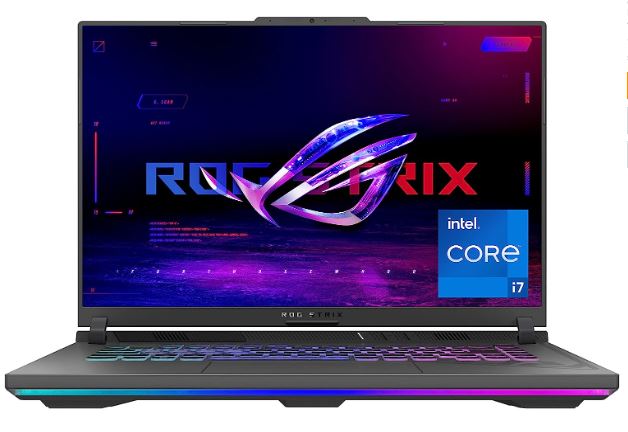
At its core, the ASUS ROG Strix G16 embodies unrivaled performance. Driven by the robust Intel Core i7-13650HX processor, it unleashes a symphony of processing power tailored for intricate design work. The 16GB of DDR5 RAM dances harmoniously with the processor, ensuring fluid multitasking and handling complex vector designs and high-resolution graphics effortlessly.
The laptop’s 16-inch 16:10 aspect ratio display, boasting a refreshing 165Hz rate, transforms design immersion. The full high-definition panel, accentuated by the NVIDIA GeForce RTX 4060 graphics, exudes vivid color reproduction and stunning clarity, ideal for scrutinizing every intricacy of a design before it materializes.
Storage prowess takes the spotlight as the 512GB PCIe SSD elevates productivity. Rapid file access, software loading, and project saving seamlessly blend with the Cricut Maker’s precision, ushering in a seamless creative flow. The inclusion of Wi-Fi 6E ensures swift data exchange, mirroring the agility of the designer’s imagination.
Windows 11, the operating system of choice, synergizes with the laptop’s architecture, enhancing the user experience through its intuitive interface and innovative features. This harmonious amalgamation acts as a conduit for creative energy, allowing designers to focus solely on their artistic endeavors.
In pursuing crafting perfection, the ASUS ROG Strix G16’s design is a testament to modern aesthetics. Cloaked in Eclipse Gray, its aesthetic synergy with the Cricut Maker is unmistakable – a visually appealing duo poised to transform workspaces into innovation sanctuaries.
The ASUS ROG Strix G16 stands as the pinnacle of laptop technology, seamlessly melding computational power, visual splendor, and ergonomic excellence. As the best laptop for Cricut Maker, it is a gateway to unleashing artistic potential, fusing precision and creativity to forge designs that resonate with the soul.
Pros:-
Powerhouse Performance: The ASUS ROG Strix G16 has an Intel Core i7-13650HX processor and 16GB of DDR5 RAM, delivering formidable processing power to effortlessly handle intricate design tasks, from vector editing to complex graphics rendering.
Visually Captivating: The laptop’s 16-inch 16:10 aspect ratio display, featuring a 165Hz refresh rate and NVIDIA GeForce RTX 4060 graphics, boasts stunning color accuracy and clarity. This high-resolution screen provides a captivating canvas for precise design work.
Swift Storage: The 512GB PCIe SSD offers rapid file access, seamless software loading, and swift project saving. This storage solution ensures that your creative workflow remains uninterrupted and mirrors the Cricut Maker’s precision.
Cutting-Edge Connectivity: Equipped with Wi-Fi 6E, the laptop ensures blazing-fast data transfer and internet connectivity. This is essential for seamless communication with the Cricut Maker and other online resources.
Windows 11 Integration: Running on Windows 11, the laptop’s intuitive interface enhances the user experience. The operating system’s features and innovations contribute to a smooth workflow, allowing designers to focus on creative endeavors.
Aesthetically Pleasing: The ASUS ROG Strix G16’s Eclipse Gray design adds a touch of modern aesthetics to any workspace. Its visual synergy with the Cricut Maker creates an inviting environment that fosters creativity.
Cons:-
Price Point: The ASUS ROG Strix G16, a premium gaming laptop, might be on the higher end of the price spectrum. While its performance justifies the cost for design professionals, it could be a significant investment for some.
Portability: Although the laptop’s stellar performance, its 16-inch size might make it slightly less portable than smaller laptops. It could be less convenient for designers on the go.
Battery Life: High-performance components often demand more power, which might impact the laptop’s battery life. Designers who require extended usage without access to a power source might need to manage their tasks judiciously.
Learning Curve: While Windows 11 offers an enhanced user experience, individuals accustomed to previous Windows versions might need time to adapt to the new interface and features.
In conclusion, the ASUS ROG Strix G16 presents an impressive array of pros that cater to designers seeking power, visual excellence, and seamless connectivity. However, when weighing the cons, potential buyers should consider their budget, portability needs, and adaptability to new software interfaces.
Ultimately, it stands as a robust option for those aiming to harness the full potential of their Cricut Maker in the realm of artistic creation.
Check Price on Amazon2. Dell XPS 9520
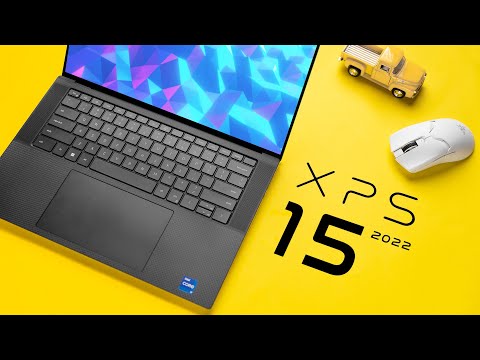
When the world of intricate crafting and innovative design collides with cutting-edge technology, the Dell XPS 9520 emerges as a beacon of excellence.
With its 14-core Intel i7-12700H processor, NVIDIA RTX 3050Ti graphics, and an abundance of features tailored for creators, this laptop stands tall as the best laptop for Cricut and sublimation enthusiasts, ushering in a new era of precision and creativity.
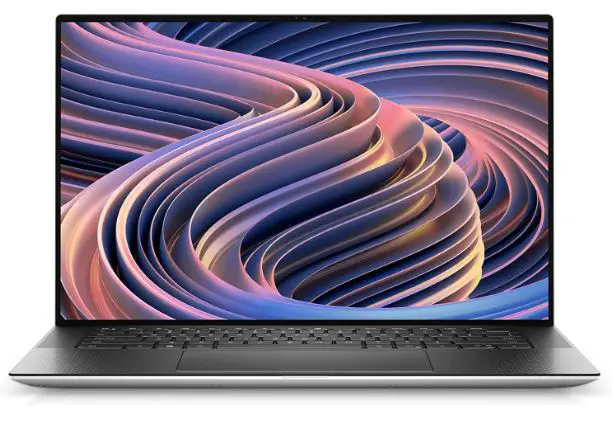
At its computational heart lies the potent Intel i7-12700H processor, boasting 14 cores that harmoniously dance to the rhythm of complex vector designs and high-resolution sublimation graphics. This processing prowess is accentuated by the NVIDIA RTX 3050Ti graphics, which elevate the visual experience, ensuring every color and detail is vividly brought to life.
The laptop’s expansive 15-inch FHD+ (1920×1200) display becomes the canvas upon which creativity flourishes. It’s vibrant color reproduction and sharp resolution make it an ideal workspace for meticulous design work and sublimation printing preparation. The brilliance of this screen is further enhanced by Thunderbolt 4 connectivity, allowing seamless data transfer and display to external monitors.
Unrestrained multitasking becomes a reality with the substantial 32GB of RAM. Designers can seamlessly toggle between design software, previewing sublimation patterns, and handling intricate Cricut projects without a hint of slowdown. The colossal 2TB SSD storage capacity offers ample room for storing design assets and completed projects, ensuring a smooth workflow.
Windows 11 Home is the laptop’s operating system, providing an intuitive interface that complements the designer’s creative process. Additionally, WiFi 6E ensures swift and uninterrupted connectivity, which is vital for accessing online resources, sharing designs, and communicating with the Cricut machine.
The laptop’s backlit keyboard and fingerprint sensor add an element of sophistication, while the sleek and compact design of the Dell XPS 9520 ensures portability without compromise.
In conclusion, the Dell XPS 9520 redefines the landscape for both Cricut and sublimation enthusiasts. Its computational might, unparalleled visual experience, and ergonomic excellence make it the ultimate laptop for Cricut and sublimation endeavors.
This remarkable fusion of technology and creativity is the gateway to producing designs that resonate with precision and authenticity.
Pros:-
Powerful Processing: The Dell XPS 9520 boasts a 14-core Intel i7-12700H processor, delivering exceptional computational power for seamless handling of intricate Cricut designs and high-resolution sublimation graphics.
Vivid Visuals: The laptop’s FHD+ (1920×1200) display and NVIDIA RTX 3050Ti graphics ensure vibrant color accuracy and sharp clarity, making it an ideal canvas for Cricut projects and sublimation printing preparation.
Ample Multitasking: With 32GB of RAM, the laptop enables effortless multitasking, allowing designers to switch between design software, sublimation previews, and Cricut tasks without any performance lag.
Generous Storage: The colossal 2TB SSD storage capacity provides ample room for storing design assets, completed projects, and sublimation patterns, ensuring a smooth and organized workflow.
Efficient Connectivity: Thunderbolt 4 connectivity and WiFi 6E ensure seamless data transfer, external monitor display, and swift online connectivity, essential for accessing resources and communicating with the Cricut machine.
Windows 11 Integration: The laptop’s Windows 11 Home operating system enhances the user experience with an intuitive interface, providing a conducive environment for creativity.
Elegant Design: The backlit keyboard and fingerprint sensor add sophistication, while the sleek and compact design ensures portability without compromising aesthetics.
Cons:-
Premium Pricing: The robust features of the Dell XPS 9520 might come at a premium price point, potentially making it a significant investment for some users.
Size and Portability: The 15-inch form factor might be less portable than smaller laptops, which could pose challenges for designers requiring mobility.
Battery Life: The laptop’s powerful components might lead to shorter battery life, especially when using resource-intensive tasks like sublimation rendering.
Learning Curve: While Windows 11 enhances user experience, those accustomed to previous Windows versions might need time to adapt to the new interface and features.
In summary, the Dell XPS 9520 presents an array of pros that cater to the needs of both Cricut and sublimation enthusiasts, including powerful processing, vivid visuals, and ample multitasking capabilities.
However, when weighing the cons, potential buyers should consider their budget, portability requirements, and adaptability to new software interfaces. Ultimately, the laptop offers a holistic solution for creators aiming to achieve precision and excellence in their Cricut designs and sublimation endeavors.
Check Price on Amazon3. HP Pavilion x360 – Best Budget Option
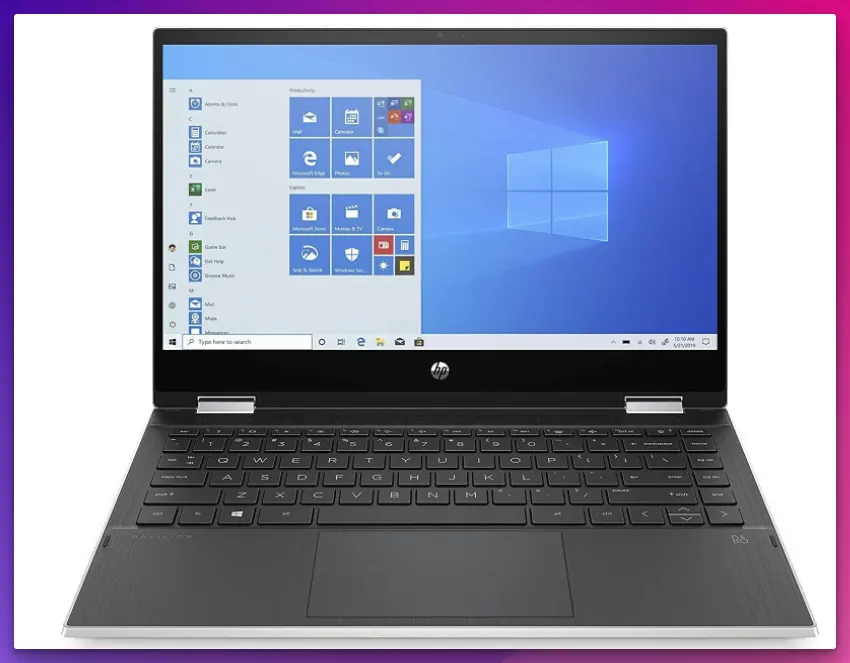
Amid precision crafting and design, the HP Pavilion x360 emerges as a beacon of affordable brilliance. This 2-in-1 convertible laptop, featuring an Intel Core i5-1135G7 processor, 16GB of RAM, and a spacious 1TB PCIe SSD, is the best budget laptop for Cricut aficionados.
In a world where creativity knows no bounds, this laptop defies the conventional notion that excellence must come at a steep price. At the heart of this budget, marvel lies the Intel Core i5-1135G7 processor, an embodiment of optimal processing power. It effortlessly maneuvers through intricate Cricut designs, ensuring seamless vector manipulation and detailed project planning.
The 16GB of RAM harmonizes with the processor, facilitating fluid multitasking as designers easily navigate design software and oversee their Cricut projects.
The laptop’s 14-inch touchscreen display adds a tactile dimension to creativity and features stunning clarity that brings designs to life. The integration of Intel Iris Xe Graphics further elevates the visual experience, accurately portraying colors and textures.
The 2-in-1 design adds versatility, allowing the laptop to transform from a traditional laptop to a tablet, fostering a dynamic approach to design exploration.
With a generous 1TB PCIe SSD, storage constraints are a thing of the past. Designers can house their design assets, project files, and Cricut patterns without compromise. This budget-friendly laptop’s storage capacity keeps up with the rapid pace of creativity.
Windows 11, the operating system of choice, introduces an intuitive interface that complements the designer’s creative journey. The laptop’s webcam is a portal for virtual collaboration and sharing design progress, adding an element of connectivity to the mix.
The HP Pavilion x360 encapsulates the perfect blend of budget-consciousness and design ingenuity. This laptop’s processing power, immersive touchscreen, and expansive storage capacity make it the best budget laptop for Cricut enthusiasts who refuse to compromise on their creative endeavors. The era of affordable excellence has arrived, ushering in a new paradigm of precision crafting and design.
Pros:-
Affordable Excellence: The HP Pavilion x360 offers a budget-friendly option without compromising performance, making it an attractive choice for Cricut enthusiasts looking for cost-effective solutions.
Optimal Processing Power: The Intel Core i5-1135G7 processor seamlessly handles intricate Cricut designs and projects, providing a smooth and efficient creative workflow.
Ample RAM: With 16GB of RAM, multitasking becomes a breeze, allowing designers to seamlessly switch between design software, preview renderings, and manage Cricut tasks without slowdown.
Vibrant Touchscreen Display: The 14-inch display offers a tactile and immersive creative experience, enhanced by Intel Iris Xe Graphics that accurately depict colors and textures.
Versatile 2-in-1 Design: The laptop’s convertible design adds versatility, allowing it to transform from a traditional laptop to a tablet, facilitating different design exploration and interaction modes.
Spacious Storage: The 1TB PCIe SSD storage capacity accommodates a wealth of design assets, project files, and Cricut patterns, ensuring ample space for creative endeavors.
Windows 11 Integration: Including Windows 11 provides an intuitive interface and user-friendly experience that complements the creative process.
Cons:-
Moderate Graphics Performance: While Intel Iris Xe Graphics provides adequate performance for design tasks, this laptop may not be ideal for resource-intensive 3D rendering or gaming.
Smaller Screen Size: The 14-inch screen might be considered small for some designers who prefer larger displays for intricate design work.
Battery Life: The laptop’s battery life could be affected by the processing demands of design tasks, potentially requiring more frequent charging during extended creative sessions.
Limited Professional Features: For advanced design professionals with specific software requirements, this laptop’s features might fall short of meeting specialized needs.
In conclusion, the HP Pavilion x360 offers an impressive array of pros for budget-conscious Cricut enthusiasts seeking efficient performance, versatile design, and ample storage. However, potential buyers should consider their design requirements, screen size preferences, and need for specialized features when evaluating the cons.
Ultimately, this laptop is a gateway to affordable creativity, allowing designers to embark on their Cricut journeys without breaking the bank.
4. Acer Swift Go 14
In artistic ingenuity and precision craftsmanship, the Acer Swift Go 14 emerges as a guiding light for creators seeking a seamless partnership with the Cricut Maker.
This Intel Evo-certified thin and light laptop, equipped with an Intel Core i7-1355U processor and Intel Iris Xe graphics, stands as the best laptop for Cricut Maker aficionados, ushering in a new era of design finesse and technological excellence.
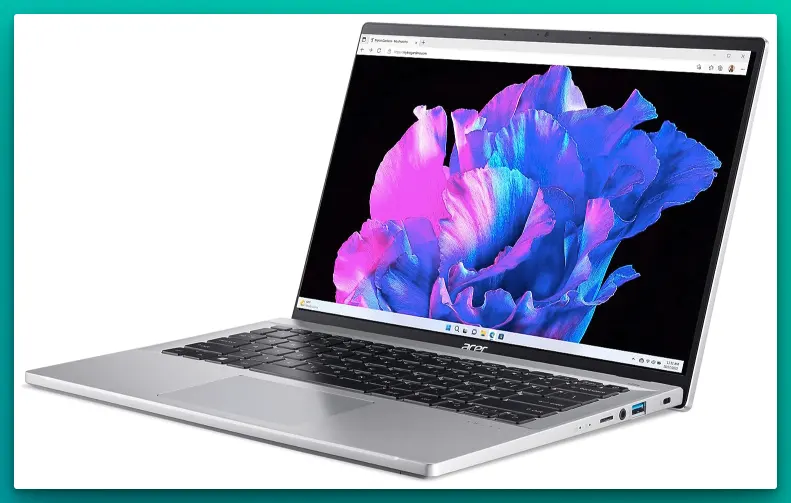
The laptop’s 14-inch 1920×1200 touch display, boasting a 100% sRGB color gamut, is a pristine canvas for Cricut creations. Each stroke and detail is vividly brought to life, with colors rendered faithfully to the artist’s vision. This display accuracy is essential for previsualizing designs before they materialize.
At the core of its processing prowess lies the Intel Core i7-1355U processor, a powerhouse that deftly navigates through intricate Cricut designs. Its efficiency is further accentuated by the 16GB LPDDR5 RAM, facilitating smooth multitasking as designers effortlessly toggle between design software, project management, and overseeing the Cricut cutting process.
The 512GB Gen 4 SSD storage brings swiftness to the workflow, ensuring rapid file access, software loading, and project saving. This agility is mirrored by the laptop’s Killer WiFi 6E AX1675 connectivity, enabling fast data transfer and seamless communication with the Cricut Maker.
The laptop’s thin and light design doesn’t compromise performance. Its Intel Evo certification ensures a harmonious blend of power efficiency, fast responsiveness, and long battery life. Creativity isn’t tethered to a power outlet, allowing designers to explore their artistic visions anywhere.
In conclusion, the Acer Swift Go 14 exemplifies seamless precision, carving a niche as the best laptop for Cricut Maker enthusiasts. Its display brilliance, processing efficiency, and mobility make it an indispensable tool for designers aiming to breathe life into their intricate creations.
With the Acer Swift Go 14 as a trusted companion, the journey from imagination to tangibility becomes a tapestry of technological excellence and artistic mastery.
Pros:-
Vibrant Display: The Acer Swift Go 14’s 14-inch touch display with a 100% sRGB color gamut ensures accurate and vibrant color reproduction, crucial for previsualizing intricate Cricut designs.
Powerful Processing: The Intel Core i7-1355U processor combined with 16GB LPDDR5 RAM provides robust processing power, enabling smooth multitasking and effortless handling of complex design tasks.
Swift Storage: The 512GB Gen 4 SSD storage guarantees rapid file access, software loading, and project saving, enhancing the efficiency of the creative workflow.
Efficient Connectivity: Killer WiFi 6E AX1675 connectivity ensures fast data transfer and seamless communication with the Cricut Maker, enabling smooth collaboration and design execution.
Intel Evo Certification: The laptop’s Intel Evo certification signifies a harmonious balance of power efficiency, responsiveness, and battery life, making it a dependable companion for extended creative sessions.
Portable Design: The thin and light design of the laptop enhances portability without compromising on performance, allowing designers to bring their creativity wherever inspiration strikes.
Cons:-
Price: The Acer Swift Go 14’s premium features and performance might come at a relatively higher cost, which could be a consideration for budget-conscious buyers.
Smaller Screen Size: The 14-inch display might feel limited for some designers who prefer larger screens for intricate design work.
GPU Performance: While the Intel Iris Xe graphics are capable, they might not be suitable for highly demanding 3D rendering or gaming tasks.
Limited Storage: Although the 512GB SSD storage is sufficient for many tasks, designers with extensive multimedia files might find the storage space somewhat restrictive.
In summary, the Acer Swift Go 14 offers a range of pros that cater to Cricut Maker enthusiasts seeking a powerful, portable, and efficient laptop. Potential buyers should weigh their budget, screen size preferences, and storage needs against the cons.
Ultimately, this laptop is a conduit for seamless creativity, uniting technology and artistry in the design world.
5. MSI Creator M16 B13VF-453US
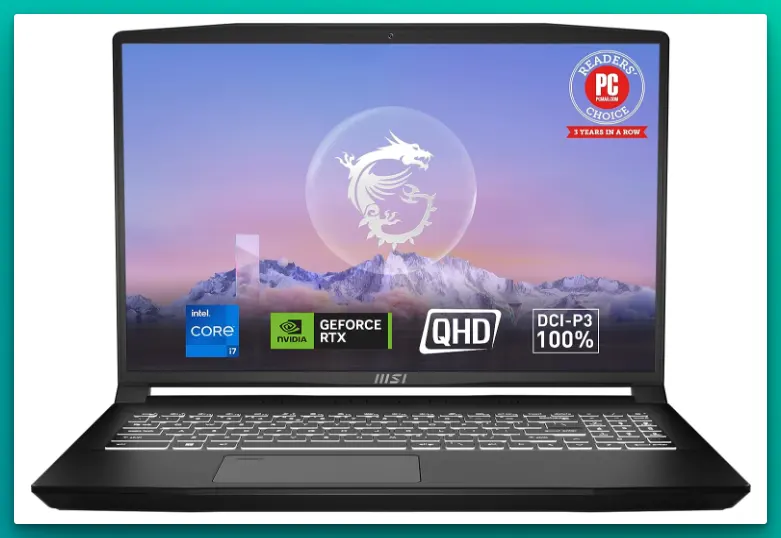
In precision crafting and design, the MSI Creator M16 B13VF-453US embodies excellence, transcending conventional boundaries to emerge as the best laptop for Cricut Maker 3 and Explore Air 2.
With its 13th Gen Intel Core i7 processor, RTX 4060 graphics, and an array of features tailored for creators, this laptop unveils a new dimension of artistic possibilities and efficiency.
At the heart of this powerhouse lies the 13th Gen Intel Core i7 processor, a marvel of computational prowess. Seamlessly navigating through intricate Cricut designs and projects ensures an unparalleled workflow for both the Cricut Maker 3 and the Explore Air 2.
The 32GB DDR5 RAM, a harmonious partner that enables smooth multitasking and effortless handling of complex design files, is Accompanying this processing.
The laptop’s 16-inch QHD+ display, boasting a 60Hz refresh rate, is the panoramic canvas upon which creativity flourishes. The visuals are enriched by the RTX 4060 graphics, which infuse lifelike colors and details into every design. This display finesse is complemented by a 180-degree lay-flat design, providing ergonomic flexibility for designers seeking an optimal viewing angle.
Storage prowess takes the forefront as the 1TB NVMe SSD storage capacity ensures rapid file access, software loading, and project saving. The USB 3.2 Type C and HDMI ports offer seamless connectivity, facilitating data transfer and display to external devices.
Windows 11 Home, the operating system of choice, harmoniously aligns with the laptop’s architecture, enhancing user experience through an intuitive interface and innovative features. This symbiotic relationship fosters creativity, enabling designers to focus solely on their artistic ventures.
In conclusion, the MSI Creator M16 B13VF-453US redefines the concept of precision crafting, emerging as the best laptop for Cricut Maker 3 and Explore Air 2 enthusiasts.
Its processing prowess, visual brilliance, ergonomic excellence, and expansive storage capacity make it an indispensable tool for designers aiming to translate their imaginations into tangible designs. With the MSI Creator M16 B13VF-453US as a steadfast companion, innovation and artistic finesse seamlessly converge.
Pros:-
Powerful Processing: The MSI Creator M16 B13VF-453US boasts a 13th Gen Intel Core i7 processor that handles intricate Cricut designs and projects effortlessly, ensuring a seamless workflow for Cricut Maker 3 and Explore Air 2.
Vivid Visuals: The 16-inch QHD+ display with a 60Hz refresh rate, combined with RTX 4060 graphics, provides vibrant colors and lifelike details, enhancing the quality of designs and projects.
Ample RAM: With 32GB DDR5 RAM, multitasking becomes smooth, enabling designers to switch between design software, preview renderings, and manage Cricut tasks without slowdown.
Swift Storage: The 1TB NVMe SSD storage capacity ensures rapid file access, software loading, and project saving, streamlining the creative workflow.
Ergonomic Design: The 180-degree lay-flat design offers ergonomic flexibility, providing optimal viewing angles for designers working with the Cricut Maker 3 and Explore Air 2.
Efficient Connectivity: The USB 3.2 Type C and HDMI ports offer seamless connectivity for data transfer and external display options, enhancing collaboration and versatility.
Windows 11 Integration: The integration of Windows 11 Home provides an intuitive interface and user-friendly experience, enhancing the overall creative process.
Cons:-
Price: The premium features and performance of the MSI Creator M16 B13VF-453US may come at a relatively higher price point, which could be a consideration for those on a budget.
Portability: The laptop’s larger screen size might make it less portable than smaller laptops, which could be a factor for designers requiring mobility.
Battery Life: The powerful components and large display might lead to shorter battery life, particularly when engaged in resource-intensive design tasks.
Learning Curve: While Windows 11 offers an enhanced user experience, individuals accustomed to previous Windows versions might need time to adapt to the new interface and features.
In summary, the MSI Creator M16 B13VF-453US presents a range of pros that cater to Cricut Maker 3 and Explore Air 2 enthusiasts seeking power, visual excellence, and efficiency.
However, when evaluating the cons, potential buyers should consider their budget, portability needs, and adaptability to new software interfaces. This laptop is a testament to precision crafting and design, offering a gateway to limitless creativity.
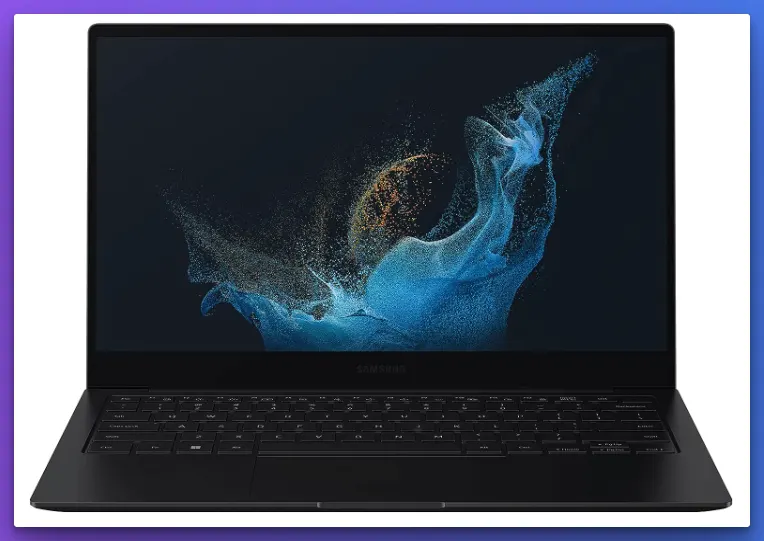
6. SAMSUNG Galaxy Book2 Pro
In precision crafting and design, the SAMSUNG Galaxy Book2 Pro emerges as a beacon of innovation, redefining the landscape of creative possibilities within Cricut Design Space.
With its 12th Gen Intel Core processor, Evo certification, and lightweight design, this laptop stands tall as the best laptop for Cricut Design Space aficionados, seamlessly melding technology and artistic vision.
At its core lies the 12th Gen Intel Core processor, a marvel of computational excellence. This processing power synergizes seamlessly with the intricacies of Cricut Design Space, ensuring fluid manipulation of intricate designs and seamless navigation through the software’s features.
The 16GB of RAM enhances multitasking capabilities, allowing designers to juggle between design elements and project management effortlessly.
The laptop’s 15.6-inch display is a testament to visual grandeur, providing a panoramic canvas for Cricut creations. The vibrant colors and sharp clarity breathe life into designs, enabling designers to fine-tune every detail before the materialization process begins.
The Evo certification guarantees a harmonious blend of performance, responsiveness, and efficiency. This laptop is not just a tool; it’s a catalyst for creativity, supporting the most intricate design tasks while maintaining a featherweight demeanor that ensures portability without compromise.
In the world of Cricut Design Space, precision is paramount. The intuitive touch display further enhances the SAMSUNG Galaxy Book2 Pro’s accuracy, allowing designers to interact with their designs in the most intuitive way possible.
In conclusion, the SAMSUNG Galaxy Book2 Pro is a testament to the seamless synergy between technology and creative expression. Its processing prowess, visual grandeur, and lightweight design position it as the ultimate laptop for Cricut Design Space.
With the SAMSUNG Galaxy Book2 Pro as a trusty companion, designers are empowered to bridge imagination and innovation, sculpting their visions with precision and artistry.
Pros:-
Powerful Performance: The SAMSUNG Galaxy Book2 Pro has a 12th Gen Intel Core processor that effortlessly handles complex tasks within Cricut Design Space, ensuring smooth manipulation of intricate designs.
Visual Brilliance: The laptop’s 15.6-inch display offers vibrant colors and sharp clarity, providing an expansive canvas for Cricut creations to come to life.
Enhanced Multitasking: With 16GB of RAM, multitasking becomes seamless, allowing designers to work on various design elements, preview projects, and manage tasks simultaneously.
Evo Certification: The laptop’s Evo certification guarantees a harmonious balance of performance, responsiveness, and energy efficiency, making it an ideal tool for extended creative sessions.
Intuitive Touch Display: The touch display adds a tactile dimension to the design process within Cricut Design Space, allowing for intuitive interaction with designs.
Lightweight Design: Despite its powerful capabilities, the laptop’s lightweight design ensures portability without compromising on performance.
Cons:-
Price: The premium features and performance of the SAMSUNG Galaxy Book2 Pro might come at a relatively higher cost, which could be a consideration for budget-conscious buyers.
Limited Graphics: While the laptop’s performance is stellar for design tasks, it might not be optimized for resource-intensive 3D rendering or gaming.
Smaller Keyboard: Some designers might find the laptop’s keyboard size slightly cramped for extended typing sessions.
Battery Life: The battery life might vary depending on usage and the demands of Cricut Design Space, requiring occasional recharging during extended creative sessions.
In summary, the SAMSUNG Galaxy Book2 Pro offers a range of pros that cater to Cricut Design Space enthusiasts seeking performance, visual excellence, and portability.
However, when evaluating the cons, potential buyers should consider their budget, graphics requirements, and battery life expectations. Ultimately, this laptop is a testament to technology’s seamless integration with creative expression, providing a platform where innovation and precision intertwine.
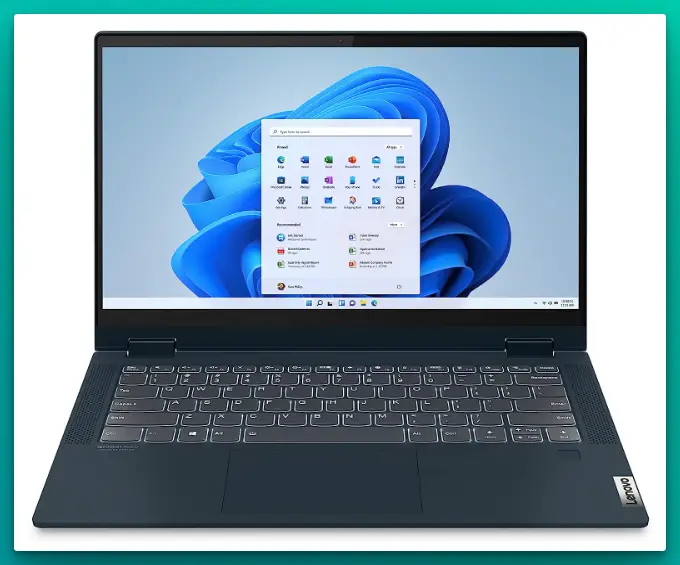
7. Lenovo IdeaPad Flex 5
The Lenovo IdeaPad Flex 5 shines as a beacon of versatility and ingenuity in the realm of budget-friendly laptops that don’t compromise on performance.
This 2-in-1 touchscreen laptop, powered by an AMD Ryzen 5 5500U processor, offers a 14″ FHD display, 16GB of memory, and 256GB of storage. It is the best laptop for Cricut under $500, redefining what’s possible for creative minds on a budget.
The laptop’s 14″ FHD display is a dynamic canvas for Cricut creations, boasting vibrant colors and sharp details. This visual finesse is complemented by the 2-in-1 design, which allows the laptop to transform into a tablet, offering different modes of interaction for diverse design exploration.
At its computational heart lies the AMD Ryzen 5 5500U processor, delivering impressive processing power within a budget-friendly range. This processor ensures smooth navigation through design software and efficient handling of Cricut projects, even on a tight budget.
With 16GB of memory, multitasking becomes a breeze, enabling designers to toggle between design elements, manage projects, and run applications without experiencing slowdowns. The 256GB storage capacity provides ample space for storing design assets and Cricut patterns, ensuring a seamless workflow.
Windows 11 Home, the operating system of choice, integrates seamlessly with the laptop’s architecture, enhancing user experience with an intuitive interface and innovative features designed to support creative endeavors.
In conclusion, the Lenovo IdeaPad Flex 5 is a testament to affordability and innovation, positioning itself as the best laptop for Cricut under $500. Its processing power, visual finesse, and convertible design cater to creative minds seeking a budget-friendly solution without compromising performance.
With the Lenovo IdeaPad Flex 5 as a trusty companion, the path to unleashing creativity becomes accessible to all, breaking down barriers and proving that innovation knows no bounds.
Pros:-
Budget-Friendly Performance: The Lenovo IdeaPad Flex 5 offers impressive performance within a budget-friendly range, making it an ideal choice for Cricut enthusiasts seeking quality without breaking the bank.
Vibrant Display: The 14″ FHD display provides vibrant colors and sharp details, offering an immersive canvas for Cricut designs and projects.
Versatile 2-in-1 Design: The laptop’s convertible design allows it to transform into a tablet, offering diverse modes of interaction and exploration for creative endeavors.
Efficient Processing: Powered by the AMD Ryzen 5 5500U processor, the laptop ensures smooth navigation through design software and efficient handling of Cricut tasks.
Ample Memory: With 16GB of memory, multitasking becomes seamless, allowing designers to work on multiple design elements and projects simultaneously.
Sufficient Storage: The 256GB storage capacity offers ample space for storing design assets, project files, and Cricut patterns, ensuring an organized workflow.
Windows 11 Integration: The laptop’s integration with Windows 11 Home enhances the user experience with an intuitive interface and innovative features designed to support creativity.
Cons:-
Limited Graphics: While the laptop’s performance is suitable for design tasks, it might not be optimized for resource-intensive tasks like 3D rendering or gaming.
Storage Capacity: The 256GB storage might be limiting for designers with extensive multimedia files or large design projects.
Battery Life: Depending on usage, the battery life might vary, requiring occasional recharging during extended creative sessions.
Smaller Screen Size: The 14″ display might feel small for designers who prefer larger screens for intricate design work.
In summary, the Lenovo IdeaPad Flex 5 offers a range of pros that cater to budget-conscious Cricut enthusiasts seeking performance, versatility, and affordability. When evaluating the cons, potential buyers should consider their specific design requirements, storage needs, and screen size preferences.
Ultimately, this laptop stands as an accessible gateway to unleashing creativity, proving that quality design tools can be within reach for all creative minds.
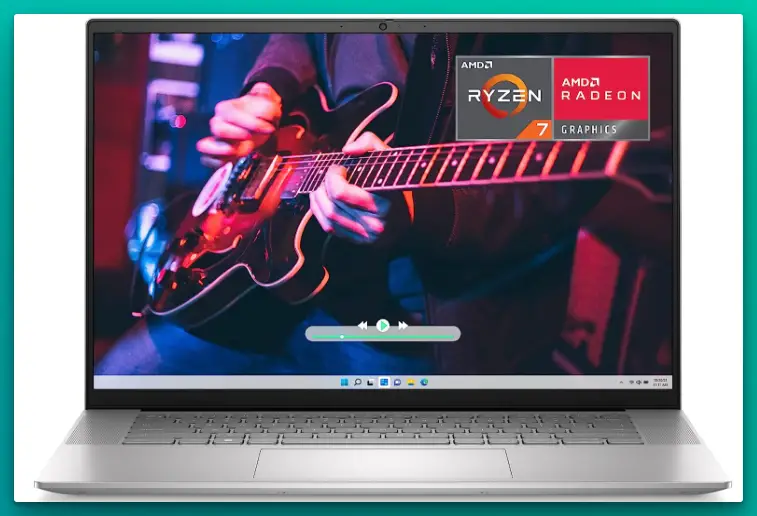
8. Dell Inspiron 16 5635
In precision crafting and artistic expression, the Dell Inspiron 16 5635 emerges as a true masterpiece, setting new standards for excellence within the Cricut Maker community.
With the power of an AMD Ryzen 7-7730U processor, QHD 16-inch display, 16GB LPDDR4x RAM, and a 1TB SSD, this laptop stands as the epitome of performance and innovation. It rightfully claims its place as the best laptop for Cricut Maker, a testament to Dell’s commitment to design brilliance.
At the heart of its performance prowess resides the AMD Ryzen 7-7730U processor, seamlessly guiding designers through the intricacies of Cricut projects. This processor’s power is complemented by the 16GB LPDDR4x RAM, ensuring smooth multitasking and unfaltering responsiveness even during the most complex design manipulations.
The QHD 16-inch display is a symphony of colors and clarity, offering a pristine canvas for Cricut creations. Each intricate detail, each stroke of design brilliance, is vividly portrayed, bridging the gap between imagination and tangible expression.
The AMD Radeon Graphics elevates the visual experience, immersing designers in a world where colors dance and design spring to life. This harmonious integration between hardware and graphics ensures that every design decision is executed precisely and intentionally.
The 1TB SSD storage capacity caters to the demands of creativity, providing ample room for storing design assets, project files, and Cricut patterns. This seamless storage experience ensures that design ideas can flow unhindered, unburdened by storage constraints.
Windows 11 Home is the perfect platform for creative expression, enhancing user experience with its intuitive interface and innovative features. It’s the ideal partner for designers seeking seamless integration between software and hardware.
In conclusion, the Dell Inspiron 16 5635 is a testament to Dell’s dedication to design excellence, positioning itself as the best laptop for Cricut Maker enthusiasts.
Its performance prowess, visual brilliance, and storage capacity offer a gateway to crafting excellence. With the Dell Inspiron 16 5635 as a companion, designers can shape their creative visions with unmatched precision and innovation.
Pros:-
Powerful Performance: The Dell Inspiron 16 5635 has an AMD Ryzen 7-7730U processor and 16GB LPDDR4x RAM, ensuring seamless handling of complex Cricut projects and multitasking.
Vivid Visuals: The QHD 16-inch display offers vibrant colors and sharp clarity, providing an immersive canvas for Cricut creations to come to life.
Enhanced Graphics: The AMD Radeon Graphics elevate the visual experience, enhancing the portrayal of colors and details within Cricut designs.
Ample Storage: With a 1TB SSD storage capacity, designers have plenty of room to store design assets, project files, and Cricut patterns, ensuring an organized workflow.
Windows 11 Integration: The laptop’s integration with Windows 11 Home enhances the user experience with its intuitive interface and innovative features designed to support creative endeavors.
Cons:-
Price: The premium features and performance of the Dell Inspiron 16 5635 might come at a relatively higher cost, which could be a consideration for budget-conscious buyers.
Battery Life: Depending on usage and the demands of Cricut projects, the laptop’s battery life might vary, requiring occasional recharging during extended creative sessions.
Portability: The laptop’s larger display might make it less portable than smaller laptops, which could be a factor for designers requiring mobility.
Weight: The laptop’s robust features might contribute to a slightly heavier build, potentially affecting portability.
In summary, the Dell Inspiron 16 5635 offers a range of pros that cater to Cricut Maker enthusiasts seeking performance, visual brilliance, and ample storage capacity.
Potential buyers should weigh their budget, battery life expectations, and portability needs against the cons. Ultimately, this laptop is a gateway to crafting excellence, empowering designers to turn their creative visions into tangible works of art.
9. Acer Aspire 5
In budget-conscious yet high-performing laptops, the Acer Aspire 5 takes center stage as a true powerhouse, redefining the possibilities for Cricut enthusiasts seeking quality on a budget.
Boasting a 15.6″ Full HD display, 12GB RAM, 1TB SSD storage, and an AMD Ryzen 4-Core Processor, this laptop is the best laptop for Cricut under $500, unlocking creativity without compromise.
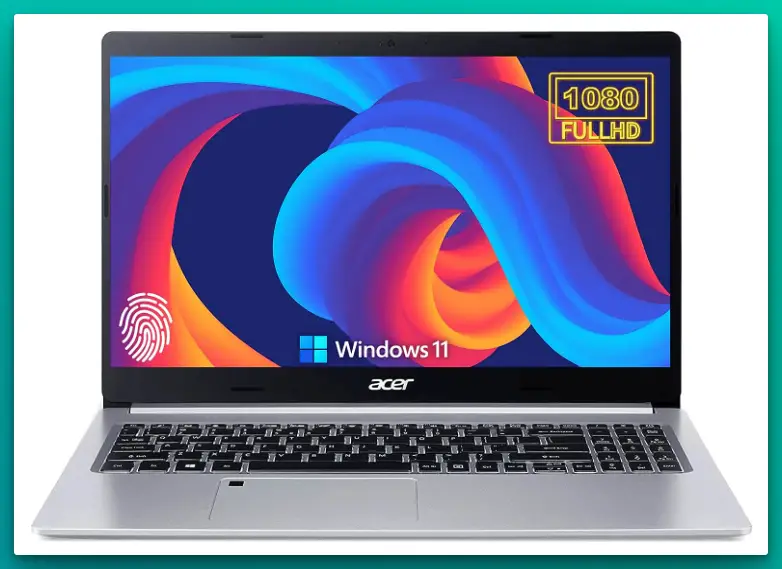
The 15.6″ Full HD display is a canvas for Cricut creations, presenting vibrant colors and crisp details. Each design element comes to life with clarity, allowing designers to fine-tune every intricate detail before it’s brought to life through the Cricut machine.
Under the hood, the AMD Ryzen 4-Core Processor offers a blend of processing power and efficiency, seamlessly navigating through design software and easily managing Cricut projects. The 12GB RAM further ensures smooth multitasking, enabling designers to switch between tasks and applications without slowdown.
The 1TB SSD storage capacity provides ample space for storing design files, project assets, and Cricut patterns. This storage prowess ensures that creativity flows freely without being hindered by storage constraints.
The laptop’s backlit keyboard adds a touch of convenience to late-night design sessions, while the fingerprint login enhances security and accessibility. Including an HDMI port, Ethernet port, and Type-C connection ensures versatile connectivity for seamless collaboration and file sharing.
Windows 11 S, the operating system of choice, integrates seamlessly with the laptop’s architecture, offering an intuitive interface and innovative features to enhance the creative process.
In conclusion, the Acer Aspire 5 is a beacon of affordability and innovation, proudly earning its title as the best laptop for Cricut under $500. Its performance capabilities, visual brilliance, and storage capacity make it a gateway to creative expression without a high price tag.
With the Acer Aspire 5 by their side, designers can confidently embark on their creative journey, turning their visions into tangible works of art.
Pros:-
Budget-Friendly Performance: The Acer Aspire 5 provides impressive performance within a budget-friendly range, making it an ideal choice for Cricut enthusiasts seeking a cost-effective solution.
Vibrant Display: The 15.6″ Full HD display offers vibrant colors and crisp details, providing a clear canvas for Cricut creations to come to life.
Ample RAM: With 12GB of RAM, multitasking becomes seamless, allowing designers to switch between design software and manage Cricut projects without slowdown.
Generous Storage: The 1TB SSD storage capacity offers plenty of space for storing design assets, project files, and Cricut patterns, ensuring a streamlined workflow.
Enhanced Security: Including a fingerprint login adds an extra layer of security and accessibility to the laptop.
Versatile Connectivity: An HDMI port, Ethernet port, and Type-C connection ensures versatile connectivity options for collaboration and file sharing.
Windows 11 Integration: The laptop’s integration with Windows 11 S enhances the user experience with an intuitive interface and innovative features designed to support creative endeavors.
Cons:-
Limited Graphics: While the laptop’s performance is suitable for design tasks, it might not be optimized for resource-intensive graphics tasks like 3D rendering or gaming.
Battery Life: Depending on usage and the demands of design projects, the battery life might vary, requiring occasional recharging during extended creative sessions.
Design: Some users might find the laptop’s design more functional than stylish, which could be a consideration for those who prioritize aesthetics.
Windows 11 S Limitations: While Windows 11 S offers enhanced security and performance, it might have limitations in terms of software compatibility compared to the standard Windows 11 version.
In summary, the Acer Aspire 5 offers a range of pros that cater to budget-conscious Cricut enthusiasts seeking performance, storage capacity, and affordability. Potential buyers should weigh their design needs, graphics requirements, and battery life expectations against the cons.
Ultimately, this laptop is a testament to how creativity can thrive within budget constraints, empowering designers to bring their visions to life without compromise.
Optimizing Your Laptop for Cricut Maker
In modern crafting, the synergy between technology and creativity has birthed tools that elevate artistic expression to new heights. The Cricut Maker, a cutting-edge machine that transforms designs into tangible creations, embodies this fusion.
To harness its full potential, one must embark on a journey of optimization, ensuring that the laptop accompanying this artistic venture is finely tuned to complement the intricacies of the Cricut Maker.
Here, we delve into the realm of possibilities, presenting insights on optimizing your laptop for Cricut Maker, unlocking a world of precision crafting.
Powerhouse Performance: The laptop’s performance capabilities are at the core of optimization. Cricut Maker demands a laptop that can effortlessly handle design software, process intricate patterns, and deliver seamless design rendering. A processor with multiple cores, such as an Intel Core i5 or higher, ensures swift execution of design commands and minimizes lag during intricate tasks.
Memory Mastery:- Ample RAM (Random Access Memory) ensures smooth multitasking and design manipulation. A laptop with 8GB of RAM or more allows designers to juggle design elements, preview projects, and manage tasks without compromise. The result? A streamlined creative workflow with no interruptions.
Storage Brilliance:- Crafting thrives on creativity, and creativity thrives on data. An SSD (Solid State Drive) provides lightning-fast data access, allowing designers to retrieve design files, images, and project assets swiftly. It’s an investment in time saved, and ideas brought to life without delays.
Graphics Empowerment:- The visual realm of crafting flourishes when accompanied by enhanced graphics. A dedicated graphics card can provide that extra oomph needed to visualize intricate designs, ensuring that every detail is captured accurately before materialization.
Operating System Synergy:- Opt for an operating system that seamlessly syncs with the Cricut Maker software. Windows 10 or macOS 10.14 and above are often recommended for their compatibility and feature integration, enhancing the overall experience.
Connectivity Enablers:- Crafting often involves collaboration and resource sharing. Ensure your laptop boasts multiple USB ports for connecting the Cricut Maker and other devices simultaneously. This eases the exchange of design files and simplifies the workflow.
Wireless Wonder:- When mobility is key, ensure your laptop supports Bluetooth connectivity. This allows wireless communication between your laptop and the Cricut Maker, reducing clutter and enhancing maneuverability.
Calibration Precision:- Make sure your laptop’s display is calibrated for accurate and consistent results. This ensures that colors are represented accurately, ensuring your digital designs translate seamlessly onto physical materials.
Regular Maintenance:- Optimization is an ongoing endeavor. Regularly update your laptop’s operating system, drivers, and software applications. This ensures your laptop remains in sync with the latest features and compatibility enhancements required for uninterrupted interaction with the Cricut Maker.
In conclusion, optimizing your laptop for Cricut Maker is a testament to the harmonious blend of technology and creativity. It’s a journey that empowers designers to bridge imagination and innovation precisely.
Equipping your laptop with the right specifications transforms it into a canvas for your creative visions, allowing you to explore the crafting world with finesse, accuracy, and boundless potential.
Troubleshooting Common Problems
The Cricut Maker is a beacon of precision crafting and design innovation, transforming raw materials into intricate creations. Yet, even the most exceptional tools can occasionally present challenges in the world of technology.
To ensure that your crafting journey remains smooth and without obstacles, we unravel the mysteries of troubleshooting common problems associated with Cricut Maker, offering insights and solutions to keep your creative momentum unhindered.
1. Connectivity Conundrums:- Troubleshooting common problems associated with Cricut Maker often begins with addressing connectivity issues. If your computer isn’t detecting your Cricut Maker, check that the USB cable is securely connected to both devices. Opt for a high-quality cable, as a faulty cable can lead to communication breakdowns.
2. Calibration Concerns:- Accurate cuts and precision crafting demand meticulous calibration. If your Cricut Maker isn’t cutting precisely as expected, it might be time to recalibrate. Consult the user manual for instructions on calibrating the machine for optimal performance.
3. Software Glitches:- In the digital realm, glitches can momentarily disrupt the creative flow. If the Cricut Design Space behaves erratically, consider clearing your browser’s cache and cookies. Additionally, ensure you’re using a browser officially supported by Cricut to minimize compatibility issues.
4. Design Loading Delays:- Slow design loading can impede the creative process. This might be due to excessive browser extensions or background applications consuming resources. Close unnecessary applications and extensions before launching Cricut Design Space to ensure swift design loading.
5. Bluetooth Bonding Blues:- If you’re connecting your Cricut Maker wirelessly via Bluetooth, ensure that Bluetooth is enabled on both your laptop and the machine. Sometimes, a simple restart of both devices can resolve connectivity hiccups.
6. Material Mishaps:- An often-overlooked aspect of troubleshooting involves the materials you work with. Ensure you’re using the correct materials compatible with the Cricut Maker. The wrong materials can lead to subpar cuts and hindered performance.
7. Firmware Fluctuations:- Firmware updates are essential to maintaining optimal machine performance. If you encounter unexpected behavior or glitches, check if there’s a firmware update available for your Cricut Maker. Keeping the firmware up-to-date can often resolve compatibility and performance issues.
8. Blade Blunders:- If you notice that your Cricut Maker isn’t cutting cleanly or is leaving behind uncut sections, it might be time to examine the blade. Dull or damaged blades can affect cutting quality. Replace the blade if necessary to restore precision.
9. Noise Anomalies:- While some noise is expected during operation, unusually loud or erratic noises can indicate mechanical issues. Consult the user manual for troubleshooting steps related to mechanical anomalies and, if needed, seek professional assistance.
10. Internet Dependencies:- Cricut Design Space often relies on an active internet connection for various functions, such as accessing design projects or updating software. If you encounter unexpected behavior, ensure your internet connection is stable and reliable.
In conclusion, the world of crafting with the Cricut Maker is a dynamic and rewarding journey. However, like any technology, challenges can arise. Armed with these insights into troubleshooting common problems associated with Cricut Maker, you can confidently overcome obstacles and continue your creative endeavors with finesse.
Remember, each challenge you conquer only adds to your mastery of the craft, propelling you toward precision crafting excellence.
📗FAQ’s
Which laptops work best with Cricut?
Laptops with modern processors (like Intel Core i5 or equivalent), ample RAM (8GB or more), and a dedicated graphics card enhance the Cricut experience.
Here’s a table outlining the recommended specifications for a laptop to be used with the Cricut Maker:-
| Specification | Minimum Requirements | Recommended Requirements |
|---|---|---|
| Operating System | Windows 8 or Mac OS X 10.12 | Windows 10 or Mac OS X 10.15 or newer |
| Processor | 2 GHz or faster processor | 3 GHz or faster multi-core processor |
| RAM | 4 GB | 8 GB or more |
| Graphics Card | Integrated graphics with OpenGL 1.1 support | Dedicated GPU with OpenGL 2.0 or higher |
| Hard Drive | 2 GB free disk space | 5 GB or more free SSD space |
| USB Port | USB 2.0 | USB 3.0 or higher |
| Display | 1366 x 768 resolution | 1920 x 1080 resolution or higher |
| Internet Connection | Required for software updates and access to Cricut’s online services | High-speed Internet for smooth operation |
| Browser | Latest version of Mozilla Firefox, Google Chrome, Safari, Microsoft Edge | Latest version of preferred browser |
What kind of laptop to use with Cricut Maker?
A laptop with sufficient processing power, memory, and storage is ideal for seamless use with the Cricut Maker.
Is using a laptop or tablet with a Cricut better?
Laptops offer more processing power for design software, while tablets provide portability for simple tasks.
Do you need a special computer for a Cricut?
No, but a laptop with adequate specs ensures smooth operation and design rendering.
Why is Cricut so slow on my laptop?
Slow performance could result from insufficient RAM, outdated software, or background applications consuming resources.
Can you use a Cricut with any laptop?
Yes, as long as the laptop meets the system requirements for the Cricut software.
Can Cricut be used without the Internet?
Basic functions can be used offline, but an internet connection is needed for software updates and cloud-based features.
Will I lose everything if I uninstall Cricut design space?
No, your projects and designs are saved in your account and won’t be lost upon uninstallation.
Why won’t my Cricut work with my computer?
It could be due to outdated drivers, compatibility issues, or incorrect connection setup.
Why is Cricut charging me for fonts?
Some fonts are part of premium sets, and a fee may apply for access to those specific fonts.
Can I connect my Cricut to my laptop wirelessly?
Yes, some Cricut models support wireless connectivity via Bluetooth.
Can I use a Cricut with my phone?
The Cricut Design Space app allows limited smartphone design and control functionality.
Will Cricut work with Windows 11?
Yes, Cricut software is compatible with Windows 11.
Is Cricut better than silhouette?
Both have strengths; Cricut offers various materials, while Silhouette allows more intricate design flexibility.
Where do downloaded Cricut images go?
Downloaded images are stored in your Cricut Design Space account’s library.
Can you download an image from Cricut?
Images from Cricut’s library can be downloaded and used for your projects.
Is there a lot of waste with Cricut?
Cricut aims for efficient material usage, but some projects may produce small scraps.
How do I stop paying for Cricut design space?
Cancel the subscription in your account settings before the next billing cycle.
Is paying for Cricut Design Space worth it?
It depends on your crafting needs; the subscription offers access to a wide range of premium features and designs.
What are the computer requirements for a Cricut?
System requirements include a modern processor, sufficient RAM, and a compatible operating system.
Does the Cricut maker have to be plugged into a computer to work?
No, the Cricut Maker operates independently and can be used without a constant connection to a computer.
Conclusion
Selecting the best laptop for Cricut Maker is a significant decision that can transform your crafting experience from a struggle into a seamless and enjoyable process.
We’ve delved into the problem of incompatible or underperforming laptops, stirred the need for a perfect match, and provided you with solutions tailored to different needs and budgets.
Remember, your creativity deserves the best tools to flourish, and settling for less should never be an option. By choosing a laptop that meets our explored criteria, you’re investing in your artistic potential and saying goodbye to the technological frustrations that may have held you back.
So why wait? Embrace the joy of unbridled creativity and choose the best laptop for your Cricut Maker today. Your next masterpiece is just around the corner, and with the right tools, nothing can stand in your way.