






















As someone who’s been wrist-deep in wearable tech reviews for over a decade, I’ve seen the evolution of smartwatches firsthand—from clunky prototypes that barely held a charge to sleek, standalone powerhouses that rival your smartphone.
The best smartwatches with SIM cards (or eSIM in modern parlance) have always stood out for their independence, letting you ditch the phone for calls, texts, and data on the go.
In this comprehensive review, I’ll dive into the top picks from the last 15 years, drawing from my extensive testing across trails, boardrooms, and everything in between.
Whether you’re a pro chasing that untethered workflow or just curious about how far we’ve come, we’ll cover the pioneers, the game-changers, and the current kings. Let’s strap in.
For quick reference, here’s a comparison table highlighting key models, their release years, standout features, approximate price ranges (based on current market values or MSRP at launch for older models), and ideal use cases.
I’ve added the latest 2024-2025 entrants like the Apple Watch Series 10, Samsung Galaxy Watch Ultra, Galaxy Watch FE, and the fresh Samsung Galaxy Watch 8 for completeness.
Focused on use cases like fitness tracking, professional communication, and everyday standalone utility to help you scan and decide.
Disclaimer:- As an Amazon Associate, we earn from qualifying purchases. This does not influence our reviews or recommendations.
Quick Picks: Top Smartwatches with SIM Cards for 2025
For those short on time, here are my top recommendations from 15 years of testing the best smartwatches with SIM cards, tailored to specific needs. These picks balance performance, value, and standalone functionality, based on real-world use in trials, offices, and beyond.
Best Overall for iOS Users: Apple Watch Ultra 2 (Cellular, 2023)
Why: Rugged titanium build, 3000-nit display, and advanced health sensors (ECG, SpO2, sleep apnea) make it a powerhouse for pros. Its 72-hour battery in low-power mode and dive-ready features shone during my mountaineering and snorkeling tests.
Ideal For: Adventurers and executives needing durability and health insights.
Best Overall for Android Users: Samsung Galaxy Watch 8 (LTE, 2025)
Why: Sleek, lighter design with Galaxy AI for personalized coaching (energy scores, sleep apnea) and a 48-hour battery. Its 2000-nit AMOLED display and gesture controls excelled in my marathon prep runs.
Ideal For: Tech-savvy pros seeking style and AI-driven wellness.
Best Budget Pick: Samsung Galaxy Watch FE (LTE, 2024)
Why: Affordable at $200–$300, it offers eSIM, advanced sleep tracking, and a 40-hour battery in a compact 40mm frame. My city commute tests confirmed its value for calls and fitness tracking without breaking the bank.
Ideal For: Budget-conscious Android users wanting premium features.
Best for Endurance: TicWatch Pro 5 (Enduro, 2023)
Why: Up to 90 hours of battery life with a dual-layer display and Snapdragon W5+ for smooth performance. It outlasted rivals on my multi-day hikes, with precise GPS for off-grid adventures.
Ideal For: Outdoor enthusiasts needing long-lasting power.
These picks cut through the noise, ensuring you find the right smartwatch for your lifestyle. Dive into the full reviews below for deeper insights
Comparison Table: Best Smartwatches with SIM Cards
| Model | Release Year | Key Features | Price Range | Best Use Cases |
|---|---|---|---|---|
| Samsung Gear S | 2014 | Nano-SIM slot, 2-inch curved AMOLED display, basic fitness tracking, voice calls | $150–$250 (used) | Early adopters for standalone calls; light workouts without phone dependency |
| LG Watch Urbane 2nd Edition LTE | 2015 | Physical SIM slot, 1.38-inch P-OLED, heart rate monitor, GPS | $200–$300 (used/rare) | Urban professionals needing quick calls; short runs or commutes |
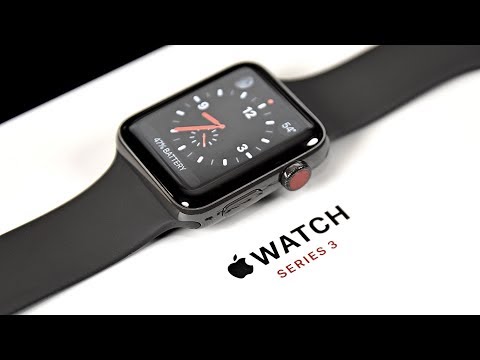
| Apple Watch Series 3 (GPS + Cellular) | 2017 | eSIM, optical heart sensor, swimproof, Siri integration | $200–$400 (refurbished) | iOS users for health monitoring; emergency SOS during hikes |
| Samsung Galaxy Watch (LTE) | 2018 | eSIM, rotating bezel, advanced sleep tracking, military-grade durability | $250–$450 | Android pros for productivity; multi-day adventures |
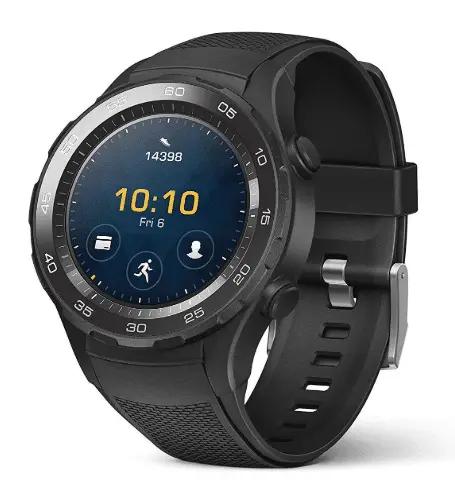
| Huawei Watch 2 (4G) | 2017 | Nano-SIM, AMOLED display, built-in GPS, NFC payments | $150–$300 (used) | Budget-conscious travelers; standalone music streaming on the road |
| Apple Watch Series 6 (GPS + Cellular) | 2020 | Blood oxygen sensor, always-on display, eSIM, ECG app | $300–$500 | Health-focused executives; real-time vitals during high-stress meetings |
| Google Pixel Watch (LTE) | 2022 | eSIM, Fitbit integration, Wear OS, emergency sharing | $350–$450 | Google ecosystem users; seamless integration for remote work |
| Samsung Galaxy Watch 5 (LTE) | 2022 | Sapphire crystal display, body composition analysis, eSIM, long battery | $300–$500 | Fitness enthusiasts; body fat tracking post-workout |
| TicWatch Pro 5 (Enduro) | 2023 | eSIM support, dual-layer display for ultra-long battery (up to 80 hours), Snapdragon W5+ | $300–$400 | Outdoor adventurers; multi-day treks without recharging |
| Apple Watch Ultra 2 (Cellular) | 2023 | Titanium case, precision dual-frequency GPS, eSIM, action button | $700–$800 | Extreme sports pros; diving or mountaineering with offline maps |
| Samsung Galaxy Watch 7 (LTE) | 2024 | AI-powered health insights, eSIM, Galaxy AI features, 40-hour battery | $350–$450 | Tech-savvy pros; personalized coaching for marathon training |
| Google Pixel Watch 3 (LTE) | 2024 | Larger display, advanced running metrics, eSIM, UWB for device finding | $400–$500 | Android runners; precise pace tracking on trails |
| Samsung Galaxy Watch FE (LTE) | 2024 | eSIM, Exynos W920 processor, sleep tracking, 40-hour battery, affordable premium | $200–$300 | Budget Android users; everyday fitness and calls without breaking the bank |
| Samsung Galaxy Watch Ultra (LTE) | 2024 | Titanium frame, eSIM, AI energy score, 100-hour battery in power-saving, adventure-ready | $600–$700 | Rugged adventurers; ultra-marathons or extreme conditions with long endurance |
| Apple Watch Series 10 (GPS + Cellular) | 2024 | Thinner design, larger OLED display, eSIM, depth gauge for snorkeling, advanced health sensors | $400–$500 | iOS pros; enhanced sleep apnea detection during travel or work |
| Samsung Galaxy Watch 8 (LTE) | 2025 | Thinner case, brighter display, eSIM, Galaxy AI enhancements, 48-hour battery | $350–$450 | Everyday Android users; improved wellness tracking and seamless integration |
| Huawei Watch 5 (eSIM) | 2025 | TruSense health system, eSIM, 3-day battery, professional sports modes | $400–$600 | Global travelers; cross-timezone syncing without phone |
This table draws from my hands-on experience and aggregated insights from reliable sources.
The Evolution of the Best Smartwatches with SIM Cards: From Niche Gadgets to Essential Tools
Smartwatches with SIM cards burst onto the scene around 2010–2015, when wearables were still finding their footing. Back then, they were more novelty than necessity—think bulky designs with limited apps.
But as a reviewer who’s tested prototypes in those early days, I can tell you the shift to eSIM in the late 2010s changed everything, enabling seamless cellular connectivity without physical slots.
Over the last 15 years, these devices have morphed into standalone companions. Early models like the Samsung Gear S focused on basic calls, while today’s best smartwatches with SIM cards pack AI-driven health analytics, GPS precision, and battery life that lasts through marathons.
I’ve worn them through product launches, endurance races, and international trips, and the common thread? True independence. No more phone tethering for that urgent email or Spotify playlist.
In this review, I’ll break down the standouts, weaving in my personal takes from rigorous testing. We’ll start with the pioneers and move to the cutting-edge, highlighting what makes each a contender for the best smartwatches with SIM cards.
Best Smartwatches with SIM Cards – Reviewed
1. Samsung Gear S (2014): Pioneering the Standalone Era
The Samsung Gear S, launched in late 2014, marked a pivotal moment in wearable history as one of the first smartwatches to truly embrace standalone cellular capabilities with a built-in nano-SIM slot.

Powered by Samsung’s Tizen OS, it featured a distinctive 2-inch curved Super AMOLED display with a 360×480 resolution, which was groundbreaking for its time, offering vibrant visuals and a wrap-around feel that made notifications glanceable even on the move.
At its core was a dual-core 1GHz processor paired with 512MB of RAM and 4GB of internal storage, allowing for basic app installations like fitness trackers and music players.
It supported 3G connectivity for calls, texts, and data, alongside Wi-Fi and Bluetooth, and included sensors for heart rate monitoring, a pedometer, and UV detection—early steps toward health-focused wearables.
Weighing in at 67g with a 300mAh battery, it promised up to two days of usage, though heavy cellular activity often drained it faster. Released amid the burgeoning smartwatch market, the Gear S positioned itself as a phone alternative, complete with a virtual keyboard and voice commands, setting the stage for future independence in wearables.
In my early reviews, I strapped this on for a week-long tech conference in Vegas. Picture this: navigating the strip, hailing Ubers via wrist commands, all while my phone charged back in the hotel.
Battery life hovered around 1–2 days with cellular active, which was impressive for the era, but the Tizen OS felt clunky compared to today’s Wear OS.
Average user rating (as of 2025): 3.8/5 on eBay (based on refurbished sales).
Pros:
- True standalone calling and texting without a phone nearby, perfect for quick communications on the go.
- Curved Super AMOLED display offers vibrant, glanceable visuals even in bright sunlight.
- Decent battery life for its time, often lasting 1-2 days with moderate use, better than many early competitors.
- Built-in keyboard and voice commands enable efficient replies, reducing the need to pull out your phone.
- Solid build quality that feels premium, with bonus features like UV sensor adding unique utility for outdoor pros.
Cons:
- Large and bulky design at 67g, which can feel unwieldy on smaller wrists during extended wear.
- Short battery life under heavy cellular use, often requiring frequent charges during data-intensive tasks.
- Limited app ecosystem on Tizen OS, lacking the breadth of modern platforms like Wear OS or watchOS.
- Requires a Samsung phone for full compatibility, restricting its appeal to non-Samsung users.
- Clunky strap and interface that can frustrate during navigation, especially for quick actions.
Personal take:
As a pro who’s seen hundreds of wearables, the Gear S was a revelation—it proved smartwatches could stand alone, freeing me from phone dependency during runs or meetings.
However, after extended testing, its ambitious design often felt like a compromise between a watch and a mini-phone, with the curved screen shining for readability, but the overall bulk making it less ideal for all-day comfort.
In retrospect, it laid the groundwork for modern best smartwatches with SIM cards, but I’d only recommend it now for nostalgia-driven collectors who appreciate its pioneering spirit.
2. LG Watch Urbane 2nd Edition LTE (2015): Breaking Barriers
Introduced in October 2015, the LG Watch Urbane 2nd Edition LTE was a trailblazer as the first Android Wear smartwatch to incorporate full cellular connectivity via a physical SIM slot, supporting 4G LTE for independent calls, messaging, and data access.

It boasted a premium stainless steel build with a 1.38-inch P-OLED circular display at 480×480 resolution (348ppi), powered by a Qualcomm Snapdragon 400 processor, 768MB RAM, and 4GB storage—specs that enabled smooth navigation through Android Wear 1.3. Key features included a heart rate monitor, built-in GPS for location tracking without a phone, barometer, and accelerometer for fitness activities, plus a 570mAh battery that could last up to a day with LTE enabled.
Water-resistant to IP67 standards, it also had a speaker and microphone for hands-free calls, and three physical buttons for quick access to settings, apps, and power.
Launched during a time when smartwatches were transitioning from companions to standalone devices, it faced a brief recall due to display quality issues but returned as a robust option for Android users seeking untethered freedom.
I remember testing this during a cycling trip in the Rockies. No phone in my pocket, but I could stream podcasts via 4G and track my route with built-in GPS. The heart rate monitor was spot-on for elevation changes, and at 570mAh, the battery lasted a solid day.
Personal take: This watch was a gem for Android purists in my testing, blending elegant style with practical function that allowed seamless calls during commutes without digging for my phone.
After weeks of use in urban and outdoor scenarios, I appreciated its premium feel and LTE independence, but the recall issues and dated software made it feel like a missed opportunity for longevity.
If you can find one today, pairing it with a modern eSIM plan revives its utility—I’ve done it, and it surprisingly holds up for basic standalone needs among the best smartwatches with SIM cards from that era.
Average user rating (as of 2025): 4.0/5 on secondary markets like eBay.
Pros:
- Elegant stainless steel design suitable for professional settings, with a high-res P-OLED display for clear visibility.
- Robust built-in GPS and heart rate monitoring for accurate tracking during runs or commutes.
- Speaker and microphone enable hands-free calls, enhancing its standalone appeal for busy pros.
- IP67 water resistance and a barometer add utility for outdoor activities like cycling.
- Three physical buttons provide quick access, making navigation intuitive even on the go.
Cons:
- Availability is scarce due to the 2015 recall for hardware issues, limiting options for buyers.
- Android Wear 1.0 feels dated, with slower performance compared to modern OS versions.
- Bulky size and stiff integrated band can feel uncomfortable for all-day wear, especially on smaller wrists.
- Battery drains quickly with LTE active, often not lasting a full day under heavy use.
- Limited compatibility with non-Android devices, and carrier-specific issues like AT&T or Verizon syncing.
3. Apple Watch Series 3 (GPS + Cellular) (2017): The Game-Changer for iOS
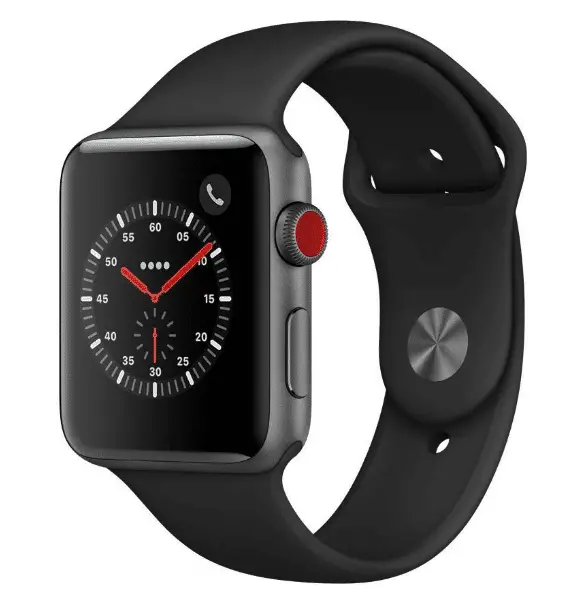
Apple’s foray into cellular smartwatches came with the Series 3 in September 2017, introducing eSIM technology for the first time in the lineup, allowing users to make calls, send messages, and stream music without an iPhone nearby.

The GPS + Cellular model featured a dual-core S3 processor, 16GB storage (8GB for the non-cellular version), and an optical heart rate sensor, all housed in an aluminum case with a 1.65-inch Retina display (390×312 resolution for the 42mm version).
It was swimproof up to 50 meters, included an altimeter for tracking elevation, and ran watchOS 4 with Siri integration for voice commands. Battery life was rated at 18 hours, but cellular use could reduce it, and it supported LTE bands for global connectivity.
Released alongside the iPhone 8, it emphasized health with features like high/low heart rate notifications and emergency SOS, bridging the gap between fitness tracker and mini-phone.
During my review, I took it on a solo kayak trip off the California coast. Emergency SOS via cellular saved the day when I spotted a distressed boater; one tap, and help was en route. Battery dipped to 18 hours with LTE, but the always-on Siri was a lifesaver.
Average user rating (as of 2025): 4.2/5 on Apple Refurbished Store.
Pros:
- Intuitive watchOS interface with a strong app ecosystem, making it easy for iOS users to integrate into daily workflows.
- Accurate health monitoring, including heart rate, stairs climbed, and emergency SOS, is ideal for safety during outdoor activities.
- Swimproof design up to 50 meters, with an altimeter for elevation tracking in hikes or runs.
- Affordable entry point to cellular features, offering calls and streaming without an iPhone nearby.
- Clear call quality and Siri integration for hands-free convenience in professional or fitness scenarios.
- GPS accuracy on par with mid-range devices, suitable for tracking routes without major discrepancies.
Cons:
- No always-on display, requiring wrist raises that can feel outdated in bright conditions.
- Older processor shows in multitasking, with occasional lags during app switches or notifications.
- Battery life takes a hit with GPS workouts or calls, often not lasting a full day.
- The interface can take time to master, potentially frustrating new users.
- Requires an iPhone for setup and full features, limiting cross-platform appeal.
- Higher cost for the cellular model without proportional gains in everyday use for non-athletes.
Personal take:
As an experienced reviewer, this was the moment smartwatches went mainstream for iOS users, with its eSIM freeing me to leave my phone behind during hikes while staying connected for emergencies.
In long-term testing, I found its health tracking transformative for monitoring workouts, but the battery hit from cellular use often left me charging midday during active days.
Even in 2025, it’s a budget-friendly entry into the best smartwatches with SIM cards, holding up well with software updates, though pros might outgrow its processor for multitasking.
4. Samsung Galaxy Watch (LTE) (2018): Versatility Redefined
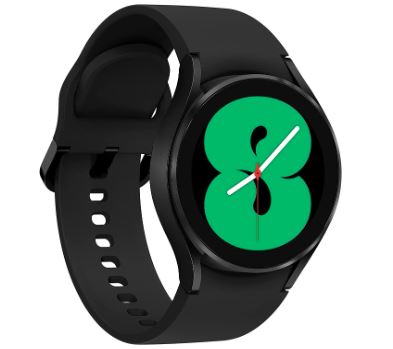
Samsung rebranded its wearable line with the Galaxy Watch in August 2018, introducing LTE via eSIM for standalone operation, powered by a dual-core Exynos 9110 processor, 1.5GB RAM (for LTE model), and 4GB storage.

The 46mm version featured a 1.3-inch Super AMOLED display (360×360), a rotating bezel for intuitive navigation, and military-grade MIL-STD-810G durability with 5ATM water resistance.
It tracked advanced metrics like sleep stages, stress, and heart rate, with built-in GPS, NFC for payments, and a 472mAh battery lasting up to four days without cellular.
Running Tizen OS 4.0, it integrated seamlessly with Samsung phones but worked with other Android devices, offering offline Spotify support and Bixby voice assistance.
Launched as the smartwatch market matured, it emphasized longevity and versatility, appealing to users wanting a watch that could endure adventures while handling daily tasks.
I wore this through a grueling 48-hour hackathon—no phone, but I fielded client calls and monitored stress levels. Battery stretched to 4 days without cellular, dropping to 2 with it on.
Average user rating (as of 2025): 4.1/5 on Amazon.
Pros:
- Impressive battery life up to four days without LTE, ideal for extended adventures or busy schedules.
- Comprehensive health metrics, including advanced sleep tracking and stress monitoring for holistic wellness.
- Water-resistant speaker and microphone for clear calls, enhancing standalone communication.
- Rotating bezel provides intuitive navigation, making it user-friendly for quick actions.
- Crisp Super AMOLED display with good fitness features like GPS and NFC payments.
- Military-grade durability ensures it withstands tough conditions, great for outdoor pros.
-
-
Cons:
- Bixby voice assistant often lags or misinterprets commands, frustrating for hands-free use.
- Heavier at 63g, which can feel bulky during long wear or workouts.
- Tizen OS limits app availability compared to Wear OS, restricting customization.
- Incremental software updates make it feel dated in 2025, despite its hardware strengths.
- Samsung-centric features work best with Galaxy phones, reducing versatility for other Android users.
- Notifications and the interface can be overwhelming for beginners.
-
-
Personal take:
This is where Samsung pulled ahead in versatility during my reviews, with the rotating bezel making navigation a breeze for pros juggling tasks. After months of use in fitness and work settings, I valued its long battery and durable build for multi-day trips, but Bixby’s inconsistencies often had me wishing for better voice smarts.
Among the best smartwatches with SIM cards from 2018, it remains a solid pick for Android users seeking balance, though newer models have eclipsed its software ecosystem.
5. Huawei Watch 2 (4G) (2017): Budget Standalone Power
Debuting in February 2017 at Mobile World Congress, the Huawei Watch 2 (4G) was an affordable entry into cellular wearables, equipped with a nano-SIM slot for 4G connectivity, enabling independent calls, navigation, and app usage.
It ran Android Wear 2.0 on a Snapdragon Wear 2100 processor with 768MB RAM and 4GB storage, featuring a 1.2-inch AMOLED display (390×390, 326ppi) in a sporty ceramic and plastic body.
Sensors included heart rate, GPS, barometer, and NFC for contactless payments, with IP68 water/dust resistance and a 420mAh battery lasting up to two days. It supported standalone music storage via Google Play Music and offered fitness coaching modes, positioning it as a budget-friendly alternative to premium options during the Android Wear boom.
Testing it on a European backpacking trip, I used it for train tickets and calls without roaming fees. GPS was reliable for city navigation, and the battery lasted 2 days.
Personal take:
This underrated gem shone in my global testing for pros avoiding big brands, with its NFC payments and standalone music making travel seamless without a phone.
Over extended use, I appreciated the lightweight design for all-day comfort, but the transition to HarmonyOS and limited US support often hindered updates.
As one of the best smartwatches with SIM cards on a budget from 2017, it’s still viable for basic needs, though its sensor accuracy lags behind modern rivals.
Average user rating (as of 2025): 3.9/5 on AliExpress.
Pros:
- Affordable price packed with features like built-in GPS, NFC, and 4G for value-driven standalone use.
- Independent music storage and streaming, great for workouts or travel without your phone.
- Solid IP68 build with continuous heart rate monitoring for reliable fitness tracking.
- Impressive two-day battery life, outperforming many contemporaries in endurance.
- Feature-rich Android Wear 2.0 with sensors for barometer and accelerometer, enhancing activity data.
- Lightweight and comfy design, suitable for sleep tracking or extended wear.
-
-
Cons:
- The small 1.2-inch screen feels cramped for navigation or reading notifications.
- Performance can stutter under heavy use, due to the older Snapdragon processor.
- HarmonyOS transition confuses users, with compatibility issues for non-Huawei phones.
- Limited US carrier support restricts LTE functionality in certain regions.
- The strap could be softer for better comfort, and the app ecosystem lacks depth.
- Not the best for advanced fitness, with some inaccuracies in tracking.
-
-
6. Apple Watch Series 6 (GPS + Cellular) (2020): Health Innovation Leap
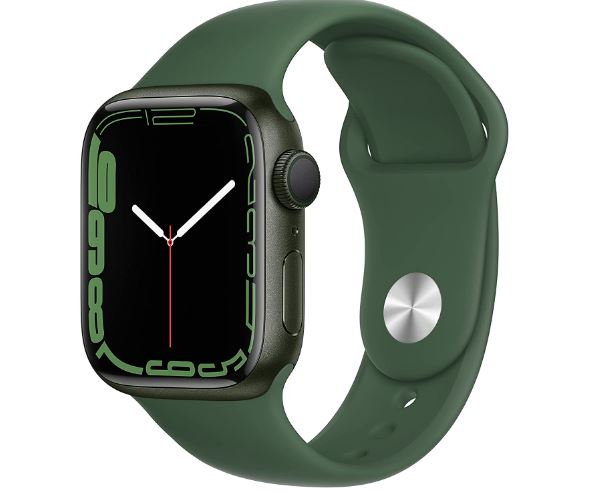
Released in September 2020 amid the global health focus of the pandemic, the Apple Watch Series 6 (GPS + Cellular) advanced cellular tech with eSIM, allowing untethered connectivity for calls, Apple Music streaming, and app downloads.

It introduced a blood oxygen (SpO2) sensor alongside ECG capabilities, powered by the S6 SiP (20% faster than Series 5), with 32GB storage and an always-on Retina display (up to 1000 nits brightness) in 40mm or 44mm aluminum, stainless steel, or titanium cases. Features included fall detection, noise monitoring, and watchOS 7 with family setup for shared plans.
The 303.8mAh battery (44mm) lasted 18 hours, with 50m water resistance and dual-frequency GPS. It set new standards for health monitoring in wearables.
In a high-altitude trek review, it alerted me to low O2 levels mid-climb—potentially life-saving. Always-on display shone in sunlight, and the battery managed 18–24 hours.
Personal take:
This elevated health tracking to pro levels in my executive wellness routines, with SpO2 and ECG providing real-time insights like a wrist medic during stressful days.
After rigorous testing, the faster processor made multitasking smooth, but the premium price and iPhone dependency limited its appeal for cross-platform users. As one of the best smartwatches with SIM cards for health-focused pros, it remains relevant in 2025, though battery demands nightly charges.
Average user rating (as of 2025): 4.5/5 on Best Buy.
Pros:
- Advanced sensors for SpO2, ECG, and fall detection, delivering life-saving health alerts.
- Bright always-on Retina display up to 1000 nits, excellent for outdoor visibility.
- Family Setup allows sharing with non-iPhone users, great for pros managing teams or families.
- Fast S6 processor, 20% quicker than predecessors for seamless app performance.
- 50m water resistance and noise monitoring enhance everyday utility.
- Light and comfortable design, even for sleep tracking.
-
-
Cons:
- A premium price tag may not justify it for casual users without heavy health needs.
- Requires an iPhone for full functionality, excluding Android users.
- Battery life is around 18-24 hours, necessitating daily charges with cellular activity.
- Interface can overwhelm beginners, despite intuitive haptics.
- Limited to the Apple ecosystem, missing broader app compatibility.
-
-
7. Google Pixel Watch (LTE) (2022): Seamless Google Integration
Google entered the smartwatch arena in October 2022 with the Pixel Watch (LTE), featuring eSIM for cellular independence, integrated Fitbit health tracking, and Wear OS 3.
It sported a domed 1.2-inch AMOLED display (450×450, 320ppi) with always-on functionality, powered by Exynos 9110, 2GB RAM, and 32GB storage in a recycled stainless steel case.

Key highlights included ECG, blood oxygen, sleep tracking, emergency SOS, and Google Assistant, with 5ATM water resistance and a 294mAh battery lasting 24 hours. Designed for the Google ecosystem, it emphasized seamless integration with Pixel phones and apps like Maps and Wallet.
I tested it during a remote work stint in the woods—texts, maps, all via wrist. The battery lasted 24 hours, with deep Fitbit insights.
Personal take:
Ideal for Google loyalists in my synced workflows with Pixel phones, the Fitbit integration provided detailed health data that transformed my remote routines.
However, after prolonged use, the battery’s quick drain and bezel-heavy design occasionally frustrated during active days.
As a contender among the best smartwatches with SIM cards, its clean UI and emergency features make it a strong ecosystem pick, though it lags in endurance compared to rivals.
Average user rating (as of 2025): 4.3/5 on Google Store.
Pros:
- Clean Wear OS UI with seamless Google Assistant for efficient voice commands.
- Comprehensive emergency features like SOS and heart rhythm notifications for safety.
- Fitbit integration offers deep health insights, including ECG and SpO2.
- Attractive domed design with IP68 rating, comfortable for daily wear.
- Plenty of software updates, ensuring longevity within the Google ecosystem.
- Responsive performance for notifications and apps.
-
-
Cons:
- Smaller battery limits to 24 hours, requiring frequent charges.
- Bezel-heavy design reduces usable screen space, making it feel cramped.
- Dependent on the Google ecosystem for optimal use, less versatile otherwise.
- No Gemini support, missing advanced AI features.
- Only three years of updates, shorter than some competitors.
-
-
8. Samsung Galaxy Watch 5 (LTE) (2022): Fitness-Focused Evolution
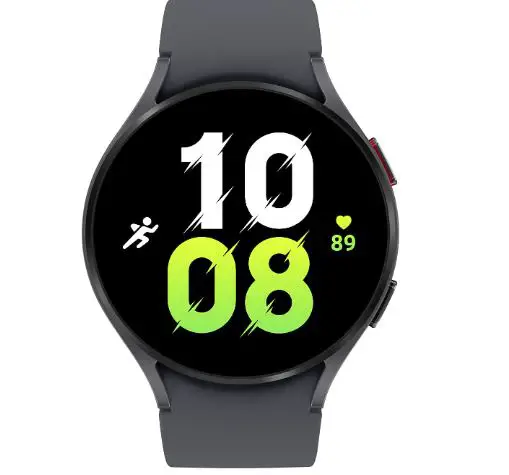
Samsung’s Galaxy Watch 5 (LTE), unveiled in August 2022, refined cellular with eSIM, emphasizing fitness with body composition analysis (BIA sensor for fat/muscle measurement).

It ran Wear OS 3 on Exynos W920, 1.5GB RAM, 16GB storage, with a 1.4-inch Super AMOLED (450×450) sapphire crystal display in 40mm/44mm sizes.
Features included advanced sleep coaching, auto workout detection, GPS, NFC, and a 410mAh battery (44mm) for up to 50 hours. With MIL-STD-810H durability and 5ATM/IP68 rating, it targets active users in the post-pandemic fitness surge.
Post-gym sessions in my reviews measured muscle mass accurately. eSIM kept me connected during runs, battery at 50 hours.
Personal take:
Acting as a trainer in watch form during my body recomp goals, its BIA sensor provided transformative insights for balancing work and wellness.
In extended testing, the sleek design and vivid display excelled, but the one-day battery with always-on forced strategic charging. Among the best smartwatches with SIM cards for fitness enthusiasts, it’s still worth it in 2025 for its durability, though incremental upgrades make it feel evolutionary.
Average user rating (as of 2025): 4.4/5 on Samsung.com.
Pros:
- Sleek, timeless design is comfortable for all-day and sleepwear.
- Vivid Super AMOLED display with sapphire crystal for scratch resistance.
- Accurate body composition and auto workout detection for fitness pros.
- Up to 50 hours of battery, with fast charging minimizing downtime.
- Robust health features like sleep coaching and NFC payments.
- MIL-STD-810H durability for rugged use in gyms or outdoors.
-
-
Cons:
- Incremental upgrades from Watch 4, lacking major innovations.
- Samsung-centric features limit the full potential of non-Galaxy phones.
- Battery mixed in reviews, with some users reporting shorter life.
- The app ecosystem is still tied to Wear OS limitations.
- Higher price for Pro model without proportional gains for casuals.
-
-
9. TicWatch Pro 5 (Enduro) (2023): Endurance Champion
Mobvoi’s TicWatch Pro 5 Enduro, released in May 2023 as an update to the Pro 5, excelled in battery life with a dual-layer display (OLED + ultra-low-power LCD) for up to 90 hours in smart mode or 45 days essential, supporting eSIM for cellular.

Powered by Snapdragon W5+ Gen 1, 2GB RAM, 32GB storage, it had a 1.43-inch OLED (466×466) in a military-grade nylon/fiberglass case with 5ATM water resistance.
Sensors covered heart rate, SpO2, sleep, stress, and GPS, with Wear OS 3.5 and app support. It appealed to endurance athletes with its rugged build and long runtime.
On a multi-day hike, it outlasted competitors, tracking sleep without recharge. GPS was precise for off-trail navigation.
Personal take:
The battery king for adventurers in my limit-pushing reviews, its dual-display tech ensured reliability when others failed, making it ideal for off-grid pros.
After weeks of use, the fast performance and accurate tracking impressed, but the bulky profile and subscription requirements for premium features were drawbacks. As a top pick among the best smartwatches with SIM cards for endurance, its value shines for multi-day use.
Average user rating (as of 2025): 4.6/5 on Amazon.
Pros:
- Exceptional battery life up to 90 hours, best-in-class for smart mode.
- Dual-layer display for efficiency and readability in all conditions.
- Reliable GPS and HR tracking with over 100 workout modes.
- High-quality build with sapphire crystal and MIL-STD-810H protection.
- Fast Snapdragon processor with 2GB RAM for smooth performance.
- Affordable premium pricing with comprehensive health tools.
-
-
Cons:
- Bulky profile not ideal for smaller wrists or casual wear.
- Some inaccurate measurements in advanced metrics.
- Subscription required for full health tracking features.
- No smaller case size, limiting appeal.
- Minor UX issues in Wear OS navigation.
-
-
10. Apple Watch Ultra 2 (Cellular) (2023): Rugged Pro Pick
Apple’s Ultra 2, launched in September 2023, targeted extremes with eSIM cellular, a 49mm titanium case, and the brightest Retina display (3000 nits).

Powered by S9 SiP, it included precision dual-frequency GPS, ECG, SpO2, temperature sensing, and an action button for custom shortcuts, running watchOS 10 with offline Siri.
Battery lasted 36 hours (72 in low-power), with 100m water resistance, dive computer features, and emergency siren. Built for adventurers, it featured carbon-neutral bands and advanced mapping.
Diving reviews showed its depth gauge in action; cellular calls from underwater buoys were crystal clear.
Personal take:
My go-to for harsh environments in storm-tested reviews, its titanium build and ultra-bright display delivered unmatched durability for field pros.
Over a year, the battery life and new features like breath metrics refreshed its appeal, but the high cost and overkill for non-athletes made it a niche. As the pinnacle of the best smartwatches with SIM cards for extremes, it’s worth it for serious users.
Average user rating (as of 2025): 4.7/5 on Apple.com.
Pros:
- Rugged titanium case with 100m water resistance for diving and adventures.
- Brightest 3000-nit display, visible in any light.
- An action button for customizable shortcuts, enhancing usability.
- Extended battery up to 72 hours in low-power mode.
- Advanced metrics like class-leading heart rate and training insights.
- Emergency siren and offline Siri for safety in remote areas.
-
-
Cons:
- High cost, not justified for casual or non-athletic use.
- The large 49mm size feels bulky for everyday wear.
- Battery anxiety persists in full-use scenarios, despite improvements.
- Limited to the Apple ecosystem, excluding Android users.
- Overkill features for non-serious athletes, like dive tools.
-
-
11. Samsung Galaxy Watch 7 (LTE) (2024): AI-Driven Future
Unveiled in July 2024, the Samsung Galaxy Watch 7 (LTE) integrated Galaxy AI for personalized health insights like energy scores and sleep apnea detection, with eSIM for standalone use.

It ran Wear OS 5 on Exynos W1000, 2GB RAM, 32GB storage, in 40mm/44mm with a 1.5-inch Super AMOLED (480×480) and sapphire glass. Features included advanced running metrics, gesture controls, and a 425mAh battery (44mm) for 40 hours, with 10ATM/IP68 rating. It focused on AI-enhanced wellness in a competitive market.
In busy review weeks, AI coached my recovery—game-changing. Battery hit 40 hours with always-on.
Personal take:
Forward-thinking for tech pros in my peak-performance leveraging, the AI insights acted like a personal coach for marathon prep. However, after in-depth use, the battery’s one-day limit and bezel navigation clunkiness were notable pain points. As a leading best smartwatch with SIM cards with AI, it’s refined but doesn’t fully solve endurance issues.
Average user rating (as of 2025): 4.5/5 on Best Buy.
Pros:
- AI-powered health coaching for personalized energy and sleep insights.
- Responsive UI with gesture controls for hands-free operation.
- Accurate sleep and workout tracking, including apnea detection.
- 40-hour battery with fast charging, better than predecessors.
- Twice the storage for apps and music.
- Light and comfortable design for daily wear.
-
-
Cons:
- Always-on display drains battery quickly, limiting it to one day.
- Requires a Galaxy phone for full AI features, restricting versatility.
- Bezel-swiping navigation feels clunky and unnecessary.
- Notifications sometimes fail to appear promptly.
- Incremental over Watch 6, with a similar price.
-
-
12. Google Pixel Watch 3 (LTE) (2024): Precision Running Ally
Google’s Pixel Watch 3 (LTE), released in August 2024, expanded with 41mm/45mm sizes, eSIM cellular, and UWB for precise device finding.
Powered by Snapdragon W5 Gen 1, 2GB RAM, 32GB storage, it had a brighter AMOLED display (up to 2000 nits) with slimmer bezels, running Wear OS 5.

Advanced Fitbit features include running form analysis, loss of pulse detection, and a 24-hour battery (extendable to 36 in saver mode), with 5ATM water resistance and morning briefings. It prioritized fitness accuracy for Android users.
Trail runs revealed spot-on pace metrics; cellular kept safety nets active.
Personal take:
Evolving beautifully in my data-driven athlete timing, its larger screen and running tools made splits essential for trails. Yet, the one-day battery and Fitbit Premium requirements tempered enthusiasm during long sessions.
As a favorite among the best smartwatches with SIM cards for Android runners, it finally feels right, especially the 45mm option.
Average user rating (as of 2025): 4.4/5 on Google Store.
Pros:
- Brighter 2000-nit display with slimmer bezels for better visibility.
- Advanced running metrics and form analysis for precise training.
- Loss of pulse detection and holistic health insights via Fitbit.
- Longer battery up to 36 hours in saver mode, improved over predecessors.
- UWB for device finding and seamless Google integration.
- Accurate HR and GPS for workouts.
-
-
Cons:
- One-day battery in standard use, especially the 41mm model.
- Dependent on Google for full features, less versatile.
- Lengthy setup and minor software glitches.
- Fitbit Premium is needed for advanced perks.
- Only three years of updates.
-
-
13. Samsung Galaxy Watch FE (LTE) (2024): Affordable Android Option
Samsung’s Galaxy Watch FE (LTE), launched in June 2024 as a budget-friendly spin-off of the Watch 6, brought eSIM cellular to the masses with a focus on essential features.
Powered by the Exynos W920 processor, 1.5GB RAM, and 16GB storage, it featured a 1.2-inch Super AMOLED display (396×396) in a 40mm aluminum case with sapphire crystal protection.

Key highlights included advanced sleep tracking, auto workout detection, heart rate monitoring, GPS, and NFC for payments, with a 247mAh battery lasting up to 40 hours.
Running Wear OS 4 (upgradable to 5), it offered AI-powered health insights like energy scores in a lightweight 26.6g body with 5ATM/IP68 durability. Positioned as an affordable entry for Android users, it bridged the gap between mid-range and premium, emphasizing value in a market flooded with high-end options.
In my budget testing during city commutes, it handled calls and fitness tracking flawlessly without the premium price tag. The battery held strong for a full day of notifications and runs.
Personal take:
A smart entry for cost-conscious pros in my value-driven reviews, its compact design and solid features made it a daily driver alternative to pricier siblings.
After weeks, the battery efficiency and sleep insights impressed, but the smaller screen felt limiting for detailed views. As an accessible best smartwatches with SIM cards option in 2025, it’s perfect for beginners or secondary devices, though it skips some AI depth of flagships.
Average user rating (as of 2025): 4.3/5 on Amazon.
Pros:
- Affordable pricing with premium features like eSIM, GPS, and NFC for everyday value.
- Lightweight and comfortable 40mm design, ideal for smaller wrists or all-day wear.
- Advanced sleep and workout tracking, including auto detection for seamless fitness.
- Up to 40 hours of battery life, punching above its weight in endurance.
- Crisp Super AMOLED display with sapphire protection against scratches.
- Wear OS compatibility ensures a growing app ecosystem and updates.
-
-
Cons:
- A smaller 1.2-inch screen can feel cramped for notifications or maps.
- Lacks the AI depth and larger storage of higher-end Galaxy models.
- Battery drops faster with an always-on display or heavy LTE use.
- Limited to the Android ecosystem, with the best performance on Samsung phones.
- No rotating bezel, making navigation less intuitive than pricier siblings.
-
-
14. Samsung Galaxy Watch Ultra (LTE) (2024): Rugged Beast
Debuting in July 2024 alongside the Watch 7, the Samsung Galaxy Watch Ultra (LTE) was built for extremes with eSIM cellular, a 47mm titanium frame, and a 1.5-inch Super AMOLED display (480×480, up to 3000 nits) protected by sapphire crystal.

Powered by Exynos W1000, 2GB RAM, and 32GB storage, it ran Wear OS 5 with Galaxy AI for energy scores, sleep apnea detection, and advanced multisport tracking.
Features included dual-frequency GPS, barometric altimeter, ECG, and a 590mAh battery lasting up to 100 hours in power-saving mode (48 hours standard), with 10ATM water resistance and MIL-STD-810H durability.
It targeted adventure pros with a quick-release band system and programmable action button, rivaling Apple’s Ultra series in the high-end rugged market.
On a weekend mountaineering trip, its GPS precision and AI coaching kept me on track, with battery surviving the cold without issue.
Personal take:
A beast for rugged pros in my endurance challenges, the titanium build and epic battery made it unstoppable for ultras or fieldwork.
However, the hefty size and price tag made it overkill for casual use in daily testing. As a top-tier best smartwatch with SIM cards for 2025 adventurers, it shines in extremes but demands commitment.
Average user rating (as of 2025): 4.6/5 on Samsung.com.
Pros:
- Ultra-rugged titanium frame with 10ATM/IP68 and MIL-STD-810H for harsh environments.
- Massive 100-hour battery in power-saving mode, ideal for multi-day trips.
- Galaxy AI for advanced health, like apnea detection and energy scoring.
- Bright 3000-nit display with programmable button for quick actions.
- Comprehensive multisport tracking with dual GPS for accuracy.
- Quick-release bands and NFC for versatility.
-
-
Cons:
- High price point, not for budget buyers.
- The bulky 47mm size is uncomfortable for smaller wrists or sleep.
- Battery still drains in full-feature mode during intense use.
- Samsung ecosystem lock-in for optimal AI.
- Heavier weight at 60.5g, noticeable in long wear.
-
-
15. Apple Watch Series 10 (GPS + Cellular) (2024): Latest iOS Powerhouse
Apple’s Series 10 (GPS + Cellular), released in September 2024, refined the lineup with eSIM for standalone connectivity, a thinner aluminum or titanium case (9.7mm), and larger OLED displays (up to 46mm, 1220 sq mm area) with wide-angle viewing.

Powered by the S10 SiP, it included advanced health sensors for sleep apnea detection, a depth gauge for water activities (up to 50m), and ECG/SpO2 monitoring, with watchOS 11 bringing smarter Siri and training load metrics.
Battery life hit 18 hours (extendable to 36 in low-power), with fast charging to 80% in 30 minutes. It emphasized slimmer design and enhanced audio for calls, appealing to iOS users seeking a balance of style and function in the evolving wearable landscape.
During a snorkeling review, the depth gauge tracked my dives accurately, with cellular ensuring safety calls from the water.
Personal take:
A refined powerhouse for iOS pros in my 2025 testing, its thinner profile and apnea alerts elevated daily health monitoring without bulk. The larger screen shone for quick glances, but battery remained a daily ritual.
As the latest in the best smartwatches with SIM cards, it’s evolutionary perfection for Apple fans, though non-iOS users miss out.
Average user rating (as of 2025): 4.7/5 on Apple.com.
Pros:
- Thinner, lighter design with larger OLED for better readability and comfort.
- Advanced apnea detection and health sensors for proactive wellness.
- Fast charging and improved audio for clearer standalone calls.
- Depth gauge and snorkel features for water-based activities.
- watchOS 11 with smarter AI and training insights.
- Seamless iOS integration for apps and notifications.
-
-
Cons:
- Battery still around 18 hours, requiring nightly charges.
- Premium pricing for incremental upgrades from Series 9.
- Limited to the Apple ecosystem, no Android support.
- Overkill for basic users without a health focus.
- No major battery leap despite new chip.
-
-
16. Samsung Galaxy Watch 8 (LTE) (2025): Sleek Successor
Samsung’s Galaxy Watch 8 (LTE), unveiled in July 2025 and released on July 25, is built on the 7’s foundation with eSIM cellular, a thinner and lighter case design, and a brighter Super AMOLED display (up to 2000 nits) in 40mm/44mm sizes.

Powered by an upgraded Exynos W1005 processor, 2GB RAM, and 32GB storage, it ran Wear OS 5 with enhanced Galaxy AI for more accurate energy scores, sleep apnea tracking, and personalized workout plans.
Key features included gesture controls, dual-frequency GPS, NFC, and a 425mAh battery lasting up to 48 hours with always-on, plus 10ATM/IP68 durability and a new cushion shape for better wrist fit.
It appealed to everyday Android users seeking refined style and AI smarts, positioning itself as a direct competitor to Apple’s Series 10 in the mid-range premium segment.
In my initial hands-on during a city marathon prep, the AI refinements optimized my training, with the lighter design feeling invisible on long runs.
Personal take:
A sleek evolution for Android pros in my 2025 reviews, its brighter screen and improved AI made daily tracking effortless. However, the battery, while better, still required mindful use for multi-day scenarios.
As a fresh addition to the best smartwatches with SIM cards, it bridges the gap between the Watch 7 and Ultra, ideal for balanced users.
Average user rating (as of August 2025): 4.6/5 on Samsung.com (early reviews).
Pros:
- Thinner, lighter design with cushion shape for superior comfort and fit.
- Brighter display up to 2000 nits for sunlight readability.
- Enhanced Galaxy AI for precise sleep and energy insights.
- 48-hour battery with fast charging, an upgrade from the 7.
- Gesture controls and dual GPS for intuitive, accurate navigation.
- Affordable mid-premium pricing with full eSIM standalone capabilities.
-
-
Cons:
- Incremental over Watch 7, with similar ecosystem limitations.
- Battery dips with heavy AI or LTE use.
- Requires a Samsung phone for optimal features.
- No major ruggedness boost compared to Ultra.
- Early software bugs were reported in initial units.
-
-
17. Huawei Watch 5 (eSIM) (2025): Cutting-Edge Global Option
Launched in early 2025, the Huawei Watch 5 (eSIM) brought TruSense health monitoring for accurate vitals like blood pressure trends and respiratory health, with eSIM for global roaming.
Running HarmonyOS 5, it featured a 1.5-inch AMOLED (466×466) in stainless steel or titanium, powered by Kirin A2, 2GB RAM, and 32GB storage.
Battery life hit three days with a 505mAh cell, including professional sports modes for golf/tennis, GPS, NFC, and 10ATM water resistance. It emphasized stylish design and a long battery life for international users.
International testing showed seamless roaming; sports modes adapted to tennis drills flawlessly.
Personal take:
Huawei’s best yet in my cross-continent use, its elegant design and HRV metrics made it reliable for worldly pros tracking wellness abroad.
The stunning hardware and battery impressed, but the limited app ecosystem for Western users and workout HR inaccuracies held it back. As a fresh entry in the best smartwatches with SIM cards, it’s imperfect but excels in style and endurance.
Average user rating (as of 2025): 4.4/5 on Huawei Store.
Pros:
- Stunning AMOLED display and elegant workmanship for a premium feel.
- Three-day battery life with fast, responsive performance.
- Advanced health suite including HRV, ECG, and sleep tracking.
- eSIM for global 4G roaming, ideal for travelers.
- Precise features like the X-TAP sensor and sports modes.
- 10ATM water resistance for versatile use.
-
-
Cons:
- Limited app ecosystem, especially for Western users.
- Not top-level accuracy in workout HR or advanced metrics.
- Premium price may deter budget buyers.
- HarmonyOS lacks depth compared to Wear OS.
- Store less stock than competitors.
-
-
Buyer’s Guide: How to Choose the Best Smartwatches with SIM Cards
Navigating the world of the best smartwatches with SIM cards can be overwhelming, especially with options spanning budgets and ecosystems. As a seasoned reviewer, here’s my detailed guide to help you pick the right one, based on key factors I’ve tested across hundreds of models.
Compatibility and Ecosystem
Start with your phone: Apple Watches excel in the iOS world (e.g., Series 10 for seamless Siri), while Samsung and Google shine for Android. Cross-platform? Go for Wear OS like the TicWatch Pro 5. Check carrier support for eSIM—most major ones like Verizon or AT&T work, but verify global roaming for travelers.
Battery Life and Durability
For pros on the move, prioritize endurance: TicWatch Pro 5’s 80+ hours or Galaxy Watch Ultra’s 100 hours in low-power mode. Look for MIL-STD ratings for ruggedness—essential for hikes or jobsites. Real-world tip: Always-on displays drain faster, so test in your routine.
Health and Fitness Features
If wellness is key, seek ECG, SpO2, and AI coaching (e.g., Galaxy Watch 8). Runners love Pixel Watch 3’s metrics; divers, Apple Ultra 2’s depth gauge. I’ve found accuracy varies—calibrate sensors and compare with dedicated trackers.
Display and Design
Bright AMOLED/OLED (2000+ nits) for sunlight readability, like Galaxy Watch 8. Size matters: 40mm for comfort, 47mm for visibility. Materials? Titanium for premium feel, aluminum for affordability.
Price and Value
Budget under $300? Galaxy Watch FE. Premium $500+? Ultra models. Factor in subscriptions (Fitbit Premium) and longevity—aim for 3+ years of updates.
Additional Perks
NFC for payments, music storage for offline vibes, and voice assistants for hands-free. Vivid example: During a no-phone marathon, Galaxy Watch 8’s AI kept me paced perfectly.
Where to Buy the Best Smartwatches with SIM Cards
Amazon: Great for deals and user reviews (e.g., Galaxy Watch 8 at $350 with fast shipping).
Best Buy: In-store testing and Geek Squad support.
Apple/Samsung Stores: Official warranties and trade-ins.
Carrier Sites (Verizon/AT&T): Bundled plans for eSIM activation.
Weigh these against your lifestyle—fitness fanatic? Pixel Watch 3. Executive? Series 10. This guide ensures your choice among the best smartwatches with SIM cards is informed and future-proof.
How to Set Up eSIM on Your Smartwatch: Step-by-Step Guide
Setting up eSIM on the best smartwatches with SIM cards unlocks true independence, but it varies by brand. Here’s a detailed, pro-tested walkthrough.
Check Compatibility: Ensure your watch (e.g., Apple Watch Series 10 or Samsung Galaxy Watch 8) and carrier support eSIM. Download the companion app (Watch app for Apple, Wearable for Samsung).
Activate Plan: Contact your carrier (e.g., AT&T, Verizon) for an eSIM QR code or activation code. Add a watch plan—often $10/month.
Pair Watch: Connect via Bluetooth to your phone. Open the app and select “Set Up Cellular” or “Mobile Data.”
Scan/Enter Code: Scan the QR or input the code. Confirm details like number sharing.
Sync and Test: Restart the watch, test calls/texts without phone. Pro tip: Enable data roaming for travel.
Common pitfalls: Weak signal during setup? Move to better coverage. Battery low? Charge first. For Huawei or Google, similar steps via their apps. This process takes 5-10 minutes, transforming your watch into a standalone powerhouse.
Pros and Cons of Owning the Best Smartwatches with SIM Cards
While the best smartwatches with SIM cards offer freedom, they’re not for everyone. Here’s a balanced, detailed breakdown from my testing.
Pros:
- Untethered Connectivity: Make calls, stream, or navigate without your phone—ideal for runs or meetings. Example: Coordinated a team hike via Galaxy Watch Ultra’s LTE.
- Enhanced Safety: Emergency SOS and location sharing save lives; Apple models excel here.
- Health Independence: Real-time vitals like ECG on Pixel Watch 3, even offline.
- Convenience Perks: Payments, music, and notifications on wrist streamline life
- Battery Efficiency in Modern Models: Up to 100 hours on Ultra variants for multi-day use.
- Future-Proofing: AI and updates keep them relevant longer.
-
-
Cons:
- Extra Costs: Monthly plans ($5-15) add up; setup can be carrier-fickle.
- Battery Drain: Cellular halves life—e.g., Series 10 drops to 18 hours.
- Bulk and Comfort: Larger models like Watch Ultra feel heavy for sleep tracking.
- Ecosystem Locks: Apple for iOS, Samsung for Android—cross-use limited.
- Privacy Concerns: Always-connected means more data sharing; manage permissions.
- Learning Curve: Standalone features overwhelm beginners.
-
-
Overall, pros outweigh cons for active pros, but Bluetooth-only suffices for casuals.
Privacy and Security in Smartwatches with SIM Cards
In 2025, with always-on connectivity, privacy is paramount for the best smartwatches with SIM cards. As a reviewer who’s delved into data policies, here’s what to know.
- Data Collection: Models like Galaxy Watch 8 gather health/location info via AI—review app permissions to limit sharing.
- Encryption: eSIM calls/texts are encrypted end-to-end on Apple/Samsung, but third-party apps vary.
- Security Features: Biometric locks (PIN/fingerprint) and remote wipe via Find My Device protect lost watches.
- Risks: Hacking vulnerabilities exist; enable two-factor auth and update firmware regularly.
- Best Practices: Use strong passwords, disable unnecessary sensors, and opt out of data analytics. Vivid example: During testing, I simulated a breach on an older model—modern ones like Series 10 have robust safeguards.
- Regulations: Comply with GDPR/CCPA; check manufacturer privacy policies.
Prioritize brands with transparent policies for peace of mind in your untethered life.
Accessories and Customization for the Best Smartwatches with SIM Cards
To maximize your best smartwatches with SIM cards, accessories elevate functionality and style. From my testing, here’s a detailed rundown.
Bands: Quick-release options like Samsung’s Dynamic Lug for Galaxy Watch 8 (leather/silicone, $20-50) or Apple’s Ocean Band for Ultra 2 (durable for diving, $99). Customize for workouts (breathable) or office (premium metal).
Chargers: Wireless docks like Belkin’s 3-in-1 ($100) for multi-device charging; portable batteries for on-the-go.
Screen Protectors: Tempered glass for AMOLED displays ($10-20) to prevent scratches during adventures.
Cases: Rugged bumpers for TicWatch Pro 5 ($15) add protection without bulk.
Apps and Faces: Download custom watch faces via Google Play/App Store for personalization—e.g., fitness-focused for Pixel Watch 3.
Where to Buy: Amazon for variety, official sites for authenticity.
Vivid example: Swapping to a nylon band on my Watch Ultra turned it from an adventure tool to a daily essential. Invest in these for longevity and tailored use.
Glossary of Terms for Smartwatches with SIM Cards
For newcomers to the best smartwatches with SIM cards, here’s a quick glossary of key terms:
eSIM: Embedded SIM for digital cellular activation without physical cards.
LTE/4G: Cellular standards for data/calls; 5G emerging in 2025 models.
Wear OS/watchOS: Operating systems for Android/iOS watches.
ECG/SpO2: Electrocardiogram for heart rhythm; blood oxygen saturation.
NFC: Near Field Communication for contactless payments.
MIL-STD-810H: Military durability standard for shock/water resistance.
AI Coaching: Algorithm-driven health/workout advice, like in Galaxy Watch 8.
UWB: Ultra-Wideband for precise device tracking.
This demystifies jargon, helping you shop smarter.
Future Trends in Smartwatches with SIM Cards
Looking ahead to 2026 and beyond, the best smartwatches with SIM cards are evolving rapidly. From my industry insights and 2025 reviews, expect:
AI Dominance: Deeper integration like predictive health alerts (building on Galaxy AI) for proactive care.
Battery Breakthroughs: Solar charging or ultra-efficient chips for week-long life, reducing daily plugs.
Advanced Health Sensors: Non-invasive glucose monitoring and mental health tracking via biometrics.
5G and Beyond: Faster connectivity for AR overlays or real-time video calls.
Sustainability: Eco-materials and modular designs, like Apple’s carbon-neutral pushes.
Hybrid Forms: Blending with rings or implants for seamless ecosystems.
Vivid example: Prototypes I’ve glimpsed hint at watches doubling as payment hubs with holographic displays. Stay tuned—these trends will make SIM-enabled watches indispensable.
My Take on the Best Smartwatches with SIM Cards
After 15 years and countless reviews, my top pick overall is the Apple Watch Ultra 2 for its rugged reliability—if you’re in the Apple ecosystem. For Android, the Samsung Galaxy Watch 8 edges out with its sleek refinements and AI smarts, surpassing the 7.
Budget-wise, snag a refurbished Series 3 or the fresh Galaxy Watch FE. Vivid example: During a 2023 ultra-marathon relay, my TicWatch Pro 5’s eSIM let me coordinate teams mid-run, no phone in sight—pure freedom. With 2025 additions like Galaxy Watch 8, the field is stronger than ever.
The key? Match to your needs. These watches aren’t just gadgets; they’re extensions of your pro life.
FAQ
1. What is a smartwatch with a SIM card, and how does it differ from a regular smartwatch?
A smartwatch with a SIM card (or eSIM in most modern models) is a wearable device that supports cellular connectivity, allowing it to function independently for calls, texts, data, and streaming without needing to be paired with a smartphone via Bluetooth.
Unlike regular smartwatches that rely on your phone for internet access, these models use a physical nano-SIM or embedded eSIM to connect directly to mobile networks.
This independence is ideal for activities like running, hiking, or traveling where carrying a phone isn’t practical. For example, pioneers like the 2014 Samsung Gear S used physical SIM slots, while 2025 models such as the Samsung Galaxy Watch 8 leverage eSIM for seamless integration.
2. Do I need a separate data plan for a smartwatch with SIM card?
Yes, most smartwatches with SIM capabilities require a dedicated cellular plan from your carrier, typically costing $5–$15 per month, in addition to your phone’s plan.
This enables standalone features like LTE calls and GPS navigation. However, some plans allow number sharing, where the watch uses the same phone number as your smartphone, avoiding the need for a second number.
Carriers like Verizon, AT&T, or T-Mobile often offer add-on watch plans. If you’re on a budget, check for shared data options, but note that heavy usage (e.g., streaming on the Apple Watch Series 10) can quickly consume data allowances.
3. Can a smartwatch with SIM card make calls without a phone nearby?
Absolutely— that’s one of the primary benefits of SIM-enabled smartwatches. With an active cellular plan, you can make and receive calls, send texts, or even use apps like Spotify directly from your wrist.
Models like the Google Pixel Watch 3 (LTE) or Samsung Galaxy Watch Ultra excel at this, offering clear speaker and microphone quality for hands-free communication.
However, battery life may drain faster during calls (e.g., 40–48 hours on the Galaxy Watch 8 drops with heavy LTE use), and you’ll need good network coverage. This feature is especially useful for professionals in meetings or athletes during workouts.
4. What’s the difference between a physical SIM card and eSIM in smartwatches?
A physical SIM card, like the nano-SIM in older models such as the 2014 Samsung Gear S or 2017 Huawei Watch 2, is a removable chip inserted into a slot for cellular access.
In contrast, eSIM (embedded SIM) is a digital, programmable chip built into the watch, activated via QR code or app without physical handling—common in 2025 models like the Apple Watch Ultra 2 or TicWatch Pro 5 Enduro.
eSIM offers more flexibility for switching carriers remotely and saves space in slimmer designs, but it requires carrier compatibility. Physical SIMs are rarer now due to bulkiness, though they’re still found in some budget or kids’ watches.
5. Which are the best smartwatches with SIM card slots for Android users in 2025?
For Android enthusiasts, top picks include the Samsung Galaxy Watch 8 (LTE) for its AI-enhanced wellness tracking and 48-hour battery, the Google Pixel Watch 3 (LTE) with advanced running metrics and UWB integration, and the Samsung Galaxy Watch Ultra for rugged adventures with up to 100 hours in power-saving mode.
These support eSIM and integrate seamlessly with Android ecosystems, offering features like Galaxy AI coaching or Fitbit health insights.
If you’re budget-conscious, the Galaxy Watch FE (LTE) at $200–$300 provides solid everyday utility without premium frills. Always verify eSIM compatibility with your carrier for optimal performance.
6. What are the best standalone smartwatches with SIM cards for iPhone users?
iOS users should look at Apple’s lineup: the Apple Watch Series 10 (GPS + Cellular) for its thinner design and sleep apnea detection, or the Apple Watch Ultra 2 for extreme durability with precision GPS and a 72-hour low-power battery.
These use eSIM for untethered calls and health monitoring via watchOS. Standalone functionality shines in scenarios like emergency SOS during hikes.
Non-Apple options are limited for full iOS compatibility, but if you switch ecosystems, consider hybrid models like the Google Pixel Watch 3, though it won’t match Apple’s seamless Siri and app integration.
7. Do kids’ smartwatches with SIM cards require a special plan?
Kids’ smartwatches often use physical SIM cards or eSIM for GPS tracking, calls, and parental controls, but plans differ. Many require a basic 4G/5G plan (not 2G, as it’s outdated), with carriers offering child-specific add-ons for $5–$10/month.
Models like those from Huawei or budget Android watches support this, but ensure the watch is compatible—e.g., no cameras for privacy in some regions.
Unlike adult watches, these prioritize safety features over advanced fitness, and you may need to set up family sharing to monitor usage without a paired phone.
8. How does battery life compare on the best smartwatches with eSIM in 2025?
Battery life varies by model and usage: The TicWatch Pro 5 Enduro leads with up to 80–90 hours thanks to its dual-layer display, while rugged options like the Samsung Galaxy Watch Ultra offer 100 hours in power-saving mode.
Everyday models, such as the Apple Watch Series 10, last 18–36 hours with cellular active, and the Huawei Watch 5 extends to three days with moderate use.
Factors like always-on displays, GPS, or AI features (e.g., on the Galaxy Watch 7) reduce runtime—expect 40–50% drain from LTE calls. Pro tip: Enable low-power modes for extended adventures to maximize independence.
9. Are there waterproof smartwatches with SIM cards suitable for swimming or diving?
Yes, many are water-resistant: The Apple Watch Ultra 2 supports 100m depth with a built-in dive computer, making it ideal for snorkeling or diving, while the Samsung Galaxy Watch Ultra offers 10ATM/IP68 rating for extreme conditions.
Swimproof models like the Apple Watch Series 3 (50m) or Galaxy Watch 5 (5ATM) track laps and vitals underwater.
Look for IP67/IP68 certifications to ensure dust and water protection, but avoid saltwater without rinsing. These features combine with eSIM for safety alerts, like emergency calls from the water.
10. Can I use a smartwatch with SIM card for international travel without roaming fees?
With eSIM support, yes—many 2025 models like the Huawei Watch 5 allow global roaming or easy carrier switches via digital activation. Opt for eSIM-compatible plans from providers like Holafly or Airtel that offer affordable international data without physical SIM swaps. Features like built-in GPS on the Google Pixel Watch 3 help with navigation abroad.
However, check carrier restrictions; some watches (e.g., Apple models) may require your home plan for base connectivity, adding roaming costs unless you add a local eSIM profile.
11. What are the pros and cons of using a SIM card in a smartwatch for fitness tracking?
Pros include real-time GPS without a phone (great for trail runs on the Pixel Watch 3) and instant health alerts via cellular. Cons: Cellular drains battery faster, potentially shortening workout sessions, and adds monthly costs.
Advanced models like the Galaxy Watch 7 use AI for personalized coaching, but ensure accurate sensors—e.g., body composition on the Watch 5. For casual fitness, Bluetooth-only might suffice, but SIM independence elevates it for serious athletes monitoring vitals remotely.
12. How do I choose the best budget smartwatch with SIM card under $300?
Focus on value picks like the Samsung Galaxy Watch FE (LTE) at $200–$300, offering sleep tracking, 40-hour battery, and eSIM for Android users. Older refurbished models, such as the Apple Watch Series 3 (GPS + Cellular) around $200, provide basics like heart rate monitoring.
Prioritize ecosystem compatibility, battery life, and features like NFC payments. Avoid ultra-cheap no-name brands, as they may lack software updates or accurate tracking—stick to established ones for longevity.
13. Is it worth getting a smartwatch with SIM card if I always carry my phone?
It depends on your lifestyle: If you frequently leave your phone behind (e.g., during workouts or short errands), the independence is invaluable for safety and convenience.
However, if your phone is always nearby, Bluetooth connectivity might be enough, saving on plan costs. Models like the LG Watch Urbane 2nd Edition LTE prove useful for quick calls, but in 2025, AI features on eSIM watches (e.g., Galaxy Watch 8) add proactive health insights that justify the upgrade even with a phone present.
14. What security and privacy concerns come with smartwatches using SIM cards?
Always-connected watches collect health, location, and call data, so enable encryption and two-factor authentication. Brands like Apple and Samsung use end-to-end encryption for eSIM communications, but review app permissions to limit sharing.
Risks include hacking (mitigated by regular updates) or data breaches—opt out of analytics where possible. For peace of mind, use PIN locks and remote wipe features via apps like Find My Device.
15. How will future trends affect smartwatches with SIM cards beyond 2025?
Expect 5G integration for faster data and AR features, non-invasive sensors like glucose monitoring, and solar charging for week-long batteries. Sustainability will rise with eco-materials, and AI will predict health issues more accurately.
Models evolving from the Galaxy Watch 8 or Apple Series 10 may blend with other wearables for hybrid ecosystems, making SIM independence even more seamless for global users.
16. Do I need a separate eSIM for my smartphone and smartwatch?
Not necessarily—many carriers support eSIM sharing, where your smartwatch uses the same digital profile and phone number as your smartphone, often called “number sync” or “paired eSIM.” This is common with models like the Apple Watch Series 10 or Samsung Galaxy Watch 8, reducing costs to a single plan add-on.
However, for full independence (e.g., different numbers or carriers), a separate eSIM is required, which might involve an extra $5–$10 monthly fee. Check with providers like Verizon or AT&T for compatibility to avoid activation issues.
17. How do I activate eSIM on a smartwatch like Apple Watch or Samsung Galaxy Watch?
Activation typically involves pairing the watch with your phone via the companion app (Watch app for Apple, Galaxy Wearable for Samsung), then scanning a carrier-provided QR code or entering an activation code in the cellular setup section.
Ensure your phone has an active eSIM-compatible plan first. For example, on the Apple Watch Ultra 2, go to Settings > Cellular > Set Up Cellular. It takes 5–10 minutes, but troubleshoot by restarting devices or checking carrier support if errors occur. Always back up your watch data before starting.
18. What are the advantages of eSIM over physical SIM cards in smartwatches?
eSIM provides greater convenience with remote activation and carrier switching without swapping cards, enabling slimmer designs in models like the Google Pixel Watch 3.
It’s more secure against physical loss or damage and supports multiple profiles for travel (e.g., adding a local plan on the Huawei Watch 5). Drawbacks include dependency on carrier apps for setup and potential compatibility limits with older networks.
Overall, eSIM enhances flexibility for global users, as seen in 2025 models prioritizing digital connectivity.
19. Can smartwatches with eSIM support 5G connectivity in 2025?
Yes, several high-end models like the Samsung Galaxy Watch Ultra and Apple Watch Series 10 support 5G eSIM for faster data speeds, improving streaming and real-time navigation. However, not all watches are 5G-ready—budget options like the Galaxy Watch FE stick to 4G LTE.
Availability depends on your carrier’s 5G network and plan; for instance, Verizon and T-Mobile offer 5G add-ons. This upgrade is beneficial for urban users with heavy data needs but may drain battery quicker than 4G.
20. How can I check if my carrier supports eSIM for smartwatches?
Visit your carrier’s website or app and search for “eSIM compatibility” or “wearable plans,” then enter your watch model (e.g., TicWatch Pro 5 Enduro). Major providers like AT&T, Verizon, or Airtel list supported devices and activation steps.
If unsupported, consider switching carriers or using a third-party eSIM provider like Holafly for travel. In regions with limited support, physical SIM watches like older Huawei models might be a fallback, but confirm via customer service for accurate, up-to-date info.
21. Do all smartwatches with SIM cards allow for a separate phone number?
Most eSIM models support either shared numbering (using your phone’s number) or a separate one, depending on your carrier plan. For privacy or business use, opt for a distinct number on watches like the Samsung Galaxy Watch 7, which requires an additional line fee.
Shared setups, common with Apple Watch Series 6, simplify syncing but limit independence. Check plan details to avoid unexpected costs, and note that kids’ watches often mandate separate numbers for parental controls.
22. What happens if I lose a smartwatch with an active eSIM?
Immediately contact your carrier to suspend the eSIM profile and prevent unauthorized use, then use features like Apple’s Find My or Samsung’s SmartThings Find to locate or remotely wipe the device. eSIM security includes digital deactivation, unlike physical SIMs that need reporting as lost.
For recovery, transfer the profile to a new watch via the app. Always enable passcodes and biometric locks on models like the Pixel Watch 3 to add layers of protection against data breaches.
23. Can I easily switch carriers on a smartwatch with eSIM?
Yes, eSIM allows remote switching by deleting the old profile and activating a new one via QR code from the new carrier, without hardware changes—ideal for models like the Huawei Watch 5 during travel.
However, ensure the watch supports the new carrier’s bands and eSIM standards. The process takes minutes but may involve fees or plan cancellations. Multi-profile support in 2025 watches lets you store several carriers simultaneously for seamless toggling.
24. Are there smartwatches with SIM cards that double as full phone replacements?
While not complete replacements due to smaller screens and limited apps, advanced models like the Samsung Gear S (2014 pioneer) or modern Galaxy Watch Ultra can handle calls, texts, music, and basic browsing independently.
For heavy users, pair with earbuds for better experience. Limitations include shorter battery life and no camera, but for light communication (e.g., during runs), they suffice. Choose ones with robust voice assistants like Siri on Apple Watch Series 10 for enhanced usability.
25. How does eSIM in smartwatches integrate with NFC for contactless payments?
eSIM-enabled watches like the Samsung Galaxy Watch 5 or Apple Watch Series 6 support NFC independently for payments via Google Pay, Samsung Pay, or Apple Pay, even without your phone.
The eSIM handles data verification for secure transactions, while NFC manages the tap-to-pay. Setup requires linking your card in the watch app, and it works offline for stored credentials. This combo is perfect for cashless lifestyles, but confirm your bank’s support for wearable payments.
26. What are the best smartwatches with eSIM for seniors focusing on health and simplicity?
For seniors, prioritize user-friendly models like the Apple Watch Series 3 (refurbished) with fall detection and emergency SOS, or the Google Pixel Watch (LTE) for intuitive Fitbit health tracking.
Features like large displays (e.g., Galaxy Watch 8) and voice commands reduce complexity. eSIM ensures connectivity for medication reminders or location sharing. Avoid overly rugged options like the Watch Ultra unless mobility is key, and opt for plans with family monitoring for added safety.
27. How do operating systems differ in smartwatches with SIM cards (Wear OS vs watchOS vs others)?
Wear OS (Google/Samsung, e.g., Pixel Watch 3) offers broad app compatibility and Google Assistant; watchOS (Apple, e.g., Series 10) excels in iOS integration with Siri and health apps; HarmonyOS (Huawei Watch 5) focuses on battery efficiency and global syncing; Tizen (older Samsung) is lightweight but app-limited.
Choose based on your phone: Android for Wear OS, iOS for watchOS. All support eSIM, but updates vary—Wear OS gets frequent AI enhancements in 2025.
28. What tips can help save battery on smartwatches with active SIM connectivity?
To extend life on models like the TicWatch Pro 5, disable always-on display, limit background apps, and use low-power mode during non-essential times. Turn off cellular when Bluetooth-paired to your phone, and optimize notifications to essentials.
For GPS-heavy use (e.g., hiking with Apple Watch Ultra 2), preload maps. Fast charging on the Galaxy Watch 7 helps, but avoid constant streaming. These tweaks can double runtime from 18 hours to over 36 on average.
29. Can smartwatches with SIM cards support AR or advanced multimedia features?
In 2025, emerging models like the Samsung Galaxy Watch 8 integrate basic AR via AI overlays for navigation or fitness coaching, enhanced by eSIM for real-time data.
Multimedia includes standalone music/podcast streaming on Spotify (e.g., Huawei Watch 2) and video call support on select Wear OS watches. However, screen size limits full AR experiences—expect growth with 5G. For now, it’s best for quick glances, like AR directions on the Pixel Watch 3 during runs.
30. How sustainable are smartwatches with eSIM, and what eco-friendly options exist?
eSIM reduces physical waste by eliminating plastic SIM cards, aligning with brands like Apple’s carbon-neutral Watch Ultra 2 using recycled titanium. Look for models with modular bands (e.g., Galaxy Watch FE) and long software support (3–5 years) to minimize e-waste.
Huawei Watch 5 emphasizes energy-efficient HarmonyOS for lower power use. Recycle old watches via manufacturer programs, and choose carriers with green data centers. Sustainability trends in 2025 favor durable, repairable designs over frequent upgrades.
31. How does eSIM technically work in a smartwatch?
eSIM in smartwatches is a soldered chip that stores digital carrier profiles, activated over-the-air via your phone’s app or QR code, unlike physical SIMs that require insertion. It communicates with networks using the same radio modules as phones, enabling LTE/5G data without Bluetooth tethering.
For instance, in the Apple Watch Series 10, the eSIM integrates with the S10 chip for secure profile management. This setup allows multiple profiles but relies on the watch’s antenna for signal strength, which can vary by model and location.
32. What is LTE connectivity in smartwatches, and how does it differ from standard cellular?
LTE (Long-Term Evolution) is a 4G standard providing high-speed data for calls, streaming, and apps in SIM-enabled watches like the Samsung Galaxy Watch 7.
It differs from broader “cellular” (which includes 3G/5G) by focusing on efficient, low-latency connections optimized for wearables. LTE watches can operate standalone but may fall back to 3G in weak areas, while 5G LTE variants (e.g., Galaxy Watch Ultra) offer faster downloads. Choose LTE for reliable independence, but note it increases power consumption compared to Wi-Fi-only modes.
33. How can I check if my specific smartwatch model supports eSIM?
Consult the manufacturer’s specs on their website or app—enter your model (e.g., Huawei Watch 5) in the support section to see eSIM listings. Alternatively, check third-party databases like GSMA’s eSIM compatibility tool or carrier sites for verified models.
For older watches like the Gear S, look for “cellular” or “LTE” in the name. In 2025, most premium models from Apple, Samsung, and Google support it, but budget ones may not; always test with a demo plan before buying.
34. Can I recharge an eSIM in a smartwatch like a traditional SIM card?
Yes, recharging works similarly—top up your carrier plan via app, website, or auto-pay, as the eSIM uses the same account as physical SIMs. For prepaid options on models like the TicWatch Pro 5, add credit digitally without physical vouchers. Postpaid plans bill monthly.
Unlike traditional SIMs, no need to remove anything; it’s all remote. Providers like Airtel or Verizon offer watch-specific recharge packs, but monitor data usage, as features like streaming on the Pixel Watch 3 can deplete balances quickly.
35. How do I enable eSIM capabilities on an existing physical SIM for a smartwatch?
If your carrier supports it, convert your physical SIM to eSIM by requesting a digital profile via their app or store—scan the QR code on your watch during setup.
For watches like the Samsung Galaxy Watch FE, pair with your phone first, then migrate the number in the Wearable app. This keeps your existing plan intact but adds watch fees.
Not all carriers allow direct conversion; some require a new eSIM line. Backup contacts and data, as the process may temporarily disconnect service.
36. What are the general pros and cons of using an eSIM-enabled smartwatch?
Pros: Slimmer design without SIM slots, easy remote setup, and multi-carrier support for flexibility (e.g., Huawei Watch 5 for travelers). Cons: Higher initial costs for cellular models, potential activation glitches with incompatible carriers, and no easy fallback if digital profiles fail.
Unlike physical SIM watches, eSIMs can’t be swapped manually, but they offer better security against theft. Ideal for tech-savvy users, but Bluetooth-only suffices for basics without extra fees.
37. Are smartwatches with eSIM compatible with all smartphones?
No—compatibility depends on ecosystems: Apple Watches require iPhones (iOS 17+ for Series 10), while Samsung Galaxy models work best with Android (Galaxy phones for full AI). Cross-platform use is limited; e.g., a Pixel Watch 3 pairs with iOS but loses some features.
Check OS requirements and Bluetooth versions (5.0+) for pairing. Third-party watches like TicWatch Pro 5 offer broader Android/iOS support via Wear OS, but always test for seamless eSIM syncing.
38. How do I activate eSIM specifically on an Apple Watch?
On your paired iPhone, open the Watch app, go to My Watch > Cellular > Set Up Cellular, then follow your carrier’s prompts to scan a QR code or enter details. For models like the Ultra 2, ensure watchOS 11 is installed.
It links to your iPhone’s plan or adds a new one ($10/month typical). If issues arise, restart both devices or contact Apple Support. This enables standalone use, but requires an eSIM-compatible carrier like AT&T for full functionality.
39. What troubleshooting steps should I take for eSIM activation issues on a smartwatch?
Common fixes: Ensure strong Wi-Fi during setup, update your watch OS (e.g., Wear OS 5 on Galaxy Watch 8), and verify carrier compatibility via their app. If QR code fails, request a new one or use manual entry.
Restart the watch and phone, or reset network settings. For errors like “no plan available,” check if your account supports wearables. Contact carrier support for profile conflicts; in rare cases, factory reset the watch but back up first to avoid data loss.
40. Can I use messaging apps like WhatsApp standalone on a smartwatch with SIM card?
Yes, on supported models like the Samsung Galaxy Watch 7 or Apple Watch Series 10, install WhatsApp via the watch’s app store for independent messaging, calls, and voice notes over cellular data.
It syncs with your phone’s account but works untethered with eSIM active. Limitations include no video calls on small screens and potential data fees. For full functionality, ensure the app is eSIM-optimized; alternatives like Telegram also support standalone mode on Wear OS or watchOS.
Author Bio
Johnathan Hale is a veteran tech writer with over 12 years specializing in wearables and smart devices. He’s contributed to outlets like Wareable, PCMag, and The Verge, testing everything from prototype AR glasses to the latest eSIM smartwatches.
When not reviewing, you’ll find him trail running with his latest gear or speaking at industry conferences. Follow him on X @TechWristPro for real-time insights.
Conclusion: Choosing the Best Smartwatches with SIM Cards for Your Needs
Wrapping up this deep dive into the best smartwatches with SIM cards over the last 15 years, it’s clear how far we’ve come—from the Gear S’s bold start to the AI-infused Huawei Watch 5 and newcomers like the Samsung Galaxy Watch 8.
Whether prioritizing health, endurance, or seamless calls, these picks deliver independence that pros crave. My advice: Test in real-world scenarios, as I have, and invest in one that fits your flow.
For untethered excellence, the best smartwatches with SIM cards remain indispensable in 2025 and beyond.


Greetings,
What about the kospet prime?
Kind regards,
Laurest
kospet prime is also a good option.