
























Has your love for dancing been hindered by a busy schedule or an ongoing pandemic that has closed the dance studios?
Has finding the right resources to learn, practice, and perfect your dance moves seemed like an uphill battle? We understand your struggle. The drive to dance can be an irresistible beat in your soul, and being unable to express it can feel like a dissonance.
Traditional dance classes may be inaccessible or inconvenient due to various reasons: geographical location, time restrictions, costs, or even a lingering awkwardness to dance freely in front of others.
Enter the world of dancing apps! Harnessing the power of technology, dancing apps allow you to learn, practice, and perfect your dance skills right in the comfort of your own home.
They offer a blend of convenience, variety, interactivity, and fun that traditional dance schools may struggle to provide. This article explores the realm of dancing apps, their benefits, and how they can revolutionize your dancing journey.
Get ready to turn your living room into a dance floor and groove to your heart’s content.
The Benefits of Dancing Apps
In today’s technology-driven world, dancing apps have emerged as a revolutionary tool for enthusiasts seeking to unleash their rhythmic prowess. These digital platforms offer many advantages, making them ideal companions for beginners and seasoned dancers.
One of the remarkable benefits of dancing apps is their accessibility. With just a few taps on your smartphone, you can embark on a captivating dance journey anytime, anywhere.
Whether at home, in a park, or even on vacation, these apps provide an avenue to practice and refine your moves effortlessly.
Furthermore, dancing apps offer an extensive range of dance styles to explore. From classic ballroom to trendy hip-hop, there’s something for everyone. This diversity allows dancers to broaden their horizons and delve into various genres, nurturing their versatility and artistic expression.
Another advantage lies in the interactive nature of these apps. Many employ cutting-edge technologies like augmented reality and motion tracking to provide real-time feedback on your dance performance. This invaluable feature aids in improving your technique, posture, and coordination, enhancing your overall dance skills.
Moreover, dancing apps foster a sense of community. Through social features like online dance battles and group challenges, dancers can connect with like-minded individuals worldwide, sharing their passion, exchanging tips, and inspiring each other’s growth.
In conclusion, dancing apps have revolutionized how we learn and enjoy dance. Their accessibility, diverse range of styles, interactive feedback, and community-building capabilities make them an invaluable asset for dance enthusiasts.
So why wait? Embrace the digital era and let the rhythm guide you on a captivating dance journey with these remarkable apps.
Popular Dancing Apps – From Beginner to Pro
1. STEEZY – Best dance learning app for beginners
If you’re passionate about dance and eager to unleash your inner groove, look no further than STEEZY – Learn How To Dance. This exceptional app is a treasure trove of knowledge and inspiration for dance enthusiasts of all levels, offering a dynamic and immersive learning experience.
STEEZY sets itself apart with its extensive library of dance tutorials spanning various styles, from hip-hop to contemporary, jazz, popping, and more.
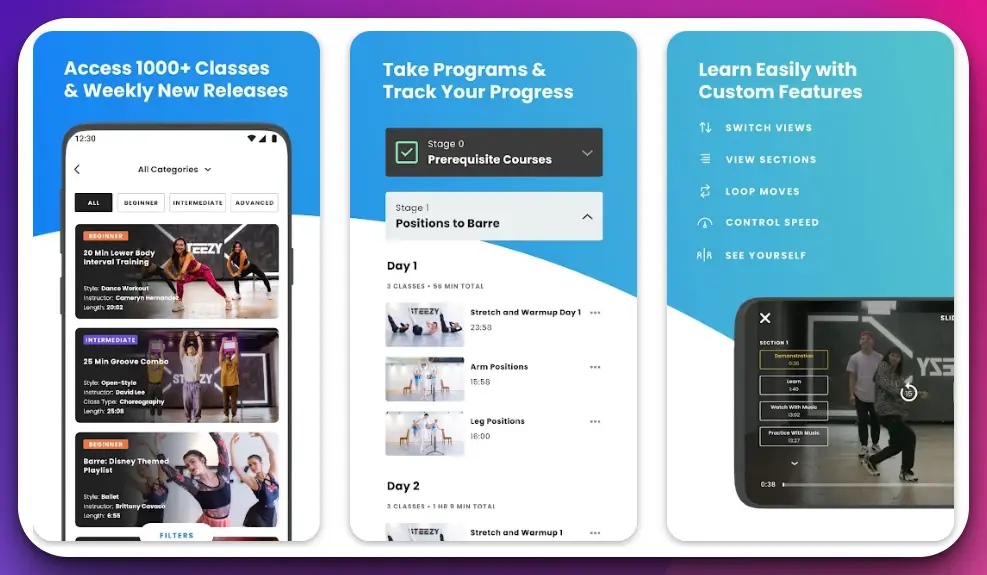
Whether you’re a complete beginner or a seasoned dancer looking to refine your skills, this app has something for everyone. Each tutorial provides step-by-step breakdowns, insightful explanations, and engaging demonstrations to help you master the moves with precision and flair.
The app’s user-friendly interface ensures a seamless and enjoyable learning journey. With a clean and intuitive design, navigating through the app is a breeze.
You can easily explore various dance styles, discover new choreographers, and access many lessons at your fingertips. The video player offers playback controls, allowing you to slow down or repeat sections to grasp every detail and execute the choreography flawlessly.
One of the standout features of STEEZY is its vibrant and supportive community. Connect with like-minded individuals from around the globe, engage in live-streamed classes, and participate in challenges to push your limits and ignite your creativity.
The app fosters a sense of belonging and encourages collaboration, where dancers can share their progress, exchange feedback, and inspire each other’s growth.
Moreover, STEEZY goes the extra mile by providing offline access to lessons. This game-changer feature enables you to practice and refine your skills anytime, anywhere, even without an internet connection. It’s perfect for those moments when you’re on the go or have limited connectivity.
In conclusion, STEEZY – Learn How To Dance is a must-have app for anyone passionate about dance. With its vast collection of tutorials, user-friendly interface, vibrant community, and offline accessibility, it empowers dancers to unlock their potential and embark on a transformative journey.

Pros:-
Like any app, STEEZY – Learn How To Dance has its own advantages and disadvantages. Let’s explore the pros and cons of this popular dance learning app:
Pros:-
Extensive Dance Library: STEEZY offers various dance tutorials covering various styles, allowing users to explore and learn at their own pace.
Step-by-Step Breakdowns: The app provides detailed breakdowns of dance moves, making it easier for beginners to grasp the technique and execute choreography accurately.
User-Friendly Interface: With its intuitive design and navigation, STEEZY ensures a seamless and enjoyable user experience, making it easy to find and access lessons.
Community Engagement: STEEZY fosters a vibrant community where dancers can connect, share their progress, and participate in live-streamed classes and challenges, creating a supportive and inspiring environment.
Offline Access: The ability to download lessons for offline viewing enables users to practice and learn even without an internet connection, adding convenience and flexibility to their dance training.
Cons:-
Subscription-Based Model: While STEEZY offers a free trial, access to the full range of content requires a subscription, which may be a deterrent for those on a tight budget.
Limited Personalized Feedback: While the app provides tutorials and demonstrations, it may lack personalized feedback from instructors, which can be crucial for individual improvement.
Mobile-Only Experience: As a mobile app, STEEZY may not offer the same level of engagement and immersion as in-person dance classes, which can include direct instructor guidance and interaction with other dancers.
Device Compatibility: Some users may face compatibility issues depending on their device or operating system, which can limit their access to the app’s features.
In conclusion, STEEZY – Learn How To Dance offers many benefits, such as a diverse dance library, step-by-step breakdowns, a user-friendly interface, community engagement, and offline access.
However, it’s important to consider the subscription-based model, limited personalized feedback, the mobile-only experience, and potential device compatibility issues when evaluating the app.
Despite the cons, STEEZY remains a valuable resource for dance enthusiasts looking to learn and improve their skills conveniently and interactively.
Steezy Dance App Review:-
Are you ready to elevate your dance skills and unleash your inner rhythm? Look no further than the Steezy Dance App. Let’s delve into this popular dance learning platform’s key features, user experience, and overall effectiveness.
Interface and User Experience:-
The Steezy Dance App boasts a sleek and intuitive interface, ensuring a seamless and enjoyable user experience. Navigating through the app is a breeze, with a well-organized layout that allows users to easily explore different dance styles, access tutorials, and track their progress. The user-friendly design contributes to a smooth and efficient learning journey.
Extensive Dance Library:-
One of the standout features of the Steezy Dance App is its extensive dance library. From hip-hop and contemporary to jazz and popping, the app offers various styles to cater to dancers of all interests and skill levels. Each style is accompanied by a rich collection of tutorials, allowing users to dive deep into their chosen genre and develop a solid foundation.
Quality of Instruction:-
Steezy prides itself on the quality of its instruction. The app features renowned choreographers and instructors who provide step-by-step breakdowns, insightful explanations, and precise demonstrations. This attention to detail and expertise ensure that users receive comprehensive guidance and learn proper techniques, enhancing their dance abilities.
Community Engagement:-
The Steezy Dance App fosters a vibrant community where dancers can connect, share progress, and participate in challenges. Users can engage with professional instructors and fellow learners worldwide through live-streamed classes and interactive features. This sense of community adds a dynamic and motivational aspect to the learning experience.
Overall Verdict:-
In conclusion, the Steezy Dance App is a powerhouse of dance education, offering a user-friendly interface, an extensive dance library, high-quality instruction, and a thriving community. Whether you’re a beginner or an experienced dancer, this app offers something.
The combination of accessible tutorials, expert guidance, and interactive features makes Steezy a valuable tool for anyone looking to refine their dance skills and express their creativity.
Download STEEZY from Google Play or the App Store and let the rhythm guide you to new heights of dance mastery.
Download The App From Google Play Store
Download The App From Apple App Store
2. Everdance – Workout & Dance
If you’re looking for an innovative and effective way to shed those extra pounds, look no further than Everdance. This exceptional app stands out as one of the best dancing apps for weight loss, providing a dynamic and engaging platform to help you achieve your fitness goals while having fun.
Everdance leverages the power of artificial intelligence (AI) to deliver personalized and high-energy dance workouts. With its extensive library of dance routines spanning various genres like hip-hop, Latin, and cardio, this app offers diverse options to keep you motivated and challenged.
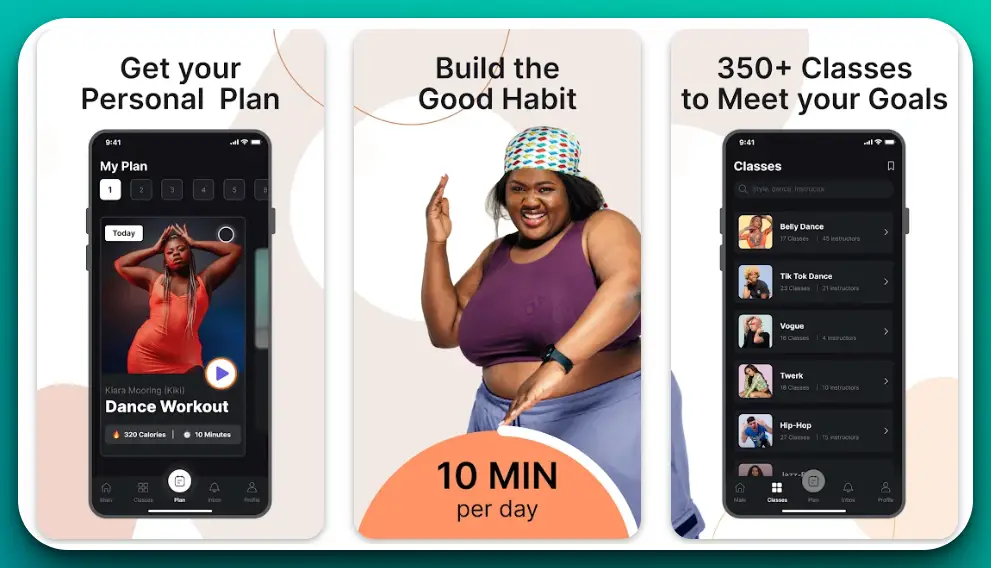
One key feature that makes Everdance the ideal choice for weight loss is its incorporation of AI tracking. The app utilizes advanced algorithms to analyze your movements and provide real-time feedback on your performance. This feedback helps you improve your form, increase your calorie burn, and maximize the effectiveness of your workouts.
Moreover, Everdance allows you to customize your fitness journey according to your preferences and fitness level. The app offers progressive difficulty levels catering to beginners and advanced dancers, ensuring you can gradually challenge yourself and progress at your own pace.
Another notable advantage of Everdance is its user-friendly interface. The app provides clear instructions and visual cues, making it easy for users to follow along with the dance routines. Whether you’re a seasoned dancer or new to dance, Everdance ensures a seamless and enjoyable experience.
Additionally, Everdance is available for Android and iOS devices, including the iPad, offering flexibility and accessibility to many users. You can download Everdance from Google Play or the App Store to begin your weight loss journey.
In conclusion, Everdance shines as one of the best dancing apps for weight loss. Its incorporation of AI tracking, diverse dance routines, customizable difficulty levels, and a user-friendly interface make it an invaluable tool for achieving your fitness goals while enjoying the rhythm and joy of dance.
So, why wait? Lace up your dancing shoes, download Everdance, and let the music guide you to a healthier, fitter you.
Like any app, Everdance has its own advantages and disadvantages. Let’s explore the pros and cons of this popular dancing app for weight loss:
Pros:-
AI-Powered Workouts: Everdance utilizes artificial intelligence to deliver personalized dance workouts, ensuring you get tailored routines that suit your fitness and weight loss goals.
Diverse Dance Styles: The app offers various dance styles, including hip-hop, Latin, and cardio. This variety keeps your workouts engaging, preventing boredom and maintaining motivation.
Real-Time Feedback: Everdance’s AI tracking provides real-time feedback on your movements and performance, helping you improve your form and maximize the effectiveness of your workouts.
Customizable Difficulty Levels: The app caters to users of all fitness levels by offering progressive difficulty levels. Whether you’re a beginner or an advanced dancer, you can find routines that suit your current capabilities and gradually challenge yourself.
User-Friendly Interface: Everdance features a user-friendly interface with clear instructions and visual cues, making it easy to follow the dance routines, even for those new to dancing.
Cons:-
Subscription-Based Model: While Everdance offers a free trial, access to the full range of features requires a subscription, which may be a deterrent for those on a tight budget.
Limited Dance Routine Selection: While Everdance offers a decent selection of dance styles, the overall library of routines may be limited compared to other dance apps, which could affect variety for long-term users.
Device Compatibility: While Everdance is available for Android and iOS devices, it may not be compatible with all smartphones or tablets, limiting access for certain users.
Dependency on Internet Connection: Everdance requires a stable Internet connection to access and stream dance routines, which may pose challenges for users with limited or unstable connectivity.
In conclusion, Everdance stands out as a top dancing app for weight loss, thanks to its AI-powered workouts, diverse dance styles, real-time feedback, customizable difficulty levels, and user-friendly interface.
However, it’s important to consider the subscription-based model, limited routine selection, device compatibility, and internet dependency when evaluating the app.
Despite the cons, Everdance remains a valuable tool for individuals seeking a fun and effective way to lose weight through dance.
Download The App From Google Play Store
Download The App From Apple App Store
3. Just Dance Now
If you’re seeking a thrilling and immersive dance experience right in the comfort of your own home, look no further than Just Dance Now.
This extraordinary app brings the exhilaration of dancing to your fingertips, offering a wide range of features that make it the ultimate dance companion.
Just Dance Now brings the popular Just Dance franchise to your mobile device or Apple TV, allowing you to access a vast collection of energetic and captivating dance routines.
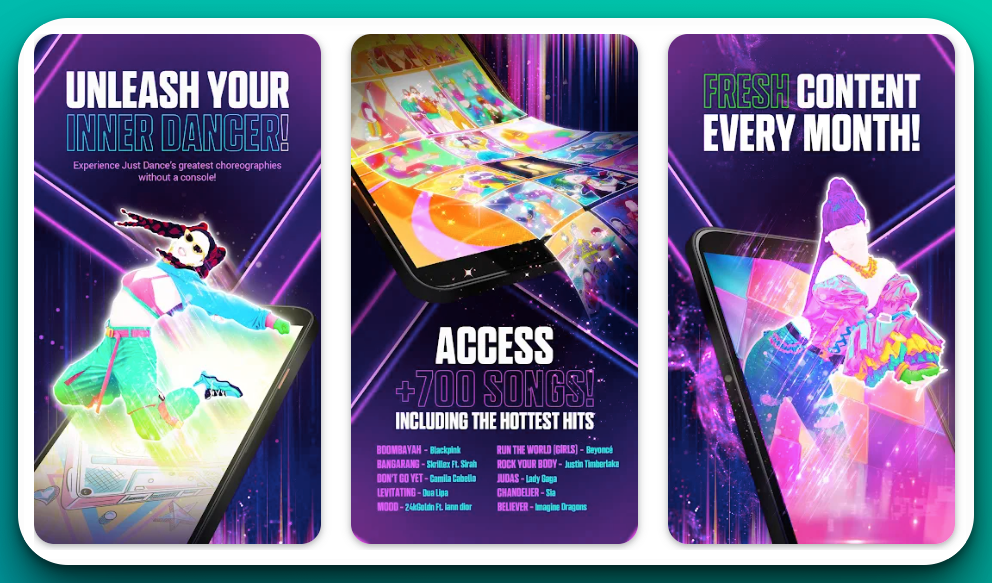
With a library featuring hundreds of songs from various genres, including pop, hip-hop, Latin, and more, the app ensures something for every taste and mood. The app’s user-friendly interface makes navigating through the extensive song catalog and finding your favorite tracks effortlessly.
Once you’ve selected a song, Just Dance Now utilizes your smartphone as a motion controller, tracking your movements and scoring your performance as you follow the on-screen dance moves. This innovative technology creates an immersive experience, making you feel like part of a live dance performance.
One of the standout features of Just Dance Now is its social aspect. The app allows you to dance with friends and players worldwide in real-time multiplayer mode.
You can challenge friends to dance-offs, participate in global dance events, or enjoy the fun of dancing together virtually. This social component adds a new level of excitement and friendly competition to your dance sessions.
Furthermore, Just Dance Now regularly updates its song catalog with new releases and exclusive content, ensuring the dance routines remain fresh and engaging. This constant stream of new tracks keeps you motivated and eager to explore diverse choreographies.
In conclusion, Just Dance Now is the epitome of an immersive and entertaining dance app. With its extensive song library, motion tracking technology, interactive multiplayer mode, and regular updates, the app guarantees hours of joy, excitement, and exercise.
Just Dance Now brings the joy of dancing to your fingertips, offering a unique experience for dance enthusiasts. Let’s explore the pros and cons of this popular dance app:
Pros:-
Extensive Song Library: Dance Now features a vast collection of songs spanning various genres, ensuring there’s something for everyone. The diverse song selection keeps the dance routines fresh and engaging.
Interactive Motion Tracking: The app utilizes your smartphone or Apple TV as a motion controller, accurately tracking your movements and scoring your performance. This interactive feature enhances the immersive dance experience.
Real-Time Multiplayer Mode: Just Dance Now allows you to dance with friends and players worldwide in multiplayer mode. This social aspect adds excitement, friendly competition, and the opportunity to connect with a global dance community.
Regular Updates and Exclusive Content: The app frequently updates its song catalog with new releases and exclusive content, ensuring a continuous flow of fresh dance routines. This keeps the app engaging and motivates users to explore new choreographies.
Accessible and User-Friendly: Just Dance Now is available for Android and iOS devices and Apple TV, making it accessible to a wide range of users. The app’s user-friendly interface allows easy navigation and quick access to dance routines.
Cons:-
Internet Connectivity Requirement: Just Dance Now requires a stable internet connection to stream dance routines and participate in multiplayer mode. This dependency on connectivity may limit usage in areas with limited or unstable internet access.
Subscription and In-App Purchases: While the app offers a selection of free songs, access to the full song library and certain features may require a subscription or additional in-app purchases. This may be a drawback for users looking for a completely free experience.
Space and Room Requirements: Certain dance routines in Just Dance Now may require sufficient space and room to perform the moves safely and comfortably. Users with limited space may face challenges in executing certain choreographies.
In conclusion, Just Dance Now offers an immersive and enjoyable dance experience with its extensive song library, interactive motion tracking, real-time multiplayer mode, and regular updates.
However, the app’s reliance on internet connectivity, subscription model, and space requirements are factors to consider when evaluating its suitability for individual users.
Overall, Just Dance Now remains a fantastic choice for dance enthusiasts seeking a fun and engaging way to express themselves through movement.
Download Dance Now from Google Play or the App Store and unleash your inner dancer as you groove to the beat of your favorite tunes. Get ready to dance like nobody’s watching!
Download The App From Google Play Store
Download The App From Apple App Store
4. Pocket Salsa
Looking to master the art of salsa dancing? Look no further than Pocket Salsa, the ultimate app for salsa enthusiasts on Android and iPhone. With its comprehensive features and user-friendly interface, Pocket Salsa stands out as the go-to app for salsa dancers of all levels.
Pocket Salsa offers many resources to help you become a proficient salsa dancer. The app provides step-by-step salsa lessons that cover a wide range of techniques, including basic steps, turns, shines, and partner work.
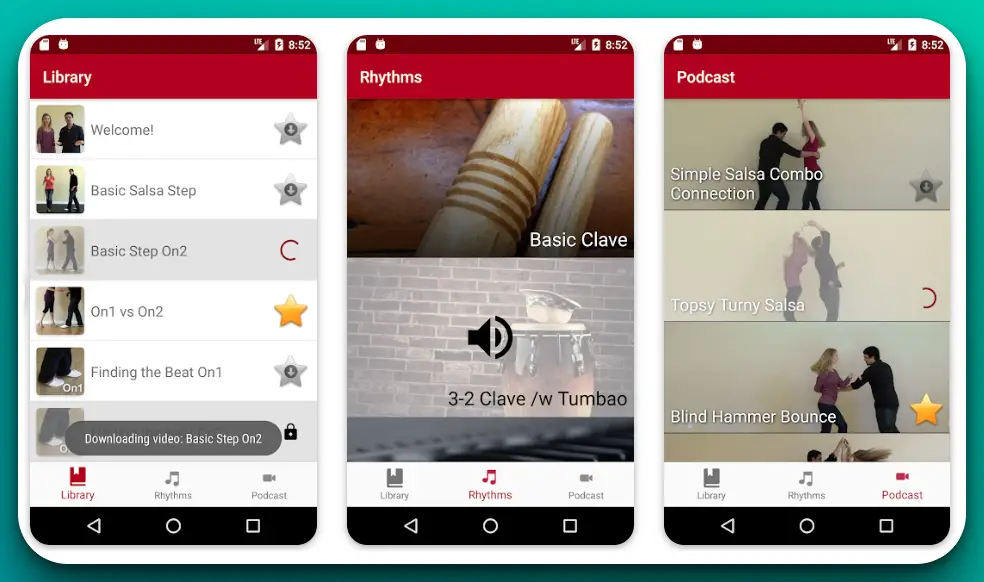
Each lesson is carefully crafted to ensure clear instructions, making it easy for users to follow along and grasp the intricacies of salsa dancing.
One of the standout features of Pocket Salsa is its extensive video library. It showcases a variety of salsa dance styles, including Cuban, Colombian, and New York, performed by professional dancers. These videos are a source of inspiration and reference for mastering different salsa moves and styling.
The app’s practice mode allows you to learn and perfect your dance skills at your own pace. Slow down the videos, loop specific sections, and practice specific moves until you feel confident. This feature is invaluable for dancers who refine their technique and develop muscle memory.
Another advantage of Pocket Salsa is its versatility. The app caters to individuals and couples, offering lessons and routines suitable for solo practice or partner dancing. Whether dancing alone or with a partner, Pocket Salsa has you covered.
Furthermore, Pocket Salsa provides a music player with a selection of salsa tracks, allowing you to create your dance playlists and practice your moves to authentic salsa rhythms. This feature adds an immersive and dynamic element to your salsa practice sessions.
In conclusion, Pocket Salsa is the best salsa dance app on Android and iPhone. With its step-by-step lessons, extensive video library, practice mode, solo or partner dancing versatility, and built-in music player, it is an indispensable tool for salsa enthusiasts.
Like any app, Pocket Salsa has its advantages and considerations. Let’s explore the pros and cons of this popular salsa dance app:
Pros:-
Comprehensive Salsa Lessons: Pocket Salsa offers step-by-step salsa lessons covering a wide range of techniques, ensuring beginners can learn the fundamentals and experienced dancers can refine their skills.
Extensive Video Library: The app features an extensive video library showcasing different salsa dance styles performed by professional dancers. This is a source of inspiration and reference for mastering various moves and styling.
Practice Mode: Pocket Salsa’s practice mode allows users to slow down videos, loop sections, and practice specific moves at their own pace. This feature helps dancers develop muscle memory and refine their technique.
Versatility for Solo and Partner Dancing: The app caters to solo dancers and couples, offering lessons and routines suitable for practicing alone or with a partner. This versatility allows users to adapt their salsa practice based on their preferences and dance goals.
Built-in Music Player: Pocket Salsa includes a music player with a selection of salsa tracks, enabling users to create personalized dance playlists and practice their moves to authentic salsa rhythms.
Cons:-
Limited Free Content: While Pocket Salsa offers a free version, access to the full range of lessons and features may require a premium upgrade. This limitation may deter users who prefer a completely free experience.
No Live Instruction or Feedback: The app primarily relies on pre-recorded lessons and videos, meaning there is no live instruction or instructor feedback. This may hinder the learning experience for users who prefer real-time guidance.
Limited Salsa Dance Styles: While Pocket Salsa covers various salsa dance styles, the app’s emphasis leans toward Cuban, Colombian, and New York styles. Users looking for a broader range of regional salsa styles may find the options limited.
Device Compatibility: Pocket Salsa is available on Android and iPhone, but it may not be compatible with all devices or operating systems, which could limit access for certain users.
In conclusion, Pocket Salsa stands out as a top salsa dance app on Android and iPhone, offering comprehensive lessons, an extensive video library, practice mode, versatility for solo and partner dancing, and a built-in music player.
However, it’s important to consider the limitations of limited free content, lack of live instruction, style focus, and device compatibility.
Despite the cons, Pocket Salsa remains a valuable tool for salsa enthusiasts seeking to enhance their dance skills and embrace the vibrant world of salsa.
Download Pocket Salsa from Google Play or the App Store and let the rhythm guide you to becoming a skilled salsa dancer. Get ready to spice up the dance floor with your moves!
Download The App From Google Play Store
Download The App From Apple App Store
5. Dance Fitness with Jessica
If you’re searching for an exhilarating and effective way to stay fit and have fun, look no further than Dance Fitness with Jessica. This remarkable app brings the joy of dance and fitness together, offering a dynamic and engaging workout experience for users of all levels.
Dance Fitness with Jessica is a powerhouse of dance workouts led by the talented and energetic instructor Jessica Bass. The app provides many dance-based fitness routines that combine high-energy dance moves with cardio exercises.
These routines are designed to help you burn calories, tone your muscles, and improve your cardiovascular endurance.
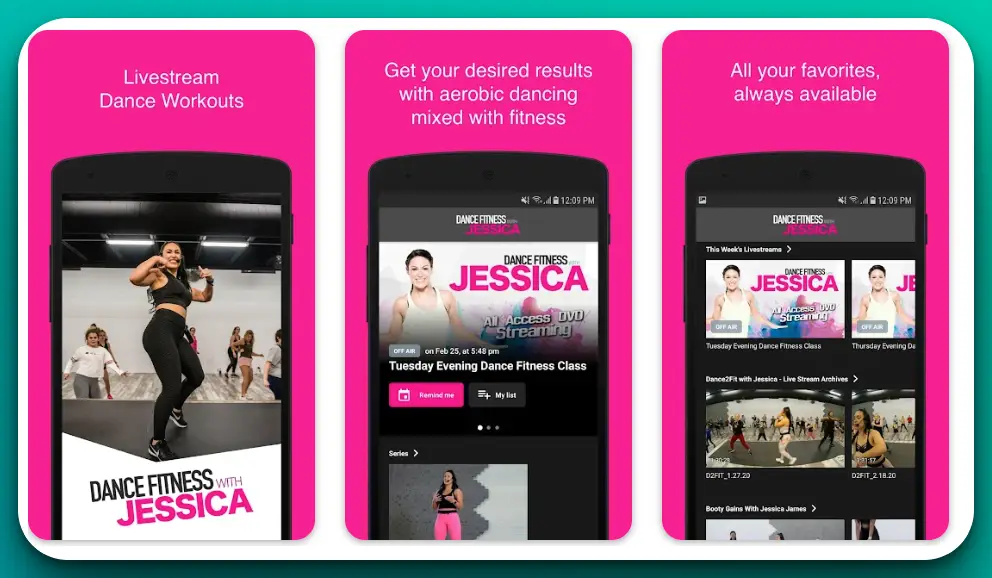
One of the standout features of Dance Fitness with Jessica is its emphasis on inclusivity and accessibility. The app offers a range of routines suitable for various fitness levels, allowing beginners to ease into the workouts while challenging advanced dancers.
Jessica’s clear instructions and modifications ensure that everyone can participate and progress at their own pace.
The app’s video library showcases diverse dance workouts, covering different genres like hip-hop, Latin, and pop. This variety keeps the workouts exciting and prevents monotony, making staying motivated and committed to your fitness journey easier.
Additionally, Dance Fitness with Jessica fosters a supportive and encouraging community. The app allows you to connect with fellow users, share progress, and participate in challenges. This sense of community creates a motivating and empowering environment, inspiring you to push your limits and achieve your fitness goals.
Whether you prefer working out on your mobile device, iPad, or Apple TV, Dance Fitness with Jessica has you covered. The app is available on Google Play for Android users and the App Store for iPhone, iPad, and Apple TV users.
In conclusion, Dance Fitness with Jessica offers a unique and enjoyable way to get fit through dance. With its diverse dance-based workouts, inclusivity, engaging video library, and supportive community, the app ensures that your fitness journey is effective and fun.
Dance Fitness with Jessica is a popular app that combines the joy of dance with effective fitness workouts. Let’s explore the pros and cons of this dynamic fitness app:
Pros:-
Variety of Dance-Based Workouts: Dance Fitness with Jessica offers a diverse range of dance-based workouts, including genres like hip-hop, Latin, and pop. This variety keeps the workouts engaging, making staying motivated and committed to your fitness routine easier.
Inclusivity and Accessibility: The app provides routines suitable for various fitness levels, allowing beginners to enter workouts while challenging advanced dancers. Jessica’s clear instructions and modifications ensure that everyone can participate and progress at their own pace.
Energetic and Engaging Instructor: Jessica Bass, the instructor behind Dance Fitness with Jessica, brings energy, enthusiasm, and expertise to the workouts. Her instruction style is motivating and encourages participants to give their best effort.
Video Library: The app’s video library contains a vast collection of dance workouts, providing users with a wide selection. This variety helps prevent monotony and allows users to explore different dance styles and routines.
Community Support: Dance Fitness with Jessica fosters a supportive community where users can connect, share their progress, and participate in challenges. This sense of community creates a motivating and empowering environment, enhancing the workout experience.
Cons:-
Limited Free Content: While Dance Fitness with Jessica offers some free workouts, access to the full range of content and features may require a premium subscription. This limitation may discourage users looking for a completely free experience.
Device Compatibility: While the app is available on multiple platforms, including Android, iPhone, iPad, and Apple TV, it may not be compatible with all devices or operating systems. Users should ensure their device meets the app’s requirements before downloading.
Dependency on Internet Connectivity: Dance Fitness with Jessica requires a stable Internet connection to access and stream workout videos. This dependency may limit usage in areas with limited or unstable internet access.
In conclusion, Dance Fitness with Jessica is a vibrant and engaging fitness app that combines the joy of dance with effective workouts.
Its strengths are its variety of dance-based routines, inclusivity, energetic instructor, video library, and community support. However, users should consider the limitations of limited free content, device compatibility, and internet connectivity when evaluating the app.
Dance Fitness with Jessica provides an enjoyable and effective way to stay fit through dance.
Download Dance Fitness with Jessica and let the music guide you toward a healthier and happier you. Get ready to dance your way to fitness!
Download The App From Google Play Store
Download The App From Apple App Store
6. YouTube: An Excellent Choice for Dancers on a Budget
In dance, honing your skills and staying inspired doesn’t have to break the bank. With YouTube as a readily available resource, dancers on a budget can access valuable content and transform their dance journeys.
Here’s why YouTube is an excellent choice for dancers seeking quality instruction and inspiration without spending a fortune.
Abundance of Dance Tutorials:-
YouTube offers an abundance of dance tutorials across various genres and styles. You can find step-by-step instructions from talented dancers and experienced instructors, from hip-hop and ballet to salsa and contemporary.
These tutorials break down moves and choreography, allowing you to learn at your own pace and convenience.
Professional Dance Channels:-
Many professional dancers and choreographers have their own YouTube channels, sharing their knowledge and skills with the world.
These channels provide insights from industry experts, offering valuable tips, tutorials, and even behind-the-scenes glimpses into the world of dance. Learning from professionals can significantly enhance your technique and broaden your dance repertoire.
Inspiring Performances and Shows:-
YouTube is a treasure trove of inspiring dance performances and shows. From famous dance competitions to stunning stage performances, you can immerse yourself in the artistry and creativity of dancers from around the globe. Watching these performances sparks creativity and provides valuable exposure to different dance styles and interpretations.
Community Engagement:- YouTube fosters a vibrant dance community where dancers can connect, share their progress, and learn from one another.
Through comments, collaborations, and challenges, dancers on YouTube can interact and support each other, creating a sense of camaraderie and inspiration. Being part of a supportive community helps fuel motivation and provides a platform for growth.
Flexibility and Accessibility:-
YouTube is accessible on multiple platforms and devices, including smartphones, tablets, and computers. You can access dance tutorials and performances anytime, anywhere, allowing flexibility in your learning schedule. This accessibility empowers dancers on a budget to fit dance practice and inspiration into their daily lives without additional expenses.
In conclusion, YouTube is an excellent choice for dancers on a budget, offering a vast array of dance tutorials, insights from professionals, inspiring performances, community engagement, and flexibility of access.
Embrace the wealth of dance knowledge on YouTube, and let your passion for dance flourish without financial constraints. Start exploring YouTube today to embark on an enriching dance journey that doesn’t break the bank.
7. Body Groove: Discover the Joy of Dance Fitness
If you’re looking for a refreshing and joyful way to get fit and move your body, look no further than Body Groove. This dynamic fitness app brings the power of dance and self-expression to your fingertips, offering a unique and exhilarating workout experience.
Body Groove is not your typical dance fitness program. It embraces a freestyle dance approach, allowing individuals to groove to the beat uniquely. Instead of rigid choreography, the app encourages participants to let go, connect with their bodies, and move most naturally.
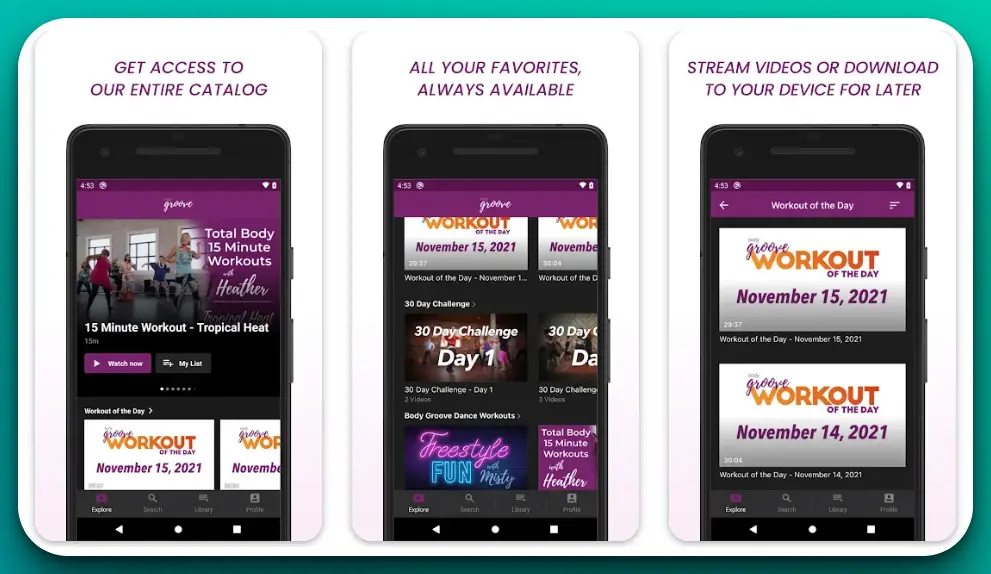
With Body Groove, you’ll find a variety of dance workouts designed to engage your mind, body, and spirit. Each session is filled with infectious rhythms and music from different genres, empowering you to tap into your creativity and express yourself through movement.
One of the standout features of Body Groove is its emphasis on self-love and body positivity. The app encourages individuals of all shapes, sizes, and fitness levels to embrace their bodies and celebrate their unique dance journeys. This inclusive approach creates a supportive and empowering environment, fostering a sense of confidence and self-acceptance.
The app offers a library of on-demand workouts that cater to various preferences and fitness goals. You can customize your workout experience to suit your needs, from high-energy cardio sessions to mindful stretching routines. The flexibility of on-demand workouts allows you to exercise at your own pace and schedule.
Whether you’re an Android user or have an iPhone, iPad, or Apple TV, Body Groove is available for you. You can download the app from Google Play or the App Store to experience the joy of dance fitness wherever you go.
In conclusion, Body Groove offers a refreshing and empowering approach to fitness through dance. With its freestyle dance concept, focus on self-expression, emphasis on body positivity, and customizable on-demand workouts, the app invites you to unleash your inner dancer and embrace the joy of movement.
Body Groove is a unique dance fitness app that offers a refreshing approach to staying fit and active. Let’s explore the pros and cons of this dynamic fitness program:
Pros:-
Freestyle Dance Approach: Body Groove embraces a freestyle dance approach, allowing individuals to move and groove uniquely. This encourages self-expression, creativity, and a sense of freedom during workouts.
Inclusive and Body Positive: The app promotes a body-positive environment, celebrating individuals of all shapes, sizes, and fitness levels. This inclusivity fosters a supportive community and encourages self-acceptance.
Varied On-Demand Workouts: Body Groove offers a library of on-demand workouts catering to different preferences and fitness goals. From high-energy cardio to mindful stretching, users can customize their workout experience based on their needs and preferences.
Mind-Body Connection: The focus on self-expression and enjoyment in Body Groove workouts enhances the mind-body connection. This holistic approach to fitness improves physical fitness and boosts mental well-being.
Flexibility and Convenience: The app’s on-demand workouts provide flexibility and convenience. Users can exercise at their own pace, anytime and anywhere, making it easy to fit workouts into busy schedules.
Cons:-
Limited Live Instruction: Body Groove primarily relies on pre-recorded workouts and does not offer live instruction. Some individuals may prefer real-time guidance and feedback during their workouts.
Less Structured Choreography: The freestyle dance approach of Body Groove means there is less structured choreography compared to traditional dance fitness programs. Individuals who prefer highly choreographed routines may find this aspect less appealing.
Subscription-Based Model: While the app offers a free trial, a subscription may require access to the full range of features and workouts. This may be a drawback for users looking for a free fitness app.
Limited Genres of Music: Body Groove’s selection of music genres may be more limited than other dance fitness programs. Users with specific genre preferences may find the variety of music styles less extensive.
In conclusion, Body Groove is a unique dance fitness app that promotes self-expression, body positivity, and a joyful approach to fitness. While it offers a freestyle dance approach, varied on-demand workouts, and a flexible platform, it may have limitations regarding live instruction, structured choreography, subscription-based access, and music genre selection.
Consider these factors when evaluating the app’s suitability for your fitness journey. Overall, Body Groove provides an empowering and enjoyable way to get moving and embrace the beauty of dance.
Download Body Groove today and embark on a fitness journey that celebrates your unique groove.
Download The App From Google Play Store
Download The App From Apple App Store
8. Organic Dance: Dancing apps for weight loss
Looking to shed those extra pounds in a fun and engaging way? Look no further than Organic Dance: Weight Loss App. This revolutionary app combines the power of dance with effective weight loss techniques, offering a dynamic and enjoyable path to achieving your fitness goals.
Organic Dance is a top-tier weight loss app that utilizes the art of dance to help you shed unwanted weight. With its unique and innovative approach, this app takes you on a transformative journey, allowing you to dance your way to fitness.
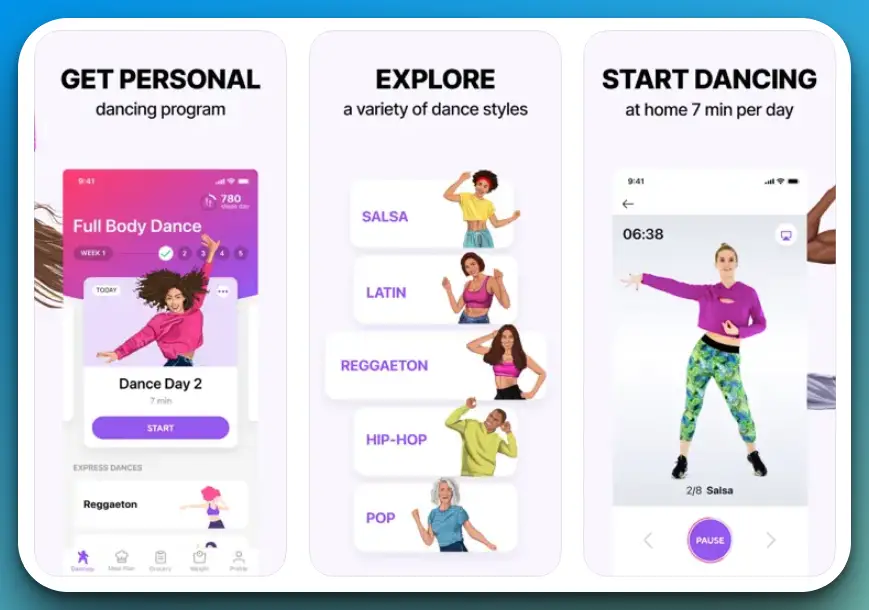
The app offers various dance-based workouts tailored specifically for weight loss. These workouts incorporate various dance styles, including hip-hop, Latin, and contemporary, ensuring there’s something for everyone. Each routine is carefully designed to burn calories, boost metabolism, and tone your muscles.
One of the key features of Organic Dance is its focus on organic movements. Rather than relying on rigid choreography, the app encourages you to move naturally and intuitively. This organic approach allows for freedom of expression, making your workouts enjoyable and authentic.
The interactive interface of the app provides a user-friendly experience. You can easily navigate the various workout options, customize your routines, and track your progress. The app also offers workout challenges and goal-tracking features to keep you motivated and engaged throughout your weight loss journey.
Furthermore, Organic Dance integrates music seamlessly into your workouts. The app provides a selection of energetic and motivating soundtracks to enhance your dance sessions. Combining rhythm and movement creates a powerful synergy that drives your weight loss efforts.
Whether you have an iPhone or an iPad, you can download the Organic Dance: Weight Loss App from the App Store or iPad to embark on a transformative fitness journey.
In conclusion, Organic Dance: Weight Loss App offers a dynamic and enjoyable approach to weight loss through dance. With its dance-based workouts, focus on organic movements, interactive interface, and motivating soundtracks, the app empowers you to dance your way to fitness.
Download the app today and experience the joy of movement while achieving your weight loss goals. Get ready to unleash your inner dancer and watch those pounds melt away!
Download The App From Apple App Store
9. Dancebit: Weight Loss Dance
Looking for an exciting and effective way to lose weight? Look no further than Dancebit: Weight Loss Dance. This dynamic app combines the power of dance with targeted workouts, providing a fun and engaging path to achieving your weight loss goals.
Dancebit offers a comprehensive range of dance-based workouts designed specifically for weight loss. With its diverse dance styles, including hip-hop, salsa, and contemporary, the app ensures something for everyone. These workouts are carefully crafted to get your heart pumping, burn calories, and tone your muscles.
What sets Dancebit apart is its innovative use of gamification. The app incorporates game-like elements, such as challenges, achievements, and rewards, to make your weight loss journey enjoyable and motivating.
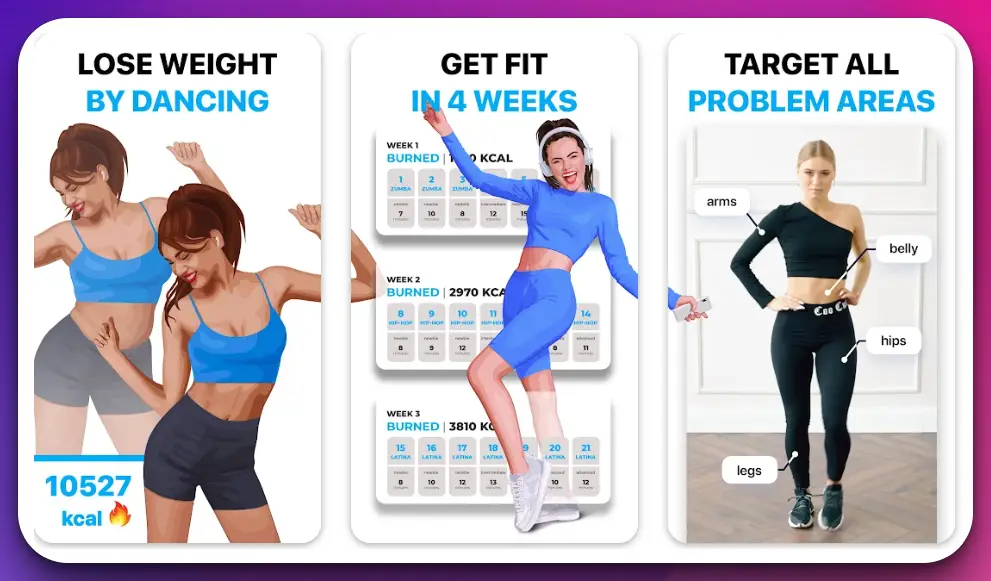
As you progress through the workouts, you unlock new levels and earn badges, providing a sense of accomplishment and fueling your motivation.
The intuitive interface of Dancebit makes it easy to navigate through the various features and workouts. You can customize your sessions based on duration, intensity, and dance style, ensuring a workout that fits your needs and preferences.
The app also provides real-time feedback on your performance, helping you stay on track and maximize your results.
With Dancebit, you can say goodbye to monotonous workouts. The app features a vibrant music library that energizes and motivates you throughout your dance sessions.
The rhythmic beats and infectious melodies create an immersive experience that enhances your enjoyment and helps you maintain a consistent fitness routine.
Whether you’re an Android user or have an iPhone, you can download Dancebit: Weight Loss Dance from Google Play or the App Store to embark on an exciting weight loss journey.
In conclusion, Dancebit: Weight Loss Dance offers a dynamic and enjoyable approach to weight loss through dance. With its dance-based workouts, gamification elements, intuitive interface, real-time feedback, and motivating music library, the app empowers you to groove your way to fitness.
Download the app today and experience the joy of movement while achieving your weight loss goals. Dance your way to a healthier and happier you with Dancebit!
Download The App From Google Play Store
Download The App From Apple App Store
10. Dancefitme: Fun Workouts
If you’re searching for a fun and exciting way to stay fit, look no further than Dancefitme: Fun Workouts. This innovative app combines the power of dance with engaging workouts, offering a dynamic and enjoyable fitness experience.
Dancefitme provides various fun and energetic dance workouts suitable for all fitness levels. Whether you’re a seasoned dancer or just starting, the app offers routines that will get you moving and grooving to the beat. With dance styles ranging from hip-hop and jazz to Latin and contemporary, there’s something for everyone to enjoy.
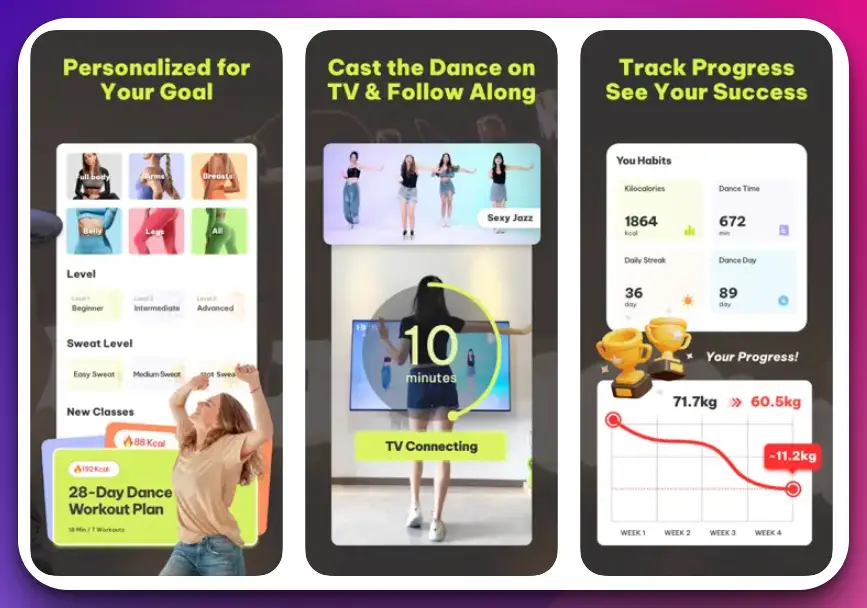
One of the key highlights of Dancefitme is its focus on creating a lively and immersive workout environment. The app utilizes interactive visuals and vibrant music to enhance the workout experience.
As you follow along with the dance routines, the app provides real-time visual cues and animations to guide your movements, making you feel like you’re part of a live dance class.
The app’s user-friendly interface allows for easy navigation and customization of workouts. You can choose the duration, intensity, and dance style that suits your preferences and fitness goals. Whether you prefer a quick dance session during your lunch break or a full-length workout, Dancefitme offers the flexibility to cater to your needs.
Additionally, Dancefitme is compatible with the iPhone and Apple Watch, allowing you to access and track your workouts conveniently. The app seamlessly integrates with the Apple Watch, enabling you to monitor your heart rate, calories burned, and other fitness metrics in real-time.
With Dancefitme: Fun Workouts, you can unleash your inner dancer, burn calories, and have a blast while getting fit. Download the app from the App Store or Apple Watch today and embark on an exciting fitness journey.
In conclusion, Dancefitme: Fun Workouts offers a captivating and enjoyable way to stay fit through dance.
With its diverse dance routines, interactive visuals, vibrant music, user-friendly interface, and compatibility with the iPhone and Apple Watch, the app ensures that your fitness journey is entertaining and effective. Dance your way to a healthier and happier you with Dancefitme!
Download The App From Google Play Store
Download The App From Apple App Store
11. Shake – Dancing apps like TikTok
Shake is the perfect app for a dance enthusiast who loves expressing himself through movement. As a dancing app similar to TikTok, Shake offers an exciting platform for dancers to showcase their talent, connect with others, and get inspired.
With Shake, you can unleash your creativity and groove to the rhythm of your favorite tunes. This innovative app allows you to create and share captivating dance videos with a vibrant community of dancers worldwide. Whether you’re a professional dancer or love to dance as a hobby, Shake provides a stage for your talent.
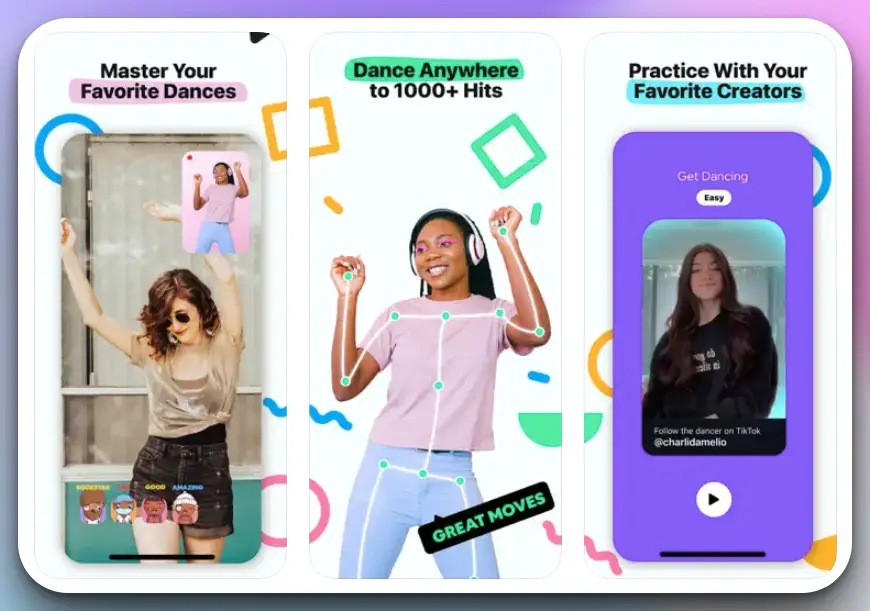
One of the standout features of Shake is its user-friendly interface, making it easy for dancers to navigate the app and discover various dance content.
With just a few taps on your iPhone, you can explore trending dance challenges, watch captivating performances, and engage with other dancers through likes, comments, and shares.
Shake offers diverse dance styles, including hip-hop, jazz, contemporary, and more. You can choose from an extensive library of popular songs or even create your original choreography.
The app provides various editing tools to enhance your dance videos, allowing you to add special effects, filters, and transitions to make your content stand out.
One of the unique aspects of Shake is its emphasis on community engagement. You can connect with other dancers, collaborate on dance videos, and participate in dance challenges to showcase your skills. This sense of community fosters support, inspiration, and growth within the Shake platform.
Downloading Shake from the App Store opens up a world of dance opportunities right at your fingertips. Unleash your inner dancer, get creative, and share your passion for dance with the vibrant Shake community.
In conclusion, Shake is an exciting dancing app for iPhone users, similar to TikTok.
With its user-friendly interface, diverse dance styles, editing tools, and focus on community engagement, Shake provides a platform for dancers to express themselves, connect with others, and find inspiration. Download Shake today and let your dancing journey begin!
If you’re considering using Shake, a dancing app similar to TikTok, it’s essential to understand its advantages and disadvantages. Let’s explore the pros and cons of Shake:
Pros:-
Creative Dance Expression: Shake provides a platform for dancers to express their creativity and showcase their dance skills through captivating videos. Users can explore various dance styles, create original choreography, and add personal flair to their performances.
Engaging Community: Shake fosters a vibrant community of dancers, offering opportunities to connect, collaborate, and engage with other users. Through likes, comments, and shares, dancers can receive support, feedback, and inspiration from fellow community members.
User-Friendly Interface: The app features a user-friendly interface that makes navigating and discovering dance content easy. Users can explore trending challenges, browse through dance videos, and interact with other dancers seamlessly.
Editing Tools and Effects: Shake provides various editing tools and effects to enhance dance videos. Users can add filters, transitions, and special effects to make their performances visually captivating and unique.
Music Library: Shake offers an extensive music library with a wide selection of popular songs. Dancers can choose suitable tracks to complement their performances and enhance their experience.
Cons:-
Limited to iPhone: Shake is currently available only for iPhone users, limiting accessibility for those using other mobile devices or operating systems.
Competition and Visibility: With a large community of dancers, it can be challenging for individual performances to gain visibility and stand out among the vast content. Dancers may need to invest time and effort in building their presence and engaging with the community to increase visibility.
Influence of Trends: Like any social media platform, Shake is influenced by trends and popular styles, which may limit the diversity of dance content and discourage originality for some users.
Potential for Negative Comments: As with any online community, there is a possibility of encountering negative comments or criticism. Users should be prepared to handle such situations and focus on constructive feedback.
In conclusion, Shake offers a platform for dancers to express their creativity, engage with a vibrant community, and explore various dance styles. With its user-friendly interface, editing tools, and music library, Shake provides a dynamic and enjoyable experience for iPhone users.
However, limitations such as availability on iPhone only, competition for visibility, influence of trends, and the potential for negative comments should be considered when using the app.
Overall, Shake offers an exciting opportunity for dancers to showcase their talent and connect with like-minded individuals in the dance world.
Download The App From Apple App Store
📗FAQ’s
Which dance app is free?
Several free dance apps are available, but one popular option is Dance Fit Me, which offers a range of free dance workouts and tutorials.
What is the best app to learn how to dance?
Just Dance and Pocket Salsa are highly recommended for those learning to dance. They provide step-by-step instructions, interactive features, and a variety of dance styles to choose from.
What is the app that makes your body dance?
Shake is an app that allows you to create and share dance videos to showcase your moves and get your body dancing to the rhythm.
What app is the dancing exercise to lose weight?
If you’re looking for an app that offers dancing exercises specifically for weight loss, Dance Fitness with Jessica and Organic Dance: Weight Loss App are great options. They provide dance workouts to help you shed pounds and improve your fitness.
What app do TikTok dancers use?
TikTok dancers often use a variety of apps to create and edit their dance videos, such as TikTok, Shake, and DanceFitMe. These apps offer features allowing creative video editing and sharing on the TikTok platform.
How can I get Just Dance for free?
While Just Dance is a paid app, you can try the Just Dance Now version, which offers a selection of free songs and dance routines. You can access it through the app stores and enjoy dancing without additional cost.
How can I practice dancing myself?
To practice dancing independently, you can utilize online tutorials, dance videos, and apps like Dance Fit Me or Dancebit: Weight Loss Dance which offers pre-recorded dance routines for individual practice.
How do I train myself to dance?
Training yourself to dance involves consistency, practice, and a combination of online tutorials, dance classes, and dedicated practice sessions. Apps like Dance Fit Me, and Shake can guide and inspire your dance training.
What is the simplest dance to learn?
The simplest dance to learn will vary based on personal preference, but popular beginner-friendly dances include the Two-Step, Cha-Cha Slide, and Electric Slide. These dances have simple steps and are often taught at social events.
How to dance to lose belly fat?
Dancing is a great way to engage your body and burn calories, including belly fat. Choose high-energy dance styles like Zumba, Hip-Hop, or Aerobic Dance, and maintain an active dance routine to help achieve your fitness goals.
Is Dance Fit Me app free?
Yes, Dance Fit Me offers a free version of their app that includes a variety of dance workouts. However, they may offer premium features or paid subscriptions for additional content and benefits.
Can you tone your body with Just Dance?
Yes, Just Dance is an effective way to tone your body as it involves full-body movements and engages various muscle groups. Regularly participating in Just Dance sessions can improve muscle toning and overall fitness.
Can you lose weight by dancing 30 minutes a day?
Dancing for 30 minutes daily can be an excellent way to support weight loss efforts. It helps burn calories, increases cardiovascular endurance, and contributes to an active lifestyle. Combining dance with a balanced diet can enhance weight loss results.
How much weight can you lose by dancing for 30 minutes a day?
The weight you can lose by dancing for 30 minutes daily depends on various factors such as intensity, body composition, and overall calorie balance. On average, you can expect to burn around 150-300 calories in a 30-minute dance session, which can contribute to gradual weight loss over time.
Can you lose weight by dancing every day?
Daily dancing can contribute to weight loss when combined with a healthy diet and lifestyle. Consistency is key; regular dance sessions help increase calorie expenditure, improve fitness levels, and support weight management.
What is the dance called that everyone is doing on TikTok?
The dance craze on TikTok changes frequently, but some popular dances that have gained significant attention include the Renegade, Savage Love, and Say So. These viral dances often inspire trends and challenges on the platform.
What is the Just Dance app?
The Just Dance app is a popular dancing game that allows players to follow on-screen choreography and dance to various songs. It offers a fun and interactive experience for individuals or groups of friends or family.
Do TikTok dancers get paid?
TikTok dancers can earn money through various avenues, such as brand collaborations, sponsorships, and partnerships. Additionally, some dancers may monetize their content through merchandise sales or by creating their dance tutorials.
Is Just Dance Unlimited free?
Just Dance Unlimited is a subscription service that provides access to a vast library of additional songs and content. It is not free, and users need to subscribe to enjoy the extended features and song selection.
How much does Just Dance Now cost?
Just Dance Now offers a subscription plan for full access toits features, including unlimited song streaming. The pricing details are on the official app store or Just Dance Now website.
How to play Just Dance Unlimited for free?
To enjoy Just Dance Unlimited for free, you can take advantage of free trial periods that the app occasionally offers. Watch for promotional periods or special events where access to Just Dance Unlimited may be available without additional charges.
How do beginners start dancing?
For beginners starting their dance journey, it’s recommended to find a dance style that interests them the most.
They can start by exploring online tutorials, joining beginner dance classes, or using beginner-friendly apps like Dance Fit Me or Dancebit: Weight Loss Dance. Consistency, patience, and practicing the basic steps are key to progress as a beginner dancer.
Can dancing be self-taught?
Yes, dancing can be self-taught through online resources, video tutorials, and dedicated practice. While having a dance instructor can be beneficial, self-taught dancers can still learn and develop skills through consistent practice and studying dance techniques.
Can someone with no rhythm learn to dance?
Yes, even someone with no rhythm can learn to dance. With dedication, practice, and guidance, individuals can develop their sense of rhythm and improve their dancing skills. Starting with beginner-friendly dance styles and gradually building to more complex movements can help the learning process.
What is the fastest way to learn how to dance?
The fastest way to learn dance is by combining regular practice with proper guidance. Taking dance classes, following instructional videos, and practicing consistently can accelerate learning.
Immersion in the chosen dance style and seeking feedback from experienced dancers or instructors can also speed up progress.
How do you learn to dance when you can’t dance?
Learning to dance when you feel like you “can’t dance” starts with embracing a positive mindset and a willingness to learn. Start with basic steps and simple movements, focusing on building coordination, rhythm, and confidence.
Utilize beginner dance tutorials and apps like Dance Fit Me or Dancebit: Weight Loss Dance to guide you through the learning process.
How do you dance when you don’t know how?
Dancing when you don’t know how begins with taking small steps and embracing your unique style.
Start by moving to the rhythm of the music, experimenting with different movements, and gradually expanding your dance vocabulary. You can further develop your dance skills as you gain more confidence and experience.
What is the hardest dance style to learn?
The hardest dance style to learn can vary depending on personal preference and individual strengths. However, dance styles such as ballet, contemporary, and breakdance are often considered technically challenging and require a high level of skill, flexibility, and dedication to master.
Which dance form to learn first?
Starting with versatile dance forms that provide a solid foundation in technique and movement are recommended for beginners. Dance forms such as ballet, jazz, or hip-hop offer a well-rounded introduction to dance principles and can be a good starting point for further exploration.
What is the most difficult form of dance?
The most difficult form of dance is subjective and can vary depending on personal strengths and preferences. Dance forms like ballet, contemporary, and breakdance often demand exceptional technique, strength, flexibility, and years of dedicated training to master.
Can you get a flat stomach by dancing?
Dancing can contribute to overall weight loss and toning of the abdominal muscles, which can help achieve a flatter stomach. However, it’s important to combine dance with a balanced diet and other forms of exercise for optimal results.
Does Twerking burn belly fat?
Twerking is a dynamic dance movement that engages the lower body and core muscles. While it can help burn calories and ton the glutes, it alone may not specifically target belly fat. A comprehensive fitness routine that includes cardio exercises, strength training, and a healthy diet is recommended for weight loss and toning.
How many days will it take to lose weight by dancing?
The time it takes to lose weight through dancing varies depending on factors such as starting weight, intensity of dance sessions, diet, and individual metabolism. Consistent and regular dance workouts and a healthy lifestyle can lead to weight loss.
Is dancing at home a good workout?
Yes, dancing at home can be an excellent workout option. It increases your heart rate, burns calories, improves cardiovascular fitness, and promotes overall body coordination and flexibility. Plus, it can be a fun way to stay active.
Is DanceFitMe a good app?
DanceFitMe is a highly regarded app for dance fitness and workouts. Its range of dance styles, tutorials, and interactive features provides an engaging and effective workout experience. Users can access personalized dance routines and enjoy the benefits of dancing for fitness.
What is the best dance for health?
When it comes to dance forms that promote health and fitness, there are several options to consider. Dance styles like Zumba, Hip-Hop, and Salsa offer high-energy workouts that improve cardiovascular endurance, coordination, and overall fitness. However, the best dance for health ultimately depends on individual preferences and fitness goals.
Will I gain weight if I stop dancing?
Weight gain after stopping dancing can occur if there is a significant decrease in physical activity without a corresponding adjustment in diet. Maintaining an active lifestyle and making healthy food choices even if you stop dancing regularly is important to support weight management.
How much weight can you lose in a month?
The amount of weight you can lose in a month depends on factors such as starting weight, diet, exercise routine, and individual metabolism.
Safe and sustainable weight loss is generally around 1-2 pounds per week, so approximately 4-8 pounds in a month can be a realistic goal.
How many calories should I burn a day to lose weight?
The number of calories you should aim to burn daily to lose weight depends on your current weight, age, sex, activity level, and weight loss goals. It’s recommended to create a calorie deficit of around 500-1000 calories per day through diet and exercise for gradual and sustainable weight loss.
Does dancing help you lose face fat?
Dancing, like any form of exercise, can contribute to overall weight loss, which may reduce face fat. However, spot reduction of fat is not possible, and fat loss occurs throughout the body as a whole. A balanced diet, regular exercise, and a healthy lifestyle are key for overall weight management.
How long does it take to burn 500 calories when dancing?
The time it takes to burn 500 calories through dancing varies depending on factors such as dance style, intensity, and individual metabolism. On average, a high-intensity dance session can burn approximately 200-400 calories per hour. So, it may take approximately 1-2 hours of dancing to reach the 500-calorie mark.
Is dancing 1 hour a day enough?
Dancing for 1 hour a day can be a great way to maintain fitness and support weight management. It provides cardiovascular benefits, burns calories, and improves endurance.
However, individual results may vary, and it’s important to combine dancing with a balanced diet and other forms of exercise for overall health and fitness.
Which dance burns the most calories?
Dance styles that involve fast-paced movements jumps, and high-intensity choreography tend to burn the most calories. Dance forms like Zumba, Hip-Hop, and Aerobic Dance can provide a vigorous workout and help burn many calories.
Does shaking your hips burn calories?
Shaking your hips, such as in dance styles like Belly Dance or Twerking, can engage the core muscles and contribute to calorie burning. While the calorie burn may not be as high as in intense cardio workouts, it still provides a fun and dynamic way to move your body and burn some calories.
Which dance is best for weight loss?
Dance styles that involve continuous movements, full-body engagement, and high-intensity choreography are excellent for weight loss. Dance forms like Zumba, Salsa, Hip-Hop, and Ballet can provide effective calorie-burning workouts and help achieve weight loss goals.
Is dancing or running better exercise?
Both dancing and running offer excellent cardiovascular benefits and calorie burning. The choice between the two depends on personal preference, fitness goals, and individual circumstances.
Dancing may be more enjoyable for those who prefer music and variety while running provides a straightforward and accessible form of aerobic exercise.
Conclusion
In a world where technology continues to intertwine with our daily lives, it’s fascinating to see how it has extended into the realm of dance, allowing for personal expression, fitness, and learning to be accessible like never before.
Dancing apps have created a paradigm shift, transforming how we learn and practice dance. Whether you’re a beginner looking to get started, an expert hoping to sharpen your skills, or someone simply aiming to have a fun workout, there’s a dancing app out there for you.
Remember, every app has unique features and styles, so it’s all about finding the one that suits your needs and goals. These apps have made dancing a more inclusive and convenient hobby, but they’re just tools.
Your progress ultimately depends on your dedication, consistency, and love for dance that prompted you to start this journey in the first place.
So, don’t hold back anymore. Unleash your passion, download a dancing app today, and let your dance story unfold. Because dancing isn’t just about perfect moves, it’s about the joy and freedom of expressing yourself through movement. Happy dancing!