
























Your teenager has caught the dirt biking bug – it’s all they can talk about, the thrill of the ride, the wind in their hair, and the sense of freedom and adventure it brings. You appreciate their enthusiasm but can’t shake off safety, reliability, and cost concerns.
The thought of buying the wrong bike can be nerve-wracking. You don’t want to buy a bike that’s too powerful for your teenager to handle or one that lacks essential safety features.
Equally, investing in a bike that breaks down constantly or fails to deliver an exciting riding experience could disappoint your young rider and waste your hard-earned money.
This article is here to put your concerns to rest. We’re diving into the world of dirt bikes designed specifically for teens. We’ve researched, reviewed, and tested countless models, and we’re ready to present the best options that offer a harmonious blend of safety, reliability, and adventure.
Read on to discover the perfect ‘Dirt Bikes for Teens‘ that will match your teenager’s growing skills, fuel their adventurous spirit, and provide you peace of mind knowing they are riding safe and sturdy machines.
Let’s start this exhilarating journey!
Benefits of Dirt Biking For Teens
Dirt biking, an exhilarating outdoor activity, offers numerous benefits for teenagers. This thrilling sport provides an adrenaline rush and contributes to adolescents’ physical, mental, and emotional development. D dirt biking enables teens to foster valuable skills while enjoying the outdoors.
Physical Fitness:- One of the prominent advantages of dirt biking for teens is the improvement of physical fitness. Teens enhance their balance, coordination, and motor skills while maneuvering their bikes through challenging terrains.
The constant body movements required in dirt biking promote cardiovascular endurance and muscular strength. Moreover, the sport’s rigorous nature helps burn calories and maintain a healthy weight, which is particularly beneficial in an era dominated by sedentary lifestyles.
Mental Stimulation:- Dirt biking also provides mental stimulation for teenagers. The sport requires quick decision-making as riders navigate through diverse obstacles and terrains. This enhances their cognitive abilities, problem-solving skills, and concentration levels.
Additionally, dirt biking presents a unique opportunity for teenagers to escape the confines of technology and connect with nature, which can improve their mental well-being and reduce stress.
Emotional Resilience:- Another advantage of dirt biking for teens is the development of emotional resilience. The sport demands courage, determination, and perseverance as they overcome challenges and conquer their fears.
This instills a sense of achievement and self-confidence in teenagers, fostering their emotional growth. Furthermore, dirt biking allows teens to build friendships and be part of a community, promoting a sense of belonging and social support.
In conclusion, dirt biking offers a wide array of benefits for teenagers. This thrilling sport equips teens with valuable life skills, from physical fitness and mental stimulation to emotional resilience and social connections. Encouraging teenagers to explore dirt biking can pave the way for a rewarding and transformative experience.
Factors to Consider when Choosing a Dirt Bike for a Teen🔭
When choosing a dirt bike for a teenager, there are several factors to consider that will ensure a safe and enjoyable riding experience. Selecting the right bike involves evaluating the size, engine power, suspension, riding skill level, and safety features.
Size Matters:- The size of the dirt bike is crucial for a comfortable and controlled ride. It is essential to find a bike that is proportionate to the teen’s height and weight. Opting for a too-large or small bike can hamper their ability to maneuver and handle it properly. Consider the bike’s seat height, weight, and dimensions to ensure an appropriate fit.
Engine Power and Performance:- The engine power of the dirt bike should align with the teen’s skill level and intended usage. For beginners, a bike with a smaller engine, such as a 125cc or 150cc, is recommended to facilitate learning and develop fundamental riding skills. More experienced riders can opt for bikes with higher engine capacities, such as 250cc or 450cc, for enhanced performance and speed.
Suspension System:- A well-functioning suspension system is vital for a smooth and controlled ride, especially when tackling uneven terrains. The suspension should absorb shocks and bumps effectively, ensuring optimal stability and rider comfort. Consider the suspension type (traditional forks or rear shock absorbers) and adjustability features to cater to the teen’s riding style and preferences.
Riding Skill Level:- The teen’s riding skill level significantly determines the appropriate dirt bike. Beginners should start with bikes that offer manageable power and easy handling to build confidence and skills gradually. Intermediate and advanced riders can explore bikes with more advanced features and higher performance capabilities to match their proficiency level.
Safety Features:- Safety should be a top priority when choosing a dirt bike for a teen. Look for bikes with safety features like disc brakes, protective guards, and engine kill switches. These features can enhance control, prevent accidents, and promote a safe riding environment.
In conclusion, selecting the right dirt bike for a teenager involves considering various factors such as size, engine power, suspension, riding skill level, and safety features.
A well-suited bike will ensure a safe riding experience and contribute to the teen’s enjoyment, skill development, and overall growth as a dirt biking enthusiast.
Top Dirt Bikes For Teens – Unleash the Adventure
1. Honda CRF150F
When finding the perfect dirt bike for 13-14-year-olds, the Honda CRF150F emerges as a top contender. This off-road marvel boasts impressive features, making it ideal for young riders seeking an exhilarating and safe riding experience.
Powerful Performance:- The Honda CRF150F has a reliable four-stroke engine that delivers smooth and controlled power.
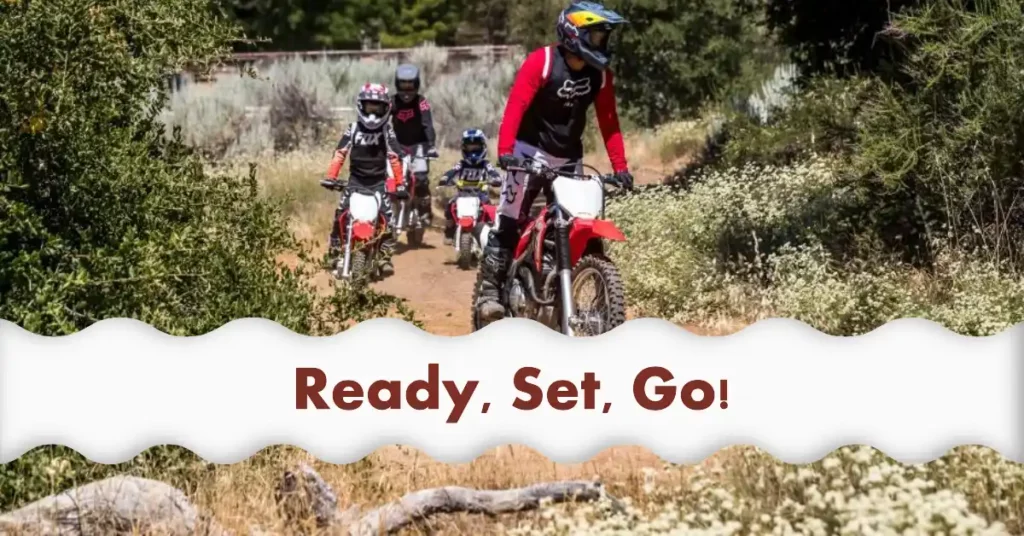
Its 149cc engine perfectly balances performance and manageability, providing enough power to tackle various terrains while maintaining ease of control for young riders. This ensures that 13-14-year-olds can confidently navigate trails and tracks with optimum control and precision.
User-Friendly Design:- Designed with the needs of young riders in mind, the Honda CRF150F offers a user-friendly and ergonomic design. Its low seat height and comfortable ergonomics allow easy maneuverability and confident control. The bike’s electric start system eliminates the hassle of kick-starting, ensuring hassle-free operation for young riders.
Responsive Suspension:- The CRF150F features a responsive suspension system that enhances the bike’s performance and rider comfort.
The 41mm front fork and Pro-Link rear suspension provide excellent shock absorption and stability, allowing riders to easily navigate through bumps and rough terrains. This ensures a smooth and controlled ride, even in challenging off-road conditions.
Safety Features:- Safety is paramount for young riders, and the Honda CRF150F does not disappoint. It has various safety features to protect young riders on their off-road adventures.
The bike features disc brakes that provide reliable stopping power, ensuring quick and controlled braking. The CRF150F’s throttle limiter also allows parents or instructors to adjust the bike’s power output, gradually increasing it as the rider gains experience and confidence.
Durability and Reliability:- Honda is renowned for its commitment to quality, and the CRF150F is no exception. Built with durable components and high-quality materials, this bike can withstand the rigors of off-road riding. Its robust construction ensures longevity and minimal maintenance requirements, providing young riders and their parents peace of mind.
In conclusion, the Honda CRF150F is the best dirt bike option for 13-14-year-olds. With its powerful yet manageable engine, user-friendly design, responsive suspension, and an array of safety features, this bike offers a perfect balance of performance, control, and safety.
Whether tackling trails or honing off-road skills, the CRF150F is a reliable companion that allows young riders to embrace the thrill of dirt biking with confidence and enthusiasm.
Pros:-
Powerful Performance: The Honda CRF150F offers a reliable and smooth four-stroke engine that balances power and control, allowing young riders to navigate various terrains confidently.
User-Friendly Design: With its low seat height and ergonomic design, the CRF150F provides easy maneuverability and comfortable control, making it suitable for young riders to handle with ease.
Responsive Suspension: The bike’s responsive suspension system, including the 41mm front fork and Pro-Link rear suspension, absorbs shocks and provides stability, ensuring a smooth and controlled ride even on rough terrains.
Safety Features: Equipped with disc brakes and a throttle limiter, the CRF150F prioritizes safety. The disc brakes offer reliable stopping power, while the throttle limiter allows parents or instructors to gradually adjust the bike’s power output, promoting safe learning and skill development.
Durability and Reliability: Honda is renowned for its high-quality construction, and the CRF150F is no exception. It is built with durable components and materials, ensuring longevity and minimal maintenance requirements.
Cons:-
Limited Engine Size: While the 149cc engine of the CRF150F provides sufficient power for young riders, more experienced riders or those seeking higher performance may outgrow the bike’s engine capacity.
Limited Advanced Features: Compared to more advanced dirt bike models, the CRF150F may lack certain advanced features such as fuel injection or advanced electronic systems. However, this can also be seen as a positive aspect for young riders still developing their skills.
Size Limitations: The CRF150F’s size is suitable for younger riders but may not be appropriate for taller or larger teens. It is important to consider the rider’s height and weight to ensure a comfortable fit on the bike.
Less Competitive Racing Potential: For teens interested in competitive racing, the CRF150F may not offer the same level of performance as specialized racing bikes. However, it can still be a great recreational riding and skill development choice.
It’s important to note that the pros and cons of the Honda CRF150F may vary based on individual preferences and riding goals. Considering these factors can help make an informed decision when choosing a dirt bike for 13-14-year-olds.
User Reviews:-
Here are a few user reviews from riders who have experienced the Honda CRF150F as a dirt bike for 13-14-year-olds:
User Review 1 – Sarah M.:-
“The Honda CRF150F has been an excellent dirt bike for my 13-year-old son. He loves its smooth and powerful performance, especially when tackling off-road trails.
The bike’s user-friendly design and responsive suspension make it easy for him to handle and maneuver. As a parent, I appreciate the safety features like the disc brakes and throttle limiter, which allow me to control the bike’s speed as he gains more experience.
The CRF150F’s durability has been impressive, withstood the bumps and rough terrains without major issues. It’s been a fantastic choice for my son’s dirt biking adventures.”
User Review 2 – Mark T.:-
“I bought the Honda CRF150F for my 14-year-old daughter, and she loves it. The bike’s manageable engine power and user-friendly design have made it perfect for her as she learns and improves her riding skills.
The suspension system does a great job of absorbing shocks, providing a smooth ride on various terrains. The safety features, such as the disc brakes and throttle limiter, have given me peace of mind knowing she can ride safely.
The CRF150F’s reliability has been outstanding, requiring minimal maintenance and consistent performance. It’s been a reliable and enjoyable bike for my daughter’s off-road adventures.”
User Review 3 – Michael H.:-
“I’ve had the Honda CRF150F for my 13-year-old son, and it has been a great dirt bike for him. The bike’s engine delivers enough power for him to have fun while maintaining control.
The suspension system handles bumps and jumps well, providing a comfortable and stable ride. I appreciate the safety features like the disc brakes, which offer reliable stopping power.
The CRF150F’s durability has been impressive, as it has endured rigorous riding without any major issues. Overall, it’s a solid choice for young riders passionate about off-road riding.”
These user reviews highlight the positive experiences riders and parents have had with the Honda CRF150F as a dirt bike for 13-14-year-olds. The bike’s performance, user-friendly design, safety features, and durability have been consistently praised, making it a popular choice among young riders.
2. Yamaha YZ125
When finding the perfect dirt bike for a 16-year-old, the Yamaha YZ125 is an exceptional choice. This high-performance machine offers a thrilling riding experience while catering to the needs and skills of young riders.
Powerful Engine:- The Yamaha YZ125 has a highly responsive 125cc two-stroke engine. Its lightweight construction and exceptional power-to-weight ratio make it an exhilarating choice for 16-year-olds who seek speed and agility on the dirt track. The YZ125’s engine delivers instant acceleration, allowing riders to confidently conquer jumps and tight corners.
Agile Handling:- The YZ125’s lightweight frame and nimble design provide excellent maneuverability, making it easy for 16-year-olds to navigate challenging terrains.
Its responsive suspension system, comprising upside-down front forks and a link-type rear suspension, ensures precise control and absorbs impacts effectively, resulting in a smooth and controlled ride.
Race-Ready Features:- The Yamaha YZ125 has race-ready features, making it an enticing option for young riders with a competitive spirit. Its powerful disc brakes offer reliable stopping power, allowing riders to maintain control during high-speed maneuvers.
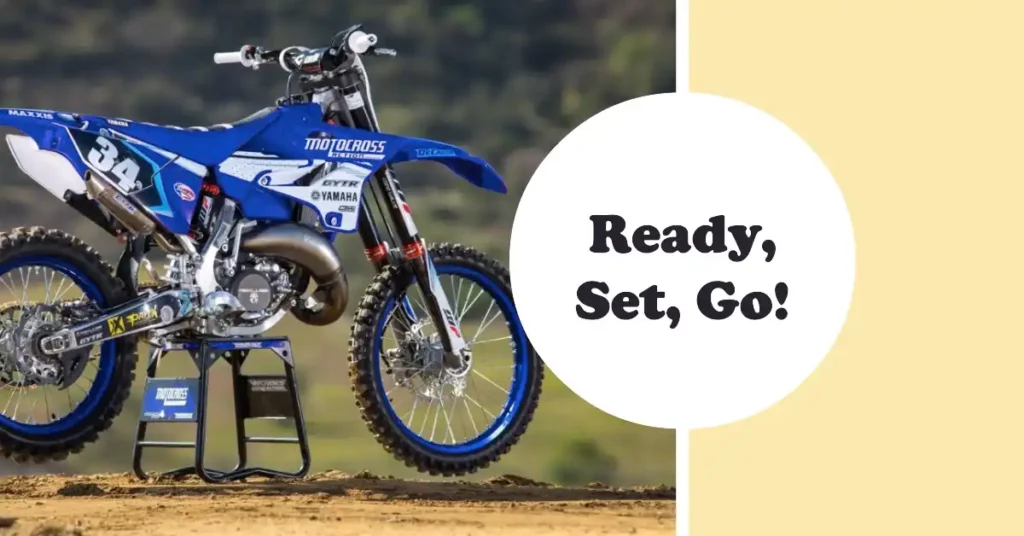
The bike’s adjustable handlebars and foot pegs enable riders to customize their riding position for optimal comfort and control.
Durability and Reliability:- Yamaha is known for producing durable and reliable dirt bikes; the YZ125 is no exception. Its robust construction can withstand the rigors of off-road riding, providing long-lasting performance. Additionally, Yamaha’s reputation for quality and attention to detail ensures that the YZ125 is built to withstand the demands of enthusiastic 16-year-old riders.
Development of Skills:- The Yamaha YZ125 offers thrilling performance and helps young riders develop essential riding skills. Its high-revving two-stroke engine requires precise throttle control and clutch manipulation, helping riders refine their techniques and become more proficient. As riders gain experience and skill, the YZ125 provides an excellent platform for progressing to higher levels of competitive racing.
In conclusion, the Yamaha YZ125 is the best dirt bike for 16-year-olds. With its powerful two-stroke engine, agile handling, race-ready features, and reputation for durability, the YZ125 offers an exhilarating riding experience well-suited for young riders.
Whether they are seeking the thrill of competition or want to enjoy off-road adventures, the Yamaha YZ125 delivers exceptional performance. It sets the stage for skill development and growth as a dirt bike enthusiast.
Pros:-
Powerful Two-Stroke Engine: The Yamaha YZ125’s 125cc two-stroke engine provides instant acceleration and an impressive power-to-weight ratio, delivering thrilling speed and agility for young riders.
Agile Handling: With its lightweight frame, responsive suspension, and nimble design, the YZ125 offers exceptional maneuverability, allowing riders to navigate tight corners and challenging terrains with ease.
Race-Ready Features: Equipped with powerful disc brakes, adjustable handlebars, and foot pegs, the YZ125 boasts race-ready features that enhance control, performance, and rider comfort.
Durability and Reliability: Yamaha is known for its quality and durability, and the YZ125 upholds this reputation. It is built to withstand the demands of off-road riding and provides long-lasting performance.
Skill Development: The YZ125’s high-revving two-stroke engine and precise throttle and clutch control requirements help young riders develop essential riding skills, contributing to their growth as proficient riders.
Cons:-
Maintenance Requirements: Two-stroke engines, including the YZ125’s, generally require more frequent maintenance than four-stroke engines. This includes premixing fuel and oil and regular maintenance of the engine components.
Advanced Power Delivery: The powerful nature of the YZ125’s two-stroke engine may be too aggressive for inexperienced or less confident riders. It requires skill and control to harness the bike’s power effectively.
Limited Low-End Torque: Two-stroke engines typically have less low-end torque, making it challenging for riders to navigate technical sections or steep inclines easily.
Not Street Legal: The Yamaha YZ125 is designed for off-road use only and is not street legal. This limits its usage to designated off-road trails and tracks.
Higher Noise Level: Two-stroke engines tend to be louder than four-stroke engines, which can be a consideration for riders in noise-sensitive areas or for those who prefer quieter riding experiences.
It’s important to note that the pros and cons of the Yamaha YZ125 may vary based on individual preferences and riding goals. These factors can help young riders and their parents decide when to select a dirt bike suitable for their needs and skill level.
User Reviews:-
Here are a few user reviews from riders who have experienced the Yamaha YZ125 as a dirt bike for 16-year-olds:
User Review 1 – Jake W.:-
“The Yamaha YZ125 is an absolute blast to ride! As a 16-year-old rider, I wanted a bike that could deliver power and agility, and the YZ125 exceeded my expectations. The two-stroke engine provides exhilarating acceleration and impressive top-end speed.
The bike’s lightweight design and responsive suspension allow quick maneuvering, making it a joy to navigate tight corners and jumps. The YZ125’s race-ready features, like the powerful disc brakes, give me the confidence to push the limits. With regular maintenance, the bike has proven to be reliable and durable.
I highly recommend the Yamaha YZ125 to any 16-year-old looking for an exciting, high-performing dirt bike.”
User Review 2 – Emily R.:-
“I purchased the Yamaha YZ125 for my 16-year-old son, who loves it. The bike’s power and agility have allowed him to confidently develop his riding skills and tackle challenging trails.
The YZ125’s two-stroke engine delivers thrilling acceleration and incredibly responsive handling. The bike’s lightweight construction makes it easy for him to control and maneuver.
We have been impressed with its durability and reliability, requiring minimal maintenance. The Yamaha YZ125 has been a fantastic choice for my son’s off-road adventures and has helped him grow as a rider.”
User Review 3 – Ethan S.:-
“The Yamaha YZ125 is a beast of a bike! I have been riding it since I turned 16, and it has been an amazing experience. The bike’s two-stroke engine provides incredible power and lightning-fast acceleration.
The YZ125’s nimble handling allows me to take on tight trails and easily make quick turns. I appreciate the race-ready features like the adjustable handlebars, which allow me to customize my riding position for maximum comfort.
The Yamaha YZ125 has proven to be a reliable companion, delivering top-notch performance every time I hit the dirt. It’s an absolute thrill to ride, and I highly recommend it to any 16-year-old rider seeking excitement and performance.”
These user reviews highlight the positive experiences of riders who have chosen the Yamaha YZ125 as a dirt bike for 16-year-olds.
The bike’s power, agility, reliability, and durability have consistently impressed riders, allowing them to enjoy exhilarating rides and develop their skills on various terrains.
3. Kawasaki KLX140
When choosing the perfect dirt bike for 13-14 year-olds, the Kawasaki KLX140 is an excellent option. This versatile and reliable bike offers a range of features that make it ideal for young riders exploring the exhilarating world of off-road biking.
Powerful Performance:- The Kawasaki KLX140 has a high-torque, air-cooled 144cc engine, providing a perfect balance of power and control for 13-14 year-olds. Its smooth power delivery allows young riders to confidently tackle various terrains, while the manual clutch enables them to learn clutch control and shift gears smoothly.
Ergonomic Design:- The KLX140 features an ergonomic design that ensures young riders a comfortable and controlled riding experience. Its low seat height and lightweight chassis make it easy to handle and maneuver, allowing riders to easily navigate tight corners and rough trails. The bike’s slim profile provides a natural riding position and enhances rider confidence.
Adjustable Suspension:-
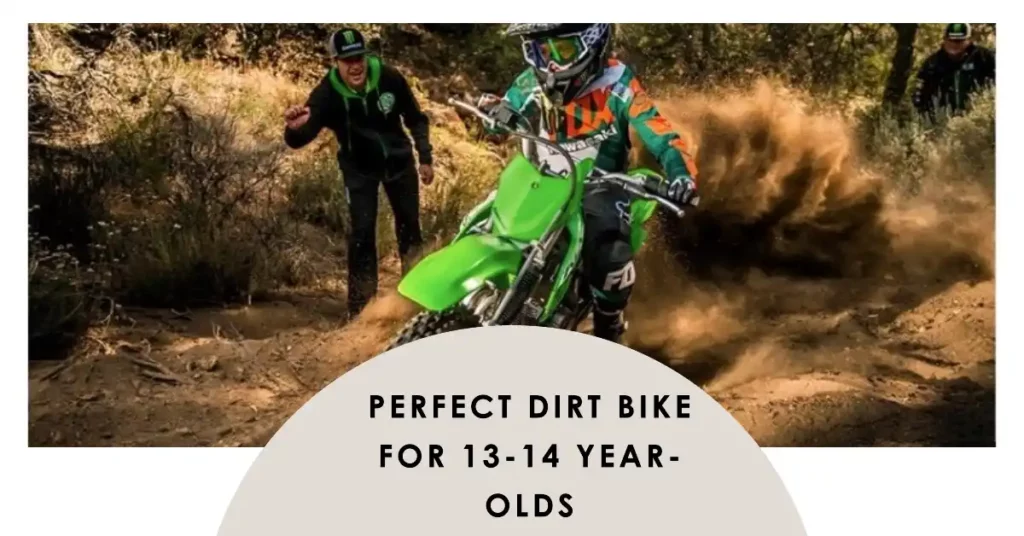
The KLX140 boasts adjustable suspension components, including front telescopic forks and a rear Uni-Trak suspension, allowing riders to fine-tune the bike’s suspension to match their weight and riding style. This provides enhanced stability, improved handling, and a smoother ride on different types of terrain.
Electric Start:- The KLX140 features an electric start system, eliminating the need for kick-starting. This convenient feature makes starting the bike effortlessly, saving energy and reducing frustration with kick-starting, especially for less experienced riders.
Reliability and Durability:- Kawasaki is renowned for its durability and reliability, and the KLX140 is no exception. Built with high-quality materials and components, this bike is designed to withstand the rigors of off-road riding. It offers long-lasting performance and minimal maintenance requirements, providing young riders and their parent’s peace of mind.
Safety Features:- Safety is paramount for young riders when considering a dirt bike. The KLX140 has safety features such as front and rear disc brakes that provide reliable stopping power. The bike’s lightweight and responsive handling contribute to a safe riding experience, allowing riders to maintain control and avoid potential hazards on the trail.
In conclusion, the Kawasaki KLX140 is an exceptional dirt bike for 13-14 year-olds. With its powerful yet manageable engine, ergonomic design, adjustable suspension, electric start, and reputation for reliability, the KLX140 offers an ideal platform for young riders to hone their skills and embark on thrilling off-road adventures.
Whether new to dirt biking or seeking to advance their skills, the KLX140 provides young enthusiasts with a safe and exhilarating riding experience.
Pros:-
Powerful and Manageable Performance: The Kawasaki KLX140’s 144cc engine balances power and control, providing young riders enough torque and acceleration to tackle various terrains while maintaining manageable power levels.
Ergonomic Design: The bike’s low seat height, lightweight chassis, and slim profile provide a comfortable and controlled riding experience. The ergonomic design allows young riders to maneuver the bike with confidence and ease.
Adjustable Suspension: The KLX140’s adjustable front forks and rear suspension enable riders to fine-tune the bike’s suspension to match their weight, riding style, and terrain conditions. This allows for enhanced stability, improved handling, and a smoother ride.
Electric Start System: The electric start feature eliminates the need for kick-starting, making it effortless for young riders to start the bike. This convenience reduces energy expenditure and makes the riding experience more enjoyable.
Reliability and Durability: Kawasaki is known for producing reliable and durable bikes, and the KLX140 lives up to that reputation. The bike has high-quality materials and components, ensuring longevity and minimal maintenance requirements.
Cons:-
Limited Engine Size: The 144cc engine of the KLX140 may be outgrown by more experienced riders or those seeking higher performance. Riders looking for more power and speed may need to upgrade to a larger-engine bike.
Limited Advanced Features: The KLX140 does not offer some advanced features found in more specialized dirt bikes. Riders seeking advanced electronic systems or specialized racing features may need to explore higher-end models.
Non-Adjustable Height: The KLX140 has a low seat height but does not offer adjustable height options. Taller riders may find the bike less comfortable or need to consider aftermarket modifications for a better fit.
Not Street Legal: The Kawasaki KLX140 is designed for off-road use only and is not street legal. Riders looking for a bike that can be ridden on both trails and public roads may need to consider dual-sport options.
Limited Accessories: Compared to other models, aftermarket accessories and modifications for the KLX140 may be relatively limited. Riders looking for a wide range of customization options may need to research the availability of specific accessories for this model.
It’s important to consider these pros and cons when selecting a dirt bike for 13-14 year-olds. Each rider’s preferences, skill level, and intended use should be considered to ensure the best match for their needs and riding goals.
User Reviews:-
Here are a few user reviews from riders who have experienced the Kawasaki KLX140 as a dirt bike for 13-14 year-olds:
User Review 1 – Jason M.:-
“I bought the Kawasaki KLX140 for my 13-year-old son, and he loves it. The bike’s power is perfect for his skill level, providing enough torque and acceleration to tackle various terrains while maintaining control.
The ergonomic design and low seat height make it easy for him to handle, and the adjustable suspension allows us to customize the bike’s performance to match his weight and riding style.
The electric start system is a fantastic feature, eliminating the hassle of kick-starting. We have been impressed with the KLX140’s reliability and durability, as it has withstood rigorous riding without any major issues. It has been a great choice for my son’s off-road adventures.”
User Review 2 – Emily W.:-
“The Kawasaki KLX140 has been an excellent dirt bike for my 14-year-old daughter. The bike’s manageable power and lightweight design have made it perfect for her to develop her riding skills.
The adjustable suspension has allowed us to customize the bike’s performance, providing a comfortable and controlled ride on different terrains. The electric start feature has been a game-changer, saving her energy and frustration.
The KLX140’s reliability has been exceptional, requiring minimal maintenance and delivering consistent performance. It has been a reliable and enjoyable bike for my daughter’s off-road explorations.”
User Review 3 – Alex P.:-
“I recently purchased the Kawasaki KLX140 for my 13-year-old son, and he couldn’t be happier. The bike’s power is spot-on for his skill level, providing a good balance of torque and control.
The ergonomics and low seat height make it easy for him to handle and maneuver confidently. The adjustable suspension allows us to fine-tune the bike’s performance to match his weight and riding preferences.
The electric start system is a great convenience, making it effortless for him to start the bike. We’ve been impressed with the KLX140’s reliability and durability, as it has held up well to his rough riding. It’s been a fantastic choice for his off-road adventures.”
These user reviews highlight the positive experiences riders and their parents have had with the Kawasaki KLX140 as a dirt bike for 13-14 year-olds.
The bike’s manageable power, ergonomic design, adjustable suspension, reliability, and durability have consistently impressed riders, allowing them to enjoy their off-road experiences and develop their riding skills.
4. Suzuki RM85
When choosing the perfect beginner dirt bike for teenagers, the Suzuki RM85 is an exceptional choice. Designed with beginner riders in mind, this bike offers a range of features that make it ideal for young riders just starting their off-road adventures.
Powerful Performance:- The Suzuki RM85 has a powerful 85cc two-stroke engine, providing beginner riders with a perfect balance of power and control. It offers a smooth power delivery, allowing young riders to build their confidence gradually while exploring different terrains.
User-Friendly Design:-
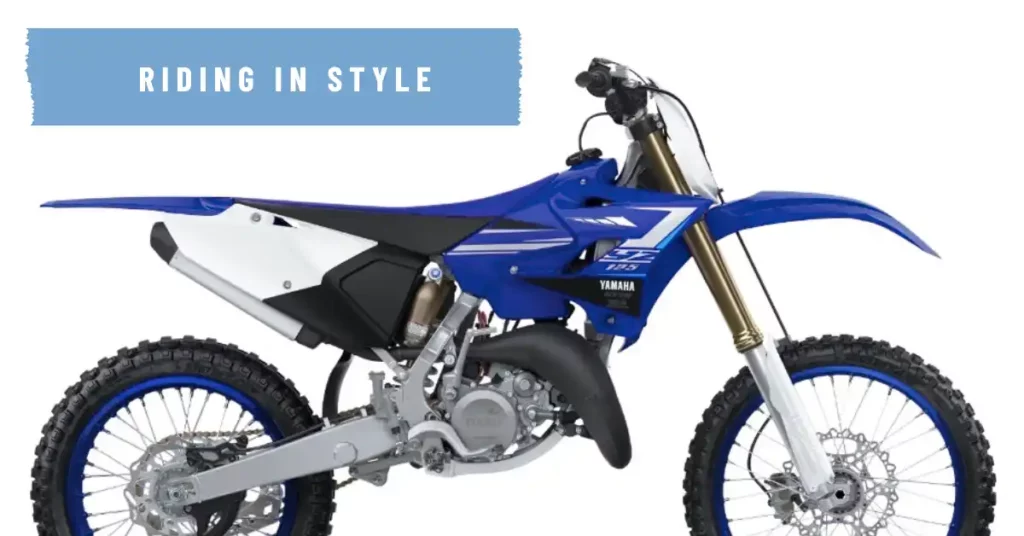
The RM85 features a user-friendly design that ensures beginner riders a comfortable and controlled riding experience. Its low seat height, lightweight chassis, and slim profile make it easy to handle and maneuver, allowing young riders to gain confidence and develop their riding skills.
Responsive Suspension:- The RM85’s suspension system, comprising inverted front forks and a rear shock absorber, provides excellent handling and stability on rough terrains. It absorbs shocks effectively, allowing beginner riders to easily navigate bumps and jumps, ensuring a smooth and controlled ride.
Smooth Power Delivery:- The bike’s powerband is tuned to offer smooth power delivery, making it easier for beginners. The linear power delivery helps riders avoid sudden surges or jolts, promoting a more controlled riding experience and building confidence.
Easy Maintenance:- The Suzuki RM85 is designed with easy maintenance in mind. It features a removable subframe and aluminum swingarm, allowing quick and convenient access to essential components during routine maintenance or repairs. This makes it easier for beginner riders and their parents to maintain the bike’s performance and longevity.
Safety Features:- Safety is paramount, especially for beginner riders. The RM85 has safety features like disc brakes that provide reliable stopping power. This ensures that young riders can maintain control and stop quickly when needed, enhancing overall safety during their learning phase.
Competitive Racing Potential: As beginners gain confidence and skills, the RM85 offers a stepping stone to competitive racing.
The bike’s performance, durability, and maneuverability allow young riders to explore their potential and progress in their off-road racing journey.
In conclusion, the Suzuki RM85 is the best beginner dirt bike for teenagers. With its powerful yet manageable engine, user-friendly design, responsive suspension, and emphasis on safety, the RM85 provides an ideal platform for young riders to learn and grow as off-road enthusiasts.
Whether new to dirt biking or seeking to develop their skills further, the Suzuki RM85 offers a safe, reliable, and thrilling riding experience for young beginners.
Pros:-
Powerful Two-Stroke Engine: The Suzuki RM85’s 85cc two-stroke engine provides a perfect balance of power and control for beginner riders, allowing them to build confidence gradually while exploring different terrains.
User-Friendly Design: With its low seat height, lightweight chassis, and slim profile, the RM85 offers a user-friendly design that is easy for beginner riders to handle and maneuver, promoting confidence and skill development.
Responsive Suspension: The RM85’s inverted front forks and rear shock absorber deliver excellent handling and stability on rough terrains, providing beginner riders a smooth and controlled ride.
Smooth Power Delivery: The bike’s powerband is tuned to offer a smooth power delivery, making it easier for beginners to handle and reducing the chances of sudden surges or jolts, promoting a more controlled riding experience.
Easy Maintenance: The RM85 is designed with ease of maintenance, featuring a removable subframe and aluminum swingarm, allowing quick and convenient access to essential components during routine maintenance or repairs.
Cons:-
Limited Engine Size: The 85cc engine of the RM85 may be outgrown by more experienced riders or those seeking higher performance. Riders looking for more power and speed may need to upgrade to a larger-engine bike.
Non-Adjustable Height: The RM85 has a fixed seat height, which may not be ideal for riders who are taller or shorter than average. Aftermarket modifications or adjustments may be needed for a better fit.
Not Street Legal: The Suzuki RM85 is designed for off-road use only and is not street legal. Riders looking for a bike that can be ridden on both trails and public roads may need to consider dual-sport options.
Limited Advanced Features: The RM85 may not offer some advanced features found in higher-end dirt bikes, such as specialized racing components or advanced electronic systems. This may be a consideration for riders looking for specific features or competitive advantages.
Two-Stroke Maintenance: Two-stroke engines, like the one in the RM85, generally require more frequent maintenance than four-stroke engines. This includes regular cleaning, adjusting the air filter, and mixing fuel and oil.
Considering these pros and cons when selecting a dirt bike for beginner teenagers is important. Each rider’s preferences, skill level, and intended use should be considered to ensure the best match for their needs and riding goals.
User Reviews:-
User Review 1 – Ethan K.:-
“I bought the Suzuki RM85 for my 14-year-old son, and he loves it. The bike’s power is perfect for his skill level, allowing him to develop his riding skills and gain confidence gradually.
The user-friendly design and low seat height make it easy for him to handle, even on challenging terrains. The suspension system provides excellent handling and stability, giving him a smooth and controlled ride.
We have been impressed with the RM85’s reliability and durability. It has proven to be a great bike for my son to learn and grow as a rider.”
User Review 2 – Ava S.:-
“The Suzuki RM85 has been an excellent dirt bike for my 13-year-old daughter. As a beginner rider, she needed a manageable yet powerful bike to keep her engaged.
The RM85 has been delivered on both fronts. The bike’s user-friendly design is easy to handle, allowing her to build her skills and confidence.
The responsive suspension system provides a smooth ride, and the power delivery is smooth and controllable. We have found the RM85 reliable and durable bike, perfect for her off-road adventures.”
User Review 3 – Lucas P.:-
“I’ve been riding the Suzuki RM85 for a few months, and it has been an incredible experience. As a 15-year-old with some riding experience, I wanted a bike that would challenge me but suit my skill level.
The RM85’s power is right for me, and the handling is exceptional. The suspension soaks up bumps and jumps effortlessly, providing a comfortable and controlled ride.
The bike’s reliability has been impressive, and it has handled the demands of off-road riding without any issues. I highly recommend the Suzuki RM85 for any teenager looking to get into dirt biking.”
These user reviews showcase the positive experiences riders and their parents have had with the Suzuki RM85 as a dirt bike for teenagers.
The bike’s manageable power, user-friendly design, responsive suspension, and reliability have consistently impressed riders, allowing them to develop their skills and enjoy their off-road adventures.
5. KTM 85 SX
When seeking high-performance dirt bikes for 17-18-year-olds, the KTM 85 SX stands out as an exceptional choice. This bike is designed to meet the demands of experienced teenage riders looking for power, agility, and a competitive edge on the track.
Powerful Two-Stroke Engine:- The KTM 85 SX has a high-performance 85cc two-stroke engine, delivering impressive power and acceleration for 17-18-year-olds. The bike’s powerband is tuned for optimal performance, offering exhilarating speed and torque to conquer any off-road challenge.
Race-Ready Design:-
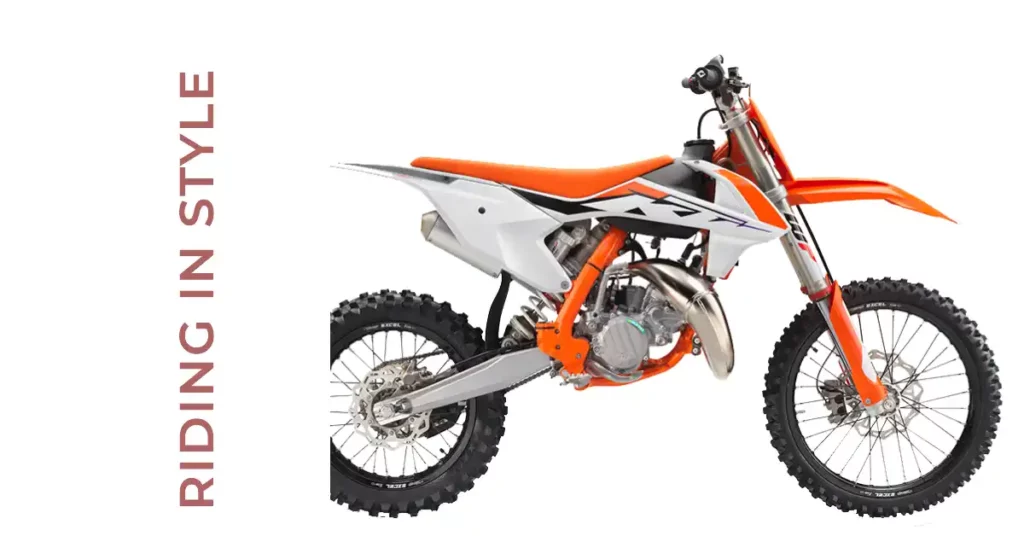
The 85 SX boasts a race-ready design incorporating advanced features for optimal performance on the track. Its lightweight frame, ergonomic seat, and aggressive stance provide excellent maneuverability and control, allowing riders to navigate corners and jumps precisely and confidently.
Adjustable Suspension:- The bike’s advanced suspension system, including upside-down front forks and a rear shock absorber, can be easily adjusted to suit the rider’s weight, skill level, and track conditions. This allows for better handling, traction, and a smoother ride, even on rough terrains.
High-Performance Components:- The KTM 85 SX has high-performance components to enhance its performance. From the powerful disc brakes that provide exceptional stopping power to the lightweight wheels and grippy tires that offer excellent traction, every aspect of the bike is designed to deliver top-tier performance.
Advanced Technology:- KTM incorporates advanced technology into the 85 SX to give riders a competitive advantage. Features like a hydraulic clutch, advanced fuel and ignition mapping, and high-quality components ensure optimal performance and reliability on the track.
Durability and Reliability:- KTM is renowned for its commitment to durability and reliability, and the 85 SX upholds this reputation. It is built with high-quality materials and undergoes rigorous testing to withstand the demands of aggressive riding. This ensures that riders can push the limits with confidence.
Competitive Racing Potential:- The KTM 85 SX is designed with competitive racing in mind. It offers exceptional power, handling, and performance, making it a formidable machine on the track. For 17-18-year-olds passionate about racing, the 85 SX provides the platform to showcase their skills and compete at a high level.
In conclusion, the KTM 85 SX is an outstanding dirt bike for 17-18-year-olds who seek high-performance and competitive riding. With its powerful two-stroke engine, race-ready design, adjustable suspension, advanced technology, and durability, the 85 SX offers a thrilling and reliable riding experience.
Whether riders are aspiring racers or simply looking for an adrenaline-fueled off-road adventure, the KTM 85 SX delivers exceptional performance and sets the stage for success on the track.
Pros:-
Powerful Two-Stroke Engine: The KTM 85 SX features a high-performance 85cc two-stroke engine that delivers impressive power and acceleration, providing an exhilarating riding experience for 17-18-year-olds.
Race-Ready Design: The bike’s race-ready design, including its lightweight frame, ergonomic seat, and aggressive stance, enhances maneuverability, control, and confidence, allowing riders to tackle corners and jumps with precision.
Adjustable Suspension: The advanced suspension system with upside-down front forks and rear shock absorber can be easily adjusted to suit the rider’s weight, skill level, and track conditions, improving handling, traction, and overall comfort.
High-Performance Components: The KTM 85 SX has high-performance components such as powerful disc brakes, lightweight wheels, and grippy tires, enhancing overall performance and providing exceptional stopping power and traction.
Advanced Technology: Incorporating advanced technology like a hydraulic clutch, advanced fuel and ignition mapping, and high-quality components, the KTM 85 SX offers riders a competitive edge, ensuring optimal performance, reliability, and control on the track.
Cons:-
Maintenance Requirements: Two-stroke engines, like the one in the KTM 85 SX, generally require more frequent maintenance than four-stroke engines. This includes regularly cleaning the air filter, checking and adjusting the power valve, and maintaining the proper fuel-to-oil ratio.
Limited Off-Road Capability: While the KTM 85 SX excels on the track, its focus on high-performance racing may limit its off-road capabilities. Riders seeking a more versatile bike for varied off-road adventures may need to consider other options.
Limited Comfort for Longer Rides: The race-ready design of the KTM 85 SX prioritizes agility and performance over comfort for longer rides. The bike’s firm suspension and ergonomics may be less comfortable for extended periods of riding.
Higher Maintenance Costs: Due to its high-performance nature, the KTM 85 SX may require more frequent and specialized maintenance, resulting in higher maintenance costs than less performance-oriented dirt bikes.
Lack of Street-Legal Features: The KTM 85 SX is not designed to be street-legal and is intended for off-road use only. Riders looking for a bike ride on and off-road may need to consider dual-sport models.
It’s important to consider these pros and cons when selecting a dirt bike for 17-18-year-olds. Each rider’s preferences, skill level, and intended use should be considered to ensure the best match for their needs and riding goals.
User Reviews:-
Here are a few user reviews from riders who have experienced the KTM 85 SX as a dirt bike for 17-18-year-olds:
User Review 1 – Jake L.:-
“The KTM 85 SX is an absolute beast on the track! As an 18-year-old rider, I was looking for a bike that could deliver top-tier performance, and the 85 SX did not disappoint.
The powerful two-stroke engine provides explosive acceleration, and the bike’s race-ready design gives me the confidence to push my limits.
The adjustable suspension allows me to fine-tune the bike’s handling to match the track conditions, and the high-performance components deliver exceptional stopping power and traction. The KTM 85 SX is a race machine that delivers the adrenaline rush I crave!”
User Review 2 – Emily M.:-
“I bought the KTM 85 SX for my 17-year-old son, and he loves it. The bike’s power and agility have allowed him to progress his riding skills to the next level.
The adjustable suspension is a great feature that allows us to tailor the bike’s performance to his weight and riding style.
The KTM 85 SX’s race-ready design and advanced technology provide the performance and reliability he needs on the track. It’s been a fantastic choice for his competitive racing endeavors.”
User Review 3 – Ryan C.:-
“The KTM 85 SX has been an incredible dirt bike for my 17-year-old daughter. She’s an experienced rider and was looking for a bike that could match her skills and give her an edge on the track.
The 85 SX’s powerful two-stroke engine delivers impressive acceleration and top-end speed. The bike’s race-ready design and high-performance components provide exceptional handling and control.
The adjustable suspension allows her to fine-tune the bike’s performance to suit her riding style. It’s been a reliable and thrilling bike for her racing aspirations.”
This user reviews highlight riders’ positive experiences with the KTM 85 SX as a dirt bike for 17-18-year-olds. The bike’s power, agility, race-ready design, and advanced technology have consistently impressed riders, allowing them to push their limits and achieve their racing goals.
How To Ensure Safety While Riding Dirt Bikes for Teens
Riding dirt bikes can be an exhilarating experience for teens. However, it’s crucial to prioritize safety to prevent accidents and injuries.
Here are some essential tips to ensure safety while riding dirt bikes for teens:
1. Proper Safety Gear
Wearing the right safety gear is paramount. A well-fitted helmet is the most critical safety equipment, protecting the head from potential injuries. Additionally, goggles shield the eyes from dirt, rocks, and debris, while a chest protector offers vital protection for the upper body.
Proper riding boots provide ankle support and prevent foot injuries, while gloves safeguard the hands. Finally, knee and elbow pads protect against impacts and abrasions. Invest in high-quality gear that meets safety standards and fits properly.
2. Bike Maintenance
Regular bike maintenance is crucial for safety. Before each ride, perform a thorough inspection of the bike. Check the tires for proper inflation and tread wear. Inspect the brakes to ensure they function correctly and have sufficient pad material.
Examine the chain for proper tension and lubrication. Additionally, check the suspension for any leaks or damage. Regular oil changes and filter cleanings are vital for optimal engine performance. Proper bike maintenance ensures reliability and reduces the risk of mechanical failures during rides.
3. Riding in Suitable Locations
Teens should ride in designated areas suitable for dirt biking. Look for local motocross tracks or off-road trails that are open to riders. These locations provide a controlled environment with well-maintained tracks or trails designed for dirt biking.
Avoid riding on public roads or areas where it is prohibited. Always respect private property and obtain permission when necessary. Riding in suitable locations ensures a safe and legal riding experience.
4. Supervision and Training
Teens should receive proper supervision and training before riding independently. Enroll them in riding lessons experienced instructors offer or seek guidance from experienced riders. Professional instruction ensures teens learn proper riding techniques, including cornering, braking, and body positioning.
It also provides valuable insights into safety practices and helps teens develop good riding habits. Supervision and training are essential for teens to build a strong foundation of riding skills and safety awareness.
5. Start with the Appropriate Bike Size
Ensure the dirt bike size suits the teen’s age, height, and skill level. Starting with a too-powerful or large bike can be dangerous and overwhelming for inexperienced riders.
Consider bikes specifically designed for teenagers, such as the Yamaha YZ85 or Kawasaki KX100, which offer manageable power and ergonomics suitable for teens. Starting with an appropriate bike size ensures better control and maneuverability.
6. Ride Within the Skill Level
Teens should always ride within their skill level and gradually progress as they gain experience and confidence. Pushing beyond their capabilities can lead to accidents and injuries.
Encourage teens to practice in controlled environments, such as practice tracks or open areas, to develop their skills and become comfortable with the bike’s performance. Gradually challenge them with new techniques and terrains, but always prioritize safety and gradual progression.
7. Respect Safety Rules and Etiquette
Adhering to safety rules and practicing proper riding etiquette are essential for a safe riding experience. Teach teens to yield to other riders when necessary and avoid reckless maneuvers that may endanger themselves or others.
Maintain a safe distance from other bikes to reduce the risk of collisions. Additionally, teach them to respect trail or track rules, such as riding in the designated direction, to ensure a harmonious riding environment for everyone.
8. Ride Sober and Alert
Never ride a dirt bike under the influence of alcohol, drugs, or any substances that impair judgment or reaction time. Substance use significantly impairs a rider’s ability to make split-second decisions and can have fatal consequences. Encourage teens to ride only when sober and in a clear state of mind. Being well-rested, hydrated, and mentally focused enhances safety on the bike.
9. Communication and Emergency Preparedness
Establish clear communication signals between riders, especially when riding in groups. Teach teens basic hand signals to communicate their intentions or any potential hazards.
Additionally, ensure that riders carry a cell phone or two-way radio in case of emergencies or the need to contact someone for assistance. Familiarize them with basic first aid techniques and equip them with a kit to handle minor injuries that may occur during rides.
10. Encourage Responsible Riding
Promote responsible riding behavior among teens. Teach them to respect the environment and stay on designated trails to minimize the impact on natural habitats.
Encourage them to avoid littering and minimize noise pollution using properly maintained mufflers or noise reduction devices. Responsible riding ensures that the sport can be enjoyed for generations while preserving the environment.
Remember, safety should always be the top priority while riding dirt bikes. By following these tips and instilling responsible riding habits, teens can enjoy the thrill of dirt biking while minimizing the risks associated with the sport.
Ensuring proper safety gear, maintaining the bike, riding in suitable locations, receiving proper training, and practicing responsible riding behavior will provide teens with a safe and enjoyable riding experience.
Maintaining Your Dirt Bike: Tips and Tricks
Keeping your dirt bike in excellent condition is crucial for optimal performance and longevity. Regular maintenance ensures your bike is safe and allows you to enjoy off-road adventures.
Here are some tips and tricks for maintaining your dirt bike:
1. Clean Your Bike Regularly
Cleaning your dirt bike after each ride is essential to remove dirt, mud, and debris that can accumulate and cause damage over time. Use a mild detergent, water, and a soft brush to clean the bike thoroughly. Pay close attention to the chain, sprockets, and radiators. Rinse the bike carefully and dry it completely to prevent rust.
2. Check the Air Filter
The air filter is vital in protecting the engine from dirt and debris. Regularly inspect and clean the air filter according to the manufacturer’s instructions. If it is damaged or excessively dirty, replace it to ensure proper airflow to the engine.
3. Monitor Fluid Levels
Regularly check the oil, coolant, and brake fluid levels. Insufficient oil or coolant can lead to engine overheating and damage. Additionally, ensure that the brake fluid is at the recommended level to maintain optimum braking performance. Follow the manufacturer’s guidelines for proper fluid types and intervals for replacement.
4. Maintain the Chain and Sprockets
A well-maintained chain and sprockets are crucial for smooth power transfer and optimal performance. Clean and lubricate the chain regularly to prevent rust and minimize friction. Check for tight spots or excessive wear and replace the chain and sprockets when necessary.
5. Inspect the Tires
Check the tire pressure and tread depth before each ride. Proper tire pressure ensures optimal traction and control. Insufficient tread depth compromises grip and should be replaced. Additionally, inspect the tires for any signs of damage, such as cuts or punctures, and address them promptly.
6. Suspension Maintenance
The suspension system is vital in providing a smooth and controlled ride. Inspect the suspension components regularly for leaks, damage, or excessive wear.
Check the fork seals and shock absorber for any signs of oil leakage. Adjust the suspension settings according to your weight and riding style.
7. Brake Inspection
Maintain the braking system for optimal stopping power. Regularly inspect the brake pads for wear and replace them when the thickness is below the recommended limit.
Ensure that the brake rotors are not warped or excessively worn. Bleed the brakes to remove air from the system and maintain consistent performance.
8. Maintain the Fuel System
Proper maintenance is essential for reliable performance. Use high-quality fuel and regularly clean or replace the fuel filter. If the bike is unused for an extended period, consider draining the fuel tank and carburetor to prevent fuel degradation or clogging.
9. Regularly Check Bolts and Fasteners
Vibrations and off-road riding can cause bolts and fasteners to loosen over time. Regularly inspect and tighten all the bolts and fasteners on your bike, including those on the handlebars, footpegs, exhaust, and engine mounts. Use a torque wrench to ensure proper tightening according to the manufacturer’s specifications.
10. Consult the Owner’s Manual
The owner’s manual is invaluable for understanding your bike’s maintenance requirements. It provides specific guidelines and schedules for maintenance tasks, including intervals for oil changes, valve adjustments, and other crucial maintenance procedures. Refer to the manual regularly and follow the recommended maintenance procedures.
Following these tips and tricks for maintaining your dirt bike can ensure its optimal performance, reliability, and longevity.
Regular cleaning, checking fluid levels, maintaining the chain and sprockets, inspecting tires, suspensions, and brakes, and consulting the owner’s manual will help you enjoy safe and exciting off-road adventures on your dirt bike for years. Remember, proper maintenance is key to a well-functioning and safe dirt bike.
📗FAQ’s
What Dirt Bike Should a 14 Year Old Get?
Choosing the right dirt bike for a 14-year-old rider is crucial to ensure a safe and enjoyable riding experience. Several factors should be considered when making this decision.
What dirt bike should a 14-year-old get?
Let’s explore some key points to help you make an informed choice.
Size and Power: For a 14-year-old rider, starting with a bike that offers manageable size and power is recommended. Bikes with engine sizes around 125cc or 150cc are generally suitable. These bikes provide enough power for learning and skill development without being overwhelming for a young rider.
Seat Height: A comfortable seat height is essential for a 14-year-old rider. Look for bikes with seat heights ranging from 28 to 32 inches, depending on the rider’s height and leg length. The rider should be able to touch the ground with both feet while seated on the bike.
Weight: Consider the weight of the bike as well. Lighter bikes are easier to handle and maneuver, especially for younger and less experienced riders. Look for bikes that weigh around 150 to 200 pounds to provide a good balance of stability and control.
Rider Experience: Take into account the rider’s experience level. If they are new to dirt biking, opt for a bike with beginner-friendly features such as smooth power delivery, easy handling, and forgiving suspension. The rider can transition to more advanced bikes as they gain confidence and skill.
Safety Features: Ensure the dirt bike has appropriate safety features such as engine kill switches and throttle limiters. These features allow parents or guardians to control the bike’s speed and ensure the rider’s safety during learning.
Quality and Reliability: Choose a dirt bike from reputable manufacturers known for producing high-quality and reliable bikes: research customer reviews and ratings to get insights into the bike’s performance and durability.
Budget Considerations: Finally, consider your budget. Dirt bikes can vary in price range, so determine how much you are willing to invest. Remember that while finding a bike within your budget is important, compromising safety and quality is not advisable.
By considering these factors, you can decide what dirt bike a 14-year-old should get.
Remember to prioritize safety, rider comfort, and appropriate power levels to provide your young dirt bike enthusiast with an enjoyable and safe riding experience.
What Size of Dirt Bike for a 13-Year-Old?
Choosing the right size of dirt bike for a 13-year-old rider is crucial to ensure a safe and enjoyable riding experience. Several factors should be considered when determining the appropriate bike size.
So, what size of dirt bike should a 13-year-old get?
The key consideration is the rider’s height and leg length. For a 13-year-old, an ideal dirt bike size would have a seat height that allows the rider to comfortably touch the ground with both feet while seated on the bike. This ensures stability and confidence while riding.
Generally, for a 13-year-old rider, dirt bikes with seat heights between 26 to 31 inches are recommended. Choosing a bike that allows the rider to have proper control and balance without feeling overwhelmed is essential.
To determine the right size, have the 13-year-old rider sit on the bike and assess if they can reach the ground comfortably. The rider’s feet should be able to touch the ground with their knees slightly bent. It’s important to avoid bikes with seat heights that are too tall as it may compromise the rider’s control and safety.
Remember, each rider is unique, so it’s crucial to consider their height, leg length, and individual comfort when selecting the appropriate size of dirt bike. Ensuring the rider can maintain stability and control will contribute to a safe and enjoyable off-road experience for the 13-year-old rider.
What Is a Good Starter Dirt Bike for a 16-Year-Old?
Finding the right starter dirt bike for a 16-year-old rider ensures a safe and enjoyable riding experience. There are several factors to consider when choosing a bike suitable for their age and skill level.
So, what is a good starter dirt bike for a 16-year-old?
One important factor is the bike’s power and size. For a 16-year-old rider who is relatively new to dirt biking, starting with a bike that offers a manageable power output is recommended.
Look for bikes with engine sizes around 125cc to 250cc. These bikes provide enough power for learning and skill development without being too overwhelming for beginners.
Another consideration is the bike’s seat height. Choosing a bike that allows the rider to have proper control and balance is important. Look for bikes with seat heights ranging from 28 to 34 inches. The rider should be able to touch the ground with both feet while seated on the bike, allowing for stability and confidence.
Additionally, consider the bike’s weight. Lighter bikes are generally easier to handle and maneuver, especially for less experienced riders. Look for bikes that weigh around 150 to 250 pounds for a good balance of stability and control.
When selecting a starter dirt bike, it’s important to prioritize safety features. Look for bikes with engine kill switches, throttle limiters, and easy-to-reach controls. These features allow beginners to have better control over the bike and promote a safer riding experience.
A good starter dirt bike for a 16-year-old rider offers manageable power, a comfortable seat height, and appropriate weight. It should also have safety features that help new riders gain confidence while ensuring their safety.
Considering these factors, you can choose a suitable dirt bike that allows the 16-year-old rider to learn and progress their skills while enjoying the thrill of off-road riding.
Can a 13-Year-Old Ride a 250-Dirt Bike?
Young riders and their parents often discuss whether a 13-year-old can ride a 250 dirt bike. The answer depends on several factors that must be carefully considered before allowing a young rider to handle a bike of this size and power.
First and foremost, it’s important to assess the 13-year-old’s riding experience and skill level. A 250 dirt bike typically possesses significant power, which can be overwhelming for inexperienced riders. It’s recommended that young riders have prior experience and sufficient skills to handle the bike’s power responsibly.
Another factor to consider is the physical capability and size of the 13-year-old rider. A 250 dirt bike tends to be larger and heavier than bikes designed for younger riders. It’s essential that the rider can comfortably reach the ground with both feet while seated on the bike to ensure proper control and stability.
Additionally, parental supervision and guidance are crucial when a 13-year-old rides a 250 dirt bike. Parents should assess their child’s readiness and provide appropriate support, including training, mentorship, and establishing safety rules.
Ultimately, whether a 13-year-old can ride a 250 dirt bike should be based on the individual’s maturity, riding experience, physical ability, and parental guidance. It’s important to prioritize safety and ensure the young rider has the necessary skills, knowledge, and supervision to handle a bike of this size and power.
How Fast is a 250cc Dirt Bike?
One common question among dirt bike enthusiasts is, “How fast is a 250cc dirt bike?”
The speed of a 250cc dirt bike can vary depending on several factors, including the bike’s make and model, terrain conditions, and the rider’s skill level. However, generally speaking, a 250cc dirt bike can reach impressive speeds.
On average, a 250cc dirt bike can achieve speeds ranging from 60 to 80 miles per hour (96 to 128 kilometers per hour). This speed range is sufficient for off-road riding and most motocross tracks. Remember that achieving top speed depends on various factors, such as the bike’s power-to-weight ratio, gearing, and aerodynamics.
It’s worth noting that speed alone should not be the sole focus when riding a dirt bike. Safety and control are paramount. Riders should always consider their skill level, terrain conditions, and personal limitations while riding. It’s important to ride within your abilities and always maintain control.
In summary, a 250cc dirt bike can reach speeds between 60 and 80 miles per hour, providing a thrilling off-road experience. However, riders must prioritize safety, maintain control, and ride responsibly, ensuring a balanced approach to speed and skill.
How Fast Can a 125cc Dirt Bike Go?
The speed of a 125cc dirt bike is a common inquiry among riders and enthusiasts alike.
How fast can a 125cc dirt bike go? The answer varies based on several factors, including the bike’s make and model, riding conditions, and the rider’s weight.
On average, a 125cc dirt bike can reach speeds between 55 to 65 miles per hour (88 to 105 kilometers per hour). It’s important to note that achieving the top speed depends on various factors, such as engine tuning, gearing, and ridden terrain.
While a 125cc dirt bike may not have the same top speed as larger displacement bikes, its agility, and maneuverability make it an excellent choice for tight and technical off-road tracks. The focus of a 125cc dirt bike is often on quick acceleration, agility through corners, and overall handling rather than outright top speed.
Riders must prioritize safety and ride within their skill level, regardless of the bike’s top speed capability. Riding conditions, rider experience, and terrain should be considered when pushing the limits of a 125cc dirt bike.
A 125cc dirt bike can reach approximately 55 to 65 miles per hour. While it may not have the same top speed as larger bikes, its lightweight nature, and agility make it well-suited for navigating tight and technical off-road terrain.
Safety and skill should always be the primary focus when riding any dirt bike, regardless of its top-speed capability.
How Much is the Cheapest Dirt Bike?
For those seeking entry into the world of dirt biking, the cost of a dirt bike can be a significant consideration.
The question often asked is, “How much is the cheapest dirt bike?” The price of a dirt bike can vary depending on several factors, including brand, model, size, and condition.
At the lower end of the price range, you can find used dirt bikes that may cost anywhere from $500 to $1,500. These bikes may require some maintenance and repairs but can be an affordable option for beginners on a budget.
For brand-new dirt bikes, the price starts around $2,000 to $3,000 for entry-level models. These bikes are often smaller and have lower engine displacements, making them suitable for beginners and younger riders.
It’s important to note that the price of dirt bikes can increase significantly as you move up in size, power, and advanced features. Mid-range and high-performance dirt bikes can range from $5,000 to $10,000.
Other costs are also to consider, such as protective gear, maintenance, and insurance.
When purchasing a dirt bike, balancing your budget with your needs and riding goals is essential. Consider factors such as the rider’s skill level, intended use, and long-term aspirations. Research different brands and models to find the best combination of affordability, reliability, and performance within your budget.
In conclusion, the price of the cheapest dirt bike can vary, with used dirt bikes typically starting around $500 to $1,500, while entry-level new bikes begin around $2,000 to $3,000.
You can find a dirt bike that provides an exciting off-road experience without breaking the bank by assessing your budget and requirements.
Is a 250 4-Stroke a Good Beginner Bike?
When choosing a dirt bike as a beginner rider, the question often arises: “Is a 250 4-stroke a good beginner bike?” The answer depends on various factors and the individual rider’s preferences and skill level.
A 250 4-stroke dirt bike can be suitable for some beginner riders, while it may not be ideal for others. The engine displacement and power of a 250cc 4-stroke can offer a good balance between manageable performance and ample power for learning and progressing riding skills.
The 4-stroke engine provides smooth and predictable power delivery, making it easier to control than a 2-stroke engine, especially for beginners who may be more comfortable with linear power delivery. The 250cc engine size offers enough power to tackle various terrains without being overly intimidating for new riders.
However, it’s important to consider other factors, such as the rider’s physical abilities, experience level, and the intended riding environment. Beginner riders with smaller stature or less upper body strength may find a 250cc bike challenging to handle, as it can be heavier and taller than smaller displacement bikes.
Beginner riders must assess their abilities and comfort when choosing a dirt bike. It’s recommended to start with a bike that matches the rider’s physical capabilities and skill level and gradually progress to larger, more powerful bikes as their skills develop.
In summary, a 250 4-stroke dirt bike can be a good beginner bike for physically capable riders with some prior riding experience.
However, beginner riders must consider their abilities and comfort level when deciding. Proper training, guidance, and gradual skill development are key to safely and effectively mastering a dirt bike, regardless of engine size.
What Is the Best Age to Start Riding a Dirt Bike?
One common question among aspiring riders and parents is, “What is the best age to start riding a dirt bike?”
The answer to this question depends on several factors, including the individual’s physical, mental, and emotional development and their level of maturity and coordination.
Generally, children as young as four to six can start learning to ride dirt bikes designed for their age group. These bikes typically have lower engine displacements and have safety features to suit young riders’ needs.
At this age, children often develop their balance, coordination, and motor skills, which are crucial for safely riding a dirt bike. Providing proper supervision, guidance, and age-appropriate training is important to ensure a positive and safe learning experience.
While some children may start riding at a young age, others may not begin until their pre-teen or early teenage years. By this age, children have typically developed more advanced physical and cognitive abilities, which can enhance their ability to handle a dirt bike safely and responsibly.
Ultimately, the best age to start riding a dirt bike varies for each individual. Assessing the child’s readiness, physical capabilities, and emotional maturity is important. Proper safety gear, training, and parental supervision are essential regardless of the age at which a child begins riding.
In conclusion, the best age to start riding a dirt bike depends on the individual’s development and readiness. Starting at a young age, with proper supervision and age-appropriate bikes, can foster early skill development.
However, it’s crucial to prioritize safety, choose suitable equipment, and provide guidance throughout the learning process, regardless of the rider’s age.
How Fast Does a 1000cc Dirt Bike Go?
A 1000cc dirt bike is a high-performance machine capable of reaching incredible speeds. Depending on the make and model, a 1000cc dirt bike can easily exceed 100 miles per hour (160 kilometers per hour) and even go as fast as 150 miles per hour (240 kilometers per hour) or more.
How Fast Is a 400cc Dirt Bike?
A 400cc dirt bike provides a balance between power and agility. On average, a 400cc dirt bike can reach 60 to 70 miles per hour (96 to 112 kilometers per hour), depending on various factors such as terrain, rider weight, and bike configuration.
How Fast Is 600cc?
A 600cc dirt bike is known for its speed and power. These bikes can reach 80 to 100 miles per hour (128 to 160 kilometers per hour) and deliver thrilling off-road performance.
How Fast Is 100cc in mph?
A 100cc dirt bike can reach speeds of approximately 40 to 50 miles per hour (64 to 80 kilometers per hour), depending on bike configuration, rider weight, and terrain conditions.
How Fast Is 200cc in mph?
A 200cc dirt bike can achieve speeds of around 50 to 60 miles per hour (80 to 96 kilometers per hour), depending on various factors such as bike setup, rider weight, and terrain conditions.
How Fast Is 150cc in mph?
A 150cc dirt bike can reach speeds of approximately 45 to 55 miles per hour (72 to 88 kilometers per hour), depending on bike configuration, rider weight, and terrain conditions.
How Fast Do 2 Strokes Go?
2-stroke dirt bikes are known for their quick acceleration and high-revving engines. Depending on the specific bike, a 2-stroke dirt bike can reach speeds similar to their 4-stroke counterparts.
How Fast Can a 100 Dirt Bike Go?
A 100cc dirt bike can achieve speeds of around 40 to 50 miles per hour (64 to 80 kilometers per hour), depending on various factors such as bike configuration, rider weight, and terrain conditions.
How Fast Are Street Legal Dirt Bikes?
Street-legal dirt bikes can vary in speed depending on their engine size and specifications. In general, they can reach speeds similar to their off-road counterparts, with some models capable of exceeding 70 miles per hour (112 kilometers per hour) or more.
What Size Dirt Bike for 130 lbs?
For a rider weighing around 130 pounds, a dirt bike with an engine size between 150cc and 250cc would generally be a suitable choice. However, it’s important to consider other factors, such as riding experience and intended use, when selecting the appropriate size.
What Size Bike for a 14-Year-Old?
For a 14-year-old rider, a dirt bike with an engine size ranging from 125cc to 250cc is typically recommended. When choosing the right size bike, it’s important to consider the rider’s experience level, physical abilities, and maturity.
How Heavy Should You Be to Ride a 450?
A 450cc dirt bike is more powerful and typically heavier than smaller displacement bikes. Riders should generally have sufficient weight and physical strength to handle a 450cc dirt bike, typically around 150 pounds or more.
How Much Should I Pay for My First Dirt Bike?
The cost of a first dirt bike can vary depending on several factors, including brand, model, condition, and size. Generally, entry-level dirt bikes for beginners range from $1,500 to $5,000 or more.
Is There a 500 Dirt Bike?
While 500cc dirt bikes were popular, they are less common nowadays. However, some vintage models and specialized bikes may still have a 500cc engine size.
What Are Small Dirt Bikes Called?
Small dirt bikes are often called pit, mini, or trail bikes. These bikes typically have engine sizes ranging from 50cc to 150cc and are popular among young riders and beginners.
Is a 450 Too Much for a Beginner?
A 450cc dirt bike is typically not recommended for beginners due to its high power and potential for being overwhelming. It’s generally advisable for beginners to start with smaller displacement bikes and gradually progress to larger, more powerful ones as their skills develop.
What Is Faster, a 2-Stroke or 4-Stroke?
Generally, 2-stroke dirt bikes tend to have quicker acceleration and higher top speeds than 4-stroke bikes of similar engine size. However, technological advancements have narrowed the performance gap between the two types.
Are 2-Strokes Easier to Ride?
2-stroke dirt bikes are often considered more challenging to ride compared to 4-strokes. Their power delivery can be more abrupt, requiring precise throttle control. Additionally, 2-stroke bikes require frequent maintenance and attention to keep them running optimally.
How Fast Is 80cc?
An 80cc dirt bike can reach speeds of approximately 45 to 55 miles per hour (72 to 88 kilometers per hour), depending on bike configuration, rider weight, and terrain conditions.
What Dirt Bike Goes 60 mph?
Several dirt bikes can reach 60 miles per hour (96 kilometers per hour) or more. The top speed depends on engine size, gearing, and bike setup.
Can a 13-Year-Old Ride a Dirt Bike?
Yes, a 13-year-old can ride a dirt bike, but it’s important to consider their physical abilities, experience, and maturity level. It’s recommended to start with a bike size appropriate for their age and skill level.
Why Are 2-Strokes Cheaper Than 4-Strokes?
2-stroke dirt bikes are generally cheaper than their 4-stroke counterparts due to simpler construction, fewer moving parts, and lower manufacturing costs. Additionally, the demand for 4-stroke bikes has increased in recent years, affecting their pricing.
Are 4-Strokes Cheaper Than 2-Strokes?
Generally, 4-stroke dirt bikes are more expensive than 2-stroke due to more complex engines, advanced technology, and higher manufacturing costs. However, there can be exceptions depending on the specific models and market conditions.
How Fast Is 160cc in mph?
A 160cc dirt bike can achieve speeds of around 50 to 60 miles per hour (80 to 96 kilometers per hour), depending on bike configuration, rider weight, and terrain conditions.
How Fast Is a 150cc Dirt Bike?
A 150cc dirt bike can reach speeds of approximately 45 to 55 miles per hour (72 to 88 kilometers per hour), depending on bike configuration, rider weight, and terrain conditions.
Which Is Better, 110cc or 125cc?
The choice between a 110cc and 125cc dirt bike depends on various factors, including the rider’s experience, age, and intended use. A 125cc dirt bike offers slightly more power and performance than a 110cc bike, providing a more versatile riding experience.
Conclusion
Navigating the vast world of dirt bikes for teens may have initially seemed daunting. The balance between ensuring your teen’s safety and feeding their thirst for adventure is a tricky one.
But remember, the key lies in choosing a bike suitable for their age, experience level, and physical stature and one that ticks all the right boxes regarding reliability and brand reputation.
The bikes we’ve reviewed in this article, ranging from the robust Yamaha TTR-125 to the exhilarating KTM 85 SX, all offer unique qualities suitable for different riding preferences and skill levels. The bottom line is to pick a bike your teen will be comfortable with and one they’ll be thrilled to ride.
Always ensure that safety is a priority. Proper gear, regular maintenance, and good riding habits are as important as the bike. Combined with the right dirt bike, these elements will ensure your teen enjoys an unforgettable and safe dirt biking experience.
We hope this guide has made selecting the perfect dirt bike for your teenager a little less overwhelming and a lot more exciting. May this be the start of many thrilling and memorable dirt biking adventures for your family!