




















When it comes to gaming, finding the right adventure to quench your thirst for exploration, creativity, and action isn’t always easy. You’ve spent countless hours building, mining, and fighting through the pixelated paradise of Terraria.
However, you’ve now explored every nook and cranny of this world, defeated every boss, and built majestic structures that would shame even the most grandiose castles. And you’re left craving for a new adventure that can give you a similar experience.
Most games prioritize combat, crafting, or exploration but rarely strike a balance between these three key elements. Furthermore, Terraria has set the bar high with its well-executed 2D sandbox elements, immersive gameplay, and extensive range of monsters and resources.
The challenge is, therefore, finding a game that offers a rich, immersive experience similar to that of Terraria without compromising the depth and variety of gameplay that made you fall in love with it in the first place.
This is where we come in. We understand the unique blend of adventure, survival, crafting, and combat, making games like Terraria irresistible. To help you move on to your next gaming obsession, we’ve thoroughly researched and compiled a list of top-notch games that encapsulate the essence of Terraria.
Each game will take you on a thrilling journey of exploration and survival, blending familiar gameplay elements and exciting new challenges. So, ready to embark on a new adventure?
Let’s dive in!
Why Terraria is Unique
Terraria, an innovative sandbox game developed by Re-Logic, stands out in the gaming world for its unparalleled uniqueness. This pixel-art masterpiece combines elements from various genres to create a captivating and immersive experience.
One of Terraria’s exceptional features is its profound emphasis on exploration. The game’s expansive world, consisting of procedurally generated landscapes, presents a never-ending adventure. Each new biome discovered offers distinct challenges and rewards, constantly pushing players to seek new horizons.
Another aspect that sets Terraria apart is its remarkable crafting system. Players can gather resources from the environment and utilize them to create various weapons, armor, and tools. The intricacy of the crafting process, coupled with the extensive array of available items, enables players to exercise their creativity and tailor their playstyle to their preferences.
Terraria’s boss battles are an adrenaline-pumping spectacle. These epic encounters demand strategic planning, skillful maneuvering, and precise timing. Defeating these formidable foes unlocks progression and grants access to new challenges, further enriching the gameplay experience.
Moreover, Terraria provides a platform for community interaction. Players can engage in cooperative play, collaborating with friends to conquer daunting tasks or indulge in friendly competition. The vibrant modding community enhances replayability by offering user-created content, extending the game’s longevity.
In conclusion, Terraria’s fusion of exploration, crafting, boss battles, and community interaction creates an extraordinary gaming experience. Its uniqueness lies in its ability to seamlessly blend diverse elements, providing players with limitless possibilities and ensuring enduring enjoyment.
Essential Elements for Games Similar to Terraria
Regarding games like terraria, certain essential elements contribute to their success and popularity. These elements form the foundation of captivating gameplay and keep players hooked for hours.
Exploration is a key aspect of games like Terraria. The presence of vast, procedurally generated worlds filled with mysterious biomes and hidden treasures creates a sense of wonder and curiosity. Players should be free to roam, discover new areas, and encounter surprises at every turn.
A robust crafting system is crucial. The ability to gather resources and combine them to create unique items, weapons, and structures allows players to unleash their creativity and shape the world to their liking. The more diverse and intricate the crafting options, the more engrossing the gameplay becomes.
Progression is another vital element. Games like Terraria should provide a sense of achievement and growth as players overcome challenges, defeat powerful bosses, and unlock new abilities, items, and areas. A well-designed progression system keeps players motivated and eager to explore further.
Furthermore, community interaction plays a significant role. Whether cooperative or competitive, multiplayer features foster social engagement and encourage players to collaborate, compete, and share their experiences. Additionally, the inclusion of modding support allows the community to extend the game’s lifespan by introducing new content and features.
In summary, games akin to Terraria should incorporate essential elements such as exploration, a robust crafting system, meaningful progression, and opportunities for community interaction. By providing players with a captivating and immersive experience, these games have the potential to become beloved and enduring classics in the gaming world.
Comprehensive List of Best Games Like Terraria
1. RimWorld
RimWorld is a remarkable title that shares common ground with games like Terraria while offering a distinct and captivating experience. This strategy simulation game, developed by Ludeon Studios, captivates players with its deep gameplay mechanics and immersive storytelling.
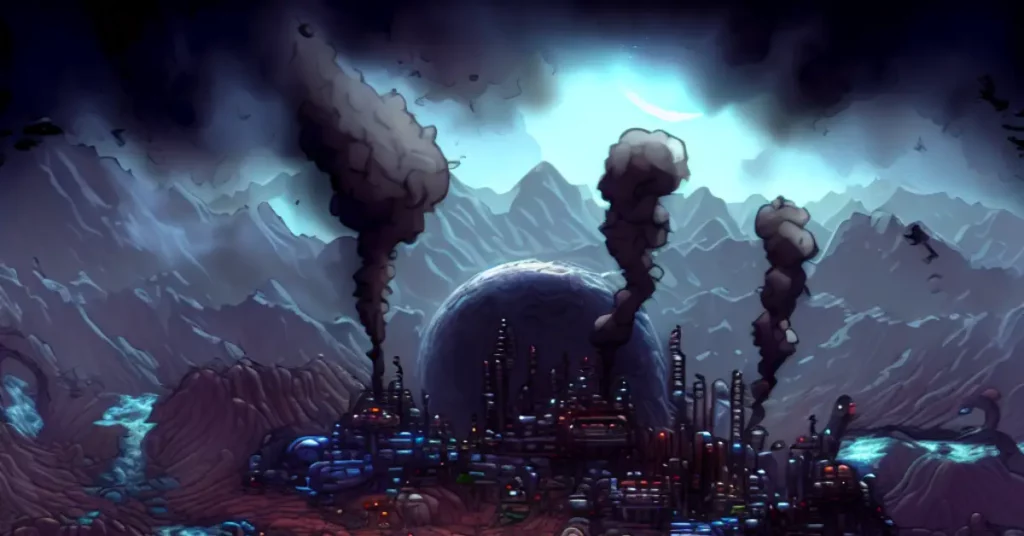
In RimWorld, players assume the role of colonists stranded on an unforgiving and procedurally generated planet. Similar to Terraria, exploration plays a vital role in RimWorld’s gameplay. As players uncover the secrets of the planet’s diverse biomes and encounter unique events, they must strategize to ensure the survival and prosperity of their colony.
Like Terraria’s crafting system, RimWorld presents an intricate item production mechanic. Players can gather resources, research new technologies, and craft equipment, furniture, and structures to enhance their colony’s efficiency and defense. The ability to design and build intricate bases adds depth and customization to the gameplay experience.
One of RimWorld’s standout features is its dynamic storytelling. Each playthrough generates a unique narrative driven by the interactions between the colonists and the challenges they face.
The AI storyteller system dynamically adjusts events based on the player’s progress, ensuring that no two playthroughs are alike. This element of unpredictability keeps players engaged and fosters replayability.
Additionally, RimWorld offers a vibrant modding community, similar to Terraria. Players can extend their game experience with user-created content, from new items and events to entirely new scenarios. This further enriches the game’s longevity and allows players to tailor their experience to their preferences.
In conclusion, RimWorld stands as a captivating game in the vein of Terraria. With its emphasis on exploration, intricate crafting systems, dynamic storytelling, and a thriving modding community, RimWorld offers a unique and engaging experience that will satisfy fans of games like Terraria and beyond.
Notable Features:-
1. Procedurally Generated Worlds
Like Terraria, RimWorld boasts procedurally generated worlds that offer immense replayability. Each playthrough presents a unique environment with diverse landscapes, biomes, and resources. This feature ensures that no two experiences are alike, enticing players to explore and discover new surprises with each new colony they establish.
2. Complex Colony Management
RimWorld challenges players to manage a colony of survivors. Like Terraria’s focus on crafting and construction, RimWorld requires players to allocate resources, assign tasks, and build structures to ensure the colony’s survival and growth. From gathering food and defending against threats to researching new technologies, every decision impacts the colony’s fate.
3. Deep Character Development
Character development plays a crucial role in RimWorld, much like the progression of players’ characters in Terraria. Each colonist possesses unique traits, skills, and backgrounds, influencing their abilities and interactions. Managing relationships, assigning roles, and catering to individual needs and desires becomes essential for a harmonious and efficient colony.
4. Narrative-driven Events
RimWorld introduces compelling narrative-driven events that add depth and immersion to the gameplay. These events range from hostile raids and natural disasters to diplomatic encounters and surprises. The AI storyteller dynamically generates these events, considering the player’s progress and decisions, resulting in a dynamic and engaging storytelling experience.
5. Modding Support
Similar to Terraria’s thriving modding community, RimWorld embraces modding support. The game provides a platform for players to create and share their custom content, including new items, characters, scenarios, and even mods that overhaul the gameplay.
This extensive modding capability allows players to tailor their RimWorld experience to their preferences, further expanding the game’s possibilities.
In summary, RimWorld showcases a range of notable features that make it a standout game in the same vein as Terraria. Its procedurally generated worlds, complex colony management, deep character development, narrative-driven events, and robust modding support contribute to an immersive and endlessly customizable gaming experience.
Platform Availability:-
- PC, Mac, Linux

2. Stardew Valley
Stardew Valley is a captivating title that shares similarities with games like Terraria, providing a unique and enchanting experience. Developed by ConcernedApe, this farming simulation game has garnered a dedicated fan base with its immersive gameplay and charming world.
In Stardew Valley, players find themselves in the shoes of a character who inherits a neglected farm in a small, rural town. Like in Terraria, exploration plays a vital role in Stardew Valley’s gameplay. The expansive world is ripe with lush landscapes, mysterious caves, and hidden areas waiting to be discovered and unearthed.
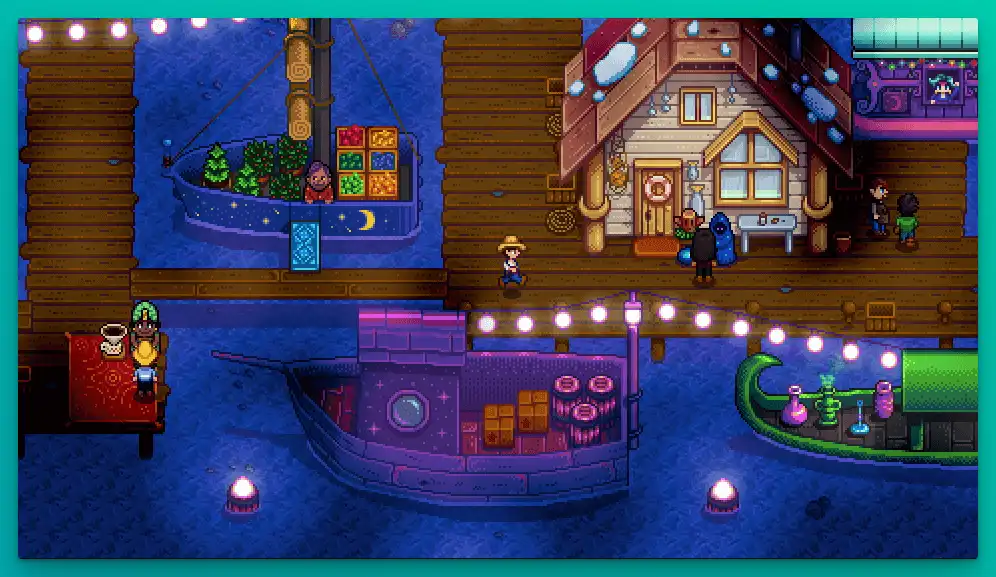
Like Terraria’s crafting system, Stardew Valley offers robust crafting and farming mechanics. Players can till the soil, plant, and nurture crops, raise livestock, and even delve into the art of artisanal production, creating valuable goods from raw materials. The ability to customize and expand the farm adds depth and personalization to the gameplay experience.
One notable aspect of Stardew Valley is its rich social interactions. Players can engage with the town’s colorful characters, forging relationships, participating in festivals, and even finding love. This element adds depth and immersion, akin to the sense of community in Terraria.
Furthermore, Stardew Valley captures the essence of progression. As players cultivate their farm, improve their skills, and unravel the town’s secrets, they unlock new areas, crops, and activities. This sense of growth and accomplishment parallels the rewarding progression found in Terraria.
In conclusion, Stardew Valley exemplifies a game akin to Terraria, focusing on exploration, robust crafting and farming mechanics, rich social interactions, and a satisfying sense of progression.
Its enchanting world and captivating gameplay make it a delightful experience for fans of games like Terraria and those seeking a tranquil escape to a virtual countryside.
Notable Features:-
1. Immersive Farming and Crafting
Stardew Valley, like Terraria, offers a deeply immersive farming and crafting experience. Players can cultivate their land, plant and grow various crops, raise livestock, and even engage in fishing and mining. The intricate crafting system allows players to create tools, equipment, and artisan goods, adding a sense of creativity and personalization to their farming endeavors.
2. Expansive World and Exploration
Like Terraria’s exploration focus, Stardew Valley presents players with an expansive world to discover. The game offers a wealth of hidden treasures and surprises, from the picturesque town and lush farmland to the mysterious caves and secret locations. Exploring the diverse environments and uncovering their secrets adds a sense of adventure and intrigue to the gameplay.
3. Meaningful Social Interactions
Stardew Valley emphasizes meaningful social interactions with its vibrant cast of characters. Like Terraria’s community engagement, players can form friendships, build relationships, and start families with the town’s residents. Each character has a unique personality and backstory, creating an immersive and dynamic social landscape that enhances the sense of belonging in the game world.
4. Seasonal Changes and Events
In line with Terraria’s dynamic events, Stardew Valley features seasonal changes and various town events. Each season brings its own set of activities, festivals, and opportunities for players to engage with the community and experience the ever-changing atmosphere of the game. These events add depth and variety to the gameplay, ensuring there is always something new and exciting to look forward to.
5. Freedom and Player Agency
Stardew Valley, much like Terraria, offers players a great degree of freedom and player agency. No strict objectives or time limits allow players to progress at their own pace and pursue the most enjoyable activities.
Whether they prefer focusing on farming, exploring, building relationships, or delving into the game’s other features, Stardew Valley caters to different playstyles and encourages players to follow their paths.
In summary, Stardew Valley encompasses a range of notable features that make it a game reminiscent of Terraria.
With its immersive farming and crafting mechanics, expansive world and exploration, meaningful social interactions, seasonal changes and events, and emphasis on player agency, Stardew Valley offers a rich and fulfilling gameplay experience that appeals to fans of games like Terraria and beyond.
Platform Availability:-
- PC, Console, Mobile

3. Factorio
Factorio is an exceptional title that shares similarities with games like Terraria, offering a unique and captivating experience. Developed by Wube Software, this factory building and automation game has garnered a dedicated following with its intricate gameplay and addictive mechanics.
Factorio challenges players to establish and expand their industrial empire on an alien planet. Like Terraria’s emphasis on exploration, Factorio encourages players to explore the vast and resource-rich environment, uncovering new territories and strategic locations to build their factories.
Like Terraria’s crafting system, Factorio presents a complex production chain that requires players to gather resources, research technologies, and design intricate automated production systems. The game’s emphasis on efficiency and optimization mirrors the meticulous planning and construction found in Terraria.
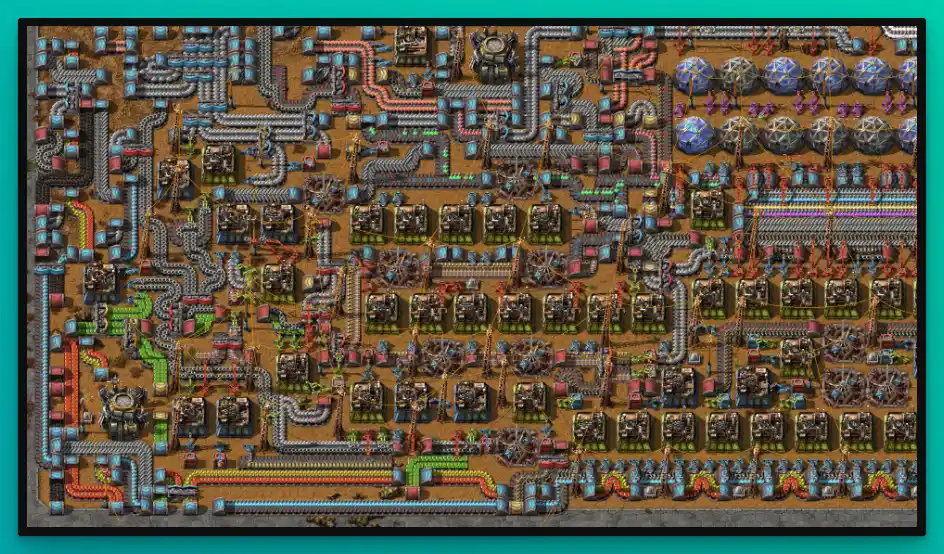
One of Factorio’s notable features is its logistics network. Players can create a vast interconnected web of conveyor belts, transportation systems, and robotic arms to automate the movement of resources and products throughout their factories. This focus on logistics and automation parallels Terraria’s attention to streamlining and optimizing gameplay.
Moreover, Factorio offers a sandbox mode that grants players endless creative possibilities. Like Terraria’s open-ended nature, this mode allows players to experiment with different production layouts, expand their factories, and devise innovative solutions to logistical challenges. The freedom to build and customize their industrial empire reflects the creative potential found in Terraria.
Factorio also provides a thriving modding community that expands the game’s content and extends its replayability. Players can enhance their Factorio experience with user-created mods introducing new technologies, resources, and challenges. This dedication to modding resonates with Terraria’s vibrant modding scene.
In conclusion, Factorio demonstrates qualities reminiscent of Terraria, focusing on exploration, complex production chains, logistics networks, sandbox mode, and modding support.
Its addictive gameplay and limitless creative possibilities make it an enticing choice for fans of games like Terraria, and those seeking an immersive factory-building experience that rewards ingenuity and efficiency.
Notable Features:-
1. Complex Factory Building and Automation
Factorio, much like Terraria, offers a deeply engaging factory building and automation experience. Players start with simple machines and gradually construct complex production, transportation, and resource management systems. The game challenges players to design efficient factories that automate the creation of various products, promoting strategic planning and problem-solving.
2. Emphasis on Efficiency and Optimization
Like Terraria’s focus on optimization, Factorio rewards players for efficiency and optimization. Players are encouraged to streamline their production processes, minimize waste, and maximize output. This requires careful planning, resource management, and the continuous improvement of production lines. The game’s satisfaction lies in finding innovative ways to optimize and enhance factory performance.
3. Expansive Exploration and Resource Gathering
Factorio offers a vast alien world for players to explore and gather resources. Like Terraria, players venture into uncharted territories, seeking valuable resources to fuel their industrial operations. The game’s procedurally generated maps provide a sense of discovery and encourage players to expand their reach, uncover new resource patches, and overcome environmental obstacles.
4. Logistics and Automation Systems
One of Factorio’s standout features is its logistics and automation systems. Players can create complex networks of conveyor belts, trains, robotic arms, and other automated components to transport resources and products throughout their factories. This level of automation allows for efficient production chains and frees up time for players to focus on expansion and optimization.
5. Sandbox Mode and Modding Support
Factorio offers a sandbox mode that allows players to unleash their creativity. Like Terraria, this mode allows players to experiment, design, and build without restrictions. Factorio’s modding support also empowers the community to create and share custom mods that introduce new features, technologies, and challenges, extending the game’s longevity and offering diverse gameplay experiences.
In summary, Factorio showcases a range of notable features that make it a standout game akin to Terraria. With its complex factory building and automation mechanics, emphasis on efficiency and optimization, expansive exploration, logistics and automation systems, and sandbox mode and modding support, Factorio offers a captivating and immersive experience for players seeking a deep and rewarding industrial simulation.
Platform Availability:-
- PC, Mac, Linux
4. Minecraft
Minecraft is a legendary title in the gaming world, sharing similarities with Terraria while offering a unique and expansive experience. Developed by Mojang Studios, this sandbox game has captured the hearts of millions with its endless possibilities and creative gameplay.
Minecraft, like Terraria, presents players with a vast, procedurally generated world to explore and shape. The game offers a sense of awe and discovery, from sprawling biomes and towering mountains to deep caves and mysterious structures.
Like Terraria, Minecraft’s exploration elements encourage players to embark on epic adventures and uncover hidden treasures.
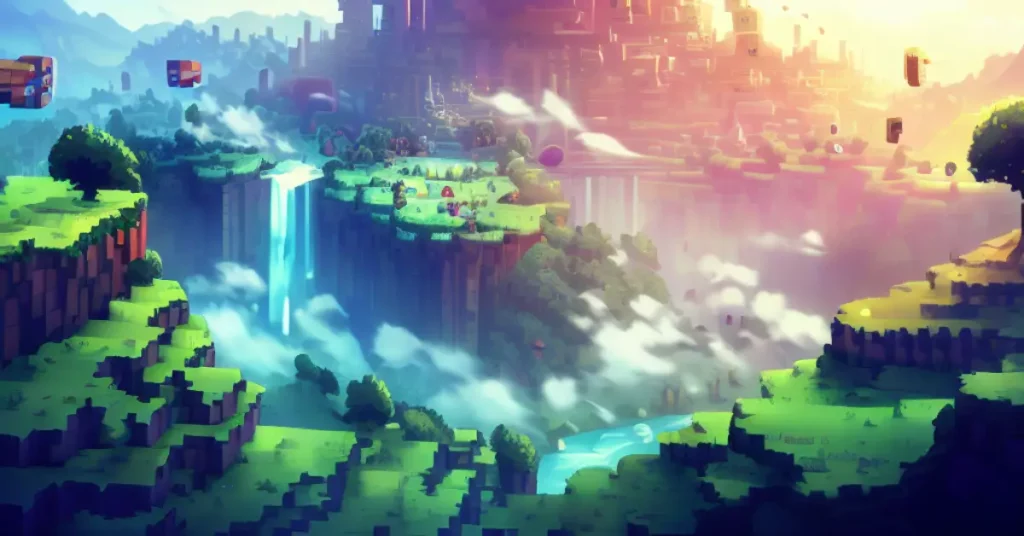
The crafting system in Minecraft mirrors Terraria’s emphasis on resource gathering and item creation. Players can mine blocks, gather materials, and use them to craft various tools, weapons, and building blocks. The intricate recipes and endless combinations of materials empower players to unleash their creativity and construct magnificent structures.
Building is a central aspect of both Minecraft and Terraria. In Minecraft, players can construct elaborate buildings, redstone contraptions, and even entire cities. The game’s versatile building blocks and the ability to manipulate the environment allow for limitless architectural possibilities, just like Terraria’s focus on construction and customization.
Minecraft’s sense of adventure and exploration is enhanced by its unique creatures, such as creepers, zombies, and endermen, which inhabit the world and provide challenges to overcome. Players can embark on quests, explore dangerous dungeons, or even venture into a dimension called the Nether.
Furthermore, Minecraft’s vibrant community has fostered a thriving modding scene that expands the game’s horizons. Like Terraria, players can enhance their Minecraft experience with user-created mods introducing new features, items, and gameplay mechanics. This modding support further extends Minecraft’s longevity and offers diverse experiences tailored to individual preferences.
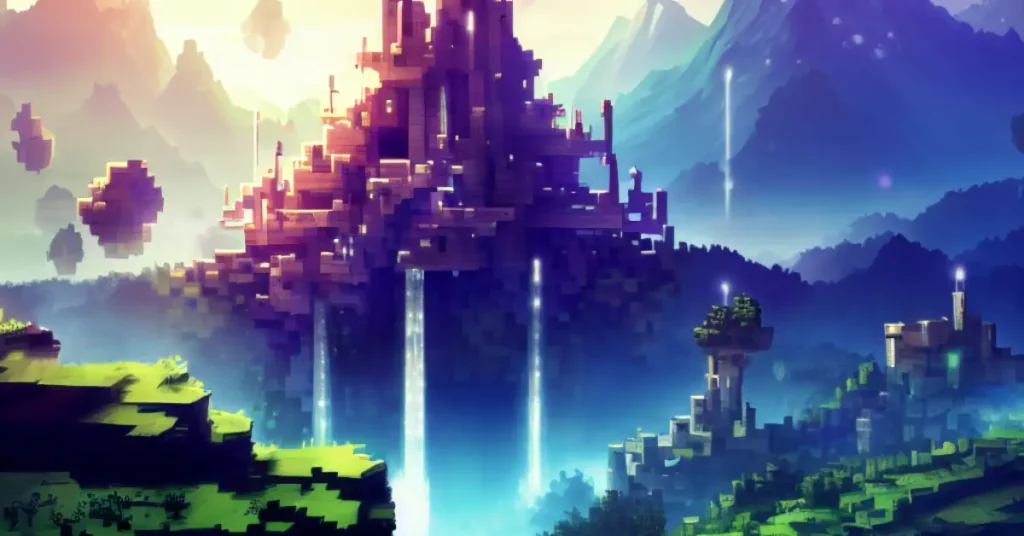
In conclusion, Minecraft stands as a prominent game in the vein of Terraria. Its emphasis on exploration, intricate crafting system, building mechanics, adventurous spirit, and vibrant modding community contribute to its enduring popularity.
Minecraft provides players with a rich and boundless world to explore, shape, and create, making it a captivating choice for fans of games like Terraria and those seeking an immersive sandbox experience.
Notable Features:-
1. Boundless Creative Freedom
Similar to Terraria, Minecraft offers boundless creative freedom for players. The game provides a vast and procedurally generated world where players can build and shape their surroundings to their heart’s content. From constructing towering structures to crafting intricate landscapes, the only limit is one’s imagination.
2. Extensive Crafting and Resource Gathering
Minecraft, like Terraria, features an extensive crafting system that allows players to gather resources and create many items, tools, and equipment. From basic wooden tools to advanced enchantments, players can explore various crafting recipes and unlock the full potential of the game’s materials.
3. Adventurous Exploration
In line with Terraria’s focus on exploration, Minecraft offers a vast and diverse world. Players can venture into deep caves, navigate treacherous mountains, and discover hidden villages, temples, and strongholds. The thrill of uncovering new locations and encountering unique creatures adds an adventurous element to the gameplay.
4. Dynamic Survival Mechanics
Survival plays a crucial role in both Minecraft and Terraria. Minecraft’s survival mechanics require players to manage hunger, health, and dangerous encounters with hostile creatures. Building shelters, farming food, and crafting weapons become essential as players strive to survive and thrive in the challenging world.
5. Thriving Community and Mods
Minecraft boasts a thriving community like Terraria, fostering a wealth of player-generated content and mods. The passionate player base creates and shares custom mods, resource packs, and mini-games, expanding the game’s possibilities. This active community enhances replayability and ensures a constant stream of fresh content.
6. Multiplayer and Collaboration
Like Terraria, Minecraft offers multiplayer features that enable players to collaborate, compete, or enjoy the game together. Players can join forces to build grand structures, embark on adventures, or engage in friendly competitions. The cooperative and interactive nature of multiplayer adds a social aspect to the gameplay experience.
In summary, Minecraft showcases a range of notable features that make it a game akin to Terraria. With its boundless creative freedom, extensive crafting and resource-gathering mechanics, adventurous exploration, dynamic survival elements, thriving community and modding support, and multiplayer capabilities, Minecraft offers a rich and immersive sandbox experience that has captivated players worldwide.
Platform Availability:-
- PC, Console, Mobile
5. Subnautica
Subnautica emerges as a compelling title that shares commonalities with games like Terraria, while offering a unique and immersive experience. Developed by Unknown Worlds Entertainment, this underwater exploration game has captivated players with its stunning visuals and captivating gameplay.
In Subnautica, players find themselves stranded on an alien planet covered almost entirely by water. Like Terraria’s emphasis on exploration, Subnautica immerses players in an oceanic world filled with vibrant marine life and mysterious underwater biomes.
The sense of wonder and curiosity evoked by the underwater landscapes is akin to the awe-inspiring environments found in Terraria.
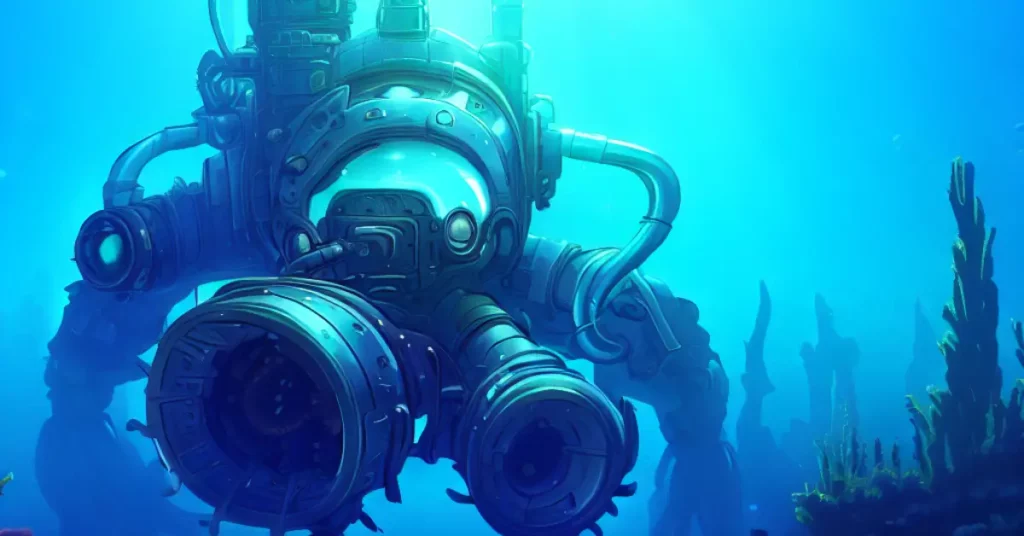
Like Terraria’s crafting system, Subnautica presents players with resource-gathering and crafting challenges. Players must scavenge for materials and construct essential equipment, vehicles, and habitats to survive and thrive in the depths. The game’s emphasis on ingenuity and creativity in crafting mirrors the intricate crafting mechanics found in Terraria.
One of Subnautica’s standout features is its narrative-driven gameplay. Players uncover the mysteries of the alien planet through engaging storyline progression and exploration-driven quests. The game’s rich lore and atmospheric storytelling create a sense of intrigue and captivate players, similar to Terraria’s immersive storytelling elements.
Furthermore, Subnautica’s underwater survival mechanics challenge players to manage vital resources such as oxygen, food, and hydration. Building underwater bases, exploring wrecks, and encountering unique marine creatures adds depth and excitement to the gameplay experience, akin to Terraria’s focus on survival elements.
In conclusion, Subnautica offers a game experience akin to Terraria, emphasizing underwater exploration, resource gathering, crafting mechanics, narrative-driven gameplay, and underwater survival challenges.
The immersive underwater world, captivating storyline, and engaging gameplay make Subnautica an enticing choice for fans of games like Terraria and those seeking a unique and awe-inspiring underwater adventure.
Notable Features:-
1. Immersive Underwater Exploration
Subnautica, much like Terraria, offers immersive underwater exploration as a central gameplay element. The game presents players with a vast and diverse oceanic world to discover. From vibrant coral reefs to eerie deep-sea trenches, Subnautica’s underwater environments are rich with life and mystery, encouraging players to dive deeper and uncover the secrets of the alien planet.
2. Resource Gathering and Crafting
Similar to Terraria’s crafting system, Subnautica requires players to gather resources from the environment to survive and progress. Players can harvest materials, such as metals, minerals, and plant life, and use them to craft various tools, equipment, and even underwater bases. The intricate crafting system provides a sense of progression and customization, allowing players to adapt and thrive in the hostile underwater environment.
3. Compelling Narrative and Exploration-Driven Quests
Subnautica features a compelling narrative that unfolds as players explore the depths of the alien planet. Through exploration-driven quests and environmental storytelling, players uncover the planet’s mysteries and their backstory. This narrative-driven approach, akin to Terraria’s immersive storytelling, adds depth and purpose to the gameplay, motivating players to explore and progress further.
4. Underwater Survival Challenges
Survival plays a significant role in both Subnautica and Terraria. Subnautica’s underwater survival challenges require players to manage resources such as oxygen, food, and hydration. Additionally, players must navigate treacherous underwater caves, avoid hostile creatures, and overcome environmental hazards. The constant struggle for survival adds tension and excitement to the gameplay, paralleling Terraria’s survival elements.
5. Unique Marine Life and Ecosystems
Subnautica showcases a unique ecosystem filled with diverse and fascinating marine life. Players encounter various creatures, ranging from small fish to massive sea monsters. These creatures’ intricate design and behavior create a sense of immersion and wonder akin to the diverse and fantastical creatures in Terraria’s world.
In summary, Subnautica encompasses a range of notable features that make it a game similar to Terraria.
With its immersive underwater exploration, resource gathering, and crafting mechanics, compelling narrative and exploration-driven quests, underwater survival challenges, and unique marine life and ecosystems, Subnautica offers a captivating and unforgettable underwater adventure for fans of games like Terraria and those seeking a distinct and immersive gameplay experience.
Platform Availability:-
- PC and Console
6. Don’t Starve
Don’t Starve is a captivating title that shares similarities with games like Terraria, offering a unique and challenging experience. Developed by Klei Entertainment, this survival game has captured players’ attention with its dark and whimsical world.
In Don’t Starve, players are in a hostile and unforgiving environment. Like Terraria’s focus on survival, Don’t Starve challenges players to sustain themselves by gathering resources, crafting tools, and managing their hunger and sanity.
The game’s relentless nature and emphasis on resource management evoke a sense of urgency and strategic thinking akin to the survival elements found in Terraria.
Exploration is a vital aspect of both Don’t Starve and Terraria. In Don’t Starve, players venture into unexplored territories filled with unique biomes and dangerous creatures. The sense of discovery and the need to uncover resources and shelter mirrors the exploration-driven gameplay of Terraria.
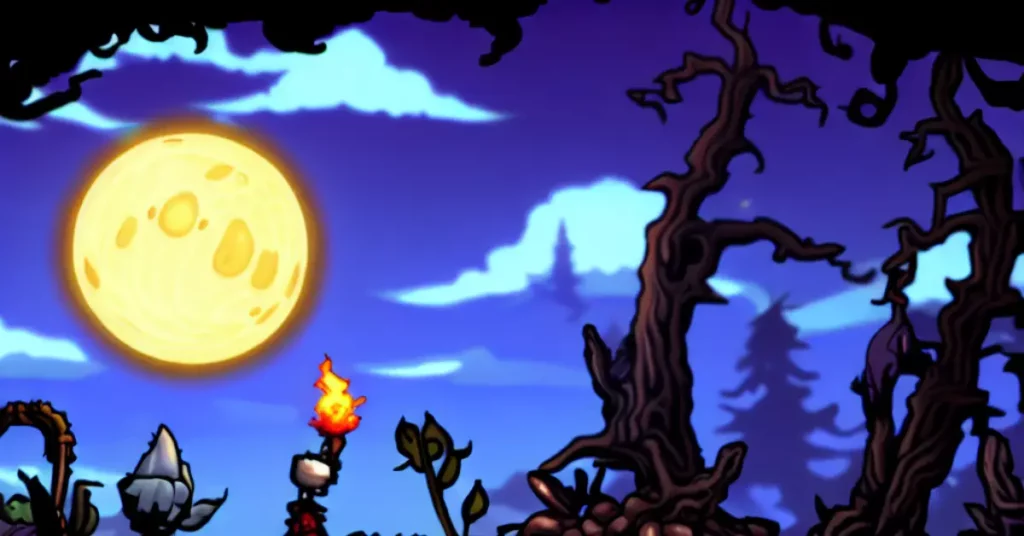
Don’t Starve’s crafting system allows players to create various tools, structures, and survival items from their collected resources. Like Terraria’s crafting mechanics, players must carefully choose their recipes and utilize their materials wisely to ensure survival.
The complexity of the crafting system in Don’t Starve adds depth and creativity to the gameplay experience.
One notable aspect of Don’t Starve is its distinctive art style and atmospheric soundtrack, which create a unique and immersive world. The hand-drawn visuals and haunting melodies contribute to the game’s dark and whimsical atmosphere, reminiscent of Terraria’s captivating aesthetic.
Furthermore, Don’t Starve offers a range of challenging gameplay modes that cater to different playstyles and preferences. From the standard survival mode to more intense experiences like Don’t Starve Together (the multiplayer mode), the game provides a diverse and engaging gameplay experience.
In conclusion, Don’t Starve embodies qualities that make it a game akin to Terraria. With its emphasis on survival, exploration, crafting, distinctive art style, and challenging gameplay modes, Don’t Starve offers a captivating and unforgiving adventure for fans of games like Terraria and those seeking a unique and atmospheric survival experience.
Notable Features:-
1. Harsh Survival Challenges
Similar to Terraria, Don’t Starve presents players with harsh survival challenges. Players must manage their hunger, sanity, and health while navigating a hostile environment. Finding food, shelter, and resources becomes crucial to prolonging survival. The game’s unforgiving nature keeps players on their toes and rewards strategic decision-making.
2. Exploration and Uncharted Territories
Exploration plays a vital role in both Don’t Starve and Terraria. In Don’t Starve, players venture into uncharted territories searching for resources, encountering unique biomes and dangerous creatures. The game’s procedurally generated world provides a sense of discovery and encourages players to uncover its secrets.
3. Intricate Crafting and Resource Management
Don’t Starve features an intricate crafting system that requires players to gather resources and craft tools, weapons, and structures to survive. Players must carefully manage their resources and prioritize crafting choices to adapt to the ever-changing demands of their environment. This resource management aspect, similar to Terraria, adds depth and strategy to the gameplay.
4. Distinctive Art Style and Atmosphere
Don’t Starve’s distinctive art style sets it apart, creating a dark and whimsical atmosphere. The hand-drawn visuals and an atmospheric soundtrack contribute to the game’s unique and immersive world. The captivating art style enhances the sense of mystery and exploration, captivating players throughout their survival journey.
5. Challenging Gameplay Modes
Don’t Starve offers a variety of challenging gameplay modes to cater to different player preferences. From the standard survival mode to the cooperative multiplayer experience of Don’t Starve Together, the game provides diverse options for players to test their survival skills. These modes enhance replayability and foster cooperative or competitive play.
6. Dynamic Events and Seasons
Like Terraria’s dynamic events, Don’t Starve incorporates dynamic seasonal changes that impact gameplay. The changing seasons bring challenges and opportunities, such as extreme weather conditions or unique resources. Adapting to the ever-shifting environment becomes crucial for long-term survival, paralleling the dynamic gameplay elements of Terraria.
In summary, Don’t Starve encompasses a range of notable features that make it a game reminiscent of Terraria.
With its harsh survival challenges, exploration, intricate crafting and resource management mechanics, distinctive art style and atmosphere, challenging gameplay modes, and dynamic events and seasons, Don’t Starve offers a captivating and demanding survival experience for fans of games like Terraria and those seeking a unique and challenging adventure.
Platform Availability:-
- PC, Console, and Mobile
7. The Forest
The Forest is an intriguing title that shares similarities with games like Terraria, providing a unique and immersive gaming experience. Developed by Endnight Games, this survival horror game has captivated players with its atmospheric setting and intense gameplay.
In The Forest, players find themselves stranded on a mysterious island inhabited by cannibalistic mutants. Like Terraria’s focus on survival, The Forest challenges players to gather resources, construct shelters, and defend against hostile creatures.
The game’s survival mechanics and the constant threat of danger evoke a sense of urgency and strategic decision-making akin to the survival elements found in Terraria.
Exploration is a crucial aspect of both The Forest and Terraria. In The Forest, players navigate the island’s dense forest environments in search of supplies, caves, and clues to uncover the island’s mysteries.
The sense of exploration and the need to discover hidden locations and resources parallel the exploration-driven gameplay of Terraria.
The Forest’s crafting system allows players to create various tools, weapons, and structures using their collected resources. Similar to Terraria’s crafting mechanics, players must utilize their materials wisely to craft essential items for survival and defense.
The ability to customize and upgrade their equipment adds depth and progression to the gameplay experience.
One notable feature of The Forest is its dynamic building system. Players can construct intricate fortifications and defense mechanisms to protect their shelters from mutant attacks. The game’s emphasis on base building and fortification, akin to Terraria’s construction elements, allows players to establish safe havens and fortresses amid danger.
Furthermore, The Forest offers a cooperative multiplayer mode, enabling players to collaborate with friends and survive together. Like Terraria’s multiplayer feature, cooperative play in The Forest enhances the survival experience and fosters teamwork in the face of the island’s perils.
In conclusion, The Forest encompasses qualities that make it a game similar to Terraria. Focusing on survival, exploration, crafting mechanics, a dynamic building system, and cooperative multiplayer mode, The Forest offers a captivating and chilling adventure for fans of games like Terraria and those seeking a thrilling and immersive survival experience.
Notable Features:-
1. Atmospheric Survival Horror
The Forest, like Terraria, offers an atmospheric survival horror experience that keeps players on the edge of their seats. The game’s haunting and immersive environment, filled with eerie sounds and unsettling visuals, creates a sense of tension and fear. Players must navigate the island’s dark forests and encounter hostile mutants, fostering a thrilling and intense gameplay experience.
2. Resource Gathering and Crafting
Like Terraria’s crafting system, The Forest requires players to gather environmental resources to survive and progress. Players can scavenge for materials like wood, rocks, and plants, which can be used to craft essential tools, weapons, and structures. The game’s emphasis on resource management and crafting mirrors the intricate mechanics found in Terraria.
3. Exploration and Uncovering Mysteries
Exploration plays a vital role in both The Forest and Terraria. In The Forest, players must explore the island to find supplies, discover hidden caves, and unravel the mysteries that shroud the environment. The sense of discovery and the need to uncover the island’s secrets parallel the exploration-driven gameplay of Terraria.
4. Dynamic Building and Fortification
The Forest features a dynamic building system that allows players to construct and fortify their shelters. Like Terraria’s construction elements, players can design elaborate structures, defensive walls, and traps to protect themselves from mutant attacks. The ability to fortify and customize shelters adds depth and strategic planning to the gameplay experience.
5. Cooperative Multiplayer
Like Terraria, The Forest offers a cooperative multiplayer mode, enabling players to collaborate with friends and survive together. Cooperative play encourages teamwork, as players work together to gather resources, build defenses, and fend off mutant attacks.
The cooperative multiplayer aspect enhances the social and survival aspects of the game, fostering a shared and thrilling gameplay experience.
6. Engaging Storyline
The Forest presents an engaging storyline that unfolds as players explore the island and encounter various narrative elements. Players piece together the story behind the island and their purpose through environmental cues and scattered clues. This narrative-driven approach, reminiscent of Terraria’s immersive storytelling, adds depth and intrigue to the gameplay experience.
In summary, The Forest offers a range of notable features that make it a game akin to Terraria.
With its atmospheric survival horror elements, resource gathering and crafting mechanics, exploration-driven gameplay, dynamic building and fortification system, cooperative multiplayer mode, and engaging storyline, The Forest provides a chilling and immersive adventure for fans of games like Terraria and those seeking a suspenseful and strategic survival experience.
8. Oxygen Not Included
Oxygen Not Included is a captivating title that shares similarities with games like Terraria, offering a unique and challenging experience. Developed by Klei Entertainment, this colony simulation game has captivated players with its deep gameplay mechanics and immersive world.
In Oxygen Not Included, players manage a colony of duplicants on an isolated asteroid. Similar to Terraria’s focus on resource management, Oxygen Not Included requires players to gather resources, build infrastructure, and maintain their colony’s well-being.
The game’s intricate resource management mechanics evoke strategic decision-making and planning, akin to the gameplay elements found in Terraria.
Like Terraria’s emphasis on exploration, Oxygen Not Included encourages players to explore the asteroid and uncover valuable resources and discoveries. The sense of discovery and the need to expand the colony’s reach parallel the exploration-driven gameplay of Terraria.
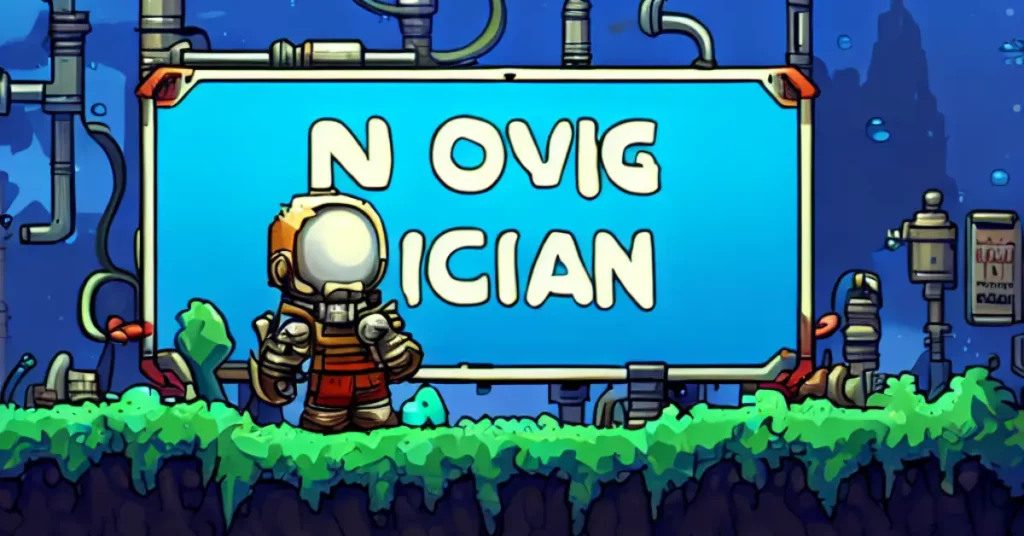
Oxygen Not Included’s complex systems add depth and challenge to the game. Players must manage various aspects such as oxygen generation, temperature control, food production, and waste management. Balancing these systems and ensuring the survival and well-being of the colony is a constant and rewarding task, similar to the intricate mechanics in Terraria.
One notable feature of Oxygen Not Included is its emphasis on creativity and problem-solving. Players must devise innovative solutions to overcome challenges and manage the limited resources.
The ability to design intricate systems, experiment with different strategies, and find creative solutions to ensure the colony’s survival parallels the creativity and problem-solving elements in Terraria.
Furthermore, Oxygen Not Included’s aesthetic style and unique humor contribute to its charm. The game’s whimsical visuals and humorous animations create a delightful and engaging atmosphere, adding to the overall enjoyment of the gameplay experience.
In conclusion, Oxygen Not Included encompasses qualities that make it a game akin to Terraria. With its colony simulation gameplay, emphasis on resource management, exploration-driven mechanics, complex systems, and creativity in problem-solving, Oxygen Not Included offers a captivating and intellectually stimulating experience for fans of games like Terraria and those seeking a unique and challenging colony simulation adventure.
Notable Features:-
1. Colony Simulation and Resource Management
Oxygen Not Included, like Terraria, offers a captivating colony simulation experience that requires players to manage resources and the well-being of their duplicants. Players must balance various aspects, including oxygen generation, temperature control, food production, and waste management. The intricate resource management mechanics and colony simulation elements provide a challenging and engaging gameplay experience.
2. Exploration and Uncovering Resources
Like Terraria’s focus on exploration, Oxygen Not Included encourages players to explore the asteroid and uncover valuable resources. Players must venture into uncharted territories, discover new biomes, and extract resources to support their colony’s growth and survival. The sense of discovery and the need to expand the colony’s reach parallel the exploration-driven gameplay of Terraria.
3. Creative Problem-Solving
Oxygen Not Included fosters creative problem-solving as players devise innovative solutions to overcome challenges. With limited resources and constant demands, players must think strategically, experiment with different setups, and find creative ways to optimize their colony’s systems. This emphasis on creativity and problem-solving echoes the gameplay elements found in Terraria.
4. Intricate Systems and Complex Mechanics
The game’s intricate systems add depth and complexity to Oxygen Not Included. Players must manage various interconnected systems, from maintaining oxygen to controlling temperature and food production. Balancing these systems and optimizing their colony’s efficiency requires careful planning and decision-making, providing a rewarding and intellectually stimulating gameplay experience.
5. Whimsical Aesthetic and Unique Humor
Oxygen Not Included’s whimsical aesthetic and unique humor contribute to its charm. The game’s colorful visuals, playful animations, and witty writing create an enjoyable and engaging atmosphere. This distinctive art style and humor add to the overall appeal and make the gameplay experience delightful and memorable.
In summary, Oxygen Not Included encompasses a range of notable features that make it a game similar to Terraria.
With its colony simulation and resource management mechanics, exploration-driven gameplay, creative problem-solving, intricate systems and complex mechanics, and whimsical aesthetic and unique humor, Oxygen Not Included offers a captivating and intellectually stimulating experience for fans of games like Terraria and those seeking a challenging and immersive colony simulation adventure.
9. No Man’s Sky
No Man’s Sky is an expansive title that shares similarities with games like Terraria, offering a unique and vast gaming experience. Developed by Hello Games, this exploration and survival game has captivated players with its massive procedural universe and limitless possibilities.
In No Man’s Sky, players embark on a galactic exploration journey, traversing planets, star systems, and even entire galaxies.
Similar to Terraria’s focus on exploration, No Man’s Sky immerses players in a universe filled with unique planets, alien lifeforms, and mysterious structures. The sense of wonder and the limitless potential for discovery is akin to the exploration-driven gameplay of Terraria.
No Man’s Sky’s procedurally generated universe is one of its standout features. With billions of planets to explore, each with its own unique terrain, climate, and flora and fauna, the game offers a virtually endless playground for players.
This procedural generation element, similar to Terraria’s world generation, ensures that no two experiences are alike, enhancing replayability and sense of adventure.
Similar to Terraria’s survival elements, No Man’s Sky challenges players to survive and thrive in the vastness of space. Players must manage their resources, upgrade their equipment, and navigate hazardous environments to ensure their survival.
The game’s survival mechanics and the need to adapt to different planetary conditions create a sense of urgency and strategic decision-making.
One notable feature of No Man’s Sky is its seamless multiplayer experience. Players can explore and interact with other players in the vast universe. Whether collaborating on construction projects or engaging in interstellar battles, the multiplayer aspect enhances the social and cooperative aspects of the game, similar to Terraria’s multiplayer feature.
Furthermore, No Man’s Sky’s sandbox nature allows players to engage in various activities, such as base building, trading, space exploration, and space combat.
This diverse range of gameplay options, akin to Terraria’s versatile gameplay, ensures that players have the freedom to pursue their own path and create their unique adventures.
In conclusion, No Man’s Sky encompasses qualities that make it a game akin to Terraria.
With its vast exploration, procedural generation, survival mechanics, seamless multiplayer experience, and diverse gameplay options, No Man’s Sky offers a captivating and immersive experience for fans of games like Terraria and those seeking a limitless adventure in a vast universe.
Notable Features:-
1. Vast Procedural Universe
No Man’s Sky, like Terraria, offers a vast procedural universe for players to explore. With billions of planets to discover, each with unique landscapes, ecosystems, and creatures, the game provides an endless sense of exploration and discovery. The sheer scale of the universe, similar to the expansive world of Terraria, offers a limitless playground for players to embark on epic journeys.
2. Exploration and Discovery
Exploration is at the core of both No Man’s Sky and Terraria. No Man’s Sky immerses players in a universe brimming with unknown worlds, where they can venture into uncharted territories, scan new species, and uncover hidden treasures. The sense of wonder and the thrill of discovering new planets and landmarks parallel the exploration-driven gameplay of Terraria.
3. Survival and Resource Management
Like Terraria’s survival elements, No Man’s Sky challenges players to survive and thrive in harsh environments. While exploring, players must manage their resources, including oxygen, fuel, and supplies. The need to strategize and make critical decisions to ensure survival adds depth and challenge to the gameplay.
4. Seamless Multiplayer Experience
No Man’s Sky offers a seamless multiplayer experience, allowing players to explore and interact with others in the vast universe. Players can collaborate to embark on expeditions, build bases, or engage in space battles. The multiplayer aspect fosters social interactions and cooperative gameplay, similar to Terraria’s feature.
5. Base Building and Customization
No Man’s Sky allows players to build bases and customize their own space-faring experience. Players can construct bases on planets or in space, establish farms, and create unique structures. The freedom to shape and personalize their surroundings adds a creative and immersive element to the gameplay, reminiscent of Terraria’s building and customization options.
6. Diverse Gameplay Activities
No Man’s Sky offers a range of diverse gameplay activities, including space exploration, trading, combat, and story-driven missions. Players can engage in space battles, trade valuable resources, upgrade their ships, and follow a narrative path.
The versatility of gameplay options allows players to pursue their preferred playstyle, similar to the varied gameplay experiences offered by Terraria.
In summary, No Man’s Sky encompasses a variety of notable features that make it a game akin to Terraria.
With its vast procedural universe, exploration and discovery mechanics, survival and resource management elements, seamless multiplayer experience, base building and customization options, and diverse gameplay activities, No Man’s Sky offers an immersive and boundless adventure for fans of games like Terraria and those seeking an expansive and limitless gaming experience.
10. Craft the World
Craft the World emerges as a compelling title that shares similarities with games like Terraria, offering a unique and immersive gameplay experience. Developed by Dekovir Entertainment, this sandbox strategy game has captivated players with its blend of crafting, exploration, and survival.
Craft the World transports players into a procedurally generated world where they embark on a resource-gathering, crafting, and base-building journey.
Like Terraria’s emphasis on crafting, Craft the World challenges players to gather resources from the environment and use them to craft tools, weapons, and structures to expand their underground stronghold. The intricate crafting mechanics and the need to strategically manage resources parallel the gameplay elements found in Terraria.
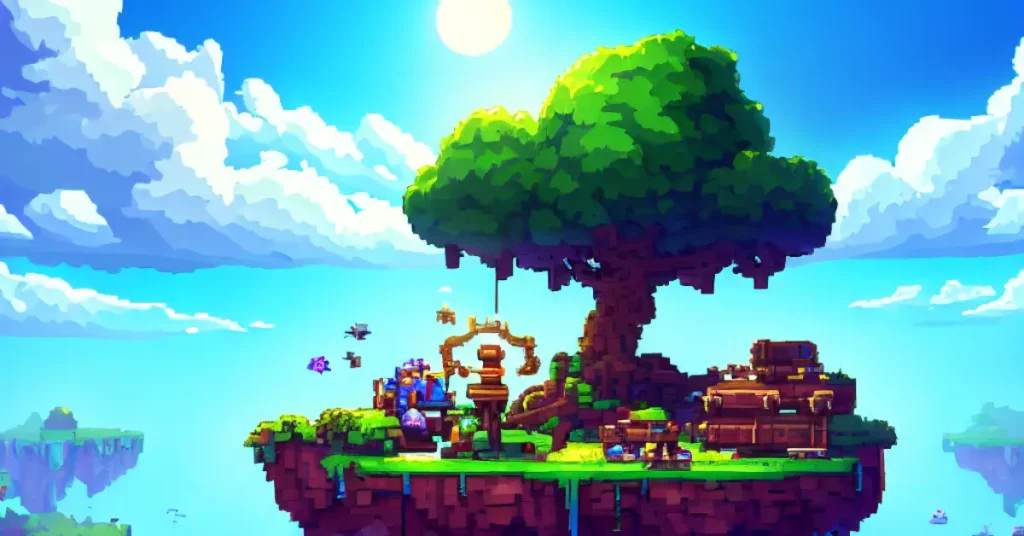
Exploration is a key aspect in both Craft the World and Terraria. In Craft the World, players venture into mysterious caves, ancient ruins, and dangerous dungeons in search of valuable resources and treasures. The sense of discovery and the thrill of uncovering hidden secrets parallel the exploration-driven gameplay of Terraria.
Craft the World’s strategy elements add depth and challenge to the game. Players must manage their dwarves, assigning tasks and ensuring their well-being while defending against enemies and monsters threatening their underground colony.
The need for strategic planning and decision-making to protect the dwarves and promote their growth echoes the strategic elements found in Terraria.
One notable feature of Craft the World is its multiplayer mode, which allows players to collaborate with friends and work together to build and expand their colonies. Cooperative play enhances the social aspect of the game, encouraging teamwork and shared accomplishments, similar to Terraria’s multiplayer feature.
Furthermore, Craft the World’s rich pixel art and charming visuals create a delightful and immersive world. The attention to detail and the vibrant aesthetics contribute to the game’s appeal and make the gameplay experience visually engaging and enjoyable.
In conclusion, Craft the World’s qualities make it a game akin to Terraria. With its focus on crafting, exploration, strategy, multiplayer mode, and captivating visuals, Craft the World offers a captivating and immersive experience for fans of games like Terraria and those seeking a unique blend of sandbox, strategy, and survival gameplay.
Notable Features:-
1. Procedurally Generated World
Craft the World, like Terraria, offers a procedurally generated world for players to explore. Each playthrough generates a unique and diverse environment with different biomes, landscapes, and resources. This feature ensures that no two gameplay experiences are identical, adding replayability and a sense of discovery.
2. Resource Gathering and Crafting
Craft the World incorporates resource gathering and crafting mechanics as essential gameplay elements. Players must explore the environment, mine resources, and gather materials to craft tools, weapons, and structures. The intricate crafting system allows for customization and progression, providing a sense of accomplishment and enhancing gameplay depth.
3. Exploration and Hidden Treasures
Similar to Terraria, Craft the World encourages players to engage in exploration. Players venture into mysterious caves, ancient ruins, and other locations to uncover hidden treasures and valuable resources. The sense of discovery, the thrill of exploration, and the reward of finding rare items parallel the exploration-driven gameplay of Terraria.
4. Strategic Gameplay and Defense
Craft the World incorporates strategic elements where players must manage their dwarves, assign tasks, and defend their underground colony against enemies and monsters. Players must plan defenses, fortify their base, and protect their dwarves from threats. The strategic decision-making aspect adds depth and challenge to the gameplay.
5. Cooperative Multiplayer Mode
Craft the World offers a cooperative multiplayer mode, allowing players to team up with friends and build and expand their colonies together. Cooperative play enhances the social aspect of the game, enabling collaboration, shared goals, and the ability to tackle challenges as a team.
6. Charming Visuals and Pixel Art
Craft the World’s charming visuals and rich pixel art contribute to its unique aesthetic. The attention to detail and vibrant colors bring the game’s world to life, creating an immersive and visually appealing experience.
In summary, Craft the World encompasses a variety of notable features that make it a game similar to Terraria.
With its procedurally generated world, resource gathering and crafting mechanics, exploration-driven gameplay, strategic elements, cooperative multiplayer mode, and charming visuals, Craft the World offers an engaging and immersive experience for fans of games like Terraria and those seeking a blend of sandbox, strategy, and exploration in their gameplay.
11. 7 Days to Die
7 Days to Die emerges as a captivating title that shares similarities with games like Terraria, offering a unique and thrilling gameplay experience. Developed by The Fun Pimps, this survival horror game has captivated players with its survival mechanics, base building, and open-world exploration.
In 7 Days to Die, players find themselves in a post-apocalyptic world overrun by zombies. Like Terraria’s focus on survival, 7 Days to Die challenges players to gather resources, craft tools and weapons, and build defenses to fend off hordes of undead enemies.
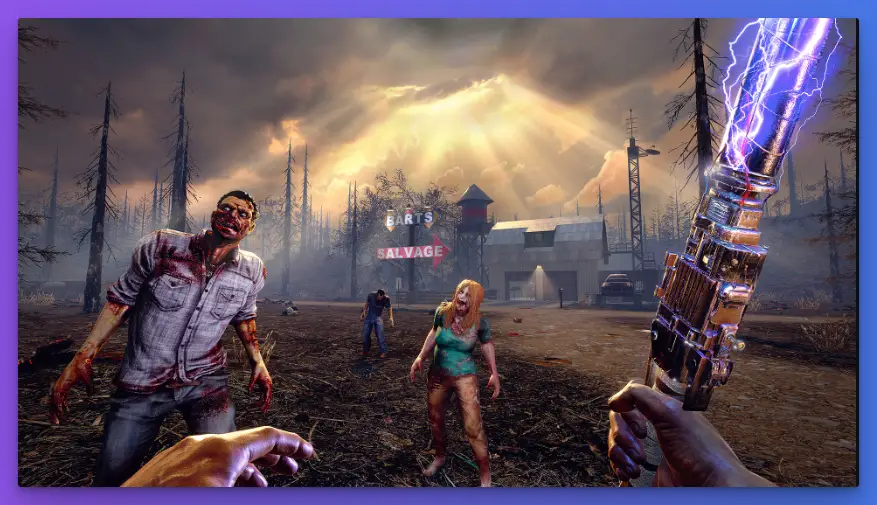
The game’s intense survival elements and the constant threat of danger evoke a sense of urgency and strategic decision-making, akin to the survival aspects found in Terraria.
Exploration is a crucial aspect in both 7 Days to Die and Terraria. In 7 Days to Die, players must venture into abandoned buildings, loot valuable resources, and scavenge for supplies. The sense of discovery and the need to uncover hidden treasures and shelters parallel the exploration-driven gameplay of Terraria.
7 Days to Die’s crafting system allows players to create various items, weapons, and structures from their scavenging resources. Similar to Terraria’s crafting mechanics, players must utilize their materials wisely to craft essential items for survival and fortify their base against the zombie threat. The ability to customize and upgrade their equipment adds depth and creativity to the gameplay experience.
One notable feature of 7 Days to Die is its dynamic day-night cycle. Players must carefully plan their activities and fortify their base during the day, as the night brings more aggressive and dangerous enemies.
The constant tension between the need to explore and scavenge during the day and the need to defend against the onslaught of zombies at night adds an exciting and strategic element to the gameplay, similar to Terraria’s dynamic events.
Furthermore, 7 Days to Die offers a cooperative multiplayer mode, enabling players to team up with friends and survive in the harsh post-apocalyptic world.
Cooperative play encourages teamwork, as players work together to gather resources, build defenses, and fight off zombie hordes. The cooperative multiplayer aspect enhances the social and survival aspects of the game, fostering a shared and thrilling gameplay experience.
In conclusion, 7 Days to Die encompasses qualities that make it a game similar to Terraria. With its survival horror elements, resource gathering, crafting mechanics, exploration-driven gameplay, dynamic day-night cycle, and cooperative multiplayer mode, 7 Days to Die offers a captivating and intense experience for fans of games like Terraria and those seeking a challenging and immersive survival adventure.
Notable Features:-
1. Intense Survival Horror
7 Days to Die, like Terraria, offers an intense survival horror experience that keeps players on the edge of their seats. The game’s post-apocalyptic world filled with zombies and the constant need to scavenge for resources and defend against hordes of undead create a tense and thrilling gameplay atmosphere. Players must utilize their skills and strategic thinking to survive in this hostile environment.
2. Resource Gathering and Crafting
Similar to Terraria’s crafting system, 7 Days to Die requires players to gather resources from the environment to survive and progress. Players can scavenge for materials like wood, metal, and food, which can be used to craft tools, weapons, and fortifications. The game’s emphasis on resource management and crafting adds depth and strategy to the gameplay experience.
3. Base Building and Defense
7 Days to Die allows players to construct and fortify their own bases to protect themselves from the zombie horde. Players can design defensive structures, traps, and fortifications to keep the undead at bay. The ability to customize and fortify their bases adds a strategic element to the gameplay, as players must plan and build their defenses carefully to survive.
4. Dynamic Day-Night Cycle
The game features a dynamic day-night cycle where the zombies become more aggressive and dangerous at night. Players must utilize the daylight hours to scavenge for resources, explore, and fortify their base in preparation for the nightly onslaught. This dynamic cycle adds tension and strategic decision-making to the gameplay, similar to Terraria’s dynamic events.
5. Cooperative Multiplayer
7 Days to Die offers a cooperative multiplayer mode, allowing players to team up with friends and survive in the harsh post-apocalyptic world. Cooperative play encourages teamwork, as players can collectively share resources, divide tasks, and defend against zombies. The cooperative multiplayer aspect enhances the social and survival elements of the game.
6. Open-World Exploration
Like Terraria, 7 Days to Die offers players a vast and open world to explore. From decaying cities to desolate wastelands, players can venture out and discover new locations, gather resources, and encounter different types of zombies. The sense of exploration and the need to uncover hidden secrets and resources parallel the exploration-driven gameplay of Terraria.
In summary, 7 Days to Die encompasses a range of notable features that make it a game similar to Terraria. With its intense survival horror, resource gathering, and crafting mechanics, base building and defense, dynamic day-night cycle, cooperative multiplayer mode, and open-world exploration, 7 Days to Die provides a thrilling and immersive experience for fans of games like Terraria and those seeking a challenging and intense survival adventure.
12. Starbound
Starbound is an intriguing title that shares similarities with games like Terraria, offering an expansive and imaginative gameplay experience. Developed by Chucklefish, this sandbox adventure game has captivated players with its blend of exploration, crafting, and intergalactic adventures.
Starbound takes players on a journey through the cosmos, where they can explore and colonize countless planets. Similar to Terraria’s focus on exploration, Starbound offers a vast universe filled with unique biomes, diverse creatures, and hidden treasures.
The sense of discovery and the endless possibilities for exploration are reminiscent of the exploration-driven gameplay in Terraria.
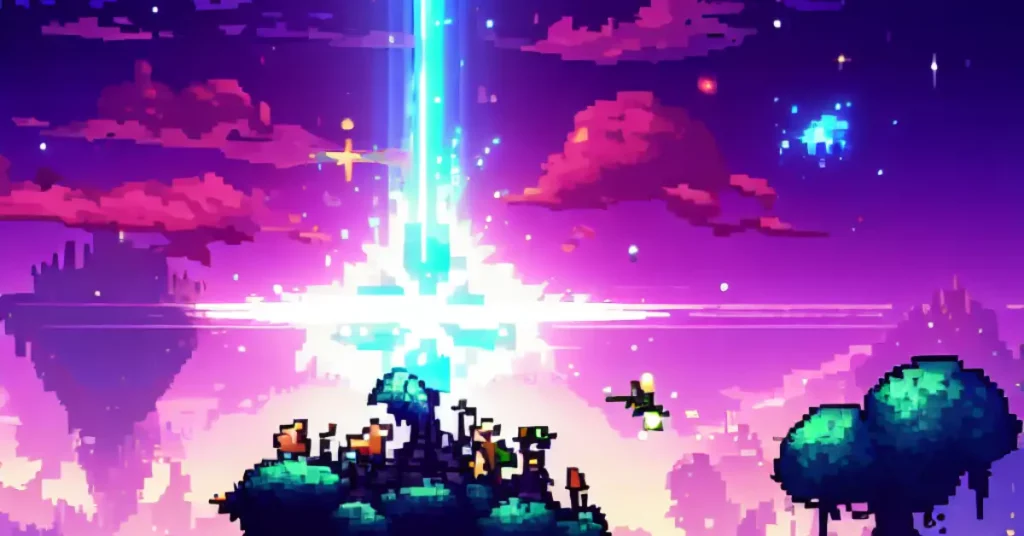
The game’s crafting system is a central aspect of Starbound. Players can gather resources from the planets they visit and use them to craft a wide range of tools, weapons, and structures. The intricate crafting mechanics allow for customization and personalization, empowering players to create unique adventures, much like the crafting system in Terraria.
One of Starbound’s notable features is its intergalactic travel. Players can pilot their spacecraft and embark on interstellar journeys to explore distant planets. The ability to travel between different star systems, encounter alien civilizations, and uncover the universe’s secrets adds depth and excitement to the gameplay experience, akin to the exploration aspects of Terraria.
Starbound offers a procedurally generated universe, ensuring each playthrough provides a unique and dynamic experience. With randomly generated planets, quests, and encounters, no two adventures are the same. Similar to Terraria’s world generation, this procedural generation element enhances the game’s replayability and fosters a sense of wonder and surprise.
Furthermore, Starbound’s cooperative multiplayer mode enables players to collaborate with friends and embark on adventures together. Cooperative play enhances the game’s social aspect, allowing players to share resources, explore planets, and build colonies collaboratively. The cooperative multiplayer aspect adds depth and enjoyment to the gameplay, similar to Terraria’s multiplayer feature.
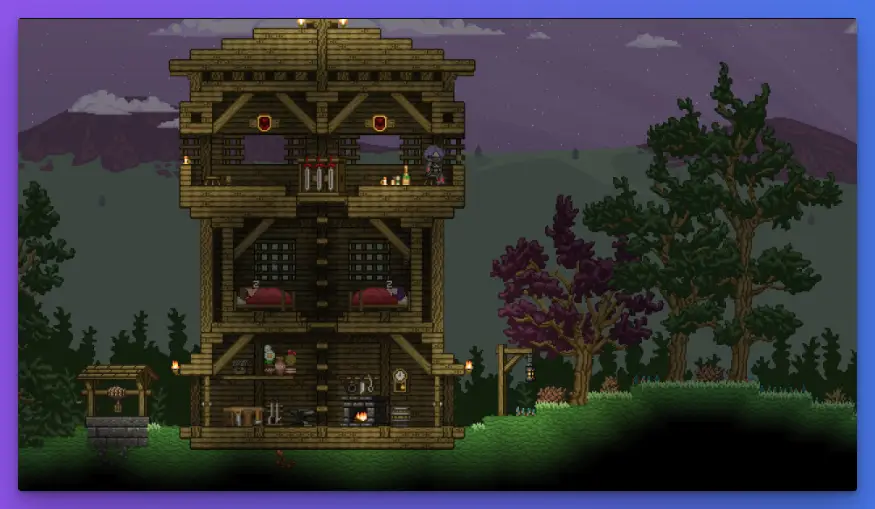
In conclusion, Starbound’s qualities make it a game similar to Terraria. With its expansive universe, exploration-driven gameplay, intricate crafting system, intergalactic travel, procedurally generated worlds, and cooperative multiplayer mode, Starbound offers a captivating and immersive experience for fans of games like Terraria and those seeking a vast and imaginative sandbox adventure.
Notable Features:-
1. Vast and Imaginative Universe
Starbound, like Terraria, offers a vast and imaginative universe for players to explore. With countless planets, each with its unique biomes, diverse creatures, and distinctive landscapes, the game provides an endless sense of wonder and discovery. Like Terraria’s world, the expansive universe allows players to embark on epic journeys and uncover hidden treasures.
2. Exploration and Adventure
Exploration is at the core of both Starbound and Terraria. Starbound encourages players to explore various planets, delve into underground caverns, and uncover ancient ruins and mysteries. The sense of adventure, the thrill of discovery, and the diverse environments parallel the exploration-driven gameplay of Terraria.
3. Crafting and Customization
Starbound’s crafting system allows players to gather resources and utilize them to craft a wide range of items, including tools, weapons, and armor. The game offers extensive customization options, allowing players to tailor their equipment and appearance to their liking. This emphasis on crafting and customization provides depth and personalization to the gameplay experience, similar to Terraria’s crafting mechanics.
4. Intergalactic Travel
One notable feature of Starbound is its intergalactic travel. Players can pilot their spacecraft and travel between different star systems, encountering alien civilizations and exploring diverse planets. The ability to venture beyond a single world and explore the vastness of the universe adds a sense of scale and grandeur to the gameplay, echoing the exploration aspects of Terraria.
5. Procedurally Generated Worlds
Starbound features a procedurally generated universe, ensuring each playthrough offers unique and dynamic experiences. Every planet’s terrain, flora, and fauna are generated procedurally, providing a sense of unpredictability and surprise.
Like Terraria’s world generation, this procedural generation element enhances replayability and continually encourages players to explore new and uncharted territories.
6. Cooperative Multiplayer Mode
Starbound offers a cooperative multiplayer mode that enables players to collaborate with friends and embark on adventures together. Cooperative play allows for shared exploration, collaborative building, and the ability to tackle challenges as a team.
The cooperative multiplayer aspect fosters social interactions and enhances the enjoyment and longevity of the gameplay, similar to Terraria’s multiplayer feature.
In summary, Starbound encompasses a range of notable features that make it a game similar to Terraria.
With its vast and imaginative universe, exploration-driven gameplay, intricate crafting and customization, intergalactic travel, procedurally generated worlds, and cooperative multiplayer mode, Starbound offers an immersive and expansive experience for fans of games like Terraria and those seeking an imaginative and adventure-filled sandbox adventure.
📗FAQ’s
What game is similar to Terraria?
Several games share similarities with Terraria and offer a similar sense of exploration, creativity, and adventure.
One game that stands out as a close counterpart to Terraria is Starbound. Like Terraria, Starbound is a sandbox adventure game that allows players to explore and colonize various planets. It features crafting, building, and exploration mechanics that provide a similar gameplay experience to Terraria.
With its vast and imaginative universe, diverse biomes, and the ability to customize your character and equipment, Starbound captures the essence of Terraria while adding its unique twists.
Another game that offers a similar experience to Terraria is Minecraft. Although Minecraft has a different art style and perspective, it shares common elements such as crafting, building, and exploration. Both games allow players to gather resources, construct elaborate structures, and embark on thrilling adventures in procedurally generated worlds.
Other notable games similar to Terraria include Stardew Valley and Don’t Starve. Stardew Valley provides a relaxing and immersive farming experience while incorporating exploration and crafting elements.
On the other hand, Don’t Starve offers a challenging survival experience set in a dark and mysterious world, featuring resource gathering, base building, and encounters with unique creatures.
Is Terraria better than Starbound?
Both Terraria and Starbound offer unique gameplay experiences. It ultimately depends on personal preference as to which game is considered better.
Is Terraria similar to Spelunky?
While Terraria and Spelunky share some similarities in exploration and platforming elements, they have distinct gameplay mechanics and objectives.
What is the dwarf game like Terraria?
The dwarf game similar to Terraria is Dwarf Fortress, a complex and highly detailed simulation game focused on fortress building and management.
Is Terraria 2 a thing?
Terraria 2 was initially announced but has been put on hold indefinitely as the developers continue to support and expand the original Terraria.
What is the hardest Terraria?
The difficulty of Terraria can vary based on player skill and progression. The game offers challenging boss battles, exploration, and resource management.
Is Terraria beatable?
Yes, Terraria has a clear objective of defeating its final boss, the Moon Lord, but it also offers open-ended gameplay beyond the main storyline.
Is Terraria the highest-rated game?
While Terraria has received critical acclaim and has a strong fanbase, it may not be considered the highest-rated game, as ratings can vary based on personal opinions.
Is there a God in Terraria?
Terraria does not feature a specific deity or god-like character within its lore.
Is Terraria made by one guy?
Terraria was developed by Re-Logic, a game development studio founded by Andrew “Redigit” Spinks, but the game involved a team effort.
What age group is Terraria suitable for?
Terraria is generally suitable for players of all ages, but parental guidance is recommended due to some mild violence and challenging gameplay mechanics.
What is the least-known Terraria item?
There are numerous items in Terraria, and the “least-known” item may vary depending on individual player experiences and knowledge.
Is Terraria a low-end game?
Terraria is designed to run on various hardware configurations, making it accessible to players with low-end systems.
What is the smallest world in Terraria?
The size of a Terraria world can vary, but the “small” world size option generates a more compact and condensed map.
Will Cthulhu ever be in Terraria?
Cthulhu is not currently present in Terraria, but the game draws inspiration from Lovecraftian themes.
Can you be evil in Terraria?
Terraria allows players to make choices that may be considered “evil,” such as engaging in PvP combat or summoning certain bosses.
Why is Terraria dark?
Terraria has a dark atmosphere to enhance its exploration and survival elements, adding a sense of mystery and danger to the gameplay.
Will there ever be a 3D Terraria?
There are currently no plans for a 3D version of Terraria, as the game is primarily designed as a 2D experience.
Why was Terraria Otherworld cancelled?
Terraria Otherworld was cancelled due to development challenges and the inability to meet the expectations and vision of the game.
Can you still date in Terraria?
While Terraria does not have a specific dating mechanic, players can form relationships and engage in cooperative gameplay with other players.
Is the rarest item in Terraria?
Terraria features several rare items, and opinions may vary on which item is considered the rarest due to different drop rates and rarity scales.
What is the weakest enemy in Terraria?
The weakest enemy in Terraria is the Slime, a common creature that poses little threat to well-prepared players.
What is the rarest enemy in Terraria?
The rarest enemy in Terraria is the Lepus, a seasonal boss that only appears during the Easter event.
Is Terraria a Minecraft ripoff?
No, Terraria is not a ripoff of Minecraft. While both games share sandbox elements and exploration, they have distinct gameplay mechanics and art styles.
Can you permanently fly in Terraria?
With certain equipment and accessories, players can permanently fly in Terraria, allowing them to explore freely in the skies.
How many hours does it take to 100% Terraria?
The time to 100% complete Terraria varies depending on individual gameplay style, skill, and dedication. It can take anywhere from 50 to 100+ hours or more.
What is the max Terraria player count?
Terraria supports up to 8 players in multiplayer mode, allowing for cooperative play and shared adventures.
Who has played Terraria the longest?
It is difficult to determine who has played Terraria the longest, as playtime varies among individuals. Many dedicated players have logged hundreds or even thousands of hours.
Is there a Kraken in Terraria?
Yes, a boss named Duke Fishron takes the form of a Kraken-like creature in certain phases of the battle.
Who is the villain in Terraria?
Terraria has no overarching villain, but various bosses and events pose significant challenges for players.
Why won’t Torch God summon?
The Torch God event in Terraria requires specific conditions, such as having a specific number of torches placed in an area.
Who is Red from Terraria?
Red is not a specific character in Terraria’s lore. It is the name of Andrew Spinks, the creator of Terraria, commonly known as “Redigit.”
Who is Jason in Terraria?
There is no character named Jason in the official lore of Terraria.
Can Christians play Terraria?
Terraria can be played by individuals of different faiths, including Christians. It is a personal choice based on one’s beliefs and values.
How addictive is Terraria?
Terraria’s addictive nature can vary from player to player. Its engaging gameplay loop and open-ended exploration can captivate players for hours.
Is Terraria a violent game?
Terraria features mild cartoonish violence, as players combat enemies and bosses, but it is not excessively violent or graphic.
What is the rarest sword in Terraria?
The rarest sword in Terraria is the Zenith, a powerful weapon crafted from various other rare swords and materials.
What is the coolest pet in Terraria?
Terraria offers a wide range of pets, and opinions may vary on the “coolest” pet based on personal preferences. Some popular choices include the Baby Penguin and the Lizard.
What sword kills NPCs in Terraria?
The Murderous Bunny sword, obtained during the Easter event, can harm and kill NPCs in Terraria.
What is harder, Terraria or Minecraft?
The difficulty level of Terraria and Minecraft is subjective and can vary based on player preference. Both games offer unique challenges and gameplay mechanics.
How long is Terraria time?
A Terraria in-game day lasts for approximately 24 minutes in real-time.
Which game is better, Minecraft or Terraria?
The preference between Minecraft and Terraria is subjective and depends on individual tastes. Both games offer distinct gameplay experiences.
What is 0 depth in Terraria?
In Terraria, 0 depth refers to the surface level of the game world, where the player’s character starts their adventure.
What is the deepest biome in Terraria?
The Underworld biome is the deepest in Terraria, located at the bottom of the world, where players encounter challenging enemies and valuable resources.
What is the furthest fifth of the world in Terraria?
The “furthest fifth” refers to the end section of the Terraria world, extending beyond the 80% mark. It is often an unexplored area waiting to be discovered by adventurers.
Wrapping It Up
We understand how the intricate blend of exploration, crafting, combat, and adventure in Terraria has set a high benchmark for your gaming experiences. Thankfully, the gaming universe is ever-expanding and full of uncharted territories waiting to be discovered.
While finding a game that strikes the perfect balance like Terraria may be challenging, the options we’ve highlighted promise to deliver an experience that won’t disappoint.
Each game on our list is designed to offer its unique take on the beloved aspects of Terraria, bringing together exciting adventures, captivating environments, and limitless possibilities for creativity. Whether you’re looking for another 2D sandbox adventure or ready to jump into a new world, there’s a game for you.
So why wait? Choose your next adventure from our list of games like Terraria, and let the journey of exploration, creation, and epic battles continue.
Happy gaming!