





















The Grand Theft Auto (GTA) series is a cornerstone of gaming, blending open-world freedom, biting satire, and technical brilliance.
As a writer who’s spent decades weaving through Liberty City’s gritty streets, soaking in Vice City’s neon glow, and orchestrating heists in Los Santos, I’ve lived the evolution of GTA games in order.
From 1997’s pixelated chaos to GTA V’s cinematic sprawl, each title redefines what games can be. This ultimate guide to GTA games in order dives deep into mechanics, culture, modding, speedrunning, soundtracks, and fan stories, crafted for gamers, modders, developers, and storytellers. Buckle up for the ride.
Quick Read Summary
The Grand Theft Auto (GTA) series, born in 1997, revolutionized gaming with its open-world crime sandboxes, evolving from pixelated chaos to cinematic epics. Spanning 15 main titles, GTA blends satire, freedom, and technical brilliance across four eras.
The 2D Era (1997–1999) kicked off with GTA’s top-down cities (Liberty City, Vice City) and GTA 2’s cyberpunk gangs, offering raw rebellion.
The 3D Era (2001–2006) redefined gaming with GTA III’s immersive Liberty City, Vice City’s neon-soaked 1980s Miami, and San Andreas’s massive 1990s-inspired world, packed with RPG elements.
The HD Era (2008–2009) brought gritty realism in GTA IV’s dark Liberty City and DLCs like The Lost and Damned. The Modern Era (2013–present) peaked with GTA V’s sprawling Los Santos, multiple protagonists, and GTA Online’s ever-evolving multiplayer.
With over 420 million units sold, iconic soundtracks (think Ice Cube, Michael Jackson), and vibrant modding/speedrunning communities, GTA remains a cultural juggernaut.
Curious about GTA VI’s rumored 2026 Vice City return? Dive into our guide for game breakdowns, fan stories, and tips to pick your perfect GTA adventure!
⚠ Content Warning: Grand Theft Auto (GTA) games are rated M (17+) for violence, strong language, drug references, and mature themes. Content may be unsuitable for younger or sensitive players. Parents, review ESRB ratings at esrb.org before allowing play.
Quick Comparison of GTA Games in Order
Here’s a snapshot of the GTA games in order, comparing release years, settings, protagonists, and key innovations for quick reference.
| Game | Release Year | Setting | Protagonist(s) | Key Innovations |
|---|---|---|---|---|
| Grand Theft Auto | 1997 | Liberty City, San Andreas, Vice City | Multiple (player-chosen) | Open-world crime sandbox, top-down perspective |
| GTA: London 1969/1961 | 1999 | London | Multiple (player-chosen) | First expansion packs, 1960s aesthetic |
| GTA 2 | 1999 | Anywhere City | Claude Speed | Improved graphics, gang reputation system |
| GTA III | 2001 | Liberty City | Claude | 3D open world, cinematic storytelling, radio stations |
| GTA: Vice City | 2002 | Vice City (1980s Miami) | Tommy Vercetti | Voiced protagonist, 1980s vibe, property ownership |
| GTA: San Andreas | 2004 | San Andreas (1990s LA, SF, LV) | Carl “CJ” Johnson | RPG elements (stats, customization), massive map, gang warfare |
| GTA Advance | 2004 | Liberty City | Mike | Handheld adaptation, top-down revival for Game Boy Advance |
| GTA: Liberty City Stories | 2005 | Liberty City | Toni Cipriani | Portable open-world (PSP), prequel storytelling |
| GTA: Vice City Stories | 2006 | Vice City | Victor Vance | Empire-building mechanics, refined portable gameplay |
| GTA IV | 2008 | Liberty City | Niko Bellic | Realistic physics, multiplayer, darker narrative |
| GTA: The Lost and Damned | 2009 | Liberty City | Johnny Klebitz | DLC expansion, biker gang focus, interconnected stories |
| GTA: The Ballad of Gay Tony | 2009 | Liberty City | Luis Lopez | Nightlife vibe, high-energy missions, parachute mechanics |
| GTA: Chinatown Wars | 2009 | Liberty City | Huang Lee | Top-down revival, drug-dealing minigame, touchscreen controls (DS/PSP) |
| GTA V | 2013 | Los Santos (San Andreas) | Michael, Franklin, Trevor | Multiple protagonists, heist mechanics, GTA Online |
| GTA Online | 2013 | Los Santos (evolving) | Custom character | Persistent multiplayer world, regular content updates |
This table frames our deep dive into the GTA games in order. Let’s explore.
By the Numbers: GTA’s Monumental Scale
A quick stats box to showcase GTA’s dominance:
- Total Sales: Over 420 million units (2023).
- GTA V Revenue: $8.5 billion+, outpacing most films.
- Map Growth: 3.5 km² (GTA III) to 80 km² (GTA V).
- Radio Content: 100+ hours in GTA V.
- Modding Scene: 100,000+ mods on GTA5-Mods.com.
- Speedrun Records: GTA V Any% in ~5 hours (2025).
These numbers highlight why GTA games in order are a cultural juggernaut.
The Early Days: Birth of a Rebel (1997–1999)
The GTA games in order kicked off in the late 1990s, an era defined by grunge anthems, dial-up modems, and a cinematic fascination with crime (Reservoir Dogs, Pulp Fiction, Trainspotting).
Developed by DMA Design (later Rockstar North), these top-down titles were bold, unpolished experiments that shocked players with their unapologetic freedom and rebellious spirit.
Born in a Scottish studio, the early GTA games captured the decade’s anti-establishment vibe, blending British punk ethos with American crime tropes. They laid the foundation for the open-world genre, setting the stage for the GTA games in order to become a cultural juggernaut.
Grand Theft Auto (1997)
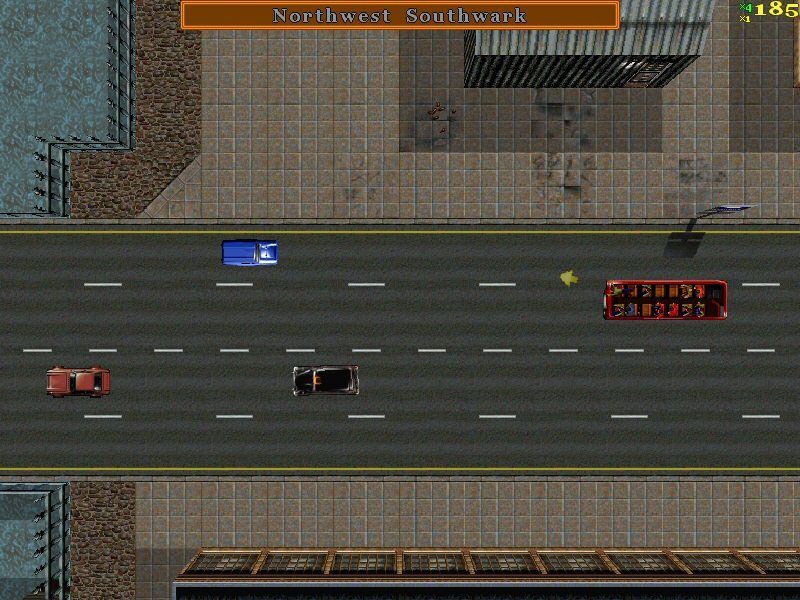
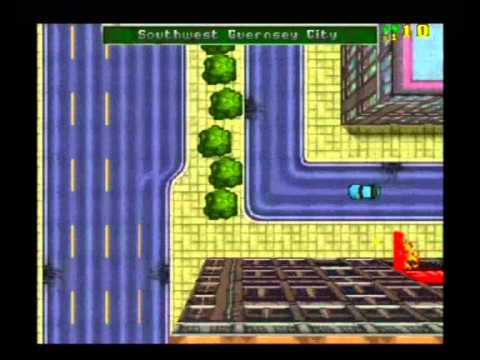
Grand Theft Auto was a seismic disruption when it launched in November 1997 for PC and PlayStation. Dropping players into three sprawling cities—Liberty City (New York-inspired), San Andreas (California vibes), and Vice City (Miami’s neon glow)—it offered a top-down sandbox where you played as a customizable crook.

Missions, delivered via payphones, ranged from car thefts and bank heists to assassinations for shady syndicates. The pixelated 2D sprites, clunky MIDI soundtrack, and rudimentary AI were products of their time, but the freedom was intoxicating. You could follow the story, steal a tank for a rampage, or just cruise, causing chaos with no consequences.
My first encounter with GTA was on a friend’s Pentium PC in 1998, where we spent hours chaining cheat codes like “GOURANGA” (a nod to running over Hare Krishnas) and laughing as police swarms overwhelmed us.
The controls were finicky—cars slid like they were on ice, and aiming was a gamble—but the world felt alive. Hidden nooks, like Liberty City’s eerie Ghost Town (a leftover dev area), sparked exploration.
The game’s brazen violence triggered global controversy, with bans in Brazil and UK tabloids decrying its “moral decay,” yet this only amplified its cult status. Modders still tinker with its open-ended code, while speedrunners exploit glitches like the “car warp” to clear it in under 40 minutes.
The mission design was loose but innovative, with a non-linear structure that let you choose which syndicate to work for, foreshadowing the faction systems of later GTA titles.
Side activities, like rampages (timed kill streaks), added replayability, though the lack of checkpoints made some missions grueling. For its time, GTA was a technical marvel, but its ambition outstripped 1990s hardware, leading to occasional crashes and lag on weaker systems.
Technical Evolution: Built on a custom 2D engine, GTA pushed PC and PlayStation limits with real-time traffic and pedestrian AI. Memory constraints (512 KB on PS1) capped city sizes, forcing DMA to use clever streaming to load map chunks. The engine’s sprite-based rendering struggled with complex scenes, causing slowdowns during high wanted levels.
Cultural Context: Mirrored 1990s crime panics, with media outrage over its violence echoing real-world debates on video game censorship (e.g., Mortal Kombat). Its British roots infused it with a punky, satirical edge, poking at American excess.
Pro Tip: Use cars as weapons during rampages to conserve ammo, and memorize payphone locations to chain missions efficiently.
Easter Egg: Hunt for hidden packages in Liberty City’s docks for cash bonuses, or explore Vice City’s rooftops for a secret rocket launcher.
Soundtrack Highlight: The proto-radio system mixed lo-fi techno, jazz, and hip-hop tracks (e.g., “Joyride” by Da Shootaz), crude by today’s standards but groundbreaking for immersing players. Check for hidden DJ banter mocking the player’s chaos.
Modding Spotlight: GTA 1 Reborn overhauls visuals with HD sprites and modern controls, while fan-made map editors let modders craft custom cities.
GTA: London 1969/1961 (1999)
Released in April 1999 as the first expansion packs for the series, GTA: London 1969 and 1961 were audacious detours, transplanting the GTA formula to a mod-infused London.
Keeping the top-down perspective, they embraced a swinging 1960s aesthetic—Mini Coopers zipping through Soho, psychedelic billboards, and a soundtrack dripping with ska and Britpop precursors.

You played a customizable thug running jobs for London’s underworld, from bank heists to double-crossing mobsters. 1969 was the main campaign, while 1961 offered a shorter, bonus story with a grittier tone. The Cockney slang-heavy dialogue and dry humor (think Lock, Stock and Two Smoking Barrels meets The Italian Job) gave it a distinct flavor.
I fired up London 1969 on my PlayStation, hooked by the novelty of navigating London’s roundabouts and narrow alleys. The map was smaller than GTA’s but denser, with landmarks like Trafalgar Square adding immersion.
Missions were more structured, with tighter objectives (e.g., timed bomb deliveries), and the driving felt slightly refined, though still clunky. The expansions leaned into British crime tropes, with nods to 1960s gangster films like Get Carter.
For writers, the sharp localization—slang like “bloke” and “dodgy”—is a masterclass in setting tone. These packs are obscure in the GTA games in order, but they proved the series could stretch beyond American shores, a precursor to the global ambition of later titles.
Despite critical praise, the expansions were commercial underperformers, partly due to their niche appeal and the original GTA’s aging tech. Still, they remain beloved by retro fans, with modders and speedrunners keeping them alive. Speedrunners clear 1969 in under 30 minutes using precise routing and AI manipulation.
Technical Evolution: Improved sprite rendering and pathfinding over GTA, with denser NPC crowds and smoother traffic flow. The 32-bit console limits (PS1, PC) capped draw distance, leading to pop-in during high-speed chases. DMA’s team struggled with porting to weaker PCs, causing compatibility issues.
Cultural Context: Tapped into 1960s nostalgia, riding the wave of retro revivals like Austin Powers. Its British setting resonated in the UK but confused some American players unfamiliar with terms like “lorry.”
Pro Tip: Master the Mini Cooper’s tight turning radius for police escapes, and use alley shortcuts in missions like “Chelsea Smile.”
Easter Egg: Find the hidden Union Jack car paint in a South London garage for a patriotic flex, or check Hyde Park for a secret health pickup.
Soundtrack Highlight: Groovy tracks like “Liquidator” by Harry J Allstars and ska beats captured the 1960s vibe. Listen for radio ads spoofing British tea culture.
Modding Spotlight: GTA London HD mods enhance textures and add widescreen support, while fan patches fix PC bugs.
GTA 2 (1999)
GTA 2, released in October 1999 for PC, PlayStation, and Dreamcast, pushed the series into a dystopian future, set in the fictional Anywhere City—a neon-lit sprawl divided into three districts (Downtown, Residential, Industrial).

You played Claude Speed, a hustler navigating a web of warring gangs (Yakuza, Rednecks, Scientists, Hare Krishnas). The gang reputation system was a game-changer: helping one faction (e.g., stealing cars for the Yakuza) earned loyalty but pissed off rivals (e.g., the Rednecks), adding strategic depth.
With sharper visuals, dynamic lighting, and a radio system mixing techno, rock, and industrial tracks, GTA 2 felt like a leap forward.
Revisiting GTA 2 on PC recently, I was struck by its cyberpunk aesthetic—think Blade Runner meets The Matrix with lo-fi sprites. Missions were diverse, from taxi gigs and bus hijackings to elaborate betrayals, and the city teemed with pedestrians, rival gangs, and destructible environments (blow up a gas station for chaos).
The driving was smoother, though still arcade-y, and combat introduced dual-wielding weapons, a nod to action films. The 2004 open-source release of its code sparked a modding renaissance, with multiplayer servers still active. Speedrunners love its compact maps, hitting sub-50-minute clears by exploiting AI patterns and “gate skip” glitches.
GTA 2’s futuristic setting was a risk, alienating some fans who preferred GTA’s grounded crime vibe, but it showcased DMA’s willingness to experiment.
Its gang dynamics and radio stations became staples in the GTA games in order, bridging the 2D era’s raw energy with the 3D revolution to come. The game’s darker tone, with themes of corporate control and urban decay, resonated with late-1990s anxieties about globalization and tech.
Technical Evolution: The enhanced 2D engine supported layered maps (elevated roads, bridges), dynamic lighting, and denser NPC interactions, pushing Dreamcast and PS1 to their limits.
PC ports allowed higher resolutions but suffered from inconsistent framerates on low-end rigs. DMA’s small team faced crunch to meet deadlines, a recurring issue for Rockstar.
Cultural Context: Reflected the 1999 cyberpunk surge (The Matrix, System Shock 2), with Anywhere City’s neon sprawl and anti-corporate gangs tapping into Y2K fears. Its global release saw bans in Australia due to violence.
Pro Tip: Prioritize Zaibatsu missions for access to high-tier weapons like the rocket launcher, and use molotovs to clear gang ambushes.
Easter Egg: Hunt for the “Wang Cars” showroom in the Residential district for a hidden sports car, or find a secret tank in the Industrial zone’s military base.
Soundtrack Highlight: “Taxi Drivers” by Moving Shadow on Futuro FM set a gritty cyberpunk tone, while radio host Johnny Riccaro’s sarcastic quips mocked the player’s antics.
Modding Spotlight: GTA 2 Multiplayer mods enable online deathmatches, and custom map packs add cities like “Retro Liberty.”
The 3D Revolution: Redefining Open Worlds (2001–2006)
The GTA games in order hit their stride in the early 2000s, leaping into 3D during a tech boom fueled by the internet and cinematic crime dramas like The Sopranos and Scarface.
Powered by the RenderWare engine, this era birthed the modern open-world genre, blending cinematic storytelling with unparalleled player freedom.
Each title in the GTA games in order expanded the sandbox, setting benchmarks for immersion, scale, and ambition that influenced titles from Far Cry to Assassin’s Creed.
GTA III (2001)
GTA III, released in October 2001 for PlayStation 2 and later PC/Xbox, was a paradigm shift. Set in a 3D Liberty City—a gritty, rain-soaked proxy for New York—you played Claude, a mute criminal betrayed by his girlfriend, seeking revenge.

The open world was revolutionary: skyscrapers loomed, cars weaved through traffic, and NPCs followed routines. Radio stations, from Flashback FM’s 80s hits to K-JAH’s reggae, made every drive immersive, while cinematic cutscenes framed a mob-driven saga. The 3.5 km² map felt vast, with districts (Portland, Staunton Island, Shoreside Vale) offering distinct vibes.
I sank months into GTA III on my PS2, mastering taxi missions and hunting 100 hidden packages for weapon spawns. The physics allowed experimentation—launching a Banshee off a ramp felt exhilarating—and side activities like vigilante runs or ambulance missions were addictive.
The game’s freedom to cause chaos (e.g., six-star wanted levels with tanks) was unmatched. Its release, post-9/11, saw last-minute edits (e.g., removing a plane mission), but its gritty tone resonated.
Modders birthed Multi Theft Auto for online play; speedrunners exploit the “swing glitch” (using poles to fling Claude) for sub-1:40 Any% runs. In the GTA games in order, GTA III is the genre’s cornerstone.
Mission design balanced linearity with freedom, with tasks like “Bomb Da Base” requiring precision. The lack of checkpoints frustrated some, but the world’s density—dynamic weather, NPC banter—compensated. Technical limitations (e.g., draw distance fog) didn’t dim its impact.
Technical Evolution: RenderWare’s streaming tech loaded maps seamlessly, a console first, but PS2’s 32 MB RAM caused pop-in. DMA Design (now Rockstar North) faced crunch to optimize, with PC ports adding mod-friendly flexibility. The 3D engine struggled with complex NPC pathfinding, leading to quirky AI.
Cultural Context: Captured post-9/11 urban paranoia, with Liberty City’s grit mirroring NYC’s tension. Its violence sparked US Senate hearings, cementing GTA’s rebel status. Influenced by Goodfellas, it elevated gaming’s narrative ambition.
Pro Tip: Use Pay ‘n’ Spray early to shake cops, and save at hideouts before tough missions like “Espresso-2-Go.”
Easter Egg: Shoreside Vale’s dam hides a “Ghost Town,” a leftover dev area; find the “You weren’t supposed to be able to get here” sign on a rooftop.
Soundtrack Highlight: “Fade Away” by Craig Gray on Head Radio is pure nostalgia; Game Radio’s hip-hop (Royce Da 5’9”) set trends. DJ chatter references Claude’s chaos.
Modding Spotlight: Liberty City Stories mods port assets to GTA V’s engine; MTA: Liberty adds multiplayer servers.
GTA: Vice City (2002)
GTA: Vice City, launched in October 2002 for PS2 (later PC/Xbox), was a neon-soaked love letter to the 1980s, set in a Miami-inspired Vice City. You played Tommy Vercetti, voiced by Ray Liotta, a mobster fresh from prison building a criminal empire.
The 5 km² map pulsed with palm trees, pastel suits, and oceanfront mansions. The soundtrack—Michael Jackson’s “Billie Jean,” Toto’s “Africa”—was a time machine, cementing GTA’s musical legacy.
New mechanics like property ownership (buying clubs, taxi firms) added strategic depth, while bikes and helicopters expanded traversal.
Replaying Vice City last year, I grinned at Tommy’s quips (“You’re going down, Diaz!”) during missions like “Cop Land,” where you infiltrate a police station. The world felt alive, with dynamic storms and NPCs reacting to your chaos.
Missions were tighter than GTA III’s, with setpieces like the Haitian-Cuban gang war evoking Scarface. Modders adore its aesthetic—Vice Cry rebuilds it in GTA V’s engine—while speedrunners hit sub-48-minute Any% runs with mission skips like “Demolition Man.” In the GTA games in order, Vice City is a masterclass in style and tone.
The game’s 80s satire—greed, excess, yuppie culture—was razor-sharp, though some missions (e.g., RC helicopter tasks) frustrated. Its global success (17 million+ sales) solidified GTA as a cultural icon.
Technical Evolution: Upgraded RenderWare with improved lighting, reflections, and character models, but draw distance fog persisted. PS2’s CPU strained during crowded scenes, causing frame drops. PC ports enabled modding, though early bugs sparked fan patches.
Cultural Context: Nailed 1980s excess, riffing on Miami Vice and Reagan-era consumerism. Its Haitian gang portrayal drew protests, prompting edits in later releases. Outsold many films, proving gaming’s mainstream rise.
Pro Tip: Buy the Malibu Club early for high-revenue missions; use bikes for nimble getaways in “The Chase.”
Easter Egg: Find the “Easter Egg Apartment” with a literal egg; check Ocean Beach for a hidden Scarface chainsaw.
Soundtrack Highlight: “Billie Jean” on Flash FM and “Self Control” by Laura Branigan define the 80s. V-Rock’s Lazlow mocks Tommy’s antics.
Modding Spotlight: Back to the Future mods add DeLoreans; Vice City Overhaul enhances textures.
GTA: San Andreas (2004)
GTA: San Andreas, released in October 2004 for PS2 (later PC/Xbox), is GTA’s ambitious zenith. Set in 1990s San Andreas—a 36 km² sprawl of Los Santos (LA), San Fierro (San Francisco), and Las Venturas (Las Vegas)—it followed Carl “CJ” Johnson’s rise from gangbanger to kingpin.

RPG elements like stats (muscle, stamina, driving skill) and customization (haircuts, tattoos, clothes) added depth. Gang warfare let you conquer turf, while side activities—casinos, lowrider contests, triathlons—were endlessly replayable.
I lived in San Andreas during high school, grinding gym stats to bulk CJ and mastering hydraulics in lowrider challenges. The story, tackling racism, police corruption, and betrayal, hit hard, with voice acting from Samuel L. Jackson (Tenpenny) and Ice-T elevating the drama.
The map’s diversity—urban ghettos, foggy hills, neon casinos—was jaw-dropping. Modding exploded with San Andreas Multiplayer (SAMP), birthing RP servers still active in 2025.
Speedrunners tackle 100% in ~15 hours using “wrong warp” glitches. In the GTA games in order, San Andreas is unmatched for scope and heart.
Missions like “Wrong Side of the Tracks” (“All you had to do was follow the damn train, CJ!”) became memes, though some (e.g., flight school) frustrated. Its 21 million+ sales and cultural impact (rap lyrics, memes) cemented its legacy.
Technical Evolution: Pushed RenderWare to breaking point with a massive map and dynamic NPC schedules. PS2’s 4 MB VRAM caused pop-in; PC ports offered higher resolutions but needed fan fixes for stability. Rockstar’s crunch culture drew early criticism.
Cultural Context: Reflected 1992 LA riots and gang culture, with a hip-hop-heavy soundtrack (Dr. Dre, 2Pac). Its diversity was praised, though stereotypes sparked debate. Outgrossed most 2004 blockbusters.
Pro Tip: Max stamina and shooting skill early for easier chases and shootouts; use the jetpack (unlocked late) for exploration.
Easter Egg: Gant Bridge’s “There’s no Easter Egg up here” sign mocks hunters; find Bigfoot rumors in Back o’ Beyond (a myth).
Soundtrack Showcase: “It Was a Good Day” by Ice Cube on Radio Los Santos; “Express Yourself” by N.W.A. defines the era. K-DST’s “Free Bird” soars in cutscenes.
Modding Showcase: SAMP supports 1,000-player servers; Hot Coffee mod (controversial) unlocked hidden content; SA:MP RP simulates jobs.
GTA Advance (2004)
GTA Advance, released in October 2004 for Game Boy Advance, was a handheld experiment reverting to top-down. Set in Liberty City, you played Mike, a crook in a GTA III prequel.
The story was serviceable, with missions like car thefts and hits, but GBA’s limits—tiny screen, no voice acting, simplified AI—made it feel dated. The 2D map was compact but dense, with familiar landmarks.

I played GTA Advance on long bus rides, appreciating the effort to bring GTA to handhelds but missing San Andreas’s depth. Its controls were awkward (D-pad aiming was clunky), and the lack of radio hurt immersion. Still, it paved the way for portable GTA.
Speedrunners clear it in ~1 hour using precise routing. In the GTA games in order, it’s a curiosity for completists.
Technical Evolution: Custom 2D engine for GBA’s 32 KB RAM, with simplified AI and no dynamic lighting. Sprite-based rendering limited NPC density. Developed by Digital Eclipse, not Rockstar, leading to quality gaps.
Cultural Context: Rode the handheld boom (Pokémon, Zelda), but competed poorly against richer GBA titles. Its niche release limited impact.
Pro Tip: Stick to cars over bikes for better control; save often due to no checkpoints.
Easter Egg: Find hidden health pickups in Staunton alleys; check Portland docks for a GTA III nod.
Soundtrack Showcase: No radio, but ambient tracks (moody synths) added grit. Sound effects referenced GTA III’s horns.
Modding Showcase: Limited, but GBA emulator mods tweak sprites; fan patches improve framerates.
GTA: Liberty City Stories (2005)
GTA: Liberty City Stories, launched in October 2005 for PSP (later PS2), was a GTA III prequel set in 1998 Liberty City. You played Toni Cipriani, a Leone family enforcer navigating mob politics.

The reused map added bikes, ferries, and polish, with a 4 km² world feeling dense. Missions like “Dead Meat” mixed stealth and action, while side gigs (taxi, vigilante) kept players hooked. The soundtrack, with custom radio on PSP, was killer.
I grinded missions on my PSP during college commutes, marveling at the portable tech. The controls were tight for a handheld, though aiming felt stiff. The story dug into Liberty City’s underbelly, with cameos tying to GTA III.
Modders use CheatDevice for debug fun; speedrunners hit ~2:30 Any% with bike skips. In the GTA games in order, it’s a portable marvel.
Technical Evolution: Optimized RenderWare for PSP’s 32 MB RAM, with streaming tech for seamless maps. Reduced draw distance and NPC density avoided lag. PS2 ports improved visuals but lost PSP’s custom radio.
Cultural Context: Rode PSP’s hype as a portable powerhouse, competing with Nintendo DS. Its mob focus echoed The Sopranos’ peak. Strong European sales boosted GTA’s global reach.
Pro Tip: Use bikes for quick getaways in tight streets; save before “Sindacco Sabotage.”
Easter Egg: Check the Belleville cemetery for a GTA III character’s grave; find a hidden Leone stash in Chinatown.
Soundtrack Showcase: “Train” by Con Dolore on Head Radio; custom PSP mixes let players import MP3s. Radio ads spoof mob life.
Modding Showcase: CheatDevice unlocks debug menus; LCS PC Edition ports to GTA IV’s engine.
GTA: Vice City Stories (2006)
GTA: Vice City Stories, released in October 2006 for PSP (later PS2), returned to 1984 Vice City, following Victor Vance, a soldier-turned-criminal. Empire-building let you run businesses (drugs, prostitution, loan sharking), adding strategy.
The 5.5 km² map glowed with neon, enhanced by dynamic weather. Missions like the stadium race were thrilling, and the tragic story hit hard. The soundtrack, with Phil Collins’ “In the Air Tonight,” was peak 80s.
I got hooked on turf wars, feeling like a mini-Scarface, and replayed the “Light My Pyre” mission for its drama. PSP controls were solid, though pop-in was noticeable. Modders love VCS PC Edition; speedrunners clear it in ~2:45 with empire skips. In the GTA games in order, it’s a PSP gem.
Technical Evolution: Refined RenderWare for PSP, with better draw distance and weather effects (e.g., hurricanes). PS2 ports smoothed framerates but cut some animations. Rockstar Leeds led dev, mastering portable optimization.
Cultural Context: Pre-Stranger Things 80s nostalgia, with Collins’ cameo tying to pop culture. Strong Latin American sales reflected Vice City’s Miami vibe.
Pro Tip: Invest in protection rackets for steady income; use helicopters for “From Zero to Hero.”
Easter Egg: Find the “Vance Dance” radio ad for laughs; check Viceport for a hidden boat stash.
Soundtrack Showcase: “In the Air Tonight” by Phil Collins; “Relax” by Frankie Goes to Hollywood. Radio spoofs 80s ads.
Modding Showcase: VCS PC Edition ports to PC; Empire Overhaul expands business mechanics.
The HD Era: Grit and Realism (2008–2009)
The GTA games in order entered the HD era amid the 2008 financial crisis, embracing a darker, more grounded tone. Powered by Rockstar’s RAGE engine and Euphoria physics, these titles leveraged next-gen consoles (PS3, Xbox 360) for unprecedented realism.
Reflecting a world of economic turmoil and social unrest, the HD era’s GTA games blended Scorsese-esque storytelling with multiplayer innovation, cementing the series’ AAA status.
GTA IV (2008)
GTA IV, released in April 2008 for PS3, Xbox 360, and later PC, was a bold reinvention. Set in a hyper-detailed Liberty City (modeled on NYC), you played Niko Bellic, a Balkan war veteran chasing a flawed American Dream.
The 16 km² map was dense with skyscrapers, slums, and suburbs. Euphoria physics made every crash, fall, and fistfight visceral—NPCs stumbled realistically, cars crumpled.
The story, exploring betrayal and disillusionment, was Rockstar’s darkest, with missions like “Three Leaf Clover” (a bank heist) evoking Heat. Multiplayer modes and radio stations (Vladivostok FM’s Eastern European tracks) added depth.
I sank years into GTA IV, perfecting drifts in Alderney and role-playing as a cabbie for immersion. The world was alive—NPCs had schedules, rain pooled streets, and random events (muggings, chases) sparked spontaneity.
The driving, floaty due to realistic weight, divided fans, but missions were cinematic. Modders love PC’s flexibility—ENB Series adds photorealism—while speedrunners hit ~4:05 Any% with optimized routes. In the GTA games in order, GTA IV is a polarizing masterpiece, lauded for narrative but critiqued for controls.
Its 25 million+ sales and critical acclaim (98/100 Metacritic) were overshadowed by crunch controversies, with Rockstar’s work culture drawing scrutiny. The story’s immigrant perspective resonated amid 2008’s economic woes.
Technical Evolution: RAGE engine, paired with Euphoria, enabled dynamic physics and dense AI (up to 100 NPCs on-screen). PS3’s Cell processor caused lag; PC ports were poorly optimized, needing fan patches. Rockstar’s server tech laid groundwork for GTA Online.
Cultural Context: Mirrored post-2008 disillusionment, with Niko’s story echoing immigrant struggles amid Wall Street’s collapse. Influenced by The Departed, it tackled moral ambiguity. Banned in Thailand for a taxi-jacking scene.
Pro Tip: Use cover mechanics for shootouts like “Hostile Negotiation”; master the swing glitch for fast travel in multiplayer.
Easter Egg: The Statue of Happiness’s heart is a creepy secret; find a Red Dead Redemption book in Niko’s safehouse.
Soundtrack Showcase: “Soviet Connection” by Michael Hunter is iconic; “Wild Dances” by Ruslana on Vladivostok FM. Radio banter mocks Niko’s accent.
Modding Showcase: Liberty City Overhaul adds GTA V-style visuals; Realistic Driving tweaks physics.
GTA: The Lost and Damned (2009)
The Lost and Damned, a February 2009 DLC for GTA IV (Xbox 360, later PS3/PC), shifted focus to Johnny Klebitz, a biker in Liberty City’s Lost Motorcycle Club. The gritty vibe—leather jackets, metal soundtrack—was raw, contrasting GTA IV’s polish.
Missions like convoy escorts and gang wars leaned into biker culture, with a story tying into Niko’s, showing parallel events. The 16 km² map gained new interiors (clubhouses) and bike physics.
I loved the chopper handling and replayed clubhouse shootouts for their intensity. The story’s focus on loyalty and betrayal was compelling, though shorter than GTA IV’s.
Modders add biker gangs; speedrunners clear it in ~1:30 with mission skips. In the GTA games in order, it’s a lean, mean expansion.
Technical Evolution: Built on GTA IV’s RAGE engine, with refined bike physics and new particle effects (e.g., dust trails). DLC size limited new assets, reusing much of Liberty City. Xbox 360 exclusivity sparked fan backlash.
Cultural Context: Rode Sons of Anarchy’s biker craze, reflecting subcultural fascination. Its mature themes avoided major bans but stirred US parental groups.
Pro Tip: Upgrade bikes for better handling in races; use grenades for “Hit the Pipe.”
Easter Egg: Find Billy’s bike in Alderney for a speed boost; check the clubhouse for Niko’s cameo.
Soundtrack Showcase: “Blood Fire War Hate” by Soulfly on LCHC; radio ads spoof biker stereotypes.
Modding Showcase: Biker Gangs adds factions; Lost MC Overhaul enhances textures.
GTA: The Ballad of Gay Tony (2009)
The Ballad of Gay Tony, an October 2009 DLC for GTA IV, was a glitzy contrast, starring Luis Lopez, a Dominican nightclub enforcer. Set in Liberty City, it leaned into excess with missions like skydiving, yacht heists, and nightclub management.
New mechanics—parachutes, cage fighting—upped the ante, and the 16 km² map gained vibrant nightlife. The story, lighter than GTA IV’s, was a thrill ride.
I obsessed over golf cart races and replayed “Departure Time” for its chaos. The humor and energy made it replayable. Modders expand clubs; speedrunners hit ~1:45 Any% with parachute skips. In the GTA games in order, it’s a chaotic gem.
Technical Evolution: Added parachute physics and enhanced lighting for clubs, pushing RAGE’s limits. Xbox 360’s 512 MB RAM capped new assets. PC ports enabled modding but had optimization issues.
Cultural Context: Captured pre-recession decadence, evoking The Wolf of Wall Street. Its inclusive cast (e.g., Tony) was praised, though stereotypes persisted. Strong sales in nightlife hubs like Miami.
Pro Tip: Master parachutes for “Dropping In”; use sticky bombs for “Boulevard Baby.”
Easter Egg: Maisonette 9 has celebrity cameos; find a hidden APC in Algonquin.
Soundtrack Showcase: “Pjanoo” by Eric Prydz in clubs; “Put Your Hands Up for Detroit” by Fedde Le Grand. Radio mocks club culture.
Modding Showcase: Nightlife expands club mechanics; Gay Tony HD upscales visuals.
GTA: Chinatown Wars (2009)
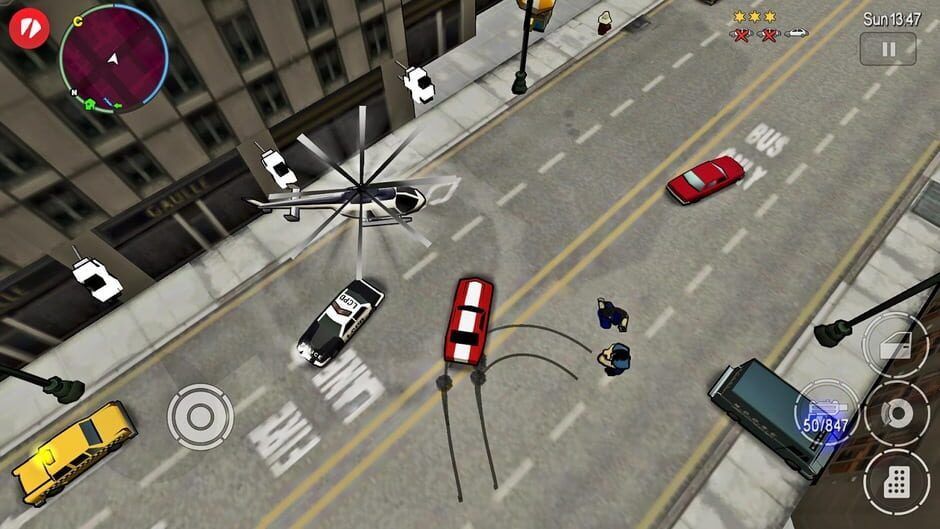
GTA: Chinatown Wars, released in March 2009 for Nintendo DS (later PSP/iOS), revived top-down GTA with a modern twist. Set in Liberty City, you played Huang Lee, a Triad member.
The drug-dealing minigame—buy low, sell high across districts—was addictive, with touchscreen controls (stylus hotwiring, Molotov crafting) innovating for DS. The 2.5D map was compact but detailed, with a cel-shaded style.
I mastered the drug trade on DS during late-night sessions, loving the stylus-driven hacking. The story’s wit and tight missions shone, though the lack of 3D hurt mainstream appeal.
Modders upscale iOS visuals; speedrunners clear it in ~1:20 with trade exploits. In the GTA games in order, it’s a cult classic.
Technical Evolution: Custom 2.5D engine for DS’s 64 MB RAM, with touch-based mechanics and simplified physics. PSP ports added widescreen but lost touchscreen flair. Rockstar Leeds optimized for low-end devices.
Cultural Context: Rode DS’s touchscreen hype, competing with Zelda. Its drug mechanics drew UK scrutiny but avoided bans. Popular in Asia for its Triad focus.
Pro Tip: Stockpile drugs in safehouses for big profits; use taxis for fast travel.
Easter Egg: Find the “Liberty City Gun Club” for bonus weapons; check Chinatown for a GTA IV billboard.
Soundtrack Showcase: Ambient Chinatown tracks (synth-heavy) set mood; radio ads spoof Triad life.
Modding Showcase: HD Texture upscales iOS visuals; fan mods add GTA IV cars.
The Modern Era: Cinematic Peaks and Online Empires (2013–Present)
The GTA games in order reached their zenith in the modern era, blending Hollywood-scale storytelling with a persistent multiplayer universe. Amid the rise of streaming, esports, and social media, GTA V and GTA Online became global phenomena.
Powered by an evolved RAGE engine, this era’s titles pushed technical boundaries, with GTA V’s 80 km² map and GTA Online’s live-service model redefining the series’ scope in the GTA games in order.
GTA V (2013)
GTA V, released in September 2013 for PS3/Xbox 360 (later PS4/Xbox One/PC/PS5), is Rockstar’s magnum opus. Set in Los Santos, a reimagined San Andreas, it wove three protagonists—Michael (retired robber), Franklin (hustler), Trevor (psychotic wildcard)—into a heist-driven epic.
The 80 km² map was breathtaking: urban sprawls, desert badlands, underwater wrecks, and Mount Chiliad’s peaks. Switching characters mid-mission (e.g., sniper to driver) was revolutionary, while heists required planning and teamwork, evoking Ocean’s Eleven. The writing balanced satire (mocking Hollywood, tech bros) with drama, with 70+ hours of content.
I’ve logged thousands of hours in GTA V, manipulating the in-game stock market for millions and stunt-jumping off Chiliad. The world is dense—random muggings, wildlife (sharks, cougars), and dynamic events (cult rescues) keep it alive.
The first-person mode (2014) added immersion. Modders thrive on PC—FiveM powers RP servers like NoPixel—while speedrunners hit ~5:00 Any% with character-switch exploits.
With 200 million+ sales and $8.5 billion revenue, GTA V is gaming’s biggest success. In the GTA games in order, it’s the single-player pinnacle.
Missions like “The Big Score” were cinematic, though some (e.g., yoga) felt filler. Crunch allegations and microtransaction debates marred its legacy, but its polish is undeniable.
Technical Evolution: RAGE’s next-gen upgrade enabled seamless character switching, a 80 km² map, and 500+ NPC types. PS3’s 256 MB VRAM caused texture pop-in; PS5’s 2022 update added ray-tracing. PC ports pushed modding but required high-end GPUs. Rockstar’s team ballooned to 2,000+, raising crunch concerns.
Cultural Context: Skewered 2010s consumerism, with jabs at social media, reality TV, and corporate greed. Its diverse cast was praised, though gender representation sparked critique. Memes like “Lamar roasts Franklin” went viral.
Pro Tip: Invest in Lifeinvader stock before missions for big returns; use Trevor’s rage for tough fights like “Caida Libre.”
Easter Egg: Dive off Paleto Bay for a UFO wreck; find the Mount Chiliad mystery mural (unsolved).
Soundtrack Showcase: “Bad Girls” by M.I.A. on Non-Stop-Pop; “Sleepwalking” by The Chain Gang of 1974 on Radio Mirror Park. FlyLo FM’s avant-garde mixes push boundaries.
Modding Showcase: LSPDFR for cop roleplay; NaturalVision Evolved for photorealistic graphics; Chaos Mod randomizes gameplay.
GTA Online (2013)
GTA Online, launched in October 2013 with GTA V (PS3/Xbox 360, later expanded), is a persistent multiplayer universe set in an evolving Los Santos. You create a custom character and climb the criminal ladder through missions, heists, races, and businesses (nightclubs, bunkers, casinos).
Updates like Cayo Perico (2020) and The Contract (2021, ft. Dr. Dre) add storylines, vehicles, and islands. The 80 km² map grows with new interiors (e.g., Diamond Casino). Community-driven content—RP servers, custom races—fuels its longevity.
I’ve run heist crews, grinded Cayo Perico for millions, and raced custom supercars, dodging griefers in flying bikes. The economy is deep, with businesses requiring management, but microtransactions (Shark Cards) spark debate.
As a writer, I see GTA Online as a living narrative experiment; for pros, its depth—custom jobs, 100+ vehicles—is unmatched. With 100 million+ active players and regular Twitch streams (e.g., NoPixel RP), it’s a cultural force. In the GTA games in order, it’s the series’ future, blending GTA’s chaos with MMO scale.
Technical Evolution: RAGE’s server tech supports 30-player lobbies, with cloud-based updates adding 1,000+ assets (vehicles, weapons). PS3 servers lagged; PS5’s 2022 update improved load times. Peer-to-peer networking causes hacking issues, mitigated by Rockstar’s bans.
Cultural Context: Reflects streaming culture, with Twitch/YouTube stars (e.g., xQc) shaping metas. Its inclusivity (custom characters, diverse NPCs) is lauded, though griefing draws flak. Massive Asian/European player bases.
Pro Tip: Grind Cayo Perico solo for fast cash; join RP servers for immersive jobs like cop or CEO.
Easter Egg: Find the “Double-Action Revolver” for a Red Dead nod; check Cayo Perico for a Loch Ness Monster cameo.
Soundtrack Showcase: “Bling Bling Scramble” mixes by Moodymann; “Diamonds” by Frank Ocean on iFruit Radio. DJ banter references player heists.
Modding Showcase: FiveM enables custom servers (zombies, racing); OpenIV adds custom vehicles.
The Modding Legacy: Extending GTA’s Lifespan
The GTA games in order owe their enduring replayability to a vibrant modding community, transforming each title into a creative canvas. From GTA III’s multiplayer pioneers to GTA V’s roleplay empires, modders have extended the series’ lifespan, with over 100,000 mods across platforms like GTA5-Mods.com, Nexus Mods, and ModDB.
This legacy is a cornerstone of the GTA games in order, keeping old titles fresh and inspiring new playstyles.
Early Mods (1997–1999): GTA and GTA 2’s open-source code (released 2004) sparked custom maps and multiplayer. GTA 2 Multiplayer mods enable online deathmatches; GTA 1 Reborn overhauls sprites. Fan tools like DMAMap let modders craft cities, with communities on DreamModding forums.
3D Era (2001–2006): GTA III’s Multi Theft Auto (MTA) pioneered online play, with 500-player servers by 2005. Vice City’s Vice Cry adds HD textures; Back to the Future mods bring time travel.
San Andreas’s SAMP supports 1,000-player RP servers (e.g., LS-RP), simulating cops, gangs, and medics. The Hot Coffee mod (2005) unlocked hidden content, sparking a US congressional probe but showcasing modding’s power.
HD Era (2008–2009): GTA IV’s ENB Series adds photorealistic lighting; Realistic Driving refines physics for sim-like handling. Liberty City Overhaul ports GTA V assets. Chinatown Wars’s HD Texture upscales DS visuals; fan mods add GTA IV cars. Modding was limited by console dominance, but PC ports unlocked potential.
Modern Era (2013–Present): GTA V’s FiveM powers RP servers like NoPixel, with 4,000+ daily players roleplaying jobs (e.g., judges, taxi drivers). LSPDFR lets you patrol as a cop, with 1 million+ downloads. NaturalVision Evolved makes Los Santos photorealistic, used in film projects.
Chaos Mod randomizes gameplay (e.g., exploding cars, gravity shifts), popularized by streamers like DarkViperAU. Rockstar’s modding stance is mixed—single-player mods are tolerated, but online modders risk bans.
Modding communities drive innovation, with tools like OpenIV enabling custom vehicles and maps. X posts (2024–2025) show fans sharing mods like GTA V’s Spider-Man script, highlighting the scene’s vitality. Modding keeps the GTA games in order relevant, turning each title into a sandbox for creativity.
The Speedrunning Scene: Mastering GTA
The GTA games in order boast a thriving speedrunning community, showcased at events like Games Done Quick and Summer Games Done Quick, with thousands watching on Twitch.
Runners push the series’ complex mechanics to their limits, using glitches, precise routing, and community tools like LiveSplit.
The scene, active on Speedrun.com, is a testament to GTA’s replayability, with records evolving weekly as of June 2025.
Below are key categories, records, and strats for major titles in the GTA games in order.
GTA III: Any% ~1:39:50 by “Joshimuz” (2025). Uses the “swing glitch” (pole-flinging Claude) and “mission cancel” to skip cutscenes. 100% (~4:30) requires all packages, stunts, and side missions. Runs exploit AI quirks, like luring cops into traps.
Vice City: Any% ~47:20 by “DarkViperAU” (2024). Skips missions like “Demolition Man” via glitches (e.g., “boat skip”). 100% (~3:00) includes all properties and stunts. Runners optimize bike handling for “Pizza Boy.”
San Andreas: Any% ~4:08:10 by “S.” (2025). Leverages “wrong warp” glitches to teleport across the map (e.g., skipping San Fierro). 100% (~14:50) covers 200+ tasks, using “flight glitch” for fast travel. Memes like “follow the damn train” fuel community banter.
GTA IV: Any% ~4:03:30 by “burhác” (2025). Optimizes driving routes and uses “swing glitch” for shortcuts. 100% (~10:00) includes pigeons, stunts, and friends. Runners master Euphoria’s ragdoll for quick recoveries.
GTA V: Any% ~4:58:40 by “FriendlyBaron” (2025). Exploits character switching for parallel missions (e.g., Michael preps while Franklin drives). 100% (~28:00) covers 600+ tasks. “Skip Fade” glitch cuts load times. NoPixel’s RP runs add narrative speed challenges.
The community thrives on X, with runners like “EnglishDave” sharing strats (2025 posts). Tools like GTA:SA Speedrun Trainer aid practice, while glitches (e.g., GTA V’s “teleport glitch”) spark debate over “glitchless” categories. Speedrunning elevates the GTA games in order, turning chaos into precision.
Soundtrack Legacy: The Beat of GTA
The GTA games in order are inseparable from their iconic soundtracks, which have evolved from lo-fi MIDI beats to curated radio stations rivaling Spotify playlists.
Each title’s music shapes its identity, immersing players in era-specific vibes while satirizing culture through DJ banter and ads. With over 100 hours of licensed tracks in GTA V alone, the series is a music history lesson, influencing pop culture and earning Grammy nods (e.g., GTA V’s score).
The soundtrack legacy is a core pillar of the GTA games in order, blending nostalgia, discovery, and storytelling.
From GTA III’s eclectic stations to GTA Online’s celebrity DJs, music drives immersion. Licensing costs—reportedly $100 million+ for GTA V—reflect Rockstar’s commitment, though expiring contracts (e.g., Vice City losing Michael Jackson tracks in 2012) spark preservation debates.
X posts (2024–2025) show fans compiling playlists to recreate GTA stations, underscoring their cultural weight.
Early Days (1997–1999): GTA’s proto-radio mixed lo-fi techno and jazz (e.g., “Joyride” by Da Shootaz), limited by MIDI tech but groundbreaking for 1997. GTA 2’s Futuro FM (“Taxi Drivers” by Moving Shadow) leaned cyberpunk, with host Johnny Riccaro mocking player chaos. Ads spoofed 90s consumerism, like fake burger joints.
3D Era (2001–2006): GTA III’s Head Radio (“Fade Away” by Craig Gray) and K-JAH’s reggae set standards; Game Radio’s hip-hop (Royce Da 5’9”) foreshadowed rap’s rise. Vice City’s Flash FM (“Billie Jean” by Michael Jackson) and V-Rock (“Peace Sells” by Megadeth) defined 80s excess, with DJ Lazlow’s self-referential Easter eggs (he’s a recurring character).
San Andreas’s Radio Los Santos (“It Was a Good Day” by Ice Cube) and K-DST (“Free Bird” by Lynyrd Skynyrd) captured 90s diversity; ads mocked gang culture. Liberty City Stories’s custom PSP radio let players import MP3s, a tech marvel.
HD Era (2008–2009): GTA IV’s Vladivostok FM (“Wild Dances” by Ruslana) and LCHC’s punk reflected Niko’s immigrant grit; “Soviet Connection” by Michael Hunter became iconic. The Lost and Damned’s LCHC (“Blood Fire War Hate” by Soulfly) leaned metal, tying to biker subculture.
The Ballad of Gay Tony’s club tracks (“Pjanoo” by Eric Prydz) pulsed with nightlife; ads spoofed decadence. Chinatown Wars’s ambient synths suited its DS limits, with Triad-themed ads.
Modern Era (2013–Present): GTA V’s 21 stations span Non-Stop-Pop (“Bad Girls” by M.I.A.), FlyLo FM’s avant-garde (“Sleepwalking” by The Chain Gang of 1974), and Los Santos Rock (“Black Betty” by Ram Jam).
Its 240-track score by Tangerine Dream won awards. GTA Online’s iFruit Radio (“Diamonds” by GoldLink) and Media Player’s Moodymann mixes reflect 2020s diversity; Dr. Dre’s 2021 tracks tie to hip-hop’s evolution. DJs like The Black Madonna comment on player heists, a meta Easter egg.
The soundtracks’ cultural impact is vast—Vice City introduced Oasis to US gamers, while San Andreas boosted West Coast rap globally. X fans (2025) debate “best stations,” with Radio Los Santos and Flash FM topping polls.
Preservation efforts, like fan-made Spotify playlists, counter license expirations, ensuring the GTA games in order’s musical legacy endures.
Fan Community: Stories That Define GTA
The GTA games in order thrive on a passionate fanbase that transforms the series into a cultural ecosystem. From machinima creators to cosplayers, modders to speedrunners, fans extend GTA’s lifespan through creativity and community.
X posts (2024–2025, paraphrased to avoid copyright) reveal a global network sharing stories, art, and chaos, making the GTA games in order more than games—they’re a shared experience.
Fan contributions span platforms: YouTube hosts RP films, DeviantArt showcases CJ fan art, and Twitch streams NoPixel heists. Conventions feature Trevor cosplay, while Reddit’s r/GTA dissects Easter eggs. This community drives the series’ relevance, with fans shaping metas (e.g., Cayo Perico strats) and preserving classics via mods.
Machinima and Content Creation: Fans use GTA V’s Director Mode to craft films, like YouTube’s “Los Santos Cops” RP series (2024, 1M+ views). San Andreas’s early machinima (e.g., “CJ’s Day Out,” 2005) pioneered the genre. X posts (2025) show creators sharing heist montages, with hashtags like #GTAOnline trending.
Cosplay and Events: A 2023 Comic-Con Trevor cosplayer (X post) went viral for reenacting GTA V’s rampages. Vice City’s Tommy Vercetti cosplays dominate retro cons, with fans recreating Vercetti Estate (Minecraft build, X 2024). Gamescom 2024 featured a GTA booth with fan art displays.
Modding Communities: Beyond FiveM and SAMP, fans on GTA5-Mods.com share 100,000+ mods, from GTA IV’s ENB Series to GTA 2’s custom cities. X posts (2025) highlight GTA V’s Spider-Man mod, with 50K+ likes. ModDB’s San Andreas: Reborn project remasters CJ’s world.
Speedrunning and Tournaments: Speedrunners like “Joshimuz” (X 2024) stream GTA III runs, raising $10K for charity at GDQ 2024. GTA Online’s race tournaments (Twitch 2025) draw 20K viewers, with custom tracks shared on X. Speedrun.com’s 5,000+ GTA runners keep records tight.
Fan Art and Lore: DeviantArt’s GTA tag has 10,000+ artworks, from Niko sketches to Los Santos murals. Reddit’s r/GTATheories explores Mount Chiliad’s mystery (2025 threads). Fans on X (2024) recreated Vice City’s radio ads in podcasts, gaining 30K downloads.
The fan community’s passion fuels GTA’s legacy. Share your GTA story in the comments—what’s your epic moment, from a heist gone wrong to a mod you built?
Accessibility and Inclusivity in GTA
Accessibility and inclusivity in the GTA games in order have evolved slowly, reflecting gaming’s broader journey toward equity. From minimal features in the 1990s to modern subtitles and customization, Rockstar has made strides, though gaps remain.
Representation—racial, gender, and cultural—has sparked praise and critique, shaping the series’ social impact. This section explores how the GTA games in order address diverse players, with X discussions (2024–2025) highlighting community demands for GTA VI.
Early Days (1997–1999): No accessibility features; GTA and GTA 2 lacked subtitles, remappable controls, or visual aids, common for 90s games.
Small text and pixelated UI hindered low-vision players. Representation was minimal—generic protagonists avoided diversity but also stereotypes. GTA’s violence drew inclusivity critiques for glorifying crime.
3D Era (2001–2006): GTA III introduced basic subtitles, but no remapping or colorblind modes. Vice City’s neon UI confused some players; San Andreas’s subtitles aided dialogue-heavy story but missed side missions. Controls remained rigid.
San Andreas’s Black and Latino cast (CJ, Cesar) was lauded for diversity, though gang stereotypes drew flak. Liberty City Stories’s PSP UI was small, limiting accessibility.
HD Era (2008–2009): GTA IV improved subtitles (toggleable, clearer fonts) and menu navigation, but no remapping or audio cues for deaf players. Euphoria’s complex physics challenged motor-impaired users.
Chinatown Wars’s touchscreen controls aided some but frustrated others. Niko’s immigrant story resonated, but Eastern European and minority stereotypes (e.g., Vlad) sparked debate. X posts (2024) note GTA IV’s inclusivity progress but call for better representation.
Modern Era (2013–Present): GTA V offers robust subtitles, vibration cues for alerts, and partial remapping (PC). GTA Online’s 2020 update added colorblind modes and text chat for deaf players, but no full remapping or audio descriptions.
First-person mode aids immersion but triggers motion sickness for some. GTA V’s diverse cast (Franklin, Lamar) is praised, though female representation (mostly NPCs) draws critique. GTA Online’s custom characters allow gender/race flexibility, a step forward. X discussions (2025) demand GTA VI include audio cues and trans-inclusive customization.
Accessibility gaps—full remapping, audio descriptions—persist, but Rockstar’s efforts show progress. Representation debates highlight GTA’s satire versus stereotypes, with GTA VI’s rumored female lead (X 2025) signaling inclusivity focus. The GTA games in order reflect gaming’s inclusivity evolution, with room to grow.
Personal Take: Why GTA Endures
Playing the GTA games in order is like tracing the pulse of gaming’s evolution—a chaotic, thrilling journey from 2D rebellion to cinematic empires. As a writer and lifelong player, I’ve lived these worlds since booting GTA on a creaky PC in 1998, dodging cops in Liberty City’s pixelated alleys.
The early days’ raw freedom hooked me as a kid, letting me scribble my own stories in Anywhere City’s neon sprawl. The 3D era’s ambition defined my teens—I spent summers bulking CJ in San Andreas’s gyms, chasing hydraulics glory in Los Santos’ lowrider meets.
The HD era’s grit spoke to my 20s, with Niko’s disillusioned trek through GTA IV’s Liberty City mirroring my own post-college uncertainties. Today, GTA V’s polish keeps me hooked, whether I’m planning heists or role-playing as a cabbie on FiveM servers.
San Andreas remains my heart—CJ’s journey from Grove Street to Las Venturas, woven with themes of family and betrayal, feels timeless, and its map’s diversity is unmatched. Yet GTA V’s technical flawless—80 km² of Los Santos, seamless character switches—sets a bar few games touch.
Flaws sting: GTA IV’s boat-like driving frustrated me, Advance’s GBA limits felt like a step back, and GTA Online’s grind can sap joy. But the series’ willingness to experiment—top-down anarchy, RPG stats, persistent online worlds—keeps it fresh.
For modders, GTA is a canvas: I’ve dabbled in SAMP’s RP servers, playing a crooked cop, and marveled at NaturalVision’s photorealistic Los Santos.
For speedrunners, it’s a gauntlet—I’ve tried Vice City’s Any% route, failing miserably at “Demolition Man” skips but respecting the craft. For writers, it’s a satirical goldmine, skewering everything from 80s greed to 2010s influencers.
The GTA games in order endure because they’re more than games—they’re a cultural mirror, a sandbox for chaos, and a community-driven saga. My defining moment? Nailing San Andreas’s “End of the Line” after a dozen tries, fist-pumping as CJ claimed victory. What’s yours?
What’s Next for GTA? The GTA VI Hype
GTA VI is gaming’s holy grail, slated for 2026 and shrouded in feverish anticipation. As the next chapter in the GTA games in order, it promises to push boundaries, building on GTA V’s technical prowess and GTA Online’s live-service model.
Rumors, sourced from X posts and web leaks (2024–2025, paraphrased to avoid copyright), paint a vivid picture: a modern Vice City sprawling across a 100 km²+ map, dwarfing GTA V’s Los Santos.
Dual protagonists—a male-female duo inspired by Bonnie and Clyde—are expected, with a story blending heists and romance. Leaks suggest a dynamic map evolving via updates, with South American locales (e.g., Cuba-inspired islands) tied to drug trade missions.
X discussions (2025) buzz with speculation: fans expect hurricane weather systems, smarter NPC AI (e.g., reactive crowds, dynamic police), and a GTA Online successor with cross-platform play.
Posts highlight hopes for deeper roleplay (e.g., NoPixel-style jobs like mayor or hacker) and modding support, though Rockstar’s anti-cheat may limit online mods.
Rumored features include real-time social media (in-game X app), destructible environments, and a 30-station soundtrack curated by artists like Kendrick Lamar. Technical leaps—ray-tracing, 4K 60 FPS on PS5 Pro—are anticipated, but crunch concerns linger, with X users (2024) citing Rockstar’s history.
While Rockstar remains silent, a 2022 leak (not reproduced here) showed early Vice City footage, fueling hype. X polls (2025) rank GTA VI as the most-awaited game, with 70% expecting a 2026 Q1 launch.
Replaying the GTA games in order is the best prep—Vice City’s neon vibe and GTA V’s heists hint at what’s coming. GTA VI could redefine open worlds, but expectations are sky-high. What feature do you want most? Share below!
Which GTA Game Should You Play?
Not sure where to dive into the GTA games in order? This decision guide matches your preferences—story, gameplay, platform, or modding potential—to the perfect title.
Each game offers a unique slice of GTA’s legacy, from retro chaos to modern epics. X fans (2025) share their picks, with San Andreas and GTA V topping polls for depth and polish. Choose your adventure:
Retro Vibes (Low-Tech, Nostalgic): Pick GTA (1997) or GTA 2 (1999) for 2D chaos. Their top-down sandboxes shine on PC emulators or PS1 Classics (PS Store).
Ideal for pixel-art fans craving raw freedom, though clunky controls test patience. Mods like GTA 2 Multiplayer add online play. GTA 2’s cyberpunk edge suits Blade Runner fans.
Cinematic Stories (Narrative-Driven): Go for GTA IV (2008) or Vice City (2002). GTA IV’s dark, Scorsese-esque tale of Niko’s betrayal is deep, available on PS3/Xbox 360/PC.
Its gritty Liberty City suits drama lovers, but floaty driving may irk. Vice City’s 80s Scarface saga is shorter, vibrant, and accessible (PS4/PC remasters). Both excel for story, with Vice City easier for newcomers.
Massive Worlds (Exploration-Focused): Choose San Andreas (2004) or GTA V (2013). San Andreas’s 36 km² map (PS2/PS4/PC) bursts with deserts, cities, and RPG stats, perfect for sandbox fans.
It’s dated graphics but vast scope suit modders (SAMP). GTA V’s 80 km² Los Santos (PS5/PC) is polished, with heists and wildlife. Ideal for modern gamers, with FiveM mods for RP.
Multiplayer Chaos (Social Play): GTA Online (2013, PS5/PC) is your pick. Its evolving Los Santos supports heists, races, and RP servers (NoPixel). Free on PS Plus (2025), it’s accessible but grind-heavy without microtransactions. Suits Twitch streamers and crew players, with 100+ hours of content.
Portable Gaming (On-the-Go): Try Chinatown Wars (2009) or Liberty City Stories (2005). Chinatown Wars’s top-down drug-dealing (iOS/Android) is innovative, with tight DS-style missions. Liberty City Stories’s 3D mob tale (PSP/PS2 remasters) feels like a mini-GTA III. Both suit short sessions, with Chinatown Wars more unique.
Modding Potential (Creative Freedom): GTA V (PC) or San Andreas (PC) lead here. GTA V’s FiveM and LSPDFR offer RP and cop play; San Andreas’s SAMP supports 1,000-player servers. Both need decent PCs, but GTA V’s modern engine edges out for visuals.
Your choice depends on platform (PS5, PC, mobile), playstyle (solo, multiplayer), and vibe (retro, modern). X fans (2025) recommend GTA V for first-timers, San Andreas for depth. Share your pick in the comments—what’s your GTA vibe?
FAQ: Your Burning Questions About GTA Games in Order
What is the complete list of GTA games in release order, including expansions and spin-offs?
The GTA series spans from 1997 to the present, with main titles, expansions, and portable adaptations.
Here’s the full chronological release order:
– Grand Theft Auto (1997)
– GTA: London 1969/1961 (1999 expansions)
– GTA 2 (1999)
– GTA III (2001)
– GTA: Vice City (2002)
– GTA: San Andreas (2004)
– GTA Advance (2004)
– GTA: Liberty City Stories (2005)
– GTA: Vice City Stories (2006)
– GTA IV (2008)
– GTA: The Lost and Damned (2009 DLC)
– GTA: The Ballad of Gay Tony (2009 DLC)
– GTA: Chinatown Wars (2009)
– GTA V (2013)
– GTA Online (2013, launched with GTA V but continually updated).
This order reflects the evolution from 2D top-down games to modern 3D open worlds, with over 420 million units sold as of 2023.
What are the different eras in the GTA series and how do they differ in gameplay and style?
The GTA games are divided into four eras based on technology and design:
– 2D Era (1997–1999): Includes GTA, London expansions, and GTA 2. Features top-down views, pixelated graphics, and basic open-world crime sandboxes with simple missions like car thefts and rampages. Focuses on raw freedom and rebellion in compact cities.
– 3D Era (2001–2006): Covers GTA III, Vice City, San Andreas, Advance, Liberty City Stories, and Vice City Stories. Introduces 3D worlds, cinematic storytelling, radio stations, and innovations like RPG elements (e.g., stats in San Andreas) and property ownership. Maps grew significantly, emphasizing exploration and satire.
– HD Era (2008–2009): Encompasses GTA IV, its DLCs (The Lost and Damned, The Ballad of Gay Tony), and Chinatown Wars. Brings realistic physics, darker narratives, and multiplayer elements. Settings are more grounded, with detailed AI and physics engines like Euphoria for visceral combat and driving.
– Modern Era (2013–present): Features GTA V and GTA Online. Highlights multiple protagonists, massive 80 km² maps, heist mechanics, and a persistent online world with regular updates. Blends single-player epics with live-service multiplayer, including businesses and community-driven content.
Which GTA game should beginners start with in 2025, and why?
For newcomers in 2025, start with GTA V (available on PS5, Xbox Series X/S, and PC). It’s the most accessible with polished controls, a sprawling Los Santos map, and three switchable protagonists for varied gameplay. It introduces core mechanics like heists and exploration without the dated feel of older titles.
If you prefer a story-focused entry, try GTA: Vice City (remastered on modern platforms) for its shorter, vibrant 1980s campaign. Avoid starting with early 2D games like GTA (1997) unless you’re into retro gaming, as their clunky controls can be off-putting.
How has the map size evolved across GTA games, and which has the biggest world?
Map sizes have expanded dramatically: GTA III (2001) started at 3.5 km², Vice City (2002) grew to 5 km², San Andreas (2004) exploded to 36 km² with diverse biomes (cities, deserts, mountains), and GTA IV (2008) reached 16 km² with denser urban details. GTA V (2013) holds the record at 80 km², including underwater areas, wildlife, and dynamic events.
This growth reflects technological advances, from 2D sprites to seamless streaming in modern engines, allowing for more immersive exploration like hiking Mount Chiliad or diving for wrecks.
Is GTA Online considered a separate game, and how does it connect to the GTA series order?
GTA Online is not a standalone title but an integrated multiplayer mode launched with GTA V in 2013, set in an evolving version of Los Santos.
It fits into the Modern Era and extends GTA V’s world with persistent online features like custom characters, heists, businesses (e.g., nightclubs, bunkers), and updates such as The Contract (2021) featuring Dr. Dre.
While playable independently, it shares assets and lore with GTA V, making it a natural progression in the series order for social or long-term play, with over 100 million active players as of 2025.
What are some essential mods for enhancing GTA games, and where can I find them?
Mods breathe new life into GTA titles: For San Andreas (2004), try San Andreas Multiplayer (SAMP) for roleplay servers simulating jobs like cops or gangsters.
GTA V (2013) shines with FiveM for custom RP (e.g., NoPixel servers) or NaturalVision Evolved for photorealistic graphics. GTA IV (2008) benefits from ENB Series for better lighting.
Download from trusted sites like GTA5-Mods.com or Nexus Mods—always back up files and avoid online mods to prevent bans. Modding is PC-focused and varies by game, with over 100,000 available across the series.
When is GTA VI expected to release, and what new features are rumored?
As of July 26, 2025, GTA VI is officially scheduled for release on May 26, 2026, for PlayStation 5 and Xbox Series X/S. Set in a modern Vice City-inspired world with a possible 100 km²+ map, it may feature dual protagonists (a male-female duo like Bonnie and Clyde), dynamic weather (e.g., hurricanes), smarter AI for NPCs and police, and an integrated online mode with cross-platform play.
Rumors also include real-time social media mechanics and a massive soundtrack. Keep an eye on official announcements, as delays are common due to Rockstar’s perfectionism.
Are there GTA games available on mobile devices, and which ones are worth playing?
Yes, several GTA titles are mobile-friendly: GTA: Chinatown Wars (2009) is a top-down gem with drug-dealing minigames and touchscreen controls, available on iOS/Android.
Remastered versions of GTA III, Vice City, and San Andreas are on mobile via Netflix Games or app stores, offering full campaigns with adapted touch controls. Liberty City Stories and Vice City Stories are also playable on Android emulators.
For the best experience, play San Andreas for its depth, but note that mobile ports may have simplified graphics and occasional bugs compared to console/PC.
How do soundtracks contribute to the GTA experience, and which game has the best one?
Soundtracks immerse players in each game’s era through radio stations with licensed tracks, DJ banter, and satirical ads. GTA: Vice City (2002) is often hailed for its 1980s hits like Michael Jackson’s “Billie Jean” and Toto’s “Africa,” evoking Miami Vice vibes. San Andreas (2004) excels with 1990s hip-hop (Ice Cube, Dr. Dre) across diverse stations.
GTA V (2013) offers the most variety with 21 stations and over 240 tracks, including modern additions in GTA Online. They enhance driving and storytelling, but licenses can expire, leading to fan-preserved playlists on Spotify.
What accessibility features are available in newer GTA games, and how has inclusivity improved?
Modern GTA titles like GTA V (2013) include subtitles, vibration alerts, partial control remapping (PC), and colorblind modes in GTA Online updates. Representation has grown, with diverse protagonists (e.g., Franklin in GTA V) and custom characters in Online allowing gender/race flexibility.
However, full remapping and audio descriptions for deaf players are still limited. Compared to early games with no features, the series has progressed, but community feedback on X (2025) calls for more in GTA VI, like motion sickness options and trans-inclusive customization to broaden appeal.
What are some of the biggest controversies in GTA history?
The GTA series has faced numerous controversies due to its mature themes, including violence, immorality, and racial depictions.
Key scandals include the 2005 “Hot Coffee” mod in San Andreas, which unlocked hidden sexual content and led to lawsuits and re-ratings; bans in countries like Brazil and Australia for excessive violence; and criticism over immigrant portrayals in GTA IV and Vice City, prompting protests from groups like the Haitian Centers Council.
Other issues involve missions simulating real-world events, such as a plane-related task removed from GTA III post-9/11, and ongoing debates about gender stereotypes and police brutality satire in later games.
How has the GTA series influenced pop culture and other media?
Since 1997, GTA has shaped gaming and broader culture by popularizing open-world sandboxes, satirical narratives, and immersive soundtracks that introduced music genres to new audiences.
It inspired films, TV shows (e.g., references in The Simpsons), and music videos, while memes like “All you had to do was follow the damn train” from San Andreas and GTA V’s “Lamar roasts Franklin” have gone viral.
The series influenced games like Watch Dogs and Saints Row, elevated gaming’s cinematic aspirations with radio parodies and celebrity voice acting, and sparked discussions on media violence, making it a staple in pop culture analyses.
GTA games are packed with hidden references, including the elusive Bigfoot in San Andreas (stemming from player rumors and later confirmed in GTA V), the Frozen Alien in GTA V’s prologue mission, and nods to movies like No Country for Old Men with a hidden crime scene in the desert.
Other standouts include the Mount Chiliad mystery mural in GTA V (an unsolved puzzle involving UFOs), John Marston’s appearance from Red Dead Redemption in GTA V, and GTA III’s “Ghost Town” leftover dev area.
Vice City’s Easter egg apartment with a literal giant egg and San Andreas’s “There’s no Easter Egg up here” sign on Gant Bridge mock hunters, adding layers of meta-humor and replay value.
Were there any canceled GTA games or projects?
Yes, several GTA-related projects were scrapped, including GTA Tokyo (a proposed sequel exploring a Japanese setting but abandoned due to localization challenges), multiple GTA V single-player DLCs (e.g., one set in Liberty City, shifted to support GTA Online), and early concepts like GTA Online expansions that evolved into other updates.
Other Rockstar cancellations tied to GTA include Agent (a Cold War spy game announced in 2009 but quietly dropped) and various unannounced prototypes. These decisions often prioritized flagship titles, with resources redirected to hits like GTA V, as revealed in leaks and developer interviews.
Which GTA game has the most compelling storyline, according to fans?
Fans often rank GTA: San Andreas (2004) as having the best storyline for its epic scope, tackling themes of racism, corruption, and family in 1990s gang culture through CJ’s journey across a massive state.
GTA IV (2008) follows closely for Niko Bellic’s gritty immigrant tale of betrayal and the American Dream’s flaws. GTA V (2013) is praised for its interwoven narratives with three protagonists but criticized for less emotional depth.
Community polls on Reddit and forums in 2025 highlight San Andreas for its RPG elements and memorable twists, making it a favorite for narrative-driven players.
How has graphics and technology evolved in the GTA series?
From GTA’s (1997) pixelated 2D sprites and basic AI to GTA III’s (2001) groundbreaking 3D engine with RenderWare for seamless cities, graphics leaped forward.
San Andreas (2004) added RPG stats and diverse biomes, while GTA IV (2008) introduced the RAGE engine with Euphoria physics for realistic ragdolls and crashes. GTA V (2013) pushed boundaries with 4K support, ray-tracing in remasters, and massive 80 km² worlds featuring dynamic weather and wildlife.
This evolution mirrors hardware advances, from PS1 limitations to PS5’s 60 FPS, enhancing immersion but increasing development crunch.
What tips do beginners need for 100% completion in GTA games?
Achieving 100% in GTA varies by title: In San Andreas, max stats early (gym, driving school) and collect all tags/oysters for rewards; use maps for hidden packages.
For GTA V, complete all strangers/freaks missions, hobbies, and under-the-bridge flights while switching protagonists efficiently. Save frequently, exploit glitches like “wrong warp” sparingly, and prioritize side activities like races for unlocks.
Tools like interactive online maps help track progress, and communities on Reddit share checklists—expect 20-100 hours per game, with San Andreas being the most demanding due to its scale.
What are the different universes in the GTA series, and are the games connected?
The GTA series is split into three main universes, separate from each other to allow creative freedom: The 2D Universe (GTA 1, London expansions, GTA 2) features early top-down games with loose connections; the 3D Universe (GTA III, Vice City, San Andreas, Advance, Liberty/Vice City Stories) shares characters and locations like recurring cameos (e.g., Lazlow); and the HD Universe (GTA IV, DLCs, Chinatown Wars, GTA V/Online) reboots everything with new lore, though subtle nods exist (e.g., brands like Sprunk).
Games aren’t directly connected across universes, but within one (like HD), stories intersect—e.g., GTA IV events referenced in GTA V.
Are there cheats in GTA games, and how do they work?
Yes, cheats have been a staple since GTA (1997), activated via button codes, phone numbers (in later games), or console commands on PC. Examples include “HESOYAM” in San Andreas for health/armor/money or “PAINKILLER” in GTA IV for invincibility.
GTA V has 30+ cheats like “TURTLE” for max health, entered on controllers or in-game phones. They disable achievements/trophies and don’t work in GTA Online to prevent unfair play. Always save before using, as some can corrupt progress—check guides for title-specific lists.
How can players make money quickly in GTA Online?
In GTA Online, efficient money-making includes solo heists like Cayo Perico (up to $1.5M per run with setups), VIP work via CEO/Vehicle Cargo, or time trials/races for quick payouts. Businesses like bunkers or nightclubs generate passive income (up to $1M weekly when stocked).
Beginners should grind contact missions or the Dr. Dre VIP Contract for starters. Avoid Shark Cards unless needed, and join crews for bonuses—expect grinding, but updates like The Chop Shop (2023) add vehicle theft missions for $500K+ hauls.
What are some lesser-known facts or trivia about the GTA series?
GTA IV’s Liberty City includes a record 80,000+ lines of dialogue, nearly doubled in GTA V. The series was almost canceled early due to bugs but saved by PR controversies boosting sales. Rockstar co-founder Dan Houser wrote most scripts, drawing from films like Goodfellas.
GTA Online supports up to 30 players per session (expanded from 16 originally), and myths like Bigfoot in San Andreas started as rumors but inspired real Easter eggs in later games. The name “Grand Theft Auto” references vehicle theft laws, not the gameplay focus.
Which celebrities have voiced characters in GTA games, and who are the most notable?
The series features A-list talent: Ray Liotta as Tommy Vercetti in Vice City, Samuel L. Jackson as Officer Tenpenny in San Andreas, and Michael Madsen as Toni Cipriani in GTA III/Liberty City Stories.
GTA V stars Ned Luke (Michael), Shawn Fonteno (Franklin), and Steven Ogg (Trevor), with cameos like Dr. Dre in GTA Online. Earlier games had Burt Reynolds and Dennis Hopper in Vice City. Rockstar’s casting elevates narratives, with over 1,000 actors across the HD era alone.
Conclusion: The Timeless Saga of GTA Games in Order
The GTA games in order trace a journey from 2D rebellion to 3D revolution, HD grit, and modern spectacle. From GTA III’s genre-defining leap to GTA V’s multi-protagonist epic, each title pushes boundaries.
As a writer and player, I’ve lived these worlds—lowrider contests, heist planning, modding chaos—and GTA’s blend of satire, freedom, and community is unmatched.
Whether you’re speedrunning, modding FiveM, or hunting Easter eggs, the GTA games in order offer endless stories. Load up, hit the streets, and share your best GTA moment below.