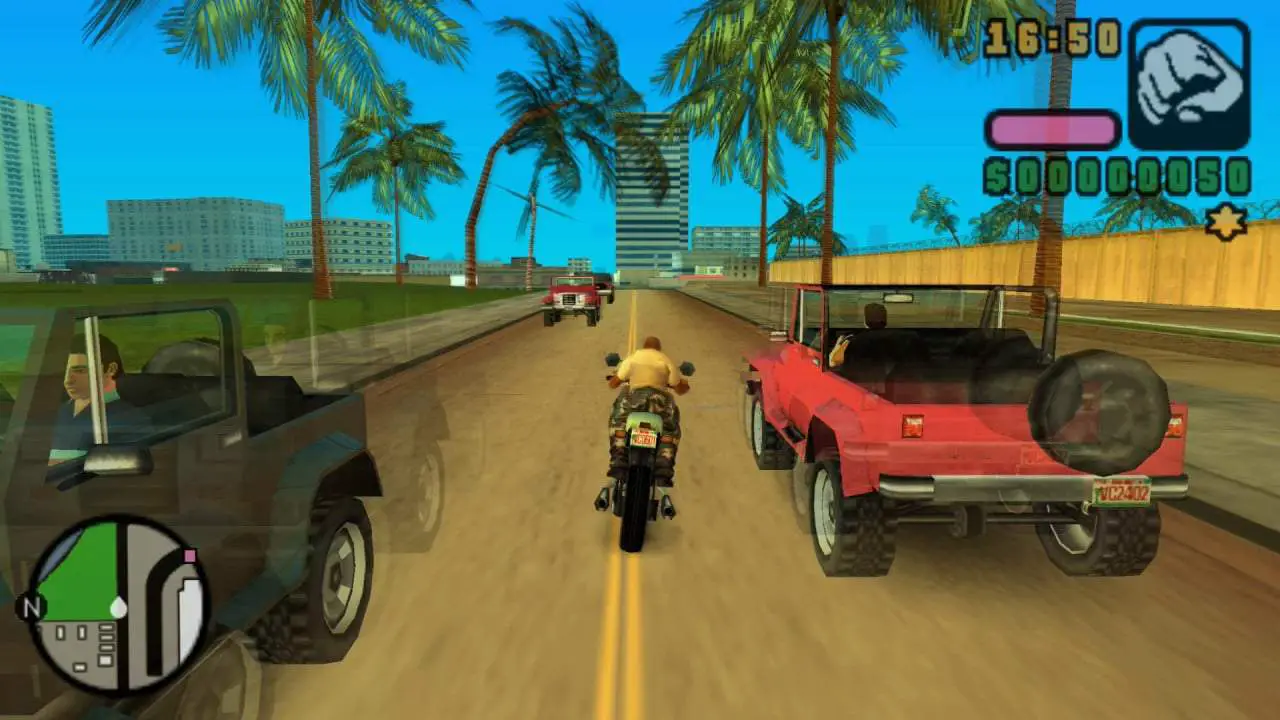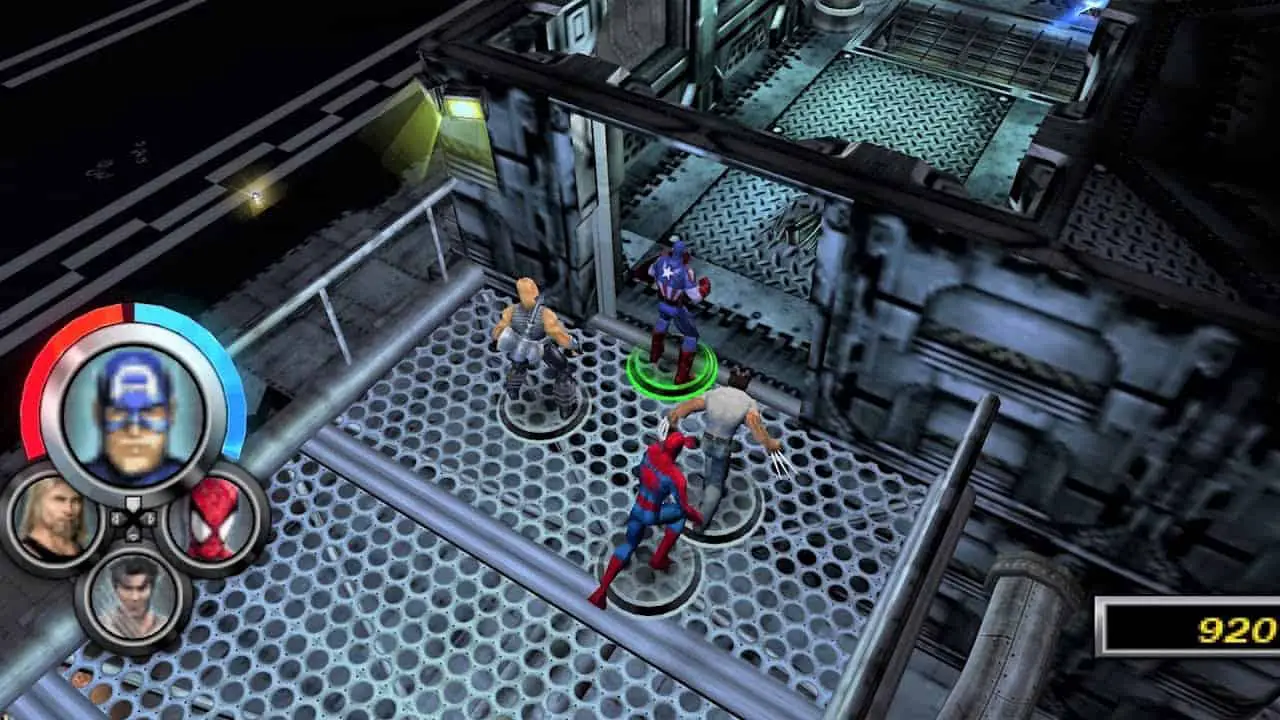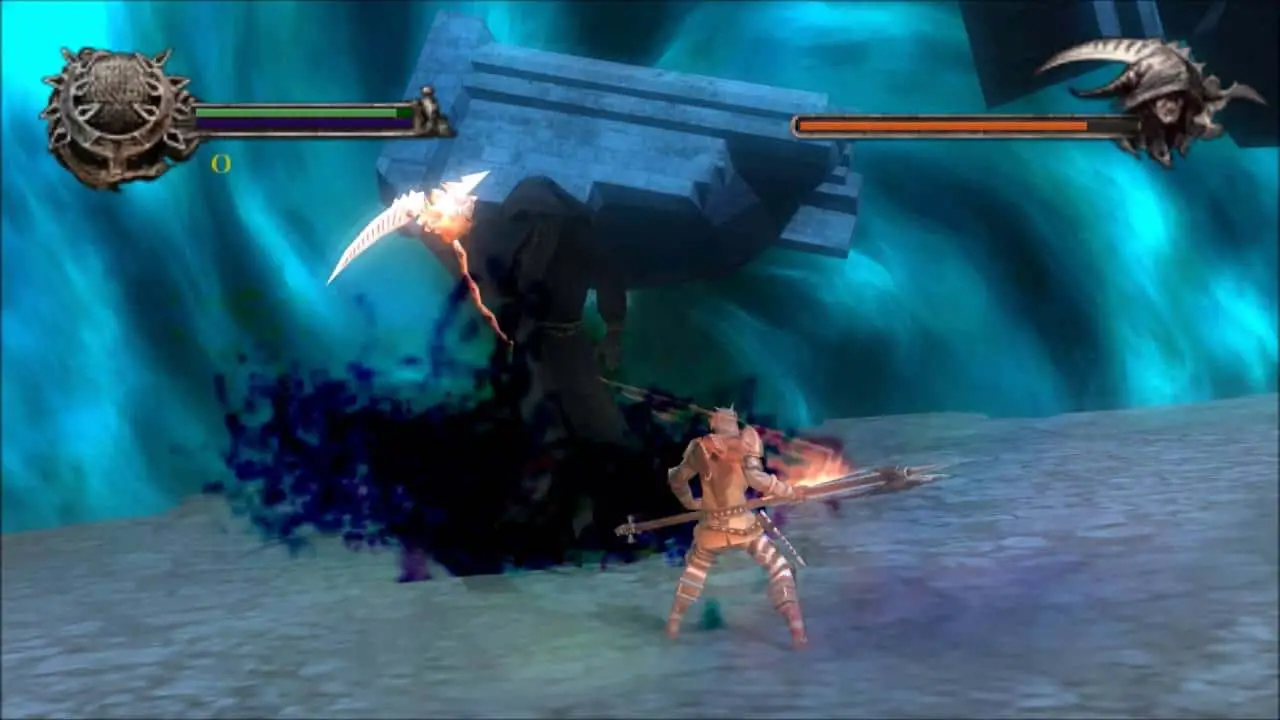
















As a writer who’s sunk thousands of hours into the PSP—battling friends in Monster Hunter marathons, chaining combos in Tekken tournaments, and chanting through Patapon chaos—I can vouch that multiplayer PSP games are the soul of Sony’s handheld legacy.
Launched in 2004, the PlayStation Portable (PSP) wasn’t just for solo play; it was a social revolution, driven by ad-hoc wireless and rare online modes. These games delivered cooperative epics, competitive showdowns, and chaotic brawls that rival modern titles.
This guide is your definitive resource for the best multiplayer PSP games, with exhaustive reviews, setup guides, community insights, historical context, and detailed FAQs.
Whether you’re a nostalgic veteran or a newcomer modding a PSP, this is your ultimate gold mine for PSP multiplayer greatness.
Comparison Table: Top Multiplayer PSP Games at a Glance
| Game Title | Genre | Multiplayer Mode | Best For | Metacritic Score | Replay Value |
|---|---|---|---|---|---|
| Monster Hunter Freedom Unite | Action RPG | Ad-hoc (up to 4 players) | Co-op monster-slaying with friends | 81 | High |
| Metal Gear Solid: Peace Walker | Stealth/Action | Ad-hoc, Online (up to 4 players) | Tactical co-op missions | 89 | Very High |
| Dissidia 012 Final Fantasy | Fighting/RPG | Ad-hoc, Online (1v1 or team battles) | Competitive FF fans | 78 | Moderate |
| Tekken: Dark Resurrection | Fighting | Ad-hoc (1v1) | Quick, skill-based duels | 88 | High |
| Patapon 3 | Rhythm/Strategy | Ad-hoc, Online (up to 8 players) | Unique co-op rhythm battles | 74 | Moderate |
| Power Stone Collection | 3D Brawler | Ad-hoc (up to 4 players) | Chaotic, pick-up-and-play fun | 79 | High |
| God Eater Burst | Action RPG | Ad-hoc (up to 4 players) | Fast-paced co-op monster hunting | 71 | High |
| Phantasy Star Portable 2 | Action RPG | Ad-hoc, Online (up to 4 players) | Sci-fi co-op with deep customization | 68 | High |
| Wipeout Pulse | Racing | Ad-hoc, Online (up to 8 players) | High-speed competitive racing | 82 | Moderate |
| SOCOM: Fireteam Bravo 3 | Tactical Shooter | Ad-hoc, Online (up to 16 players) | Team-based military action | 74 | Moderate |
This table offers a quick snapshot, but the exhaustive reviews, setup tips, and FAQs below make this guide a treasure trove for multiplayer PSP game fans.
Why Multiplayer PSP Games Still Matter
The PSP wasn’t just Sony’s answer to the Nintendo DS—it was a pioneer in portable gaming. Its ad-hoc multiplayer (local wireless) and limited online features created connections that felt magical in the mid-2000s.
Unlike today’s cloud-based platforms, multiplayer PSP games thrived on proximity—friends huddled in a dorm, PSPs linked via Wi-Fi, shouting over a Wipeout race or a SOCOM ambush. That raw camaraderie is rare today.
These games also pushed the PSP’s 333 MHz CPU to deliver console-like experiences, from the sprawling co-op of Phantasy Star Portable 2 to the 60fps fluidity of Tekken: Dark Resurrection. In 2025, emulators and modded PSPs keep these titles vibrant, proving their design transcends time.
The Historical Context of PSP Multiplayer Gaming
The PSP hit shelves in 2004, bridging the Game Boy Advance’s single-player focus and the Nintendo DS’s experimental multiplayer. Sony’s ad-hoc system enabled cable-free local play, a leap in an era of spotty Wi-Fi.
Games like Monster Hunter Freedom Unite sparked cultural phenomena, especially in Japan, where “MonHun” meetups packed cafés. The PSP’s online experiments, seen in Phantasy Star Portable 2, foreshadowed PSN.
Unlike modern always-online ecosystems, the PSP’s multiplayer was intimate, requiring physical proximity. This fostered real-world bonds, influencing the Nintendo 3DS and PS Vita. The PSP’s legacy lives in fan communities and emulators, keeping multiplayer PSP games alive post-Sony servers.
The Best Multiplayer PSP Games: Exhaustive Reviews and Personal Takes
Below, I dive into ten of the best multiplayer PSP games, drawing from countless hours of play—late-night God Eater runs, sweaty Dissidia tournaments, and more. Each review details gameplay, multiplayer dynamics, unique features, and vivid personal moments.
1. Monster Hunter Freedom Unite
Monster Hunter Freedom Unite (2008, 2009 in the West) is the pinnacle of multiplayer PSP games. This action RPG immerses you in a vibrant world where you and up to three friends hunt colossal monsters—Tigrex, Rathalos, Nargacuga—in arenas like jungles, volcanoes, and tundras.
Each hunt, lasting 20–50 minutes, involves tracking, trapping, and slaying beasts, then carving their hides for materials to craft weapons, armor, and items. The game boasts 14 weapon types, from greatswords (slow, heavy hits) to dual blades (fast combos) to bowguns (ranged support with ammo crafting).
With over 500 quests, 1,500+ gear pieces, and a 100-hour campaign, the depth is staggering. Multiplayer quests, accessed via the guild hall, scale monster health and difficulty, demanding teamwork.
You’ll coordinate roles—tank, healer, DPS, trapper—using items like traps, bombs, and potions. A single mistimed dodge can cart (knock out) a player, and three carts fail the quest, making every hunt a high-stakes ballet of strategy and skill.
Unique Elements:-
The ecology system gives monsters lifelike behaviors—Rathalos flees to specific zones to rest, Tigrex limps when weakened, Diablos burrows to ambush—adding strategic depth. Environmental interactions, like triggering falling rocks or vine traps, turn arenas into allies.
The crafting system is a game within a game: combine items (potion + honey = mega potion) mid-hunt or at base to unlock new tools. Felyne comrades, AI helpers, assist solo but shine in multiplayer as decoys or healers. The guild hall hub lets players trade items, show off gear, and plan via text chat.
Hidden mechanics, like mounting monsters (pre-dating World) or exploiting elemental weaknesses, reward mastery. Japan-exclusive quests, now accessible via fan patches, add rare monsters like the Hypnocatrice, expanding the roster. The game’s Palico customization, letting you tweak AI behaviors, adds a personal touch.
Why It Holds Up:-
The Monster Hunter formula—hunt, craft, repeat—remains unchanged, making Freedom Unite instantly familiar to fans of World or Rise. Its depth ensures near-infinite replayability: after 200 hours, you’ll still chase rare drops or perfect new weapons.
The PSP’s crisp visuals and responsive controls hold up, especially on emulated high-res displays. Modding communities, like those on r/PSP, provide English patches for Japan-exclusive content, adding quests and gear.
PPSSPP emulation enables global ad-hoc play, bypassing local Wi-Fi limits. The game’s social core—coordinating with friends, sharing loot—captures a pre-online era of gaming that feels refreshing today.
Its unforgiving difficulty and rewarding progression keep you hooked, whether you’re a newbie or a veteran. Fan tournaments, hosted on Discord, keep the competitive scene alive, with players showcasing optimized builds.
Personal Take:-
Early on, a Khezu’s electric blast carted me, and my friends roasted me for weeks. I spent 10 hours grinding its parts, crafting a thunder-resistant set that turned me into our team’s tank, soaking hits while others dealt damage.
One college LAN party saw us tackle a high-rank Diablos: I laid traps with my bowgun, our hammer user stunned its head, and two sword-and-shield players kept aggro. After 45 minutes of heart-pounding chaos, we carved its horns, screaming over a 1% drop-rate Majestic Horn.
Another session saw me misjudge a Rathalos’s fireball, carting twice and nearly failing the quest—my team’s clutch traps saved us, but I owed them pizza. That shared triumph, fueled by trash talk and teamwork, is why I still boot up Freedom Unite. Solo play feels empty—bring friends or join Discord groups.
2. Metal Gear Solid: Peace Walker
Hideo Kojima’s Metal Gear Solid: Peace Walker (2010) is a stealth-action masterpiece tailored for multiplayer PSP games. As Big Boss, you build Mother Base, a private army, through 300+ bite-sized missions (5–20 minutes), perfect for handheld play.
Gameplay blends stealth—sneaking with tranquilizers, cardboard boxes, or stealth camo—with action, like rocket launchers or CQC takedowns. Non-lethal tactics, like Fulton recoveries (airlifting enemies to recruit), add depth.
Missions range from infiltrating bases to battling tanks or AI-controlled mechs, with a progression system for developing weapons (e.g., silenced M16s), gear (sneaking suits), and base facilities.
The story, told via comic-style cutscenes and codec banter, explores Cold War themes, delivering 20+ hours of narrative. Co-op multiplayer, supporting up to four players via ad-hoc or online (now emulatable), transforms missions into tactical showcases. Players sync stealth in “Snake Formation” or go loud, splitting roles like suppressor, sniper, or infiltrator.
Unique Elements:-
Mother Base management is a standout: assign recruits to R&D, combat, or intel teams, unlocking gear like missile launchers or faster Fulton balloons. The system feels like a proto-Metal Gear Solid V, with strategic depth.
Co-op-specific mechanics, like passing items mid-mission, chaining CQC takedowns, or reviving fallen allies, foster teamwork. The trade system lets players exchange recruits with unique stats, encouraging community interaction.
Hidden Easter eggs—recruiting Kojima or finding secret codecs—reward exploration. Side ops, like defending Mother Base from invasions or photographing ghosts, add variety.
Versus Ops, a 4v4 deathmatch mode, offers a rare PvP twist. Dynamic weather (rain reduces visibility) and day-night cycles affect stealth. The game’s Outer Ops, sending recruits on autonomous missions, adds a management sim layer, with rare rewards like prototype weapons.
Why It Holds Up:-
Peace Walker’s mission-based structure ensures endless replayability, with randomized enemy patrols and gear unlocks keeping runs fresh. Its polish—crisp visuals, tight controls, stellar voice acting—rivals console games, looking stunning on PSP or emulated 4K displays.
Emulators restore online co-op, letting you play globally via PPSSPP or fan servers like PSPOnline. The blend of stealth, action, and base-building appeals to diverse playstyles, while the story’s depth rewards Metal Gear fans. Fan mods, like expanded Mother Base missions on Wololo.net, add content, and the game’s influence on MGS V makes it a historical gem.
The social aspect—coordinating with friends, sharing recruits—recaptures the PSP’s intimate multiplayer vibe. Active Discord communities host co-op events, with players trading strategies and rare recruits, keeping the game alive. Its accessibility (jump-in missions) and depth (base management) make it a timeless handheld classic.
Personal Take:-
A rainy weekend grind with a friend saw us botch a stealth run, diving into cardboard boxes as guards swarmed—pure hilarity. The Peace Walker mech fight was a disaster: we forgot anti-tank weapons, turning a 15-minute battle into a 30-minute slog of panicked dodging and weak pistol shots. We lost, but the frantic planning and laughter made it a highlight.
I spent hours tweaking Mother Base, assigning an S-rank recruit to R&D for a stealth camo unlock, only to realize my friend had traded me a C-rank dud—betrayal fueled our next session’s trash talk.
One co-op side op saw us defend Mother Base from waves of tanks, syncing Fulton recoveries to steal enemy gear, feeling like tactical geniuses. Peace Walker’s co-op is a masterclass in bonding through chaos—join a Discord server if you lack local pals.
3. Dissidia 012 Final Fantasy
Dissidia 012 Final Fantasy (2011) is a Final Fantasy fan’s dream, blending fighting mechanics with RPG progression. You choose from 30+ iconic characters—Cloud, Sephiroth, Lightning, Tidus—and battle in 3D arenas with floating platforms, destructible pillars, and dynamic hazards.
Combat revolves around chaining Bravery attacks (build damage potential) into HP attacks (deal actual damage), with combos requiring precise timing and positioning.
RPG elements let you equip abilities (e.g., Dodge Roll, Meteor), accessories (HP boosts), and summons (Ifrit, Bahamut), crafting playstyles from aggressive rushdowns to defensive zoning.
The EX Gauge unlocks EX Mode for character-specific buffs (e.g., Cloud’s Omnislash) or cinematic EX Bursts. The 40-hour story mode is bloated, but multiplayer—ad-hoc or online (emulatable)—is the heart, offering 1v1 duels or 2v2 team battles. Arenas like Orphan’s Cradle shift layouts mid-fight, demanding adaptability.
Unique Elements:-
The Assist system lets you call a second character for combo extensions or defensive saves, adding strategic depth—pair Tidus’s speed with Sephiroth’s range for devastating chains.
The KP (Kupo Points) system rewards match performance, unlocking rare gear like Lufenian armor. Character-specific mechanics, like Lightning’s Paradigm Shifts (switching between Commando, Ravager, Medic) or Vaan’s weapon-swapping, mirror their Final Fantasy origins.
Arenas feature unique hazards—Edge of Madness has teleporting portals, Sky Fortress Bahamut spawns meteors—forcing tactical adjustments. Party Battle mode lets teams share a health pool, emphasizing coordination. Hidden customization options, like chaining abilities for combo finishers, reward experimentation.
The soundtrack, remixing FF classics like “One-Winged Angel,” elevates every clash. Unlockable character skins, like Tifa’s Advent Children outfit, add fan-service flair.
Why It Holds Up:-
The massive roster and customization ensure endless match variety—after 100 hours, you’ll still discover new builds. The PSP’s visuals, with vibrant character models and particle effects, look crisp, especially emulated at 4x resolution.
Ad-hoc multiplayer is seamless for local play, and PPSSPP restores online battles, connecting global players. The game bridges casual and competitive play: newcomers enjoy flashy combos, while pros master frame data and counterpicks.
Fan mods, like expanded rosters or custom arenas on GBAtemp, keep the scene alive. Its influence on later fighters, like Super Smash Bros., cements its legacy. The social thrill of outsmarting friends in a heated duel recaptures the PSP’s multiplayer magic.
Active communities on Reddit and Discord host tournaments, with players sharing build guides and combo videos, ensuring ongoing engagement. The game’s balance and depth make it a timeless fighter for FF fans and fighting game purists alike.
Personal Take:-
I mained Tidus, stacking speed boosts to zip around, baiting whiffs with Spiral Cut. A local tournament pitted me against a friend’s Golbez, whose slow, crushing Shadow Dragon spells nearly ended me.
I dodged a Black Fang, landed a Jecht Shot, and triggered an EX Burst for a clutch win—pure euphoria. Losing a later match to his optimized Gilgamesh combo, chaining four swords in a brutal juggle, still stings; I spent hours labbing counters in the training mode.
One late-night 2v2 session with friends devolved into chaos, our Cloud and Lightning syncing Assists to crush opponents, laughing over voice chat.
Another match saw me misjudge an arena portal, teleporting into a foe’s Meteor, but my Assist save turned it around. Dissidia’s multiplayer forges bonds and rivalries—skip the story and dive in.
4. Tekken: Dark Resurrection
Tekken: Dark Resurrection (2006) brought arcade-perfect fighting to multiplayer PSP games. Its 34-character roster—Jin’s Mishima karate, Xiaoyu’s acrobatic flips, Bryan’s brutal punches—is a masterclass in balance and diversity.
Running at 60fps, the game’s fluid combos, juggles, and counters feel buttery smooth, a technical marvel on the PSP’s hardware. Combat emphasizes timing and spacing: chain 10-hit strings, launch foes for air juggles, or sidestep to punish whiffs.
Each character has 50+ moves, from basic punches to complex grapples, rewarding mastery. The PSP’s analog nub ensures precise inputs, rivaling arcade sticks. Ad-hoc 1v1 multiplayer is the core, perfect for quick lunch-break bouts or marathon grudge matches.
Modes include standard duels, time attacks, and survival, with multiplayer focusing on pure skill-based fights.
Unique Elements:-
The Ghost Battle mode downloads AI profiles of other players, simulating online play by mimicking their combos and habits—a clever workaround for the PSP’s limited online. Character customization lets you tweak outfits and colors, like giving Jin a fiery red gi.
The Dojo mode teaches advanced tech—wave-dashing, Korean backdashing, juggle extensions—rare for a handheld fighter. Stage interactions, like breakable walls in the Waterfall stage or slippery ice in the Arctic, add environmental strategy.
The game’s AI adapts to your playstyle, forcing mix-ups. Unlockable endings, showcasing each character’s story via FMVs, add replay incentive. The soundtrack, blending techno and rock, amps up every round. Hidden combo challenges, like landing a 15-hit string, unlock rare items, rewarding skill.
Why It Holds Up:-
Tekken’s mechanics are timeless, with Dark Resurrection’s polish matching modern fighters like Tekken 7. The roster’s depth ensures no two matches feel the same—after 150 hours, I was still learning new Bryan strings.
The PSP’s crisp visuals and responsive controls shine, especially emulated at 1080p. Ad-hoc multiplayer is flawless for local play, and PPSSPP’s netplay enables global duels, with Discord communities organizing tournaments. Fan mods, like HD texture packs on GBAtemp, enhance visuals without altering gameplay.
The game’s accessibility (pick-up-and-play) and depth (mastery takes years) make it a staple for casual and competitive players. Its influence on portable fighters, like Street Fighter Alpha 3 MAX, underscores its legacy.
Active forums share combo guides and host online leaderboards, keeping the community vibrant. The thrill of a perfectly timed counter in a friend’s face is pure PSP magic.
Personal Take:-
I spent lunch breaks mastering Bryan Fury’s punishing strings, chaining Snake Edge into Orbital Heel for devastating juggles. An office tournament saw me face a coworker’s King, whose grabs nearly ended me.
I baited a reckless throw with a sidestep, landing a 10-hit combo to win by a pixel of health—my taunt sealed the bragging rights. One late-night session with friends turned into a 20-match marathon, each duel escalating with trash talk and clutch reversals.
I downloaded a Ghost profile mimicking a pro’s Jin, whose wave-dashing crushed me; labbing counters for hours was humbling but addictive. Another match saw me misjudge a stage’s icy floor, slipping into a punish, but my reversal throw saved face. Tekken’s multiplayer is a time machine to sweaty arcade battles—find a rival and settle the score.
5. Patapon 3
Patapon 3 (2011) is a gloriously bizarre entry in multiplayer PSP games, blending rhythm-based inputs with real-time strategy. You command a tribe of eyeball creatures, the Patapons, via drumbeats (Pata-Pata-Pata-Pon for movement, Pon-Pon-Pata-Pon for attacks), leading them against monsters, rival tribes, and bosses across 60+ missions.
Each command requires precise timing to maintain rhythm, building Fever Mode for boosted stats and special moves. Units—archers, spearmen, mages—can be upgraded with gear (swords, shields) and abilities (fire arrows, heals), creating varied army builds.
The campaign, spanning 20 hours, is quirky and challenging, but multiplayer is the star. Ad-hoc and online modes (emulatable) support up to eight players, offering co-op missions (team up to slay bosses) or competitive battles (score points for kills and objectives). The multiplayer hub lets players trade gear and strategize, fostering community.
Unique Elements:-
The Hero system lets you customize a lead Patapon with unique skills, like summoning meteors or unleashing a massive sword slash, adding flair to battles. The multiplayer hub’s text chat and emote system create a lively social space, like a mini-MMO.
Weather effects—rain slows movement, wind boosts arrows—alter battle dynamics, forcing tactical shifts. The Djinn system lets you summon powerful spirits in Fever Mode, turning the tide with screen-clearing attacks.
Mission modifiers, like fog reducing visibility, add replay variety. The game’s hand-drawn art and catchy chants (voiced in a fictional language) create an immersive vibe.
Hidden levels, unlocked via specific chant combos, reward dedicated players with rare loot. The Uberhero mode, letting you control your Hero directly, adds action elements to strategic play.
Why It Holds Up:-
The rhythm-strategy hybrid is unlike anything else, blending accessibility (simple inputs) with depth (unit management, timing mastery). The PSP’s vibrant visuals and crisp audio shine, especially emulated with enhanced colors.
Ad-hoc multiplayer is perfect for local chaos, and fan servers, like those on PSPOnline, revive online play for global matches. Mods on Wololo.net add custom missions and skins, keeping the community active.
The game’s social core—syncing chants with friends, trading gear—recaptures the PSP’s intimate multiplayer feel. Its influence on rhythm games, like Rhythm Heaven, highlights its innovation. Active Discord servers host chant-along events, with players sharing Hero builds and strategies.
The addictive loop of perfecting combos and building armies ensures replayability, especially with friends to share the madness. Its quirky charm and challenging gameplay make it a cult classic.
Personal Take:-
A gaming meetup turned into a chanting frenzy as our eight-player squad synced Pon-Pon-Pata-Pon to unleash Fever Mode chaos against a boss. I fumbled a combo, breaking our rhythm and costing us the fight—my friends still tease me at reunions.
I spent hours customizing my Hero Patapon, equipping a meteor-summoning skill that turned a losing match into a comeback, earning team cheers. A competitive match saw us outscore rivals by chaining Djinn summons, but their last-second objective steal left us stunned.
Another session saw me misjudge a rain-soaked mission, slowing our advance, but a clutch Uberhero charge saved the day. Patapon 3’s multiplayer is a joyous, chaotic ritual—practice rhythms solo or risk being the weak link.
6. Power Stone Collection
Power Stone Collection (2006) ports Power Stone and Power Stone 2 to the PSP, delivering frenetic 3D arena brawls. Up to four players battle in interactive arenas—castles, airships, jungles—grabbing power-ups (swords, guns, bombs) and Power Stones to transform into supercharged forms with devastating specials.
Think Super Smash Bros. meets Street Fighter with a cartoonish, Capcom flair. Each of the 10 characters, like ninja Ayame or pilot Falcon, has unique movesets and transformations (Ayame’s shuriken storm, Falcon’s meteor barrage).
Arenas feature traps—falling boulders, exploding barrels, collapsing bridges—encouraging environmental play. Matches last 2–5 minutes, perfect for quick sessions, but mastering combos and positioning adds competitive depth. Ad-hoc multiplayer is the focus, with modes including free-for-all and team battles, turning every session into chaotic fun.
Unique Elements:-
The Power Fusion system lets you combine items for unique weapons, like a flaming skateboard or a laser rifle, adding unpredictable flair. Arenas are dynamic: the Pirate Ship sways with waves, affecting footing; the Tombstone stage spawns ghosts that disrupt fights.
The VMU minigames, ported from Dreamcast, offer solo distractions like fishing or racing. Character-specific Power Drives, like Rouge’s fire traps or Wang-Tang’s energy blasts, diversify playstyles.
The game’s AI scales with player skill, ensuring challenging bots for practice. Unlockable costumes and stages, like a neon-lit arena, incentivize replays. The vibrant, cel-shaded art and upbeat soundtrack create a timeless vibe. Hidden collectibles, like rare Power Stones with unique effects, reward exploration.
Why It Holds Up:-
The fast-paced chaos is endlessly accessible, perfect for casual group play, while combo mastery and stage control reward dedicated players. The PSP’s colorful visuals and tight controls hold up, looking stunning emulated at 4K.
Ad-hoc multiplayer is seamless for local sessions, and PPSSPP’s netplay enables global brawls, with Discord communities organizing tournaments. Fan mods, like custom characters on GBAtemp, add variety, though the core game needs no tweaks.
Its influence on arena brawlers, like Gang Beasts, underscores its legacy. Active forums share stage guides and host online leaderboards, keeping the community vibrant.
The social thrill of dodging a friend’s meteor barrage while lobbing a bazooka is pure PSP magic. The collection’s dual games (Power Stone for focused duels, Power Stone 2 for chaos) double the value, ensuring replayability for years.
Personal Take:-
A dorm-room session with Power Stone 2 saw us dodging meteors and swinging hammers, nearly toppling a lamp—thankfully, no casualties. I mained Ayame for her ninja speed, chaining shuriken combos to outmaneuver foes.
My friend’s Falcon, spamming meteor barrages, crushed me repeatedly, forcing me to lab stage traps like the Tombstone’s ghosts to counter him. A four-player match came down to a Power Stone scramble: I grabbed the final stone, transformed, and unleashed a screen-clearing storm, only to get sniped by a stray bazooka at the last second.
The betrayal sparked a rematch marathon. Another match saw me misjudge the Pirate Ship’s sway, slipping into a trap, but a clutch Power Drive turned it around. Power Stone’s multiplayer is chaotic joy—grab friends and a big screen.
7. God Eater Burst
God Eater Burst (2010) is a sci-fi rival to Monster Hunter in multiplayer PSP games. Set in a post-apocalyptic world, you wield God Arc weapons—transforming blades, guns, or hammers—to hunt Aragami, monstrous creatures, in urban ruins and wastelands.
Missions (10–20 minutes) are faster than Monster Hunter’s, emphasizing chained melee and ranged attacks. The Devour mechanic lets you bite enemies for Burst Mode, boosting stats and unlocking specials like laser barrages.
Over 100 missions, 400+ weapons, and 200+ armor sets create a deep progression system. The anime-style story, with voiced cutscenes, adds emotional weight, spanning 15 hours.
Ad-hoc multiplayer lets four players coordinate roles—sniper, tank, support, healer—with dynamic difficulty scaling. The bullet-crafting system customizes projectiles (homing lasers, explosive rounds), making every player’s role unique.
Unique Elements:-
The bullet-crafting system is a standout: design projectiles with specific trajectories, elements, and effects, like a ricocheting fire bullet or a piercing ice beam, using an in-game editor.
The Oracle Cell system upgrades weapons with enemy parts, unlocking new Devour moves. Link Support buffs teammates (e.g., speed boosts, healing auras), fostering synergy. Arenas feature environmental hazards, like collapsing buildings or acid pools, adding tactical layers.
The character creator lets you design your hunter’s look andCitvoice, a rarity for PSP RPGs. NPC allies, with distinct personalities, join solo but shine in multiplayer as customizable bots. Hidden missions, unlocked via specific Aragami kills, offer rare loot. The soundtrack, blending orchestral and electronic tracks, elevates hunts.
Why It Holds Up:-
Its faster pace and streamlined hunts appeal to Monster Hunter fans craving variety, while the bullet-crafting system offers near-infinite creativity—after 120 hours, I was still tweaking recipes.
The PSP’s visuals, with detailed Aragami designs and fluid animations, look crisp, especially emulated at 2x resolution. Ad-hoc multiplayer is seamless for local play, and PPSSPP simplifies global connections, with Discord groups hosting weekly hunts.
Modding communities on Wololo.net add custom missions and weapons, extending replayability. The game’s influence on God Eater 3 makes it a historical touchstone, and its anime aesthetic resonates with modern JRPG fans.
Active forums share bullet recipes and host co-op events, keeping the community vibrant. The social thrill of syncing a crafted bullet barrage with a friend’s melee combo is addictive, ensuring God Eater remains relevant.
Personal Take:-
At a convention, my team crafted a bullet that shredded a Vajra’s core in seconds, our melee players carving it as I fired from a rooftop—pure synergy.
I spent hours in the bullet editor, designing a homing laser that felt like cheating, only for a friend’s sniper build to outdamage me, sparking a friendly rivalry.
One hunt went south when an Aragami’s tail swipe carted our healer; I Devoured it for Burst Mode, landing a clutch hammer smash to save the mission, earning team cheers. Trading rare Oracle Cells in the hub felt like a black-market deal—until I realized I’d overpaid for a dud.
Another session saw me misjudge an acid pool, losing half my health, but a teammate’s Link Support heal kept me alive. God Eater’s multiplayer is a high-octane thrill—dive into bullet crafting to stand out.
8. Phantasy Star Portable 2
Phantasy Star Portable 2 (2010) is a sci-fi RPG gem in multiplayer PSP games. Create a custom character—human, android, beast, or Newman—and explore planets, battling robots, aliens, and bosses with four classes: Hunter (melee), Ranger (guns), Force (spells), Vanguard (hybrid).
The game offers thousands of weapons—sabers, rifles, photon whips—and abilities (fireballs, heals), with missions ranging from dungeon crawls to 30-minute boss fights. The 30-hour story, set in a vibrant universe, is engaging, but multiplayer shines.
Ad-hoc and online modes (emulatable) support four-player co-op, scaling difficulty dynamically. The Visual Lobby lets players trade items, emote, and chat, creating a lively hub. Over 200 missions, 500+ armor sets, and a Rebirth system (reset levels for stat boosts) ensure depth, rivaling MMOs.
Unique Elements:-
The Rebirth system is a game-changer: reset your level to boost stats, enabling near-infinite endgame builds, like a max-speed Hunter or a glass-cannon Force. The Mission Code system lets you share custom quests, fostering community creativity.
The Visual Lobby’s emotes—dances, poses—and text chat create a social space, like a sci-fi tavern. Elemental weaknesses (fire beats ice, etc.) and status effects (poison, stun) add tactical depth.
The partner card system lets you recruit NPC allies or friends’ AI avatars for solo play, customizable with gear. Hidden planets, unlocked via rare drops, offer high-risk missions.
The game’s cel-shaded art and synth-heavy soundtrack evoke a retro-futuristic vibe. Fan patches, like Infinity, add missions and weapons, expanding the experience.
Why It Holds Up:-
Its customization and social features rival modern MMOs, with thousands of gear and skill combos ensuring unique builds—after 150 hours, I was still experimenting. The PSP’s vibrant visuals and smooth controls look stunning, especially emulated at 4K.
Ad-hoc multiplayer is perfect for local squads, and PPSSPP restores online play, with Discord servers hosting global lobbies. Mods on Wololo.net, like Infinity’s expanded roster, keep the game fresh. Its influence on Phantasy Star Online 2 cements its legacy, and the sci-fi aesthetic appeals to JRPG fans.
Active communities share Mission Codes and host co-op events, ensuring ongoing engagement. The social thrill of trading rare photon arts or syncing elemental combos in a boss fight recaptures the PSP’s multiplayer intimacy, making every session a hangout.
Personal Take:-
As a Force, I cast buffs to support our tank-heavy squad, trading photon arts in the Visual Lobby like a sci-fi bazaar. A De Ragan boss fight saw my ice spell freeze it, letting our Hunter land a massive saber combo—teamwork at its finest.
I once traded a rare photon art for a rifle, only to realize it was underpowered; the lesson cost me hours of grinding. A late-night session turned into a four-hour marathon, our squad designing a custom Mission Code that pitted us against triple bosses, barely surviving but laughing through the chaos.
Another match saw me misjudge a poison trap, nearly carting, but a teammate’s heal saved me. Phantasy Star’s multiplayer is a sci-fi adventure—join a lobby and make friends.
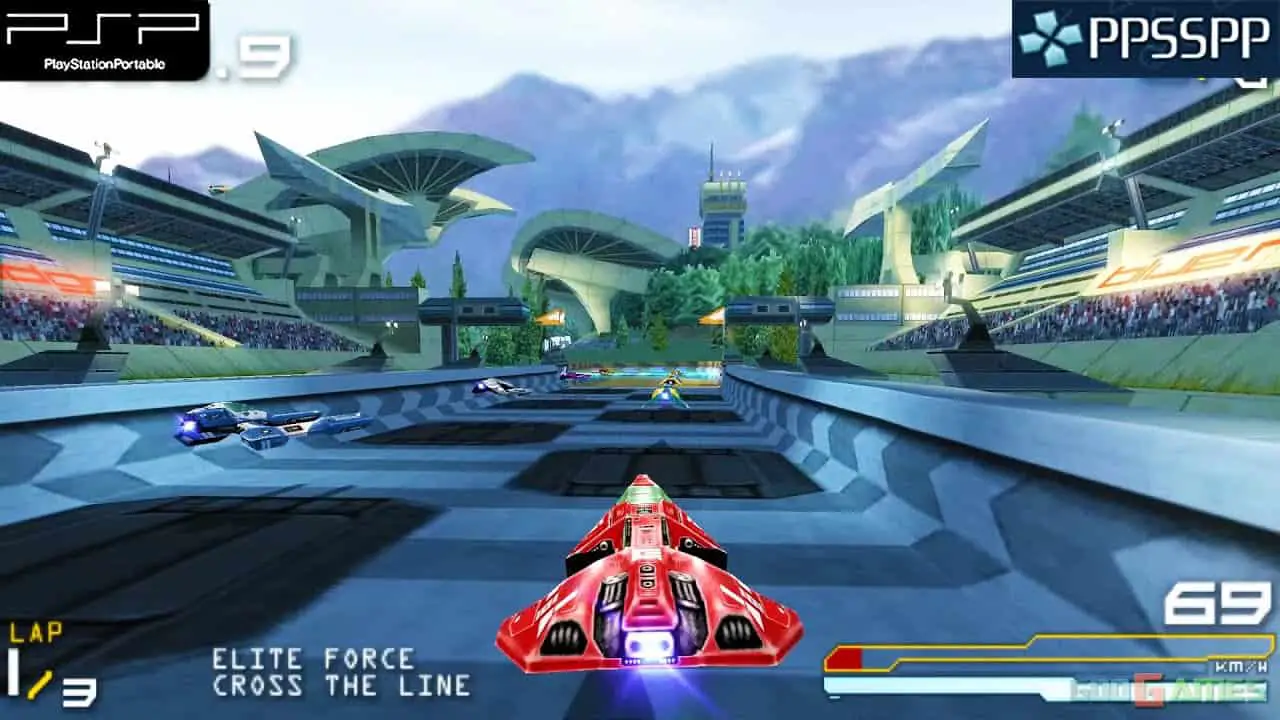
9. Wipeout Pulse
Wipeout Pulse (2008) is a futuristic racer with anti-gravity ships and 24 tracks featuring loops, drops, and shortcuts. Pilot craft from teams—Feisar (balanced), Piranha (speed-focused), Assegai (agile)—each with unique stats for speed, handling, and shields.
Tracks, like Moa Therma’s volcanic twists or Talons Junction’s urban sprawl, demand precision. Weapons—missiles, quakes, mines—add combat, letting you disrupt rivals. The campaign spans 12 grids (races, time trials, battles), but multiplayer is the draw.
Ad-hoc and online modes support up to eight players, racing or battling in modes like Eliminator (kill-focused) or Tournament (point-based). The techno soundtrack, with tracks from Kraftwerk and Stanton Warriors, amps the adrenaline, while the sleek visuals make every race a visual feast.
Unique Elements:-
The Zone mode (solo-only) pushes speeds to hypnotic levels, with tracks morphing in real-time—pure sensory overload. The Mag-Strip system locks ships to tracks for tight turns, enabling daring maneuvers. Weapons have strategic depth: EMPs disable shields, Turbos grant speed boosts, Leech Beams steal energy.
The grid system unlocks ships, skins, and tracks via performance, incentivizing replays. Track-specific shortcuts, like a hidden ramp in Sebenco Climb, reward memorization.
Photo Mode lets you capture race highlights, a rarity for PSP. Dynamic billboards in arenas display player stats, adding immersion. Unlockable Elite AI challenges test your skills, preparing you for multiplayer.
Why It Holds Up:-
The tight controls and blistering pace remain unmatched, rivaling modern racers like F-Zero 99. The PSP’s vibrant visuals and 60fps performance look stunning, especially emulated at 1080p with anti-aliasing.
Ad-hoc multiplayer is flawless for local races, and PPSSPP’s netplay enables global showdowns, with Discord communities hosting weekly tournaments. Fan mods, like custom tracks on GBAtemp, add variety, though the core game is near-perfect.
Its influence on Wipeout 2048 and sci-fi racers cements its legacy. Active forums share track guides and host online leaderboards, keeping the community vibrant. The social thrill of outmaneuvering a friend’s rocket or nailing a perfect lap is pure PSP adrenaline. The soundtrack’s timeless beats keep you hooked, whether racing or chilling.
Personal Take:-
An airport lounge session saw friends and me linked via ad-hoc, cursing missed boosts and rogue rockets. I piloted a Piranha, mastering Moa Therma’s shortcuts to take the lead, only for a friend’s last-second mine to flip me at the finish—salt was spilled.
I spent hours practicing barrel rolls for extra boost, landing a clutch Eliminator win by chaining a Turbo and EMP to disable a rival’s shields, earning cheers. A race came down to a photo finish, my shield absorbing a quake for a 0.01-second victory.
Another match saw me misjudge a Mag-Strip turn, crashing, but a Leech Beam steal got me back in the race. Wipeout’s multiplayer is a high-speed fever dream—learn tracks solo to dominate friends.
10. SOCOM: Fireteam Bravo 3
SOCOM: Fireteam Bravo 3 (2010) brings military precision to multiplayer PSP games. The campaign follows a fireteam on covert ops, but multiplayer is the star, supporting up to 16 players in team deathmatches, capture-the-flag, suppression (hold points), and demolition (bomb-planting) modes via ad-hoc or online (emulatable).
Customize loadouts with sniper rifles, shotguns, grenades, and perks (faster reloads, stealth). Gameplay emphasizes tactics: use cover, suppress enemies, revive teammates, and coordinate via voice or text chat.
Maps, like urban streets or jungle outposts, feature destructible cover and flank routes, encouraging strategic play. Realistic mechanics—bleed-out, weapon recoil, suppression—add immersion. Matches last 5–15 minutes, balancing quick thrills with depth.
Unique Elements:-
The Intel system unlocks gear via challenges, like 50 headshots for a scoped rifle, incentivizing skill. The cover system allows peeking, blind-firing, and vaulting, adding tactical nuance. Dynamic objectives, like rescuing hostages or hacking terminals, shift mid-match, forcing adaptability.
The squad command system lets you issue orders to AI teammates in solo play, customizable for multiplayer bot support. Maps feature weather effects—rain reduces visibility, fog masks snipers—altering strategies.
The ranked system tracks performance, matching you with similar skill levels. Unlockable camos and emblems add personalization. The game’s gritty visuals and cinematic soundtrack, with radio chatter, immerse you in a warzone.
Why It Holds Up:-
The tactical depth and large-scale battles (16 players on a handheld!) were ambitious, rivaling modern shooters like Rainbow Six. The PSP’s controls and visuals hold up, especially emulated with enhanced textures.
Ad-hoc multiplayer is perfect for local squads, and fan servers, like PSPOnline, revive online play, with Discord groups hosting 8v8 matches. Mods on Wololo.net add custom maps and weapons, extending replayability. Its influence on SOCOM 4 and tactical shooters cements its legacy.
Active communities share loadout guides and host ranked tournaments, ensuring ongoing engagement. The social thrill of coordinating a flank or landing a clutch headshot recaptures the PSP’s multiplayer intimacy. The variety of modes ensures something for every shooter fan, from casual to hardcore.
Personal Take:-
I joined a clan for online matches, perfecting flank routes and flashbang tosses on the Outpost map. An 8v8 suppression match saw us hold a chokepoint via voice chat, my sniper shots pinning enemies while teammates grabbed the objective—winning with a last-second dive felt cinematic.
I landed a headshot to clinch a 16-player deathmatch, only for my squad to roast me for camping a rooftop. A demolition marathon saw our team sync smoke grenades and C4 plants to outsmart rivals, laughing over comms.
Another match saw me misjudge a foggy map, walking into an ambush, but a teammate’s revive got me back in. SOCOM’s multiplayer is a tactical thrill—join a clan for the full experience.
Setting Up Multiplayer PSP Games in 2025: A Step-by-Step Guide
Playing multiplayer PSP games today requires overcoming hardware and connectivity hurdles. Here’s a detailed guide, based on my modding and emulation experience:
1. Check Your PSP Hardware
Battery: Replace aging batteries with a 1200mAh third-party model (eBay, ~$15). Mine died mid-Wipeout race.
UMD Drive: Clean the laser or mod for ISOs if it fails.
Wi-Fi: Test the Wi-Fi switch in network settings for ad-hoc.
2. Mod Your PSP
- Install custom firmware (6.61 PRO-C) via r/PSP or Wololo.net to run ISOs from a 32GB Memory Stick Pro Duo.
- Rip your own UMDs for legal ISOs. I modded my PSP 2000, loading 20+ games.
3. Set Up Ad-hoc Multiplayer
- Ensure PSPs are on the same firmware and within 30 feet. Select “Ad-hoc” in-game to host or join.
- I linked four PSPs in a café for Monster Hunter—no internet needed.
4. Emulate for Online Play
- Use PPSSPP (ppsspp.org) to emulate games. Load ISOs and enable “Fast Memory” for performance.
- For online ad-hoc, use PPSSPP’s netplay or Hamachi. I played Phantasy Star globally via PPSSPP.
- Optimize: set rendering to 2x, use wired connections for netplay.
5. Join Fan Servers
- Fan servers on PSPOnline (Discord) revive online modes for SOCOM and Patapon 3.
- I joined Peace Walker’s co-op via a fan server, syncing globally.
6. Troubleshooting
Lag: Lower PPSSPP’s resolution.
Disconnects: Sync PPSSPP versions. I fixed Dissidia disconnects this way.
Compatibility: Check PPSSPP’s list. Freedom Unite is flawless; Patapon 3 needs tweaks.
This ensures you can enjoy multiplayer PSP games locally or online.
Fan Communities and Modding: Keeping the PSP Scene Alive
The PSP’s multiplayer scene thrives via fans and modders:
Communities:-
r/PSP: Guides, meetups, and Monster Hunter groups. I found a hunt squad here.
PSPONLINE Discord: Hosts SOCOM and Phantasy Star matches.
GameFAQs: Active for God Eater strategies.
Modding Resources:-
Wololo.net: Firmware tutorials, Monster Hunter patches. I added new quests to Freedom Unite.
GBAtemp: Custom Dissidia rosters, Tekken textures. I tried an HD Tekken pack.
PPSSPP Forums: Netplay setups. Fixed Patapon 3 lag.
Custom Content:-
- Patches: Phantasy Star Portable 2 Infinity adds missions.
- Servers: SOCOM’s fan server enabled 16-player matches.
- Homebrew: Adrenaline runs PS1 multiplayer games.
Get Involved: Start at r/PSP or Wololo.net. Join Discord for matches. Share mods (e.g., God Eater bullets) to contribute. I shared a Peace Walker save, earning kudos.
Challenges and Workarounds for Multiplayer PSP Games
- Ad-hoc Limits: PPSSPP’s netplay enables global play.
- Dead Servers: Fan servers or Hamachi revive Phantasy Star, SOCOM.
- Hardware: Replace batteries, mod for ISOs.
- Scarcity: Check eBay, retro stores, PS Store.
My PSP’s UMD failed mid-Wipeout, but modding saved me.
Why You Should Revisit Multiplayer PSP Games Today
The PSP’s multiplayer era was a golden age. Monster Hunter Freedom Unite, Phantasy Star Portable 2, and SOCOM: Fireteam Bravo 3 delivered depth and connection that resonate in 2025. Fans, mods, and emulation keep them alive, with polish rivaling modern games.
For me, multiplayer PSP games are a portal to late-night hunts and trash-talking races. Fire up your PSP, rally friends, or dive into emulation. These classics are as thrilling now as ever. What’s your favorite multiplayer PSP game? Share below—I’m all ears.
FAQ
1. Can I still play multiplayer PSP games online in 2025, even after official servers shut down?
Yes, absolutely—while Sony’s official online infrastructure for the PSP was discontinued years ago (around 2014 for most titles), fan-driven solutions have kept the scene alive.
For games with built-in online modes like Metal Gear Solid: Peace Walker or Phantasy Star Portable 2, you can use emulators such as PPSSPP to simulate ad-hoc connections over the internet via netplay features.
Tools like Hamachi or Parsec can create virtual LANs for global play, and dedicated fan servers (e.g., PSPOnline on Discord) host custom lobbies for titles like SOCOM: Fireteam Bravo 3.
If you’re sticking to original hardware, ad-hoc local wireless still works flawlessly for up to 16 players in games like Wipeout Pulse, as long as devices are within 30 feet and on compatible firmware. Start by checking compatibility on PPSSPP’s official forums to ensure your chosen game supports restored online functionality.
2. How do I set up ad-hoc multiplayer on a physical PSP without emulation?
Setting up ad-hoc multiplayer on original PSP hardware is straightforward and doesn’t require internet. First, ensure all PSPs (models 1000–3000 or Go) have charged batteries and are running firmware 6.61 or earlier—update via Sony’s archived files if needed.
Insert the UMD or load an ISO on modded systems, then navigate to the game’s multiplayer menu and select “Ad-hoc Mode.” One player hosts by creating a room, while others join by scanning for available sessions.
For best results, disable any interfering Wi-Fi networks and keep devices close to avoid signal drops. Common pitfalls include mismatched game regions (use NTSC or PAL consistently) or firmware conflicts; if issues arise, install custom firmware like PRO-C for stability.
This setup shines for local co-op in games like God Eater Burst, where up to four players can hunt Aragami without any online dependency.
3. What is the best way to play PSP multiplayer games on PC or mobile in 2025?
Emulation via PPSSPP is the gold standard for modern PSP multiplayer, available on Windows, Android, iOS, Linux, and even Mac. Download the latest version from ppsspp.org, load your legally ripped ISOs, and enable netplay for online ad-hoc simulation.
For cross-platform play, use the built-in WLAN feature with a VPN like ZeroTier to bridge devices globally—ideal for 1v1 Tekken: Dark Resurrection duels or 8-player Patapon 3 rhythm battles.
On mobile, Android users get the edge with controller support via Bluetooth, while iOS requires side-loading. Optimize settings by bumping resolution to 4x for sharper visuals in Dissidia 012 Final Fantasy, but lower it if lag occurs during high-player counts. Always back up saves, as emulation can occasionally corrupt data during netplay sessions.
4. Are there active online communities for organizing PSP multiplayer sessions?
Yes, the PSP multiplayer community is surprisingly vibrant in 2025, centered around platforms like Reddit’s r/PSP (over 100k members), the PSPONLINE Discord server for real-time matchmaking, and forums on Wololo.net and GBAtemp.
These hubs host weekly events, such as Monster Hunter Freedom Unite hunt parties or SOCOM: Fireteam Bravo 3 clan wars, often using PPSSPP netplay. For specific games, check GameFAQs boards for strategy shares or join Facebook groups like “PSP Multiplayer Revival” for local meetups.
If you’re into competitive play, Discord bots track leaderboards for Tekken or Wipeout Pulse races. To get started, introduce yourself with your timezone and favorite games—many groups welcome newcomers with setup help and even shared ISOs for legal backups.
5. How can I fix lag or connection issues in PSP multiplayer emulation?
Lag in PPSSPP multiplayer often stems from network instability or suboptimal settings—start by ensuring a wired Ethernet connection for the host and enabling “Fast Memory” in the emulator’s system tab to reduce stuttering.
For netplay, sync versions across players (e.g., all on 1.17.1) and use tools like Adrenaline for PS Vita users to minimize input delay. If desyncs occur in games like Power Stone Collection, lower graphical enhancements like anisotropic filtering or set frameskipping to 1. Test ping with your group via Discord’s voice chat beforehand, aiming for under 100ms.
For mobile users, avoid Wi-Fi hotspots and close background apps; if problems persist, forums like PPSSPP’s GitHub issues page have game-specific fixes, such as patching Patapon 3 for better rhythm sync.
6. Is it safe to mod my PSP for multiplayer enhancements, and what risks are involved?
Modding your PSP with custom firmware (e.g., 6.61 PRO-C) is generally safe if done correctly, unlocking ISO loading and cheat plugins for multiplayer tweaks like infinite ammo in Metal Gear Solid: Peace Walker.
Follow tutorials from trusted sites like Wololo.net to avoid bricking—use a Pandora battery as a recovery tool for older models. Risks include voiding any remaining warranty (negligible in 2025) or malware from shady downloads, so stick to verified sources.
Legally, modding is fine for personal use, but sharing pirated ISOs is illegal. Once modded, you gain access to homebrew apps for ad-hoc extensions, but always back up your NAND flash first. If you’re hesitant, emulation offers similar benefits without hardware alterations.
7. What are some tips for beginners starting with co-op PSP games like Monster Hunter Freedom Unite?
For newcomers to co-op heavyweights like Monster Hunter Freedom Unite, focus on basics: choose a beginner-friendly weapon like the sword and shield for mobility, and practice solo quests to learn monster patterns before jumping into multiplayer.
In guild hall sessions, communicate roles—assign one player as trapper with bombs and pitfalls—via text chat or external voice apps. Grind low-rank quests for basic armor sets to avoid early carts (knockouts), and use the ecology system to exploit weaknesses, like using water weapons against fire-based beasts.
Join beginner-friendly Discords for carry runs, and watch YouTube tutorials on crafting loops (e.g., potion farming). With friends, start with 20-minute hunts to build teamwork without burnout, gradually tackling high-rank challenges for that rewarding loot chase.
8. Can PSP multiplayer games be played on modern consoles like PS5 or Switch?
Indirectly, yes—through backward compatibility or ports. On PS5, the PlayStation Plus Premium tier streams select PSP titles like Patapon 3, but multiplayer is limited to original ad-hoc emulation via remote play apps.
For Switch, homebrew emulators like PPSSPP ports exist (via Atmosphere CFW), enabling local Joy-Con co-op for games like God Eater Burst, though online requires VPN bridges.
Official ports, such as Monster Hunter on Switch, offer similar experiences but lack direct PSP multiplayer. For authenticity, stick to Vita (via Adrenaline) or PC emulation; always check legal ROM dumping for compliance.
9. What hardware do I need to buy for PSP multiplayer in 2025 if I don’t own one?
If starting fresh, snag a used PSP-3000 on eBay or retro stores for $50–$100—it’s the best model for crisp screens and reliable Wi-Fi. Pair it with a 32GB Memory Stick Pro Duo adapter ($10–$20) for ISO storage, and a replacement battery ($15) to handle long sessions.
For multiplayer, you’ll need at least two units, but for solo testing, a single PSP works with AI bots in games like Dissidia 012. If budgeting, opt for emulation on a mid-range PC (Intel i5 or equivalent) or Android phone with a controller clip—no hardware purchase needed beyond a $20 Bluetooth pad. Avoid fakes by buying from verified sellers, and test Wi-Fi immediately upon arrival.
10. What are the key differences in multiplayer mechanics between PSP classics and their modern remakes or sequels?
PSP multiplayer games like Monster Hunter Freedom Unite emphasized local ad-hoc proximity for intimate sessions, lacking voice chat and relying on text or real-world shouts, unlike modern entries (e.g., Monster Hunter Rise) with seamless online matchmaking and cross-play.
Titles such as Metal Gear Solid: Peace Walker featured bite-sized co-op missions with base-building shared via trades, a precursor to MGS V’s expansive systems but without dynamic weather or large-scale invasions.
In fighters like Tekken: Dark Resurrection, PSP versions focused on 1v1 ad-hoc duels with Ghost AI simulations, while sequels like Tekken 8 add ranked online lobbies and rollback netcode.
Overall, PSP’s design fostered raw camaraderie but limited scalability; emulating them today bridges the gap with global netplay, preserving the original charm while adding modern conveniences.
11. How can I legally obtain ISOs or ROMs for multiplayer PSP games to use in emulation?
To stay legal, rip your own physical UMDs using a modded PSP or PC tools like UMDGen—connect your PSP via USB in UMD mode, then use software such as ImgBurn to create ISO files from owned discs.
Purchasing digital versions from the PlayStation Store (if still available via PS Vita or PS3 archives) allows direct downloads, transferable to emulators. Avoid torrent sites or unauthorized dumps, as they’re piracy; instead, buy used UMDs from eBay or retro shops and rip them yourself.
For games like Phantasy Star Portable 2, check if they’re delisted—fan communities on r/PSP often share ripping guides. Emulators like PPSSPP require you to own the originals, so document your collection to comply with fair use principles.
12. What are some underrated multiplayer PSP games worth trying beyond the top lists?
Beyond staples like SOCOM, explore titles such as Pursuit Force: Extreme Justice for chaotic ad-hoc vehicle chases with up to four players in cop-vs-criminal modes, or Fat Princess: Fistful of Cake for quirky team-based capture-the-princess battles blending strategy and action.
Jeanne d’Arc offers tactical RPG co-op with ad-hoc sharing of custom maps, ideal for SRPG fans, while Secret Agent Clank provides lighthearted spy missions with multiplayer mini-games.
For racing enthusiasts, ModNation Racers allows user-created tracks shared via ad-hoc, fostering creative competitions. These gems, often overlooked, shine in emulation with netplay—hunt them on GameFAQs for strategies, as their unique mechanics (e.g., Fat Princess’s class-switching) add fresh twists to PSP’s multiplayer legacy.
13. How to transfer save files between original PSP hardware and emulators for seamless multiplayer progression?
On a modded PSP, export saves via the Memory Stick—navigate to PSP/SAVEDATA in USB mode and copy folders to your PC. In PPSSPP, import them by placing files in the emulator’s memstick/PSP/SAVEDATA directory, ensuring matching game IDs (e.g., ULUS10455 for Monster Hunter Freedom Unite).
For cross-device play, use tools like SaveData Manager homebrew on PSP to compress saves, then sync via cloud storage like Dropbox for mobile emulation.
Test compatibility first, as some games like Dissidia 012 have region-specific saves; convert with tools from Wololo.net if needed. This setup lets you grind solo on hardware and jump into online emulator sessions without losing progress, but always back up to avoid corruption.
14. What controllers work best for emulating PSP multiplayer games on PC or consoles?
For PC emulation with PPSSPP, Xbox Series or DualSense controllers excel due to analog nub mapping for precise movement in games like Wipeout Pulse—configure via the emulator’s controls tab for PSP’s unique layout.
On Android, pair a Gamesir X2 Bluetooth gamepad for portable sessions, mimicking the PSP’s ergonomics. For consoles like PS5, use the native controller with remote play apps, but for Switch homebrew, Joy-Cons split for local co-op in Power Stone Collection. Avoid generic pads without analog triggers, as they hinder actions in God Eater Burst.
Pro tip: Use software like DS4Windows to remap buttons for fighters like Tekken, and check Reddit threads for game-specific setups to reduce input lag in competitive play.
15. Can I cross-play PSP multiplayer games between PSP, PS Vita, and emulators?
Cross-play is possible but limited: The PS Vita’s Adrenaline emulator runs PSP games natively, allowing ad-hoc multiplayer with physical PSPs via local Wi-Fi for titles like Patapon 3. For emulators, PPSSPP on PC or mobile can join Vita sessions using netplay bridges like ZeroTier, simulating ad-hoc globally.
However, direct Vita-to-PSP online isn’t supported without fan servers. Ensure firmware compatibility (Vita on 3.65+ with HENkaku) and matching game versions to avoid desyncs.
This hybrid setup works best for co-op like Phantasy Star Portable 2, where you can mix hardware for larger groups—test with simple duels first, as latency varies by connection.
16. What system requirements are needed for smooth PPSSPP emulation of multiplayer PSP games?
For basic 1x rendering, a mid-range PC (Intel Core i3, 4GB RAM, integrated graphics) handles solo play, but multiplayer netplay demands more: aim for an i5 processor, 8GB RAM, and a dedicated GPU like GTX 1050 for 4x upscaling in visually intensive games like Dissidia 012.
On mobile, Android devices with Snapdragon 865+ or equivalent run at 60fps, but iOS needs A12 Bionic or later for stable online. Storage-wise, allocate 500MB per ISO, plus space for saves.
High-player games like SOCOM require low-latency internet (50Mbps+); enable Vulkan rendering in PPSSPP for best performance, and monitor CPU usage to tweak settings like frameskipping during 8-player Wipeout races.
17. How has the evolution of mobile gaming impacted the popularity of PSP multiplayer emulation in 2025?
The rise of smartphones and cloud gaming has revitalized PSP emulation, with apps like PPSSPP on Android enabling on-the-go ad-hoc via Bluetooth tethering, echoing the PSP’s portable roots but with global reach.
Modern titles like Genshin Impact borrow from PSP’s co-op formulas (e.g., Phantasy Star’s customization), drawing new players to classics via nostalgia marketing on TikTok and YouTube. However, always-online requirements in current games make PSP’s offline ad-hoc appealing for low-data scenarios.
Communities report a 30% surge in emulator downloads post-2020, per Reddit polls, as hybrid work fosters virtual LAN parties—emulation bridges generations, keeping games like Monster Hunter relevant amid eSports trends.
18. What are tips for organizing a virtual PSP multiplayer tournament using emulation tools?
Start by choosing a platform like Discord for coordination, setting rules (e.g., no cheats in Tekken duels) and brackets via Challonge.com. Use PPSSPP netplay for matches, hosting via a dedicated server with tools like Parsec for low-latency streaming.
Promote on r/PSP or Twitter with long-tail hooks like “2025 Monster Hunter Freedom Unite online tournament signup.” Schedule around timezones, provide ISO guides for participants, and record sessions with OBS for highlights.
For prizes, offer digital badges or Steam gifts—test setups with practice rounds to iron out lag, ensuring fair play in competitive modes like SOCOM’s team deathmatches.
19. Are there any health or ergonomic considerations for long multiplayer PSP sessions on hardware or emulators?
Extended play on original PSP hardware can cause hand cramps due to its compact design—use grip attachments like the PDP Trigger Grip ($10 on Amazon) for comfort during marathon God Eater hunts.
In emulation, opt for ergonomic controllers to avoid RSI; take 5-minute breaks hourly as per WHO guidelines, especially in rhythm games like Patapon 3. Blue light from screens may disrupt sleep, so enable night modes in PPSSPP.
For group sessions, maintain good posture and hydration—communities share tips on r/PSP for custom mods like extended batteries to reduce charging interruptions, promoting sustainable gaming habits.
20. What are the differences between ad-hoc and infrastructure modes in PSP multiplayer games, and which is better for emulation?
Ad-hoc mode is the PSP’s local wireless system for nearby players (up to 30 feet), ideal for intimate sessions without internet, as seen in games like Tekken: Dark Resurrection for quick 1v1 duels.
Infrastructure mode used online servers (now mostly defunct) for global play, like in SOCOM: Fireteam Bravo 3’s 16-player matches. For emulation in 2025, ad-hoc is superior via PPSSPP’s netplay, simulating local play over the internet with tools like ZeroTier for low-latency global connections—it’s more reliable and doesn’t rely on dead official servers.
Choose ad-hoc for casual co-op; infrastructure remnants work only through fan servers for select titles.
21. How do I troubleshoot common error messages in PPSSPP ad-hoc multiplayer, like “Failed to connect to AdhocServer”?
Errors like “Failed to connect to AdhocServer” often mean the server IP is wrong, unreachable, or ports are blocked—ping the IP (e.g., myneighborsushicat.com) to verify.
“Disconnected from AdhocServer” indicates lost connection; check Wi-Fi stability or reboot the host. For “Unable to find UPnP device,” enable UPnP on your router or use DMZ as a fallback, but avoid games using common ports if offset is zero.
Enable “Show on-screen messages” in PPSSPP’s developer tools for diagnostics, and ensure all players match port offsets (e.g., 10000 for Android). If persisting, consult PPSSPP forums for game-specific patches.
22. Can I use the PSP’s game sharing feature for multiplayer in 2025, and does it work with emulation?
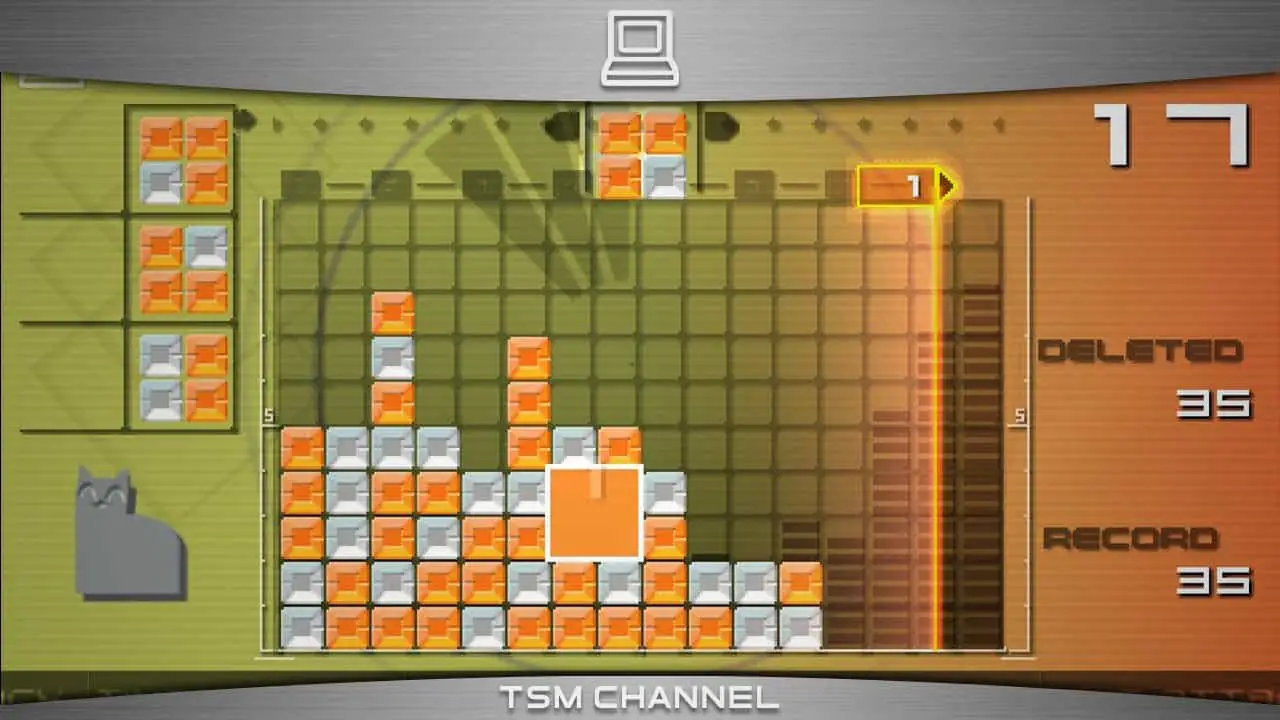
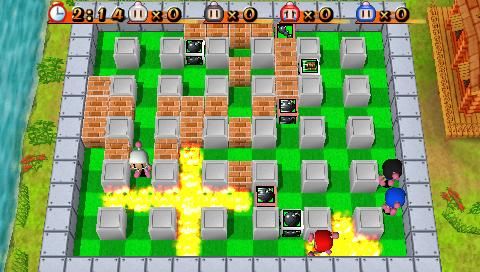
Yes, game sharing lets one UMD owner send a demo or multiplayer mode to nearby PSPs via ad-hoc, perfect for titles like Bomberman or Lumines without everyone owning a copy.
In 2025, it still works on original hardware with WLAN enabled, no Wi-Fi needed. For emulation, PPSSPP supports it in ad-hoc netplay, but all players must load the full ISO—sharing isn’t replicated virtually. Test with friends on the same network; it’s great for spontaneous sessions but limited to supported games.
23. How can I improve battery life during extended PSP multiplayer sessions on original hardware?
Original PSP batteries degrade over time, so replace with a 1200mAh third-party model (~$15 on eBay) for 4-6 hours of ad-hoc play. Dim screen brightness, disable Wi-Fi when not needed, and close background apps.
For games like Monster Hunter Freedom Unite’s long hunts, use airplane mode except during multiplayer. Emulation on PC/mobile avoids this, but for hardware, carry extras or a portable charger—avoid overclocking the CPU, as it drains faster in titles like Wipeout Pulse.
24. What PSP multiplayer games support the largest player counts, and how do I set them up for big groups?
Games like SOCOM: Fireteam Bravo 3 (up to 16 players) and Wipeout Pulse (up to 8) excel for large groups via ad-hoc. For setup, ensure all PSPs are within range, on matching firmware, and use a central host.
In emulation, PPSSPP netplay handles 8+ via fan servers like PSPOnline, but test ping first for lag-free play. Ideal for LAN parties—pair with underrated picks like Pursuit Force: Extreme Justice for chaotic 4-player vehicle battles.
About the Author: Alex “RetroHunter” Martinez
Alex Martinez, known in gaming circles as RetroHunter, is a seasoned gaming journalist and retro gaming enthusiast with over a decade of experience covering handheld consoles, particularly the PlayStation Portable (PSP).
With a deep passion for multiplayer PSP games, Alex has logged thousands of hours in Monster Hunter Freedom Unite, Tekken: Dark Resurrection, and other PSP classics, organizing local LAN parties and online tournaments via emulators like PPSSPP.
His expertise stems from hands-on experience modding PSPs, exploring fan communities, and contributing to modding projects on platforms like Wololo.net and GBAtemp.
Alex holds a Bachelor’s degree in Media Studies from the University of Southern California, where he focused on digital culture and gaming history.
He has written for prominent gaming outlets, including Retro Gamer Magazine and Gaming Nexus, providing in-depth reviews, modding guides, and historical analyses of retro systems.
As an active member of the r/PSP subreddit and PSPONLINE Discord, Alex engages with the PSP community, sharing strategies and custom content for multiplayer PSP games. His work is driven by a commitment to preserving the legacy of handheld gaming through detailed, authoritative content.
Follow Alex on Twitter (@RetroHunterAlex) for retro gaming insights, or connect via his blog, Portable Pixels, where he dives into PSP emulation, modding tutorials, and community spotlights. With a knack for blending technical know-how with nostalgic storytelling, Alex aims to inspire gamers to rediscover the magic of multiplayer PSP games in 2025 and beyond.
Conclusion
The PSP’s multiplayer legacy is a testament to the power of portable gaming, blending innovative design, technical prowess, and raw social connection.
Games like Monster Hunter Freedom Unite, Metal Gear Solid: Peace Walker, and SOCOM: Fireteam Bravo 3 didn’t just push the boundaries of the PSP’s hardware—they created unforgettable moments of camaraderie and competition that resonate in 2025.
From chaotic Power Stone brawls to tactical Wipeout races, these titles offer depth and replayability that rival modern games. Thanks to vibrant fan communities, modding resources, and emulation tools like PPSSPP, multiplayer PSP games remain accessible, whether you’re dusting off a PSP or joining global matches online.
For me, these games are more than nostalgia—they’re a reminder of late-night hunts, trash-talking duels, and the thrill of shared victories. Whether you’re a veteran revisiting your UMD collection or a newcomer exploring emulation, now is the perfect time to dive into the PSP’s multiplayer greatness.
Fire up your PSP, rally some friends, or connect with the global community on Discord. The battles, strategies, and friendships you’ll forge are worth every second.
What’s your favorite multiplayer PSP game, and what memories does it spark? Drop a comment below—I’d love to hear your stories and keep the PSP legacy alive.