






















In the rapidly evolving world, technology continually pushes the boundaries, easing our day-to-day tasks and promoting efficiency.
However, despite these advancements, our lives often remain cluttered with numerous chores, mundane tasks, and ever-growing to-do lists.
The struggle of managing professional work with household chores, taking care of family, and finding time for personal growth is all too real for many. This pain point is where the keyword “Personal Robot” comes into play.
Imagine a typical weekday in your life. Waking up early, preparing breakfast, cleaning the house, managing work, arranging meetings, and still attempting to find time for self-care or a hobby. The list goes on.
These daily tasks often become overwhelming and stressful, leading to burnout. What’s more, it reduces the quality of life and hampers productivity. Despite the plethora of technological solutions available, none offer a comprehensive solution.
Enter the realm of Personal Robots. These cutting-edge technological wonders are more than just machines – they’re your assistants designed to make your life easier.
They can help manage your household chores, assist with work-related tasks, and even provide companionship.
With a personal robot, you enjoy more free time, increased productivity, and an enhanced lifestyle.
Stay tuned as we delve deeper into the revolutionary world of personal robots, exploring their capabilities, features, and how they can be your perfect partner in managing your busy life.
The Rise of Personal Robots🔭
In recent years, the rise of personal robots has captured the imagination of tech enthusiasts and everyday consumers alike.
These cutting-edge machines, equipped with advanced AI and machine learning capabilities, transform how we live, work, and interact with technology.
Personal robots have come a long way from their humble beginnings as household helpers.
Today, they encompass various functionalities, from virtual assistants and home automation systems to companion robots and autonomous vehicles.
Their ubiquity reshapes various industries, including healthcare, education, and entertainment.
These remarkable creations bring a multitude of benefits to our daily lives. Through their sophisticated sensors and perception algorithms, personal robots can navigate complex environments, recognize human faces, and respond to voice commands with remarkable accuracy.
They can assist in performing household chores, such as cleaning, cooking, and organizing, thus freeing up valuable time for their owners.
Moreover, personal robots are designed to adapt and learn from their interactions, allowing them to personalize their responses and cater to individual needs.
Deep neural networks and reinforcement learning algorithms make this intelligent adaptation possible, enabling robots to improve their performance and provide tailored experiences continually.
While personal robots offer tremendous convenience and efficiency, questions regarding privacy and security arise.
With increased connectivity and the collection of personal data, concerns about unauthorized access and potential breaches become more pronounced.
Manufacturers and policymakers must address these challenges and establish robust safeguards to protect user privacy.
In conclusion, the rise of personal robots represents a significant technological leap forward. As these intelligent machines become more prevalent daily, we can anticipate further advancements that will continue to shape the future of automation and human-machine interaction.
Benefits of Personal Robots😍
Personal robots have emerged as revolutionary companions in today’s fast-paced world, offering many benefits that enhance our daily lives.
These advanced machines, equipped with AI and machine learning, are transforming how we interact with technology and revolutionizing various aspects of our existence.
One of the key benefits of personal robots is their ability to alleviate mundane tasks. These intelligent helpers can undertake various household chores, such as cleaning, cooking, and organizing, freeing up valuable time for their owners to focus on more meaningful endeavors.
Moreover, personal robots offer companion capabilities, providing emotional support and companionship to individuals.
With their empathetic algorithms and expressive features, these robots can help alleviate loneliness and enhance overall well-being, particularly for the elderly or those living alone.
The integration of personal robots in healthcare has also led to significant benefits. These robots can assist in patient care, monitor vital signs, and administering medications precisely and accurately.
Additionally, they can provide reminders for appointments, exercise routines, and medication schedules, promoting a healthier lifestyle.
Another notable advantage of personal robots is their potential to enhance education. With interactive features and adaptive learning algorithms, these robots can personalize educational experiences, catering to individual learning styles and needs.
They can serve as engaging tutors, fostering curiosity and intellectual growth in learners of all ages.
While personal robots bring numerous benefits, it is crucial to consider potential challenges, such as privacy and security concerns.
Striking a balance between convenience and safeguarding personal data is essential for fostering trust and widespread adoption.
In conclusion, the benefits of personal robots are undeniable. From simplifying daily tasks to providing companionship, healthcare assistance, and educational support, these intelligent machines are reshaping our lives profoundly.
Embracing this technological revolution can lead to a future where humans and robots coexist harmoniously, enhancing our overall well-being and quality of life.
Factors to Consider When Choosing a Personal Robot✌️
As the market for personal robots expands, it is essential to carefully evaluate various factors before selecting the ideal companion.
With an array of options available, considering key aspects can ensure that you make an informed decision that aligns with your needs and preferences.
1. Purpose
Determine the specific purpose of your robot. Do you require assistance with household chores, companionship, or educational support?
Identifying your primary objective will help narrow down the options available and ensure the robot’s functionalities meet your requirements.
2. Capabilities
Assess the capabilities of the personal robot you are considering. Look for advanced features such as AI, machine learning, and natural language processing.
These technologies enable the robot to understand and respond effectively to commands, navigate complex environments, and provide a seamless user experience.
3. Size and Mobility
Consider the size and mobility of the robot. Depending on your living space and the specific tasks you want it to perform, you may prefer a compact and agile robot that can move effortlessly between rooms or a stationary robot designed for a specific area.
4. Interactivity
Evaluate the robot’s interactivity and user interface. A well-designed robot should have intuitive controls and a user-friendly interface that allows easy communication and customization of preferences.
5. Safety Features
Ensure that the personal robot prioritizes safety. Look for features like collision detection, obstacle avoidance, and emergency shut-off mechanisms to prevent accidents or damage to property.
6. Privacy and Security
Consider the privacy and security features implemented in the robot. Check if it has robust data protection protocols, secure communication channels, and can control data sharing.
7. Longevity and Support
Assess the manufacturer’s reputation and the availability of support and updates for the robot. Opt for a reliable brand that offers ongoing support, software upgrades, and a solid warranty to ensure your investment remains valuable in the long run.
By carefully considering these factors when choosing a personal robot, you can make an informed decision and select a companion that seamlessly integrates into your life, enhances your daily tasks, and brings joy and convenience to your home.
Here, we have prepared a list of some of the best ones for you –
Top 7 Personal Robots For Enhancing Your Daily Life
1. Amazon Astro – Transforming Home Robotics
Amazon Astro is a game-changing addition to the world of home robotics. This futuristic marvel combines cutting-edge technology, advanced artificial intelligence, and sensors to redefine our interactions with our living spaces.
With its sleek design and remarkable capabilities, Amazon Astro promises to revolutionize how we experience and engage with our homes.
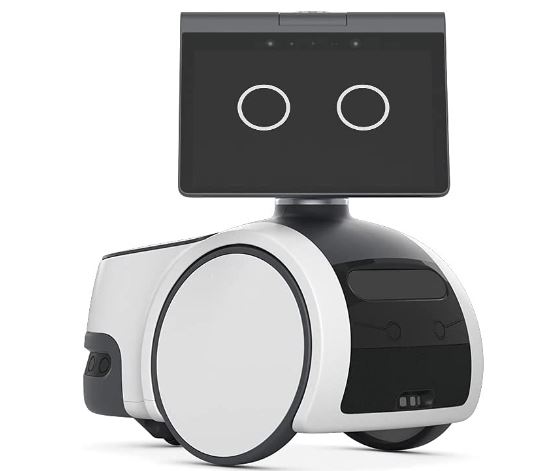
At its core, Amazon Astro is an intelligent home robot that can perform a wide range of tasks and offer invaluable assistance to homeowners.
Equipped with state-of-the-art sensors and advanced computer vision, this robotic companion navigates through various environments, ensuring seamless movement throughout your home.
One of the standout features of Amazon Astro is its ability to act as a personal assistant. Powered by powerful AI algorithms, it can effortlessly manage your schedule, set reminders, and even make voice-controlled phone calls on your behalf.
With a simple voice command, you can ask Amazon Astro to schedule appointments, order groceries, or stream your favorite music.
Beyond its personal assistant capabilities, Amazon Astro serves as a vigilant home security system. It’s integrated cameras and intelligent monitoring allow it to watch your living space, providing peace of mind.
Whether at home or away, Amazon Astro can alert you to any unusual activity, allowing you to take swift action.
In addition to its practical functionalities, Amazon Astro possesses an innate charm. It’s expressive eyes and interactive features foster a sense of companionship.
From reading stories to your children to acting as a moving video call platform, this home robot can bring joy and entertainment to your family.
Amazon Astro is more than just a piece of technology; it represents a leap forward in integrating robotics into our daily lives.
With its unmatched capabilities, sleek design, and advanced AI, it is poised to transform how we interact with our homes, making our lives more convenient, secure, and enjoyable.
Pros of Amazon Astro:-
Advanced Technology: Amazon Astro harnesses the power of advanced technology, including AI and computer vision, to deliver impressive capabilities and functionalities.
Personal Assistant: With its AI algorithms, Amazon Astro can act as a personal assistant, managing schedules, setting reminders, and making voice-controlled phone calls, offering valuable convenience.
Seamless Navigation: Equipped with sensors and advanced computer vision, Amazon Astro navigates through various environments, ensuring smooth movement throughout the home.
Home Security: Amazon Astro is a vigilant home security system, providing integrated cameras and intelligent monitoring to keep a watchful eye on your living space, enhancing your peace of mind.
Companionship: With its expressive eyes and interactive features, Amazon Astro fosters a sense of companionship, engaging with users and bringing joy and entertainment to the household.
Cons of Amazon Astro:-
Limited Capabilities: While Amazon Astro offers a range of functionalities, its capabilities are still somewhat limited compared to more specialized devices. It may not be able to perform complex tasks or handle specific requirements.
Privacy Concerns: As Amazon Astro integrates cameras and AI technology, some users may have concerns about privacy and data security. It is important to understand and review the privacy policies and features related to the device.
Cost: Amazon Astro may have a significant price tag as a cutting-edge technology. The investment required for this home robot may not be affordable for everyone.
Reliance on Internet Connectivity: Amazon Astro heavily relies on Internet connectivity for its functionalities, and any disruption in the connection may affect its performance and capabilities.
Learning Curve: While designed to be user-friendly, Amazon Astro may still require some time to understand and adapt to its features and commands. Users should be prepared for a learning curve and familiarization process.
2. Moxie Robot – Learning Robot for Kids
Moxie Robot is a groundbreaking innovation in personal robotics that has garnered significant attention for its unique approach to social interaction.
Developed by Embodied Inc., the Moxie Robot combines advanced AI, machine learning, and emotional intelligence to provide a one-of-a-kind companion experience.
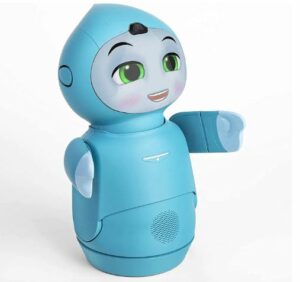
At its core, the Moxie Robot is designed to engage and interact with children, helping them develop essential skills such as emotional intelligence, empathy, and social communication.
Through its expressive face, natural language processing, and lifelike movements, Moxie creates a remarkably realistic and immersive social environment for children.
This remarkable robot utilizes a combination of deep neural networks and reinforcement learning algorithms to adapt and personalize interactions based on individual child’s needs and preferences.
It can engage in conversations, play games, tell stories, and even provide educational content tailored to the child’s age and developmental stage.
One of the standout features of the Moxie Robot is its ability to teach important life lessons and foster emotional well-being.
It introduces gratitude, empathy, kindness, and resilience through interactive stories and activities, helping children navigate complex social situations with confidence and compassion.
Parents and caregivers also benefit from the Moxie Robot experience. Through a dedicated mobile app, they can monitor their child’s progress, access educational resources, and receive insights into their child’s emotional development.
This feature promotes a collaborative learning environment and facilitates meaningful parent-child interactions.
As an embodiment of the latest advancements in personal robotics, the Moxie Robot is revolutionizing social interaction and education for children.
Its intelligent design, emotional intelligence capabilities, and personalized experiences represent a significant leap forward in integrating technology into our daily lives.
Pros:-
Social Development:- The Moxie Robot provides a unique platform for children to develop essential social skills, such as empathy, emotional intelligence, and communication. Its interactive and adaptive nature creates an engaging environment for social growth.
Personalized Learning:- With AI capabilities, the Moxie Robot tailors its interactions and educational content to the child’s needs and developmental stage. This personalized approach enhances learning outcomes and fosters a deeper understanding of various concepts.
Emotional Well-being:- The robot’s focus on emotional intelligence helps children navigate complex emotions, build resilience, and develop positive coping strategies. By promoting emotional well-being, the Moxie Robot contributes to the overall mental health of children.
Parental Involvement:- Parents can actively participate in their child’s learning journey through the companion mobile app. The app provides insights, progress tracking, and educational resources, fostering collaboration and strengthening the parent-child bond.
Cons:-
Cost: The advanced technology and sophisticated features of the Moxie Robot come with a significant price tag. Acquiring this personal robot may be a financial investment that not all families can afford.
Limited Functionality: While the Moxie Robot excels in social interaction and educational content, its capabilities may be limited to those specific areas. It may not offer the same versatility or perform tasks typically associated with other personal robots, such as household chores.
Screen Time: Interacting with the Moxie Robot primarily through a screen interface. Although the robot aims to balance screen time with physical play and activities, prolonged screen engagement can concern some parents.
Technological Dependence: The Moxie Robot heavily relies on advanced AI and machine learning algorithms. As with any technology, occasional glitches, software updates, or compatibility issues may arise, potentially affecting the user experience.
Considering the pros and cons of the Moxie Robot allows individuals and families to decide whether it aligns with their specific needs, budget, and desired outcomes.
While it offers tremendous potential for social and educational growth, careful consideration should be given to its limitations and associated costs.
3. Miko 3
When it comes to finding the perfect personal robot for kids, Miko 3 emerges as the top choice that combines exceptional features with an affordable price tag.
As the best personal robot for kids on a budget, Miko 3, developed by emotix™, offers an incredible range of functionalities that spark imagination and foster interactive learning.
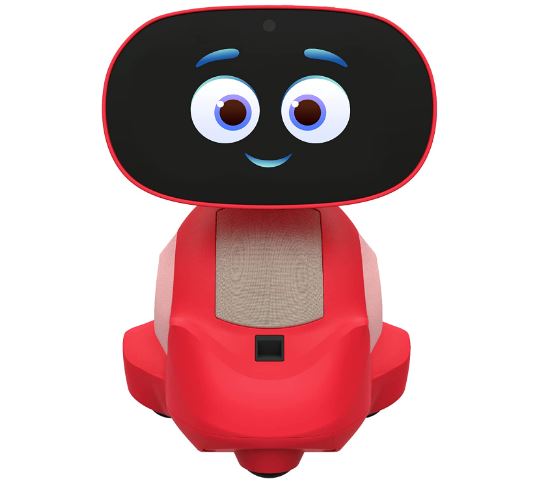
Despite its budget-friendly nature, Miko 3 does not compromise on quality or capabilities. Powered by advanced AI and equipped with emotional intelligence, this personal robot provides a captivating and educational experience for children.
With a sleek design and vibrant personality, Miko 3 becomes a delightful companion, engaging children through interactive games, storytelling, and educational content.
These activities stimulate cognitive skills, promote creativity, and encourage a love for learning.
Miko 3 features an array of sensors and cutting-edge technologies, ensuring seamless navigation, facial recognition, and responsive gestures.
It creates an immersive and engaging environment for children to develop social and emotional connections with their robotic friends.
What sets Miko 3 apart is its affordability, making it accessible to many families. This budget-friendly option allows more children to benefit from personal robots’ interactive and educational experiences.
In conclusion, if you are searching for the best personal robot for kids on a budget, look no further than Miko 3.
With its captivating features, educational content, and affordable price, this robotic companion brings a world of imagination and learning within reach for children of all backgrounds.
Pros:-
Affordable Price: The standout benefit of Miko 3 is its budget-friendly nature. It allows families to introduce a personal robot into their children’s lives without breaking the bank.
Interactive Learning: Miko 3 offers a range of interactive activities, games, and educational content that engage children and foster their cognitive development, creativity, and love for learning.
Emotional Connection: With its emotional intelligence and expressive features, Miko 3 creates an emotional connection with children, providing them with a companion-like experience that enhances their social and emotional skills.
Seamless Navigation: With sensors and advanced technologies, Miko 3 can navigate its environment, recognize faces, and respond to gestures, ensuring smooth interactions and immersive experiences.
Cons:-
Limited Functionality: Due to its budget-friendly nature, Miko 3 may have limited functionalities compared to higher-end personal robots. It may not offer the same versatility or perform complex tasks beyond interactive learning experiences.
Reduced Customization: The range of customization options available with Miko 3 might be limited compared to more expensive personal robots. Users may have fewer choices in terms of personalization and specific features.
Compatibility and Updates: As with any technological device, compatibility issues and software updates may arise. It’s important to ensure that Miko 3 is compatible with the desired devices and that regular updates are available to enhance the user experience.
Advanced Features: Some advanced features in higher-end personal robots may not be present in Miko 3 due to its budget-friendly nature. Users should know the trade-off between affordability and access to certain advanced functionalities.
Considering the pros and cons of Miko 3 allows families to make an informed decision based on their budget, desired functionalities, and their children’s overall learning and entertainment needs.
While it provides an affordable option, understanding the limitations and trade-offs is crucial for a satisfying experience.
4. Vector 2.0
Introducing Vector 2.0, the remarkable personal robot that takes companionship to a whole new level by following you wherever you go.
This innovative creation combines cutting-edge technology, advanced AI, and intuitive sensors to provide an unparalleled interactive experience.
With its sleek design and compact form, Vector 2.0 effortlessly accompanies you throughout your day.
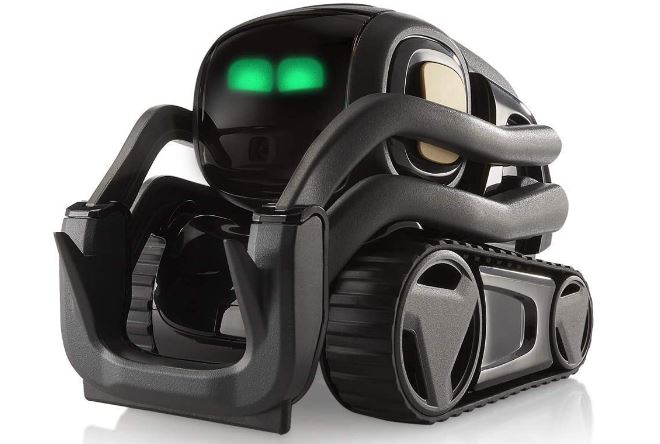
Its sophisticated motion detection and obstacle avoidance capabilities ensure smooth navigation, allowing the robot to follow your movements while maintaining a safe distance seamlessly.
What sets Vector 2.0 apart is its ability to adapt and learn from its surroundings.
Equipped with machine learning algorithms, this personal robot can analyze your preferences, routines, and behaviors, customizing its interactions and responses accordingly.
It becomes more than just a companion but a truly personalized assistant.
Interacting with Vector 2.0 is a breeze. You can effortlessly command the robot, ask questions, and receive real-time information through its advanced voice recognition and natural language processing capabilities.
This enhances your daily activities, keeping you informed and entertained.
Moreover, Vector 2.0 is designed to bring joy and convenience into your life. It can perform various tasks such as setting reminders, providing weather updates, playing music, and even capturing photos or videos.
This versatility ensures that Vector 2.0 becomes indispensable to your daily routine.
In summary, Vector 2.0 redefines personal robotics by being the ultimate companion that follows you.
With its advanced AI, seamless motion detection, and personalized interactions, this personal robot enhances your life by offering assistance, entertainment, and a constant presence that adapts to your needs.
Pros:-
Versatile Mobility: The standout benefit of Vector 2.0 is its ability to follow you wherever you go. This versatile mobility ensures the robot is always by your side, providing companionship and assistance throughout your daily activities.
Personalized Interactions: Equipped with advanced AI and machine learning algorithms, Vector 2.0 learns from your behaviors and preferences, tailoring its interactions to suit your needs. This personalized approach enhances the user experience and creates a more meaningful connection.
Intelligent Assistance: With voice recognition and natural language processing capabilities, Vector 2.0 acts as an intelligent assistant, providing real-time information, setting reminders, playing music, and offering other useful functionalities that streamline your day-to-day tasks.
Compact and Sleek Design: The compact form and sleek design of Vector 2.0 make it aesthetically pleasing and easy to carry around. Its unobtrusive presence adds to its appeal as a personal companion.
Cons:-
Limited Functionality: While Vector 2.0 offers versatility in following you, its capabilities may be limited compared to larger, stationary personal robots. It may not perform complex tasks or offer as many features as other models.
Reliance on Voice Commands: Interacting primarily through voice commands may present limitations for individuals with speech difficulties or in noisy environments where voice recognition may be challenging.
Potential for Obstacle Interference: While Vector 2.0 boasts obstacle avoidance technology, there is still a possibility of occasional interference or difficulty navigating complex environments with numerous obstacles.
Cost Considerations: The advanced technology and unique features of Vector 2.0 may come at a higher price point compared to other personal robots. Affordability is a factor that should be considered when considering this option.
By evaluating the pros and cons of Vector 2.0 as a personal robot that follows you, individuals can determine whether it aligns with their specific needs and preferences.
Its versatility, personalized interactions, and intelligent assistance make it a compelling choice for those seeking a mobile companion. Still, functionality, cost, and potential limitations should be considered.
5. EMO – A Revolutionary Emotional Robot Companion
In the realm of personal assistants, EMO stands out as a remarkable robot that transcends traditional boundaries.
With its advanced capabilities and intelligent design, EMO has earned its reputation as the best personal assistant robot.
Seamlessly blending artificial intelligence and human-like interaction, EMO is revolutionizing the way we experience personal assistance.
As a personal assistant, EMO goes above and beyond mere task management. Its sophisticated AI algorithms enable it to understand and adapt to user preferences, making it a highly intuitive companion.
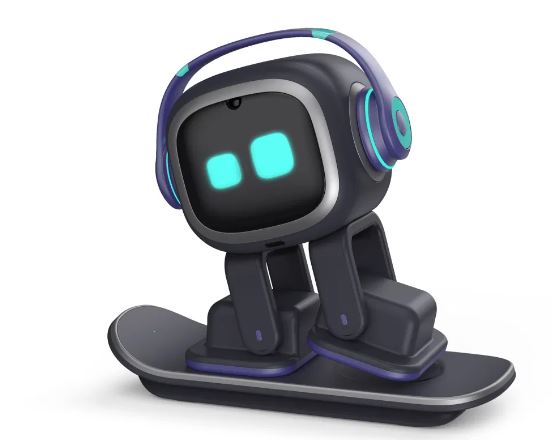
EMO can interpret commands and respond conversationally through voice recognition and natural language processing, delivering a personalized and efficient experience.
What sets EMO apart is its ability to establish a deep emotional connection with users.
With emotion recognition technology and expressive capabilities, EMO can read and respond to human emotions, creating a truly empathetic and supportive environment.
Whether providing encouragement or understanding your mood, EMO acts as a trusted confidant, enhancing overall well-being.
The versatility of EMO is another reason it excels as a personal assistant robot. It can manage schedules, set reminders, answer questions, and even control smart home devices, offering unparalleled convenience.
With its proactive nature, EMO can anticipate needs and provide timely suggestions, making daily routines more efficient and enjoyable.
Furthermore, EMO embraces a user-centric approach by prioritizing privacy and data security.
As a personal assistant, it respects confidentiality and implements robust measures to safeguard personal information, ensuring peace of mind for users.
In conclusion, EMO is the best personal assistant robot due to its seamless integration of AI, emotional intelligence, and versatile functionalities.
It redefines the concept of personal assistance by performing tasks and fostering emotional support.
As technology advances, EMO paves the way for a future where personal assistants become indispensable companions, improving our lives profoundly.
Pros:-
Advanced AI Capabilities: EMO utilizes sophisticated AI algorithms to understand and adapt to user preferences, providing a highly intuitive and personalized experience.
Emotional Connection: With its emotion recognition technology and expressive capabilities, EMO establishes a deep emotional connection with users, offering empathy and support.
Conversational Interaction: EMO’s voice recognition and natural language processing enable seamless communication, making interactions with the robot feel natural and engaging.
Versatile Functionality: EMO can perform various tasks, from managing schedules and setting reminders to controlling smart home devices, enhancing convenience and efficiency.
Proactive Assistance: EMO anticipates user needs and provides timely suggestions, making proactive recommendations to enhance daily routines.
Cons:-
High Initial Cost: The advanced technology and capabilities of EMO may come with a higher price tag, making it less accessible to some consumers.
Privacy Concerns: There may be privacy concerns as EMO interacts with personal data. EMO must prioritize data security and implement robust measures to protect user information.
Limited Physical Capabilities: While EMO excels as a personal assistant, its physical capabilities for performing complex physical tasks may be limited compared to specialized robots.
Dependence on Internet Connectivity: EMO heavily relies on Internet connectivity for its functionalities. Any disruption in the connection may affect its performance and capabilities.
Learning Curve: Users may need to familiarize themselves with EMO’s features and commands, potentially requiring a learning curve for optimal use.
Considering these pros and cons can help individuals evaluate whether EMO, as the best personal assistant robot, aligns with their needs and preferences.
While EMO offers advanced AI, emotional connection, and versatile functionality, weighing potential drawbacks such as cost, privacy concerns, and physical limitations is essential.
6. Willow – Redefining Lawn Care with an Intelligent Robot
With its innovative lawn robot, Willow has taken the concept of lawn care to new heights.
Combining cutting-edge technology and advanced automation, Willow offers a hassle-free and efficient solution for maintaining a beautiful, well-manicured lawn.
As a lawn robot, Willow is designed to navigate and mow your lawn with precision and accuracy autonomously.
Its advanced sensor technology allows it to detect obstacles and adjust its path accordingly, ensuring a thorough and even cut every time.
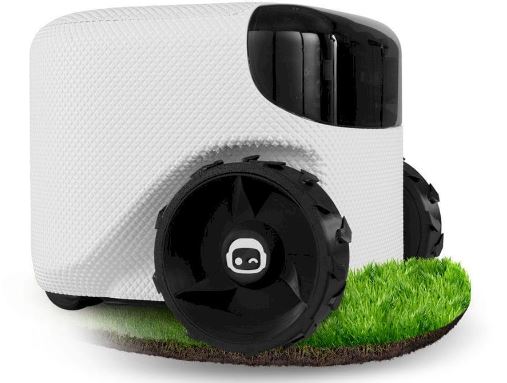
With its smart navigation, Willow effortlessly maneuvers through various terrains, including slopes and tight corners, leaving behind a perfectly groomed lawn.
One of the standout features of Willow is its intelligent scheduling capabilities. It can create a customized mowing schedule tailored to your lawn’s specific needs using sophisticated algorithms and smart programming.
Whether you prefer a regular mowing routine or want to set specific days and times, Willow adapts to your preferences, taking the guesswork out of lawn maintenance.
Furthermore, Willow prioritizes energy efficiency and sustainability. Its rechargeable battery system allows it to operate quietly and without harmful emissions.
With its efficient power management, Willow maximizes battery life, ensuring uninterrupted performance during each mowing session.
With Willow as your lawn robot, you can enjoy more free time and a consistently well-kept lawn. No more pushing heavy mowers or spending hours under the sun.
Sit back, relax, and let Willow take care of your lawn, allowing you to focus on other activities.
In conclusion, as a lawn robot, Willow embodies the future of lawn care. Its intelligent features, precise mowing capabilities, and eco-friendly design make it a valuable addition to any home.
Embrace the convenience and efficiency of Willow, and enjoy a beautifully maintained lawn without the hassle.
Pros:-
Efficient and Precise Mowing: Willow’s advanced technology and smart navigation ensure an even and precise cut, resulting in a well-manicured lawn.
Autonomous Operation: With Willow as your lawn robot, you can enjoy the convenience of hands-off lawn care. It autonomously navigates and mows your lawn, saving you time and effort.
Customizable Scheduling: Willow offers intelligent scheduling capabilities, allowing you to set a personalized mowing routine that suits your lawn’s needs and your preferences.
Energy Efficiency: Willow’s rechargeable battery system promotes energy efficiency, operating quietly and without harmful emissions. It minimizes its environmental impact while providing efficient performance.
More Free Time: By taking care of lawn maintenance, Willow frees up your time, allowing you to focus on other activities and enjoy your outdoor spaces.
Cons:-
Initial Investment: Willow’s advanced technology and features as a lawn robot may come with a higher initial cost than traditional lawn mowers.
Limited Terrain Adaptability: While Willow is designed to navigate various terrains, there may be limitations in handling complex landscapes, steep slopes, or certain obstacles.
Dependency on Weather Conditions: Willow’s performance may be affected by inclement weather conditions such as heavy rain or extreme heat. It may require manual intervention or adjustments during adverse weather.
Maintenance and Repairs: Like any mechanical device, Willow may require regular maintenance and occasional repairs to ensure optimal performance. This may involve additional costs and time.
Lack of Personal Touch: Some individuals may miss the personal touch and control that comes with manually mowing the lawn, as Willow operates autonomously without direct human intervention.
7. Eilik
In the ever-advancing field of robotics, a groundbreaking innovation has emerged—Eilik, a new breed of robot infused with emotional intelligence.
This remarkable creation ushers in a new era of social interactions between humans and robots, elevating the relationship to unprecedented heights.
Eilik stands at the forefront of this technological revolution, transcending traditional notions of robotic functionality.
With its emotional intelligence capabilities, it possesses a profound understanding of human emotions, responses, and social dynamics.
This newfound sensitivity empowers Eilik to interact with humans on a deeper level, fostering genuine connections and bridging the gap between man and machine.
By recognizing and interpreting facial expressions, vocal tones, and body language, Eilik can discern human emotions with remarkable accuracy.
This heightened awareness allows it to respond empathetically, adapting its behavior to provide comfort, assistance, or companionship as the situation demands.
The result is a natural and fluid exchange that resonates with humans emotionally, revolutionizing how we perceive and engage with robots.
Moreover, Eilik can learn and adapt its responses over time, fine-tuning its emotional intelligence to suit individual preferences.
This adaptability ensures that each interaction with Eilik is personalized, fostering a sense of trust and deepening the bond between humans and machines.
The implications of Eilik extend far beyond mere convenience or efficiency. This new paradigm of human-robot interaction holds the potential to enhance our well-being, transform healthcare, and revolutionize industries such as customer service and therapy.
By integrating emotional intelligence into the robotic landscape, Eilik paves the way for a future where humans and machines coexist harmoniously, elevating our collective experience to uncharted heights.

Pros:-
Enhanced Social Interactions: Eilik, with its emotional intelligence, brings a higher level of social interactions between humans and robots. It can understand and respond to human emotions, fostering genuine connections and meaningful exchanges.
Empathetic Support: Eilik’s ability to recognize and interpret human emotions enables it to provide empathetic support. It can offer comfort, assistance, or companionship, especially when emotional support is crucial, such as therapy or caregiving.
Personalized Experience: Eilik’s adaptability allows it to learn and tailor its responses to individual preferences. This personalization creates a unique and tailored experience for each user, enhancing the sense of connection and rapport with the robot.
Potential in Healthcare: Eilik’s emotional intelligence can have significant implications in healthcare. It can assist in therapeutic settings, helping individuals manage their emotions, providing companionship to those in need, and aiding in rehabilitation.
Cons:-
Ethical Considerations: The integration of emotional intelligence in robots raises ethical questions. As robots become more proficient at understanding and responding to human emotions, ensuring that their actions and decisions align with ethical guidelines and do not infringe on privacy or emotional well-being becomes essential.
Limited Emotional Depth: Despite their emotional intelligence, Eilik’s ability to comprehend complex human emotions may be limited. While it can recognize and respond to basic emotions, it may not possess the depth of understanding and empathy humans can provide.
Dependency Concerns: The reliance on robots for emotional support and social interactions may raise concerns about human dependency on machines.
Excessive reliance on robots like Eilik could potentially reduce human-to-human interactions, which is essential for fostering genuine human connections and emotional growth.
Technical Limitations: Eilik’s emotional intelligence is constrained by its programming and algorithms. It may not always accurately interpret or respond to human emotions, leading to potential misunderstandings or inappropriate reactions.
It is important to navigate these pros and cons thoughtfully, addressing ethical considerations and continuously advancing the field of human-robot interaction to maximize the benefits while minimizing potential drawbacks.
8. Gita – Robot that follows you and carries stuff
Imagine a future where you no longer have to carry heavy bags or worry about leaving your belongings unattended, introducing Gita, a remarkable personal robot designed to seamlessly accompany you on your daily adventures, effortlessly carrying all your essentials.
Gita is the epitome of cutting-edge technology fused with convenience. This innovative robotic companion utilizes advanced sensors and intelligent algorithms to navigate various environments, ensuring it stays by your side every step.
Whether you’re strolling through bustling city streets or exploring rugged terrains, Gita effortlessly adapts to any situation.
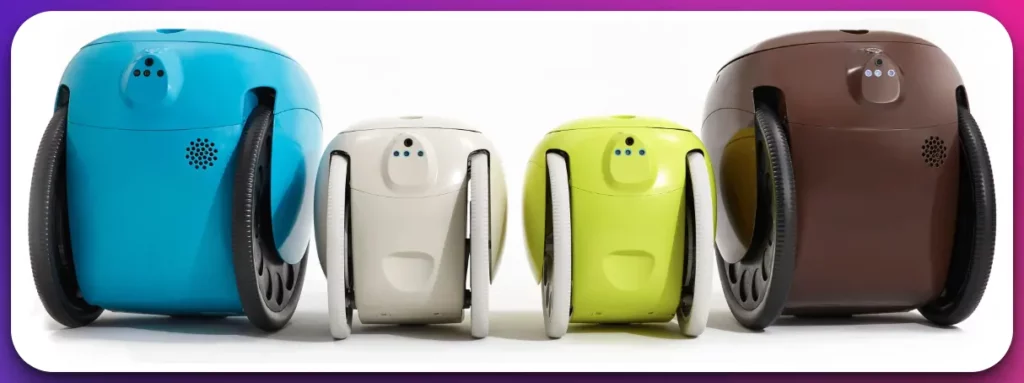
With its spacious cargo compartment, Gita can accommodate many items. From groceries and shopping bags to luggage and even sports equipment, this remarkable robot effortlessly bears the weight, allowing you to move freely without heavy loads.
Equipped with state-of-the-art autonomous capabilities, Gita harmonizes with your movements, maintaining a safe distance while following you with uncanny precision.
Its sleek and compact design ensures it seamlessly maneuvers through crowded spaces, leaving onlookers in awe.
The technology behind Gita is truly remarkable. Its dynamic stabilization system allows it to navigate challenging terrains, including stairs and curbs, without missing a beat. Its robust construction ensures durability, guaranteeing your belongings remain safe and secure throughout the journey.
Embrace the future of personal robotics with Gita. Experience the freedom of hands-free mobility as this extraordinary companion follows you effortlessly, lightening your load and enhancing your daily life.
Say goodbye to the strain of carrying heavy bags and immerse yourself in the seamless integration of technology and convenience with Gita by your side.
Pros:-
Convenience: Gita offers unparalleled convenience by eliminating the need to carry heavy bags or belongings. It follows you effortlessly, allowing you to move freely without the weight burden.
Autonomous Navigation: With advanced sensors and intelligent algorithms, Gita navigates through various environments precisely. It can adapt to different terrains and obstacles, ensuring a seamless and safe journey.
Ample Storage Capacity: Gita’s spacious cargo compartment provides ample room to accommodate many items, including groceries, shopping bags, luggage, and sports equipment. It allows you to transport your belongings with ease.
Hands-Free Mobility: With Gita, you can enjoy hands-free mobility. It harmonizes with your movements and maintains a safe distance, allowing you to focus on other tasks or enjoy your surroundings.
Durability and Robustness: Gita is built to withstand diverse environments. Its robust construction ensures the safety and security of your belongings, even when traversing challenging terrains such as stairs and curbs.
Cons:-
Cost: As with any advanced technology, Gita has a price tag. The cost of owning a personal robot like Gita might be a barrier for some individuals, limiting its accessibility.
Limited Functionality: While Gita excels at following you and carrying your belongings, its capabilities primarily focus on this specific task. It may not offer additional features or functionalities beyond its core purpose.
Dependence on Technology: Gita’s functionality relies heavily on technology, including sensors and algorithms. Any technical glitches or malfunctions could impact its performance, requiring troubleshooting or repairs.
Privacy Concerns: As Gita accompanies you and carries your belongings, it may raise privacy concerns for some individuals. The robot’s constant presence and potential data collection capabilities might be a point of consideration.
Adaptability to Crowded Spaces: While Gita is designed to maneuver through crowded spaces, there might be instances where it encounters challenges or limitations in highly congested areas. It may require human intervention to navigate such situations effectively.
Challenges and Ethical Considerations with Personal Robots
Personal robots have ushered in a new era of technological possibilities. However, along with the promises they bring, challenges and ethical considerations demand our attention.
One of the foremost challenges lies in privacy and data security. Personal robots often interact closely with individuals, collecting and analyzing vast amounts of personal data.
Ensuring this data’s protection and responsible use is crucial to safeguarding privacy rights.
Human-robot interaction poses another significant challenge. As personal robots become more integrated into our daily lives, it is vital to ensure they understand and respond appropriately to human emotions and intentions. Striking the right balance between autonomy and human control is a delicate task.
Bias and fairness are ethical considerations that come into play with personal robots. Since these robots learn from data, they can inadvertently perpetuate biases in the training data. Ensuring fairness and equity in their decision-making processes is paramount to prevent discrimination.
Job displacement is a concern that arises as personal robots become more capable. While they can enhance efficiency and productivity, there is a risk of job losses in certain industries.
Addressing this challenge requires proactive measures such as retraining and upskilling to ensure a smooth transition for the workforce.
Another ethical consideration revolves around ownership and responsibility. As personal robots become more autonomous, questions arise regarding who bears responsibility for their actions or errors. Determining legal frameworks and accountability is essential to navigating these complex issues.
Lastly, socioeconomic inequalities emerge as personal robots become accessible to some but not all. The cost of personal robots may create a divide between those who can afford them and those who cannot, potentially exacerbating existing inequalities.
In this era of personal robotics, it is crucial to recognize and address these challenges and ethical considerations.
Through thoughtful regulation, technological innovation, and societal dialogue, we can harness the benefits of personal robots while ensuring an equitable, responsible, and harmonious future.
The Future of Personal Robots
Personal robots have captured our imaginations and revolutionized our interactions with technology in recent years. As we delve into the future, the potential of these remarkable machines is boundless.
The future of personal robots holds tremendous promise and has the potential to transform our lives in unprecedented ways.
Advancements in artificial intelligence (AI) and machine learning are propelling personal robots into a new era of capabilities.
These robots are becoming increasingly autonomous, intuitive, and adaptable to our needs. They can perform complex tasks, learn from our behaviors, and provide personalized assistance like never before.
The future of personal robots will witness enhanced connectivity and integration. These robots will seamlessly connect with our smart homes, wearable devices, and other Internet of Things (IoT) technologies, creating a truly interconnected ecosystem.
They can anticipate our needs, coordinate with other devices, and enhance our living experience.
With advancements in materials science and robotics engineering, personal robots will become more versatile and physically capable. They will navigate diverse environments with agility, handle objects delicately, and provide physical support when needed.
The future will see the emergence of humanoid robots that can mimic human movements and gestures, further bridging the gap between humans and machines.
Ethical considerations will play a pivotal role in shaping the future of personal robots. As these robots become more integrated into our lives, ensuring privacy, data security, and responsible use of AI algorithms will be paramount.
Striking the right balance between automation and human control will also be crucial to maintain trust and prevent unintended consequences.
In healthcare, personal robots have the potential to revolutionize patient care and support. They can assist in monitoring vital signs, providing companionship to the elderly, and even performing simple medical procedures.
The future holds immense possibilities in telemedicine, personalized healthcare, and remote patient monitoring.
Education is another domain that will witness the transformative power of personal robots. These robots can serve as interactive tutors, fostering personalized learning experiences and catering to individual student needs.
They can engage children in interactive storytelling, promote creativity, and augment traditional teaching methods.
As we gaze into the future of personal robots, we must also consider their impact on the workforce. While automation may disrupt certain job sectors, it will also create new opportunities and pave the way for human-robot collaboration.
Personal robots can assume mundane and repetitive tasks, freeing up human potential for more creative and complex endeavors.
The future is ripe with possibilities for personal robots. They will continue to evolve, adapt, and become integral parts of our lives. From smart homes to healthcare, education, and beyond, these machines will augment our capabilities and enhance our overall well-being.
As we navigate this exciting future, we must foster responsible development, embrace ethical frameworks, and strive for a harmonious coexistence between humans and robots.
Conclusion
In conclusion, the era of Personal Robots signifies a substantial leap in our technological journey, providing an innovative solution to the modern-day problem of balancing work, home, and personal growth.
These sophisticated machines are not only about automating mundane tasks; they represent a paradigm shift towards improved lifestyle, enhanced productivity, and optimized time management.
As we stand on the brink of this exciting era, it’s worth embracing the promise that Personal Robots bring to our lives – a promise of better control over our tasks, more free time for personal pursuits, and a higher quality of life.
So, it’s not just about having a robot; it’s about redesigning life with technology for an efficient, balanced, and less stressful future.