























The Pokémon franchise is the most popular video game series on the planet. Pokémon alone is the highest revenue-generating entertainment franchise, far surpassing the likes of Marvel, Star Wars, and other famous entertainment brands.
The Pokémon video games have always been popular since the first Pokémon games on the Gameboy.
Since then, the games have skyrocketed in popularity, with the latest installment in the series, Pokémon Sword and Shield, selling many copies, making it one of the franchise’s most successful games.
Similarly, the Pokémon games have seen huge growth with the release of Pokémon Go, the mobile game that allows you to capture Pocket Monsters on the go.
The mobile game boosted the brand’s popularity and brought new fans and gamers into the franchise, benefiting future games. After the release of GO, the series took a turn away from main series releases and toward mobile offerings such as Pokémon Unite, amongst others.
Recently, the Pokémon franchise has taken a left turn regarding its games with the release of Generation 4 remakes, Pokémon Brilliant Diamond and Shining Pearl, and titles such as Pokémon Legends Arceus.
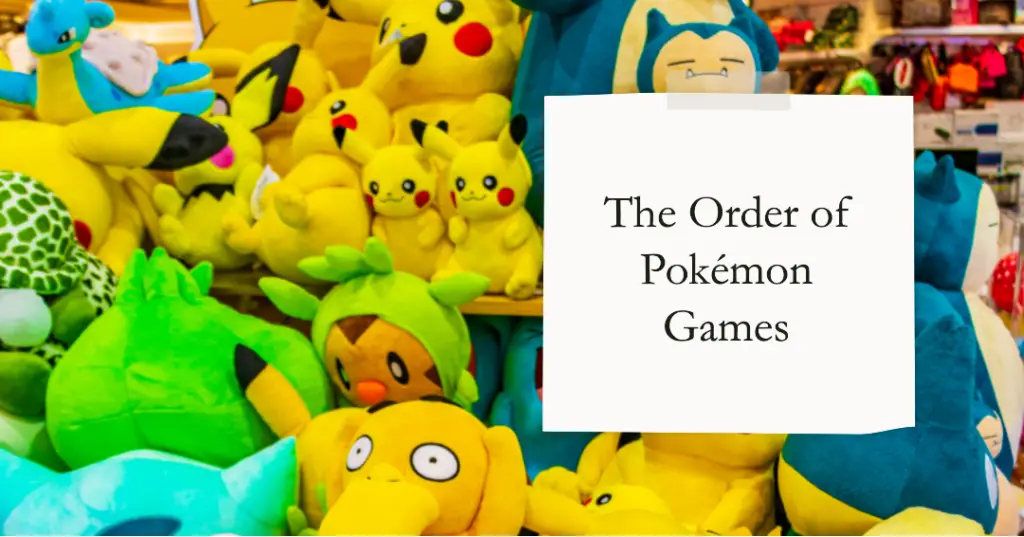
Due to Pokémon’s vast library of games, fans often wonder about the chronology of the main series games. This article will outline the Pokemon games in chronological order.
Ranking All Main Series Pokémon Games In Order
- Pokémon Legends: Arceus
- Pokémon Red and Green
- Pokémon Ruby and Sapphire
- Pokémon Gold and Silver
- Pokémon Diamond and Pearl
- Pokémon Black and White
- Pokémon Black and White 2
- Pokémon X and Y
- Pokémon Sun and Moon
- Pokémon Sword and Shield
Pokémon Legends: Arceus
Pokémon Legends: Arceus is the only game on this list not to be released yet. Initially revealed in 2021, Pokémon Legends: Arceus is the first Pokémon game in order of chronology.
Although we do not know much about the game, Pokémon Legends: Arceus will be set in the Hisuian region, a Pokémon region later known as Sinnoh, present in the Pokémon, Diamond, Pearl, and Platinum games.
The game will follow the main protagonist as they try to complete the region’s very first Pokedex. Pokémon Legends: Arceus will feature open-world areas alongside completely overhauled graphics, battling, and catching systems.
The game will include exclusive regional Pokémon such as Hisuian Growlithe, alongside new evolutions, such as one for the Pokémon Stantler, Wyrdeer.
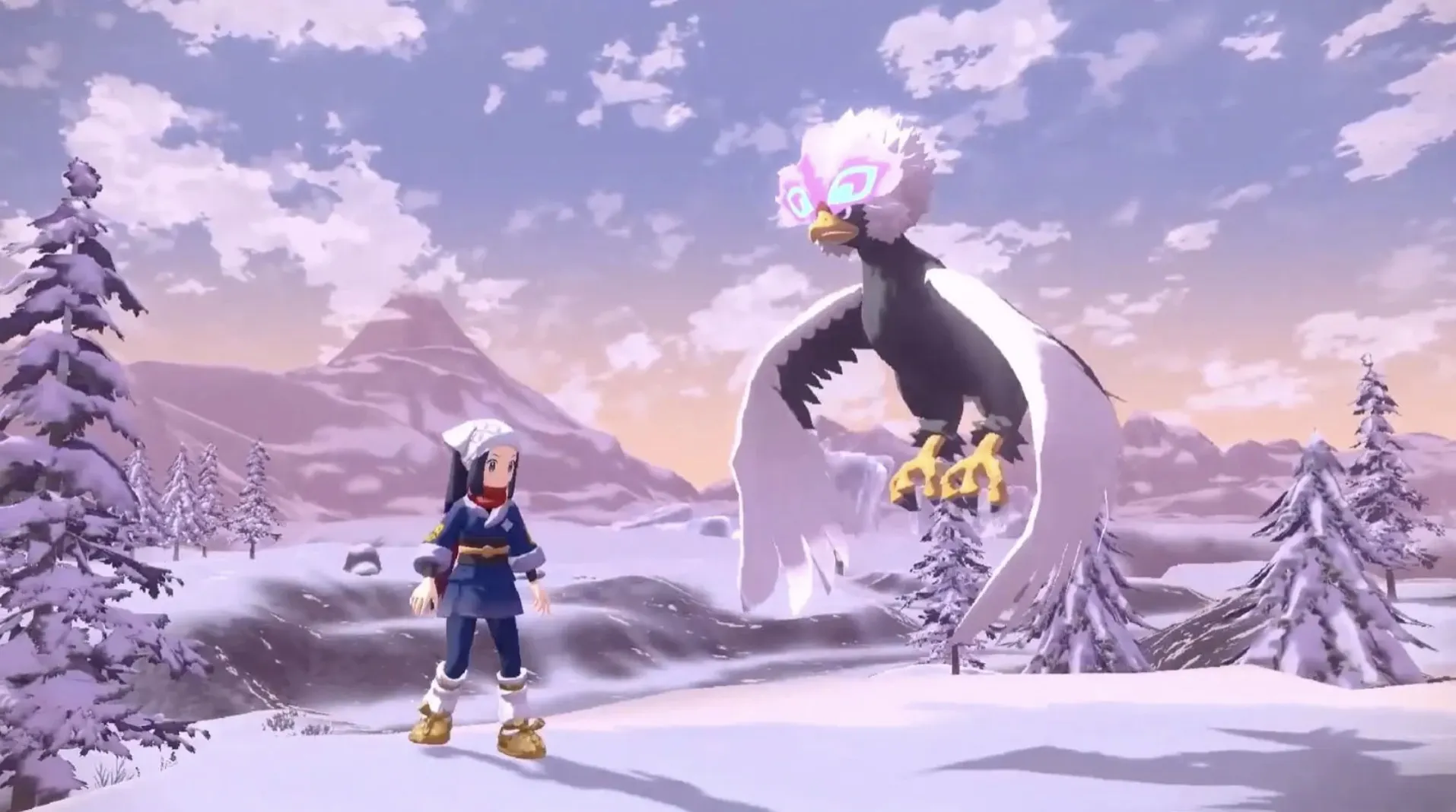
Legends Arceus will also feature favorite fan Pokémon alongside familiar characters of mysterious origin. Such characters include a Team Galactic-inspired professor, gym leader-like characters who worship the legendary Pokémon Dialga and Palkia, and common areas such as Jublife Village.
The game will also feature Pokémon bosses, such as Kleavor, an evolution of Scyther known as a noble Pokémon.
Furthermore, Pokémon Legends: Arceus will also feature new character customization options and the ability to craft items such as Pokeballs.
Pokémon Legends: Arceus, although seemingly not as open as once thought, will include open-world areas to explore similar to the Monster Hunter series, where players will venture out into the region on expeditions to discover ancient mysteries.
Although very little is known about the game, we know it will feature the mythical Pokémon Arceus, supposedly the creator of the Pokémon world, and will feature a unique story and journey to discover more about this mysterious Pokémon.
Overall, due to the first Pokedex not being made, the game is the first game chronologically.
Pokémon Red and Green
Pokémon Red and Green were the very first Pokémon games released. The games were first released in Japan in 1996 and later released worldwide as Pokémon Red and Blue.
Red and Green started the Pokémon video game series and the entire franchise; it introduced concepts such as battling, Pokémon catching, and filling up your Pokedex.
The games began a cultural phenom laying the foundations for later games in the series. Pokémon Red and Green introduced the first 150 Pokémon to the world, such as the Legendary Mewtwo and the infamous Pikachu.
Red and Green had you; the player explore the region of Kanto, a region densely populated by people and Pokémon and based on the area of Kanto in Japan.
Pokémon Red and Green introduced Gym leaders and helped define turn-based action gameplay. After the games were released in 1996, they inspired and helped create countless Pokémon TV shows and the Pokémon trading card game alongside other properties.
Thus, Red and Green started the franchise and is the first Pokémon game in order of chronology. Red and Green are still fondly remembered today as one of the best games in the series, not because of gameplay, as many other games notably improved on them, but because of their nostalgic appeal.
Notably, generation 1’s appeal to fans of the Pokémon trading card game, cards such as Charizard, have sold for hundreds of thousands of dollars.
Furthermore, Red and Green have been remade multiple times with Pokémon Fire Red and Lead Green on the GameBoy to the latest Pokémon Let’s Go Pikachu and Eevee on the Nintendo Switch.
Although fans complain about the sheer quantity of Red and Green remakes, the games are well-loved by fans. When first released, Pokémon Red and Green scored well with critics and helped kickstart the franchise into existence.
It is the second Pokémon game in order after Legends Arceus and one of the most loved in the series.
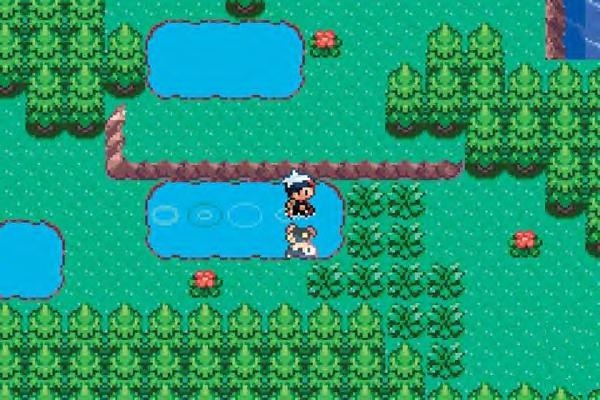
Pokémon Ruby and Sapphire
Pokémon Ruby and Sapphire were the third set of Pokémon games released for the franchise. The game was originally released in 2002 and later worldwide as the third generation of games after Pokémon Gold, Silver, and Crystal.
Ruby and Sapphire had you explore the region of Hoenn, a vast region filled with rare Pokémon, dynamic landscapes, and areas such as Mount Pyre and cities like Mossdeep.
The game had you once again complete your Pokedex and become Pokémon league champion by defeating gym leaders and beating the Pokémon Elite four. Ruby and Sapphire were the first set of games to introduce Pokémon contests.
They added new features such as double battles alongside many gameplay improvements such as the ability to get two bikes and brand new Pokémon.
The games introduced a slew of brand-new Pocket Monsters to collect and find, such as the Legendary Pokémon Rayquaza, Groudon, and Kyogre.
The games also pitted you up against the evil Team Magma and Aqua as they sought to use the powers of the legendary Pokémon to create a new world.
Ruby and Sapphire were one of the hardest games in the series, with gym leaders and Elite four members, such as the dragon-type trainer Drake posing real difficulty.
Ruby and Sapphire later got a new addition to its generation with the release of Pokémon Emerald, which included a vast range of features such as the Battle Frontier, an end-game battle facility first introduced in Pokémon Emerald, which had you defeat several Battle Frontier Brains, to become champion.
Ruby, Sapphire, and Emerald were the third Pokémon games in order of chronology and the first set of games in the series to push the games to a new level of gameplay and storytelling.
For the first time, the Pokémon games had stakes and consequences, helping to drive the narrative direction of the franchise to more complex storytelling.
Ruby and Sapphire scored well on Metacritic when they were first released, with critic scores of 82 and a high user score of 8.6.
Pokémon Gold and Silver
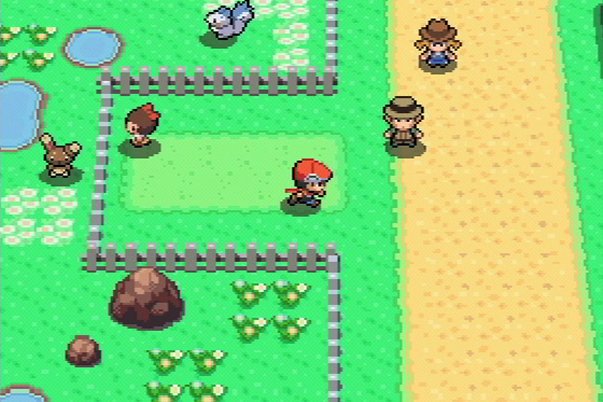
Pokémon Gold and Silver were the fourth Pokémon games in order of chronology and the second generation of Pokémon games to release.
Gold and Silver were first released in 1999 in Japan and introduced players to the second generation of Pokémon.
Gold and Silver built on what Pokémon Red and Green started introducing a new set of Pokémon such as Todadile and legendary Pokémon such as Entei, Raikou, and Suicune.
The games took players to a new region known as the Johto region and had players again take down the criminal team rocket as they tried to steal Pokémon and take over the area.
Gold and Silver had different gym leaders but a similar Elite Four following directly from the Pokémon Red and Green games.
The games featured familiar characters, such as the famous professor Oak and trainers, such as Red, the main protagonist of the first games. Thus, the games come after Pokémon Red and Green’s events and after Ruby and Sapphire, which happened simultaneously.
Therefore, Gold and Silver are the fourth Pokémon games in order. Gold and Silver are regarded as one of the best generations of Pokémon games due to their vast Pokémon lore and fantastic music.
Similarly, the generation of Gold and Silver got the third installment, Pokémon Crystal, further expanding the series.
The developers at Game Freak later remade the games for the Nintendo DS, Pokémon Soul Silver and Heart Gold, widely considered one of the best Pokémon games of all time due to their vast worlds and polished gameplay.
Overall, Pokémon Gold and Silver was reviewed well when it was released in 1999 and is widely considered one of the better generations of Pokémon games by many.
Pokémon Diamond and Pearl
Pokémon Diamond and Pearl were released in the late 2000s as the fifth Pokémon game in order of chronology.
Diamond and Pearl were the fourth generation of Pokémon games and took players to the region of Sinnoh, a mountainous region filled with Pokémon myths and Legends.
The games introduced new Pocket Monsters such as Piplup and Legendary Pokémon such as Dialga. Likewise, the games also included new features such as poffin making and honey to attract Pokémon such as Munchlax.
Similarly, Diamond and Pearl also featured the famous Pokémon Underground, which allowed you to uncover mysterious fossils and gems and build a secret base.
The fourth generation of games was one of the more action-packed Pokémon generations with new features and a new criminal team known as Team Galactic.
Team Galatic’s main goal was to use the legendary Pokémon Dialga and Pialka to create a brand-new world, destroying the old one. They were led by the evil villain Cyrus, hellbent on creating a new world based on his desires.
Unfortunately, though, you, the player, ruined his plans. Pokémon Diamond and Pearl are arguably among the hardest games in the franchise due to the notoriously powerful Pokémon champion Cynthia, higher leveled gym leaders, and all-around tougher environments.
The games later got the third installment in the franchise with the release of Pokémon Platinum, which helped improve on Diamond and pearl with the addition of new fire type of Pokémon and introduced new characters, stories, and new areas such as the distortion world.
Diamond, Pearl, and Platinum expect a remake at the end of 2021, in Pokémon Brilliant Diamond and Shining Pearl.
Although it is confirmed much of the classic features will remain from the original games, it is not clear whether Game freak will include many elements from Platinum. Nevertheless, the games will likely be a great remaster of the original games.
Similarly, as highlighted above, the Pokémon Legends: Arceus games are based on the region of Sinnoh and loosely the Pokémon Diamond and Pearl games.
Thus Pokémon Legends: Arceus may include nods to Pokémon Diamond and Pearl with similar places and features.
Overall, when the games were released, they scored strong scores on Metacritic in the high eighties and a Metacritic score of around 8.3
Pokémon Black and White
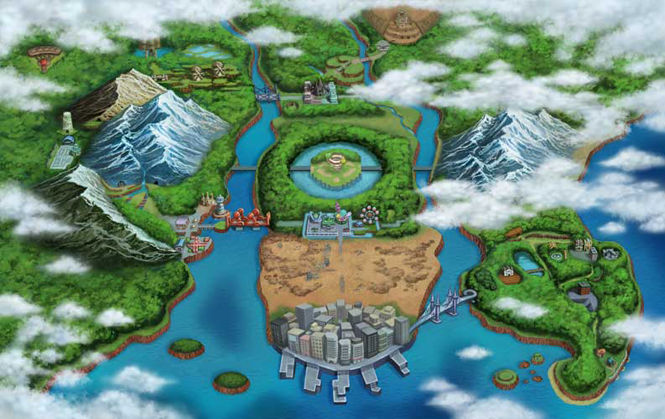
Pokémon Black and White are among the most underrated Pokémon games of all time. The games were the fifth generation of Pokémon games and the sixth Pokémon games in order of chronology.
Black and White were released in 2010 and quickly became fan favorite due to the game’s fantastic graphics and gameplay, utilizing the Nintendo DS’s power.
Pokémon Black and White took players to the Unova region, a brand new area based upon the city of New York. The games were the first in the series since the first Pokémon games to introduce around 150 unique Pokémon.
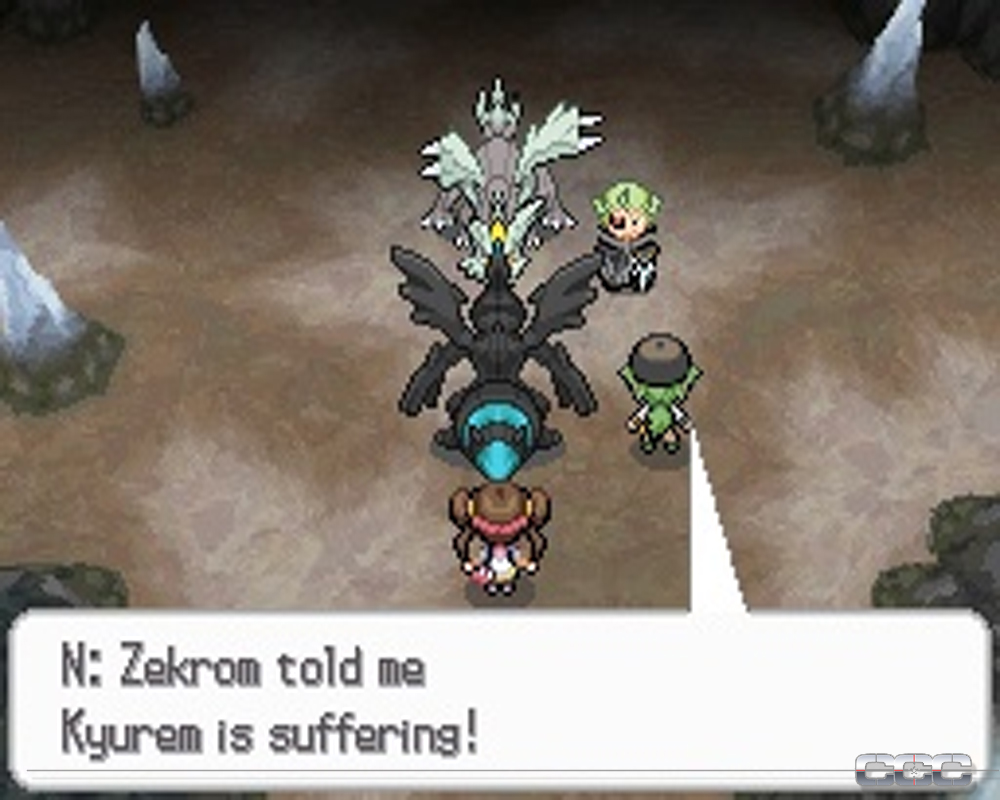
Such Pokémon include the Legendary Pokémon Zekrom and Kyreum, alongside other Pocket Monsters such as Larvesta. Black and White introduced new features to the series, including triple battles and new wifi features, making battling and trading with fans easy.
Similarly, for the first time, the games also introduced a dynamic story, following the protagonist as they try to stop the criminal team Plasma and its protege N as he tries to change the world.
The games have a fantastic story and one of the deeper narrative journeys in the franchise. Black and White have set the bar high in terms of storytelling. Few games in the series have come close to it.
Hopefully, in 2022, the release of Pokémon Legends: Arceus may finally provide a challenge in storytelling. Unfortunately, despite the abundance of features present in the games and decent reviews with critic scores nearing the low 90s, Black and White were not received well by fans resulting in poor sales numbers.
Nevertheless, the games are starting to receive the popularity they deserve, with many calling Black and White some of the best Pokémon games ever created.
Pokémon Black and White 2
Pokémon Back and White 2 continued from Black and White, being direct sequel to the games. Black and White introduced features such as new Pokémon forms, for example, Black and White Kyreum.
The games continued from the Black and White games in terms of their narrative, followed by excellent storytelling, twists, and turns.
Pokémon Black and White 2 made Black and White even better, improving on the much we love about them. The games reintroduced characters present in the previous games alongside new ones.
Similarly, the game also added new locations alongside new villains. Thus, Black and White 2 included familiarity and the unknown, creating the perfect mix between nostalgia and originality.
The games complete one of the best narrative arcs in Pokémon history and add real emotional depth to the Pokémon games. Unfortunately, as mentioned, the games did not sell that well, with future installments in the series not getting such a narrative makeover.
Nevertheless, in the future, Black and White and Black and White 2 are expected a narrative remakes, in line with the Pokémon Company’s release schedule. As a result, this generation of games is likely to get a remaster in the future.
Thus, those intrigued by the games should look for future announcements regarding possible remakes. Due to the fact Black and White 2 come after Black and White in the timeline of Pokémon events, Black and White 2 are the seventh Pokémon game in order of chronology.
The game was reviewed well on Metacritic, with the game scoring an 80 on Metacritic and a strong user score.
Pokémon X and Y
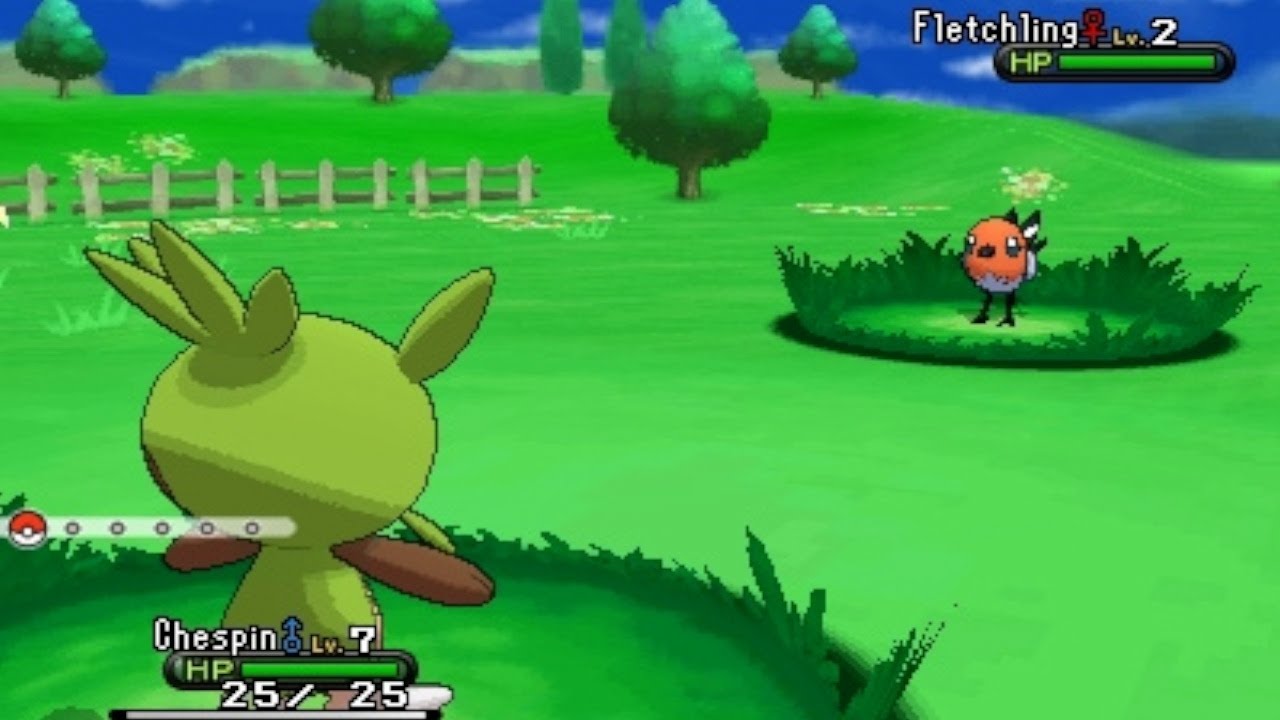
Pokémon X and Y were the sixth generation of Pokémon games and the eighth game in order of chronology. X and Y took players to the Paris-inspired region of Kalos.
Kalos was heavily inspired by France, with classic icon buildings in the games, such as the Eiffel Tower. X and Y were the first games to release on the Nintendo 3DS and helped introduce the series to proper 3D.
The games innovated on previous games in the series, including previous features but in 3D graphics. X and Y included a new evil organization known as Team Flare and had you take them down to stop a doomsday device from activating.
Although not as good as Pokémon Black and White, the games built on Pokémon lore considerably and included notable story beats to provide a decent narrative.
The games featured legendary Pokémon such as Yvental and other Pocket Monsters. X and Y also featured new features, such as the highly popular mega evolution, which allowed some Pokémon to evolve further past their previous evolutions.
Such Pokémon included Charizard and even Pokémon such as Absol. The inclusion of mega evolution was a hit amongst fans, with many loving the feature.
The developers Gamefreak later used Mega evolution in other Pokémon games, such as in Omega Ruby and Alpha Sapphire.
In the future, fans are hoping that with the release of Pokémon Brilliant Diamond and Shining Pearl, mega evolutions will be reintroduced into the series, hopefully giving Pokémon such as Empoleon and Infernape mega evolutions.
Although the Pokémon Company has been quiet about this, it is likely. All in all, X and Y reviewed well on Metacritic, scoring an 87 from critics and a user score in the mid 7’s.
Pokémon Sun and Moon
If you were to ask Pokémon fans which generation of Pokémon games they enjoyed the least, they would say the seventh generation of Pokémon games.
Not because the games are the same old same old but because Pokémon Sun and Moon and Ultra Sun/ Ultra Moon are considered some of the series worse for numerous reasons.
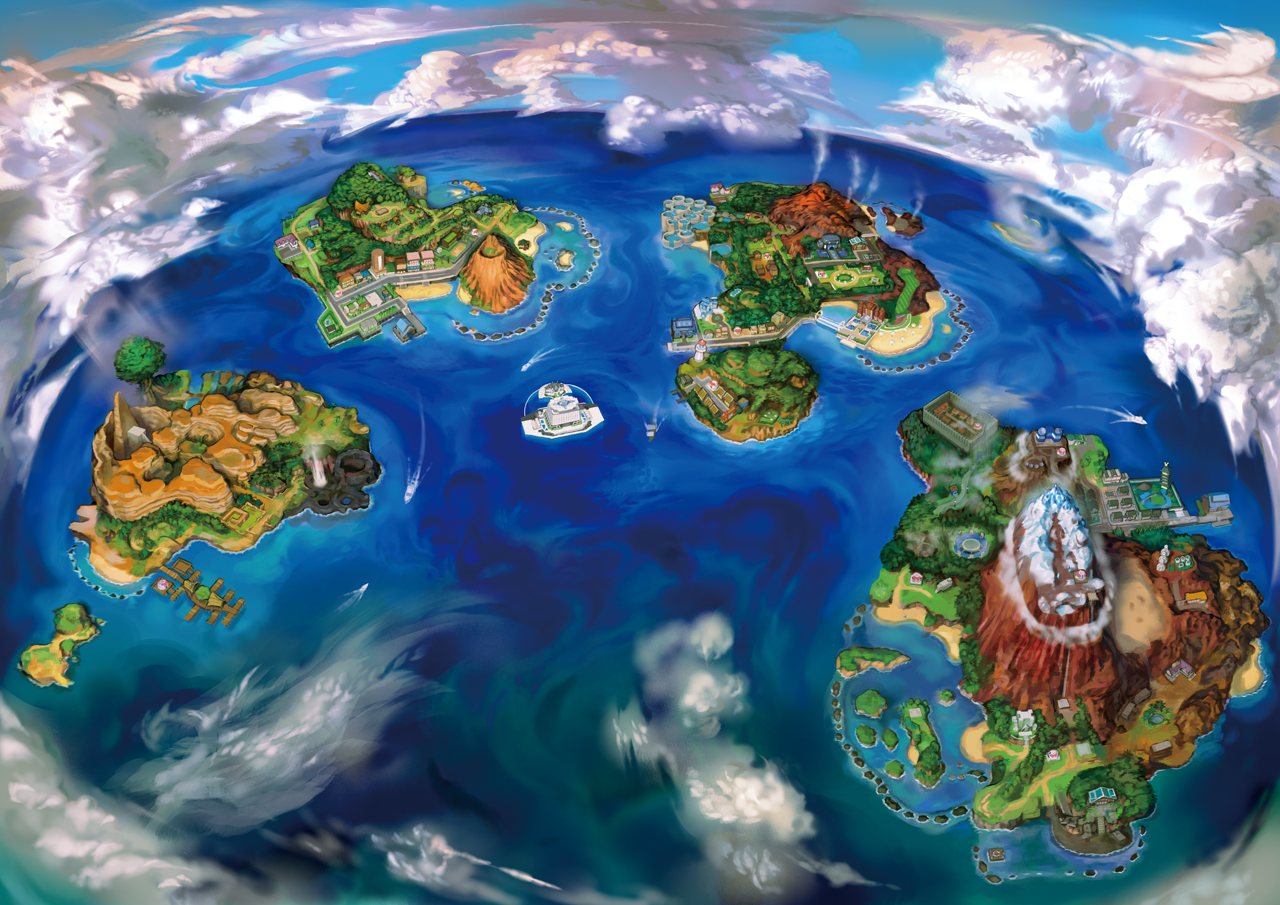
Pokémon Sun and Moon were released in 2016 as the ninth Pokémon games in order of chronology. Sun and Moon took players to the region of Allah, an area inspired by the tropical region of Hawaii.
Sun and Moon introduced new features such as Z moves and removed classic features such as gym battles to replace island challenges.
Sun and Moon are considered one of the worst games in the series due to their hand-holding nature and heavy tutorial/dialogue sections.
The games took a major step back from the storytelling elements of the previous games and gave players a linear story with easy gameplay.
Although the games started to toy with the idea of open-world Pokémon gameplay, Sun and Moon compromised regarding features.
Even though the games introduced new Pokémon, such as Ultra beasts, alongside new characters and a vibrant world, it didn’t feel much like Pokémon.
Pokémon Sun and Moon later got new entries into the Ultra Sun and Ultra Moon series, which expanded on the previous games but minorly.
The game introduced new forms of Pokémon alongside post-game content. Overall, both games score high with critics and far less with fans.
Pokémon Sword and Shield
Pokémon Sword and Shield are the latest generations of Pokémon games and the tenth Pokémon games in order of chronology. Sword and Shield were released in 2019 as the first Pokémon game installment on the Nintendo Switch.
The games featured the region of Galar, based in the United Kingdom. They included features such as Pokémon dens and brand-new Pocket monsters such as the legendary Zamazenta.
The games also featured Gigantamax Pokémon, a feature never seen before in the franchise. Although not as popular as mega evolution featured in X and Y, gigantamax Pokémon was a well-received addition, with the series trading card game benefiting from the upgraded Pokémon.
Sword and Shield also featured new open-world Pokémon areas known as wild areas. The wild areas allowed you to catch, train and often run away from Pokémon and were a fantastic element introduced by the games.
Thus, Sword and Shield helped set the stage for Pokémon: Legends Arceus large open-style world. In effect, Sword and Shield helped test the idea of open-world areas within Pokémon games.
Thus, although Sword and Shield are considered by many to be lackluster Pokémon games due to their limited Pokedex, they should not be overlooked and are excellent additions to the franchise.
Similarly, the games were the first to get dedicated DLC packs after release, with Sword and Shield getting two large expansion packs featuring new areas, Pokémon, and story.
As a complete package, the Sword and Shield games are some of the Pokémon series best, with the main game reviewed in the ’80s.

Pokémon games in order of generation

While “Green” was released in Japan, “Blue” was released outside Japan. Also, there were some additional versions released within each generation, such as “FireRed” and “LeafGreen” in Generation III. Still, the main titles listed here are the first ones released in each generation.
Here’s a table of the main Pokémon games in order of generation:-
| Generation | Game Titles |
|---|---|
| Generation I | Pokémon Red, Blue, and Green (Japan), Yellow |
| Generation II | Pokémon Gold, Silver, and Crystal |
| Generation III | Pokémon Ruby, Sapphire, and Emerald |
| Generation IV | Pokémon Diamond, Pearl, and Platinum |
| Generation V | Pokémon Black, White, Black 2, and White 2 |
| Generation VI | Pokémon X, Y |
| Generation VII | Pokémon Sun, Moon, Ultra Sun, and Ultra Moon |
| Generation VIII | Pokémon Sword, Shield |
Why do Pokemon games come in pairs?
For decades, Pokemon fans have eagerly awaited the release of new games that arrive in intriguing pairs, such as Pokemon Red and Blue, Diamond and Pearl, and Sword and Shield.
The practice of releasing Pokemon games in pairs has become a hallmark of the franchise, leaving many players wondering why do Pokemon games come in pairs?
Let’s delve into the captivating world of Pokemon and explore the reasons behind this unique duality.
1. The Tradition of Version Differences
The concept of paired Pokemon games traces back to the first generation of Pokemon games – Red and Green (later released as Red and Blue outside Japan). These games were created with slight differences in Pokemon species and encounter rates, encouraging players to connect and trade with one another to complete their Pokedex. This tradition of version differences has been carried forward into subsequent generations of Pokemon games, contributing to the popularity of paired releases.
2. Fostering Social Interaction
By releasing Pokemon games in pairs, game developers aim to foster social interaction among players. Encouraging trading and collaboration to complete the Pokedex or obtain version-exclusive Pokemon enhances the sense of community within the Pokemon fandom. The trade mechanic promotes communication, connects players from different regions, and encourages them to work together to achieve their Pokemon training goals.
3. Encouraging Replayability
Paired Pokemon games often share a significant portion of their storyline, but they also include exclusive content, such as certain legendary Pokemon, unique items, or storyline elements.
This exclusivity motivates players to replay the games or engage with others to experience the full spectrum of the Pokemon universe. The allure of discovering hidden gems in each version adds depth and replayability to the games.
4. Cultural References and Themes
In some cases, paired Pokemon games draw inspiration from cultural references or themes. For example, Pokemon X and Y were based on the X and Y axes in mathematics, while Sun and Moon showcased the concept of day and night. By exploring different aspects of the same theme, developers provide players with diverse and immersive experiences.
5. Marketing and Business Strategy
From a marketing perspective, releasing Pokemon games in pairs creates excitement and anticipation among fans. The dual releases generate buzz and discussions within the gaming community, maximizing the impact of the launch. Moreover, it gives players a choice between the two versions, allowing them to choose the one that appeals to their preferences or aligns with their Pokemon training strategy.
The phenomenon of releasing Pokemon games in pairs is a multi-faceted approach that encompasses tradition, social interaction, replayability, and strategic marketing.
The tradition of version differences and the incentives for trading and collaboration has strengthened the sense of community within the Pokemon fandom. Ultimately, pairing Pokemon games has become an integral part of the Pokemon experience, weaving a tapestry of duality that continues to captivate players across generations.
So, whether you embark on an adventure through Pokemon Red or Blue, Diamond or Pearl, or Sword or Shield, rest assured that you are part of a vast and interconnected Pokemon journey.
What Pokemon Game Should I Start With?
Embarking on a Pokemon adventure is an exhilarating experience, but with so many games in the franchise, it’s natural to wonder what Pokemon game should I start with?
Each game offers a unique world to explore, an array of captivating creatures to catch, and thrilling challenges to conquer.
Let’s delve into the diverse Pokemon universe and guide you toward the ideal starting point for your journey.
1. Consider the Platform
First, decide on the gaming platform that suits you best. If you prefer handheld consoles, Nintendo’s line of handheld devices, such as the Nintendo Switch, 3DS, or DS, offers a vast selection of Pokemon games. Classic titles like Pokemon Red, Blue, and Yellow can be played on the Nintendo 3DS Virtual Console for those who enjoy a nostalgic touch.
2. Explore the Generations
The Pokemon franchise spans multiple generations, introducing new regions and species. Starting with the earliest generation, Pokemon Red and Blue, will provide you with a sense of the series’ roots and the foundation of the Pokemon world. Alternatively, starting with a more recent generation, such as Pokemon Sword and Shield, allows you to experience the latest features and advancements in gameplay.
3. Dive into the Worlds
Each Pokemon game is set in a different region, featuring unique landscapes, cultures, and challenges. Pokemon games like Pokemon Diamond and Pearl, set in the Sinnoh region, and Pokemon Sun and Moon, set in the Alola region, offer diverse environments to explore and add to the immersive experience.
4. Consider the Difficulty Level
If you’re new to Pokemon or prefer a more relaxed gaming experience, starting with an easier game, such as Pokemon Let’s Go, Pikachu! and Let’s Go, Eevee!, can be a delightful choice. On the other hand, if you enjoy a challenge and strategic gameplay, titles like Pokemon Black and White or Pokemon X and Y might be more suitable.
5. Discover the Legendaries
Legendary Pokemon play a significant role in the Pokemon world. Some games feature specific legendary creatures, such as Pokemon Diamond and Pearl with Dialga and Palkia. In contrast, others, like Pokemon Omega Ruby and Alpha Sapphire, offer a broader selection of legendaries. Exploring the legends that resonate with you can influence your game choice.
6. Embrace the Remakes
Remakes of classic Pokemon games, such as Pokemon FireRed and LeafGreen or Pokemon HeartGold and SoulSilver, offer a fresh take on beloved adventures. These remakes blend nostalgia with modern enhancements, making them an excellent starting point for newcomers and returning players.
7. Seek Recommendations
Reach out to fellow Pokemon enthusiasts or online communities for recommendations based on your preferences. The Pokemon community is welcoming and ready to help aspiring trainers start their journey on the right foot.
Choosing your first Pokemon game is exciting and sets the stage for a thrilling adventure. Consider the gaming platform, explore the generations and worlds, factor in difficulty levels, discover legendary Pokemon, and embrace remakes.
Don’t hesitate to seek recommendations from the Pokemon community. Remember, the Pokemon universe is vast and full of wonders, waiting for you to embark on your epic journey as a Pokemon Trainer! So, grab your Poke Ball, choose your game, and let the adventure begin!
Exploring the Longest Pokemon Games
In the enchanting world of Pokémon, trainers embark on epic journeys, capturing creatures, battling rivals, and striving to become Pokémon Champions.
As players delve into this captivating universe, they often wonder which Pokémon games offer the longest Pokémon game experiences. Let’s venture into the realm of Pokémon and discover the games that promise the most extensive and immersive adventures.
Pokémon: Gold and Silver
Regarding colossal Pokémon adventures, Pokémon: Gold and Silver are the longest Pokémon games to date. Originally released for the Game Boy Color in 1999, these games took the franchise to new heights, introducing 100 new Pokémon species and featuring a vast and diverse region known as Johto.
A Dual Region Expedition
What sets Pokémon: Gold and Silver apart is the inclusion of not just one, but two regions to explore. After conquering Johto and becoming the champion, players have the unprecedented opportunity to travel to the neighboring region of Kanto, featured in the original Pokémon Red and Blue games. This remarkable addition effectively doubles the gameplay length, providing an unparalleled experience.
Gym Battles, Rivalries, and More
As players traverse the two regions, they encounter many challenges, from battling gym leaders to facing off against the villainous Team Rocket. The game’s storyline is rich and engaging, complete with unexpected twists and turns, keeping players immersed in the world of Pokémon for countless hours.
Endless Post-Game Content
Even after completing the main storyline, Pokémon: Gold and Silver offer abundant post-game content. From capturing legendary Pokémon to participating in various side quests and activities, players can extend their adventures long after the credits roll.
Legacy and Remakes
The enduring popularity of Pokémon: Gold and Silver led to remakes for newer gaming consoles. Pokémon HeartGold and SoulSilver for the Nintendo DS revitalized these classic games with enhanced graphics, updated mechanics, and additional features while staying true to the essence of the original adventures.
Pokémon Ultra Sun and Ultra Moon
Another set of games that rank among the longest Pokémon games are Pokémon Ultra Sun and Ultra Moon for the Nintendo 3DS. Serving as enhanced versions of the original Pokémon Sun and Moon, these games feature a revamped storyline, new Pokémon forms, and the ability to explore the mysterious Ultra Wormholes.
For Pokémon enthusiasts seeking extensive and captivating journeys, Pokémon: Gold and Silver and Pokémon Ultra Sun and Ultra Moon stand as the longest Pokémon games ever created.
With their dual regions, compelling storylines, and wealth of post-game content, these games have left an indelible mark on the Pokémon franchise and are cherished by trainers of all generations. So, grab your Poké Balls and set out on unforgettable adventures to become the ultimate Pokémon Champion!
📚 FAQs 📗
What is the order of Pokémon games?
The order of Pokémon games is generally by generation, with each new generation adding new regions, Pokémon, and gameplay features.
The main series games start with Red and Green in Japan (Red and Blue in the US), followed by Gold and Silver, Ruby and Sapphire, Diamond and Pearl, Black and White, X and Y, Sun and Moon, Sword and Shield, and Brilliant Diamond and Shining Pearl.
There are also many spin-off games and remakes in the series.
Here is a table of the main series Pokémon games in the order of their release:-
| Game Title | Release Year |
|---|---|
| Pokémon Red/Green (Japan), Pokémon Red/Blue (North America) | 1996 |
| Pokémon Yellow | 1998 |
| Pokémon Gold/Silver | 1999 |
| Pokémon Crystal | 2000 |
| Pokémon Ruby/Sapphire | 2002 |
| Pokémon Emerald | 2004 |
| Pokémon FireRed/LeafGreen | 2004 |
| Pokémon Diamond/Pearl | 2006 |
| Pokémon Platinum | 2008 |
| Pokémon HeartGold/SoulSilver | 2009 |
| Pokémon Black/White | 2010 |
| Pokémon Black 2/White 2 | 2012 |
| Pokémon X/Y | 2013 |
| Pokémon Omega Ruby/Alpha Sapphire | 2014 |
| Pokémon Sun/Moon | 2016 |
| Pokémon Ultra Sun/Ultra Moon | 2017 |
| Pokémon Let’s Go Pikachu/Let’s Go Eevee | 2018 |
| Pokémon Sword/Shield | 2019 |
Which Pokemon game should I play first?
If you want to play the games in order, you should start with the first generation, which includes Red, Blue, and Yellow. However, each generation is largely independent, and you can start with any game that interests you.
here’s a table that can help you decide which Pokemon game to play first:-
| Generation | Recommended Game | Platform |
|---|---|---|
| 1 | Pokemon Red, Blue, or Yellow | Game Boy / Game Boy Color |
| 2 | Pokemon Gold, Silver, or Crystal | Game Boy Color |
| 3 | Pokemon Ruby, Sapphire, or Emerald | Game Boy Advance |
| 4 | Pokemon Diamond, Pearl, or Platinum | Nintendo DS |
| 5 | Pokemon Black or White, or Black 2 or White 2 | Nintendo DS |
| 6 | Pokemon X or Y | Nintendo 3DS |
| 7 | Pokemon Sun or Moon, or Ultra Sun or Ultra Moon | Nintendo 3DS |
| 8 | Pokemon Sword or Shield | Nintendo Switch |
It’s worth noting that each game can be played as a standalone title, so you don’t necessarily have to play them in chronological order. However, playing the games in order can provide a deeper understanding of the Pokemon universe and its evolution over time.
What Pokemon game came after Diamond?
The next game in the main series after Diamond was Pokemon Platinum, an enhanced version of Diamond and Pearl with new features and story elements.
Are the Pokémon games connected?
While each generation is largely independent, the games are connected by the overarching world and lore of the Pokemon universe. There are also occasional references to characters and events from previous games.
What are the hardest Pokémon games in order?
The hardest Pokemon games in order are generally considered to be Pokemon Platinum, Pokemon Black 2 and White 2, and Pokemon Ultra Sun and Ultra Moon.
Can I play old Pokémon games on switch?
You can play some old Pokemon games on the Nintendo Switch through the Virtual Console service, which allows you to download and play classic games from previous Nintendo consoles. However, not all Pokemon games are available on the Switch.
Which Pokemon game has the best story?
Some Pokemon games with particularly well-regarded stories include Pokemon Black and White, Pokemon X and Y, and Pokemon Sun and Moon.
Which Pokemon game is the longest?
Pokemon games are designed to be replayable and the length can vary depending on how much content the player chooses to engage with. However, some of the longest games in the series include Pokemon Platinum, Pokemon Black and White 2, and Pokemon Omega Ruby and Alpha Sapphire.
Is there a Pokemon game that has all Pokemon?
No single Pokemon game has included every single Pokemon in the series. However, the most recent games in the series, Sword and Shield, do feature many Pokemon from across previous generations.
Is Pokemon Diamond just a remake?
No, Pokemon Diamond is not a remake. It is an original game in the fourth generation of Pokemon games. However, it has since been remade as Brilliant Diamond and Shining Pearl.
How old is Ash Ketchum?
In the Pokemon anime series, Ash Ketchum is perpetually 10 years old.
How many Pokémon games are there total?
There are currently nine generations of main series Pokemon games and numerous spin-off games and remakes, bringing the total number of Pokemon games to over 80.
Do Pokémon games have an ending?
The main story of each Pokemon game does have an ending, but the games are designed to be replayable and have a lot of post-game content.
Is there a Pokemon game with all regions?
No single Pokemon game has included every region in the series. However, some games have featured multiple regions, such as Gold and Silver, which included the Johto and Kanto regions.
What is the weakest Pokémon in every game?
Some generally considered weaker Pokemon include Magikarp, Sunkern, and Caterpie.
Which Pokemon game is easiest?
The easiest Pokemon game is generally considered to be Pokemon Let’s Go Pikachu and Eevee, which were designed to be more accessible to younger or more casual players.
What is the hardest Pokémon to recognize?
Again, this is subjective and can vary depending on the individual. However, some of the hardest Pokemon to recognize may include those with similar designs or colors, such as Ditto or Kecleon.
Is Pokemon Emerald on Switch?
No, Pokemon Emerald is not currently available on the Nintendo Switch.
Can you play Pokemon Yellow on Switch?
Yes, you can play Pokemon Yellow on the Nintendo Switch through the Virtual Console service.
Will Pokemon Red come to Switch?
Pokemon Red is already available on the Nintendo Switch through the Virtual Console service.
What is the number 1 most popular Pokemon?
Pikachu is generally considered to be the most popular Pokemon, thanks in part to its status as the mascot for the series.
Which Pokemon game has the best ending?
Some Pokemon games with well-regarded endings include Pokemon Black and White, Pokemon X and Y, and Pokemon Sun and Moon.
What is the hardest Pokemon game in Pokémon?
The hardest Pokemon game in the series is generally considered to be Pokemon Platinum, known for its difficult battles and challenging post-game content.
What is the hardest Pokemon game in the US?
The hardest Pokemon game in the US is generally considered to be Pokemon Platinum, released worldwide and known for its challenging difficulty.
What Pokémon game has the biggest map?
The Pokemon game with the biggest map is generally considered to be Pokemon Sword and Shield, which features the expansive Galar region to explore.
What game has the biggest Pokedex?
The game with the biggest Pokedex is generally considered to be Pokemon X and Y, which introduced over 70 new Pokemon and expanded the total number of Pokemon to over 700.
What Pokémon can’t be caught on switch?
Some legendary Pokemon, such as Mew and Celebi, cannot be caught in most Pokemon games on the Nintendo Switch.
Why is Pokemon Diamond so expensive?
The price of Pokemon Diamond may be higher than other Pokemon games due to its popularity and rarity, especially as it is no longer in production.
What Pokemon are not in Brilliant Diamond?
While most Pokemon from the original Diamond and Pearl games are present in Brilliant Diamond, some are missing or not yet available in the game, such as the mythical Pokemon Shaymin and Arceus.
Why is Brilliant Diamond more expensive?
The price of Brilliant Diamond may be higher than other Pokemon games due to its popularity and the fact that it is a remake of a beloved classic.
Who is Ash’s wife in Pokémon?
Ash Ketchum is not married in the Pokemon anime series.
What is the newest Pokémon?
The newest main series Pokemon game is Pokemon Brilliant Diamond and Shining Pearl, released in 2021.
What was the first color Pokemon game?
The first color Pokemon game was Gold and Silver, released for the Game Boy Color in 1999.
Who is stronger Ash or red?
This is subjective and depends on personal opinion. However, in the Pokemon games, Red is generally considered to be one of the strongest trainers in the series, while Ash’s strength and abilities are more variable depending on the specific season or episode of the anime.
Are Ash and Pikachu ending?
I’m not aware of any plans to end the relationship between Ash Ketchum and Pikachu, who have been close companions throughout the Pokemon anime series.
What Are The Best Main Series Pokemon Games?
There are various Pokemon Games that you can play. Some of the best main Pokemon series games are Pokemon X & Y, Pokemon Sun and Moon, Pokemon Diamond & Pearl, Pokemon Sun and Moon, Pokemon Ultra Sun and Ultra Moon, Pokemon Brilliant Diamond and Shining Pearl, and Pokemon Sword and Shield.
Which Is The Hardest Pokemon Game?
If you are looking for the hardest Pokemon Game, you can play Pokemon Platinum. Pokemon Platinum is one of the hardest Pokemon Games, as believed by many Pokemon fans.
Which Pokemon Game Is The Longest?
Pokemon Diamond and Pearl is the longest game released in 2006 for Nintendo DS. The game clocks in at 40.5 hours, with 93 hours to complete the main game plus extras and 260 hours to complete the game.
Which Pokemon Game Has The Best Post-Game Content?
After completing the quests, if you are looking for a few other tasks, you can go for Pokemon games with post-game content.
Some of the Pokemon game with the best post games with post-game content are- Pokemon Sun and Moon, Pokemon X and Y, Pokemon FireRed and LeafGreen, Pokemon Black and White, Pokemon Diamond and Pearl, Pokemon Ruby and Sapphire, Pokemon Omega Ruby and Alpha Sapphire, Pokemon Sword and Shield, Pokemon Emerald, Pokemon Platinum, Pokemon Black and White 2, and Pokemon HeartGold and SoulSilver.
Which Pokemon Game Has 16 Gyms?
Pokemon Crystal has 16 Gyms. It also has 2 Elite Fours, which makes it quite an interesting game to play with different tasks to pursue.
What Is The Most Popular Pokemon Game ?
Pokemon Brilliant Diamond/Shining Pearl is said to be one of the most popular and successful Pokemon games now. With that being said, around 13.97 million units of the game have been sold worldwide.
Final Thoughts
Overall, this article has laid out the Pokémon games in order of chronology. As highlighted above, there are numerous Pokémon main series games, and it is often difficult to rank them in terms of their order in a canonical way.
Although this article has listed only the main series of Pokémon games in order of chronology, many other spin-off series games and other Pokémon timelines have not been included as they are not considered the main series of Pokémon games.
Such games include Pokémon Omega Ruby and Alpha Sapphire due to their contrasting events with Pokémon Ruby and Sapphire and titles such as Pokémon Lets Go Eevee and Pikachu due to the games being noted by developers Gamefreak as being not main series.
Similarly, other games such as Pokémon Ranger and Pokémon Mystery Dungeon have also not been included on this list due to not fitting into the main series timeline.
Nevertheless, these are great games and may soon be featured in another “pokémon games in order of generation” article. This pokemon games in order list are also likely to be updated with new games added to this list, with the release of new titles and a possible generation 9 reveal in 2022.