






















In today’s digital era, Instagram has emerged as a formidable platform with a staggering 1 billion active monthly users.
Whether businesses seeking market expansion, influencers reaching out to followers, or friends connecting across geographical boundaries, Instagram has become ubiquitous in modern life. But despite its popularity, the platform isn’t without its issues.
There’s an ongoing debate on how Instagram, like any tool, can be a double-edged sword, capable of enriching and hindering our lives.
While Instagram offers an array of opportunities, it’s also blamed for numerous societal problems, including but not limited to mental health issues, privacy concerns, and the proliferation of unrealistic standards.
On the one hand, it’s a creative outlet that brings the world closer, providing unprecedented brand exposure. Conversely, it’s a platform that can trigger anxiety, depression, and unhealthy comparisons. This dichotomy raises the question: Is Instagram a boon or a bane?
Understanding the “Pros and Cons of Instagram” can help users navigate the platform more effectively, leveraging its benefits while minimizing potential drawbacks.
In this comprehensive article, we’ll delve deep into Instagram’s positive and negative aspects, providing valuable insights for users of all kinds – from digital marketers to everyday consumers.
By the end, you’ll have a holistic understanding of Instagram, equipping you to make the most of this platform in a manner that aligns with your needs, goals, and well-being.
Pros and Cons of Instagram: A Comprehensive Analysis
👍Pros of Instagram
1. Accessibility and Ease of Use
In today’s digital age, where mobile devices have become indispensable, social media platforms must prioritize mobile users.
Instagram, the popular photo and video-sharing platform, has successfully achieved this through its user-friendly interface and mobile-first design.
The user-friendly interface of Instagram is meticulously crafted to provide a seamless and intuitive experience. The platform ensures users can easily navigate various features and functionalities with a clean and minimalist design.
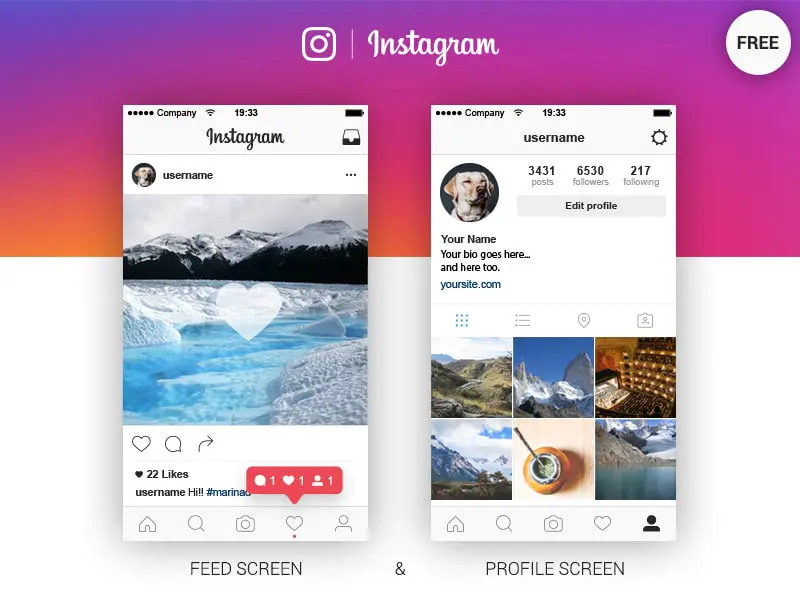
The layout is thoughtfully organized, with essential elements prominently displayed, such as the home feed, explore page, and user profiles.
The intuitive nature of the interface enables users to quickly grasp the platform’s functionalities, making it accessible to users of all levels of technical proficiency.
Moreover, Instagram’s mobile-first design sets it apart from other social media platforms. Recognizing the growing dominance of mobile devices in internet access, Instagram has prioritized optimizing its features and functionalities for mobile users.
This approach ensures the platform provides a seamless experience across different mobile devices, regardless of screen size or operating system.
From capturing and editing photos to engaging with content and discovering new accounts, Instagram’s mobile-first design guarantees a consistent and immersive experience for users on the go.
In conclusion, Instagram’s emphasis on a user-friendly interface and mobile-first design has significantly influenced its popularity.
By prioritizing the needs and preferences of mobile users, Instagram has created a platform that is accessible, engaging, and visually captivating, making it a go-to choice for individuals and businesses alike.
2. Social and Cultural Influence
In social media, Instagram stands out as a powerhouse, boasting a global reach that transcends borders and connects people worldwide.
This immense reach has transformed how we communicate and profoundly impacted various aspects of society.
At its core, Instagram provides a platform for self-expression and creativity. Users can share their stories, interests, and talents with a diverse global audience through captivating visuals.
This platform empowers individuals to showcase their unique perspectives and talents, fostering a vibrant community of creators and influencers.
Instagram’s influence extends far beyond personal expression. It has become a crucial tool for businesses, enabling them to promote their products and services to a vast global audience.
With features like sponsored posts and targeted advertising, Instagram allows businesses to reach new customers and expand their brand presence like never before.
Furthermore, Instagram’s impact on culture and trends cannot be overstated. From fashion and art to lifestyle and travel, the platform has become a breeding ground for emerging trends and movements.
Influencers and content creators shape and redefine societal norms, creating a ripple effect transcending virtual boundaries.
In conclusion, Instagram’s global reach has revolutionized how we express ourselves and interact with others. It has become a platform for self-expression and a breeding ground for creativity, empowering individuals and businesses.
Its profound impact on society and culture makes it a dynamic force in the digital landscape.
3. Business and Marketing Opportunities
In the ever-evolving digital marketing landscape, businesses have discovered a goldmine in Instagram.
The platform has become a breeding ground for success stories as savvy entrepreneurs and brands leverage its power to achieve remarkable growth and reach their target audience like never before.
One such success story involves a small start-up specializing in handmade jewelry. Through the strategic use of Instagram, they could showcase their unique designs to a global audience.
By employing hashtags relevant to their niche, collaborating with influencers in the fashion industry, and engaging with their followers through compelling visual content, they gained traction and grew their customer base exponentially.
Another inspiring example is that of a local bakery that witnessed a surge in sales by tapping into Instagram’s ability to entice and engage potential customers.
Their delectable photos of artisanal pastries, combined with behind-the-scenes stories and interactive polls, created a sense of excitement and anticipation among their audience. This increased foot traffic and online orders, catapulting their business to new heights.
Moreover, Instagram has proven to be a powerful tool for businesses in the fitness and wellness industry. Fitness influencers and personal trainers have leveraged the platform to share workout routines, healthy recipes, and motivational messages.
Their authenticity and ability to connect with their audience on a personal level have inspired countless individuals to pursue their fitness goals, leading to a surge in online training programs and product sales.
In conclusion, the success stories of businesses leveraging Instagram are a testament to the platform’s unparalleled potential as a marketing tool.
Through innovative strategies, captivating content, and meaningful engagement, businesses of all sizes and industries have harnessed Instagram’s power to achieve remarkable growth and create a loyal community of customers.
As the platform continues to evolve, the possibilities for businesses to thrive on Instagram are limitless.
4. Educational Aspects
In the ever-evolving realm of social media, Instagram has emerged as a powerful platform for information sharing and learning.
With the advent of features like IGTV and Instagram Live, the platform has expanded beyond its photo-sharing origins to become a hub of knowledge and inspiration.
IGTV, or Instagram TV, allows users to create and share long-form videos, opening up a world of possibilities for information sharing.
Experts in various fields can leverage this feature to deliver in-depth tutorials, educational content, and thought-provoking discussions. From cooking and fitness to photography and business strategies, IGTV has become a virtual classroom where users can dive deep into their areas of interest and expand their knowledge.
Instagram Live takes the experience even further, providing real-time learning opportunities. Influencers, industry professionals, and thought leaders can engage with their audience through live video broadcasts.
This interactive format allows for real-time Q&A sessions, behind-the-scenes glimpses, and live demonstrations. Users can actively participate, ask questions, and gain insights directly from the experts.
Furthermore, these features have transformed Instagram into a thriving knowledge exchange community. Users can discover new perspectives, learn new skills, and find inspiration from creators and professionals worldwide.
The information sharing and learning facilitated by IGTV and Instagram Live have democratized access to education and expertise, making it accessible to many individuals.
In conclusion, Instagram’s IGTV and Instagram Live have revolutionized how we acquire information and learn. Through long-form videos and real-time broadcasts, the platform has become a dynamic space for sharing knowledge, expanding horizons, and fostering continuous learning.
As the platform continues to evolve, we can expect even more exciting opportunities for information exchange and educational growth on Instagram.
5. Entertainment and Fun
In the ever-evolving social media landscape, Instagram has become synonymous with memes, challenges, and trends.
With its wide range of interactive features, especially Instagram Stories, the platform has fostered a vibrant and dynamic community of creativity and engagement.
One of the most remarkable aspects of Instagram is its ability to propel memes into viral sensations. Memes, characterized by their humorous and relatable nature, spread like wildfire on the platform, resonating with users across the globe.
They serve as cultural commentary, reflecting current events, internet humor, and everyday experiences. Users have perfected the art of meme creation, employing wit, clever visuals, and viral captions to capture the attention and amusement of their audience.
Similarly, challenges have become a staple of Instagram culture. Whether it’s the Ice Bucket Challenge, dance, or fitness challenges, users eagerly participate and share their attempts with the world.
Challenges promote community engagement, inspire creativity, and raise awareness or funds for various causes.
Moreover, Instagram is a hotbed for trends. From fashion and beauty to lifestyle and travel, the platform sets the stage for the latest trends to emerge and flourish.
Influencers and content creators shape and define these trends through visual storytelling, inspiring followers to adopt new styles, habits, and experiences.
Instagram Stories and its interactive features are at the heart of this vibrant culture. From polls and quizzes to question stickers and countdowns, Instagram Stories encourage real-time engagement with followers.
Users can gather feedback, spark conversations, and create interactive experiences that foster community.
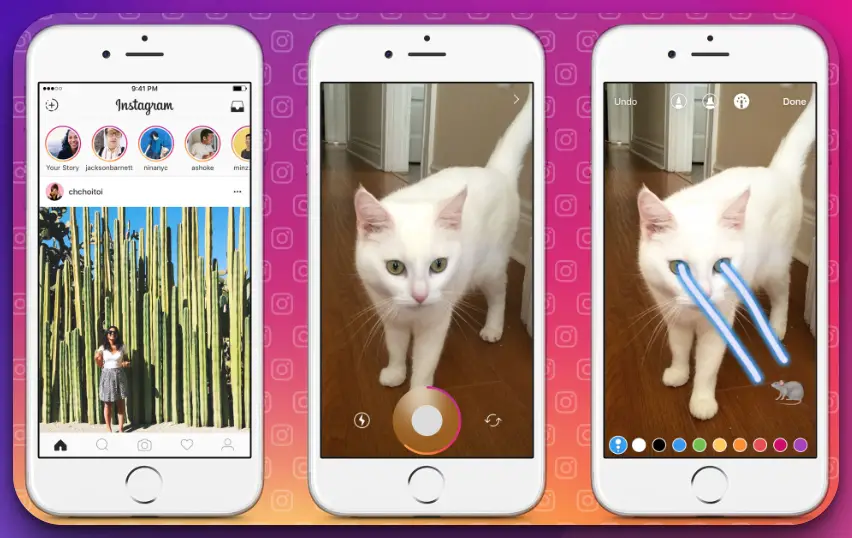
In conclusion, Instagram’s influence in shaping memes, challenges, and trends cannot be overstated. With its emphasis on visual storytelling and interactivity through features like Instagram Stories, the platform has become a playground for creativity, cultural commentary, and community engagement.
As users continue to innovate and push the boundaries, we can expect Instagram to remain at the forefront of digital culture and trends.
👎Cons of Instagram
1. Impact on Mental Health
A popular social media platform, Instagram has created a pervasive comparison culture that permeates the digital landscape.
While it offers a platform for sharing life’s highlights, the constant exposure to carefully curated images can have profound psychological implications.
The allure of Instagram lies in its ability to showcase the best versions of people’s lives. However, this can create a breeding ground for comparison and self-doubt.
Users often measure their worth against the seemingly perfect lives depicted on their feeds. This relentless pursuit of validation and comparison can lead to feelings of inadequacy, low self-esteem, and even mental health issues.
In addition to the comparison culture, Instagram faces challenges in addressing the darker side of online interactions. Cyberbullying and online harassment have become distressingly common on the platform.
Behind the screen of anonymity, individuals engage in hurtful comments, malicious rumors, and targeted attacks. The impact of such behavior can be devastating, with victims experiencing emotional distress, anxiety, and a decline in overall well-being.
Addressing these issues requires a collective effort. Instagram has taken steps to combat cyberbullying by implementing features like comment filters, reporting mechanisms, and AI-powered content moderation.
However, fostering a safer and more supportive environment demands awareness, empathy, and responsible online behavior from all users.
In conclusion, while Instagram offers a platform for self-expression and connection, its comparison culture can have significant psychological implications.
The platform must continue to address issues related to cyberbullying and online harassment, creating an environment that promotes positivity, inclusivity, and mental well-being.
By prioritizing these concerns, Instagram can shape a more empowering and uplifting digital space for its vast community of users.
2. Privacy and Security Concerns
Data privacy issues have become a growing concern in today’s digital age, and Instagram is no exception.
While the platform provides a space for self-expression and social connection, it also raises valid questions about the security and protection of users’ personal information.
Instagram collects vast data from its users, ranging from personal details to browsing habits and interests. This extensive data collection raises concerns about how the platform handles and safeguards this information.
Users may worry about the potential misuse of their data, such as unauthorized access, third-party sharing, or targeted advertising.
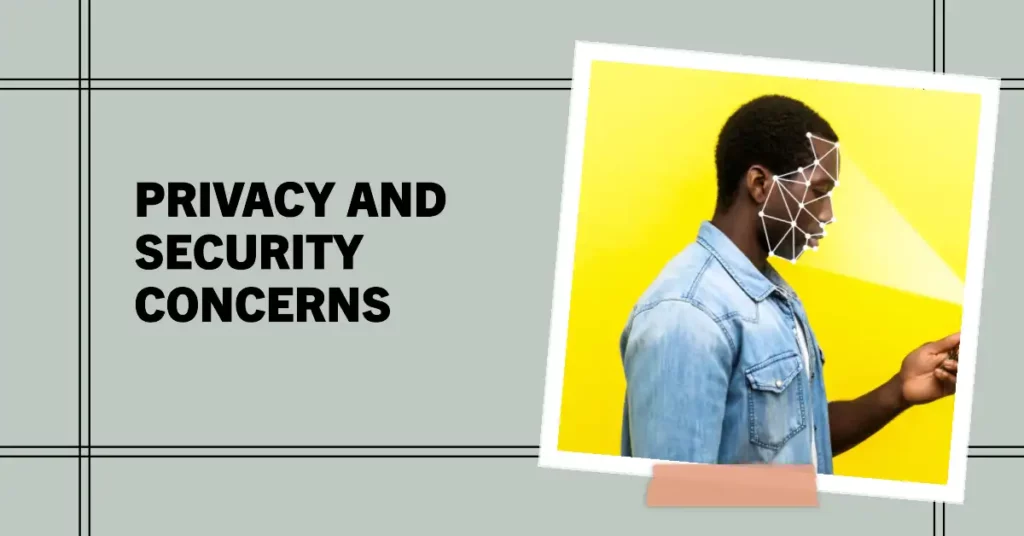
Moreover, the immense popularity of Instagram makes it an enticing target for hacking attempts.
Cybercriminals may exploit vulnerabilities in the platform’s security infrastructure to gain unauthorized access to user accounts, potentially compromising personal information and privacy. This can lead to various forms of identity theft, fraud, or blackmail.
Instagram’s open nature also creates an environment where misinformation can easily spread. Users can share content, captions, and stories without rigorous fact-checking, allowing misleading or false information to propagate rapidly.
This misinformation can have significant social and political implications, impacting public opinion and eroding trust in the platform.
Instagram has implemented various measures to enhance data privacy and security to address these concerns. These include two-factor authentication, privacy settings, and content moderation policies. However, user awareness and responsible online behavior are crucial in mitigating risks and protecting personal data.
In conclusion, Instagram’s popularity brings certain data privacy issues and the potential for hacking and misinformation.
While the platform has taken steps to enhance security and combat misinformation, users must remain vigilant about their privacy settings and the content they consume and share.
By fostering a culture of privacy consciousness, Instagram can continue to be a trusted and safe space for its vast community of users.
3. Commercialization and Consumerism
Instagram is a popular social media platform that has become a powerful catalyst for encouraging impulsive buying.
The platform has transformed how we shop and make purchasing decisions with its visually appealing content and influencer-driven marketing strategies.
The seamless integration of product placements and endorsements in Instagram posts blurs the line between genuine recommendations and misleading sponsored content.
Influencers, who often wield significant influence over their followers, may promote products without disclosing their affiliations or providing transparent reviews. This can lead to a sense of deception among consumers, who make purchasing decisions based on skewed information.
Furthermore, the constant exposure to aspirational lifestyles and desirable products on Instagram can fuel impulsive buying behaviors. The platform thrives on creating a sense of urgency and desire through limited-time offers, flash sales, and exclusive discounts.
The allure of instant gratification and carefully curated content can push users to make impulse purchases without careful consideration.
To address these concerns, Instagram has implemented guidelines for transparency and disclosure in sponsored content. Influencers are now required to disclose their partnerships and sponsored posts. However, the responsibility also lies with users to critically evaluate the information presented to them and make informed decisions.
In conclusion, while Instagram offers a visually captivating and engaging platform, users must be aware of the encouragement of impulsive buying and potentially misleading sponsored content.
By practicing discernment, questioning endorsements, and conducting thorough research, users can confidently navigate the Instagram shopping experience and make purchases aligned with their genuine needs and preferences.
4. Unrealistic Standards and Distortion of Reality
In the age of social media, Instagram-perfect lifestyles have become a pervasive issue that directly impacts body image issues and erodes self-esteem.
The platform’s emphasis on curated and idealized images creates an unattainable standard of beauty and success.

Instagram is flooded with meticulously edited photos, flawless bodies, and extravagant experiences shaping an illusionary perfection narrative.
Users are bombarded with images of sculpted bodies, flawless skin, and picture-perfect lives, leading to comparisons and unrealistic expectations.
This constant exposure to idealized versions of others can harm body image. Users may develop a distorted perception of their bodies, feeling inadequate and dissatisfied. The relentless pursuit of an unattainable standard can lead to negative self-talk, self-consciousness, and body dysmorphia.
The effect on self-esteem is profound. Users often measure their worth based on likes, followers, and external validation. The constant comparison and fear of missing out (FOMO) can contribute to insecurity and self-doubt. The pressure to maintain an Instagram-perfect image can lead to a fragile sense of self-esteem.
Addressing this issue requires a collective effort. Users must be aware of the curated nature of Instagram content and practice self-compassion. It is essential to diversify the content we consume, follow body-positive accounts, and engage in open discussions about the impact of social media on self-image.
In conclusion, the prevalence of Instagram-perfect lifestyles perpetuates body image issues and negatively impacts self-esteem.
By recognizing the curated nature of social media and promoting authenticity and self-acceptance, we can foster a healthier relationship with Instagram and cultivate a positive self-image based on real-world values and self-worth.

5. Time Consumption and Productivity
Instagram, the popular photo-sharing platform, can be both a source of inspiration and a breeding ground for distraction and procrastination.
With its visually captivating content and endless scrolling features, it is no wonder that many users find themselves easily consumed by its allure.
One of the primary concerns surrounding Instagram is its potential to become a significant source of distraction.
The constant influx of posts, stories, and notifications can divert attention from important tasks and obligations. Users may mindlessly scroll through their feeds, losing track of time and productivity.
Furthermore, Instagram’s addictive nature can contribute to procrastination. The platform’s algorithm is designed to provide users with personalized content tailored to their interests, which can lead to endless hours of scrolling and exploring.
The instant gratification of likes, comments, and followers can create a cycle of seeking validation and further fuel addictive behavior.
The addictive potential of Instagram has prompted concerns about its impact on mental well-being and addiction. Excessive usage can lead to anxiety, self-comparison, and social isolation. The constant need to check for updates and the fear of missing out can create a compulsive need to stay connected.
To combat these challenges, users must practice mindful engagement with Instagram. Setting boundaries, such as dedicated screen-free times or limiting usage, can help minimize distractions and regain control over time management.
Finding alternative activities that promote personal growth and well-being can also redirect focus and reduce reliance on the platform.
In conclusion, while Instagram offers a wealth of visual inspiration, it can also be a source of distraction, procrastination, and even addiction.
By being mindful of our usage patterns and actively seeking balance, we can mitigate these challenges and cultivate a healthier relationship with the platform.
1. Mindful use of Instagram
In today’s digital age, where social media platforms like Instagram dominate our online interactions, it’s crucial to establish effective strategies for controlling our Instagram usage time and employ techniques to maintain online safety.
By implementing these practices, we can balance staying connected and protecting our well-being in the digital realm.
Controlling Instagram Usage Time:-
Set Time Boundaries: Establish designated periods for Instagram use and stick to them. Create a schedule that allows for mindful engagement while ensuring it doesn’t consume excessive time.
Utilize Productivity Tools: Take advantage of built-in features on your smartphone or third-party applications that can help limit usage and send reminders when you’ve reached your predetermined time limit.
Practice Intentional Engagement: Instead of mindlessly scrolling through the Instagram feed, engage purposefully. Be selective in your content, focusing on accounts that align with your interests and values. Engage in meaningful conversations and limit passive browsing.
Designate Device-Free Zones: Establish specific areas or periods where smartphones are off-limits. For example, create “no-phone” zones in bedrooms or during meals to foster healthier habits and maintain present-moment awareness.
Techniques to Maintain Online Safety:-
Strengthen Your Passwords: Utilize strong, unique passwords for your Instagram account and enable two-factor authentication (2FA) to provide an additional layer of security.
Manage Privacy Settings: Regularly review and adjust your privacy settings to control who can view your posts, access your personal information, and interact with your account. Limit the visibility of your profile to ensure a more secure online presence.
Exercise Caution with Accepting Requests: Be cautious when accepting friend requests or following unfamiliar accounts. Scrutinize the profiles and assess the authenticity of the users before granting access to your personal information.
Beware of Phishing Attempts: Be vigilant of phishing attempts through emails, direct messages, or suspicious links. Avoid clicking on unknown links; never share personal or financial information through insecure channels.
Report and Block Suspicious Accounts: If you encounter accounts engaging in inappropriate or harmful behavior, promptly report them to Instagram and utilize the block feature to prevent further contact.
Educate Yourself on Online Threats: Stay informed about the latest online threats, scams, and hacking techniques. Regularly update your knowledge of digital security practices to ensure you can navigate the online landscape safely.
By implementing these strategies for controlling Instagram usage time and adopting techniques to maintain online safety, you can create a healthier and more secure digital experience.
Remember, it’s essential to balance connectivity and personal well-being and prioritize your online safety in an ever-evolving digital world.
2. Mental Health Resources
The platform can be a source of inspiration, connection, and creativity for many Instagram users. However, it’s essential to recognize that social media can also present challenges to mental health. Fortunately, support services and help are available to assist users facing mental health struggles.
Instagram has taken steps to promote user well-being by providing resources and tools. They have implemented features like the “Well-being Support” page, which offers guidance on managing mental health concerns, accessing helplines, and finding professional support.
This initiative demonstrates the platform’s commitment to user welfare and fostering a safe online environment.
Outside organizations and mental health professionals also offer support services that can aid Instagram users. These services may include online therapy platforms, mental health hotlines, and counseling resources specifically designed to address the challenges that arise from social media usage.
Despite the availability of support services, it’s important to emphasize the importance of seeking professional help. While social media platforms can provide a sense of community and solidarity, they should not replace the expertise and guidance of mental health professionals.
Trained therapists, counselors, and psychologists possess the knowledge and skills to address specific mental health challenges and provide personalized treatment.
Recognizing when professional help is necessary is a crucial step toward mental well-being. If individuals struggle with persistent anxiety, depression, or any other mental health issue, seeking support from a licensed professional is essential.
These experts can provide guidance, evidence-based interventions, and a safe space to explore and address underlying concerns.
In conclusion, Instagram and other organizations offer valuable support services and help for users facing mental health challenges. However, it’s imperative to remember the importance of seeking professional help.
Prioritizing mental well-being involves utilizing the available resources, reaching out to mental health professionals, and seeking appropriate treatment to navigate the complexities of social media and promote overall mental wellness.
3. How to leverage Instagram for Good
Instagram, a leading social media platform, has proven to be a powerful tool for advocacy and promoting social good.
Individuals and organizations worldwide are leveraging its reach and visual storytelling capabilities to raise awareness, inspire change, and positively impact.
Here are some inspiring success stories of using Instagram for social good:
1. Environmental Activism
Instagram has become a platform for environmentalists and nature enthusiasts to highlight pressing issues and inspire action.
Accounts dedicated to sharing breathtaking landscapes, conservation efforts, and sustainable practices have gained substantial followings, helping to raise awareness and mobilize support for environmental causes.
2. Mental Health Advocacy
Influencers and organizations use Instagram to reduce mental health stigma. They share personal stories, coping strategies, and resources to support those struggling with mental health challenges.
Inspiring captions, honest discussions, and uplifting content create a safe and inclusive community for individuals seeking support and understanding.
3. Social Justice Movements
Instagram plays a vital role in amplifying social justice movements. From raising awareness about systemic racism and inequality to advocating for gender equality and LGBTQ+ rights, users are leveraging the platform to share stories, educational content, and calls to action. Instagram has become a virtual hub for connecting activists and driving change.
4. Humanitarian Efforts
Nonprofit organizations and charities use Instagram to showcase their missions, share stories of impact, and engage with supporters.
They leverage the platform to fundraise, raise awareness about humanitarian crises, and inspire others to get involved. Instagram’s visual nature allows them to evoke empathy and compassion through powerful imagery and storytelling.
These success stories highlight the immense potential of using Instagram for advocacy and social good. The platform empowers individuals and organizations to reach a global audience, build communities, and effect meaningful change.
Instagram users are making a positive difference in the world by harnessing the power of visual storytelling, creativity, and strategic engagement.
In conclusion, Instagram catalyzes advocacy and promotes social good. From environmental activism and mental health advocacy to social justice movements and humanitarian efforts, users harness the platform’s potential to effect change and inspire others.
These success stories remind us of the power of social media for positive impact and inspire us to use Instagram as a force for good in our lives and communities.
Pros and cons of Instagram For students
In the era of social media dominance, Instagram has become a popular platform among students. While it offers various advantages, it has its fair share of drawbacks.
Let’s delve into the pros and cons of Instagram for students.
Pros of Instagram For students:-
Creativity and Expression: Instagram provides a creative outlet for students to showcase their talents and express themselves. Through visual storytelling, students can share their photography, artwork, writing, and other forms of creative expression.
Community Building: Instagram allows students to connect with like-minded individuals, build communities, and engage in discussions around shared interests. It fosters networking opportunities and the chance to collaborate on projects or initiatives.
Educational Resources: Many educational institutions, educators, and experts utilize Instagram to share valuable educational content. Students can follow accounts dedicated to their subjects of interest, gain insights, access study materials, and stay informed about the latest field trends.
Career Exploration: Instagram offers students a window into various industries and career paths. By following professionals in their desired fields, students can gain insights into job roles, industry trends, and potential internship or job opportunities.
Cons of Instagram For students:-
Time Management: One of the major downsides of Instagram for students is the potential for excessive use and distraction. Students may spend significant time scrolling through their feeds, reducing productivity and negatively impacting academic performance.
Social Comparison and Self-esteem: Instagram can contribute to students’ social comparison and self-esteem issues. Constant exposure to carefully curated and idealized images may lead students to compare themselves unfavorably to their peers, potentially impacting their self-esteem and mental well-being.
Privacy Concerns: As a public platform, Instagram raises privacy concerns for students. Sharing personal information, such as location or contact details, can compromise their privacy and potentially expose them to risks. Students need to be mindful of the information they share and adjust their privacy settings accordingly.
Cyberbullying and Online Harassment: Like any social media platform, Instagram is not immune to cyberbullying and online harassment. Students may become targets of negative comments, rumors, or malicious behavior, leading to emotional distress and affecting their overall well-being.
To make the most of Instagram while mitigating its drawbacks, students can adopt the following strategies:-
Setting Boundaries: Establishing limits on Instagram usage can help students manage their time effectively and prioritize their academic commitments.
Curating the Feed: Being selective about the accounts they follow can create a more positive and inspiring experience on Instagram. Students can choose accounts that align with their interests, foster personal growth, and contribute to their educational journey.
Practicing Digital Wellness: Encouraging students to practice digital wellness by taking regular breaks from social media, engaging in offline activities, and maintaining a healthy balance between virtual and real-life interactions.
Promoting Positive Engagement: Encouraging students to engage in meaningful discussions, provide constructive feedback, and use their platform to spread positivity and support others.
In addition to individual efforts, educational institutions, and parents can play a vital role in guiding students to use Instagram responsibly. This can include educational programs on digital citizenship, online safety, and the potential impact of social media on mental health.
In conclusion, Instagram offers both advantages and disadvantages for students. While it provides a platform for creativity, community building, educational resources, and career exploration, students must be mindful of potential pitfalls related to time management, social comparison, privacy, and online harassment.
By employing strategies to manage their Instagram usage, curating their feed, practicing digital wellness, and engaging in positive interactions, students can harness the benefits of Instagram while safeguarding their well-being and academic success.
Pros and Cons of Instagram For Parents
Instagram, the popular photo-sharing platform, has become a part of many parents’ lives as they navigate the digital landscape. While Instagram offers several benefits, it also presents certain challenges.
Let’s explore the pros and cons of Instagram for parents.
Pros of Instagram For Parents:-
Connecting with Family and Friends: Instagram enables parents to stay connected with family and friends, especially those who live far away. They can share precious moments, photos, and updates, keeping loved ones involved in their children’s lives.
Support and Inspiration: Instagram provides a supportive community for parents. They can connect with other parents going through similar experiences, share advice, seek support, and gain inspiration from parenting-related accounts.
Educational Resources: Many educational accounts on Instagram offer valuable parenting tips, child development information, and expert advice. Parents can access many resources to help them make informed decisions about their children’s well-being and education.
Creativity and Hobbies: Instagram offers a platform for parents to express their creativity and showcase their hobbies. They can share their passion for cooking, crafting, photography, or other interests, inspiring other parents.
Cons of Instagram For Parents:-
Time Management: One of the biggest challenges for parents on Instagram is managing their time effectively. The platform can be addictive, leading to excessive scrolling and distractions that take away valuable time that could be spent with their children or on other important tasks.
Comparisons and Pressure: Instagram can contribute to feelings of comparison and pressure among parents. Seeing carefully curated images of seemingly perfect families can create unrealistic expectations and self-doubt. Parents must remember that what is portrayed on Instagram is often idealized.
Privacy and Safety Concerns: Parents must be mindful of privacy and safety concerns on Instagram. Sharing too much personal information or posting photos of their children can expose them to potential risks. It is crucial to adjust privacy settings, be selective about followers, and use caution when sharing sensitive information.
Digital Well-being: Excessive use of Instagram can hurt parents’ overall well-being. Constant exposure to social media can lead to anxiety, FOMO (fear of missing out), and decreased presence in the present moment. Parents need to strike a balance between their online and offline lives.
To make the most of Instagram as parents, it is essential to adopt the following strategies:
Setting Boundaries: Establish time limits and designated “no-phone” zones to ensure quality time with family and minimize distractions.
Curating the Feed: Following accounts that provide positive and authentic content related to parenting, mental health, and well-being can create a more supportive and inspiring online environment.
Modeling Healthy Habits: Being mindful of one’s social media usage and demonstrating a balanced approach can teach children about responsible digital behavior.
Furthermore, open communication with children about social media and its potential impacts is crucial. Educating them about online safety, privacy concerns, and the importance of responsible social media usage will help them navigate the digital world confidently.
In conclusion, Instagram offers both advantages and challenges for parents. It serves as a connection, support, and inspiration platform, allowing parents to share moments and access valuable resources.
However, parents should be aware of the potential pitfalls, such as time management, comparisons, privacy concerns, and their overall digital well-being.
By employing strategies to manage their Instagram usage and fostering open communication, parents can navigate the platform responsibly and create a positive digital environment for themselves and their families.
Pros and Cons of Instagram Marketing
In today’s digital landscape, Instagram has emerged as a powerful platform for businesses to reach their target audience and promote their products or services.
However, like any marketing strategy, Instagram marketing comes with its own set of advantages and disadvantages.
Let’s explore the pros and cons of Instagram marketing.
Pros:-
Large and Engaged User Base: Instagram boasts a massive user base, with billions of active users worldwide. This gives businesses a vast pool of potential customers to target and engage with.
Visual Appeal and Storytelling: As a visual-centric platform, Instagram allows businesses to showcase their products or services in a highly engaging and visually appealing manner. Through high-quality images and videos, brands can tell their story, captivate their audience, and convey their brand values effectively.
Targeted Advertising: Instagram’s advertising platform offers advanced targeting options, allowing businesses to reach their ideal customers based on demographics, interests, behaviors, and more. This precision targeting helps maximize the effectiveness of marketing campaigns and drive better results.
Influencer Marketing Opportunities: Instagram is known for its influential content creators and influencers community. Collaborating with relevant influencers can help businesses tap into their large followings, gain exposure, and build brand credibility.
Engagement and Brand Loyalty: Instagram allows businesses to engage directly with their audience through comments, likes, and direct messages. Businesses can build stronger customer relationships and cultivate brand loyalty by fostering meaningful interactions.
Cons:-
Highly Competitive Environment: With its popularity among businesses, Instagram has become a highly competitive marketing space. Standing out from the crowd can be challenging, especially for smaller or lesser-known brands.
Algorithmic Changes: Instagram frequently updates its algorithm, which can impact the reach and visibility of organic content. Businesses must adapt to these changes and continually optimize their strategies to maintain visibility.
Time and Resource Intensive: Managing a successful Instagram marketing strategy requires significant time and resources. Creating engaging content, monitoring performance, and engaging with the audience can be demanding for businesses with limited resources.
Inauthentic Content and Influencer Fraud: With the rise of influencer marketing, there is a risk of inauthentic content and influencer fraud.
Some influencers may engage in dishonest practices, such as buying followers or promoting products they don’t genuinely endorse. Businesses must carefully vet influencers to ensure authenticity and alignment with their brand values.
Limited Linking Opportunities: Instagram’s limited linking options pose a challenge for businesses looking to drive website traffic or track conversions.
The platform allows only one clickable link in the bio section, making it important for businesses to optimize their bio and leverage other strategies like swipe-up links in Stories (available to accounts with 10,000+ followers).
Despite the challenges, Instagram marketing can be highly rewarding for businesses when approached strategically.
To make the most of Instagram as a marketing channel, businesses should:-
Define Clear Objectives: Establish specific goals and key performance indicators (KPIs) to measure the success of their Instagram marketing efforts.
Consistently Create Compelling Content: Focus on creating visually appealing and engaging content that aligns with their brand identity and resonates with their target audience.
Monitor and Adapt: Regularly track performance metrics and use insights to refine their strategies, optimize content, and stay ahead of algorithmic changes.
Build Authentic Relationships: Prioritize authentic engagement with the audience, promptly responding to comments and messages and fostering a sense of community around the brand.
Collaborate with Influencers: Identify relevant influencers with genuine influence and engage in meaningful partnerships that align with the brand’s values and target audience.
In conclusion, Instagram marketing offers businesses numerous advantages regarding audience reach, visual storytelling, targeted advertising, and engagement.
However, it also presents challenges such as competition, algorithmic changes, resource requirements, and potential risks associated with influencer marketing.
By understanding these pros and cons and implementing effective strategies, businesses can harness the power of Instagram to drive brand awareness, engagement, and, ultimately, business growth.
Pros and Cons of Instagram Stories
Instagram Stories has revolutionized the way users share content on the platform. With its ephemeral nature and interactive features, Instagram Stories offers a unique way to engage with followers and share moments in real-time.
However, like any feature, Instagram Stories has its own set of advantages and disadvantages.
Let’s explore the pros and cons of Instagram Stories.
Pros of Instagram Stories:-
Authentic and Timely Content: Instagram Stories allows users to share spontaneous and unedited content. This authenticity resonates with followers who appreciate the raw and real moments captured through Stories.
Increased Visibility: Instagram Stories appear prominently at the top of users’ feeds, making them highly visible to followers. This prime placement increases the chances of users engaging with Stories, boosting brand visibility and reach.
Interactive and Engaging Features: Instagram Stories offers a range of interactive features such as polls, questions, quizzes, and swipe-up links. These features encourage active engagement from followers, promoting two-way communication and fostering a sense of community.
Creative Expression: With various filters, stickers, text, and drawing tools, Instagram Stories allows users to unleash their creativity and customize their content. This creative freedom enhances the visual appeal of Stories and helps users convey their brand personality.
Metrics and Insights: Instagram provides detailed metrics and insights for Stories, allowing users to track views, engagement, and completion rates. This data helps users understand their audience’s preferences and optimize their content.
Cons of Instagram Stories:-
Ephemeral Nature: The temporary nature of Instagram Stories means they disappear after 24 hours. This can disadvantage users who want to create long-lasting content or maintain a consistent profile aesthetic.
Limited Discoverability: Unlike posts that can be searched and discovered via hashtags or explore pages, Instagram Stories have limited discoverability. Stories are primarily visible to existing followers, making it harder to attract new audiences through this feature alone.
Content Overload: With the increasing number of users and brands utilizing Instagram Stories, there is a risk of content overload. Users may become overwhelmed by the sheer volume of Stories in their feed, causing them to skip or overlook certain content.
Time and Resource Intensive: Creating high-quality and engaging Stories requires time and resources. Businesses and content creators must consistently invest significant effort to produce compelling Stories, from planning the content to designing graphics and editing videos.
Fleeting Attention: Instagram Stories demand users’ immediate attention due to their temporary nature. Users may quickly tap through Stories without fully engaging with the content, making capturing and retaining their attention challenging.
To make the most of Instagram Stories, users can adopt the following strategies:-
Create Compelling Visuals: Use high-quality visuals, eye-catching designs, and on-brand graphics to capture attention and stand out in the crowded Stories feed.
Tell Captivating Stories: Craft engaging narratives that keep viewers hooked from the beginning to the end of the Story. Use images, videos, text, and interactive features to create a compelling storytelling experience.
Utilize Interactive Features: Leverage Instagram’s interactive features to encourage audience participation and engagement. Polls, questions, and quizzes can gather feedback, gain insights, and strengthen connections with followers.
Promote Calls to Action: Include clear calls to action in Stories, such as swipe-up links, to drive traffic to websites, landing pages, or specific promotions.
Leverage Highlights: Take advantage of the Highlights feature to extend the lifespan of valuable Stories. Users can create a curated and evergreen content showcase by organizing Stories into thematic collections.
In conclusion, Instagram Stories offers a dynamic and interactive way to engage with followers and share content in real-time.
With its authenticity, increased visibility, interactive features, and creative expression opportunities, Stories have become a vital tool for businesses, influencers, and users alike.
However, the temporary nature, limited discoverability, content overload, time investment, and fleeting attention are factors to consider.
By understanding the pros and cons and implementing effective strategies, users can leverage Instagram Stories to build brand awareness, foster engagement, and strengthen connections with their audience.
Pros and Cons of Instagram Reels
Instagram Reels, the short-form video feature, has taken the platform by storm, offering users a new way to create and discover entertaining content. With its unique features and opportunities, Instagram Reels presents advantages and disadvantages.
Let’s explore the advantages and disadvantages of Instagram Reels.
Pros of Instagram Reels:-
Creativity and Expressiveness: Instagram Reels allows users to showcase their creativity and express themselves through short videos. Users can create visually engaging and dynamic content With various editing tools, effects, and audio options.
Discoverability: Reels have a dedicated section in the Explore tab, increasing the chances of reaching a wider audience. Users who create compelling Reels have the potential to gain more visibility and attract new followers.
Trend and Virality: Reels enable users to participate in trending challenges, dances, and viral content. By jumping on the latest trends, users can increase their chances of going viral, gaining recognition, and growing their follower base.
Engagement and Interaction: Reels encourage engagement through features like comments, likes, shares, and direct messages. Users can interact with their audience, receive feedback, and build connections through their Reels content.
Cross-platform Promotion: Instagram Reels can be shared on the Explore page, user profiles, and Instagram Feed. This cross-platform promotion allows users to reach their followers across different platform areas, increasing their overall reach and engagement.
Cons of Instagram Reels:-
Content Overload: With the increasing popularity of Reels, users may experience content overload, making it challenging to stand out in a sea of videos. The sheer volume of Reels can make it difficult for individual creators to gain consistent visibility and engagement.
Limited Editing Capabilities: While Instagram Reels offers various editing tools, the options may not be as robust as dedicated video editing software. Users seeking more advanced editing features may find the capabilities of Reels limiting.
Dependency on Trends: Creating Reels that align with the latest trends can be time-consuming and may lead to a lack of originality. Users may feel pressured to constantly follow trends instead of focusing on their unique content and style.
Copyright and Music Licensing: Instagram Reels incorporates copyrighted audio tracks, and users must be mindful of music licensing rights. Failure to adhere to copyright regulations can result in content removal or other legal implications.
Competition and Algorithm Changes: As Reels gain popularity, competition among creators increases. The algorithm that determines Reels’ visibility and reaches can change, making it challenging for creators to predict and adapt to algorithmic shifts.
To make the most of Instagram Reels, users can consider the following strategies:-
Originality and Creativity: While trends are essential, maintaining a unique style and voice can help users stand out in the Reels landscape.
Consistency: Regularly posting high-quality Reels can increase engagement and attract a dedicated audience.
Engagement and Collaboration: Actively engaging with viewers by responding to comments, collaborating with other creators, and participating in community challenges can help foster connections and grow followers.
Cross-promotion: Promoting Reels on other platforms or through other marketing channels can drive traffic and increase visibility.
In conclusion, Instagram Reels offers a platform for users to express their creativity, gain visibility, and engage with their audience.
However, it also presents challenges such as content overload, limited editing capabilities, trend dependency, copyright concerns, and algorithmic changes.
By leveraging the strengths of Instagram Reels and developing a unique approach, users can effectively navigate these challenges and make the most of this dynamic video feature.
📗FAQ’s
What are the Cons of Instagram?
While Instagram has undoubtedly become a popular social media platform, it has drawbacks. Understanding the cons of Instagram can help users navigate the platform more effectively and make informed decisions about their online presence.
Comparison and Self-esteem: One of Instagram’s major cons is its comparison culture. The platform often showcases carefully curated and idealized versions of people’s lives, leading to feelings of inadequacy and negatively impacting self-esteem.
Addiction and Time Consumption: Instagram’s addictive nature can harm users’ productivity and mental well-being. Excessive time spent scrolling through the endless feed can lead to losing focus, procrastination, and an unhealthy attachment to the platform.
Negative Impact on Mental Health: Studies have shown a link between Instagram usage and mental health issues such as anxiety, depression, and body image dissatisfaction. Constant exposure to unrealistic standards and the pressure to present a perfect image can affect users’ mental well-being.
Privacy and Security Concerns: Instagram collects significant user data, raising concerns about privacy and data security. Users must be cautious about the information they share and ensure they have strong privacy settings.
Cyberbullying and Online Harassment: Like any social media platform, Instagram is not immune to cyberbullying and online harassment. Users may become targets of negative comments, trolling, or malicious behavior, which can have severe emotional and psychological consequences.
False Reality and Misinformation: Instagram’s emphasis on aesthetics and visual presentation can create a false sense of reality. Users may project an image that doesn’t truly reflect their lives, perpetuating a culture of inauthenticity. Additionally, the platform can be a breeding ground for the spread of misinformation and rumors.
Distraction and Reduced Real-life Interactions: The captivating nature of Instagram can lead to excessive screen time and a diminished focus on real-life interactions. Users may miss out on meaningful connections and experiences as their attention is constantly drawn to the digital realm.
Commercialization and Influencer Culture: Instagram’s popularity among businesses and influencers has led to a saturated marketplace. Users may feel bombarded with sponsored content and advertisements, making distinguishing between authentic recommendations and paid promotions difficult.
Algorithmic Changes and Decreased Reach: Instagram’s algorithmic changes can significantly impact users’ reach and visibility. The constantly evolving algorithm may make it challenging for users to grow their following or maintain consistent engagement with their content.
Platform Dependence and Fear of Missing Out: Instagram’s role in social interactions and staying connected can create a fear of missing out (FOMO) when users are not constantly engaged. This dependency on the platform can lead to anxiety and feeling left out.
Understanding the cons of Instagram can empower users to be more mindful of their social media usage and take steps to protect their mental well-being and privacy.
It is important to balance the platform’s benefits and potential drawbacks, utilizing it as a tool for connection and self-expression while prioritizing real-life experiences and healthy boundaries.
What are the negatives of Instagram?
Instagram has three primary drawbacks, which are as follows:-
1. Instagram users develop an addiction to the platform, and today’s kids also use Instagram for amusement. This addiction should only be used sparingly because it could lead to many problems.
2. Not everyone can utilize Instagram’s features: Since many individuals don’t own Android phones, they cannot use Instagram’s functions. Many people cannot access Instagram’s functions since they do not own a phone.
3. Instagram is primarily used on mobile devices for portable designing. It is intended for usage on mobile phones; thus, if the same is used on a laptop or other device, some functions won’t be visible.
What are the pros of Instagram?
Instagram offers a variety of advantages:-
1. Find users who share your interests.
2. Promote your work.
3. Earn a livelihood.
4. Post pictures and videos.
5. Brand your company.
6. You can succeed with free resources.
7. Engaging is simple.
8. Stunning filters.
Why should you avoid Instagram?
According to a 2019 study, social anxiety, loneliness, and social media addiction are all positively correlated. FOMO and a sense of inadequacy can result from using social media.
Loneliness, anxiety, and sadness could result from this. Reducing FOMO-related loneliness and anxiety may be facilitated by taking a break from social media.
Spending time on social media takes away from time that could be spent on meaningful activities, and regular usage keeps users distracted all the time, preventing them from experiencing isolation.
Additionally, social media does not aid in forging deeper connections with people.
Social media has a lot of positive uses, but as time goes on, it seems that the negative effects outweigh the positive ones by a wide margin.
The initial purpose of social media, which was to connect people, still has some water, but it has been overwhelmed by other difficulties. Useful social media strategies include using Twitter to advertise a blog you may create or using Facebook’s marketplace.
However, we cannot disregard the harm it has done to us and, by extension, to our children. Numerous studies have demonstrated that people are generally happier offline from social media.
Conversely, social media use can exacerbate depression, loneliness, anxiety, and other undesirable emotions.
What is the main point of Instagram?
Instagram’s primary function is for users to share pictures and videos while interacting with other users through direct messages, likes, and comments. Instagram is largely a visual platform focused on promoting user-created or captured photographs and videos.
Originally intended as a social media site for sharing images and keeping in touch with friends, Instagram has developed over time into a popular tool for brands, influencers, and regular users to publish content and grow their followings.
Millions of individuals today use Instagram for various activities, including keeping in touch with friends and family, keeping up with current affairs, and posting about one’s unique interests and pastimes.
In general, Instagram’s major goal is to give users a platform to share and discover visual material and communicate with one another through likes, comments, and direct messages.
What are the 3 features of Instagram?
Here are three key features of Instagram:-
Sharing photos and videos:- One of Instagram’s key features is the ability to share photographs and videos with other users. This can be done via a user’s profile and Instagram Stories, enabling users to publish fleeting images and videos that vanish after 24 hours.
Connecting with others:- Through likes, comments, and direct messages, Instagram users can communicate with one another. Users may find it helpful to utilize this to connect with friends and family, find new information to read and find new people to follow.
Discovering new content:- Several Instagram features make it simple for users to find new content, such as a feed that shows updates from users they follow and a “Explore” tab that recommends new accounts and content to follow based on a user’s interests.
These are but a few of the numerous services Instagram provides its users. Other capabilities include the ability to add and use hashtags to organize and find material, as well as the capacity to edit images and videos with filters and other tools.
Conclusion
Instagram’s influence is undeniable, serving as a platform for connection, creativity, and commerce. Yet, with its numerous advantages, it’s also fraught with potential pitfalls. Like any tool, we, the users, must decide how we wield it.
Through this comprehensive exploration of the “Pros and Cons of Instagram,” we’ve covered how Instagram can serve as a vibrant, engaging platform for self-expression, cultural exchange, and business opportunities.
We’ve also acknowledged its darker side, discussing how it can contribute to mental health issues, breach user privacy, and perpetuate harmful societal standards.
Ultimately, it is clear that Instagram is a powerful tool that can be beneficial or harmful, depending on how we use it. Mindful usage, informed decision-making, and an awareness of potential risks are key to leveraging its benefits and mitigating its drawbacks.
Navigating Instagram, like any social media platform, is a balancing act. It’s about enjoying global connectivity, creative expression, and business opportunities while being aware of, and taking steps to minimize, the potential negative impact.
The goal should always be to use it to enhance our lives, rather than letting it dictate our lives.
In the end, the power of Instagram rests in our hands. We can choose to let it consume us, or we can take control and use it as a platform for growth, connection, and positivity. The choice is ours.