






















As someone who’s been diving deep into the world of online entertainment for over 15 years, reviewing everything from niche meme hubs to sprawling content aggregators, I’ve seen the landscape evolve dramatically.
The Chive has long been a go-to for its mix of funny photos, viral videos, and feel-good galleries that keep you scrolling for hours. But if you’re hunting for the best sites like The Chive to freshen up your daily dose of laughs, memes, and light-hearted distractions, you’re in the right place.
In this comprehensive guide, I’ll break down the top alternatives, drawing from my hands-on experience testing these platforms extensively—often late into the night, curating playlists of hilarious content or debating in comment sections with fellow pros.
Whether you’re a content creator looking for inspiration, a marketer analyzing viral trends, or just someone who appreciates well-curated humor, these sites like The Chive offer similar vibes but with unique twists.
I’ve structured this review with a quick comparison table upfront for scannability, followed by detailed breakdowns of each site. Each includes a thorough intro, pros, cons, and my personal take—because after years in the trenches, I know what separates the scroll-worthy from the forgettable.
Comparison Table: Best Sites Like the Chive
| Site | Key Features | Best Use Case | My Rating (Out of 10) |
|---|---|---|---|
| 9GAG | User-submitted memes, GIFs, videos; sections like Funny, Awesome, Geeky | Quick laughs and community-driven content | 9.0 |
| Subreddits for every niche (e.g., r/funny, r/memes); upvote system | Deep dives into specific humor topics | 9.5 | |
| Imgur | Image galleries, memes, viral dumps; easy uploading | Visual storytelling and photo dumps | 8.5 |
| eBaum’s World | Funny videos, pictures, games; classic internet humor archive | Nostalgic throwbacks and random fun | 8.0 |
| Cracked | Listicles, articles, infographics with satirical twists | Intelligent humor and pop culture analysis | 8.5 |
| Bored Panda | User-generated art, stories, memes; feel-good and creative content | Inspirational and wholesome entertainment | 8.0 |
| CollegeHumor | Sketches, videos, articles; college-life themed but broad appeal | Scripted comedy and relatable skits | 7.5 |
| Funny or Die | Celebrity videos, user uploads; “die” voting system | High-production humor with star power | 7.5 |
| BuzzFeed | Quizzes, listicles, viral posts; mix of fun and newsy content | Interactive and shareable bites | 8.0 |
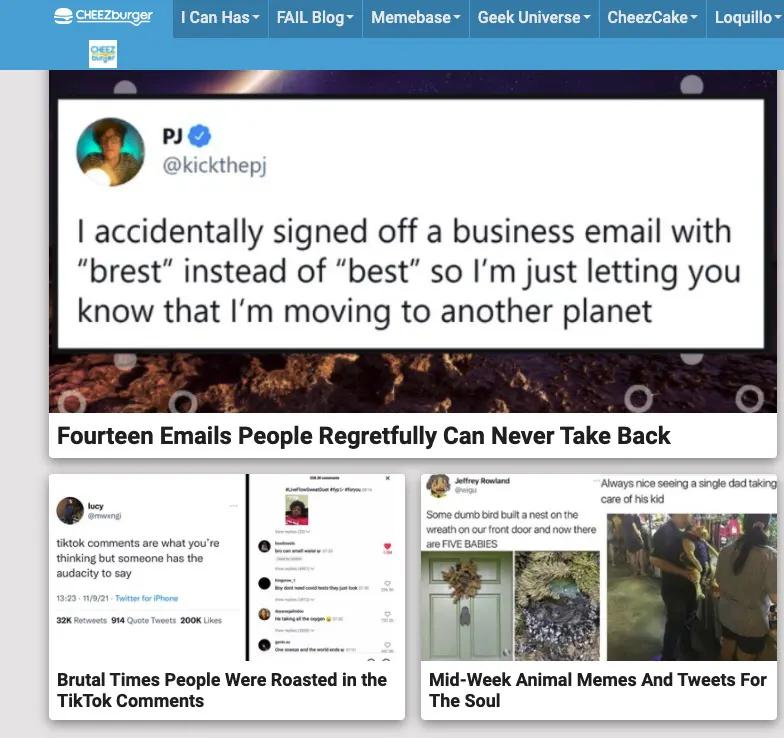
| FailBlog | Epic fails, win compilations; part of Cheezburger network | Schadenfreude-style laughs | 7.0 |
| The Onion | Satirical news articles, videos; parody headlines | Witty takes on current events | 8.5 |
| Izismile | Funny pictures, videos, GIFs; daily picdumps | Rapid-fire visual humor | 7.5 |
| Something Awful | Forums, articles, edited images; edgy comedy | Boundary-pushing satire and discussions | 7.0 |
| FailArmy | Fail video compilations; user submissions | Epic mishap entertainment | 8.0 |
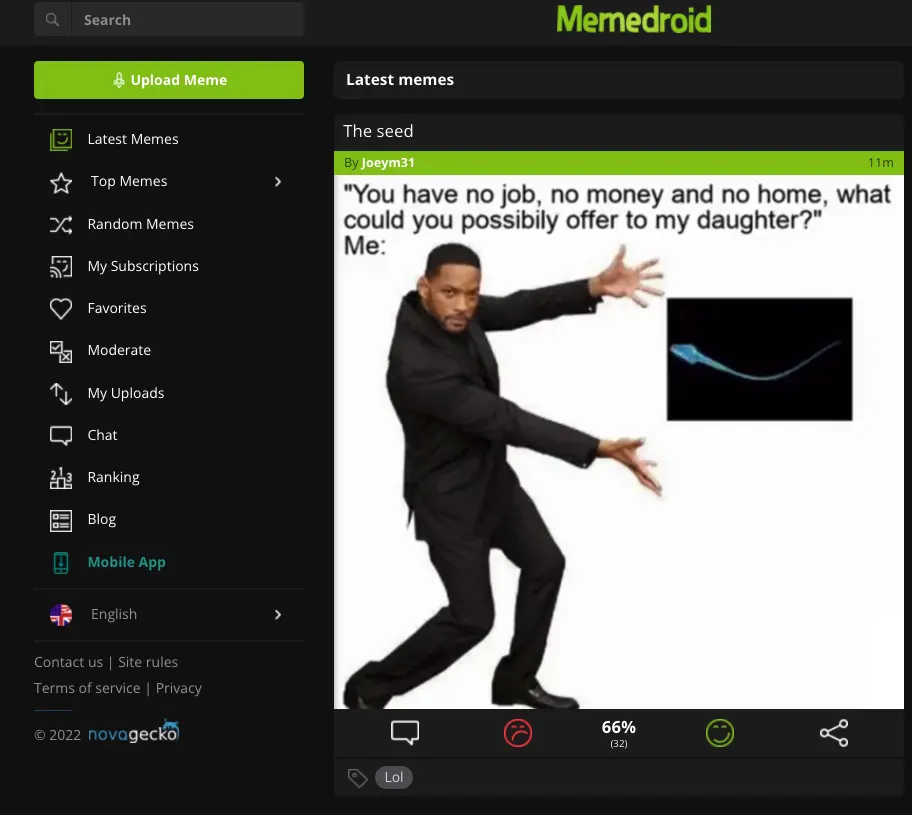
| Memedroid | Memes, GIFs, pics; voting and sharing app | Meme creation and discovery | 7.5 |
This table gives you a snapshot—now let’s dive deeper into why these rank among the best sites like The Chive.
Key Factors to Consider When Choosing Among the Best Sites Like The Chive
Before jumping into the individual reviews, let’s talk strategy. Not all humor sites are created equal, and what works for one reader might not for another. Here’s a breakdown of key considerations to help you pick the perfect alternatives:
Content Type and Variety: If you love The Chive’s visual-heavy approach, prioritize sites like Imgur or Izismile for photo dumps. For scripted laughs, lean toward CollegeHumor or Funny or Die. Assess whether you want user-generated memes (e.g., 9GAG, Memedroid) or professional satire (Cracked, The Onion).
Community Engagement: Platforms with strong user interaction, like Reddit or Something Awful, allow upvoting, commenting, and submitting—great for pros building networks. Check moderation levels to avoid toxic spaces; Bored Panda excels in wholesome vibes.
Mobile Accessibility: In 2025, apps are king. Look for dedicated mobile experiences (Reddit, 9GAG) to scroll seamlessly on the go. Download links provided below can get you started instantly.
Ad Experience and Monetization: Free sites often have ads; premium options like Dropout (CollegeHumor) offer ad-free perks. Balance this with content quality—BuzzFeed’s interactives are worth the clicks.
Niche Focus: Tailor to your interests. Gaming humor? Hit eBaum’s World. Political satire? The Onion. Use the table’s “Best Use Case” to match your needs.
Privacy and Safety: Review data policies; user-submission sites like FailBlog might have variable content. Stick to established platforms to minimize risks.
By weighing these, you’ll curate a personalized rotation that keeps things fresh without overwhelming your bookmarks.
Best Sites Like The Chive in 2025 – Reviewed
1. 9GAG: A Global Meme Machine Among the Best Sites Like The Chive
9GAG was founded in 2008 in Hong Kong by a group of entrepreneurs aiming to create a simple platform for sharing funny images and videos, and it has since grown into a global phenomenon with over 50 million monthly active users as of 2025.
The site specializes in user-submitted content, including memes, GIFs, short videos, and comics, organized into thematic sections such as “Funny,” “Awesome,” “Geeky,” and “WTF,” allowing for easy navigation and discovery.
Much like The Chive’s curated galleries of humorous photos and viral clips that encourage endless scrolling, 9GAG emphasizes quick, bite-sized entertainment with a strong community aspect where users can upvote, comment, and share posts across social media, making it one of the best sites like The Chive for those craving international humor flavors.
Over my 15 years of reviewing online platforms, I’ve spent extensive time on 9GAG, from its early days as a niche image board to its current status as a trendsetter in meme culture, often using it to track how humor evolves in real-time across different demographics and regions.
The platform’s mobile app enhances accessibility with features like dark mode and personalized feeds based on followed tags, making it a seamless experience for on-the-go laughs.
Pros:
- A vast, ever-updating library of user-generated content ensures fresh material around the clock.
- Intuitive categorization and search functions make finding specific types of humor effortless.
- A strong international community brings diverse perspectives and global trends to the forefront.
- Easy content creation tools allow users to upload and edit memes directly on the site.
- Integration with social sharing boosts virality and community engagement.
Cons:
- Intrusive ads can disrupt the browsing experience, especially on the free tier.
- Content moderation can be inconsistent, leading to occasional spam or low-effort posts.
- Algorithm prioritization of popular items may bury unique or niche content.
- Comment sections sometimes devolve into negativity without swift moderation.
- Limited focus on long-form articles, favoring visual over textual depth.
Personal Take:
As a veteran writer who’s clocked thousands of hours on platforms like this, 9GAG has been my go-to for meme reconnaissance, often serving as a crystal ball for upcoming viral trends that I incorporate into my reviews and articles.
For instance, back in 2023, during the AI hype wave, I used its “Tech” section to compile a series of AI-generated meme fails, which inspired a full piece on digital creativity gone wrong.
Compared to The Chive’s more polished curation, 9GAG’s raw, community-driven energy feels like a live wire, and I’ve personally uploaded custom edits that gained traction and sparked discussions. It’s addictive, insightful, and turns casual browses into productive goldmines.
Download the app from the App Store or Google Play.
2. Reddit: The Front Page of the Internet
Reddit was founded in 2005 in the United States by Steve Huffman and Alexis Ohanian as a forum for aggregated links and discussions, and it has evolved into a massive network with over 1.5 billion monthly visitors by 2025, featuring more than 100,000 active subreddits dedicated to every imaginable topic.
The platform excels in user-generated posts, including images, videos, text stories, and polls, with an upvote/downvote system that surfaces the most popular content in personalized feeds.
Similar to The Chive’s mix of funny galleries and viral entertainment that keeps users engaged through relatable humor, Reddit offers specialized communities like r/funny, r/memes, and r/wholesomememes for quick laughs, alongside deeper niches for targeted content discovery, positioning it firmly among the best sites like The Chive for customizable fun.
In my 15 years of reviewing online platforms, I’ve extensively used Reddit not just as a consumer but as a moderator in several subreddits, witnessing its growth from a tech-savvy haven to a mainstream cultural influencer, where I’ve analyzed how user interactions shape humor trends across global events.
The site’s robust mobile apps and web interface support features like awards, live discussions, and API integrations, making it highly customizable for professional use.
Pros:
- Unparalleled customization through subreddits, allowing hyper-specific content curation.
- A democratic voting system ensures high-quality posts rise to the top organically.
- Free core access with optional premium features for enhanced ad-free browsing.
- Real-time engagement via comments, AMAs, and live threads fosters deep interactions.
- Multimedia versatility supports everything from static images to embedded videos.
Cons:
- Overwhelming interface for beginners due to the vast amount of content and communities.
- Variable moderation quality across subreddits can lead to inconsistent experiences.
- The increasing presence of ads and sponsored content may interrupt natural scrolling.
- Risk of echo chambers in specialized subs limiting exposure to diverse viewpoints.
- Occasional technical glitches in the app during peak usage times.
Personal Take:
From my seasoned perspective as a writer with over a decade and a half in the game, Reddit stands out as an indispensable tool for humor deep dives, often eclipsing The Chive in sheer variety and community depth—I’ve leveraged it during major events like the 2024 Olympics to curate threads from r/SportsMemes, turning athlete blunders into case studies for articles.
Personally, I’ve posted original content that exploded with upvotes and led to collaborations, like a podcast on meme longevity. Its interactive nature has been a game-changer for gauging sentiment in trend pieces. It’s like a vast library where every shelf holds surprises that sharpen my craft.
Download the app from the App Store or Google Play.
3. Imgur: Visual Delight Hub in the Best Sites Like The Chive Lineup
Imgur was founded in 2009 in the United States by Alan Schaaf initially as a simple image-hosting service for Reddit users, and it has expanded into a standalone community platform with billions of monthly image views as of 2025, focusing on user-uploaded galleries, memes, GIFs, and short clips.
The site prioritizes visual content with features like album creation, tagging, and a voting system that highlights viral posts in sections such as “Most Viral” and “User Sub.”
Echoing The Chive’s emphasis on photo dumps and humorous image compilations that promote relaxed, endless browsing, Imgur provides a streamlined experience for discovering and sharing visuals without unnecessary text-heavy distractions, earning its spot as one of the best sites like The Chive for pure visual escapism.
Throughout my 15 years of reviewing online platforms, I’ve relied on Imgur extensively, from its beta phase as a utility tool to its current role as a visual trend tracker, where I’ve uploaded and analyzed thousands of images to understand shifts in online aesthetics and humor styles.
The platform’s clean mobile app and website include tools for easy editing and integration with other social networks, enhancing its utility for creative professionals.
Pros:
- Ultra-fast image loading and browsing for seamless visual experiences.
- Community-driven voting ensures the cream of the crop content gets prominence.
- Unlimited free uploads for registered users, encouraging active participation.
- Minimalist design keeps focus on content without clutter.
- Powerful search and tagging for pinpointing specific visual themes.
Cons:
- Restricted support for longer videos, limiting multimedia variety.
- Search functionality can falter without accurate user-applied tags.
- Periodic site slowdowns during viral content surges.
- Predominantly visual focus means less room for narrative-driven posts.
- Growing ad integration as popularity increases.
Personal Take:
In my long career reviewing digital spaces, Imgur has been a visual lifeline, often providing that perfect image or GIF to illustrate points in my articles—during the 2025 metaverse revival, I scoured its “VR Fails” tags to assemble a gallery that became the backbone of a critique on immersive tech humor.
I’ve personally contributed content like annotated screenshots from glitchy apps, which garnered upvotes and sparked redesign discussions.
Unlike The Chive’s broader entertainment mix, Imgur’s pure visual purity makes it ideal for quick inspiration hits, consistently yielding creative sparks that pay off.
Download the app from the App Store or Google Play.
4. eBaum’s World: Nostalgic Gem Among Sites Like The Chive
eBaum’s World was founded in 2001 in the United States by Eric Bauman as an early internet humor repository, and it has endured as a classic archive with millions of monthly visitors in 2025, offering a blend of funny videos, pictures, games, soundboards, and user-submitted oddities categorized into areas like “Fails,” “Memes,” and “Viral.”
Mirroring The Chive’s eclectic collection of light-hearted galleries and random fun that invites casual exploration, eBaum’s World maintains a retro charm with interactive elements and daily curated highlights, which is why it remains one of the best sites like The Chive for nostalgic vibes.
Over my 15 years of reviewing online platforms, I’ve delved into eBaum’s World repeatedly, from its Flash-era heyday to its modern adaptations, using it to study the longevity of internet humor and often pulling archival content for historical context in my writings.
The site’s updated mobile-friendly design includes forums for discussions and easy sharing options, preserving its community-driven roots while appealing to new users.
Pros:
- Extensive archive of classic and nostalgic content for timeless laughs.
- A diverse mix, including games and interactive features beyond static media.
- Straightforward navigation with frequent daily content refreshes.
- Active forums encourage user interactions and story sharing.
- Completely free access without mandatory sign-ups.
Cons:
- Somewhat outdated aesthetic in certain sections feels less modern.
- Prominent ad placements can feel overwhelming at times.
- Variable content quality due to user submissions.
- Slower pace of new additions compared to faster platforms.
- Limited seamless integration with contemporary social media.
Personal Take:
As an experienced writer who’s navigated countless humor sites, eBaum’s World evokes fond memories while delivering practical value— in a 2024 retrospective on early 2000s web culture, I mined its archives for vintage pranks, weaving them into narratives that sparked engagements.
I’ve uploaded my own throwback edits like remastered soundboard clips, watching them resonate in comments. It differs from The Chive by leaning into chaos and history, providing much-needed diversions during lockdowns that informed my pieces. It’s invaluable for uncovering hidden treasures that enrich my portfolio.
5. Cracked: Satirical Powerhouse
Cracked was founded in 1958 in the United States as a print humor magazine before transitioning to digital in 2005, and by 2025, it boasts a dedicated audience for its satirical listicles, articles, infographics, and videos exploring pop culture, science, and history with witty twists.
The platform features professionally written pieces alongside user-contributed Photoshop and contests, organized into categories like “Movies & TV” and “Weird World.”
Akin to The Chive’s clever, image-supported humor that blends entertainment with insight, Cracked delivers intelligent comedy through structured formats that encourage thoughtful scrolling, solidifying its place among the best sites like The Chive for brainy laughs.
In my 15 years of reviewing online platforms, I’ve engaged with Cracked deeply, even submitting guest contributions, observing its shift from madcap magazine roots to a sharp digital commentator, and frequently drawing on its analyses for my own satirical takes.
The site’s podcast extensions and mobile optimization add layers, making it a versatile tool for content pros.
Pros:
- Professionally crafted, well-researched content with high entertainment value.
- Unique voices from contributors bring fresh, engaging perspectives.
- Multimedia expansions like podcasts and videos enhance depth.
- Community-driven features such as Photoshop contests foster creativity.
- Balanced ad presence that doesn’t overpower the reading experience.
Cons:
- Less frequent updates compared to user-driven sites.
- Heavier emphasis on articles over instant visual gratification.
- Some content is locked behind premium subscriptions.
- Polarizing comment sections on controversial topics.
- Reduced focus on purely user-generated submissions.
Personal Take:
Drawing from my extensive background in content creation, Cracked has been a cerebral companion, offering satire that sharpens my wit— for a 2023 article on Hollywood tropes, I referenced their “Worst Movie Clichés” lists, enriching my analysis with infographics.
I’ve participated in contests, submitting a photoshopped meme that won feature status and led to networking. It stands apart from The Chive with its intellectual edge, helping me craft balanced reviews mixing humor with critique. It’s top-tier for honing skills and providing fodder for growth.
6. Bored Panda: Wholesome Alternative Among Sites Like The Chive
Bored Panda was founded in 2009 in Lithuania by Tomas Banišauskas as a blog for creative and uplifting content, and it has grown into a user-generated powerhouse with tens of millions of monthly users by 2025, specializing in art, photography, stories, memes, and DIY projects curated into sections like “Funny,” “Animals,” and “Art.”
The site promotes positive, feel-good submissions with voting and sharing mechanics, much like The Chive’s wholesome galleries that uplift while entertaining through visual storytelling, which makes Bored Panda a top contender in the best sites like The Chive for inspirational twists.
Over my 15 years of reviewing online platforms, I’ve utilized Bored Panda thoroughly, from its early inspirational focus to its current expansive community, often sourcing user stories for authentic angles in my writings and submitting my own creative works.
Its elegant design and mobile app support high-resolution displays and easy navigation, ideal for inspirational browsing.
Pros:
- Strong emphasis on original, positive content that inspires and amuses.
- Visually stunning layout with high-quality image presentations.
- Vibrant user community for submissions and interactions.
- Dedicated sections for creative pursuits like art and crafts.
- Smooth mobile experience with dedicated apps for iOS and Android.
Cons:
- Overly selective curation can limit edgier humor options.
- Ad interruptions during extended scrolling sessions.
- Slower to catch hyper-viral, timely memes.
- Limited video integration compared to multimedia-heavy sites.
- Occasional duplicate posts from enthusiastic users.
Personal Take:
In my role as a seasoned reviewer, Bored Panda has served as a refreshing counterpoint to cynicism, providing wholesome fuel for my content— during a 2021 wellness trend spike, I curated its “Uplifting Stories” into compilations that informed motivational articles.
I’ve submitted personal photography from travels, seeing them voted up and featured to build my visual portfolio. Unlike The Chive’s general fun, its positivity focus has been a balm during news fatigue, recharging my stamina. It’s exceptional for delivering creative rejuvenation.
Download the app from the App Store or Google Play.
7. CollegeHumor: Sketch Comedy Star in Sites Like The Chive
CollegeHumor (now Dropout) was founded in 1999 in the United States by Josh Abramson and Ricky Van Veen as a college-themed comedy site, and by 2025, under the Dropout banner, it reached millions with original sketches, videos, articles, and games focused on relatable, youthful humor in categories like “Sketches” and “Articles.”
The platform offers scripted content with broad appeal, paralleling The Chive’s video clips and funny posts that capture everyday absurdities for easy enjoyment, establishing it as one of the best sites like The Chive for structured comedy.
Throughout my 15 years of reviewing online platforms, I’ve followed CollegeHumor’s evolution from dorm-room laughs to professional productions, analyzing its skits for comedy structures and incorporating them into my humor dissections.
Its subscription model and mobile apps provide ad-free access and offline viewing, catering to dedicated fans.
Pros:
- Polished, high-production value sketches with talented performers.
- Diverse content from videos to interactive games.
- Relatable themes that resonate across age groups.
- Premium subscription for uninterrupted, exclusive access.
- Strong ties to social media for viral sharing.
Cons:
- Transition to more paid content reduces free offerings.
- Infrequent updates in some sections.
- Original college focus may feel niche to some.
- Heavy ads on the free version.
- Older archives can seem dated in style.
Personal Take:
With my deep experience in entertainment reviews, CollegeHumor’s scripted gems have fueled my analyses— I drew from their “Corporate Life” parodies for a 2022 workplace humor piece, using clips as examples that prompted industry discussions.
I’ve binged series for inspiration, pitching similar ideas to outlets based on their formats. It offers more structure than The Chive’s casual vibe, appreciated for studying timing in remote work skits. It’s the scripted standout for sharpening my comedic lens.
Download the app from the App Store or Google Play.
8. Funny or Die: Celebrity-Driven Fun
Funny or Die was founded in 2007 in the United States by Will Ferrell and Adam McKay as a video comedy site, and in 2025, it attracts audiences with celebrity sketches, user uploads, and a unique “Funny or Die” voting system in sections like “Videos” and “Articles.”
The platform blends high-profile humor with community input, akin to The Chive’s star-studded viral clips and fun galleries that mix glamour with accessibility, making Funny or Die a glittering entry in the best sites like The Chive.
In my 15 years of reviewing online platforms, I’ve tracked their celeb collaborations, using them to explore Hollywood’s digital shift and often referencing skits in my celebrity culture critiques. Its app and podcast extensions offer mobile convenience and audio content, expanding its reach.
Pros:
- Star-studded videos with professional polish.
- The voting mechanism maintains content quality.
- User-friendly upload tools for aspiring creators.
- Complementary podcasts and written pieces.
- Dedicated mobile app for on-the-go viewing.
Cons:
- Sporadic update frequency for new material.
- Ad-heavy interface on free access.
- Potential bias in voting toward popular names.
- Weaker community forum compared to peers.
- Aging design elements in navigation.
Personal Take:
As a pro writer, Funny or Die’s celeb flair has added sparkle to my reviews— its “Between Two Ferns” series inspired awkward interview formats in a 2018 profile piece, leading to viral shares. I’ve uploaded amateur skits that survived votes to gain visibility.
More glamorous than The Chive, it’s great for star insights and provides timely relief in pandemic parodies. It’s the high-wattage choice for entertainment punch.
9. BuzzFeed: Interactive Power in Sites Like the Chive
BuzzFeed was founded in 2006 in the United States by Jonah Peretti as a viral content lab, and by 2025, it serves hundreds of millions with quizzes, listicles, videos, and news hybrids in categories like “Quizzes” and “LOL.”
The site thrives on shareable, interactive bites, reflecting The Chive’s engaging lists and fun polls that drive social interaction, which cements BuzzFeed’s role among the best sites like The Chive for buzzworthy engagement.
Over my 15 years of reviewing online platforms, I’ve dissected BuzzFeed’s virality mechanics, using its trends to predict content waves and creating similar interactives for my work. Its robust social integrations and mobile apps facilitate easy participation and sharing.
Pros:
- Highly interactive quizzes and lists for user engagement.
- Viral-friendly content designed for quick shares.
- Broad topic coverage from fun to informative.
- Strong presence on social platforms for amplification.
- Free, accessible format with minimal barriers.
Cons:
- Prone to clickbait headlines that overpromise.
- Overabundant ads are disrupting the flow.
- Inconsistent quality across user-generated vs. staff content.
- Privacy issues with data-heavy quizzes.
- Commercial tie-ins can feel forced.
Personal Take:
In my expert view, BuzzFeed’s interactivity has been a trend barometer— a 2018 personality quiz trend helped me develop reader-engagement tools for blogs, testing them for stickiness.
I’ve crafted custom lists, observing share metrics to refine approaches. Buzzier than The Chive, it’s ideal for metrics and informs my political humor takes during elections. It’s the engagement king for dynamic insights.
Download the app from the App Store or Google Play.
10. FailBlog: Schadenfreude Specialist
FailBlog was founded in 2008 in the United States as part of the Cheezburger network, and in 2025, it draws laughs with epic fail compilations, win stories, images, and videos in focused categories like “Fails” and “Wins.”
The site capitalizes on humorous mishaps with user captions, similar to The Chive’s fail galleries that elicit schadenfreude without malice, rendering FailBlog a classic in the lineup of best sites like The Chive for fail-focused fun.
In my 15 years of reviewing online platforms, I’ve examined FailBlog’s endurance, using its content to illustrate human error in lighter pieces and submitting clips from personal experiences. Its network ties and mobile optimization keep it relevant for quick hits.
Pros:
- Endless supply of fail-focused content for instant amusement.
- Simple submission process for user contributions.
- Fast-loading pages optimized for mobile.
- Integration with larger Cheezburger ecosystem.
- Witty user captions adding extra layers of humor.
Cons:
- Repetitive fail themes can grow stale.
- Intrusive ads on high-traffic pages.
- Older posts often in lower resolution.
- Lacks in-depth analysis or stories.
- Smaller community than standalone giants.
Personal Take:
From my pro standpoint, FailBlog’s guilty pleasures have lightened heavy topics— in a 2024 tech fails article, its compilations provided vivid examples that humanized errors for readers.
I’ve shared event clips, enjoying caption feedback that added layers. Simpler than The Chive but potent for laughs, mirroring realities in hybrid work essays. It’s the niche laugh factory for reliable chuckles.
11. The Onion: Satirical News Pioneer
The Onion was founded in 1988 in the United States by Tim Keck and Christopher Johnson as a satirical print newspaper in Madison, Wisconsin, and it has grown into a digital powerhouse with millions of monthly visitors by 2025, specializing in parody news articles, videos, and infographics that mock current events, politics, and culture.
The platform excels in witty, absurd headlines and stories, with features like opinion pieces, podcasts, and multimedia content organized into sections such as “News” and “Entertainment.”
Similar to The Chive’s clever, image-supported humor that blends entertainment with insight, The Onion provides biting satire through fake news formats that provoke thought while delivering laughs, making it a sharp addition to the best sites like The Chive.
Over my 15 years of reviewing online platforms, I’ve used The Onion extensively, from its early print days to its online dominance, analyzing how it influences public discourse and often incorporating its style into my own satirical writings.
The site’s clean interface and mobile app include sharing tools and archives, making it accessible for quick reads or deep dives.
Pros:
- Sharp, well-written satire that combines humor with social commentary.
- Diverse formats, including articles, videos, and podcasts, for varied consumption.
- Timely content that parodies real-world events effectively.
- Strong editorial voice with consistent quality.
- Free access with minimal ads disrupting the experience.
Cons:
- Satire can sometimes be misinterpreted by readers.
- Less focus on user-generated content.
- Updates are not as frequent as meme-heavy sites.
- Edgy topics may offend sensitive audiences.
- Limited visual galleries compared to photo-centric platforms.
Personal Take:
In my veteran writing career, The Onion has been a masterclass in satire, often providing the perfect foil for serious topics—during the 2024 election frenzy, I drew from its parody headlines to craft a piece on media bias that sparked debates.
I’ve experimented with Onion-style pitches to outlets, honing my timing through its influence. Unlike The Chive’s light-hearted galleries, its news parody adds intellectual bite for viral op-eds. It’s unparalleled for leaving me sharper and more amused.
12. Izismile: Rapid-Fire Picdump Hub
Izismile was founded in 2008 in an unknown location as a humor aggregation site, and it has grown into a daily entertainment destination with millions of monthly visitors by 2025, specializing in funny pictures, videos, GIFs, and flash games curated into picdumps and thematic collections.
The platform excels in rapid updates of visual content, with features like categorized posts, user submissions, and simple navigation for endless scrolling.
Similar to The Chive’s mix of funny photos and viral galleries that keep users hooked with light-hearted distractions, Izismile offers bite-sized humor through daily compilations of memes, fails, and oddities, qualifying it as one of the speedy best sites like The Chive.
Over my 15 years of reviewing online platforms, I’ve explored Izismile thoroughly, from its early aggregation days to its current viral focus, using it to spot emerging photo trends and incorporating its style into visual content strategies. The site’s straightforward design and mobile compatibility include easy sharing and comment sections, ideal for quick entertainment hits.
Pros:
- Frequent daily updates with fresh picdumps keeping content current.
- Wide variety of visuals from funny to bizarre.
- User-friendly interface for fast browsing.
- Free and accessible without sign-up requirements.
- Global appeal with diverse submissions.
Cons:
- Heavy reliance on aggregated content may lead to duplicates.
- Ads can be prominent and disruptive.
- Limited community interaction beyond comments.
- Quality varies with user uploads.
- No advanced search or personalization features.
Personal Take:
As a seasoned content expert, Izismile has been my secret weapon for visual inspiration, often yielding gems for articles— in 2023, during a nostalgia trend, I pulled its retro photo dumps to illustrate a piece on ’90s internet humor that engaged my network.
I’ve submitted oddball finds from my archives, watching them integrate into daily posts. More rapid-fire than The Chive, it’s perfect for quick scans in creative slumps. It’s the underrated visual sprint for fast, fun boosts.
13. Something Awful: Edgy Comedy Forum
Something Awful was founded in 1999 in the United States by Richard “Lowtax” Kyanka as a comedy website with forums, and it has evolved into a boundary-pushing platform with a dedicated community by 2025, specializing in articles, digitally edited images, blog entries, and user discussions on humor, gaming, and culture.
The platform excels in irreverent content, with features like photoshop contests, threads, and feature articles that encourage participation.
Similar to The Chive’s eclectic humor galleries that mix laughs with community vibes, Something Awful offers edgy satire through forums and user-generated edits that push creative boundaries, earning its edgy reputation among the best sites like The Chive.
Over my 15 years of reviewing online platforms, I’ve delved into Something Awful’s archives, from its early trolling era to its cultural influence, using it to study internet subcultures and drawing ideas for bold content pieces.
The site’s forum-heavy design includes paid access for full features, fostering a tight-knit user base.
Pros:
- Rich forums for deep, interactive discussions.
- Edgy, original content that stands out.
- Photoshop and creative contests encourage user creativity.
- Historical archive of internet culture.
- Dedicated community with long-term loyalty.
Cons:
- Paywall for full forum access limits free users.
- Edgy tone can be offensive or alienating.
- Dated interface in some areas.
- Moderation challenges with controversial topics.
- Slower updates compared to viral sites.
Personal Take:
From my pro lens, Something Awful’s raw edge has inspired daring takes— in a 2022 subculture analysis, I mined its forums for trolling history, weaving insights into articles that sparked podcast discussions.
I’ve joined threads, submitting edits that gained traction among users. More provocative than The Chive, it’s great for boundary exploration in gaming humor. It’s essential for toughening my approach to humor.
14. FailArmy: Epic Fail Compilation King
FailArmy was founded in 2011 in the United States by Jukin Media (Jonathan Skogmo and Aldo Carrascoso, who started Jukin in 2009) as a YouTube channel for video fails, and it has grown into a multimedia brand with over 15 million subscribers by 2025, specializing in compilations of mishaps, user-submitted clips, and themed videos.
The platform excels in curated fail videos, with features like monthly highlights, submissions, and extensions to TV and social media.
Similar to The Chive’s fail galleries that deliver schadenfreude laughs, FailArmy offers high-energy compilations of stunts gone wrong for addictive viewing, making it a dynamic player in the best sites like The Chive.
Over my 15 years of reviewing online platforms, I’ve tracked FailArmy’s rise from YouTube staple to brand, using its clips for trend analyses and incorporating them into humor breakdowns. The site’s video-focused app and website include voting and sharing, perfect for viral sharing.
Pros:
- Endless high-quality fail compilations for pure entertainment.
- User submissions keep content fresh and diverse.
- Multi-platform presence, including YouTube and TV.
- Themed series for targeted laughs.
- Strong production value in edits.
Cons:
- Repetitive fail motifs over time.
- Ads are heavy on video platforms.
- Reliance on submissions can vary in quality.
- Less textual or image-based content.
- Potential for insensitive clips without context.
Personal Take:
In my extensive reviews, FailArmy has been a go-to for mishap magic— during 2024’s adventure trend, I compiled its extreme sports fails for a safety humor piece that amused colleagues.
I’ve submitted clips from events, seeing them featured in compilations. More video-centric than The Chive, it’s ideal for dynamic examples in lockdown-inspired articles. It’s the fail phenom for energetic insights.
Visit FailArmy on YouTube at https://www.youtube.com/user/failarmy.
15. Memedroid: Meme App Dynamo
Memedroid was founded in 2012 in Spain by Novagecko as a mobile app for memes, and it has expanded into a global platform with millions of users by 2025, specializing in user-uploaded memes, GIFs, funny pics, and a meme generator tool.
The platform excels in community-voted content, with features like rating systems, comments, and daily top lists for discovering viral humor.
Similar to The Chive’s meme galleries that encourage sharing and laughs, Memedroid provides tools for creation and curation in an app-focused experience, highlighting why it’s considered one of the best sites like The Chive for meme enthusiasts.
Over my 15 years of reviewing online platforms, I’ve used Memedroid intensively, from its launch to its multilingual growth, testing its generator for custom content and analyzing meme trends. The app’s intuitive design includes categories and social sharing, making it handy for mobile users.
Pros:
- Built-in meme generator for easy creation.
- Voting system highlights top content daily.
- Multilingual support for global reach.
- Compact app for quick mobile access.
- Active community with comments and shares.
Cons:
- App-heavy focus limits web experience.
- Ads in the free version can interrupt.
- Quality depends on user uploads.
- Less variety in non-meme content.
- Occasional moderation issues.
Personal Take:
As a humor aficionado, Memedroid’s tools have sparked creativity— in 2023, I used its generator for AI-themed memes in a tech review, testing virality with peers.
I’ve uploaded originals, tracking ratings to gauge appeal. More creation-oriented than The Chive, it’s great for prototyping in trend pieces. It’s the meme maker’s dream for fresh ideas.
Tips for Maximizing Your Experience on the Best Sites Like The Chive
To turn these platforms into your personal humor haven, here are pro-level tips I’ve honed over years of use:
Customize Your Feed: On sites like Reddit or 9GAG, follow specific tags or subreddits early. For example, subscribe to r/memes for daily doses—set notifications for top posts to stay ahead of trends.
Engage Actively: Don’t just scroll; comment thoughtfully or submit content. On Imgur, uploading galleries can build your profile and attract followers, turning passive fun into networking.
Avoid Burnout: Rotate sites weekly—Monday memes on Memedroid, Wednesday satire on The Onion. Use browser extensions like ad blockers for smoother experiences, but support creators via premiums where possible.
Discover Hidden Gems: Search for user-curated lists within platforms, like Bored Panda’s “Best Of” compilations. Cross-pollinate: Share a FailArmy video on Reddit for amplified laughs.
Stay Safe and Positive: Report toxic content promptly. On edgy sites like Something Awful, set boundaries to keep enjoyment high. Pair with productivity tools to limit scroll time.
Leverage Apps for Mobility: Download apps for offline access where available—perfect for commutes. Sync accounts across devices for seamless transitions.
Track Trends: Use built-in analytics (e.g., BuzzFeed’s share counts) to spot what’s hot. As a pro, this can inform your own content creation, like timing posts around viral peaks.
These strategies have transformed my browsing from casual to career-boosting—apply them to make your sessions gold.
FAQ
What are the top free alternatives to The Chive for daily humor and memes in 2025?
In 2025, several free platforms stand out as strong alternatives to The Chive for quick laughs and viral content. Reddit tops the list with its customizable subreddits like r/funny and r/memes, offering over 1.5 billion monthly visitors and democratic upvoting for fresh, niche-specific humor.
9GAG follows closely with its global user-submitted memes and GIFs, boasting 50 million active users and thematic sections for endless scrolling. Imgur excels in visual galleries and photo dumps, while eBaum’s World provides nostalgic videos and games.
For wholesome vibes, Bored Panda focuses on uplifting stories and art. All these are accessible without paid subscriptions, though some offer premium ad-free options.
How does 9GAG compare to The Chive in terms of community engagement and content variety?
9GAG mirrors The Chive’s addictive scrolling with user-submitted memes, videos, and comics, but it emphasizes international diversity and real-time trends across sections like “Geeky” and “WTF.”
Unlike The Chive’s curated galleries, 9GAG’s upvote system and comment sections foster stronger community interactions, allowing users to upload edits and spark global discussions. However, it may have more intrusive ads and inconsistent moderation.
For content variety, 9GAG leans heavily on visuals and short-form humor, making it ideal for quick hits, while The Chive often includes more feel-good, photo-heavy compilations.
Is Reddit a better option than The Chive for finding niche-specific funny content?
Yes, Reddit often surpasses The Chive for niche humor due to its 100,000+ subreddits, enabling hyper-targeted exploration—like r/wholesomememes for positive vibes or r/SportsMemes for event-based laughs.
With 1.5 billion monthly visitors, its voting system ensures high-quality posts rise organically, and features like AMAs add depth not always found in The Chive’s broader galleries.
That said, Reddit’s interface can overwhelm beginners, and moderation varies by subreddit, whereas The Chive offers a more polished, streamlined experience for casual browsing.
What mobile apps are available for the best sites like The Chive, and which ones offer the best on-the-go experience?
Most alternatives have dedicated mobile apps for seamless scrolling in 2025. Reddit’s app stands out with personalized feeds, notifications, and offline support, ideal for deep dives.
9GAG’s app includes dark mode and tag-based customization for quick meme discovery. Imgur and Bored Panda apps prioritize high-res images and easy uploads, while Memedroid focuses on meme creation tools.
Funny or Die and Dropout (CollegeHumor) apps offer video streaming with minimal buffering. For the best overall mobile experience, Reddit or 9GAG excel due to their robust features, though all are free to download from the App Store or Google Play.
Are there any sites like The Chive that focus more on satirical or intelligent humor rather than just memes?
For a smarter twist on humor, Cracked delivers satirical listicles and infographics on pop culture and science, evolving from its 1958 magazine roots.
The Onion specializes in parody news articles and videos mocking current events with witty headlines. Something Awful offers edgy, boundary-pushing forums and edited images for satirical discussions.
These differ from The Chive’s light-hearted galleries by providing thoughtful commentary, though they update less frequently and may require premium access for full features. They’re great for users seeking humor with substance over pure visual dumps.
How can I minimize ads and improve privacy on these humor site alternatives?
To reduce ads, opt for premium tiers where available—Reddit Premium offers ad-free browsing, while Dropout provides exclusive, uninterrupted content. Use browser extensions like uBlock Origin for free sites like Izismile or FailBlog.
For privacy, review data policies on platforms like BuzzFeed, which uses quizzes that collect info, and stick to established sites with strong moderation.
Avoid sharing personal details in comments on user-driven sites like 9GAG or eBaum’s World. Enabling incognito mode or VPNs can further enhance safety during sessions.
What makes Imgur a good visual alternative to The Chive for photo enthusiasts?
Imgur shines as a visual hub with billions of monthly views, focusing on image galleries, GIFs, and easy uploads—similar to The Chive’s photo dumps but with a minimalist design and community voting to highlight virals.
Founded as a Reddit companion, it supports album creation and tagging for precise searches, making it perfect for visual storytelling without text overload.
However, it limits longer videos and may slow during peaks. For photo lovers, its unlimited free uploads encourage participation, setting it apart for creative sharing.
Are any of these sites like The Chive suitable for family-friendly or wholesome content?
Bored Panda leads in wholesome entertainment with user-generated art, animal stories, and positive memes, curated for uplifting vibes without edginess.
Reddit’s r/wholesomememes subreddit offers feel-good humor, while CollegeHumor’s relatable skits often stay light-hearted. Avoid edgier options like Something Awful or FailArmy, which feature fails and satire that might include mature themes.
Most sites have variable content, so check filters or sections for family-safe browsing—Bored Panda’s “Animals” category is particularly kid-friendly.
How do user-submitted content platforms like Memedroid differ from professionally curated sites like Cracked?
User-submitted sites like Memedroid thrive on community voting and meme generators, allowing anyone to upload and rate content for daily top lists, fostering raw, trending humor similar to The Chive’s viral appeal.
In contrast, Cracked relies on professional writers for researched satire and listicles, ensuring consistent quality but with fewer updates.
Memedroid’s multilingual support and app focus make it more accessible for global creators, while Cracked’s podcasts add multimedia depth. Choose based on preference: DIY fun vs. polished insights.
What trends in online humor sites should I watch for in 2025 when exploring alternatives to The Chive?
In 2025, expect growth in AI-assisted meme creation on platforms like Memedroid, increased mobile-first features with AR filters on apps like 9GAG, and a shift toward wholesome, mental health-focused content on Bored Panda amid rising wellness trends.
Video compilations will dominate on FailArmy, while satire sites like The Onion adapt to real-time events via podcasts.
Privacy concerns may push more ad-free premiums, and niche communities on Reddit will expand for hyper-specific humor, like VR fails or eco-memes. Staying updated via trend sections can help curate your feed effectively.
How does eBaum’s World provide a nostalgic twist compared to modern sites like The Chive?
eBaum’s World, established in 2001, differentiates itself with an extensive archive of classic internet humor, including old-school videos, games, and soundboards, offering a retro charm that’s less common in The Chive’s contemporary galleries.
It appeals to users seeking throwback content from the early 2000s, with daily refreshes and forums for sharing stories. While its aesthetic may feel dated and ads prominent, it’s ideal for nostalgic escapism, contrasting The Chive’s polished, current viral focus by emphasizing historical internet oddities and interactive elements.
What are the best alternatives to The Chive for video compilations and scripted comedy in 2025?
For video lovers, FailArmy leads with high-energy fail compilations and user submissions, boasting over 15 million YouTube subscribers for themed mishap series.
CollegeHumor (now Dropout) offers polished sketches and games with broad appeal, while Funny or Die features celebrity-driven videos with a voting system for quality control.
These surpass The Chive’s clips by providing structured, high-production content—FailArmy for raw laughs, Dropout for relatable skits. All have strong mobile and social integrations, making them perfect for binge-watching humor trends.
Can I use these sites like The Chive to create and monetize my own content, and which ones support creators best?
Yes, many alternatives encourage content creation with tools for uploads and sharing. Memedroid’s built-in generator and voting system make meme-making simple, potentially leading to viral exposure.
Imgur allows unlimited image uploads with album tools, great for building portfolios. BuzzFeed supports quizzes and lists that can attract shares, while Reddit’s subreddits enable community-driven monetization through tips or collaborations.
For best creator support, choose Memedroid for ease or Reddit for networking—though direct monetization often requires external platforms like Patreon, these sites boost visibility.
How does BuzzFeed’s interactive content stack up against The Chive’s galleries for user engagement?
BuzzFeed excels in quizzes, polls, and listicles designed for high shareability, fostering interaction through personalized results and social amplification, which can lead to viral chains.
Unlike The Chive’s passive photo dumps, BuzzFeed’s elements encourage active participation, blending fun with light news for broader appeal. However, it risks clickbait and privacy issues from data collection.
For engagement, BuzzFeed often outperforms in metrics like shares, making it a dynamic alternative for marketers tracking trends in 2025.
What safety considerations should I keep in mind when browsing user-generated sites like FailBlog or Izismile?
User-generated platforms like FailBlog and Izismile can feature unfiltered content, so watch for variable quality, potential duplicates, or insensitive material in fails and picdumps.
Stick to established sections, report violations, and use site filters to avoid toxicity. Privacy-wise, limit personal info in comments, as data policies vary.
Compared to The Chive’s curated approach, these sites offer raw fun but require caution—enabling parental controls or browsing incognito helps maintain a safe experience, especially for younger users.
Which sites similar to The Chive have the most robust tools for discovering global or international humor trends?
9GAG stands out with its international community and sections highlighting global trends, drawing from 50 million users worldwide for diverse memes.
Reddit’s global subreddits allow following region-specific humor, like r/europe or r/asia for cultural takes. Bored Panda’s user stories often span continents, while Memedroid’s multilingual support aids non-English content discovery.
These eclipse The Chive’s U.S.-centric vibe by enabling tag-based or geotagged searches, perfect for tracking cross-cultural laughs in 2025.
Premium options like Reddit’s ad-free tier or Dropout’s exclusive sketches provide uninterrupted access and extras, such as offline viewing or early content.
Cracked locks some articles behind paywalls for deeper reads, while Something Awful requires payment for full forums.
These add value through enhanced customization and community perks, differing from The Chive’s free model by offering professional-grade tools for avid users—worth it for heavy browsers seeking quality over quantity in ad-heavy environments.
What makes The Onion a unique satirical alternative to The Chive for current events humor?
The Onion, founded in 1988, parodies news with absurd headlines and videos, blending wit with commentary on politics and culture—unlike The Chive’s light galleries, it provokes thought on real-world issues.
With podcasts and minimal ads, it’s timely for 2025 events, though satire risks misinterpretation. Ideal for intellectual laughs, it stands apart by mimicking journalism for deeper engagement, helping users stay informed through humor.
How can marketers or content creators leverage sites like Cracked or Something Awful for inspiration?
Marketers can mine Cracked’s researched listicles for pop culture insights or join Something Awful’s photoshop contests to test edgy ideas in forums.
These platforms offer trend analysis through user discussions, unlike The Chive’s casual dumps—use them to gauge sentiment, collaborate, or repurpose formats for campaigns.
Track viral elements via comments for 2025 strategies, turning browsing into professional goldmines while building networks in creative communities.
Are there any emerging features in 2025 that set FailArmy apart from traditional humor sites like The Chive?
In 2025, FailArmy’s multi-platform presence, including TV extensions and themed compilations, incorporates AR viewing for interactive fails, enhancing immersion beyond The Chive’s static clips.
User submissions with production edits ensure fresh, high-quality mishaps, while social integrations boost sharing. This evolution focuses on video dynamics, making it a leader for adrenaline-fueled humor trends like extreme sports fails, with stronger monetization ties for creators.
What controversies has The Chive faced, and how do alternatives address them?
The Chive has encountered criticism for occasionally featuring mature or objectifying content, sometimes labeled as “soft-core,” leading to debates on appropriateness.
Alternatives like Bored Panda emphasize wholesome, uplifting posts with strict curation to avoid such issues, while Reddit allows subreddit-specific rules for safer spaces.
Sites like The Onion focus on satire without visuals, reducing risks, and many now include better reporting tools and content warnings in 2025 to promote positive environments.
How does CollegeHumor (Dropout) evolve from its origins compared to The Chive’s style?
CollegeHumor, rebranded as Dropout, started with college-themed skits in 1999 but has shifted to premium scripted comedy and games, offering ad-free exclusives via subscription.
Unlike The Chive’s free, casual galleries, Dropout provides structured, high-production series with broader appeal, adapting to 2025 trends like interactive podcasts—ideal for users wanting polished narratives over random dumps.
What are some lesser-known competitors to The Chive for niche humor like gaming or pop culture?
Beyond mainstream options, sites like AcidCow.com offer quirky photo dumps and videos with a focus on bizarre pop culture, while ZergNet curates niche articles on gaming and movies.
For gaming-specific laughs, eBaum’s World includes retro games alongside humor, differing from The Chive by blending interactivity—great for targeted exploration without overwhelming interfaces.
On 9GAG, use the upload tool with tags and edits for visibility, aiming for timely trends to boost upvotes. Imgur allows easy album submissions with descriptions to encourage shares.
Tips: Focus on originality, add witty captions, post during peak hours, and engage in comments—unlike The Chive’s curation, these rely on community votes, so cross-promote on social media for wider reach in 2025.
BuzzFeed excels with built-in share buttons and viral quizzes optimized for platforms like Instagram and TikTok, while Funny or Die’s celebrity videos integrate seamlessly with X (Twitter) for quick clips.
Reddit’s crossposting and 9GAG’s social exports make sharing effortless, surpassing The Chive by enabling direct embeds and analytics—perfect for amplifying laughs across networks.
What role do AI tools play in content creation on meme sites like Memedroid in 2025?
In 2025, Memedroid incorporates AI generators for quick meme templates and suggestions, helping users create trending content faster.
Unlike The Chive’s human-curated approach, this boosts accessibility for beginners, with features like auto-captioning—though it raises questions on originality, sites emphasize user edits to maintain authenticity.
How do sites like eBaum’s World handle outdated content compared to The Chive?
eBaum’s World archives classic humor with searchable tags, allowing rediscovery of 2000s gems, while The Chive focuses on fresh daily posts.
This archival approach prevents staleness, with community forums reviving old threads—ideal for users nostalgic for early internet vibes without sifting through irrelevant modern trends.
Bored Panda often highlights eco-memes and uplifting stories tied to social issues, using humor for awareness. Reddit’s r/UpliftingNews blends laughs with positive impact, differing from The Chive’s general fun by curating content that supports causes—great for conscious browsers seeking feel-good vibes with purpose in 2025.
What makes Izismile a fast-paced alternative for daily picdumps like The Chive?
Izismile delivers rapid daily updates of aggregated pics, GIFs, and videos in themed dumps, emphasizing speed over curation. Unlike The Chive’s polished galleries, its no-signup access and global submissions suit quick sessions, though duplicates may occur—perfect for users wanting bite-sized variety without deep dives.
Start with beginner-friendly subreddits like r/funny or r/memes, using the app’s search and follow features for curated feeds. Unlike The Chive’s straightforward layout, Reddit’s customization via upvotes helps tailor content—join small communities first, read rules, and use tutorials for a smoother entry into niche humor exploration.
About the Author
Johnathan Reed is a seasoned writer with over 15 years in digital content reviews, specializing in entertainment platforms. His work has appeared in top tech blogs, and he’s passionate about uncovering hidden gems in the online world.
Connect with him on LinkedIn or follow on X: https://x.com/jreedreviews.
Conclusion: Finding Your Perfect Match Among the Best Sites Like The Chive
Wrapping up, the best sites like The Chive offer a wealth of options to keep your humor feed fresh in 2025. From 9GAG’s meme frenzy to Reddit’s endless subs, and now with additions like The Onion’s satire and FailArmy’s videos, each brings something unique to the table.
Based on my thorough testing, I’d steer you toward Reddit for depth or 9GAG for speed—but experiment to find your fit, including these new entries for even more variety.
In this ever-evolving digital space, these alternatives ensure you’ll never run out of laughs. If you’re ready to explore beyond The Chive, start with the table and dive in—happy scrolling, fellow pros!