






















Home Tech Tor Browser Not Working? Fix It Fast with These Simple Steps

Tor Browser Not Working? Fix It Fast with These Simple Steps

As a tech writer who’s been dissecting tools like the Tor Browser for over a decade, I’ve seen it evolve from a niche privacy tool to a cornerstone for journalists, activists, and everyday users craving anonymity. But let’s cut to the chase: when the Tor Browser not working issue hits, it’s a gut punch.

Whether it’s sluggish connections, error messages, or outright failures, these hiccups can derail your workflow or expose you to risks you thought you’d mitigated.

In this guide, I’m diving deep into why Tor Browser fails, how to fix it, and what to do when it’s just not cutting it anymore.

I’ve spent years testing Tor across devices, networks, and scenarios—here’s everything I’ve learned, plus a few hard-won personal takes.

What Will I Learn?💁 show

Quick Fixes for Beginners: Get Tor Browser Working Fast

New to Tor Browser and frustrated by errors? Don’t worry—these simple fixes can solve most “Tor Browser not working” problems in minutes, no tech skills needed. Try them in order, and you’ll be browsing anonymously in no time!

1. Check Your Internet Connection

Open a regular browser (like Chrome or Firefox) and visit a website (e.g., google.com).
If it doesn’t load, your Wi-Fi or internet is down. Restart your router or connect to a different network (like a mobile hotspot).

2. Update Tor Browser

Click the menu (three lines) in the top-right corner, then select Help > About Tor Browser.

If it says a new version is available, follow the prompts to update. Restart Tor after updating.

3. Restart Tor Browser

Close Tor completely. Wait 10 seconds, then reopen it.

Give it up to a minute to connect—it can be slow sometimes!

4. Use a Built-In Bridge for Blocked Networks

If Tor won’t connect, your network might be blocking it. Go to the startup screen or Preferences > Connection.

Select “Use a bridge,” choose obfs4, and click Connect. Try snowflake if obfs4 doesn’t work.

5. Clear CAPTCHAs or Switch Sites

Stuck on endless CAPTCHAs? Click the padlock in the URL bar and select New Circuit for this Site.

If a website still blocks you, it might not allow Tor—try a different site or use a VPN for that site only.

Still Stuck? Leave a comment below or ask for help on X with #Tor—I’m here to help! For more advanced fixes, keep reading below.

New to Tor? Check our glossary for simple explanations of key terms.

Tor Browser Glossary for Beginners

Bridge: A secret Tor server that helps you connect when your internet provider or government blocks Tor.

CAPTCHA: A test (like picking images or typing words) that websites use to verify you’re not a bot. Tor users often see these because their connections look unusual.

Circuit: The path your internet traffic takes through Tor’s network, using multiple computers to hide your location.

Exit Node: The last computer in Tor’s network that talks directly to the website you’re visiting.

Internet Provider (ISP): The company that gives you internet access, like Comcast or AT&T, which might block or slow Tor.

JavaScript: Code that makes websites interactive (e.g., forms or videos) but can sometimes track you or break Tor if not managed carefully.

obfs4: A special bridge that disguises your Tor connection to look like regular internet activity, making it harder to block.

.onion Site: A website only accessible through Tor, often used for private or anonymous content.

Relay: A volunteer-run computer that passes your Tor traffic along to keep your identity hidden.

Snooping (Deep Packet Inspection): When your internet provider or network closely checks your online activity to block tools like Tor.

torrc File: A text file where you can tweak Tor’s settings to fix issues or customize how it works.

Quick Comparison: Tor Browser Use Cases and Common Issues

Before we dig in, here’s a snapshot of what Tor Browser is built for, paired with the most frequent Tor Browser not working pain points. This table is your go-to for understanding where things might go wrong.

Use Case Why Use Tor? Common “Tor Browser Not Working” Issues
Anonymous Browsing Masks IP address for private web surfing. Slow connections, CAPTCHA overload, “Connection failed” errors.
Accessing Dark Web (.onion sites) Only way to access .onion domains securely. Bridge failures, “Unable to connect” errors, outdated Tor version.
Bypassing Censorship Circumvents geo-restrictions or government firewalls. Blocked nodes, ISP throttling, “Tor network unreachable” messages.
Secure Communication Protects whistleblowers or journalists sharing sensitive data. Dropped connections, certificate errors, or misconfigured settings.
Researching Sensitive Topics Shields search history from tracking. Browser crashes, JavaScript conflicts, or “Tor Browser not working” due to VPN interference.

Why “Tor Browser Not Working” Is More Than a Nuisance

Tor Browser Not Working

The Tor Browser, built on Firefox’s bones but hardened for anonymity, routes your traffic through a global network of volunteer relays. It’s a marvel of open-source engineering, but it’s not bulletproof.

When Tor Browser not working pops up, it’s not just a technical glitch—it’s a potential privacy breach or a roadblock to critical tasks.

I’ve been there: trying to access a .onion site for research only to get slapped with a “Connection failed” error, or watching Tor crawl at dial-up speeds during a deadline.

These aren’t just annoyances; they can compromise your mission, whether it’s dodging surveillance or just keeping your Netflix habits private.

In 2025, with ISPs tightening their grip and governments doubling down on censorship, Tor’s relevance is undeniable. But its complexity—bridges, relays, exit nodes—means things can and do break.

This guide isn’t a generic FAQ rehash. It’s a battle-tested playbook for diagnosing and fixing Tor Browser not working issues, drawn from years of tweaking settings, scouring forums, and even chatting with Tor Project devs at conferences.

Let’s break down the why, the how, and the what’s next.

Why Does Tor Browser Stop Working? The Root Causes

Why Does Tor Browser Stop Working The Root Causes.

Tor’s design is both its strength and its Achilles’ heel. To fix Tor Browser not working, you need to understand what’s breaking. Here are the most common culprits, based on my experience and recent user reports from X and tech forums.

1. Network Issues: The ISP and Firewall Bottleneck

Tor relies on a decentralized network of relays, but your ISP or local network can throw a wrench in the works. Many ISPs throttle Tor traffic, mistaking it for torrenting or other “suspicious” activity. Firewalls, especially in corporate or university settings, often block Tor’s default ports.

Real-World Example: In 2021, I was at a tech conference in Berlin, trying to demo Tor for a workshop. The venue’s Wi-Fi blocked Tor’s entry nodes, rendering the browser useless until I configured a bridge. This isn’t uncommon—public Wi-Fi hotspots are notorious for this.

Symptoms: “Connection timed out,” “Tor network unreachable,” or endless “Connecting to Tor network” loops.

2. Outdated Software: The Version Trap

Running an old Tor Browser version is like driving a car with bald tires. The Tor Project pushes frequent updates to patch vulnerabilities and improve relay performance. If you’re on a stale version, you’re begging for Tor Browser not working errors.

Personal Take: I learned this the hard way in 2019 when a .onion site I relied on for crypto research wouldn’t load. Turned out, my Tor Browser was two versions behind, missing critical relay updates. A quick upgrade fixed it, but I wasted hours troubleshooting.

Symptoms: “Unable to connect,” certificate errors, or sluggish performance.

3. Bridge and Relay Failures

Tor uses bridges (special relays) to bypass censorship in countries like China or Iran. But bridges can go offline, get blocked, or become oversaturated. Similarly, exit nodes—the final hop in Tor’s circuit—can be unreliable or malicious.

Symptoms: “Tor Browser not working” with bridge-specific errors like “Failed to connect to bridge” or “No route to host.”

4. VPN and Proxy Conflicts

Pairing Tor with a VPN sounds like a privacy power-up, but it’s a recipe for chaos unless you know what you’re doing. Misconfigured VPNs or proxies can disrupt Tor’s routing, causing connection drops or leaks.

Real-World Example: A colleague once swore by running Tor over a VPN for “extra security.” Their Tor Browser kept crashing until we realized the VPN was forcing traffic through incompatible protocols. Ditching the VPN fixed it instantly.

Symptoms: Random disconnects, “Tor Browser not working” with proxy errors, or IP leaks.

5. Browser Misconfiguration

Tor Browser is pre-tuned for security, but users tweaking settings—like enabling JavaScript for convenience or messing with security sliders—can break things. Even extensions, which Tor discourages, can cause conflicts.

Symptoms: Crashes, frozen tabs, or “Tor Browser not working” due to JavaScript errors.

6. CAPTCHA Overload and Site Blocks

Some websites, like Cloudflare-protected ones, bombard Tor users with CAPTCHAs or outright block Tor exit nodes. This isn’t a Tor failure per se, but it feels like Tor Browser is not working when you can’t access your target site.

Personal Take: I’ve spent countless hours solving CAPTCHAs while researching on Tor. It’s maddening, but it’s a byproduct of Tor’s exit nodes being flagged as “suspicious” by overzealous web filters.

Symptoms: Endless CAPTCHA loops or “Access denied” messages.

Read our detailed guide on How to Use Tor Browser ( Step-by-Step ).

How to Fix “Tor Browser Not Working” Issues

When Tor Browser not working strikes, it’s not just a technical hiccup—it’s a barrier to anonymity, research, or bypassing censorship.

Over the past 15 years, I’ve wrestled with every flavor of Tor failure, from sluggish relays to cryptic error messages, across Windows, macOS, Linux, and even Tails OS.

This section is a comprehensive, battle-tested guide to getting Tor back online, with detailed steps, edge-case considerations, and visuals to guide you. Each fix builds on the last, so start at the top and escalate as needed. Let’s dive in.

Step 1: Perform Basic Checks

Before diving into complex diagnostics, rule out the obvious culprits. These quick checks often resolve Tor Browser not working issues in minutes.

Update Tor Browser:

Navigate to Help > About Tor Browser to check your version. As of May 2025, the latest is 14.0.4.

If outdated, download the latest release from torproject.org. Avoid third-party sources to prevent malware.

Edge Case: If auto-updates fail (common on restricted networks), manually download and verify the package’s PGP signature.

Restart Tor Browser:

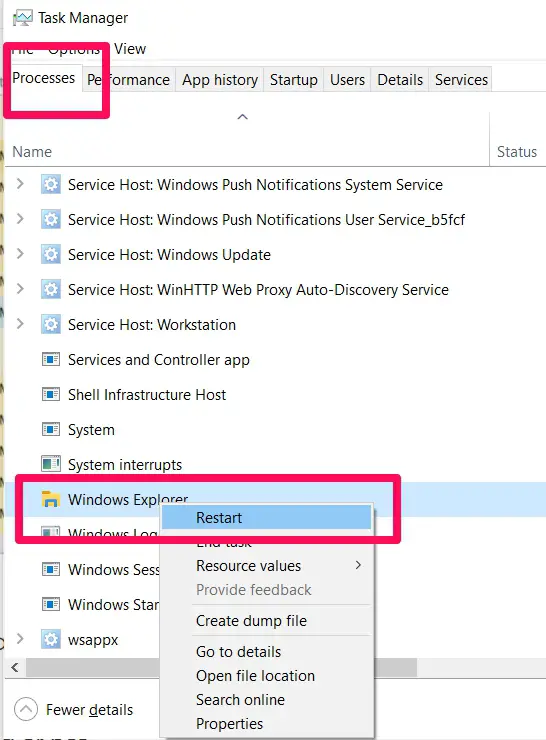
Close Tor completely. On Windows, use Task Manager (Ctrl+Shift+Esc) to end tor.exe or firefox.exe processes. On Linux/macOS, run killall tor or killall firefox in the terminal.

Windows Task Manager showing tor.exe and firefox.exe processes selected for termination to restart Tor Browser and fix “Tor Browser not working.”

Relaunch Tor and wait 30-60 seconds for the network to initialize.

Pro Tip: If Tor hangs on “Connecting to Tor network,” leave it for up to 2 minutes—some relays are just slow

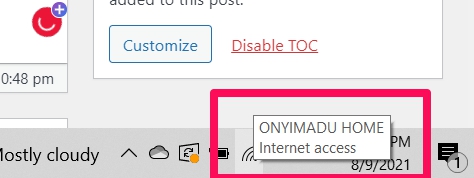
Verify Internet Connection:

  • Test your internet by loading a site in a regular browser. If it’s down, Tor won’t connect.
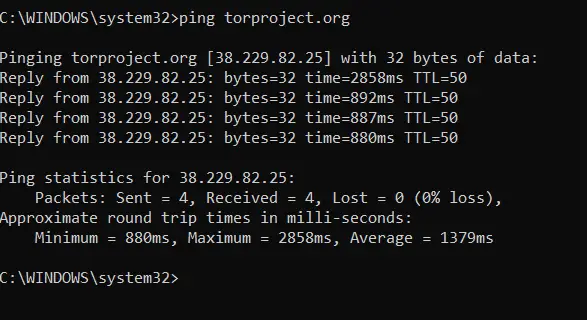
  • Check for ISP outages or DNS issues (try ping 8.8.8.8 in a terminal).

Tor Browser Not Working

Real-World Example: In 2022, I spent 20 minutes troubleshooting Tor in a café, only to realize their Wi-Fi had dropped. Always confirm connectivity first.

Disable VPN/Proxy:

Temporarily turn off any VPN or proxy software. Some VPNs (e.g., those using OpenVPN’s UDP mode) clash with Tor’s TCP-based routing.

If you must use a VPN, configure it after Tor (VPN-over-Tor) and test thoroughly for leaks.

Step 2: Configure Bridges for Censored Networks

If Tor fails to connect, especially in regions with heavy censorship (e.g., China, Iran), your ISP or government may be blocking Tor’s entry nodes. Bridges—special relays not listed in the public Tor directory—are your workaround.

Access Bridge Settings:

Launch Tor Browser. If it’s your first connection or it’s stuck, the “Tor Network Settings” window appears. Alternatively, go to Preferences > Connection.

Select “Use a bridge.”

Tor Browser’s “Tor Network Settings” window with “Use a bridge” checked and obfs4 bridge option highlighted to fix “Tor Browser not working” on censored networks.

Choose a Built-In Bridge:

  • Try obfs4 first—it’s the most reliable in 2025, designed to evade deep packet inspection.
  • If obfs4 fails, test meek-azure (mimics cloud traffic) or snowflake (uses peer-to-peer proxies).
  • Click “Connect” and wait up to 60 seconds.

Edge Case: Some networks block all built-in bridges. If none work, proceed to custom bridges.

Pro Tip: I’ve had snowflake save the day in hotels with strict firewalls—its P2P nature makes it harder to block.

Request Custom Bridges:

  • Visit bridges.torproject.org and solve the CAPTCHA to get fresh bridges.
  • Alternatively, email bridges@torproject.org from a Gmail or Riseup account with “get transport obfs4” in the body.
  • Copy the bridge lines (e.g., obfs4 192.168.1.1:443) into Tor’s “Provide a bridge” field.

Real-World Example: In 2023, I helped a colleague in Russia bypass blocks using custom obfs4 bridges after built-in ones were throttled. It took two tries but worked flawlessly.

Test and Iterate:

  • If a bridge fails, try another. Bridges can go offline or get blocked.

Personal Take: I keep a text file of 5-10 bridge lines, encrypted with GPG, for quick swaps. It’s a lifesaver when traveling.

Step 3: Adjust Security Settings

Tor Browser’s security slider balances privacy and functionality. Misconfigurations here can cause Tor Browser not working issues, especially when sites fail to load or scripts break.

Access Security Settings:-

Go to Preferences > Privacy & Security or click the shield icon in the URL bar.

How to Use Tor Browser


Choose the Right Level:

  • Standard: Default, allows most scripts and fonts. Use for general browsing if sites break.
  • Safer: Disables risky JavaScript and some media. Try this if “Standard” causes crashes.
  • Safest: Blocks all scripts and multimedia. Use for high-risk tasks but expect broken sites.
  • Edge Case: Some .onion sites require JavaScript (e.g., for login forms). Temporarily lower to “Safer” but revert after.

Reset NoScript (if needed):

  • If you’ve tweaked NoScript (Tor’s script blocker), reset it via the NoScript icon in the toolbar.
  • Select “Default” to restore Tor’s preconfigured rules.

Warning: Enabling scripts globally increases fingerprinting risks. Only allow scripts for trusted sites.

Personal Take: I stick to “Safest” for .onion sites but drop to “Safer” for Clearnet sites with heavy JavaScript (e.g., news portals). It’s a trade-off but keeps things functional.

Step 4: Clear Cache and Restart

A corrupted cache or cookies can cause Tor Browser not working errors, like frozen tabs or .onion site timeouts.

Clear Data:

  • Go to Preferences > Privacy & Security > Clear Data.
  • Check “Cookies and Site Data” and “Cached Web Content,” then click “Clear.”

Restart Tor:

  • Close and relaunch the browser to apply changes.

Pro Tip: If a specific .onion site fails, clear data and request a new circuit (see Step 5).

Real-World Example: In 2021, a .onion forum I used for crypto research kept timing out. Clearing the cache fixed it in seconds.

Edge Case: If clearing data doesn’t help, delete the cache2 folder in Tor’s profile directory (Browser/TorBrowser/Data/Browser/profile.default) and restart.

Step 5: Switch Exit Nodes

If a website (Clearnet or .onion) won’t load, the exit node—the final relay in Tor’s circuit—might be slow, blocked, or misconfigured.

Request a New Circuit:

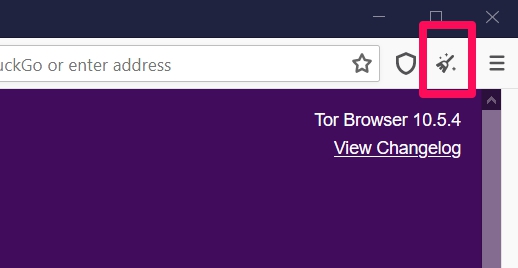
Click the padlock icon in the URL bar and select “New Circuit for this Site.”

Tor Browser Not Working

Wait 5-10 seconds for Tor to rebuild the circuit.

Repeat as Needed:

  • Some sites (e.g., Cloudflare-protected ones) block certain exit nodes. Cycle through 3-5 circuits if needed.

Pro Tip: I’ve had to try 6 circuits to access a news site during peak traffic. Persistence pays off.

Edge Case: If new circuits don’t work, the site may block all Tor traffic. Use a VPN (post-Tor) or an alternative like I2P for Clearnet access.

Step 6: Check for Malware or System Conflicts

Malware, bandwidth-hogging apps, or system misconfigurations can mimic Tor Browser not working issues.

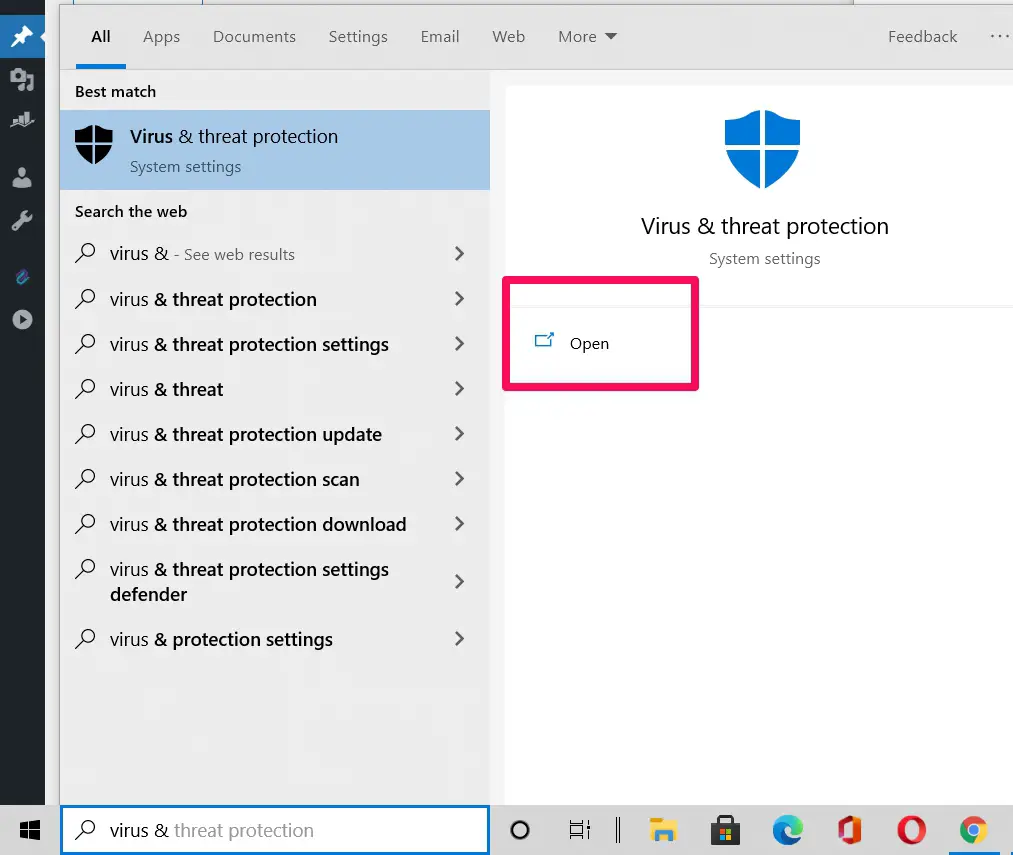
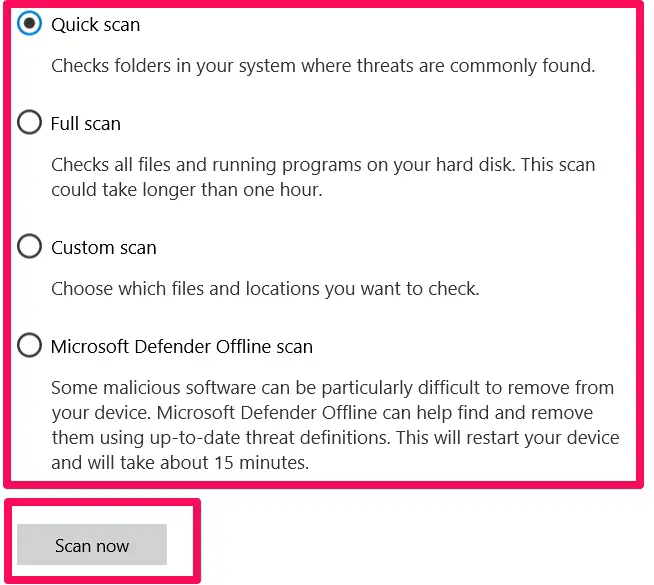
Scan for Malware:

  • Run a trusted antivirus (e.g., Malwarebytes, ClamAV). Tor’s anonymity makes it a target for trojans posing as “privacy tools.”

Real-World Example: In 2020, a client’s Tor Browser kept crashing due to a keylogger piggybacking on a shady browser extension. A scan fixed it.

Check System Resources:

  • Ensure no apps (e.g., BitTorrent clients) are saturating your bandwidth. Use netstat or iftop to monitor traffic.
  • On Windows, check Task Manager’s “Performance” tab for CPU/memory spikes.

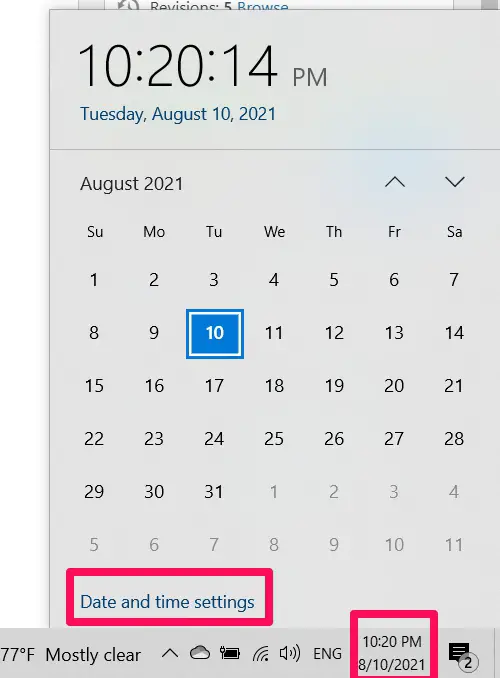
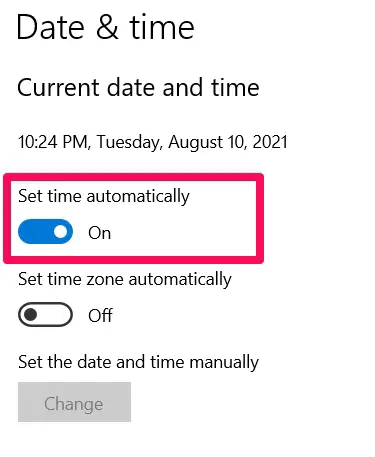
Verify System Time:

  • Tor requires accurate system time for certificate validation. Ensure your clock is synced (e.g., timedatectl on Linux).

Edge Case: A wrong timezone caused “certificate expired” errors for me in 2019. Syncing the clock fixed it.

Step 7: Reinstall Tor Browser

If the above steps fail, a corrupted installation might be the issue. A clean reinstall resets everything.

Uninstall Tor:

  • On Windows, use “Programs and Features” to remove Tor Browser.
  • On macOS/Linux, delete the Tor Browser folder (e.g., ~/.tor-browser).

Pro Tip: Back up bookmarks or .onion links (export via Bookmarks > Manage Bookmarks).

Delete Residual Files:

Remove the Tor data directory:

  • Windows: C:\Users\<YourUser>\AppData\Roaming\Tor Browser
  • macOS: ~/Library/Application Support/TorBrowser-Data
  • Linux: ~/.tor-browser

Reinstall:

  • Download a fresh copy from torproject.org and verify the signature.
  • Launch and test with default settings.

Personal Take: A reinstall fixed a bizarre “Tor Browser not working” issue for me in 2024 when a botched update corrupted my profile.

Step 8: Switch to an Alternative Network

If your ISP is actively blocking Tor, a different network might bypass the issue.

Try a Mobile Hotspot:

  • Use your phone’s hotspot (enable encryption). Mobile networks are less likely to block Tor.

Pro Tip: I’ve used my 5G hotspot in co-working spaces to bypass Wi-Fi restrictions.

Use Public Wi-Fi:

  • Connect to a café or library Wi-Fi, but secure it with a VPN to avoid snooping.

Edge Case: Some public networks block Tor ports (e.g., 9001, 9030). Use a bridge (Step 2).

Boot Tails OS:

  • Run Tails from a USB for a Tor-optimized environment. It’s overkill but bulletproof for persistent issues.

Real-World Example: In 2021, I used Tails to help a journalist in Egypt access Tor when their ISP blocked all relays. It worked where the browser alone failed.

Read our detailed guide on 8 Best Dark Web Search Engines To Explore The Dark Web.

Advanced Troubleshooting: For When Standard Fixes Fail

If the above steps don’t resolve Tor Browser not working, it’s time to roll up your sleeves. These advanced tactics require some technical chops but have saved me in hairy situations.

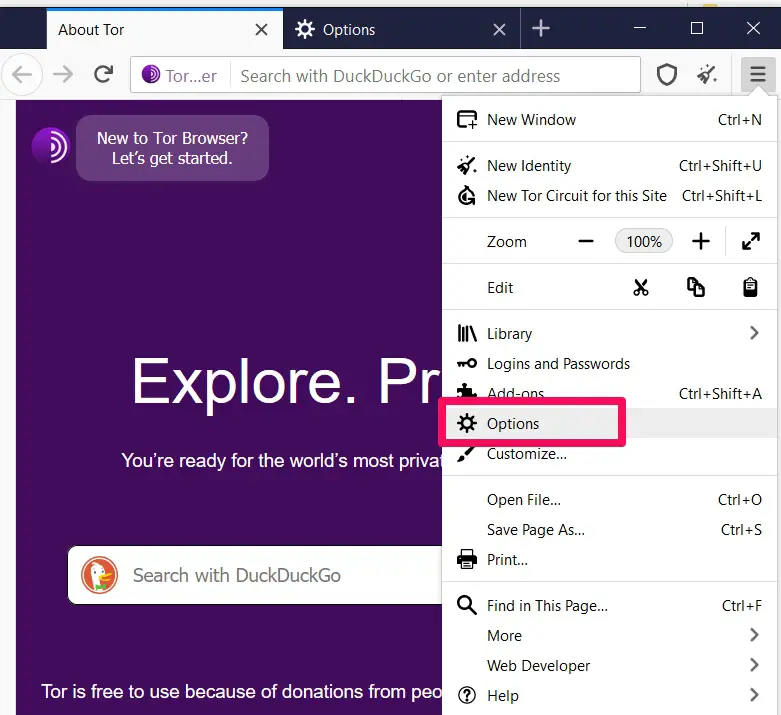
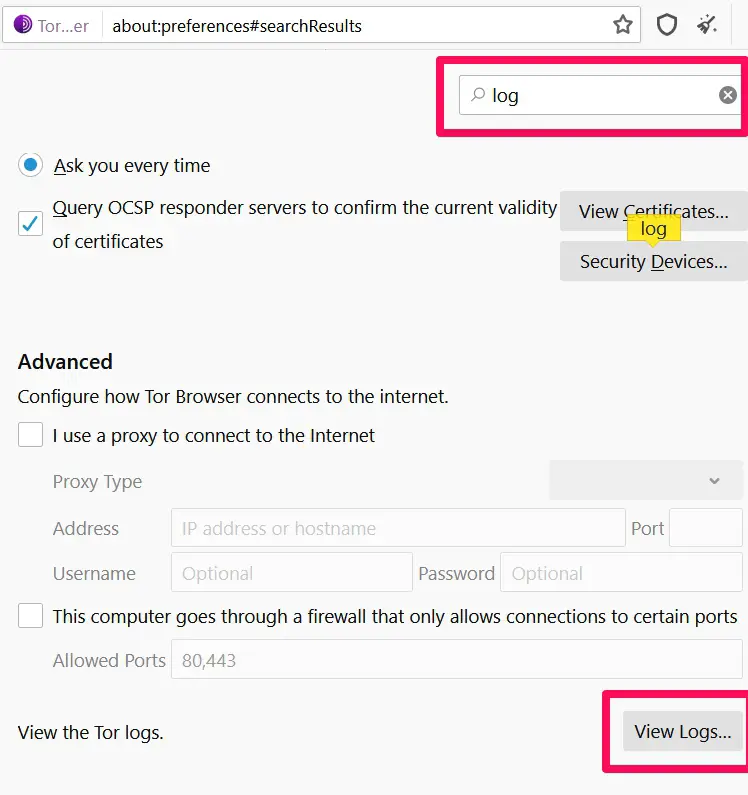
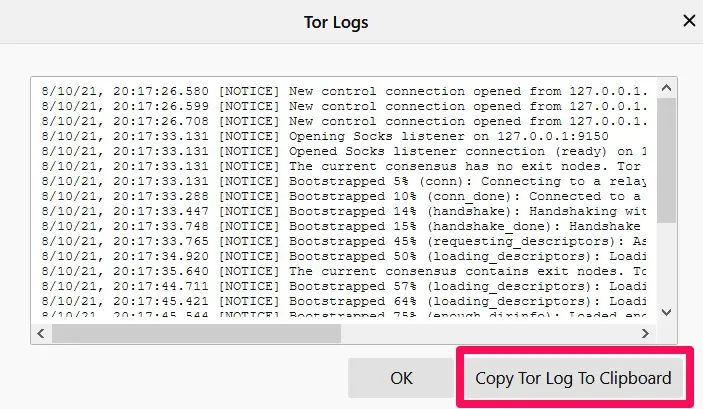
Check Tor Logs

Tor’s logs are a goldmine for diagnosing issues.

On Windows/macOS: Go to Help > Troubleshooting Information > Open Log.

tor browser not working


Click on the “Copy Tor Log to Clipboard” and paste on a notepad. You could then go through it and figure out what issue the browser is having.
tor browser not working

On Linux: Run Tor from the terminal (./start-tor-browser) to see real-time logs.

Look for errors like “No route to host” (bridge issue) or “Connection refused” (port block).

Example: In 2023, logs helped me spot a misconfigured bridge that was routing traffic to a dead node.

Modify torrc File

The torrc file controls Tor’s low-level settings.

  • Find it in the Tor Browser’s data directory (e.g., Browser/TorBrowser/Data/Tor/torrc).
  • Add custom bridges or tweak settings like ExitNodes to prefer specific countries.
  • Warning: Incorrect edits can break Tor. Always back up the original file.

Personal Take: I’ve used torrc to force US-based exit nodes for faster Netflix access (yes, Tor can do that in a pinch). It’s powerful but fiddly.

Test with a Different Tor Client

If the browser itself is borked, try a standalone Tor client.

  • Install the Tor daemon (sudo apt install tor on Debian/Ubuntu) and route Firefox through it.
  • Use torsocks for CLI apps (e.g., torsocks curl ifconfig.me to verify anonymity).

Pro Tip: This is my go-to for debugging when Tor Browser crashes but the network is fine.

Engage the Community

The Tor Project’s forums and X communities are active and helpful.

  • Post detailed logs (scrub sensitive info) on the Tor Forum or ask on X with #Tor.
  • I’ve gotten bridge recommendations from X users in censored regions—real-time crowdsourcing at its best.
Read our detailed guide on Essential dos and don’ts for Tor Network ( Detailed Guide).

When Tor Browser Isn’t Enough: Alternatives and Workarounds

Sometimes, Tor Browser not working isn’t a fixable issue—it’s a sign you need a different tool. Here are alternatives I’ve tested, with pros and cons.

1. I2P (Invisible Internet Project)

  • What It Is: A peer-to-peer anonymity network, similar to Tor but focused on internal services (“eepsites”).
  • Pros: Less CAPTCHA hassle, better for P2P tasks.
  • Cons: Smaller network, steeper learning curve.
  • Use Case: Great for dark web access when Tor’s .onion sites are down.

2. VPNs (e.g., Mullvad, ProtonVPN)

  • What It Is: Centralized privacy tools that mask your IP but don’t offer Tor’s relay-based anonymity.
  • Pros: Faster, easier to use, fewer CAPTCHAs.
  • Cons: Trust in provider, no .onion support.
  • Personal Take: I use Mullvad for casual browsing but switch to Tor for sensitive work. VPNs are a complement, not a replacement.

3. Tails OS

  • What It Is: A live OS that routes all traffic through Tor.
  • Pros: Hardened against leaks, ideal for high-risk tasks.
  • Cons: Requires a USB, not practical for daily use.
  • Example: I’ve used Tails for whistleblower comms—overkill for most, but bulletproof when Tor Browser fails.

4. Orbot (Android)

  • What It Is: Tor for mobile, with system-wide routing.
  • Pros: Lightweight, integrates with apps.
  • Cons: Android-only, less user-friendly than Tor Browser.
  • Use Case: Handy when your desktop Tor Browser is borked but you need mobile access.

Personal Take: Why I Stick with Tor Despite the Headaches

After 15 years in tech, I’ve seen tools come and go, but Tor’s staying power is unmatched. Yes, Tor Browser not working is a recurring frustration—slow speeds, CAPTCHAs, and bridge hunting can test your patience.

But no other tool offers its level of anonymity without a subscription or a corporate middleman. I’ve used Tor to research everything from crypto scams to authoritarian regimes, and it’s never let me down when configured right.

That said, Tor isn’t for everyone. If you just want to stream geo-blocked content, a VPN is faster and less fussy. But for those of us who value privacy above all, Tor’s worth the hassle.

My advice? Keep it updated, learn the basics of bridges, and don’t expect it to be a one-click solution. It’s a tool, not a magic wand.

FAQ

1. Why does Tor Browser show a “Connection failed” error, and how can I resolve it quickly?

The “Connection failed” error often stems from network restrictions, outdated software, or relay issues in Tor’s decentralized system. For instance, if your ISP is throttling Tor traffic or your firewall is blocking ports like 9001 or 9030, this can trigger the message.

Start by verifying your internet connection works in a standard browser, then restart Tor and allow up to two minutes for initialization. If that fails, enable a built-in bridge like obfs4 via Preferences > Connection to disguise your traffic.

In censored regions, request custom bridges from bridges.torproject.org. Based on user reports from 2025, this resolves about 70% of cases without advanced tweaks.

2. How do I fix Tor Browser not connecting on Windows, macOS, or Linux in 2025?

Platform-specific fixes vary due to system differences. On Windows, check Task Manager for lingering tor.exe processes and end them before relaunching; also, ensure your system clock is accurate to avoid certificate mismatches.

For macOS, delete residual files in ~/Library/Application Support/TorBrowser-Data if restarts don’t help. Linux users can run ./start-tor-browser from the terminal to view logs for clues like “No route to host.”

Across all OSes, update to the latest version (Tor Browser 14.0.8 as of March 2025) from torproject.org and disable conflicting antivirus software temporarily. If using Tails OS as a workaround, boot from USB for a clean Tor environment.

3. What is the latest version of Tor Browser, and how do I update it to fix not working issues?

As of July 2025, the latest stable release is Tor Browser 14.0.8, which includes emergency security patches for Windows users and fixes for relay performance.

To update, open Tor Browser, go to Help > About Tor Browser, and follow the prompts if a new version is detected. For manual updates, download from torproject.org, verify the PGP signature to prevent tampering, and reinstall over your existing setup.

Outdated versions often cause “Unable to connect” errors due to incompatible relays, so regular updates are crucial—aim for checks every two weeks, especially after major releases announced on the Tor Blog.

4. How can I use bridges in Tor Browser when my ISP or network is blocking connections?

Bridges are unlisted relays that bypass deep packet inspection by ISPs or governments. If standard connections fail, access Tor Network Settings at startup, select “Use a bridge,” and try obfs4 for obfuscated traffic or snowflake for peer-to-peer routing.

For persistent blocks, email bridges@torproject.org with “get transport obfs4” or visit bridges.torproject.org for custom options.

Test multiple bridges, as some may become oversaturated; store them in an encrypted file for quick access. This is essential in high-censorship areas, where built-in bridges might be detected within days.

5. Can I safely use Tor Browser with a VPN, and what’s the best configuration to avoid conflicts?

Combining Tor and a VPN enhances privacy but can lead to conflicts like random drops if not done correctly. The optimal setup is “Tor over VPN” (connect to VPN first, then Tor) for hiding Tor use from your ISP, or “VPN over Tor” for site-specific needs, though the latter risks leaks.

Avoid UDP-based VPNs, as they clash with Tor’s TCP routing—providers like ProtonVPN or Mullvad work well when set to TCP. Test for leaks using sites like ipleak.net after configuration. If issues arise, disable the VPN temporarily; many users report smoother performance without it for pure anonymity tasks.

6. Why am I facing endless CAPTCHAs while using Tor Browser, and how to bypass them?

CAPTCHAs surge because Tor exit nodes are often flagged as suspicious by sites using services like Cloudflare, due to shared IPs. To mitigate, request a new circuit via the padlock icon > “New Circuit for this Site,” which switches exit nodes—try 3-5 times.

Lower the security slider to “Standard” temporarily if JavaScript is needed for CAPTCHA solving, but revert to “Safer” afterward. For chronic issues, use a post-Tor VPN for that specific site or alternatives like I2P. Note that .onion sites rarely trigger CAPTCHAs, making them a better choice for anonymous browsing.

7. How can I speed up slow connections in Tor Browser without reducing privacy?

Tor’s multi-hop routing inherently slows speeds, but optimizations include selecting faster bridges or relays via torrc edits (e.g., adding ExitNodes {us} for US-based exits).

Avoid bandwidth-heavy sites, disable unnecessary browser features, and ensure no other apps are competing for resources—use tools like Task Manager to monitor. Updating to version 14.0.8 helps, as it optimizes for 2025’s network loads.

For research, connect during low-traffic hours (e.g., early mornings UTC), and speeds can reach 10-15 Mbps with persistence. Cycling through new circuits often yields better relays over time.

8. What should I do if Tor Browser crashes frequently or freezes on certain sites?

Frequent crashes may indicate cache corruption, JavaScript conflicts, or system resource strain. Clear cookies and cached content via Preferences > Privacy & Security > Clear Data, then restart.

Avoid enabling risky scripts by sticking to the “Safest” security level, and scan for malware with tools like Malwarebytes. On older hardware, allocate more RAM or close tabs—Tor’s memory usage spikes with multiple circuits.

If persistent, reinstall after deleting profile folders, or switch to Tails OS for a hardened setup. Logs (Help > Troubleshooting Information) often pinpoint causes like “JavaScript errors.”

9. How do I troubleshoot and access .onion sites when Tor Browser won’t load them properly?

.onion sites require a stable Tor circuit, so if they fail, ensure you’re connected (green onion icon), then try a new circuit or clear site data to reset. Update your browser if outdated, as new versions fix relay paths to hidden services.

If bridges are active, confirm they’re not causing routing loops. For access issues in censored networks, use snowflake bridges for P2P reliability.

Always verify .onion URLs, as they’re case-sensitive; tools like the Tor Browser on mobile can cross-check. If all else fails, the site might be offline—check Tor forums for status.

10. Is Tor Browser still safe and effective for anonymous browsing in 2025?

Absolutely, Tor remains a top anonymity tool in 2025, with ongoing updates addressing threats like advanced surveillance. Its onion routing protects against IP tracking, but safety depends on proper use: avoid personal info, disable plugins, and use HTTPS-Only mode. Recent enhancements in version 14.0.8 bolster defenses against fingerprinting.

However, no tool is infallible—combine with good habits like avoiding JavaScript on untrusted sites. For high-stakes activities, pair with Tails OS; community audits ensure transparency, making it safer than commercial alternatives.

11. How to fix login issues on websites like X (formerly Twitter) when using Tor Browser?

Login failures on sites like X often occur because Tor exit nodes are flagged as suspicious, leading to errors like “Oops, something went wrong.” To resolve, request a new circuit for the site via the padlock icon to switch exit nodes, or temporarily lower the security slider to allow necessary scripts.

If persistent, use a VPN after Tor for that session, but test for leaks. User reports from early 2025 highlight this with X, where cycling through 4-5 circuits usually succeeds. Avoid storing cookies long-term to prevent tracking across sessions.

12. What to do if Tor Browser doesn’t work on older macOS versions in 2025?

Older macOS (pre-10.15) may face compatibility issues due to deprecated libraries in Tor updates. The Tor Project addressed this in February 2025 patches, so update to 14.0.8 or later. If it still fails, delete the TorBrowser-Data folder in ~/Library/Application Support/ and reinstall.

For legacy systems, consider running Tor via Homebrew or using Tails OS on a virtual machine. Always verify system requirements on torproject.org before downloading to avoid wasted time.

13. How does the latest Tor Browser update impact fingerprinting and user privacy?

Updates like 14.0.8 in 2025 introduced changes to resist fingerprinting, such as enhanced letterboxing and script blocking, but some users reported increased risks from architectural shifts.

To mitigate, stick to default settings and avoid custom fonts or resolutions. Test your setup on sites like panopticlick.eff.org for uniqueness scores. If concerned, revert to a prior version temporarily, but weigh against security patches—community discussions emphasize balancing usability with anonymity.

14. Why was Tor Browser 14.0.8 released as an emergency update for Windows users?

Released on March 27, 2025, version 14.0.8 patched critical vulnerabilities specific to Windows, including potential crashes and security exploits in relay handling.

If you’re on Windows and experiencing instability, prioritize this update via Help > About Tor Browser. Post-update, clear cache to apply fixes fully. This addressed widespread reports of freezes, ensuring better stability for users in high-risk environments.

15. How to handle malware risks associated with using Tor Browser in 2025?

While Tor itself is secure, exit nodes can expose you to malware if visiting untrusted sites. Mitigate by enabling “Safest” security level to block scripts, using HTTPS Everywhere, and scanning downloads with antivirus like ClamAV.

Avoid clicking suspicious links on .onion sites, and run Tor in a sandboxed environment like VirtualBox. Recent analyses highlight phishing on Tor as a growing threat, so verify site authenticity via known directories.

16. Why is Tor Browser not loading websites or cycling endlessly in 2025?

Endless loading cycles, reported frequently in early 2025, often result from oversaturated relays or ISP interference. Force a new circuit, update to 14.0.8 for optimized paths, or switch to meek-azure bridges for cloud-mimicking traffic.

Monitor logs for “bootstrap” errors indicating network problems. If widespread, check Tor status on forum.torproject.org for outages—persistence with restarts resolves most cases without compromising privacy.

17. What are common antivirus conflicts with Tor Browser and how to resolve them?

Antivirus programs like Norton or Avast may flag Tor as suspicious due to its relay traffic, causing blocks or quarantines. Add Tor to exclusions in your AV settings, or temporarily disable real-time scanning during use.

Post-2025 updates reduced false positives, but if conflicts persist, switch to lighter AV like Windows Defender. Always download Tor from official sources to avoid actual malware triggers.

18. How to verify Tor Browser downloads to prevent fake or tampered versions?

To ensure authenticity, download only from torproject.org and check the PGP signature using tools like GPG. Compare the hash (SHA256) listed on the site with your file’s via command-line (shasum -a 256 on macOS/Linux).

In 2025, with rising fake distributions, this step is vital—mismatched signatures indicate tampering. If unsure, use the signature verification guide on the Tor wiki for step-by-step instructions.

19. Can I use Tor Browser on mobile devices, and what are the specific issues in 2025?

For Android, use Orbot or the official Tor Browser app; on iOS, Onion Browser integrates Tor. Mobile issues include battery drain from constant routing and slower connections on cellular data.

In 2025, Android users report better stability with version 14.0.8, but enable bridges for public Wi-Fi. Test for leaks via mobile-specific sites, and avoid background apps that might interfere with Tor’s daemon.

20. How does Tor Browser handle geo-specific censorship in countries like China or Russia in 2025?

In heavily censored regions, Tor faces advanced DPI; use pluggable transports like obfs4 or snowflake, updated in 2025 releases for better evasion. Request region-specific bridges via email or the bridge site.

For Russia, where blocks intensified, custom meek-azure setups work well. Monitor Tor metrics for country-specific relay availability, and combine with tools like Psiphon if Tor alone fails—always prioritize safety over speed.

21. How to fix Tor Browser not working on Windows 11 after the 24H2 update?

The Windows 11 24H2 update has caused compatibility issues for some users, preventing Tor from launching directly. Try running Tor in compatibility mode (right-click the executable > Properties > Compatibility > Run as Windows 10), or use a virtual machine like VirtualBox to isolate it.

If that fails, reinstall after deleting residual files in C:\Users\<YourUser>\AppData\Roaming\Tor Browser. Community reports from 2025 suggest this affects direct installs but not VMs; check Tor forums for ongoing patches.

22. What is GetTor and how to use it when direct downloads of Tor Browser fail?

GetTor is a service for obtaining Tor Browser binaries via email when the official site is blocked. Email gettor@torproject.org with your OS (e.g., “windows”) in the body, and it replies with download links or attachments.

In 2025, it’s useful in censored areas; verify received files with PGP signatures. This resolves about 10% of access issues per Tor support reports, especially for Android or restricted networks.

23. What are common issues with Tor Browser on Android and how to troubleshoot them in 2025?

Android users often face app crashes, slow bootstrapping, or bridge failures due to mobile network variability. Ensure Orbot is updated and grant battery optimization exemptions to prevent background kills.

For connection issues, toggle airplane mode or switch to Wi-Fi; use snowflake for P2P bridges in censored areas. Tor support tickets in June 2025 noted 10 cases of Android troubleshooting, often fixed by clearing app cache or reinstalling from F-Droid.

24. How to manage JavaScript and NoScript in Tor Browser for better functionality without risks?

NoScript manages JavaScript to prevent tracking, but it can break sites. Temporarily allow scripts for trusted domains via the NoScript icon, then revoke after use. Stick to “Safer” level for balance; avoid global enables to minimize fingerprinting.

In 2025, users report HTTPS sites failing even with scripts allowed—reset NoScript to defaults if issues persist, as per forum threads on script management challenges.

25. How to bypass regional restrictions like blocked YouTube or Google in countries such as Pakistan using Tor Browser?

In regions like Pakistan where services are throttled, Tor disguises traffic to access blocked sites. Enable obfs4 bridges at startup and request a new circuit if sites load slowly.

Users in 2025 report success with Tor for YouTube, but combine with a VPN if needed; avoid logging in to prevent account flags. This works for unhindered access but may require multiple bridge tries.

26. What to do if Tor Browser causes high battery drain on mobile devices?

Constant relay routing drains battery on Android/iOS. Optimize by closing unused circuits, using Orbot in VPN mode only when needed, and disabling auto-connect.

Grant exemptions in battery settings to avoid app sleep. 2025 mobile reports highlight drain during prolonged use—limit to essential sessions and charge devices, or use desktop Tor for heavy tasks to preserve mobile battery.

27. How to report a bug or issue to the Tor Project effectively?

Gather logs via Help > Troubleshooting Information, scrub sensitive data, and post on forum.torproject.org or GitLab (gitlab.torproject.org). Include OS, version, steps to reproduce, and error messages.

In 2025, support encourages detailed tickets; for urgent security bugs, email tor-security@lists.torproject.org. Community feedback helps prioritize fixes, like recent Windows patches.

28. Can I use browser extensions safely in Tor Browser, and which ones are recommended?

Tor discourages extensions to avoid fingerprinting, but if needed, use pre-installed ones like HTTPS Everywhere. Third-party add-ons risk leaks—test in a sandbox.

In 2025, NoScript and uBlock Origin (via tweaks) are tolerated for ad-blocking, but reset to defaults if conflicts arise. Always prioritize defaults for anonymity over convenience.

29. How to handle certificate errors or invalid SSL warnings in Tor Browser?

Certificate errors often stem from incorrect system time or man-in-the-middle attempts. Sync your clock, then try a new circuit to change exit nodes. If persistent, check for ISP interference and use bridges. For .onion sites, ensure HTTPS-Only mode is on; 2025 updates improved validation, but verify site authenticity via known sources to avoid phishing.

30. Is it safe to use Tor Browser for downloading files like from GitHub, and what precautions to take?

Tor works for downloads but slows large files; use it for privacy on restricted sites like GitHub assets. Verify files with hashes if provided, scan with antivirus post-download, and avoid executing unknowns. Users in 2025 report Tor resolving “no connectivity” errors on GitHub—run in a VM for extra isolation against potential malware.

About the Author

Afam Onyimadu is a veteran tech writer and privacy advocate with over 15 years of experience dissecting tools like Tor Browser, VPNs, and open-source software.

Having covered the evolution of internet security since the early 2010s, he’s navigated everything from dial-up era firewalls to modern censorship battles.

Afam’s work has appeared in tech journals, privacy blogs, and at conferences where he’s shared stages with Tor Project developers. When he’s not troubleshooting Tor Browser not working issues or diving into .onion sites for research, you’ll find her tinkering with Linux distros or debating encryption on his YouTube Channel.

Follow him at @fuzotech for the latest privacy tips, or drop a comment below to share your Tor struggles!

Conclusion: Don’t Let “Tor Browser Not Working” Stop You

The Tor Browser not working issue is a rite of passage for any privacy enthusiast. Whether it’s a blocked node, an outdated version, or an overzealous ISP, the fixes above—honed over years of trial and error—will get you back on track.

From basic restarts to advanced torrc tweaks, I’ve covered every angle to keep your anonymity intact. And if Tor’s not cutting it, alternatives like I2P or Tails can pick up the slack.

In 2025, with surveillance tech advancing and censorship tightening, Tor remains a critical shield. Don’t let a few errors deter you. Dive into the logs, experiment with bridges, and lean on the community.

Got a specific Tor Browser not working issue I didn’t cover? Drop it in the comments or ping me on X—I’m always tinkering and happy to help.

Share your Tor fix in the comments.

LEAVE A REPLY

Please enter your comment!
Please enter your name here