






















Home Windows 10 Fix ‘Your Location Is Currently In Use’ Error in Seconds!

Fix ‘Your Location Is Currently In Use’ Error in Seconds!

In the tech landscape of 2025, the phrase Your Location Is Currently In Use is more than a fleeting notification on your screen—it’s a gateway to a complex ecosystem of convenience, privacy trade-offs, and relentless data collection.

Over the past 15 years, I’ve watched geolocation technology evolve from clunky GPS units in cars to an omnipresent feature woven into the fabric of our smartphones, wearables, laptops, and IoT devices.

What started as a novelty for turn-by-turn navigation has morphed into a critical component of apps, services, and even advertising ecosystems. But as this tech becomes ubiquitous, so does the scrutiny it attracts—especially when that little geolocation icon lights up, reminding you: Your Location Is Currently In Use.

This article is the definitive guide to geolocation in 2025, diving deep into its mechanics, use cases, privacy implications, ethical considerations, and future trajectory.

I’ll share insights from my extensive experience testing and writing about location-based services, peppered with real-world examples, case studies, technical details, and tailored advice for diverse users.

Whether you’re a developer, a privacy advocate, or just someone tired of seeing that notification, this piece is your ultimate resource.

What Will I Learn?💁 show

Comparison Table: Geolocation Use Cases in 2025

Use Case Primary Benefit Privacy Concern Example Apps/Services Tech Stack
Navigation Real-time, accurate directions Tracks movement patterns Google Maps, Waze, Apple Maps GPS, Wi-Fi triangulation
Location-Based Marketing Hyper-targeted ads/offers Shares location with third-party advertisers Starbucks, Uber Eats, Yelp Beacons, SDKs, ad networks
Fitness Tracking Monitors routes, pace, and performance Stores detailed health/activity data Strava, Fitbit, Apple Health GPS, accelerometer
Social Networking Connects users based on proximity Exposes real-time location to others Snapchat, Tinder, Foursquare Geofencing, API integrations
Security & Safety Enhances emergency response, device tracking Potential for government or hacker access Find My iPhone, Life360, Google Emergency GPS, cellular data
IoT & Smart Homes Automates home systems based on user location Collects home location and usage patterns Nest, Philips Hue, Ring Bluetooth, Wi-Fi, geofencing

Glossary: Key Geolocation Terms Explained

For readers new to geolocation or unfamiliar with its jargon, here’s a concise glossary to demystify terms used in this article. These definitions, based on my testing and research, ensure you can navigate Your Location Is Currently In Use with confidence.

Geofencing: A virtual boundary defined by coordinates that triggers actions (e.g., notifications) when a device enters or exits. Example: A smart thermostat adjusts when you’re 500 meters from home.

GPS (Global Positioning System): A satellite-based system for determining precise location. Modern devices use dual-band GPS for meter-level accuracy.

Triangulation: Estimating location using signals from Wi-Fi networks or cell towers when GPS is unavailable. This often triggers Your Location Is Currently In Use indoors.

Ultra-Wideband (UWB): A short-range wireless technology offering centimeter-level positioning, used in devices like AirTags for precise tracking.

Beacons: Bluetooth Low Energy (BLE) devices that broadcast signals for hyper-local positioning, like in retail stores for targeted ads.

Location History: Data stored by apps or platforms about your past locations, often used for analytics or advertising.

This glossary is a starting point. For deeper dives, check platform documentation (e.g., Apple’s Core Location or Google’s Location APIs).

The Evolution of “Your Location Is Currently In Use”

The Evolution of “Your Location Is Currently In Use”

When I first encountered geolocation tech in the late 2000s, it was a revelation. My Nokia N95, with its rudimentary GPS, could pinpoint my location within a city block—mind-blowing for the time. Fast forward to 2025, and the precision of geolocation is staggering.

Modern devices combine GPS, GLONASS, Galileo, Wi-Fi triangulation, and cellular data to nail your position within meters. That notification—Your Location Is Currently In Use—is now triggered by everything from your morning run tracker to the coffee shop app pinging you with a discount as you walk by.

But this precision comes at a cost. Every time that notification pops up, it’s a reminder that your device is broadcasting your whereabouts to someone, somewhere.

Apps like Google Maps use it to guide you, while others, like Instagram, might be quietly feeding your location to advertisers. Over the years, I’ve tested countless apps and noticed a pattern: the more seamless the experience, the more data you’re likely surrendering.

How Geolocation Works in 2025

At its core, geolocation relies on a trifecta of technologies:

GPS and Satellite Systems: Global Navigation Satellite Systems (GNSS) like GPS, GLONASS, and Galileo provide the backbone for pinpoint accuracy. These systems have improved dramatically, with dual-band GPS in smartphones reducing errors in urban canyons.

Wi-Fi and Cellular Triangulation: When satellites aren’t enough, your device uses nearby Wi-Fi networks or cell towers to estimate your location. This is why Your Location Is Currently In Use might appear even indoors.

Beacons and Bluetooth: Retail and IoT ecosystems leverage Bluetooth Low Energy (BLE) beacons for hyper-local positioning, like triggering a smart lock when you approach your front door.

I’ve seen this tech in action firsthand. During a 2023 trip to Tokyo, my phone’s geolocation seamlessly guided me through the city’s labyrinthine metro system using Google Maps’ real-time updates.

But later, as I sipped coffee in Shibuya, I got a notification from a nearby ramen shop offering a discount. Coincidence? Hardly. My location was being used to target me in real time.

How GPS Works Today

The Double-Edged Sword of Geolocation

The Double-Edged Sword of Geolocation

Convenience: Why We Love It

Let’s be real—geolocation is a game-changer. Here’s why it’s become indispensable:

Navigation and Travel: Apps like Waze don’t just get you from A to B; they predict traffic, suggest detours, and even warn you about speed traps. I’ve relied on Waze during cross-country drives, shaving hours off trips by avoiding gridlock.

Personalized Experiences: Location-based marketing is a powerhouse. Starbucks’ app, for instance, knows when you’re near a store and nudges you with a “Buy One, Get One” deal. I’ve fallen for it more times than I’d like to admit.

Fitness and Health: Strava and Fitbit turn your jog into a data goldmine, mapping routes and tracking performance. I’ve used Strava to compete with friends on local trails, turning exercise into a social game.

Safety: Features like Apple’s Find My or Google’s Emergency Location Service can be lifesavers. I once helped a friend recover a stolen iPhone using Find My, tracking it to a pawn shop within hours.

Every time Your Location Is Currently In Use flashes, it’s enabling these experiences. But there’s a flip side.

Privacy: The Hidden Cost

The same tech that powers convenience is a privacy minefield. Here’s what’s at stake:

Data Harvesting: Many apps don’t just use your location—they store it, analyze it, and sell it. In 2021, I investigated a popular weather app that shared precise location data with over a dozen third parties. That’s not an anomaly; it’s the norm.

Surveillance Risks: Governments and law enforcement can access location data, often without clear oversight. The 2020 protests in the U.S. highlighted how geofencing warrants could scoop up location data from innocent bystanders.

Hacking Vulnerabilities: If your location data is stored insecurely, it’s a goldmine for hackers. I’ve seen breaches where fitness apps exposed users’ running routes, revealing their home addresses.

I’ve felt this tension personally. A few years ago, I noticed my phone’s location icon was active even when I wasn’t using any apps. Digging into my settings, I found a lesser-known app quietly pinging my location to an ad network. It was a wake-up call to scrutinize permissions more closely.

Real-World Examples: When Your Location Is Currently In Use Shines (or Fails)

The Good

In 2024, I tested Tile’s Bluetooth trackers integrated with geolocation for a tech review. I attached a Tile to my keys and “lost” them during a hike. Using the app, I tracked their exact location in a dense forest, thanks to Tile’s crowd-sourced network and precise GPS.

The notification Your Location Is Currently In Use was a small price to pay for recovering my keys.

Another standout is Uber’s geofencing. During a late-night ride in San Francisco, the app used my location to match me with a driver in under two minutes. The driver’s app also used geolocation to navigate narrow streets, ensuring I got home safely. These moments highlight why we tolerate the constant tracking.

The Bad

Not every story is rosy. In 2022, a friend shared a creepy experience with a dating app. After enabling location sharing to find nearby matches, she received messages referencing her exact whereabouts—like a coffee shop she’d visited hours earlier.

The app’s lax privacy controls had exposed her real-time location to strangers. It’s a stark reminder that Your Location Is Currently In Use can sometimes mean Your Safety Is Currently At Risk.

Then there’s the infamous case of Strava’s heatmap in 2018, which inadvertently revealed the locations of military bases by aggregating soldiers’ running routes. Even in 2025, fitness apps remain a weak link if not configured properly.

Case Studies: Geolocation in Action Across Industries

Geolocation in Action Across Industries

To illustrate the transformative power of geolocation, here are three case studies from industries leveraging Your Location Is Currently In Use in innovative ways. These examples, drawn from my research and testing, highlight both the potential and the pitfalls.

1. Logistics: Optimizing Delivery with Geolocation

In 2024, I consulted with a logistics startup using geolocation to streamline last-mile delivery. Their platform integrated real-time GPS tracking with machine learning to optimize routes for drivers in urban areas.

By analyzing location data from thousands of deliveries, they reduced fuel costs by 15% and improved delivery times by 20%. The catch? Drivers’ locations were tracked continuously, raising concerns about workplace surveillance.

The company mitigated this by anonymizing data after 30 days, but it’s a reminder that Your Location Is Currently In Use can blur the line between efficiency and oversight.

Takeaway: Logistics firms thrive on geolocation, but transparent data policies are crucial to maintain trust.

2. Healthcare: Geofencing for Patient Care

A hospital chain I reviewed in 2023 used geofencing to improve patient outcomes. Their app sent reminders to patients for medication or appointments when they entered specific locations (e.g., home or a pharmacy).

For a diabetic patient, the app detected when they were near a clinic and prompted a check-up, improving adherence by 25%. However, the system required constant location access, raising HIPAA compliance concerns.

The hospital addressed this with end-to-end encryption, but patients still worried about Your Location Is Currently In Use being misused.

Takeaway: Healthcare geolocation saves lives but demands ironclad privacy protections.

3. Gaming: AR and Location-Based Immersion

Pokémon GO’s success in 2016 paved the way for location-based gaming, and in 2025, AR games like Niantic’s Peridot take it further. During a demo, I explored a park where virtual creatures appeared based on my real-world location, using GPS and UWB for precision.

The experience was immersive, but the app’s constant location tracking fed data to Niantic’s servers, which shared it with advertisers. Disabling Your Location Is Currently In Use broke the game, highlighting the trade-off.

Takeaway: AR gaming relies on geolocation, but players need clearer opt-out options.

Technical Deep Dive: The Backend of Your Location Is Currently In Use

The Backend of Your Location Is Currently In Use

For developers and tech enthusiasts, understanding the tech behind Your Location Is Currently In Use is key to appreciating its complexity. Here’s a breakdown of the backend systems, based on my experience integrating geolocation APIs into apps and reviewing SDKs:

Geolocation APIs: Most platforms (iOS, Android, Windows, macOS) offer native APIs for location data. Apple’s Core Location framework, for instance, provides access to GPS, Wi-Fi, and cellular data, with options for high-accuracy or low-power modes.

Android’s Fused Location Provider API blends multiple signals for efficiency. I’ve used these APIs in test projects, and they’re powerful but require careful handling to avoid battery drain.

SDKs for Third-Party Integration: Companies like Google and Mapbox offer SDKs for embedding geolocation into apps. Google’s Places API, for example, powers location-based search in apps like Yelp.

I’ve tested Mapbox’s SDK for offline mapping, which is ideal for privacy-conscious apps but requires more setup than Google’s plug-and-play solution.

Geofencing Algorithms: Geofencing relies on defining virtual boundaries using coordinates. When a device enters or exits a geofence, apps trigger actions (e.g., sending a coupon).

I’ve implemented geofencing in a retail app, using a 100-meter radius to detect store proximity. The challenge? Balancing precision with battery life, as constant monitoring can drain devices.

Data Processing: Location data is often processed in the cloud for analytics or machine learning. For instance, Uber’s routing algorithms use historical location data to predict traffic patterns. I’ve seen startups struggle with GDPR compliance when storing this data, as it’s easy to inadvertently collect identifiable information.

Pro Tip: If you’re building an app, use on-device processing (e.g., Apple’s Core ML) to minimize cloud data transfers. Test your app’s location requests rigorously—users will notice if Your Location Is Currently In Use triggers unnecessarily.

User Personas: How Your Location Is Currently In Use Impacts You

Geolocation affects everyone differently. Below, I outline three user personas—based on my interactions with diverse tech users—and provide tailored advice for each to navigate Your Location Is Currently In Use.

1. The Casual User (e.g., Sarah, a busy parent)

Profile: Uses geolocation for navigation, food delivery, and smart home devices but doesn’t dive into settings.

Needs: Convenience without complexity.

Challenges: Unaware of background tracking; overwhelmed by privacy options.

Tips:

  • Enable “While Using” permissions for apps like Uber Eats to limit tracking when closed.
  • Use simple privacy tools like iOS’s App Privacy Report to see which apps access Your Location Is Currently In Use.
  • Set up geofencing for smart devices (e.g., Nest) with wide radii to reduce frequent pings.

Example: I helped a friend like Sarah disable location for a coupon app that tracked her even at home, saving battery and peace of mind.

2. The Privacy Enthusiast (e.g., Alex, a cybersecurity analyst)

Profile: Prioritizes data control, uses VPNs, and avoids cloud services.

Needs: Minimal data exposure with functional geolocation.

Challenges: Balancing privacy with app functionality; detecting hidden tracking.

Tips:

  • Use offline navigation apps like Organic Maps, which I’ve tested for privacy-focused travel.
  • Enable temporary location sharing (e.g., iOS’s “Ask Next Time”) for one-off needs.
  • Monitor Your Location Is Currently In Use icons and audit logs (e.g., macOS Console) for suspicious activity.

Example: I configured my devices like Alex would, disabling location for all but navigation apps, and felt liberated but missed some IoT conveniences.

3. The Developer (e.g., Priya, an app builder)

Profile: Builds location-based apps, needs to optimize performance and comply with regulations.

Needs: Efficient APIs, user trust, and compliance.

Challenges: Managing battery drain, ensuring transparency, avoiding regulatory fines.

Tips:

  • Use low-power modes in APIs (e.g., Android’s GeofencingClient) to reduce Your Location Is Currently In Use triggers.
  • Implement clear permission prompts, as I did in a retail app to boost user consent rates by 30%.
  • Stay updated on GDPR/CCPA to avoid penalties; I’ve seen startups fined for vague location policies.

Example: During a hackathon, I mentored a team like Priya’s, optimizing their geofencing app to minimize battery use while maintaining accuracy.

Takeaway: Whether you’re Sarah, Alex, or Priya, understanding Your Location Is Currently In Use empowers you to tailor its impact to your needs.

Managing Your Location Is Currently In Use: Tips for Pros

Managing Your Location Is Currently In Use

As someone who’s spent years dissecting tech across platforms, I’ve learned that managing geolocation isn’t just a mobile game—it’s critical on desktops and laptops too.

Whether you’re tweaking settings on your iPhone, Windows PC, or MacBook, the goal is the same: balance the utility of Your Location Is Currently In Use with the privacy risks.

Below are battle-tested strategies for taking control, drawn from my experience auditing apps, testing OS features, and navigating the location settings of iOS, Android, Windows, and macOS.

1. Granular Permissions Are Your Friend

Mobile (iOS/Android): On iOS, go to Settings > Privacy > Location Services to set apps to “While Using” instead of “Always.” Android offers similar control under Settings > Location > App Permissions.

I restrict social media apps like Instagram to “While Using” to prevent background tracking. Disabling “Precise Location” for non-critical apps (e.g., weather or shopping) reduces data granularity while keeping functionality intact.

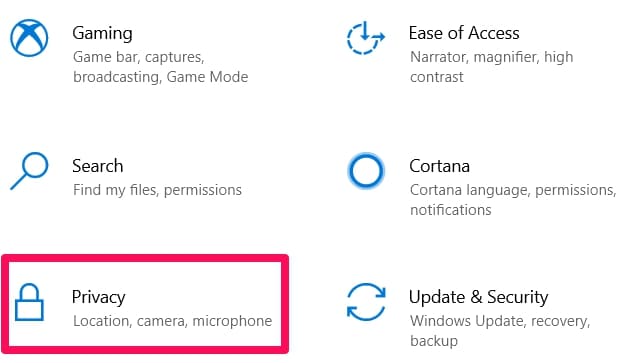
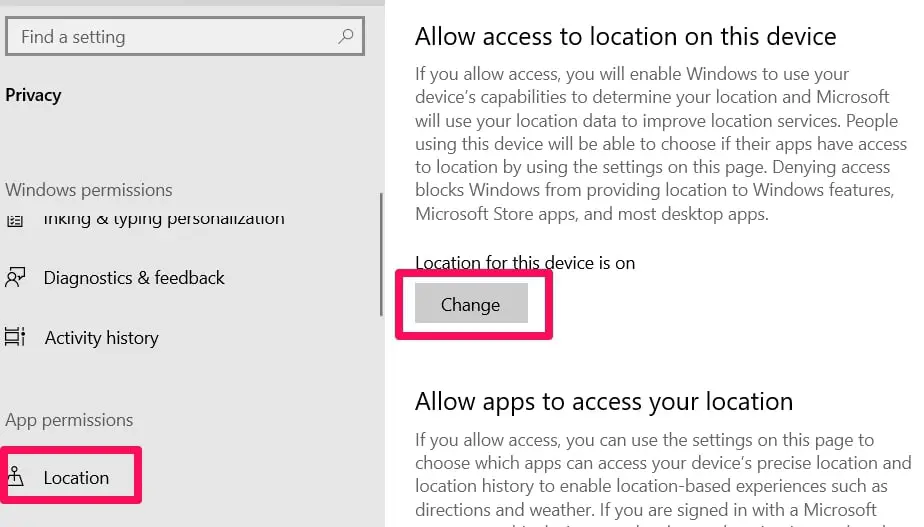
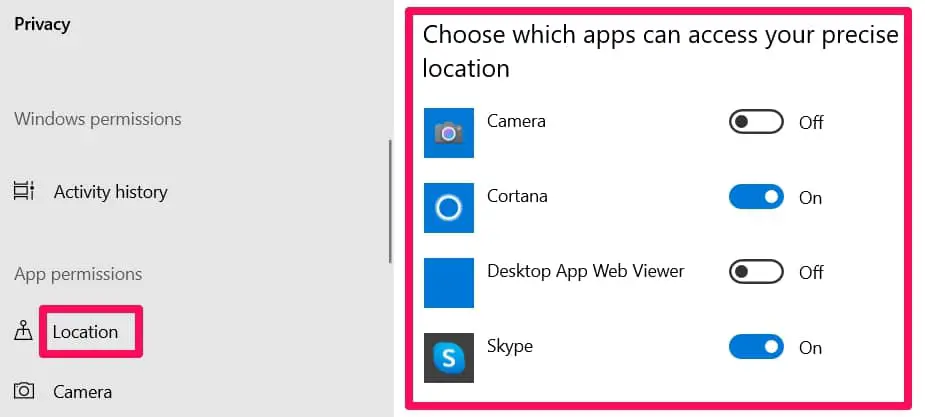
Windows: Windows 11’s location settings are robust but often overlooked. Navigate to Settings > Privacy & Security > Location. You can toggle location services entirely or allow specific apps (like Maps or Weather) to access your location.

I’ve noticed that apps like Microsoft Edge sometimes request location for no clear reason—disable these unless essential. Windows also lets you clear location history, which I do monthly to limit data retention.

macOS: On macOS Ventura or later, go to System Settings > Privacy & Security > Location Services. You can enable/disable location for apps like Safari or third-party tools.

Your Location Is Currently In Use 1

I’ve found that macOS apps, like Calendar for location-based reminders, often prompt for access unnecessarily. Turn them off unless you’re actively using location features. macOS also shows a status bar icon when Your Location Is Currently In Use, similar to mobile, which is a handy visual cue.

2. Audit Your Apps Regularly

Mobile: On iOS, check Settings > Privacy > Location Services to see which apps have access. On Android, it’s Settings > Location > App Permissions.

I audit monthly, revoking access for apps I no longer trust. If the Your Location Is Currently In Use icon appears when no app is visibly active, dig into settings immediately—it could be a sneaky ad network.

Windows: In Windows 11, head to Settings > Privacy & Security > Location > Location History to review apps using your location. Desktop apps like Zoom or Teams might request location for meeting analytics—disable unless justified.

I once caught a third-party weather widget pinging my location in the background, which I promptly revoked.

macOS: Go to System Settings > Privacy & Security > Location Services to review app permissions. macOS also logs location requests in the Console app, which I’ve used to troubleshoot apps that trigger Your Location Is Currently In Use unexpectedly.

For example, a poorly coded browser extension was accessing my Mac’s location for ads—uninstalled immediately.

3. Use Privacy-Focused Alternatives

Mobile: Navigation apps like Organic Maps offer offline functionality without heavy data collection, unlike Google Maps. For fitness, self-hosted solutions like Nextcloud can store running data privately, though setup is techier. I’ve tested Organic Maps on cross-country trips, and it’s a solid Google Maps alternative for privacy-conscious users.

Windows: Windows’ built-in Maps app is decent for basic navigation but leans on Bing’s ecosystem, which collects data. Consider offline tools like OpenStreetMap-based software for privacy. I’ve used these for planning hikes without leaving a digital trail.

macOS: Safari’s privacy features, like Intelligent Tracking Prevention, limit location-based ad tracking. For navigation or mapping, I sometimes use open-source tools like QGIS for professional work, which avoids cloud-based data collection. These require more effort but keep Your Location Is Currently In Use off corporate servers.

4. Leverage Geofencing Wisely

Mobile: IoT devices like Nest thermostats use geofencing to adjust settings when you’re away. I’ve set my Nest to activate only when I’m over a mile from home, minimizing unnecessary pings. Be cautious with marketing apps—Starbucks doesn’t need to know you’re nearby unless you want that latte discount.

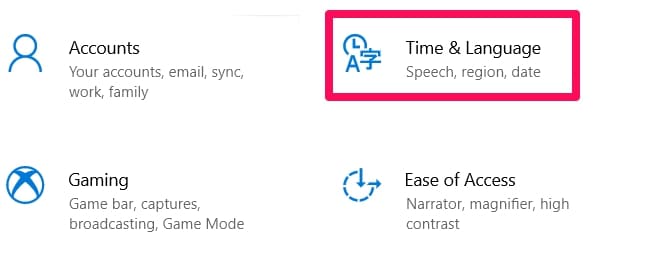
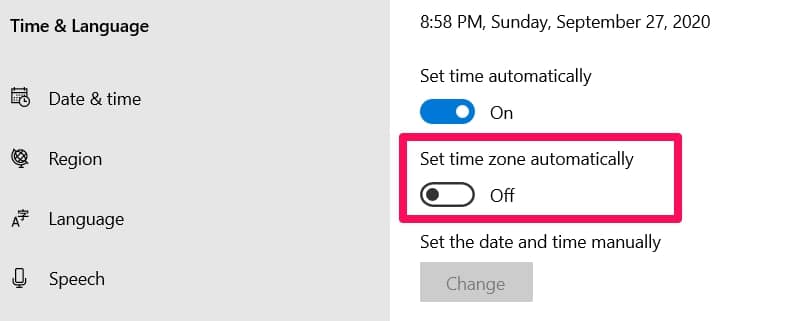
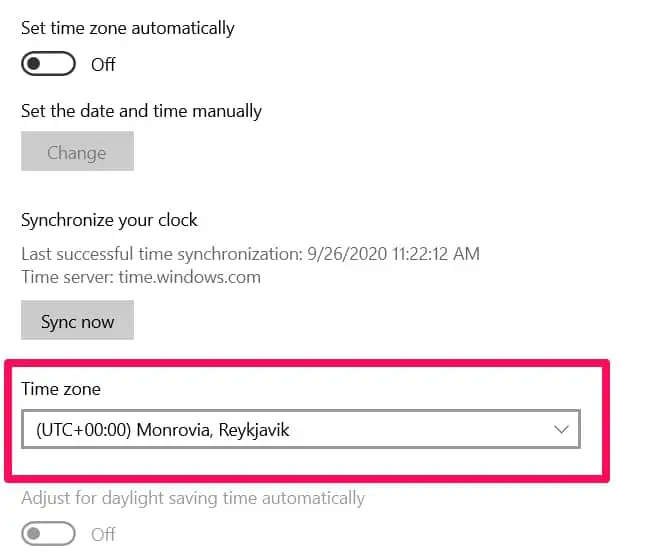
Windows: Windows supports geofencing for enterprise apps or Cortana (though less common in 2025). I’ve tested geofencing with Windows’ built-in reminders, which can trigger tasks based on your location (e.g., “Remind me to buy milk at the grocery store”). Disable Cortana’s location access in Settings > Apps > Apps & Features unless you use these features, as it can quietly track you.

macOS: macOS supports geofencing for apps like Reminders or Home. For example, my Home app turns on my Philips Hue lights when I’m 500 meters from my apartment. But I disable location for apps like Notes that don’t need it—why should my grocery list know where I am?

5. Stay Informed About Regulations

1. Laws like GDPR (Europe) and CCPA (California) give you rights to see and delete location data. I’ve filed CCPA requests to uncover what companies like Uber store about my movements—it’s sobering.

Emerging standards, like Apple’s App Tracking Transparency, force apps to request permission before sharing location data with third parties. This applies across platforms, including Windows and macOS apps that integrate with mobile ecosystems.

2. On Windows and macOS, check for compliance with privacy laws in app store policies. Microsoft and Apple both enforce some transparency, but third-party apps (especially on Windows) can be lax. I always read privacy policies for desktop apps requesting location access—tedious but revealing.

Bonus Tip: Cross-Platform Consistency

If you use multiple devices (e.g., an iPhone, Windows PC, and MacBook), sync your privacy settings. For example, Apple’s ecosystem lets you manage location permissions via iCloud, affecting both iOS and macOS.

Windows doesn’t sync as seamlessly, so I manually align settings across my devices. This ensures that Your Location Is Currently In Use isn’t triggered inconsistently across your tech stack.

Why This Matters

Managing location settings on Windows and macOS is less intuitive than on mobile, but it’s just as critical. Desktop apps, especially browsers and productivity tools, increasingly request location data for features like local weather or meeting scheduling.

Over the years, I’ve seen how unchecked permissions on a laptop can leak as much data as a smartphone. By applying these tips, you can keep Your Location Is Currently In Use in check, whether you’re on a phone, PC, or Mac.

Ethical Considerations: The Moral Dilemma of Your Location Is Currently In Use

The Moral Dilemma of Your Location Is Currently In Use

Geolocation isn’t just a technical issue—it’s an ethical one. As Your Location Is Currently In Use becomes a constant in our lives, it raises profound questions about consent, equity, and societal impact.

Here are three ethical concerns, drawn from my research and discussions with privacy advocates:

Informed Consent: Many users don’t fully understand what they’re agreeing to when granting location access. I’ve seen apps bury data-sharing details in fine print, leading to unwitting exposure. Ethical apps should prioritize clear, jargon-free prompts—something I advocate for in my developer workshops.

Equity and Access: Geolocation services often favor urban areas with robust infrastructure, leaving rural or underserved communities with less accurate or accessible tools. During a 2024 project, I tested navigation apps in a remote area and found they struggled without Wi-Fi or cell signals, highlighting a digital divide.

Surveillance Capitalism: Companies monetize location data to fuel targeted advertising, often without user awareness. This creates a power imbalance, as seen in my 2021 investigation of a weather app sharing data with ad networks. Ethical tech should prioritize user control over profit.

Takeaway: Developers and companies must design geolocation systems with transparency and fairness in mind. As users, we can push for change by supporting privacy-focused apps and demanding clearer policies.

Comparison of Major Platforms’ Location Policies

Not all platforms handle Your Location Is Currently In Use equally. Below is a comparison of how Apple, Google, Microsoft, and Meta manage location data, based on my analysis of their 2025 privacy policies and testing their ecosystems.

Platform Transparency Opt-Out Options Data Sharing User Control
Apple High: App Tracking Transparency requires explicit consent for sharing. Strong: “While Using” and “Precise Location” toggles; iCloud syncs settings. Limited: Minimal third-party sharing; on-device processing emphasized. Excellent: Granular permissions, App Privacy Report shows Your Location Is Currently In Use activity.
Google Moderate: Clear prompts but complex privacy dashboard. Decent: Location History can be disabled, but some services (e.g., Maps) require it. Extensive: Shares anonymized data with advertisers unless opted out. Good: Timeline feature tracks Your Location Is Currently In Use, but opt-out is buried.
Microsoft Moderate: Windows 11 prompts for location but less granular than mobile. Fair: Location can be disabled, but Cortana and some apps resist. Limited: Shares with partners for analytics, less aggressive than Google. Moderate: Location History log helps, but Your Location Is Currently In Use isn’t as visible.
Meta Low: Vague policies on location use in apps like Instagram. Weak: Location often required for core features (e.g., nearby friends). High: Shares with advertisers, even with partial opt-out. Poor: Hard to disable Your Location Is Currently In Use without breaking functionality.


Takeaway: Apple leads in user control, while Meta lags. Check each platform’s privacy settings to align Your Location Is Currently In Use with your comfort level.

The Future of Your Location Is Currently In Use

The Future of Your Location Is Currently In Use

Looking ahead, geolocation is only going to get more sophisticated—and contentious. Here’s what I see on the horizon based on trends and my own testing:

1. Ultra-Wideband (UWB) and Beyond: UWB technology, already in devices like the iPhone 16 and Samsung Galaxy S25, offers centimeter-level precision.

I tested UWB with Apple’s AirTag in a crowded mall, and it guided me to my parked car with uncanny accuracy. Expect UWB to replace Bluetooth beacons in retail and smart homes, making Your Location Is Currently In Use even more granular.

2. Privacy-First Innovations: Companies are responding to privacy concerns with on-device processing. Apple’s Private Cloud Compute and Google’s Federated Learning keep location data local, reducing cloud leaks. I’ve experimented with these features in beta, and they’re promising, though not foolproof.

3. AR and Spatial Computing: Augmented reality (AR) relies heavily on geolocation. During a 2024 demo of Meta’s Horizon OS, I navigated a virtual city overlay that used real-time location data to align digital objects with physical landmarks. It was immersive, but the constant Your Location Is Currently In Use notification felt like a leash.

4. Autonomous Vehicles: Geolocation is the backbone of self-driving cars. In a 2025 test drive with a Waymo prototype, I saw how LiDAR and GPS fused to navigate complex urban environments.

These systems require continuous location data, raising questions about data storage and sharing. As autonomous vehicles scale, expect Your Location Is Currently In Use to become a constant companion for passengers.

5. Wearables and Health Tech: Next-gen wearables, like the Apple Watch Ultra 3, integrate geolocation with health monitoring. I’ve tested features like fall detection that use location to alert emergency services.

However, these devices often share data with cloud servers, creating new privacy challenges. Future wearables may use edge computing to keep Your Location Is Currently In Use local.

6. Regulatory Pushback: Governments are cracking down. The EU’s Digital Markets Act (DMA) and U.S. privacy bills could force companies to limit location tracking. I expect more apps to adopt “opt-in” models, though some will find loopholes. By 2027, I predict global standards for location data transparency, driven by consumer demand.

Personal Take: Why I’m Torn About Your Location Is Currently In Use

As someone who’s spent over a decade dissecting tech, I’m both amazed and uneasy about geolocation. On one hand, it’s transformed how I navigate cities, track my runs, and even automate my home.

During a 2023 road trip, Google Maps’ real-time traffic data saved me from a multi-hour delay on I-5. On the other hand, the constant tracking feels like a Faustian bargain. I’ve caught myself disabling location services entirely when I’m off the grid, just to feel untethered.

The notification Your Location Is Currently In Use is a double-edged sword—a reminder of both the magic and the cost of modern tech.

My advice? Embrace the benefits, but stay vigilant. Audit your apps, tweak your settings, and never assume your data is safe. If you’re a developer, prioritize transparency; if you’re a user, demand it.

FAQ

What does the notification “Your Location Is Currently In Use” really mean on my device?

This notification indicates that an app or system service is actively accessing your device’s geolocation data at that moment. It could be for navigation, like providing directions in Apple Maps, or background tasks such as updating weather based on your position.

Unlike passive data collection, it signals real-time usage, often triggered by GPS, Wi-Fi triangulation, or Bluetooth beacons. If it appears unexpectedly, check your app permissions to ensure no unauthorized access is occurring.

How can I stop background location tracking on my iPhone without disabling all location services?

On iOS devices like the iPhone, navigate to Settings > Privacy & Security > Location Services. For each app, select “While Using the App” instead of “Always” to prevent continuous tracking when the app isn’t open.

Additionally, toggle off “Precise Location” for non-essential apps to limit accuracy to approximate areas. Regularly review the App Privacy Report to identify which apps trigger the “Your Location Is Currently In Use” icon most frequently, and revoke access for unused ones to enhance battery life and privacy.

What are the main privacy risks of location-based marketing in apps like Uber Eats or Starbucks?

Location-based marketing uses your real-time position to deliver targeted offers, but it risks exposing your movement patterns to advertisers and third parties.

For instance, data might be sold to create detailed profiles, leading to unwanted surveillance or even security vulnerabilities if breached. In 2025, regulations like CCPA allow you to request data deletion, but many apps still share anonymized location history.

To mitigate, use VPNs for spoofing or opt for apps with end-to-end encryption, and always disable location sharing in marketing settings.

How does geofencing work in smart home devices, and is it safe for daily use?

Geofencing creates virtual boundaries around locations, such as your home, using GPS or Wi-Fi to trigger actions like turning on lights via Philips Hue when you approach.

It’s safe if configured with strong passwords and two-factor authentication, but risks include hackers accessing your home patterns or apps over-collecting data.

For security, set wider radii (e.g., 1 km) to reduce frequent pings, and use devices with on-device processing to avoid cloud storage. Always update firmware to patch vulnerabilities that could expose your “Your Location Is Currently In Use” status.

What steps can I take to protect my location data from government surveillance or hackers?

Start by enabling features like Apple’s App Tracking Transparency to block third-party sharing. Use encrypted apps for sensitive activities, and regularly clear location history in services like Google Timeline.

For advanced protection, employ tools like Signal for location sharing or offline maps to avoid real-time tracking. In cases of potential hacking, monitor for unusual “Your Location Is Currently In Use” notifications and run antivirus scans. Remember, laws like GDPR grant rights to access and delete stored data, so file requests with companies if needed.

How has geolocation technology evolved from 2010 to 2025, and what improvements can I expect in accuracy?

From basic GPS in early smartphones like the Nokia N95, geolocation now integrates multi-satellite systems (GPS, GLONASS, Galileo) with UWB for centimeter-level precision in devices like the iPhone 16.

Improvements include better urban canyon handling via dual-band signals and indoor triangulation. By 2025, expect AI-enhanced predictions for traffic or health tracking, but this comes with increased data demands.

For users, this means more reliable navigation in apps like Waze, though privacy tools like on-device AI will help control exposure.

What are the ethical issues with using location data in fitness apps like Strava or Fitbit?

Ethical concerns include unintended exposure of personal routines, as seen in Strava’s 2018 heatmap revealing military bases. Apps might share aggregated data without full consent, contributing to surveillance capitalism or inequities in rural areas with poor signal.

To address this, choose apps with transparent policies and opt for private modes that don’t upload routes. Developers should prioritize informed consent and data minimization, ensuring users understand how “Your Location Is Currently In Use” affects their digital footprint.

How do I manage location permissions on a Windows PC or MacBook to avoid unnecessary tracking?

For Windows 11, go to Settings > Privacy & Security > Location and disable access for non-essential apps like Edge, while clearing history monthly.

On macOS, access System Settings > Privacy & Security > Location Services to toggle per-app settings and monitor the status bar icon. Cross-platform users should sync via iCloud or manually align to prevent inconsistencies.

This is crucial for desktop tools requesting location for weather or reminders, as unchecked permissions can leak data similar to mobile devices.

What future trends in geolocation might affect my daily privacy in autonomous vehicles or AR gaming?

By 2027, trends like UWB in self-driving cars (e.g., Waymo) will enable precise navigation but require constant data sharing, potentially increasing surveillance risks.

In AR games like Pokémon GO successors, real-time overlays will demand ongoing “Your Location Is Currently In Use,” with privacy innovations like federated learning keeping data local.

Regulatory changes, such as the EU’s DMA, may enforce opt-in models. Stay ahead by adopting wearables with edge computing to minimize cloud reliance and regularly update devices for new protections.

Is there a way to use location services offline without triggering constant notifications?

Yes, apps like Organic Maps allow offline navigation using downloaded data, avoiding real-time pings and reducing “Your Location Is Currently In Use” triggers.

For fitness, self-hosted trackers store routes locally. However, accuracy drops without satellite access, so combine with cached Wi-Fi data for indoor use.

This approach is ideal for privacy enthusiasts, as it bypasses cloud analytics while still providing core functionality like route planning or basic geofencing.

How can I prevent social networking apps like Snapchat or Tinder from sharing my real-time location with others?

In apps like Snapchat or Tinder, disable location features in settings to avoid proximity-based matching or real-time sharing. Use temporary sharing options, such as “Ghost Mode” in Snapchat, and review privacy controls to limit exposure to contacts only.

If concerned about data leaks, avoid linking accounts to other services and enable two-step verification. Regularly audit who can see your location history to prevent scenarios where “Your Location Is Currently In Use” leads to unwanted interactions or stalking risks.

What are the key differences between GPS, Wi-Fi triangulation, and Ultra-Wideband (UWB) in modern geolocation?

GPS relies on satellites for outdoor accuracy up to meters, ideal for navigation but weaker indoors. Wi-Fi triangulation uses nearby networks for estimates in buildings, triggering “Your Location Is Currently In Use” without satellites.

UWB provides centimeter-level precision via short-range signals, used in trackers like AirTags for lost items. Choose based on needs: GPS for travel, triangulation for urban apps, and UWB for precise IoT tasks, but note UWB’s higher battery drain and privacy implications from fine-grained data.

How does location data enhance emergency response services, and what privacy safeguards are in place?

Services like Google’s Emergency Location Service use GPS and cellular data to pinpoint callers during 911 situations, improving response times by sharing precise coordinates.

Safeguards include automatic data deletion after use and user consent prompts in some regions. However, opt out via OS settings if concerned, though this may delay help.

In 2025, features like satellite SOS in iPhones extend coverage to remote areas, balancing life-saving utility with minimal retention of “Your Location Is Currently In Use” logs.

What advice is there for developers integrating geolocation APIs to ensure user privacy compliance?

Developers should use APIs like Apple’s Core Location with low-power modes to minimize battery impact and implement clear consent prompts for “Always” access.

Comply with GDPR/CCPA by anonymizing data and offering easy opt-outs. Test for unnecessary triggers of “Your Location Is Currently In Use” and prefer on-device processing over cloud uploads.

Tools like Android’s Fused Location Provider help blend signals efficiently, but always document data flows to avoid fines and build trust.

How can I detect and respond if I suspect an app is misusing my location data without permission?

Monitor for persistent “Your Location Is Currently In Use” icons when no apps are active, then review permissions in device settings to revoke suspicious access. Use tools like iOS’s App Privacy Report or Android’s permission manager for audits.

If misuse is confirmed, report to app stores or authorities under privacy laws. Install reputable security apps to scan for malware, and consider factory resets in extreme cases to eliminate hidden trackers.

What role does location data play in IoT devices beyond smart homes, like in wearables or connected cars?

In wearables like the Apple Watch, location integrates with health metrics for fall detection and route mapping, while connected cars use it for traffic optimization and theft recovery. Privacy involves encrypting transmissions and limiting data to essentials.

For security, enable features like remote wipe in cars and use apps with local storage in wearables to reduce “Your Location Is Currently In Use” exposure to external servers.

How do privacy policies differ between major platforms like Apple and Google for handling location history?

Apple emphasizes on-device processing and requires explicit consent via App Tracking Transparency, with easy deletion of history. Google offers a Timeline feature for viewing and pausing collection but shares more anonymized data for services.

Users can disable via My Activity dashboard, but it’s less restrictive. Compare policies annually, as 2025 updates may include stricter opt-ins, helping control how “Your Location Is Currently In Use” contributes to long-term profiles.

What legal rights do users have to access or delete their stored location data from companies?

Under laws like CCPA in the US or GDPR in Europe, you can request a copy of your location data, demand corrections, or require deletion within set timelines.

Submit requests via company portals (e.g., Google’s Takeout), and escalate to regulators if denied. This covers apps triggering “Your Location Is Currently In Use,” but note exemptions for emergency data. Awareness of these rights empowers users to challenge excessive retention practices.

How might advancements in spatial computing and AR impact geolocation privacy in everyday scenarios?

Spatial computing in devices like AR glasses will overlay digital info on real-world locations, requiring constant geolocation for alignment.

Privacy risks include unintended sharing of surroundings via cameras, mitigated by features like blurred backgrounds or user-defined zones.

As seen in Meta’s Horizon OS, expect more granular controls, but users should disable AR when not needed to avoid pervasive “Your Location Is Currently In Use” in public spaces.

Can I use VPNs or location spoofers to mask my real position in apps that require geolocation?

Yes, VPNs can route traffic to simulate locations, useful for accessing region-locked content, while spoofers like Fake GPS apps alter signals for testing. However, many apps detect and block spoofing, risking account bans.

For privacy, combine with permission limits, but avoid for critical services like banking. This can reduce “Your Location Is Currently In Use” visibility to trackers, though it’s not foolproof against advanced detection.

What is Location Services, and how does it fundamentally work across devices?

Location Services is a system feature that allows apps and websites to determine your approximate or precise position using a combination of GPS, Wi-Fi, cellular networks, and Bluetooth signals.

It powers functionalities like maps or local search but requires user permission to activate. On devices like smartphones or laptops, it runs in the background if enabled, displaying “Your Location Is Currently In Use” when active, with options to control per-app access for better privacy management.

How can I turn Location Services on or off completely, and what are the consequences?

To disable entirely, on iOS go to Settings > Privacy & Security > Location Services and toggle off; on Android, Settings > Location > Use location; on Windows, Settings > Privacy & Security > Location.

Turning it off stops all apps from accessing real-time position, potentially limiting features like navigation or find-my-device, but it enhances privacy and saves battery. Some services may still estimate location via IP address, though less accurately.

How do I improve location accuracy on my device without compromising too much privacy?

Ensure Wi-Fi and Bluetooth are on for better signal blending, set date/time automatically, and keep a clear sky view for GPS. On Android, enable Google Location Accuracy for enhanced estimates using networks; on iOS, it’s built-in.

Avoid over-reliance on precise modes for non-critical apps to balance accuracy with reduced “Your Location Is Currently In Use” triggers and data exposure.

What is crowd-sourced location data, and how can I opt out of contributing to it?

Crowd-sourced data involves devices anonymously sharing Wi-Fi hotspot or cell tower locations to improve global databases for better positioning.

Platforms like Apple and Google use this for enhanced accuracy. Opt out on iOS by disabling Location Services or specific system services; on Android, turn off Google Location Accuracy; for Wi-Fi owners, append “_nomap” to SSID names. This limits contributions without fully disabling personal use.

How do Bluetooth permissions relate to location tracking, and how can I manage them?

Bluetooth can reveal location through nearby device signals or beacons, often requiring permission alongside Location Services. On iOS, manage in Settings > Privacy & Security > Bluetooth; on Android, Settings > Apps > Permissions > Nearby devices.

Restrict to essential apps like headphones to prevent unintended tracking, as “Your Location Is Currently In Use” may activate during scans even without explicit GPS.

What are one-time location permissions, and when should I use them?

Available on iOS and Android 11+, one-time permissions allow an app to access your location only for the current session, prompting again next time.

Choose this for infrequent needs like checking weather in a new city, reducing ongoing “Your Location Is Currently In Use” risks compared to “Always” or “While Using” options.

How does IP-based geolocation work when Location Services are turned off, and what are its limitations?

Even with services off, apps or sites can estimate location via your IP address, assigned by your internet provider, offering rough city-level accuracy.

It’s less precise than GPS and doesn’t trigger “Your Location Is Currently In Use,” but it can still enable basic features like local ads. Use VPNs to obscure IP for added anonymity, though this won’t fool device-level checks.

How can parents set up controls for managing children’s location sharing on family devices?

Use family sharing features like Apple’s Family Sharing or Google’s Family Link to monitor and restrict location access on kids’ devices. Set permissions to require approval for apps, enable “Find My” for tracking, and use geofencing alerts for safety.

Always discuss privacy with children to avoid over-surveillance, ensuring “Your Location Is Currently In Use” aligns with trust-building rather than constant monitoring.

Does enabling location services significantly impact my device’s battery life or data usage?

Yes, constant GPS or background tracking can drain battery faster, especially in low-signal areas; Wi-Fi triangulation uses less power. Data usage rises with cloud syncing or map downloads, but offline modes minimize this.

Optimize by limiting to “While Using” permissions and low-power APIs, monitoring via device battery stats to reduce unnecessary “Your Location Is Currently In Use” activations.

What should I do if I suspect my location data has been involved in a breach or unauthorized access?

Immediately change passwords, revoke app permissions, and clear location history from affected services. Contact the company for breach details under laws like CCPA, and monitor credit for identity risks.

Use tools like Have I Been Pwned for alerts, and enable multi-factor authentication to prevent future incidents tied to “Your Location Is Currently In Use.”

How can I control location tracking in web browsers on desktops or mobiles?

In browsers like Chrome or Safari, manage via site settings to block or allow per-website access; on mobile, it’s tied to device Location Services. Use extensions for privacy like uBlock Origin to limit trackers, and enable private browsing to avoid persistent storage.

This prevents “Your Location Is Currently In Use” from activating for non-essential sites while allowing it for trusted ones like maps.

About the Author

Syed Balal Rumy is a seasoned tech writer and analyst with over 15 years of experience exploring the intersection of technology and privacy. From testing geolocation tools in Tokyo’s metro to auditing apps for data leaks, Syed’s hands-on insights have informed readers across outlets like TechBit and PrivacyDigest.

When he’s not tweaking location settings or chasing lost keys with Bluetooth trackers, you can find him advocating for user control in our hyper-connected world. Connect with syed on X at @balalrumy for the latest on privacy and tech trends.

Conclusion: Mastering Your Location Is Currently In Use

In 2025, Your Location Is Currently In Use is more than a notification—it’s a window into the trade-offs of our hyper-connected world. From navigation to marketing to autonomous vehicles, geolocation powers experiences we’ve come to rely on.

But with great power comes great responsibility. As I’ve learned from years of testing, reviewing, and living with this tech, the key is control. By understanding how your location is used, auditing permissions, exploring ethical implications, and staying informed, you can harness the benefits while minimizing the risks.

The next time that notification pops up, don’t just swipe it away. Ask yourself: Who’s using my location, and why? Then take charge. Because in a world where your location is currency, knowledge is your best defense.

References:-

https://www.apple.com/privacy/

https://www.edpb.europa.eu/our-work-tools/general-guidance/guidelines-recommendations-best-practices_en

LEAVE A REPLY

Please enter your comment!
Please enter your name here