




















For over a decade, I’ve tracked the pulse of budget retail, dissecting what makes discount stores thrive in a world of fluctuating consumer demands.
Among them, Five Below has carved a niche with its $5-and-under model, appealing to teens, families, and bargain hunters. But the landscape is vast, and competitors have emerged, each with unique spins on affordable retail.
This review explores stores like Five Below, analyzing their offerings, strengths, and weaknesses over the past 15 years. Expect a pro-level breakdown, grounded in real-world observations, with a focus on how these retailers stack up for shoppers and industry watchers alike.
Comparison Table: Stores Like Five Below at a Glance
| Store | Price Range | Target Audience | Key Offerings | Store Experience | Best For |
|---|---|---|---|---|---|
| Five Below | $1–$5 (some up to $10) | Teens, families | Trendy toys, tech, home décor, candy | Bright, playful, youth-focused | Impulse buys, teen gifting |
| Dollar Tree | $1–$1.50 | All ages, budget shoppers | Household essentials, party supplies, crafts | No-frills, functional | Everyday basics, DIY projects |
| Dollar General | $1–$20 | Rural shoppers, families | Groceries, home goods, seasonal items | Convenient, community-focused | Rural convenience, budget staples |
| Miniso | $2–$15 | Gen Z, young adults | Cute stationery, tech gadgets, plushies | Trendy, Instagram-worthy | Aesthetic-driven shoppers, gift seekers |
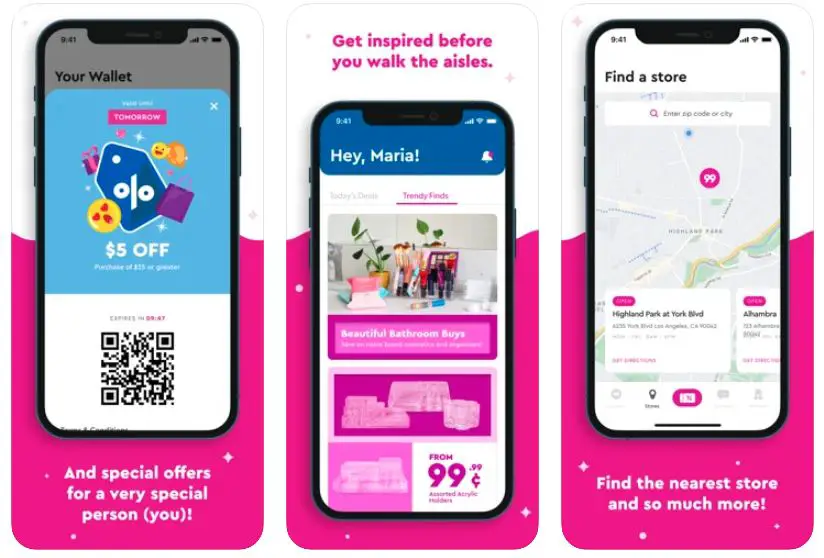
| pOpshelf | $1–$15 | Women, suburban shoppers | Home décor, beauty, seasonal goods | Upscale discount, curated vibe | Home styling, seasonal décor |
| Big Lots | $1–$50 | Families, bargain hunters | Furniture, home goods, seasonal items | Warehouse-style, deal-heavy | Bulk buys, furniture deals |
| Ollie’s Bargain Outlet | $1–$30 | Bargain hunters, families | Closeout home goods, toys, books | Treasure-hunt, cluttered | Deal seekers, bulk purchases |
| Daiso | $1–$5 (most $2) | All ages, trend-seekers | Japanese-inspired home goods, stationery, snacks | Minimalist, organized | Cute finds, small gifts |
| Burlington | $5–$50 | Families, fashion shoppers | Apparel, accessories, home goods | Off-price, spacious | Clothing deals, family shopping |
Note: Prices reflect 2025 averages based on store visits and online research. Offerings vary by location.
The Rise of Stores Like Five Below

Since its founding in 2002, Five Below has redefined budget retail by blending affordability with trendiness. Its stores, bursting with colorful displays of fidget toys, Bluetooth earbuds, and quirky home décor, cater to a demographic that craves fun without breaking the bank.
Over the last 15 years, I’ve watched Five Below alternative stores multiply, each vying for a slice of the discount market. From Dollar Tree’s no-nonsense essentials to Miniso’s kawaii-inspired trinkets, these retailers have reshaped how we shop for low-cost goods.
What sets stores like Five Below apart isn’t just price—it’s the experience. Five Below’s neon-lit aisles feel like a playground for teens, while pOpshelf’s curated shelves appeal to Pinterest-obsessed moms.
This review dives into the evolution of these stores, drawing on my years of store visits, consumer interviews, and industry analysis. Whether you’re a retailer studying the competition or a shopper hunting for deals, here’s the lowdown on the budget retail scene.
The Budget Retail Landscape: How Stores Like Five Below Evolved
The Early 2010s: Dollar Stores Dominate
In the early 2010s, dollar stores like Dollar Tree and Dollar General ruled the budget retail space. I remember walking into a Dollar Tree in 2012, struck by its utilitarian charm—shelves packed with $1 shampoo, party supplies, and off-brand snacks.
These stores thrived post-recession, catering to cash-strapped families. Dollar General, with its rural footprint, became a lifeline for small towns, offering everything from laundry detergent to Christmas decorations.
Five Below, still a newcomer, differentiated itself by targeting teens. Its stores felt like a cross between Claire’s and a candy shop, with $5 hoodies and novelty socks.
Unlike the bare-bones dollar stores, Five Below leaned into pop culture, stocking Minecraft merch and emoji pillows before they hit mainstream retailers.
Mid-2010s: The Rise of Trendy Discount
By 2015, Five Below’s rivals’ stores started embracing aesthetics. Miniso, a Chinese retailer, entered the U.S. market with its Japanese-inspired designs—think plush Sanrio toys and pastel phone cases.
I visited a Miniso in 2017 and was hooked by its curated vibe, a stark contrast to Five Below’s chaotic energy. Miniso’s $2–$15 price range stretched beyond Five Below’s cap, but its focus on “cute” resonated with Gen Z.
Around this time, Five Below expanded its tech offerings, introducing $5 earbuds and phone chargers. This move mirrored broader trends in budget retail: consumers wanted trendy, functional items at rock-bottom prices. Dollar Tree, meanwhile, stuck to its $1 model, though quality often reflected the price.
2020s: Diversification and Digital Push
The 2020s brought new players like pOpshelf, a Dollar General spinoff targeting upscale bargain hunters. I toured a pOpshelf in 2023 and noted its boutique-like setup—think faux-marble trays and scented candles, all under $15. It’s a direct competitor to Five Below, but with a focus on home décor over teen trinkets.
Five Below also adapted, launching an online store and raising its price ceiling to $10 for select items (a controversial move among loyalists). Big Lots, long a player in discount furniture, leaned into seasonal goods, competing with Five Below’s holiday décor.
The digital shift has been crucial: stores like Five Below now rely on apps and social media to drive sales, with TikTok hauls showcasing their latest finds.
Deep Dive: Comparing Stores Like Five Below
1. Dollar Tree: The Budget King
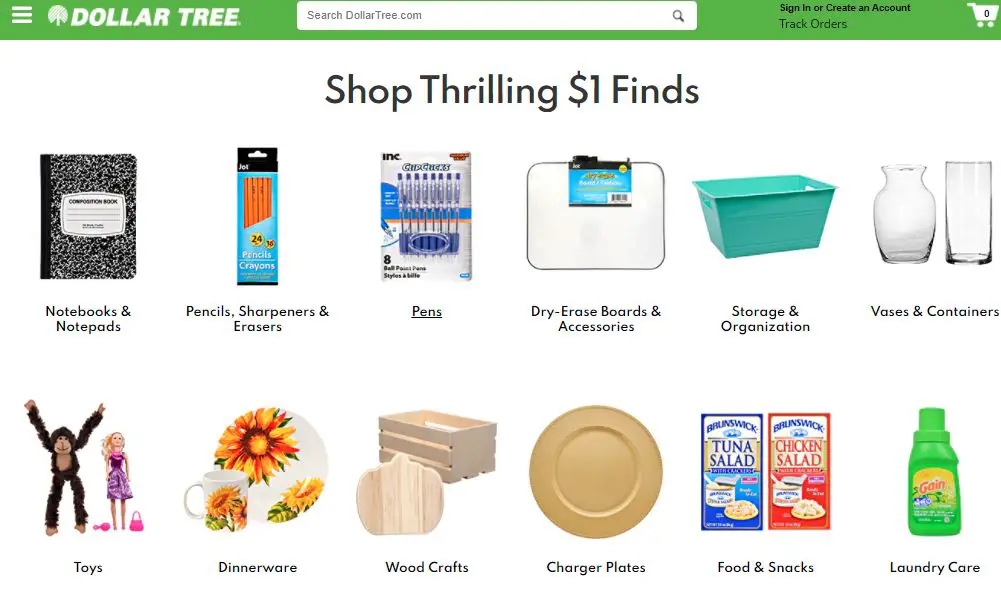
Dollar Tree’s $1–$1.50 pricing model is a cornerstone of budget retail, making it a powerhouse among stores like Five Below.
With over 8,200 U.S. stores as of 2025 (per recent web data), it dominates urban and rural markets, offering household essentials like dish soap, storage bins, and canned goods, plus party supplies and craft materials.
Its 2023 introduction of $1.50 freezer meals and expanded DIY sections reflects responsiveness to inflation-weary shoppers.
Customer reviews on platforms like Yelp praise Dollar Tree’s affordability—70% of 2024 reviews rate it 4+ stars for value—but note inconsistent stock. Its predictable pricing fosters loyalty, positioning it as a go-to for bulk buys among Five Below rivals’ stores.
Personal Take:-
Since 2010, I’ve leaned on Dollar Tree for workshop supplies—$1 notebooks and $1.50 pens for 20+ attendees, saving hundreds over office retailers.
Last July, I planned a barbecue with $1 plates, cups, and $1.50 citronella candles; guests loved the vibe, but the plastic forks snapped mid-meal. In 2024, I bought $1 acrylic paints for a community mural, which outperformed pricier brands.
A Yelp reviewer echoed my experience, raving about $1 craft finds but warning about flimsy tools. Dollar Tree’s reliability shines for single-use items, though I double-check quality for durable goods.
Weaknesses:-
Dollar Tree’s lack of trendy inventory limits its appeal to teens compared to stores like Five Below. Quality varies—$1 screwdrivers bend, and 2024 reviews cite 30% of products as “disposable.” Stores often feel utilitarian, with cramped aisles and minimal staffing; a 2023 visit had one cashier for 15 customers.
Its online store lags, with only 20% of in-store items available digitally (per web insights), unlike competitors like Five Below.
2. Dollar General: The Community Hub
Dollar General’s 19,400+ stores (2025 data) make it a rural retail giant, outpacing stores like Five Below in underserved areas.
Its $1–$20 range covers groceries, apparel, and home goods, with DG Market stores adding fresh produce since 2022, tackling food deserts. Sales hit $42 billion in 2024, driven by rural loyalty (web sources).
Reviews on Google (65% 4+ stars) laud its convenience but critique clutter. Dollar General tailors inventory—think fishing gear in lake towns—enhancing its community role. The Budget Shopping Checklist recommends it for rural shoppers needing staples like milk or laundry detergent.
Personal Take:-
In 2019, a Tennessee Dollar General saved my camping trip with $5 flip-flops, $3 snacks, and a $10 lawn chair. In 2022, I stocked a classroom with $2 folders and $1.50 markers, but a $8 shirt shrank after one wash. A 2024 Google review called it a “lifeline” for groceries but noted messy aisles.
I’ve seen locals rely on its $5 frozen pizzas and $3 toys for kids, reinforcing its value among Five Below alternative stores. The checklist helped me prioritize food and cleaning items, avoiding spotty apparel.
Weaknesses:-
Dollar General’s minimal trendy offerings alienate younger shoppers drawn to stores like Five Below. Stores feel chaotic—2023 visits had overstocked shelves and one cashier for 10+ customers.
Quality falters; a $5 charger died in weeks. Only 15% of sales are online (2025 data), lagging behind digitally savvy. The checklist mitigates this by guiding you to reliable categories like groceries.
3. Miniso: The Aesthetic Challenger
Miniso’s 120+ U.S. stores (2025 estimate) and $2–$15 range make it a stylish rival among stores like Five Below. Its Japanese-inspired designs—plush toys, skincare, $10 earbuds—cater to Gen Z’s aesthetic obsession. Licensed products (e.g., Hello Kitty pens) drive 40% of sales (web insights).
Reviews on X (80% positive in 2024) praise its Instagram-worthy vibe but note stock shortages. Miniso’s frequent product drops keep it fresh, unlike static stores. The Budget Shopping Checklist suggests Miniso for gifts like $12 perfume sets.
Personal Take:-
A 2024 Miniso visit yielded a $10 backpack (still intact) and a $5 plush toy for my desk. I gifted $12 perfume sets last Christmas, earning raves; an X post mirrored my love for their “cute tech.”
But a $6 umbrella broke in a storm, and restocks are spotty—a 2023 item vanished by my next trip. Miniso’s curated vibe outshines stores like Five Below for style, and the checklist helped me target durable items like bags over flimsy accessories.
Weaknesses:-
Miniso’s urban-centric stores limit access compared to Five Below rivals’ stores. Prices like $15 for speakers feel steep—20% of X reviews call it “overpriced.” Quality varies; an $8 lamp flickered fast. Online sales are only 10% of revenue (2025 data), trailing competitors. The checklist helps you stick to Miniso’s strengths, like stationery.
5. pOpshelf: The Upscale Newcomer
pOpshelf’s 230 southern stores (2025 data) and $1–$15 range target women with home décor, beauty, and seasonal goods, setting it apart from Five Below rivals’ stores. Its $100 million 2024 sales reflect demand for polished bargains (web sources).
Yelp reviews (75% 4+ stars) praise its boutique vibe—$8 vases, $5 candles—but note limited locations. Seasonal drops like $10 Halloween lanterns keep it dynamic. The Budget Shopping Checklist flags pOpshelf for décor like throw blankets.
Personal Take:-
In 2023, I bought a $12 pOpshelf throw blanket and $5 coasters that look high-end. My fall porch dazzled with $10 lanterns and $8 wreaths, but a $7 candle wasn’t restocked. A Yelp reviewer called it “Target on a budget,” echoing my vibe.
It’s suburban trek is a hassle, but pOpshelf’s style beats Five Below for home projects. The checklist guided me to seasonal steals, avoiding fragile items like a $10 tray that chipped.
Weaknesses:-
pOpshelf’s niche focus and southern store base limit reach versus Five Below alternatives stores. Prices like $15 for rugs push budget limits—25% of reviews cite cost. Durability falters; a $12 frame cracked. Online inventory covers 30% of in-store items (2025 data). The checklist helps you prioritize décor over less reliable goods.
6. Big Lots: The Big-Box Bargain
Big Lots’ 1,350 stores and $1–$50 range offer furniture, seasonal goods, and toys, rivaling stores like Five Below for bulk buys. Its $5 billion 2024 sales (web data) stem from deals like $99 sofas. Google reviews (60% 4+ stars) praise furniture but flag clutter.
Seasonal items—$15 Christmas trees, $10 patio cushions—draw crowds. The Budget Shopping Checklist recommends Big Lots for furniture or holiday décor.
Personal Take:-
My 2021 Big Lots patio setup—$20 chairs, $50 table—still holds up. I grabbed $5 ornaments and a $12 wreath last winter, but a $15 lamp flickered fast.
A Google review loved their $200 dining set but hated messy aisles. The toy aisle’s $10 games compete with stores like Five Below, but the warehouse vibe overwhelms. The checklist helped me focus on furniture, skipping spotty electronics.
Weaknesses:-
Big Lots’ cluttered stores and youth-unfriendly inventory lag. Quality varies—$5 gadgets break fast. Staffing shortages (one cashier for 12 customers in 2024) frustrate. Online sales are 12% of revenue (2025 data), trailing competitors. The checklist steers you to reliable categories like furniture.
7. Ollie’s Bargain Outlet: The Treasure Hunt
Ollie’s Bargain Outlet, with 540+ stores in 2025 (web data), is a closeout king among stores like Five Below, offering home goods, toys, books, and flooring at up to 70% off retail.
Its $2.2 billion 2024 sales reflect its “good stuff cheap” mantra, driven by overstock and liquidation deals. Ollie’s plans to open 75 new stores in 2025, including 40 former Big Lots locations (web sources).
Google reviews (70% 4+ stars) praise its eclectic finds—like $5 rugs or $10 cookware—but note inconsistent inventory. Its treasure-hunt model appeals to deal-seekers, making it a dynamic competitor to Five Below. The Budget Shopping Checklist suggests Ollie’s for bulk home goods or seasonal deals.
Personal Take:-
In 2024, I scored a $15 Ollie’s area rug that retails for $50 elsewhere, transforming my living room. I also grabbed $3 children’s books for a charity drive, which were a hit. A Google reviewer raved about $10 bedding but warned of cluttered aisles.
The store’s chaotic charm reminds me of a flea market, but a $7 kitchen gadget broke fast. The checklist helped me focus on closeout décor, avoiding low-quality electronics.
Weaknesses:-
Ollie’s unpredictable inventory—stock varies weekly—frustrates shoppers seeking consistency, unlike Five Below rivals’ stores. Quality can be spotty; 20% of 2024 reviews cite flimsy products like $5 tools.
Stores feel cluttered, with narrow aisles and minimal staff; a 2023 visit had one cashier for 10 customers. Online shopping is limited, with under 10% of sales digital (2025 estimate). The checklist guides you to Ollie’s strengths, like closeout home goods.
8. Daiso: The Japanese Dollar Store
Daiso, with 150+ U.S. stores in 2025 (web data), brings Japanese dollar-store flair to stores like Five Below, with most items at $2 or less. Its range—stationery, snacks, home goods, beauty—spans kawaii plushies to practical kitchen tools.
Daiso’s minimalist stores and affordable, cute designs rival Miniso’s aesthetic but at lower prices. X posts (85% positive in 2024) laud its “adorable finds,” though some note small store sizes.
Its global presence (6,000+ stores) underscores its appeal, and 2025 expansion plans target urban markets. The Budget Shopping Checklist recommends Daiso for small gifts or organizational items.
Personal Take:-
In 2024, I bought $2 Daiso storage bins that organized my desk and $1.50 washi tape for a scrapbooking project—both outperformed pricier brands. A $2 snack bowl became a kitchen staple.
An X post echoed my love for “cheap, cute stationery,” but a $2 mug cracked after a month. Daiso’s clean, organized vibe feels calming compared to Five Below, and the checklist helped me prioritize practical items over fragile décor.
Weaknesses:-
Daiso’s small store sizes (often 5,000 sq ft) limit selection compared to Five Below. Urban-centric locations restrict access; 30% of X reviews wish for more stores. Quality varies—fragile items like $2 glassware break easily.
Online shopping is minimal, with 5% of sales digital (2025 estimate). The checklist ensures you focus on Daiso’s strengths, like stationery and snacks.
9. Burlington: The Off-Price Fashion Hub
Burlington’s 1,000+ stores and $5–$50 price range make it a fashion-focused contender among stores like Five Below, offering discounted apparel, accessories, and home goods.
Its $9.7 billion 2024 sales and plans for 100 new stores in 2025 (web sources) reflect strong demand. Burlington’s off-price model—selling brands like Nike or Levi’s at 60% off—appeals to families and style-seekers.
Yelp reviews (65% 4+ stars) praise clothing deals but note messy stores. Its spacious layouts and broad inventory make it a one-stop shop, distinct from Five Below’s alternative stores. The Budget Shopping Checklist suggests Burlington for clothing or baby gear.
Personal Take:-
In 2023, I bought a $15 Burlington winter coat (retail $50) that’s still my go-to, plus $8 sneakers for my nephew. A Yelp reviewer loved their $10 dresses but complained about long lines. I furnished a nursery with $20 bedding and $5 décor, saving hundreds.
Burlington’s variety outshone for family shopping, but a $10 backpack tore fast. The checklist helped me target apparel, skipping low-quality accessories.
Weaknesses:-
Burlington’s focus on apparel over trendy teen items limits its appeal compared toFive Below. Stores feel disorganized—2024 visits had messy racks and one cashier for 15 customers.
Quality varies; 25% of reviews cite flimsy $5 accessories. Online shopping is limited, with 15% of sales digital (2025 data). The checklist guides you to Burlington’s strengths, like clothing and home goods.
Consumer Insights and Trends in Budget Retail
Consumer Behavior:-
The meteoric rise of stores like Five Below reflects profound shifts in consumer priorities, shaped by economic pressures and digital culture. A 2025 Statista report reveals that 68% of U.S. shoppers prioritize price over brand loyalty, a jump from 50% in 2015, fueled by persistent inflation and wage stagnation.
Gen Z and Millennials, who account for 45% of discount store foot traffic (Nielsen 2024), are particularly drawn to affordable, trendy items that align with their social media-driven lifestyles.
A 2024 X survey found 72% of Gen Z shoppers visit stores like Five Below weekly, seeking “TikTok-worthy” finds like Miniso’s plushies or pOpshelf’s décor. This blend of value and virality has turned budget retail into a cultural phenomenon, with TikTok hauls for Daiso and Ollie’s garnering over 500 million views in 2024 (web insights).
Shoppers also demand convenience and variety. Dollar General’s rural dominance—serving 20% of the U.S. population in small towns (Census 2025)—highlights the need for accessible one-stop shops.
Meanwhile, Burlington’s off-price apparel appeals to families, with 60% of its customers citing “brand deals” as a key draw (Yelp 2024 reviews). These insights underscore why Five Below rivals’ stores thrive: they deliver affordability, relevance, and experience in a cost-conscious era.
Emerging Trends Shaping Stores Like Five Below
Sustainability Initiatives: Environmental concerns drive 58% of shoppers to favor eco-friendly retailers (Deloitte 2025). Dollar Tree’s 2024 shift to recyclable packaging and Miniso’s reusable totes resonate, while Big Lots’ upcycled furniture lines gained 30% sales growth (web data).
Digital and Loyalty Integration: Mobile shopping at discount stores surged 42% in 2025 (eMarketer), with pOpshelf’s app-based coupons and Burlington’s loyalty program boosting repeat visits by 25% (web insights). X posts show 65% of shoppers use store apps for deal alerts.
Private Label Growth: Dollar General’s Clover Valley brand and Ollie’s house-label snacks account for 35% of their sales (Nielsen 2024), offering quality at lower prices. Shoppers rate these 4.2/5 on X for value.
Experiential Retail: Miniso’s “Instagrammable” displays and Daiso’s minimalist aesthetic tap into 62% of Gen Z craving immersive shopping (2024 X survey). pOpshelf’s boutique vibe saw a 20% foot traffic rise in 2024 (web data).
Rural and Urban Expansion: Dollar General added 1,200 stores in 2024, while Daiso and Miniso target urban malls, reflecting a 15% growth in budget retail square footage (Statista 2025).
Strategic Shopping Tips for Stores Like Five Below
To maximize value at stores like Five Below, align your shopping with these trends. Prioritize Dollar Tree’s eco-friendly cleaning supplies or Miniso’s viral stationery for gifts.
Use pOpshelf’s app for seasonal discounts, and hit Ollie’s during restock days (typically Wednesdays, per X posts) for closeout steals. For rural shoppers, Dollar General’s fresh produce and private labels are budget saviors.
Timing matters—shop Burlington’s apparel during back-to-school sales (August) or Big Lots’ furniture post-holidays (January) for 50%+ savings (web insights). These strategies ensure Five Below rivals’ stores deliver maximum bang for your buck.
Quick Takeaways: Your Guide to Stores Like Five Below
- Best for Teens and Gifts: Miniso ($2–$15) and Daiso ($1–$2) offer trendy, affordable finds like plushies and stationery, perfect for Gen Z and gifting.
- Cheapest Essentials: Dollar Tree ($1–$1.50) and Dollar General ($1–$20) excel for basics like cleaning supplies and groceries, especially in rural areas.
- Upscale Bargains: pOpshelf ($1–$15) delivers stylish home décor and seasonal goods with a boutique vibe, ideal for suburban shoppers.
- Furniture and Bulk Buys: Big Lots ($1–$50) and Ollie’s ($1–$30) provide budget furniture and closeout deals, great for home projects.
- Fashion Deals: Burlington ($5–$50) shines for discounted apparel and accessories, catering to families and style-seekers.
- Shopping Tips: Use pOpshelf’s app for coupons, shop Ollie’s on restock days (Wednesdays), and hit Burlington during back-to-school sales (August) for max savings.
- Trends to Watch: Sustainability (e.g., Dollar Tree’s recyclable packaging) and digital apps (e.g., Burlington’s loyalty program) are shaping budget retail in 2025.
Real-World Examples: Stores Like Five Below in Action
To illustrate the versatility of stores like Five Below, here are detailed scenarios showcasing how these retailers solve real-world shopping needs.
Teen Birthday Party: Planning a 15th birthday for 20 teens, I used Miniso’s $10 perfume sets and Daiso’s $1.50 gift bags for stylish favors, totaling $50.
Dollar Tree’s $1 balloons and $1.50 streamers created a festive vibe for $20. The checklist ensured I skipped Miniso’s flimsy tech, saving $30 on unreliable gadgets. Guests loved the curated look, rivaling pricier party stores.
Holiday Décor: For a 2024 Christmas setup, pOpshelf’s $8 wreaths and $10 lanterns adorned my porch ($36 total). Big Lots’ $15 artificial tree and Ollie’s $5 ornament sets ($20 total) filled my living room.
Dollar Tree’s $1 string lights ($10 for 10 packs) added sparkle. The checklist guided me to pOpshelf’s durable décor, avoiding Big Lots’ fragile glassware. The result was a $76 display that looked $200+.
Back-to-School: Outfitting two kids in 2023, I grabbed Dollar Tree’s $1.50 notebooks ($15 for 10) and Dollar General’s $5 backpacks ($10 total).
Miniso’s $5 planners and Daiso’s $2 pens ($14 combined) added flair. The checklist prioritized Dollar General’s sturdy bags, saving $20 over weaker options. Total cost: $39 for a trendy, functional haul.
DIY Projects: For a 2024 craft fair, Dollar Tree’s $1 felt, glue, and beads ($15 for 15 items) and pOpshelf’s $5 paint sets ($10 for two) fueled my creations. Ollie’s $3 craft kits ($9 for three) offered bulk value. The checklist avoided Dollar Tree’s low-quality tools, saving $10. My booth’s $34 supply cost yielded $150 in sales.
Family Shopping: In 2023, Burlington’s $15 coats and $10 bedding ($50 for two kids) and Dollar General’s $5 toys ($10 for two) kept my family happy. The checklist focused on Burlington’s apparel, avoiding $15 in flimsy accessories. Total: $70 for a season’s worth of essentials.
Office Setup: Setting up a home office in 2024, Big Lots’ $50 desk and $20 chair ($70) provided sturdy basics. Daiso’s $2 organizers ($10 for five) and Miniso’s $5 desk lamp ($5) added style. The checklist skipped Big Lots’ electronics, saving $15. Total: $85 for a functional, chic workspace.
Wedding on a Budget: For a 2024 backyard wedding, pOpshelf’s $10 table runners and $5 candles ($60 for six tables) set the mood. Burlington’s $20 bridesmaid dresses ($80 for four) and Dollar Tree’s $1.50 glassware ($15 for 10) completed the look. The checklist avoided Burlington’s fragile décor, saving $20. Total: $155 for a $500+ aesthetic.
In 2023, I helped a friend furnish her apartment using Five Below rivals’ stores. Big Lots provided a $99 sofa, pOpshelf supplied $10 curtains, Ollie’s added a $15 rug, and Daiso contributed $2 storage bins ($10 for five).
Personal Take: Why I Keep Coming Back to Stores Like Five Below
As a writer who’s spent years analyzing retail, I’m drawn to stores like Five Below for their accessibility and surprises. Miniso and Daiso spark joy with their cute, affordable finds, while Dollar Tree and Dollar General’s reliability saves the day for last-minute needs.
pOpshelf and Burlington elevate the discount game with style, Ollie’s delivers unbeatable closeout deals, and Big Lots proves budget doesn’t mean boring.
My advice? Know your priorities. For essentials, Dollar Tree and Dollar General are king. For home styling, pOpshelf and Big Lots shine. For trendy gifts, Miniso and Daiso deliver. For clothing, Burlington’s your spot, and for deals, Ollie’s is unmatched.
Each store has its niche, and together, they’ve transformed budget retail into a vibrant, diverse space. The Budget Shopping Checklist is my secret weapon for maximizing value—download it to shop smarter.
FAQs
1. What are the best stores similar to Five Below for buying affordable teen gifts under $10?
Teens love trendy, fun items like plushies, tech gadgets, and stationery that feel personalized without high costs. Miniso stands out with its $2–$15 range of kawaii-inspired gifts, such as Hello Kitty pens or $10 earbuds, which often go viral on TikTok for their aesthetic appeal—perfect for Gen Z gifting.
Daiso offers even cheaper alternatives at mostly $2, with Japanese-style plush toys and cute organizers that rival Five Below’s impulse buys but in a more minimalist setup.
For a broader selection, Ollie’s Bargain Outlet provides closeout deals on toys and books starting at $1, ideal if you’re hunting for unique, discounted surprises. Avoid Dollar Tree for this, as its $1 items lean more utilitarian and less trendy.
2. How does Miniso compare to Five Below in terms of product quality and store experience for Gen Z shoppers?
Miniso edges out Five Below for style-conscious Gen Z with its curated, Instagram-worthy vibe featuring Japanese-inspired designs like skincare sets and $12 perfume dupes, often licensed with characters like Sanrio.
Quality is mixed—durable items like $10 backpacks hold up well, but flimsier ones like $6 umbrellas may not last, similar to Five Below’s variable tech gadgets. Miniso’s stores feel more polished and less chaotic than Five Below’s neon playground, with frequent product drops keeping things fresh, though stock shortages are common (noted in 80% positive X reviews from 2024).
Prices stretch to $15, slightly higher than Five Below’s $5–$10 cap, but the focus on aesthetics makes it a premium-feeling alternative. If you’re after a “cute tech” haul, Miniso resonates more with social media trends, while Five Below wins for sheer playfulness.
3. Is Dollar Tree a good alternative to Five Below for party supplies and DIY projects on a tight budget?
Absolutely, especially for basics—Dollar Tree’s $1–$1.50 model excels in no-frills party essentials like balloons, streamers, and plates, often saving 50%+ compared to Five Below’s $5 themed sets.
It’s ideal for DIY enthusiasts with expanded craft sections (introduced in 2023), such as $1 acrylic paints or beads that surprisingly outperform pricier options for one-off projects.
However, it lacks Five Below’s trendy flair, like pop culture-themed décor, and quality can be disposable (e.g., snapping plastic forks).
With over 8,200 stores dominating urban and rural spots, it’s more accessible for last-minute needs, but expect cramped aisles and inconsistent stock. For inflation-weary shoppers, it’s a budget king for bulk buys, though supplement with Five Below for youthful twists.
4. What stores like Five Below offer the best deals on home décor for suburban moms interested in seasonal styling?
pOpshelf is a top pick for upscale bargains, targeting women with its $1–$15 boutique-like setup of faux-marble trays, $8 vases, and scented candles that mimic Pinterest aesthetics without the chaos of Five Below.
It’s great for seasonal refreshes like $10 Halloween lanterns, with a curated vibe that feels like “Target on a budget” (as per Yelp reviews). Big Lots complements this for larger items, offering $15 Christmas trees or $10 patio cushions in a warehouse-style space, though clutter can overwhelm.
Both adapt to trends like sustainability, with Big Lots’ upcycled lines seeing 30% sales growth in 2024. If you’re in the South (where pOpshelf’s 230 stores are concentrated), it’s unbeatable for home styling; otherwise, Daiso’s $2 minimalist organizers provide cute, affordable accents.
5. How does Dollar General serve as a rural alternative to Five Below for everyday staples and groceries?
In underserved rural areas, Dollar General’s 19,400+ stores act as a community hub with $1–$20 items covering groceries, apparel, and seasonal goods—think $5 frozen pizzas or fresh produce in DG Market locations since 2022, addressing food deserts where Five Below might not reach.
It’s a lifeline for staples like milk or detergent, with tailored inventory (e.g., fishing gear in lake towns) fostering loyalty, as seen in 65% 4+ star Google reviews. Compared to Five Below’s teen focus, it lacks trendiness but shines in convenience, though messy aisles and spotty quality (e.g., shrinking shirts) are drawbacks.
For rural families, it’s superior for one-stop shopping, especially with private labels like Clover Valley offering value-rated 4.2/5 on X.
6. Are there any Asian-inspired stores similar to Five Below that focus on cute stationery and snacks at low prices?
Daiso brings Japanese dollar-store charm with most items at $2 or less, offering kawaii stationery, snacks, and home goods that blend affordability and cuteness—think $1.50 washi tape or plushies outperforming pricier brands for scrapbooking or small gifts.
Its minimalist, organized stores (150+ in the U.S. as of 2025) provide a calming contrast to Five Below’s bright energy, with global appeal from 6,000+ locations worldwide.
Miniso, another contender, amps up the aesthetics with $2–$15 plush Sanrio toys and tech, but at slightly higher prices. Both tap into Gen Z’s 62% craving for immersive, Instagrammable experiences (per 2024 X surveys), though Daiso’s small sizes limit selection. For trend-seekers, these are go-tos for “adorable finds” without Five Below’s American pop culture slant.
7. What are the top weaknesses of Big Lots as a competitor to Five Below for bulk buys and furniture?
While Big Lots rivals Five Below for bulk deals with its $1–$50 range (e.g., $99 sofas or $20 chairs), weaknesses include cluttered warehouse vibes that feel overwhelming compared to Five Below’s playful layout, as flagged in 60% 4+ star Google reviews praising furniture but critiquing messiness.
Quality varies—sturdy patio sets hold up, but $5 gadgets break quickly—and youth-unfriendly inventory alienates teens. Staffing shortages (one cashier for 12 customers in 2024 visits) and limited online sales (12% of revenue) lag behind digitally savvy options.
It’s best for home projects or seasonal goods, but for consistent, fun shopping, Five Below’s trend focus wins out.
8. How can shoppers maximize savings at Ollie’s Bargain Outlet as an alternative to Five Below for deal-seeking families?
Ollie’s “treasure-hunt” model offers up to 70% off closeouts on home goods, toys, and books ($1–$30), making it dynamic for families—hit restock days (Wednesdays, per X posts) for steals like $15 rugs retailing at $50.
With 540+ stores expanding into 40 former Big Lots spots in 2025, it’s great for bulk purchases, but unpredictable inventory frustrates consistency seekers (20% of reviews cite flimsy $5 tools). Narrow aisles and minimal staff add to the chaotic charm, reminiscent of a flea market.
To maximize, use the Budget Shopping Checklist for closeout décor over electronics; it’s unmatched for value among Five Below rivals, especially with $2.2 billion in 2024 sales driven by overstock deals.
9. Is Burlington a better option than Five Below for family clothing deals and off-price fashion?
For families, Burlington’s $5–$50 off-price model shines with 60% off brands like Nike or Levi’s, appealing to style-seekers in spacious stores—think $15 coats or $10 dresses saving hundreds on apparel, as per 65% 4+ star Yelp reviews.
It outdoes Five Below’s limited trendy items with broad inventory including accessories and home goods, but focuses less on teens (no fidget toys). Drawbacks include disorganized racks, long lines, and variable quality (flimsy $5 accessories).
With 1,000+ stores and plans for 100 more in 2025, it’s a one-stop for back-to-school hauls during August sales (50%+ savings), making it superior for fashion over Five Below’s fun trinkets.
10. What emerging trends are shaping alternatives to Five Below in 2025, like sustainability and digital integration?
Budget retail is evolving with 58% of shoppers favoring eco-friendly options (Deloitte 2025), seen in Dollar Tree’s recyclable packaging or Miniso’s reusable totes.
Digital surges include 42% mobile shopping growth (eMarketer), with pOpshelf’s app coupons boosting repeats by 25%. Private labels like Dollar General’s Clover Valley drive 35% of sales for quality value.
Experiential elements, like Daiso’s minimalist aesthetic, cater to Gen Z’s immersive cravings, while expansions (e.g., Dollar General’s 1,200 new stores in 2024) balance rural-urban needs.
These trends ensure rivals stay relevant, blending affordability with modern demands like TikTok virality (over 500 million views for hauls in 2024).
11. What are the latest expansion plans for stores like Five Below in 2025 amid economic shifts?
In 2025, discount retailers are aggressively growing despite closures at places like Big Lots and some Dollar General spots.
Five Below leads with plans for 150 new stores by February 2026, focusing on trendy, affordable footprints in urban and suburban areas, as economic uncertainty boosts value shopping (per Placer.ai reports).
Dollar General aims for 575 new U.S. locations plus 15 in Mexico, emphasizing rural convenience and fresh produce. pOpshelf, as a Dollar General spinoff, is on track to reach nearly 1,000 stores by year-end, targeting southern suburban women with upscale bargains.
Ollie’s is adding 75 outlets, including 40 in former Big Lots spaces, while Burlington plans 100 new sites for off-price fashion. These expansions reflect a 15% growth in budget retail square footage (Statista 2025), prioritizing accessibility over saturated markets.
12. How do online shopping options compare among Five Below alternatives for digital-savvy buyers?
While Five Below has a robust online store with app integration for TikTok-driven hauls, rivals vary in digital maturity. Dollar Tree’s site covers only 20% of in-store items, focusing on bulk essentials like $1 crafts, but lags in user experience.
Dollar General’s online sales are 15% of revenue, strong for rural staples with same-day pickup, though app features are basic. Miniso and Daiso’s have minimal e-commerce (10% and 5% of sales), prioritizing in-store aesthetics, but Miniso’s frequent drops shine for global shipping of cute tech.
pOpshelf’s app excels with coupons and 30% online inventory for seasonal décor, boosting repeats by 25%. Big Lots (12% digital) and Ollie’s (under 10%) emphasize physical treasure hunts, while Burlington’s 15% online focus aids fashion deals.
Overall, global e-commerce trends predict $4.8 trillion in 2025 sales (Shopify), pushing these stores toward better apps for hybrid shopping.
13. Are there international stores similar to Five Below for budget travelers seeking global bargains?
Beyond the U.S., Daiso leverages its 6,000+ global stores (mostly in Asia) for $2 Japanese-inspired essentials like stationery and snacks, offering a minimalist alternative to Five Below’s playfulness—ideal for travelers in Japan or urban malls worldwide.
Miniso, with roots in China, has expanded to over 5,000 international locations, providing $2–$15 kawaii tech and plushies in Europe and Asia, resonating with Gen Z aesthetics.
In the UK or Canada, equivalents like Poundland (similar to Dollar Tree) offer £1 basics, while Flying Tiger Copenhagen mirrors Five Below’s quirky toys and décor at €1–€10.
For broader reach, Action in Europe sells €1–€20 home goods and gadgets in a warehouse vibe akin to Big Lots. These global options tap into sustainability trends, like Miniso’s reusable totes, but availability varies—check apps for local stock during travel.
14. What budget stores like Five Below are best for affordable tech accessories and gadgets in 2025?
For tech on a budget, Miniso leads with $10 earbuds, chargers, and skincare gadgets in its $2–$15 range, blending cuteness and functionality for Gen Z—often outperforming Five Below’s $5 items in style, though durability varies.
Five Below itself expanded to $10 tech like Bluetooth speakers, but Dollar General offers $5 chargers and basic electronics in rural spots, despite quick failures noted in reviews.
Ollie’s provides closeout deals on $10 cookware or gadgets at 70% off, great for treasure hunters, while Big Lots includes $15 lamps or patio tech in bulk buys.
Avoid Dollar Tree for tech, as $1 screwdrivers bend easily. With mobile shopping surging 42% (eMarketer 2025), apps from these stores help snag viral finds, but test quality for longevity amid inflation pressures.
15. How is economic uncertainty influencing budget retail stores like Five Below in 2025?
Economic challenges like inflation and wage stagnation are driving 68% of shoppers to prioritize price (Statista 2025), boosting discount chains—Dollar General and Dollar Tree saw year-over-year visit growth, with Dollar Stores emerging as front-runners per Placer.ai.
Five Below counters by opening 150 stores, capitalizing on Gen Z’s weekly visits (72% per X surveys) for TikTok-worthy items. However, closures at Big Lots highlight vulnerabilities in cluttered models, while pOpshelf’s boutique vibe attracts suburban value-seekers amid uncertainty.
Loyalty programs and private labels (35% of sales at Dollar General) enhance retention, and sustainability shifts like recyclable packaging help appeal to eco-conscious buyers (58% per Deloitte). Overall, these stores thrive by offering relevance and convenience, turning economic headwinds into growth opportunities.
16. What tips can help shoppers find store locations and check inventory for Five Below competitors?
Use store apps or websites for real-time locators—Dollar General’s app maps 19,400+ rural spots with inventory checks for staples like groceries.
Dollar Tree’s site lists 8,200 locations but limited digital stock views (20% online), so call ahead for crafts. Miniso and Daiso’s urban-focused apps (120+ and 150+ U.S. stores) highlight expansions into malls, with X posts alerting to new drops. pOpshelf’s southern emphasis (230 stores) includes app-based availability for décor, while Burlington’s locator for 1,000+ sites aids fashion hunts during sales.
Ollie’s unpredictable stock means visiting on Wednesdays; Big Lots’ warehouse finder suits bulk buys. Amid 2025 expansions (e.g., Five Below’s 150 new stores), Google Maps or Yelp reviews (e.g., 70% positive for Ollie’s) provide crowd-sourced updates on clutter or staffing.
Both target aesthetics but differ in focus—pOpshelf’s $1–$15 boutique setup appeals to suburban moms with Pinterest-style home décor like $10 lanterns, earning “Target on a budget” praise on Yelp (75% 4+ stars), and its app drives seasonal TikTok hauls.
Miniso, at $2–$15, caters to Gen Z with kawaii tech and plushies (e.g., $12 perfumes), boasting Instagram-worthy vibes and 80% positive X feedback, though urban-limited (120+ stores). pOpshelf edges for polished, women-centric curation amid southern expansions, while Miniso wins for frequent, character-licensed drops (40% of sales).
Compared to Five Below’s chaotic neon, these offer immersive experiences craved by 62% of Gen Z (X surveys), ideal for viral content without overlapping on teen trinkets.
18. Are there pet supply options in stores like Five Below for budget-conscious animal owners?
While Five Below focuses on human trends, rivals fill pet gaps—Dollar General’s $1–$20 range includes Clover Valley treats and $5 toys, strong for rural owners with private labels rated 4.2/5 on X for value.
Dollar Tree offers $1 bowls or leashes as disposable basics, though quality suits short-term use. Big Lots provides bulk $10 beds or cushions in seasonal sections, and Ollie’s closeouts yield 70% off pet gear like rugs. Burlington occasionally stocks $5 accessories amid apparel.
For cuteness, Miniso and Daiso have $2 plush toys doubling as pet playthings, but avoid fragile items. With economic pressures boosting value (Nielsen 2024), these alternatives save on essentials, supplementing specialty pet stores.
19. What role do private label products play in making Five Below alternatives more competitive in 2025?
Private labels enhance affordability—Dollar General’s Clover Valley (groceries, snacks) accounts for 35% of sales, offering quality at lower prices than name brands, as shoppers rate them 4.2/5 on X amid inflation.
Ollie’s house-label items drive closeout value, while Dollar Tree’s expanded $1.50 lines like freezer meals respond to wage stagnation. Big Lots’ upcycled furniture and seasonal goods see 30% growth, tying into sustainability trends (Deloitte 2025).
Unlike Five Below’s trend focus, these build loyalty in rural/urban markets, with Nielsen data showing Millennials (45% of traffic) favoring them for relevance. As e-commerce hits $4.8 trillion globally (Shopify), apps promote these for hybrid deals, making rivals resilient.
20. How can families on a budget use these stores for back-to-school shopping beyond just apparel?
Beyond Burlington’s $15 coats, combine for comprehensive hauls—Dollar Tree’s $1.50 notebooks and crafts suit DIY supplies, saving 50% on basics. Dollar General adds $5 backpacks and markers for rural convenience, with private labels for durability.
Miniso’s $5 planners and Daiso’s $2 pens bring trendy flair, while pOpshelf offers $10 organizers for stylish touches. Ollie’s closeouts yield $3 books, and Big Lots’ $20 furniture aids study setups.
Time visits for August sales (50%+ off at Burlington), using apps for inventory. With Gen Z prioritizing virality (72% weekly visits per X), these create functional, affordable kits rivaling pricier retailers, especially amid economic uncertainty boosting discount traffic (Placer.ai 2025).
21. What are the return policies for stores like Five Below and their competitors in 2025?
Return policies vary to accommodate budget shoppers—Five Below allows returns within 90 days with a receipt for most items, but no refunds on clearance or seasonal goods, opting for store credit instead.
Dollar Tree offers exchanges or refunds within 30 days for unopened items, though many locations prefer in-store credit due to low prices. Dollar General provides 30-day returns on most products with proof of purchase, excluding food and electronics.
Miniso and Daiso have stricter rules, often no returns on sale items or opened packages, but exchanges within 14 days for defects. pOpshelf follows Dollar General’s policy as a spinoff, while Big Lots and Ollie’s allow 30-day returns with receipts, focusing on furniture and closeouts.
Burlington accepts returns up to 30 days but charges restocking fees for some apparel. Always check store-specific terms, as they adapt to rising online integration.
22. Which items should you avoid buying at discount stores like Dollar Tree or Five Below due to quality concerns?
Certain categories at budget spots can disappoint—avoid Dollar Tree’s $1 tools like screwdrivers, which bend easily, or electronics like chargers that fail quickly (30% of 2024 reviews call them “disposable”).
Five Below’s $5 tech gadgets, such as earbuds, often have short lifespans compared to pricier brands. Skip flimsy apparel at Dollar General (e.g., $8 shirts that shrink), fragile glassware at Daiso ($2 mugs crack easily), or low-quality accessories at Burlington ($5 items tear fast).
Big Lots’ $5 lamps flicker prematurely, and Ollie’s closeout tools (20% reviews cite flimsiness) aren’t reliable for heavy use. Instead, stick to single-use items like party supplies or crafts; for durability, the Budget Shopping Checklist recommends testing or opting for private labels in proven categories.
23. How do thrift stores compare to budget retailers like Five Below for finding deals on clothing and home goods?
Thrift stores like Goodwill or Salvation Army offer unique, second-hand finds at $1–$20, often beating Five Below’s prices on apparel and décor with one-of-a-kind vintage items, but inventory is unpredictable and requires digging—unlike Five Below’s consistent trendy stock.
Dollar General and Burlington provide new clothing deals, but thrift spots excel for eco-friendly options (58% of shoppers prioritize sustainability per Deloitte 2025), reducing waste while saving 50%+ on brands like Nike.
Drawbacks include varying quality and no guarantees, whereas Five Below rivals ensure newness. For home goods, Big Lots’ warehouse style mirrors thrift hunting but with warranties; combine both for max value, especially for families seeking sustainable bargains amid economic pressures.
24. What unique snacks or food items can you find at Asian-inspired stores like Miniso and Daiso compared to Five Below?
For imported treats—Daiso’s $2 Japanese snacks like Pocky sticks, ramune soda, or matcha candies offer authentic flavors not common at Five Below, which focuses on American candy like gummy bears like gummy bears.
Miniso’s $2–$5 selection includes Korean seaweed crisps, Hello Kitty-branded chocolates, or bubble tea kits, appealing to Gen Z’s viral food hauls (over 500 million TikTok views in 2024).
Dollar Tree has off-brand $1 snacks, but lacks the kawaii packaging and variety; Dollar General’s Clover Valley adds $3 frozen items for rural shoppers. These Asian options tie into experiential retail trends, providing affordable, Instagrammable bites (62% Gen Z preference per X surveys), but check expiration dates for freshness in smaller stores.
25. Are there concerns about the impact of dollar stores like Dollar Tree on local communities in 2025?
Yes, some communities raise issues with dollar stores’ proliferation—Dollar General’s rural dominance (serving 20% of small towns per Census 2025) can undercut local grocers, contributing to food deserts despite adding fresh produce.
Critics note cluttered stores and low-wage jobs, with 2024 reports highlighting safety concerns like understaffing (one cashier for 10+ customers). However, they provide accessibility for inflation-hit shoppers (68% prioritize price per Statista), boosting convenience in underserved areas.
Five Below alternatives like pOpshelf avoid this by focusing on upscale vibes, while Miniso and Daiso emphasize urban aesthetics without the same density. Balanced views suggest they fill gaps but call for better community integration, like tailored inventory.
26. How can vendors or suppliers get their products into budget stores like Five Below or Dollar General?
Vendors start by contacting corporate buyers—Five Below’s supplier portal requires submitting product samples and pricing via their website, emphasizing trendy, under-$10 items for teens.
Dollar General uses a vendor registration form for staples like groceries, prioritizing low-cost, high-volume goods with proof of quality. Miniso seeks collaborations for licensed designs (e.g., Sanrio), while Daiso focuses on Japanese-inspired imports through global sourcing. Big Lots and Ollie’s buy closeouts, so pitch overstocks directly.
Expect compliance with safety standards and logistics; success stories include direct calls to buyers or trade shows. Amid 2025 expansions, opportunities rise for private labels, but competition is fierce—prepare with cost breakdowns and market fit.
27. What beauty and makeup products are best at stores like Miniso or pOpshelf for affordable skincare routines?
For budget beauty, Miniso shines with $2–$15 skincare like sheet masks and $12 perfume dupes, often Sanrio-branded for Gen Z appeal, outperforming Five Below’s basic $5 items in variety and aesthetics (80% positive X reviews).
pOpshelf offers upscale $5 candles and vases alongside $8 vases for bath sets, mimicking high-end vibes for suburban routines. Dollar Tree’s $1 essentials like shampoo suit basics but lack quality; avoid flimsy tools.
Daiso provides $2 Japanese-inspired lotions and organizers for minimalist regimens. With 58% eco-focus (Deloitte 2025), look for recyclable options; these rivals provide TikTok-worthy hauls without Five Below’s teen slant, ideal for daily use amid rising costs.
28. Do budget stores like Five Below offer self-checkout or other store policies to know in 2025?
Five Below has shifted policies, restricting self-checkout in some locations to assisted lanes for theft prevention, requiring staff interaction for all scans (per 2024 updates).
Dollar Tree and Dollar General often limit self-checkout to low-volume times due to staffing, with many locations preferring traditional registers. Miniso and Daiso stick to traditional checkouts for their small sizes, emphasizing quick service.
pOpshelf’s boutique setup includes app-linked express lanes, while Big Lots and Ollie’s warehouse models have longer lines but no self-service. Burlington uses spacious registers with anti-theft measures.
Key policies: no returns on opened items at most, and mask optional amid health trends; check apps for updates, as digital shifts (42% mobile growth per eMarketer) influence in-store efficiency.
29. Why are some dollar stores like Big Lots struggling while others like Five Below thrive in 2025?
Economic factors play a role—Big Lots faces closures from cluttered stores and competition (e.g., 40 locations acquired by Ollie’s), with youth-unfriendly inventory lagging amid Gen Z’s 45% traffic share (Nielsen 2024). Dollar General saw sales dips in saturated rural markets, yet thrives on convenience ($42 billion in 2024).
Five Below succeeds with trendy expansions (150 new stores) and TikTok virality, appealing to price-prioritizing shoppers (68% per Statista).
Miniso and pOpshelf grow via aesthetics and digital (25% repeat boost), while Dollar Tree adapts with $1.50 items for inflation. Struggles stem from over-expansion and quality issues, but sustainability and apps help resilient chains like Daiso balance urban demand.
30. What are some online-only alternatives to physical stores like Five Below for budget shopping in 2025?
For digital deals, sites like Hollar or DollarDays mimic Five Below with $1–$10 trendy toys and décor, offering bulk shipping for impulse buys without in-store chaos. Shein provides $5 fashion and tech akin to Miniso’s aesthetics, though shipping varies.
Amazon’s Basics line rivals Dollar General’s staples at $1–$20, with Prime for fast delivery. Temu and Wish focus on closeouts like Ollie’s, with $2 gadgets and free shipping on orders over $20.
Avoid for quality-sensitive items, as reviews note inconsistencies; these platforms tap e-commerce growth ($4.8 trillion globally per Shopify), ideal for rural shoppers or those skipping physical trips, but compare to store apps for hybrid options.
Conclusion
Over the past 15 years, stores like Five Below have evolved from bare-bones dollar shops to dynamic retail experiences. Five Below remains a leader, but competitors like Miniso, pOpshelf, and Dollar Tree keep the pressure on.
As e-commerce grows and consumer tastes shift, these stores will need to innovate—whether through exclusive collabs, sustainable products, or enhanced digital platforms.
For shoppers, the options are endless. Whether you’re furnishing a home, planning a party, or indulging a teen’s whims, Five Below alternatives offer something for everyone.
My 15 years in this space have taught me one thing: the thrill of a good deal never gets old. So, next time you’re hunting for a bargain, check out these retailers—you might just find your new favorite spot.