
























Life is often hectic, with jam-packed schedules, looming deadlines, and unexpected chores. Amidst this whirlwind of activity, ensuring consistent and fulfilling walks for your beloved canine companion can be daunting.
If you’re juggling many responsibilities, you might find it challenging to give your four-legged friend the regular exercise they need. This common problem has a surprisingly high-tech solution: dog walking apps.
An irregular walking routine isn’t just inconvenient and can impact your dog’s health and happiness. Dogs need consistent exercise for optimal physical health, mental stimulation, and social interaction. Without this, they can become anxious, depressed, and even develop behavioral issues.
Enter dog walking apps—the perfect solution to ensure your furry friend gets all the walks they need, even when you’re swamped with work or away from home.
These innovative applications connect dog owners with professional, trusted dog walkers, allowing you to schedule and monitor walks from your smartphone.
This article will delve into the top dog walking apps, detailing key features to look out for, user experiences, and how to choose the best app for you and your pet.
With the right dog walking app, you can ensure your canine companion is happy, healthy, and well-exercised while giving yourself much-needed peace of mind.
Why Use Dog Walking Apps?
Dog walking apps have revolutionized how pet owners manage their furry companions’ exercise routines.
In today’s fast-paced society, time efficiency is paramount, and these apps offer a convenient solution for busy individuals who want to ensure their dogs receive regular exercise and stimulation.

With just a few taps on a smartphone, dog owners can effortlessly find trusted and reliable dog walkers available to meet their pets’ exercise needs.
One of the key advantages of dog walking apps is the accessibility they provide.
Whether you’re stuck in the office or dealing with unexpected commitments, you can easily schedule walks for your four-legged friend with a professional walker who has been vetted and approved by the app’s stringent criteria. This ensures your dog is in safe hands, receiving the exercise and attention it deserves.
Additionally, these apps offer features that enhance the overall walking experience. From real-time GPS tracking to customized routes and detailed activity reports, dog walking apps empower pet owners with valuable insights into their dogs’ exercise routines.
This information can be particularly useful for monitoring your dog’s health and identifying any irregularities or patterns that may require attention.
Moreover, dog walking apps foster a sense of community among pet owners. Users can connect with other dog enthusiasts through social features and in-app messaging, share tips, and arrange playdates for their furry companions.
This not only enriches the lives of the dogs but also creates a support network where pet owners can exchange knowledge and experiences.
In conclusion, dog walking apps provide a convenient, accessible, and enriching solution for busy pet owners who want to prioritize their dogs’ exercise needs.
With features designed to enhance the overall experience, these apps offer a modern and efficient way to ensure our beloved canines receive the care they deserve.
Key Features To Look for in a Dog Walking App
In today’s digital age, where convenience and efficiency reign supreme, dog walking apps have become an invaluable tool for pet owners. These apps simplify finding a trustworthy dog walker and offer a range of features to enhance your dog’s walking experience.
When choosing a dog-walking app, here are some key features to consider:
1. Comprehensive Walker Profiles: Look for an app that provides detailed walker profiles. These profiles should include information about the walker’s experience, qualifications, and any special skills they possess. This way, you can choose a walker who best matches your dog’s needs and personality.
2. GPS Tracking: A reliable dog walking app should offer real-time GPS tracking. This feature allows you to monitor your dog’s walk, ensuring they are safe and on the designated route. It provides peace of mind and lets you stay connected with your dog’s whereabouts.
3. Transparent Communication: Effective communication is essential when entrusting your furry friend to a dog walker. The app should facilitate transparent communication between you and the walker, allowing you to share specific instructions, ask questions, and receive updates on your dog’s walk.
4. Activity Reports: Look for an app with detailed activity reports. These reports offer insights into your dog’s walk duration, distance covered, and any notable events during the walk. This information helps you stay informed about your dog’s exercise routine and overall well-being.
5. In-app Payments: Convenience extends beyond scheduling walks. An ideal dog-walking app should have secure in-app payment functionality, allowing you to handle transactions easily without carrying cash or dealing with manual payments.
6. Emergency Support: Accidents can happen, even with the most experienced dog walkers. A reliable app should have a system in place to provide emergency support. This may include access to a helpline or a quick way to contact emergency services.
By considering these key features when choosing a dog-walking app, you can ensure that you find a reliable and user-friendly platform that meets your dog’s specific needs.
Investing in the right app will simplify your life as a pet owner and contribute to your dog’s overall health and happiness.
Best Dog Walking Apps – Unleashing Convenience
1. Rover
When it comes to dog walking apps, Rover stands out as one of the best options available for both Android and iPhone users. With its comprehensive features and user-friendly interface, Rover has established itself as a go-to platform for pet owners seeking reliable, professional dog walking services.
One of the key reasons why Rover excels as a dog walking app is its extensive network of trusted dog walkers. The app rigorously screens and vets potential walkers, ensuring that only experienced and reliable individuals can provide their services. This commitment to quality gives pet owners peace of mind, knowing that their furry companions are in capable hands.
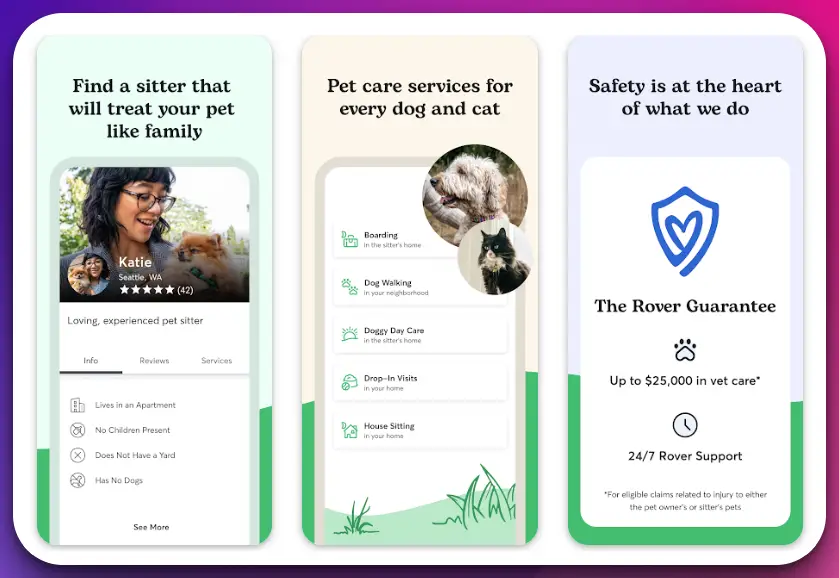
Rover’s intuitive app interface makes it effortless for pet owners to find and book dog walkers. The app allows users to browse through profiles of available walkers, complete with detailed information about their experience, reviews, and certifications.
This transparency empowers pet owners to make informed decisions and select a walker who suits their requirements.
Another standout feature of Rover is its seamless communication capabilities. The app facilitates direct messaging between pet owners and walkers, enabling clear and efficient communication.
Whether discussing special instructions or receiving real-time updates on the dog’s walk, this feature ensures that pet owners are always informed and connected.
Rover goes beyond dog walking; it offers additional services catering to various pet care needs. Users can access features such as in-home pet sitting, drop-in visits, and even dog boarding. This versatility makes Rover a comprehensive platform for all aspects of pet care, further enhancing its value to pet owners.
Furthermore, Rover’s easy-to-use payment system simplifies the financial aspect of dog walking. The app securely handles transactions, allowing users to conveniently pay for services without the hassle of cash exchange.
In conclusion, Rover is the best dog walking app for Android and iPhone users. Its exceptional network of trusted walkers, intuitive interface, seamless communication, additional pet care services, and user-friendly payment system makes it a top choice for pet owners seeking reliable and convenient dog walking solutions.
With Rover, pet owners can ensure their beloved furry friends receive the exercise and care they deserve.
Pros:-
An extensive network of trusted walkers: Rover has a stringent screening process, ensuring that only experienced and reliable dog walkers are available for hire.
Intuitive app interface: The user-friendly interface makes it easy for pet owners to browse profiles, book walkers, and manage their pet care services efficiently.
Seamless communication: Rover enables direct messaging between pet owners and walkers, allowing clear and timely communication, including special instructions and real-time updates.
Additional pet care services: Besides dog walking, Rover offers a range of services such as in-home pet sitting, drop-in visits, and dog boarding, providing comprehensive care options.
Convenient payment system: Rover’s secure in-app payment system simplifies financial transactions, eliminating the need for cash exchange.
Cons:-
Availability may vary: While Rover operates in many cities and regions, the availability of walkers may vary depending on location, which could limit options for some users.
Reliance on walker availability: The availability of preferred walkers may fluctuate, especially during peak times or in high-demand areas, potentially requiring some flexibility from pet owners.
Dependence on walker ratings and reviews: Pet owners rely on ratings and reviews to assess walkers, and while Rover has a robust screening process, individual experiences may vary based on walker performance.
Limited customization options: Some pet owners may prefer more customization options, such as specifying precise walking routes or requesting specific activities during walks, which may not be as flexible on the app.
Possible technological issues: Like any app, technical glitches or connectivity issues may occasionally impact the app’s performance and user experience.
Despite these potential drawbacks, Rover remains an excellent choice for pet owners looking for a reliable, user-friendly dog-walking app. Its strong network of trusted walkers, intuitive interface, communication features, additional services, and convenient payment system makes it a top contender in the market.
Download The App From Google Play Store
Download The App From Apple App Store
2. Wag!
When finding reliable and trustworthy dog walkers and sitters, Wag! Stands out as one of the top choices for Android and iPhone users.
With its exceptional features and commitment to pet care, Wag! has established itself as a leading platform in the industry. One of the key reasons why Wag! Excels as a dog walkers and sitters app is its rigorous screening process.
The platform ensures that all walkers and sitters undergo thorough background checks, giving pet owners peace of mind knowing their furry companions are in capable hands. This commitment to safety sets Wag! Apart from the competition.
Wag! offers a user-friendly interface that allows pet owners to easily find, book, and communicate with walkers and sitters.
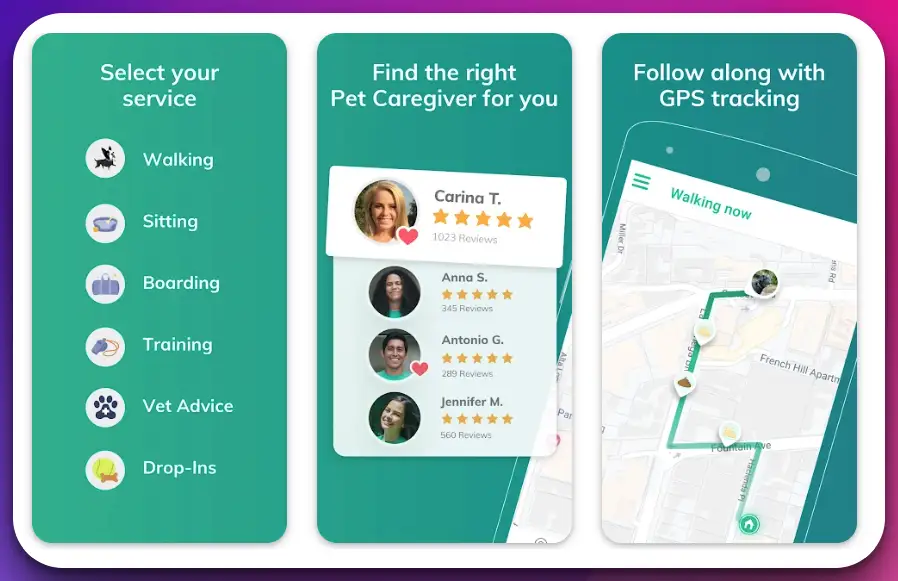
The app provides detailed profiles of each walker and sitter, including their experience, certifications, and reviews from other pet owners. This transparency empowers pet owners to make informed decisions when choosing the right caregiver for their beloved pets.
One of the standout features of Wag! is its real-time GPS tracking. This feature lets pet owners track their dog’s walk in real-time, ensuring their safety and peace of mind.
Additionally, Wag! provides detailed walk reports with information on distance, duration, and even a route map. These reports offer valuable insights into the quality and length of the walks.
Wag! also prioritizes clear communication between pet owners and walkers/sitters. The app includes a chat feature that allows pet owners to discuss specific instructions, ask questions, and receive updates on their pet’s well-being.
This open line of communication fosters trust and ensures that pet owners are always connected with the caregiver.
Furthermore, Wag! offers additional services, such as in-home sitting and boarding, catering to various pet care needs. This versatility makes Wag! a comprehensive platform for all aspects of pet care, providing convenience and reliability for pet owners.
In conclusion, Wag! Emerges as the best dog walkers and sitters app for Android and iPhone users. Its rigorous screening process, user-friendly interface, real-time GPS tracking, detailed reports, transparent communication, and additional services make it a top choice for pet owners seeking reliable and trustworthy care for their furry companions.
With Wag!, pet owners can rest assured that their pets are in capable hands, receiving the attention and care they deserve.
Pros:-
Rigorous screening process: Wag! Ensures that all walkers and sitters undergo thorough background checks, providing pet owners with peace of mind and ensuring the safety of their pets.
User-friendly interface: The app’s intuitive interface makes it easy for pet owners to find, book, and communicate with walkers and sitters, enhancing the overall user experience.
Real-time GPS tracking: Wag! Offers real-time GPS tracking, allowing pet owners to monitor their dog’s walk, ensuring their safety and peace of mind.
Detailed walk reports: The app provides detailed walk reports, including information on distance, duration, and a map of the route taken. This feature offers valuable insights into the quality and length of the walks.
Clear communication: Wag! Facilitates clear communication between pet owners and walkers/sitters through a chat feature, allowing for specific instructions, questions, and updates on their pet’s well-being.
Additional services: Wag! Additional services such as in-home sitting and boarding provide pet owners with comprehensive pet care options.
Cons:-
Service availability: Wag! may have limited availability in certain areas, which could restrict access to walkers and sitters for some pet owners.
Reliance on individual walkers and sitters: While Wag! screens its caregivers, experiences may vary depending on the specific walker or sitter chosen by the pet owner.
Service pricing: Some users may find the pricing structure of Wag! to be higher compared to other options, depending on their location and the specific services required.
Dependence on Internet connectivity: The app relies on a stable Internet connection for seamless functionality, which can be a drawback in areas with poor or limited connectivity.
Limited customization options: Some pet owners may prefer more customization options, such as specifying precise walking routes or requesting specific activities during walks, which may not be as flexible on the app.
Despite these potential drawbacks, Wag! remains a top choice for pet owners seeking reliable and convenient dog walkers and sitters.
Its rigorous screening process, user-friendly interface, real-time tracking, detailed reports, clear communication, and additional services make it a reputable platform for pet care needs.
Download The App From Google Play Store
Download The App From Apple App Store
3. Pawshake
Regarding finding reliable and caring pet sitters, Pawshake stands out as a leading platform for Android and iPhone users. With its user-friendly interface and commitment to pet welfare, Pawshake has become a go-to app for pet owners seeking trustworthy and personalized pet care services.
Pawshake’s primary focus is to connect pet owners with experienced and loving pet sitters. The app offers many pet care services, including dog sitting, cat sitting, and home boarding.
Each pet sitter on Pawshake is thoroughly vetted, with comprehensive profiles highlighting their experience, qualifications, and reviews from other pet owners. This extensive screening process ensures that pet owners can trust their beloved companions to capable hands.
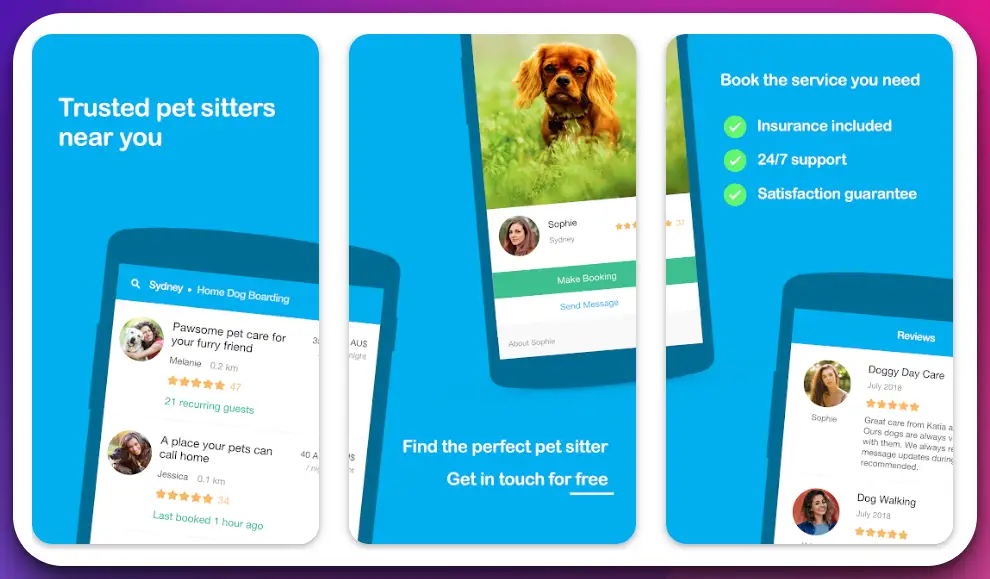
One of the key advantages of Pawshake is its personalized approach to pet care. Pet owners can browse through different sitters, read their profiles, and communicate directly before booking.
This allows pet owners to find a sitter who aligns with their specific requirements and preferences, ensuring a comfortable and tailored experience for their pets.
Pawshake offers peace of mind through various features. The app provides a secure messaging system, enabling pet owners to communicate directly with their chosen sitter and discuss important details, such as feeding schedules, medication requirements, or specific instructions.
Additionally, Pawshake provides premium insurance coverage for all bookings, safeguarding both the pet and the sitter during the care period.
The app’s real-time updates feature lets pet owners receive regular photo and message updates from the sitter, ensuring they stay connected and informed about their pet’s well-being.
This feature is particularly valuable for pet owners who may feel anxious or concerned while away from their furry companions.
Pawshake’s flexible booking system allows pet owners to choose the duration and frequency of pet care services that best suit their needs. Whether a short daily visit or an extended care period, Pawshake strives to accommodate various schedules and requirements.
In conclusion, Pawshake is a top choice for pet owners searching for reliable, personalized pet care services. With its thorough vetting process, personalized approach, secure communication, premium insurance coverage, and real-time updates, Pawshake provides peace of mind and ensures that pets receive the love and attention they deserve while their owners are away.
Pros:-
Trusted and vetted pet sitters: Pawshake carefully screens and verifies each pet sitter, ensuring that pet owners can trust their pets to be experienced and reliable caregivers.
Personalized pet care: The app allows pet owners to browse profiles and communicate directly with pet sitters, enabling them to find a sitter who aligns with their specific needs and preferences.
Peace of mind: Pawshake provides a secure messaging system and premium insurance coverage, offering peace of mind to pet owners and ensuring the safety and well-being of their pets.
Real-time updates: Pet owners can receive regular photo and message updates from the pet sitter, staying connected and informed about their pet’s activities and overall well-being.
Flexible booking options: Pawshake offers flexibility in the duration and frequency of pet care services, allowing pet owners to customize their bookings according to their schedules and requirements.
Cons:-
Limited availability: Pawshake’s availability may vary depending on the location, which could limit the options for pet owners in certain areas.
Reliance on individual sitters: While Pawshake screens its pet sitters, experiences may still vary depending on the specific sitter chosen by the pet owner.
Higher cost: Pawshake’s personalized and trusted pet care services may come at a higher cost than other options, depending on the specific needs and location.
Dependence on Internet connectivity: As an app-based platform, Pawshake relies on a stable Internet connection for seamless functionality, which can be a drawback in areas with poor or limited connectivity.
Limited service range: While Pawshake primarily focuses on pet sitting services, it may have limited offerings for other pet care needs such as dog walking or grooming.
Despite these potential drawbacks, Pawshake remains a top choice for pet owners seeking trusted, personalized pet care services. Its emphasis on reliable sitters, personalized approach, secure communication, insurance coverage, real-time updates, and flexibility make it a reputable platform for pet care needs.
Download The App From Google Play Store
Download The App From Apple App Store
4. PetBacker
Regarding finding reliable pet sitters and services, PetBacker is a leading platform for Android and iPhone users. With its extensive range of features and commitment to pet welfare, PetBacker has become a go-to app for pet owners seeking trustworthy and convenient pet care solutions.
PetBacker is a centralized platform connecting pet owners with experienced and caring pet sitters. Whether you need a dog sitter, cat sitter, or other pet care services, PetBacker offers various options to suit different needs and preferences.
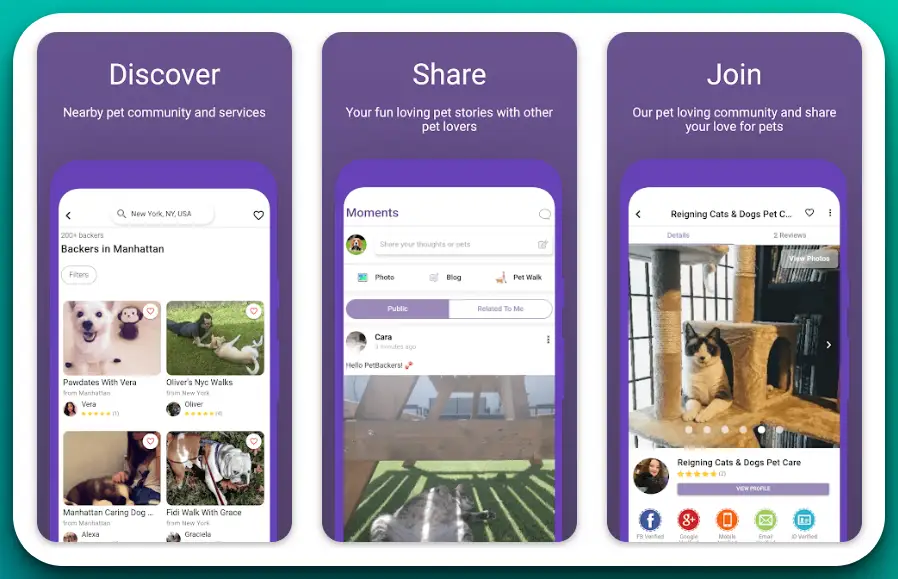
One of the key strengths of PetBacker is its rigorous vetting process for pet sitters. The platform carefully verifies the credentials and backgrounds of each sitter, ensuring that only trusted individuals are available to care for pets. This dedication to quality and safety provides pet owners with peace of mind.
PetBacker’s user-friendly interface makes it easy for pet owners to find and book reliable sitters. The app allows users to browse profiles, read other pet owners’ reviews, and communicate directly with potential sitters. This transparency and direct communication enable pet owners to make informed decisions and choose the best caregiver for their beloved pets.
The app offers comprehensive pet care services, including pet sitting, dog walking, pet boarding, and grooming. Pet owners can select the services that suit their needs and customize their bookings accordingly. This versatility makes PetBacker a one-stop platform for various pet care requirements.
In addition to its core services, PetBacker provides convenient features such as secure payment processing, real-time updates, and a support system for pet owners.
These features enhance the overall experience and ensure pet owners feel connected and well-informed about their pets’ well-being.
PetBacker’s community-driven approach fosters a sense of belonging among pet owners and sitters. The app’s social features allow users to connect, share pet-related experiences, and exchange recommendations. This community aspect adds extra support and camaraderie among pet lovers.
In conclusion, PetBacker is a reliable and user-friendly app for pet owners searching for trusted pet sitters and services. With its rigorous vetting process, user-friendly interface, comprehensive service offerings, convenient features, and community-driven approach, PetBacker provides a seamless and reliable platform for pet care needs.
Pet owners can confidently entrust their beloved pets to experienced caregivers, knowing they will receive the care and attention they deserve.
Pros:-
Rigorous vetting process: PetBacker ensures that all pet sitters undergo a thorough verification process, providing pet owners with peace of mind and ensuring the safety of their pets.
User-friendly interface: The app’s intuitive interface makes it easy for pet owners to browse through profiles, read reviews, and communicate directly with potential sitters, simplifying the booking process.
Comprehensive pet care services: PetBacker offers a wide range of services, including pet sitting, dog walking, pet boarding, and grooming, catering to various pet care needs.
Convenient features: PetBacker provides convenient features such as secure payment processing, real-time updates, and a support system, enhancing the overall user experience and ensuring pet owners feel connected and informed.
Community-driven approach: The app’s social features foster community among pet owners and sitters, allowing users to connect, share experiences, and exchange recommendations.
Cons:-
Availability: PetBacker’s availability may vary depending on the location, which could limit the options for pet owners in certain areas.
Reliance on individual sitters: While PetBacker verifies the credentials of pet sitters, experiences may still vary depending on the specific sitter chosen by the pet owner.
Pricing variability: The cost of services on PetBacker may vary depending on factors such as location, duration, and specific requirements, which could make it challenging for some pet owners to find services within their desired budget.
Dependence on Internet connectivity: As an app-based platform, PetBacker relies on a stable Internet connection for seamless functionality, which can be a drawback in areas with poor or limited connectivity.
Limited customization options: Some pet owners may prefer more customization options, such as specifying specific activities or routines, which may not be as flexible on the app.
Despite these potential drawbacks, PetBacker remains a reliable and convenient platform for pet owners seeking trusted pet sitters and services. Its rigorous vetting process, user-friendly interface, comprehensive service offerings, convenient features, and community-driven approach make it a reputable choice for pet care needs.
Download The App From Google Play Store
Download The App From Apple App Store
5. WoofTrax
WoofTrax is a unique and innovative app that allows dog owners to turn their everyday walks into a way to support charitable causes. For Android and iPhone users, WoofTrax encourages dog owners to make a positive impact while enjoying quality time with their furry companions.
At the core of WoofTrax is the charitable mission—the app partners with various animal welfare organizations and charities to raise funds through dog walking. Every step you take with your dog using the WoofTrax app helps generate donations that support these deserving causes.
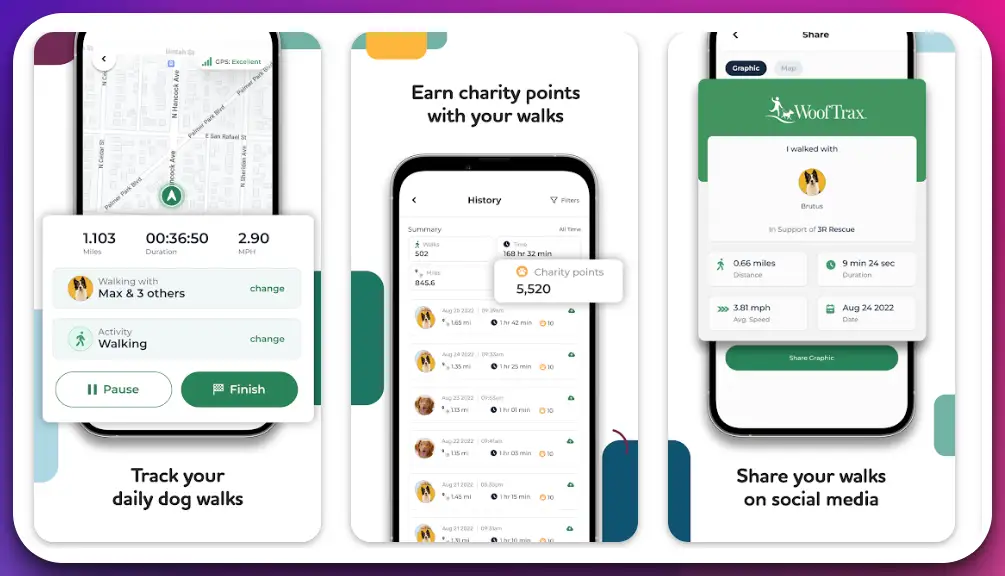
Using WoofTrax is simple. After downloading the app, dog owners can track their walks using the built-in GPS. The app records the distance covered as you and your dog explore the neighborhood, park, or trails. Each walk is converted into Walk for Dog donations, benefiting the chosen animal welfare organization or charity.
What sets WoofTrax apart is its community-driven approach. The app allows users to select their preferred animal welfare organization or charity from a list of partner organizations.
This choice allows users to support causes that align with their values and passions. Additionally, WoofTrax fosters a sense of camaraderie by showing users the collective impact they are making alongside fellow dog owners.
Beyond its philanthropic aspect, WoofTrax also offers features that enhance the overall walking experience. The app tracks detailed activity, including distance, time, and a walking map. This information can be valuable for monitoring your dog’s exercise routine and overall fitness.
With its user-friendly interface and seamless integration with charitable causes, WoofTrax transforms dog walking into a meaningful and impactful activity.
By simply taking your dog for a walk, you can contribute to the welfare of animals in need and make a difference in their lives. WoofTrax is a testament to the power of combining technology, pet ownership, and philanthropy for a greater cause.
Pros:-
Supports charitable causes: WoofTrax allows dog owners to contribute to animal welfare organizations and charities simply by walking their dogs, making it a meaningful way to give back to the community.
Community-driven approach: The app fosters a sense of camaraderie among dog owners by showing the collective impact they are making together. Users can select their preferred organization, creating a sense of connection and shared purpose.
User-friendly interface: WoofTrax offers a user-friendly interface, making it easy for dog owners to track their walks and participate in the charitable initiative without any complexity.
Detailed activity tracking: The app provides detailed walk information, including distance covered, time spent, and a route map. This feature helps owners monitor their dog’s exercise routine and overall fitness.
Seamless integration: WoofTrax seamlessly integrates charitable giving with the everyday activity of dog walking, allowing users to contribute effortlessly while spending quality time with their pets.
Cons:-
Limited to dog owners: WoofTrax is primarily designed for dog owners, which may exclude other pet owners who would like to participate in the charitable aspect of the app.
Dependence on user engagement: The success of WoofTrax relies on active user participation. The charitable impact may be limited if users do not consistently use the app to track their walks.
Availability of partner organizations: The selection of partner organizations may vary depending on the user’s location, which could limit the choices available to users in certain areas.
Reliance on GPS tracking: WoofTrax relies on GPS tracking for accurately recording walks. Poor or limited GPS connectivity may affect the app’s functionality and data accuracy.
Despite these potential drawbacks, WoofTrax remains an innovative app that combines the joys of dog walking with charitable giving.
Its support for charitable causes, community-driven approach, user-friendly interface, detailed activity tracking, and seamless integration make it a unique and impactful tool for dog owners who wish to make a difference while spending time with their pets.
Download The App From Google Play Store
Download The App From Apple App Store
How Do Dog Walking Apps Work
Dog walking apps have revolutionized how pet owners manage their furry companions’ exercise routines. These apps provide a convenient platform that connects pet owners with professional dog walkers. But how exactly do these apps work?
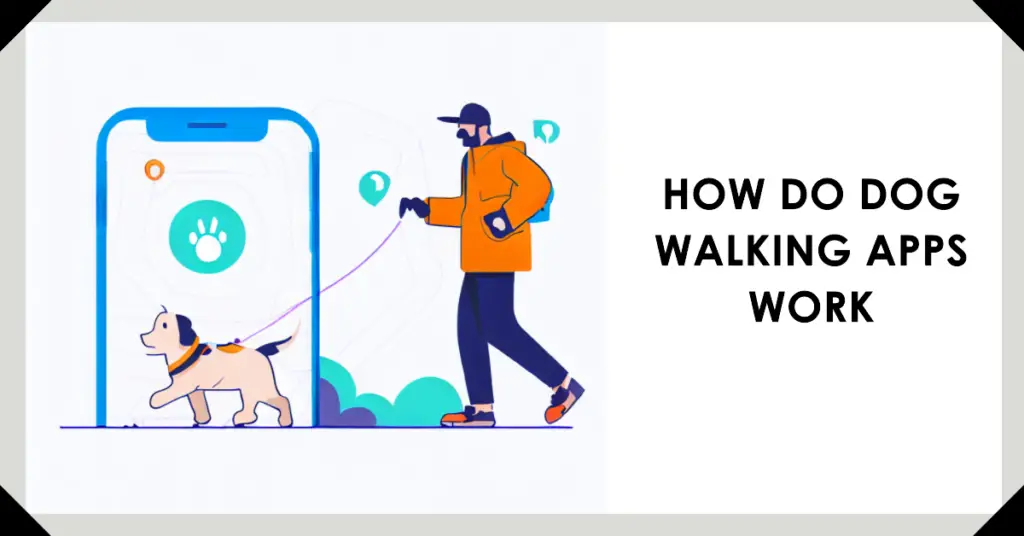 When using a dog walking app, the process typically involves the following steps:
Registration: Pet owners begin by downloading the app and creating an account. They provide essential information about their pets, such as breed, size, and specific needs or preferences.
Scheduling: Once registered, pet owners can schedule dog walks according to their desired dates and times. They may also specify the walk duration and any additional instructions for the walker.
Finding a Walker: The app’s algorithm matches the scheduled walks with available dog walkers in the area. These walkers are typically independent contractors or individuals vetted and approved by the app’s screening process.
Walker Selection: Pet owners can review the profiles of available walkers, which often include details about their experience, certifications, and reviews from previous clients. This information lets pet owners choose a walker who best matches their dog’s needs and personality.
Walk Updates: Pet owners receive updates about the walk once a walker is selected. This may include notifications about the walk start time, route updates, and even real-time GPS tracking of the progress.
Payment: Most dog walking apps offer convenient in-app payment options. Pet owners can securely handle the payment for the services rendered, usually based on the duration of the walk or a predetermined rate.
Dog walking apps streamline finding trusted dog walkers and simplify the coordination between pet owners and walkers. They provide a reliable platform that ensures pet owners can prioritize their dogs’ exercise needs, even during busy schedules.
By utilizing these apps, pet owners gain access to a pool of professional walkers, receive real-time updates, and know that their beloved pets are receiving care and exercise from experienced individuals.
Dog walking apps have transformed how pet owners manage their dogs’ exercise routines, making it easier to ensure their furry friends receive the attention and exercise they deserve.
How To Choose the Right Dog Walking App for You and Your Pet
In today’s digital age, the availability of dog walking apps has made it easier than ever to find reliable and professional dog walkers. However, with many options available, choosing the right app that suits your and your pet’s needs is essential.
 Here are some key factors to consider when selecting a dog-walking app:
Safety and Trustworthiness: The safety of your pet is paramount. Look for an app that emphasizes the vetting and screening of dog walkers. Ensure that the app conducts background checks, verifies credentials, and provides user reviews to give you peace of mind.
Range of Services: Consider the specific services offered by the app. Do you need occasional, regular daily walks or additional pet care services? Choose an app that caters to your desired frequency and offers the range of services you require.
User Experience and Interface: A user-friendly app interface enhances your overall experience. Look for an app with a well-designed and intuitive interface that allows you to schedule walks easily, communicate with the walker, and receive updates about your pet’s activities.
Real-time Tracking and Communication: Opt for an app that tracks your dog’s walks in real-time GPS. This feature allows you to monitor your pet’s location and ensures their safety. Additionally, choose an app that enables seamless communication between you and the walker for updates and special instructions.
Reviews and Ratings: Take the time to read reviews and ratings from other users. Look for apps with positive feedback and high ratings, as they indicate the reliability and satisfaction of both pet owners and walkers.
Transparent Pricing: Understand the pricing structure of the app. Some apps charge a flat rate, while others may vary based on the duration or distance of the walk. Choose an app that offers transparent pricing and aligns with your budget.
Customer Support: Consider the level of customer support offered by the app. Ensure a reliable and responsive customer service team can address any concerns or issues during your experience.
By carefully evaluating these factors, you can choose the right dog-walking app that provides a safe, convenient, and enjoyable experience for you and your pet.
Remember, finding the right app means finding a reliable partner in ensuring your pet’s exercise needs are met while giving you peace of mind and convenience in managing their care.
The Future of Dog Walking Apps
As technology advances, the future of dog walking apps looks promising and holds exciting possibilities for both pet owners and professional dog walkers.
 These apps have already transformed the way we care for our furry companions, but what can we expect in the years to come?
Smart Devices and Wearables: The integration of smart devices and wearables will likely play a significant role in the future of dog-walking apps. Imagine a collar or harness with sensors that track a dog’s activity, heart rate, and overall health.
This data can be seamlessly synced with the app, providing valuable insights for pet owners and walkers.
Artificial Intelligence: The integration of artificial intelligence (AI) can enhance the functionality of dog-walking apps. AI algorithms can analyze data from various sources, including weather conditions, traffic patterns, and pet preferences, to offer personalized recommendations and optimize the walking experience for pets and walkers.
Virtual Reality and Augmented Reality: Virtual reality (VR) and augmented reality (AR) technologies can potentially revolutionize the way pet owners interact with dog walking apps.
VR could allow pet owners to experience their dog’s walk virtually, providing a connection even when physically apart. AR, on the other hand, could enhance the walking experience by overlaying helpful information, such as navigation instructions or pet care tips, in real time.
Social Integration and Community Building: The future of dog walking apps will likely focus on social integration and community building. Pet owners may have the opportunity to connect with other dog owners in their area, arrange group walks, or share experiences and advice within a supportive community.
Advanced Safety Features: Safety will always be a top priority for dog walking apps. In the future, we can expect to see advanced safety features such as live video streaming, emergency alerts, and improved GPS tracking to ensure the well-being and security of pets during walks.
Environmental Sustainability: With increasing awareness of environmental issues, dog walking apps may incorporate sustainability-focused features. This could include suggesting eco-friendly walking routes, partnering with local environmental organizations, or promoting green initiatives within the app’s community.
The future of dog-walking apps is an exciting prospect with immense potential for enhancing the pet ownership experience.
With advancements in technology, the integration of smart devices, AI, VR, and AR, along with a focus on safety, social integration, and sustainability, these apps will continue to evolve and provide even more innovative solutions for pet owners and professional dog walkers.
Best Dog Walking Apps To Make Money
Are you a dog lover looking to turn your passion for canines into a profitable venture? The rise of dog walking apps has opened up exciting opportunities to make money by providing pet care services.

These apps connect dog owners with reliable and trustworthy dog walkers, making monetizing your love for dogs easier. If you’re ready to embark on this rewarding journey, here are some of the best dog walking apps to make money:-
1. Rover
Rover is a well-established platform that connects dog owners with experienced and trustworthy dog walkers. As a dog walker on Rover, you can create a profile, set your rates, and offer various services such as dog walking, pet sitting, and dog boarding.
The app’s robust features, including secure payment processing and 24/7 customer support, make it a top choice for dog walkers looking to earn money.
2. Wag!
Wag! is a widely recognized app in the dog walking industry. By joining Wag! as a dog walker, you can access a vast network of pet owners seeking reliable walkers. The app offers real-time GPS tracking, easy communication with pet owners, and flexible scheduling. With Wag!, you can earn money by providing professional dog walking services on your terms.
3. PetBacker
PetBacker is a comprehensive platform that connects pet owners with a range of pet care services, including dog walking. As a dog walker on PetBacker, you can set your rates, create a profile to showcase your experience and connect with pet owners in your area. The app’s user-friendly interface and secure payment system make it a reliable choice for dog walkers looking to make money.
4. Pawshake
Pawshake is a trusted app that offers various pet care services, including dog walking. By joining Pawshake as a dog walker, you can create a profile, set your rates, and connect with pet owners seeking reliable walkers. The app’s emphasis on trust and safety and features like insurance coverage for bookings provide peace of mind for dog walkers and owners.
5. PetSitter
PetSitter is a versatile app that provides a platform for pet care services, including dog walking. As a dog walker on PetSitter, you can create a profile, showcase your skills and experience, and connect with pet owners needing dog walking services.
The app’s user-friendly interface and wide-ranging services make it an attractive option for dog walkers seeking opportunities to make money.
When choosing the best dog walking app for your money-making endeavors, consider the app’s reputation, user interface, payment process, and available features. It’s crucial to review each app’s terms and conditions, understand their fee structure, and familiarize yourself with any requirements or certifications they may have.
To succeed as a dog walker and make money through these apps, prioritize professionalism, reliability, and excellent customer service. Building a positive reputation and receiving positive reviews from satisfied pet owners will help you attract more clients and increase your earning potential.
Remember, being a dog walker is not just about making money but also about providing quality care and ensuring the well-being of the dogs you walk. Treat each dog as your own, communicate openly with pet owners, and prioritize safety during walks.
You can turn your passion into a rewarding business opportunity with the right dog-walking app, dedication, and a genuine love for dogs. Start exploring these best dog-walking apps to make money and embark on a fulfilling journey as a professional dog walker.
How To Become a Dog Walker on Wag
If you have a passion for dogs and want to turn it into a rewarding career, becoming a dog walker on Wag can be a great opportunity. Wag is a popular platform that connects dog owners with reliable and trustworthy dog walkers.
Here’s a step-by-step guide on how to become a dog walker on Wag:
Download the App: Download the Wag app from the App Store or Google Play Store. It’s available for both Android and iOS devices.
Create an Account: Launch the app and create your account as a dog walker. Provide your personal information, such as name, email, phone number, and address. You may also need to undergo a background check to ensure the safety and security of your pets.
Complete Your Profile: Fill out your profile with relevant information. Highlight your experience with dogs, any certifications or training, and your availability for dog walks.
Attend an Orientation: Once your profile is complete, you may need to attend an orientation session conducted by Wag. This session will provide important information about the app, its policies, and best practices for dog walking.
Activate Your Account: After attending the orientation, Wag will review your profile and activate your account if you meet their requirements. This process may take a few days.
Set Your Availability: Once your account is activated, you can set your availability for dog walks. You can choose the days and times that work best for you.
Accept Walk Requests: As a dog walker on Wag, you’ll receive walk requests from dog owners in your area. You can review the details of each walk, including the dog’s information, duration, and payment offered. Decide which walks you want to accept based on your availability and preferences.
Provide Excellent Service: When you accept a walk, arrive at the specified time and follow the instructions provided by the dog owner. Ensure the dog’s safety during the walk, provide them with exercise and attention, and return them home happy and satisfied.
Following these steps, you can become a dog walker on Wag and embark on a rewarding career working with dogs. Remember to prioritize professionalism, punctuality, and excellent customer service to establish a positive reputation and attract more clients.
Wag provides a platform for you to connect with dog owners, make money doing what you love, and bring joy to the lives of furry companions.
📗FAQ’s
What is the best app to walk people’s dogs?
Regarding dog walking apps, Rover and Wag are popular choices.
Is Rover or Wag better?
Rover and Wag have their strengths, which ultimately depend on your preferences and location.
| Criteria | Rover | Wag |
|---|---|---|
| Availability of walkers | Extensive network of available walkers | Large pool of walkers available |
| Walker screening process | Rigorous background checks and screenings | Background checks and online assessments |
| Services offered | Dog walking, pet sitting, boarding, daycare | Dog walking, pet sitting, boarding |
| Scheduling flexibility | Flexible scheduling options | Flexible scheduling options |
| User reviews | Extensive user reviews and ratings | User reviews and ratings |
| Payment options | Direct deposit or PayPal payments | Direct deposit payments |
| Walker support | Dedicated support team for walkers | Support team available for walkers |
| App user interface | User-friendly interface and navigation | User-friendly interface and navigation |
| Additional features | Access to additional services and benefits | Access to additional services and benefits |
| Coverage area | Available in multiple locations | Available in multiple locations |
Can you get paid for dog walking?
Absolutely! Dog walking is a paid service, and dog walking apps provide a platform to connect you with clients and facilitate payment.
What app do Wag Walkers use?
Wag walkers use the Wag app to find dog walking opportunities and manage their schedules.
Which dog walking app pays the most?
The earning potential varies, but some walkers find that Rover offers higher pay rates.
Is being a Wag Walker worth it?
Being a Wag Walker can be a rewarding experience, allowing you to spend time with dogs and make money.
How does Rover pay you?
Rover pays their dog walkers through a secure payment system via direct deposit or PayPal.
Do you actually make money on Rover?
Yes, many dog walkers make money on Rover by providing their services to clients.
What percentage does Rover take?
Rover takes a service fee, which varies depending on the type of service provided.
How much should I charge for dog walking?
Dog walking rates vary depending on location, duration, and additional services offered—research local rates to set competitive pricing.
What are some risks of a dog walking business?
Risks may include dog bites, accidents, and handling unpredictable situations. Liability insurance can help mitigate these risks.
Is dog walking a hard job?
Dog walking can be physically demanding and requires good communication skills and a genuine love for dogs.
How does Wag pay its walkers?
Wag pays its walkers through direct deposit, and weekly payments are processed.
How much money can you make on Rover?
Earnings on Rover vary depending on location, services offered, and the number of clients.
How long does Wag take to approve?
The approval process for Wag can take a few days to a couple of weeks, depending on the application volume and background checks.
What app converts walking to money?
Apps like Wag and Rover provide a platform for dog walkers to convert their walking services into earnings.
What happens if my dog bites a Wag walker?
In such a case, it’s important to notify Wag immediately. They will guide you through the process and take appropriate measures.
What percentage does Wag take for walking?
Wag typically takes a percentage of the fee charged for the walk, which can vary based on the specific circumstances.
Does Wag send you a shirt?
Some walkers have reported receiving a Wag-branded shirt or bandana after completing a certain number of walks.
Will Rover automatically pay me?
If you set up direct deposit or connect your PayPal account, Rover offers automatic payments.
How many days until Rover pays you?
Rover typically processes payments within 48 hours after the completion of a service.
What happens if I don’t report Rover income?
It’s important to report all income earned through Rover as required by local tax regulations. Failing to report income may result in penalties.
Should you tip Rover sitters?
Tipping is not mandatory but a gesture of appreciation for exceptional service.
Why am I not getting Rover requests?
Several factors can influence the number of requests you receive, including your profile, availability, and competition in your area. Consider optimizing your profile and expanding your availability.
How do I get started on Rover?
To start on Rover, create an account, complete your profile, and set your preferences for services and availability.
How do I get more bookings on Rover?
To attract more bookings on Rover, ensure your profile is complete, showcase your experience and qualifications, and provide excellent customer service to earn positive reviews.
Do sitters rate you on Rover?
Yes, after each service, the sitter and the owner can rate and review each other.
Why does Rover have a fee?
Rover charges a service fee for platform maintenance, customer support, and other operational expenses.
How much should I charge for a one-hour dog walk?
Dog walking rates vary, but a common range for a one-hour walk is between $15 and $25, depending on location and additional services offered.
How much does the average person walk their dog?
The average person walks their dog for about 30 minutes to an hour per day, depending on the breed and energy level of the dog.
How long can you leave a dog alone?
The duration a dog can be left alone varies depending on the dog’s age, breed, and individual needs. It’s generally recommended not to leave a dog alone for more than 4 to 6 hours.
Is dog walking a side hustle?
Dog walking can be an excellent side hustle for animal lovers who want extra income outside their regular job.
What do I need to know before starting a dog-walking business?
Before starting a dog walking business, familiarize yourself with local regulations, consider obtaining liability insurance, and ensure you have the necessary skills and knowledge to handle various dog breeds and behaviors.
What are the disadvantages of dog walking?
Disadvantages of dog walking may include unpredictable weather conditions, the potential for dog-related injuries, and the responsibility of handling other people’s pets.
How long is too long to walk a dog?
The ideal duration of a dog walk depends on the dog’s breed, age, and health. On average, a 30-minute to 1-hour walk is sufficient for most dogs.
How many hours does it take to walk a dog?
The number of hours required to walk a dog depends on the individual dog’s exercise needs. On average, a dog may need 1 to 2 hours of daily walking.
Do walks make dogs happier?
Regular walks provide mental stimulation, physical exercise, and social interaction, which contribute to a dog’s overall well-being and happiness.
Does Wag pay instantly?
Wag does not offer instant payments; payments are processed weekly.
What happens if you cancel a Wag walk as a walker?
Canceling a Wag walk as a walker should be avoided whenever possible, as it can negatively impact your reputation and future opportunities. If cancellation is necessary, promptly contact Wag and inform them of the situation.
How to make money fast?
Making money fast depends on various factors, but offering dog walking services through reputable apps like Rover or Wag can be viable.
How much can you make on Rover per hour?
Earnings on Rover can vary depending on location, services offered, and the number of clients. On average, dog walkers on Rover can make around $10 to $30 per hour.
How many endorsements do you need for Wag?
Wag requires walkers to have at least three endorsements to establish credibility and showcase their experience.
How many references do you need for Wag?
Wag may request at least three references to ensure your qualifications and experience as a dog walker.
Conclusion
Balancing life’s responsibilities while ensuring your canine companion gets the regular exercise and stimulation they need can be challenging. However, as explored in this article, dog walking apps offer an innovative and effective solution to this common problem.
These apps provide both convenience and assurance—the certainty that your beloved pet is in good hands and receiving the care they need, even when your day is overflowing with commitments.
From user-friendly interfaces to live GPS tracking, from vetted, trusted walkers to customizable schedules, these apps offer various features to make dog ownership easier and more manageable.
As technology advances and permeates every facet of our lives, it’s safe to anticipate even more impressive features and improvements in the dog-walking app industry.
Choosing the right dog-walking app comes down to understanding your pet’s needs, evaluating your budget, and weighing the features that matter most to you. Customer reviews and free trials can also provide valuable insights before committing.
In today’s fast-paced world, using technology to simplify and enhance pet care isn’t just a luxury—it’s an essential tool.
So why wait? Try a dog walking app, and experience firsthand the benefits it can bring you and your four-legged friend.