
























So, your client has given you an MDB File and you are trying to figure out how to Open MDB File. We got your back as in this article, we are going to give you some ways to open MDB files.
What is MDB File?
MDB or Microsoft Access DataBase is a file type with an extension “.mbd”. It is an MS Access file format. Many people are not aware of this as it was used in MS Access version 2003 and earlier, but now it has been scrapped, and now ACCDB format.
Tables, DataBase Queries, and many other things, such as texts can be found in the MDB file. This can link and/or store other format files such as HTML or XML.
MDB Files are not very common, therefore, many people try to find ways to open and access the file. It is not very difficult to open an MDB File as we are going to prove that in this article by giving you some effortless ways to do that.
Best Ways To Open MDB File
Here are eight ways by which you can open MDB file. We have some temporary solutions as well as some permanent ways by which you can access the MDB file.
1. Use Microsoft Access
The easiest choice would be to use Microsoft Access but there is a catch here. If you are an older version of MS Office, the chances are your software package does not consist of Microsoft Access.
However, nowadays, Microsoft sells a subscription package of their MS Office 365 that you can buy from their website.
The best part about the subscription package is that even the most basic that is the most affordable package has MS Access.
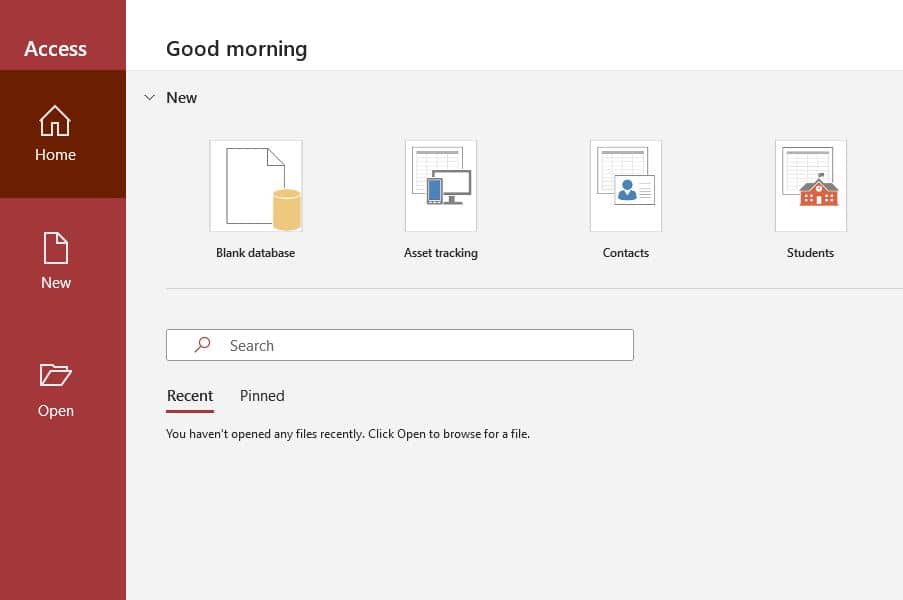
You can get them for less than $10 a month and enjoy access to files such as .mdb and many more with different software such as MS Access, Excel, etc.
2. Use MDB Viewer tools
MDB Viewer tool (Download Here) is one of the easiest ways to open an MBD File. It is easy and free to use and download respectively.
It is freeware that can be installed on your computer and then can be used to view an MBD file.
It provides you the option to view the MBD file and do meaningful twitching such as sorting or filtering.
The only problem with this is that it is not cross-platform software, therefore, you may want to opt for some other software on this list to work on your MAC or Linux computer.
To open a .mdb file using the MDB Viewer you need to follow the prescribed instructions:-
Step 1: After downloading and installing the application from the given link. Launch it by either searching it out of the start menu or from the desktop shortcut(if you have created it during the installation process).
Step 2: Click Open from the right side of the toolbar.
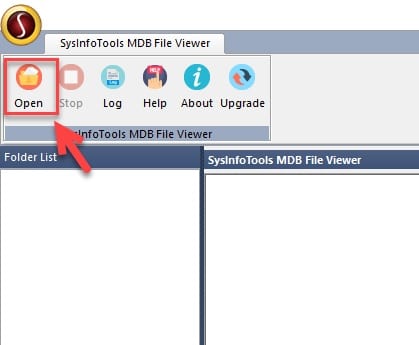
Step 3: Now, click on the three horizontal lines from that appeared, navigate and choose the .mbd file that you want to open, and then click OK.
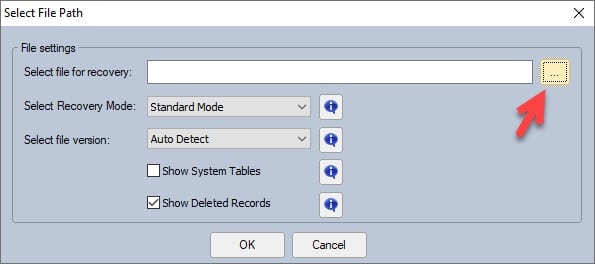
This will scan and then open the MBD file for you.
3. Use “MDB/ACCDB Viewer” For Mac
MBD Viewer tool discussed earlier is a perfect free tool for Windows Operating System but if you are a MAC user then you can use the “MDB/ACCDB Viewer” to do just that.
It can convert your file with a .mdb extension to pretty much any file such as Excell, SQL. This file can then be accessed with this app.
Even though this is a basic application but can do some meaningful features such as support for MBD, ACCDB, MDE, and ACCDE. With this, you can view, search, and export your data.
It is a small app that should be on your MAC.
To download it from the Mac App Store
4. Do it online
With the advancement in the Internet, we are moving fast towards the future where we can do almost all the work on the cloud. But for now, we have a tool by which you can open MDB files.
There are dozens of sites where you can find an mbd opener. But we have discovered MDB Opener for you. You do not need to download any software to use this.
To do that, you need to follow the prescribed steps:-
Step 1: Click here to get redirected to the online MBD opener.
Step 2: Either paste the URL or choose the file saved on your computer by clicking on the “choose file” button.
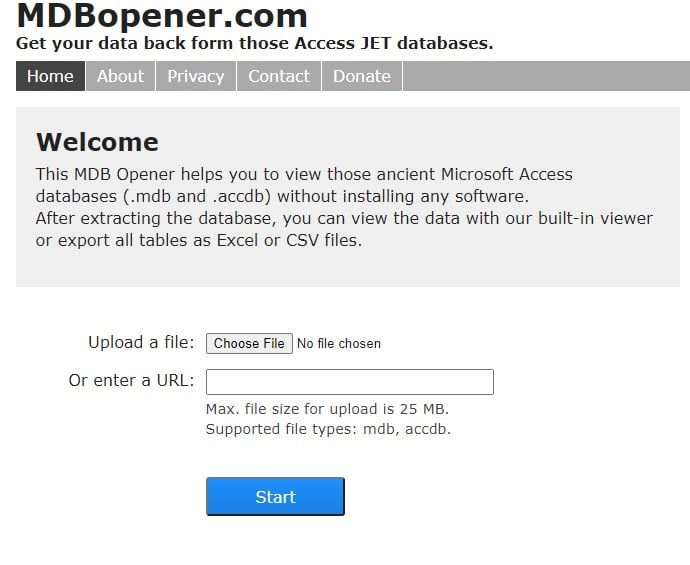
Step 3: Find the .mbd file and open it.
Step 4: Finally, click Start to view the file.
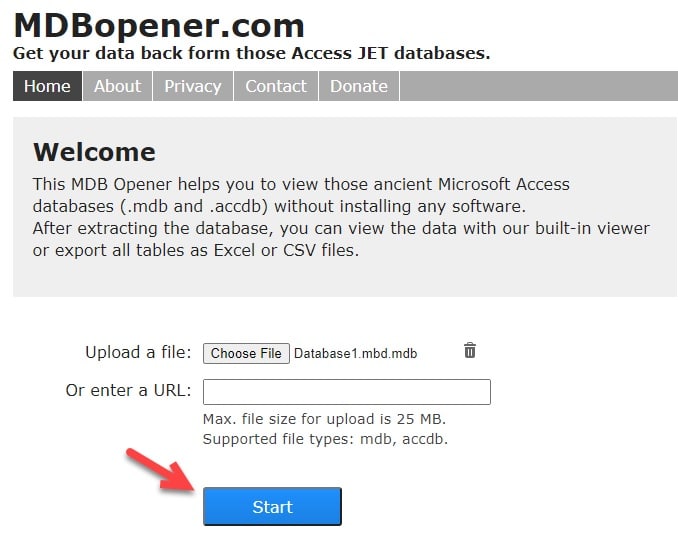
Editing is not possible but you can change the file type to CSV or Excell and then download it on your computer.
But, there is something worth noting here. Most of the online viewers are not secure and exposing sensitive documents to them is not the best option.
Therefore, if your document contains some personal information such as your bank details then using the online source is not the most clever option.
This is not the permanent solution this is recommended if you don’t have your computer and you have to access the file.
5. By Third-party MBD Viewer
Another way by which you can view your MBD file is with the help of a third-party MBD Viewer. There are a ton of third-party MBD Viewers but the best one for you would be MBD Viewer Plus.
Unlike MS Access, one can use the software for free, and since it is a portable app, you don’t need to install it on your computer.
Unlike its online counterpart, that is the “MBD Opener”, one can edit the file with it.
The problem with this application is that it needs some core database features present in Windows. Therefore, it won’t work on other operating systems.
You can even create a shortcut on your desktop to get redirected to this MBD viewer every time you click on it.
6. Use a text-editor
Well! This may come as a surprise to you but you can view your .mdb file with the help of a simple text editor sometimes. “Sometimes” is the keyword here. If your MDB file only contains text then only you will be able to view your text editor.
We won’t recommend you doing this for important files but if there is a file that you need to quickly view then use a text editor such as Notepad. You won’t be able to view the table or any things but can read the texts and get the crux of what the file is about.
To do that just go to the file, right-click on it, select open with, and click Notepad.
7. Use MS Excel
Just like text-editor, MS Excell will not provide you the whole information as there are somethings that you won’t be able to see.
So, we are going to import using excel. To do that, you need to follow the prescribed steps:-
Step 1: Launch MS Excel.
Step 2: From the appeared window, go to the Data tab, and then click Access Data(from Get External Data) or From Access depending on your version.
Step 3: Navigate and select the file that is stored internally and then click Open.
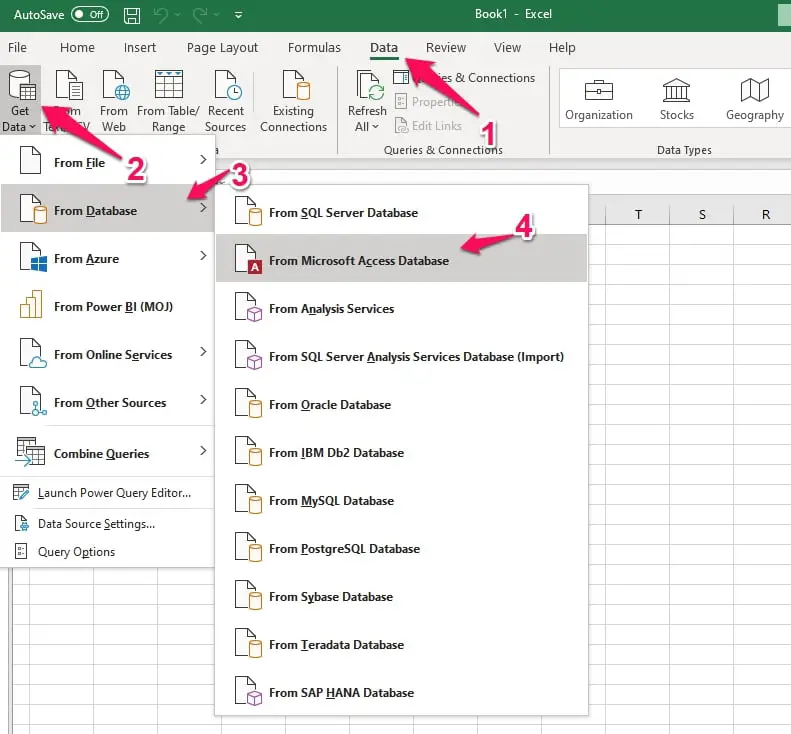
This will import your file in Excell format that you can then edit.
This is still not the best option as it requires you to need to buy MS Excell and still, you won’t be able to view every single piece of information.
7. Use Microsoft Visual Studio
Integrated Development Environment or IDE is what allows a windows computer to develop applications such as web services, webpages, web applications, and Microsoft Visual Studio is an IDE.
Even though, this tool is generally used by developers to use programming languages such as C, C++, Java, Python, etc. But it connects with many databases and one of them is MS Access.
With this, you can connect with the MS Access database by using the Access database file, which includes both .mbd and .accdb files.
This does not provide a wide range of options but it still is effective if you are not looking to do a ton of customization in the existing file.
8. Use MBD Viewer Softwares
Last but certainly not least, you can use download one of many MBD viewer software in the market.
Even though MBD was introduced in Microsoft Access but after that, there are many developers who have developed apps to access files with this extension.
There are many applications on the internet but we found some of the best for you. The best part about them is that most of them are open source and you can download them for free.
Oxygen Professional Base:-
The first on our list is an open-source that can be download for free to open MDB files. Just like MS Office, you can download the full package by clicking here.
You can use them just like as you would MS Access.
To download Oxygen Professional Base click here
Libre Office:-
Libre Office is one of the most popular alternatives to MS Office. But the best part about them is that they are free to use.
You can use them to not only view but edit your mbd file. This is a cross-platform software that can be used in both Windows, Mac, and Linux.
Libre Office is available on smartphones with Android and iOS operating systems as well.
To download Libre Office for Linux
To download Libre Office for MAC
To download Libre Office for Windows
Kexi:-
Last but not least we have Kexi, it is a simple but effective tool that you can install on your computer for free and use to open a .mbd file.
It is a cross-platform software that works on both Windows and Linux.
📗FAQ’s
What program will open an MDB file?
MDB files are Microsoft Access database files and can be opened with Microsoft Access. Other database management software, such as LibreOffice Base and OpenOffice, can also open MDB files, but may not support all features of the file.
How do I open a MDB file without Microsoft Access?
MDB files can be opened without Microsoft Access using other database management software such as LibreOffice Base and OpenOffice. Additionally, online conversion services can convert MDB files to other formats that can be opened with common software such as Microsoft Excel and CSV editors.
How do I open an Access database file?
Access database files can be opened using Microsoft Access or other database management software such as LibreOffice Base and OpenOffice. Once opened, users can modify, edit, and manage data stored in the database.
Can you convert MDB file to Excel?
Yes, MDB files can be converted to Excel using Microsoft Access or online conversion services. Open the MDB file in Microsoft Access and select export to Excel. Alternatively, upload the MDB file to an online conversion service and download the resulting Excel file.
How do I open an old MS Access database?
Old MS Access databases can be opened using Microsoft Access or other database management software that supports the file format.
If the database is no longer supported by the latest version of Access, users may need to download and use an earlier version of Access to open the file.
Is there a Microsoft Access Viewer?
Microsoft Access Viewer is no longer available. However, users can download and use the Microsoft Access runtime version, which allows users to view and run Access databases without needing the full version of Microsoft Access.
What do I use instead of Microsoft Access?
Alternatives to Microsoft Access include other database management software such as LibreOffice Base, OpenOffice, MySQL, and PostgreSQL. Depending on the user’s needs, spreadsheets such as Microsoft Excel or Google Sheets may also be a suitable alternative.
Is Microsoft Access free?
Microsoft Access is not free and is only available as part of the Microsoft Office suite of productivity software. However, Microsoft offers a free trial of Microsoft Office that includes Access for users to test the software before purchasing.
Can I open an Access database in Excel?
Access databases cannot be directly opened in Excel. However, data from an Access database can be exported to Excel or linked to an Excel workbook to create dynamic data connections.
Can OpenOffice open Access database?
OpenOffice can open Access databases using the built-in database management software, Base. Users can create, edit, and manage Access databases within OpenOffice using Base.
How to edit MDB file without Access?
MDB files can be edited without Access using other database management software such as LibreOffice Base and OpenOffice.
Additionally, online conversion services can convert MDB files to other formats that can be edited with common software such as Microsoft Excel and CSV editors.
What is Microsoft MDB?
MDB is a file extension used by Microsoft Access database files. It stands for Microsoft Database and is used to store data and information in a structured format.
How do I convert Microsoft Works database to Excel?
Microsoft Works database files can be converted to Excel using Microsoft Access. Open the Works database in Access and export the data to Excel. Alternatively, use an online conversion service to convert the Works database to a format that can be opened in Excel.
Does Microsoft still have Access database?
Yes, Microsoft Access is still available as part of the Microsoft Office suite of productivity software.
Can LibreOffice open Access database?
LibreOffice can open Access databases using the built-in database management software, Base. Users can create, edit, and manage Access databases within LibreOffice using Base.
What is the free software to edit MDB files?
There are several free software options to edit MDB files, including LibreOffice Base, OpenOffice Base, and MDB Viewer Plus. Each of these software options allows users to open, view, and edit MDB files without needing to purchase Microsoft Access.
How to get Microsoft Access for free?
Microsoft Access is not available for free. However, Microsoft offers a free trial of Microsoft Office that includes Access for users to test the software before purchasing.
Is MS Access there in Office 365?
Yes, Microsoft Access is included in some versions of Office 365, including Office 365 Business and Office 365 ProPlus.
Does anyone use Access anymore?
Yes, Microsoft Access is still used by businesses and individuals for managing databases and organizing data. However, alternative database management software such as MySQL and PostgreSQL have become increasingly popular in recent years.
What is Google’s version of Microsoft Access?
Google does not have a direct version of Microsoft Access. However, Google offers Google Cloud SQL, a database management service that allows users to manage SQL databases in the cloud.
Does Google have a database tool?
Yes, Google offers several database management tools, including Google Cloud SQL, Google Firebase, and Google Cloud Spanner.
How much does Microsoft Access cost per year?
Microsoft Access is included in some versions of Microsoft Office and can also be purchased separately as a standalone product. The cost of Microsoft Access varies depending on the version and licensing model, with prices ranging from $139 to $439 per year.
Does Microsoft Office have a database program?
Yes, Microsoft Office includes Microsoft Access, a database management software that allows users to create, edit, and manage databases.
Does Windows 10 have Microsoft Access?
Windows 10 does not come with Microsoft Access pre-installed. However, users can purchase and install Microsoft Access separately or as part of the Microsoft Office suite of productivity software.
Why use Excel over Access?
Excel is typically used for managing smaller sets of data or performing basic calculations and analysis, while Access is better suited for managing larger databases and performing more complex queries and data manipulation.
How do I open an Access MDB file in Excel?
Access MDB files can be opened in Excel by first exporting the data from Access to an Excel workbook. In Access, select the table or query to export, and then select the option to export to Excel. The resulting Excel workbook can then be opened in Excel.
How do I open a MDB file in Windows 10?
MDB files can be opened in Windows 10 using Microsoft Access or other database management software such as LibreOffice Base and OpenOffice.
Can I open an Access database online?
Yes, Access databases can be stored and accessed online using Microsoft Access Web Apps or other database management software that supports online access.
How can I open MDB file in LibreOffice Base?
MDB files can be opened in LibreOffice Base by selecting the option to open an existing database and selecting the MDB file. Alternatively, users can create a new database in LibreOffice Base and import the data from the MDB file.
How do I convert MDB to CSV?
MDB files can be converted to CSV using Microsoft Access or an online conversion service. In Access, select the table or query to export and select the option to export to CSV. Alternatively, upload the MDB file to an online conversion service and download the resulting CSV file.
How to decrypt a MDB file?
MDB files can be encrypted using Microsoft Access. To decrypt the file, open the database in Access and select the option to remove the encryption. Note that this will remove the password protection and allow anyone to access the data in the database.
How to convert MDB to MySQL database?
MDB files can be converted to MySQL using a database conversion tool such as Access to MySQL or an online conversion service. These tools allow users to convert the structure and data from the MDB file to a MySQL database.
Is MDB a database file?
Yes, MDB is a file extension used by Microsoft Access database files. It stands for Microsoft Database and is used to store data and information in a structured format.
What is the difference between MDB and MDE in Access?
MDB files are standard Access database files that can be edited and modified, while MDE files are compiled versions of the database that cannot be edited or modified. MDE files are often used to distribute a read-only database version to other users.
What is the maximum file size for Access MDB?
The maximum file size for an Access MDB file is 2 GB. If the database exceeds this limit, users may need to split the database into multiple files or upgrade to a different database management system that supports larger file sizes.
How do I open old Microsoft Works files?
Old Microsoft Works files can be opened using Microsoft Word or LibreOffice Writer. Users can also convert the Works file to a different format such as DOCX or RTF using an online conversion service.
How do I convert a Microsoft Works database to Access?
Microsoft Works databases can be converted to Access using Microsoft Access. Open Access and select the option to import data from another source. Select the Works database and follow the prompts to import the data into Access.
Is Microsoft removing Access from Office 365?
There are no current plans to remove Microsoft Access from Office 365. However, Microsoft has shifted its focus to cloud-based database management solutions, and may eventually phase out Access in favor of other tools.
When should you not use Microsoft Access?
Microsoft Access may not be suitable for managing very large databases or handling complex data relationships. Additionally, users who require advanced reporting and data analysis features may be better suited with alternative database management software.
Is Access harder to use than Excel?
Access and Excel have different strengths and weaknesses and can be difficult to compare directly. However, Access may be more difficult to use for beginners who are not familiar with database management concepts and terminology.
Does Microsoft Access expire?
Microsoft Access does not expire, but licenses may need to be renewed or upgraded if users wish to receive the latest software updates and support.
What is new Microsoft Access database?
New features in Microsoft Access include improved integration with other Microsoft Office applications, enhanced collaboration tools, and improved web and cloud integration.
Why MS Access is not a database?
MS Access is a database management software that allows users to create, edit, and manage databases. While it may not be suitable for managing very large or complex databases, it is still considered a database management tool.
What program can open Access database?
Access databases can be opened using Microsoft Access or other database management software such as LibreOffice Base and OpenOffice.
How to open a Microsoft Access database file without Access?
Microsoft Access databases can be opened without Access using other database management software such as LibreOffice Base and OpenOffice.
Additionally, online conversion services can convert Access databases to other formats that can be opened with common software such as Microsoft Excel and CSV editors.
How do I open an Access database without running code?
To open an Access database without running code, hold down the Shift key while opening the database. This will disable any startup code or macros that may be causing issues.
What version of Access used MDB?
MDB files are used by several versions of Microsoft Access, including Access 2003 and earlier. Later versions of Access use the ACCDB file format.
What program will open an mdb file?
An MDB file is a Microsoft Access database file, and it can be opened using Microsoft Access or other database management programs that support the MDB file format, such as LibreOffice Base, OpenOffice Base, or MDB Viewer Plus.
However, it’s important to note that Microsoft Access is the most comprehensive program for working with MDB files, as it offers advanced database management features and a user-friendly interface.
How do I open a mdb file without Microsoft Access?
To open an MDB file without Microsoft Access, alternative database management programs that support the MDB file format can be used.
Some options include:-
LibreOffice Base, which is a free and open-source program that can open MDB files.
OpenOffice Base is another free and open-source program that supports MDB files.
MDB Viewer Plus is a free viewer for MDB files that allows viewing, editing, and exporting of data.
MDBopener is a free online tool for viewing and exporting data from MDB files.
How to convert mdb to Excel?
To convert an MDB file to Excel, export the data from Microsoft Access to a CSV file, which can then be opened in Excel.
Follow these steps:-
Step 1:– Open the MDB file in Microsoft Access.
Step 2:-Select the table or query to export.
Step 3:-Click the “External Data” tab in the top menu.
Step 4:-Click “Excel” in the “Export” section.
Step 5:-Choose a location and name for the Excel file.
Step 6:-In the “Export Data to Excel” dialog box, select “Export data with formatting and layout” and click “OK”.
Step 7:-In the “Export – Excel Spreadsheet” dialog box, choose “Delimited” and click “Next”.
Step 8:-Select the “Comma” delimiter in the “Delimiters” section and click “Next”.
Step 9:-Choose the “Double Quote” qualifier in the “Text Qualifier” section and click “Next”.
Step 10:-Click “Finish” in the “Save Import Steps” section.
Step 11:-Open Excel and select “File” > “Open”.
Step 12:-Find the exported CSV file and click “Open”.
Step 13:-Select “Delimited” in the “Text Import Wizard” dialog box and click “Next”.
Step 14:-Choose the “Comma” delimiter and click “Next”.
Step 15:-Verify that the data is properly displayed and formatted in the “Data Preview” section and click “Finish”.
Save the Excel file with a new name.
Wrap-up:-
In this article, we have seen some of the ways by which you can open MDB file. A simple solution would be to open it using MS Access, but not all of us can afford to buy MS Office 365 subscription.
Therefore, we have 7 alternate methods to open MDB file. Hopefully, this article helped you.