


















There are so many that have now become a must to have. New technologies have made everything less hectic and easier. It has made the lives of many people easier and breezier. There are so many best Indian apps out there in the market.
From booking tickets, ordering food, grabbing a cab, listening to songs, and watching serials, everything has shifted to online platforms. So we have comprised a list of the best Indian apps that will help you make life less hectic.
Best Indian Apps – Our Top Pick 👌👌
Apps that a person must have. Let’s get started with our very first Indian app.
1. Zomato
I’m pretty sure foodies are familiar with Zomato and Swiggy but if you were not aware of then let me tell you that these two apps are must to have on foodie phones as it is undoubtedly one of the best Indian apps for ordering food online.
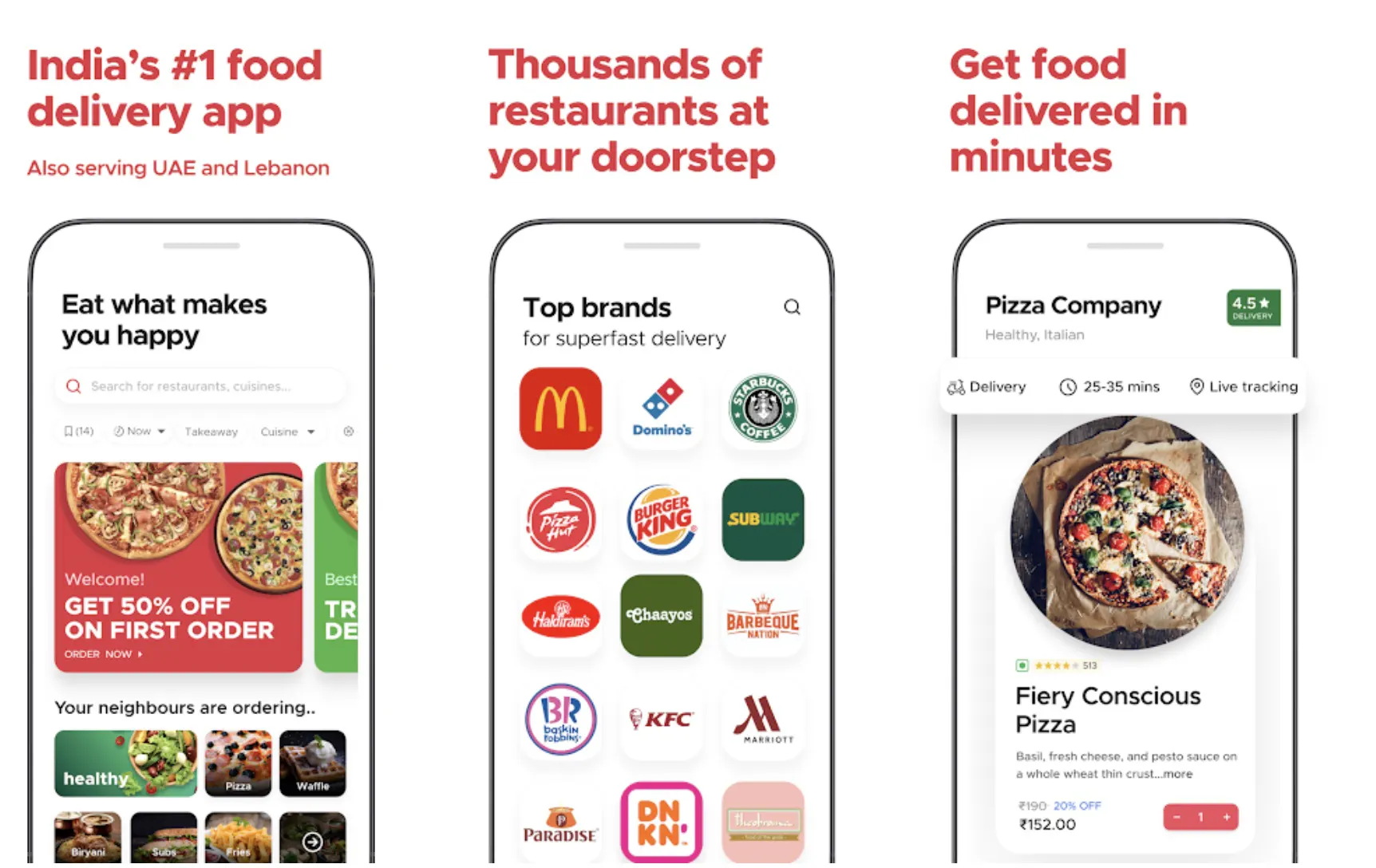
There is no chance of you being a foodie if you haven’t tried their service yet. The two co-partners, Deepinder Goyal and Pankaj Chadda made a huge hit with the app in its launching year in 2008.
The app started by presenting foodies with reviews and information on eateries and later turned its services into online reservations and food delivery apps. The app is serving in more than 24 countries at the present time.
The app is at its par when it comes to the availability of shops, as there is a perfect balance going on between top-notch restaurants and local shops. The menu can be found under the shop’s name and you can also see reviews and ratings.
The app is available for both iOS and Android operating systems thus saving the time you would usually spend waiting in line for your order. They also have different options in paying the bills as both online transactions as well as cash on delivery option is available.
Download the App on Google Play Store
Download the App on Apple App Store
2. Gaana – Hindi Song, Tamil Malayalam MP3 Music App
More than sure that Indian music lovers are familiar with the app, Gaana. The app has gained the title of diverse music platform.
It is housing a plethora of Bollywood songs and western music lovers do not get disappointed as it has an equal number of Hollywood songs.
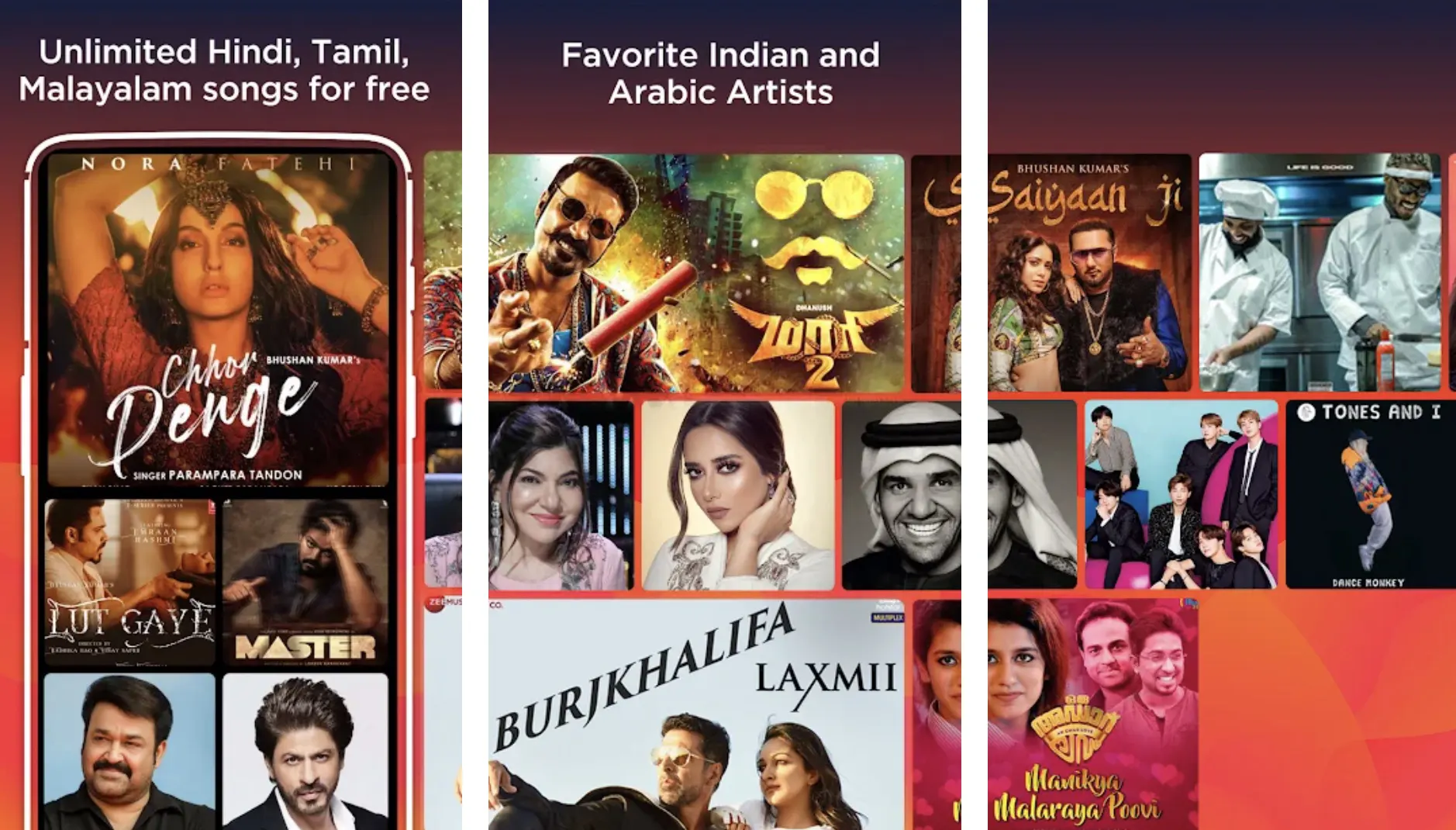
It is known for its diverse collection, of Tamil, Punjabi, and Telugu, as well as Bhojpuri songs can be seen in among its collection. And if you are a classic at the heart then to keep you entertained, it also has Sufi and ghazal songs.
A devotee can also find popular religious songs in Gaana. The free version is more than enough but if you want to get the offline experience you can go for the subscription. The app is available for iOS and Android music lovers so you can go to either of the stores to get it.
Download the App on Google Play Store
Download the App on Apple App Store
3. Bookmyshow – Movies & Event Tickets, Stream Online
Bookmyshow app can be your best friend when you are feeling too lazy to book movie tickets or wants to book them in advance. The app has been a booking tool for more than 60 million users.
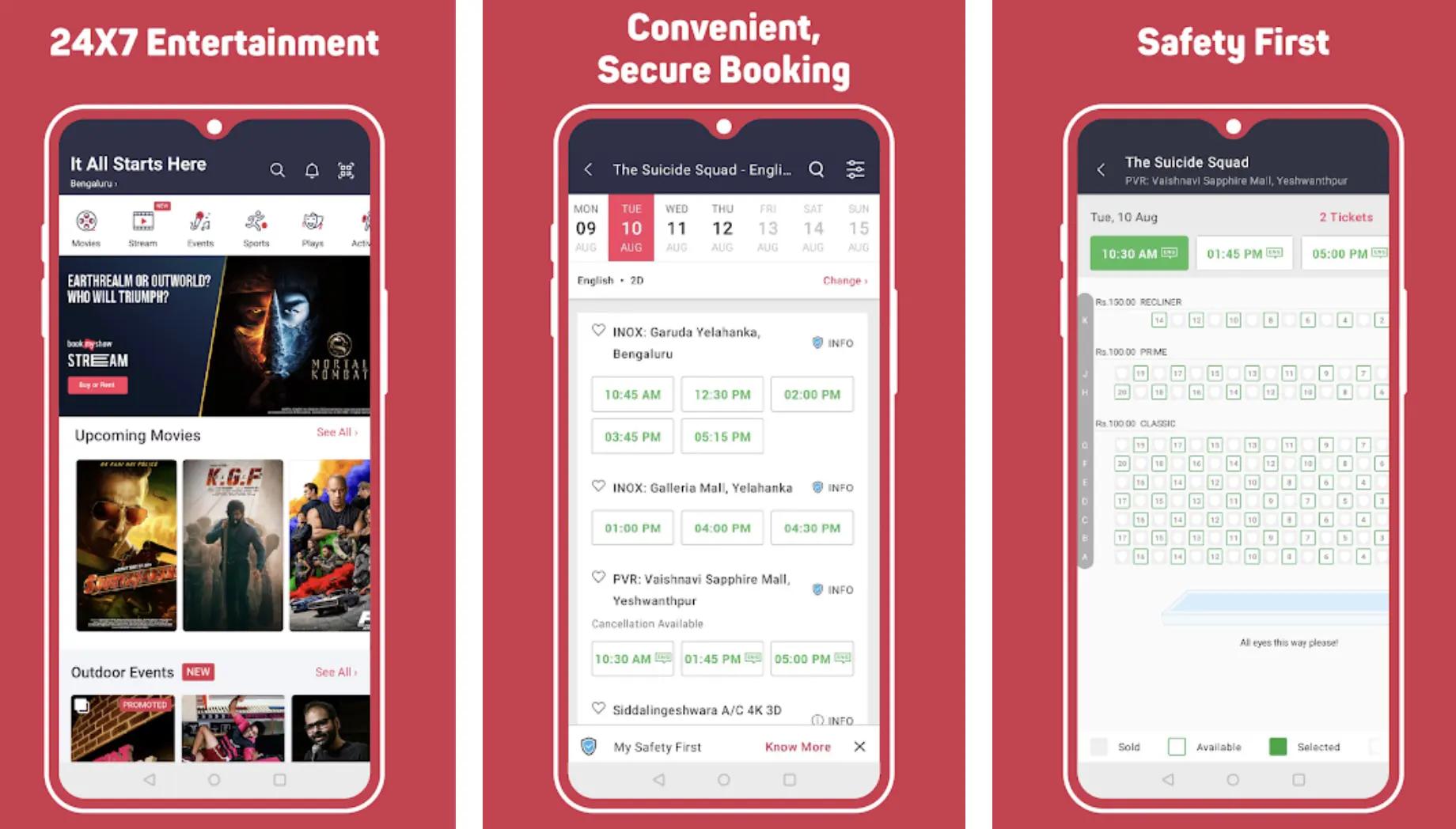
Not only movies, but users can also book tickets for sports, concerts, or for any other events. And you do not have to separately search for anything as it also movie reviews, timing, and information about upcoming movies.
The app is providing plenty of payment methods such as via debit and credit cards, amazon pay, google pay, and such likes. The app also gives a cashback, and hefty offers when booking tickets so consider Bookmyshow as one of the best Indian apps.
Download the App on Google Play Store
Download the App on Apple App Store
4. JioSaavn Music & Radio – JioTunes, Podcasts, Songs
If you are not satisfied with Gaana or whatever the reasons are then Jio Saavn can be your music platform. It has paved its way among the apps for songs. The music library of Jio Saavn has so much to listen to.

It won’t be a problem if a Bollywood/Hollywood songs lover or classical music lover downloads the app as it has popular and trendy songs, ghazals, Sufis, and many more. And the best part is that almost all the songs come with lyrics.
Android users can get their hands on this best Indian music streaming app from Google Play Store and iOS users from Apple Store. The app has so much more to unveil but we are letting you go through this adventure.
Download the App on Google Play Store
Download the App on Apple App Store
5. Flipkart
Flipkart is one of the known competitors for the best Indian apps for online shopping. It has almost everything, you name it, they have. Be it, books, appliances, toys, apparel, decor, personal care, or any other thing.
It has a minimalist approach so no rocket science is applied to use the app. They have an easy search feature with filters such as prices, colors, sizes, or even brand names.
The app follows a no hiding policy from customers which means every single detail about the product is written under it.

You can also go through other purchasers’ views and ratings if you are not so sure about sealing the deal or not. Affordable prices, trendy clothing, fast delivery, good customer experience, fast returning policy, and whatnot is waiting for you on Flipkart.
Download the App on Google Play Store
Download the App on Apple App Store
6. WynkMusic – New Songs, Offline Music & Podcast App
Airtel entered a music streaming app with Wynk Music and got a positive response from its users. If you are looking for a platform with vast collections of trendy songs then you can never go wrong with Wynk Music.
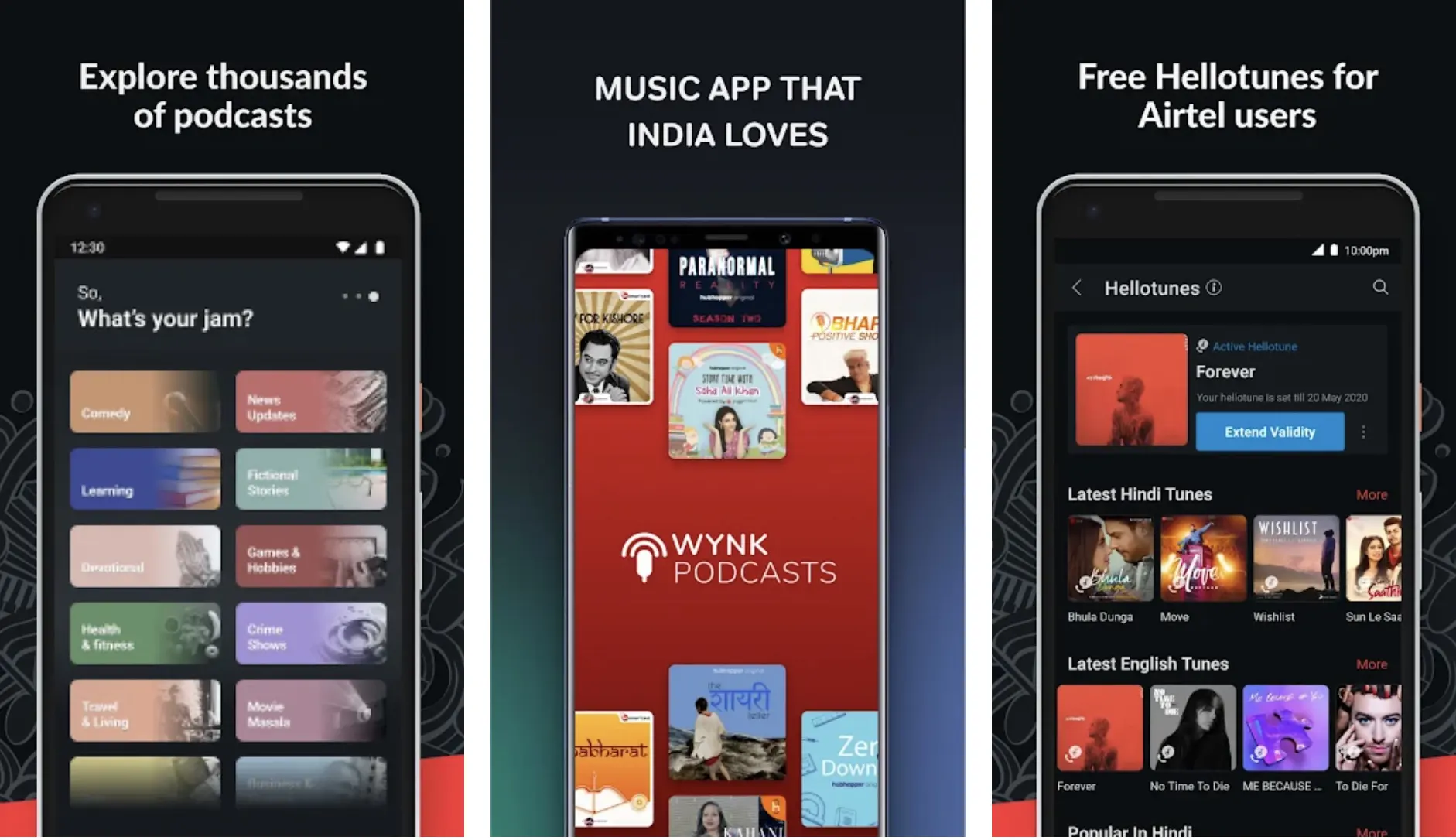
Airtel Subscribers got a lot of advantages in Wynk Music as they get a load of features. Again it is one of the instances where you are getting songs of all the genres so no boredom when you are at Wynk Music.
The app is available in Google Play Store for Android users and in App Store for iOS users. The app has a good name among music lovers, all credits to its large collection and HD music streaming.
Download the App on Google Play Store
Download the App on Apple App Store
7. Myntra
Myntra is one of the most loved destinations for Indian fashion lovers thus becoming one of the best apps for the crowd who want to be a fashion icon at an affordable rate. You won’t find fashion at this rate.
The closet has a varied fashion from western wear to traditional clothes, there is diversity in its collection, and is a one-stop-shop as it has everything to make you picture-perfect for your outing.

It is a place for people who loves to go through different shops and then select the right pick. The app has a straightforward approach that is crystal clear in its interface and to make it easy for you, they have incorporated an image capturing feature.
Using this feature you can easily find the dress you were looking for in a few steps, click a pic or snapshot of the dress, and then add the snapshot or image to the search option. The exact information and details of the apparel are mentioned in the app.
There are different apartments and the app is always putting up great discounts and offers that demand attention. And if you are broke after shopping with Myntra but something caught your eye then you can add the product to the wishlist for later purchase.
The prices can be as low as 100 bucks for a kurta or top and you even get credited for referring a friend. A very user-friendly app with an easy returning policy and different paying options for users’ convenience makes Myntra as one of the best apps for shopping online.
Download the App on Google Play Store
Download the App on Apple App Store
8. Snapdeal
Again a known and established company among purchasers, Snapdeal is a hub for buying all types of gadgets, books, electronic items, home decors, appliances, and many more. The app offers great discounts and offers.

It has an easy returning policy, order tracking feature, and a closet worth thousands of fashionable pieces. Snapdeal wants to have a promising relationship with their customers so they allow users to give feedback which in turn helps a new purchaser to get reviews and ratings.
Apart from confusing infrastructure for both Android as well as iOS, all work perfectly fine so give it a shot and if you love it, do tell us so that we can add it to our list.
Download the App on Google Play Store
Download the App on Apple App Store
9. Swiggy – Food Order | Online Grocery | Delivery App
Bundi Technologies Private Limited’s prodigy, Swiggy is a creation of Nadan Reddy, Rahul Jamini, and Sriharsha Majety which they launched in 2014. The app has scored a place among the best Indian food delivery apps.
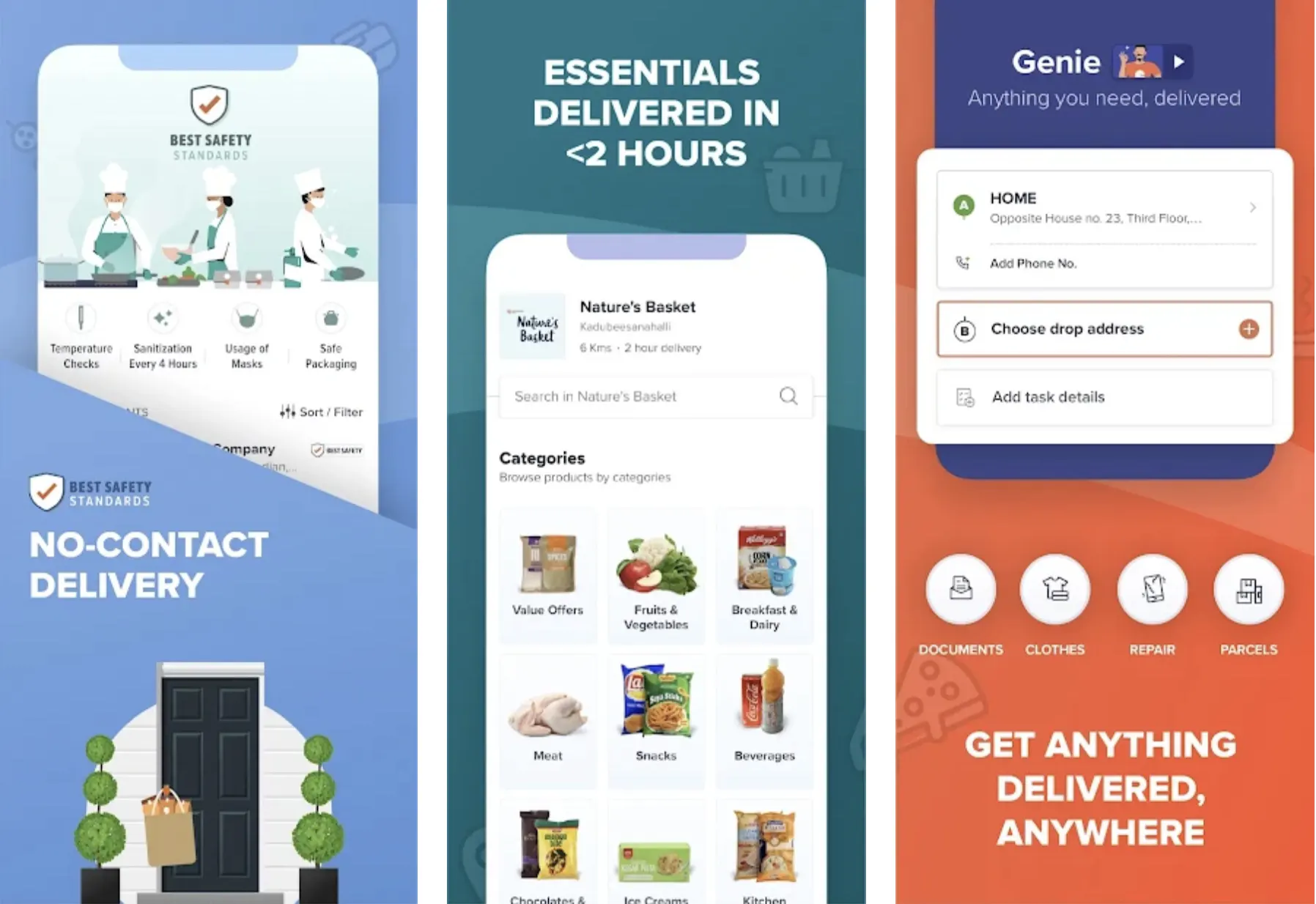
It has a fast-growing customer following who joined the team Swiggy and stayed loyal to the company. Firstly opened in Bangalore has now spread to over 25 cities with an uncountable number of chains.
It has made up to 40000 eateries around the globe and due to its fast growth and popularity, critics left no time in investigating their time in the app. The app has a friendly approach so that foodies will only have a good experience.
And now, with Swiggy guidance, you won’t waste your time looking for the delivery guy after every 5 minutes. You can keep an eye on your order with the help of the live-location mapping feature.
What I love most about Swiggy is that it allows you to place a single-serve meal order, even if it cost you only 50 bucks, called Swiggy Pop.
So you won’t have to see the cash amount before ordering as it accepts orders even they only cost 50 rupees.
Download the App on Google Play Store
Download the App on Apple App Store
10. Faasos
Faasos is a dreamland for urban food lovers and if you are one such urban food lover then you should go and check it at the instance. Kallol Banerjee and Jaydeep Burman wanted to provide a food platform that can serve people day and night.
Thus launched the app in 2011 and since then the app is catering to over 15 Indian cities and has broken the norm of 3 meals a day. There are more chances of having no food at midnight or running out of snacks after movie sessions.

To help you enjoy your movie sessions with a midnight snack Faasos is offering you catering services 24/7. Apart from the normal 3 meals a day, breakfast, lunch, dinner, it also offers brunch and snack menus. No need to look for a time as you can place your order whenever you want.
Getting hang of the app is pretty easy, you won’t get difficulty getting used to the interface. You would not want to miss the deals and discounts that the app put up. The app is available for both the operating system, iOS as well Android.
So if you want you can go to either the play store or app store for downloading it. No more ignoring hunger pangs and sweet cravings in the middle of the night.
11. RedBus – Largest Online Bus Ticket Booking App
Now even bus booking has moved to the online platform. If you do not want to spend your time standing in line for bust tickets, then you can go to RedBus for the best seats and even greater deals.
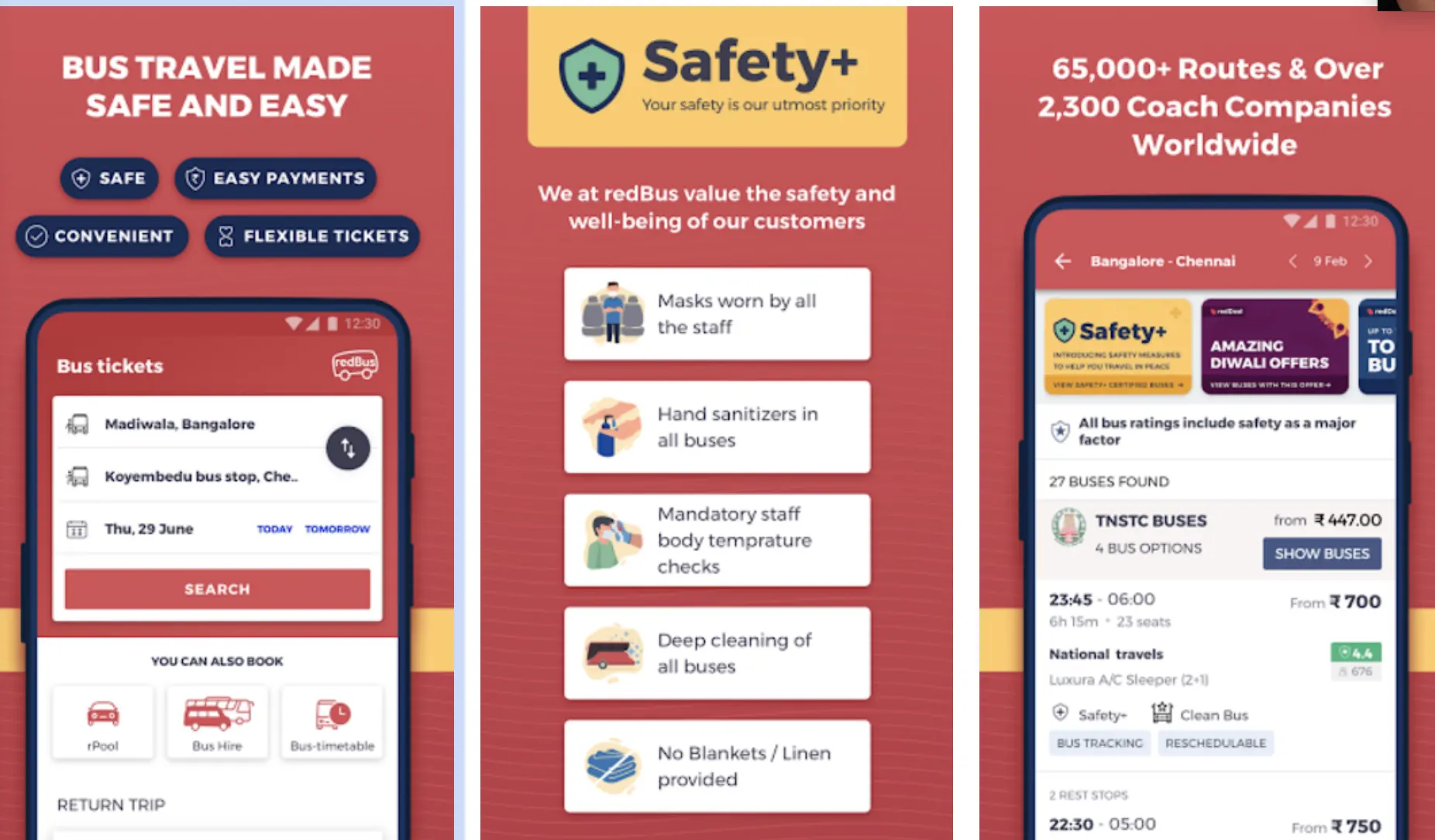
The app is a multi-tasking one as it not only provides bus tickets but also hotels and car booking facilities. And the list does not end here as it also has packages for travelers. The app can be opened through the web or if you want you can also download its Android or iOS version.
The app has been a booking platform for more than 8 million customers who do not have a single complaint against the app. In recent times, they have joined hands with Google Maps to make it easy for travelers who do not know the routes.
Download the App on Google Play Store
Download the App on Apple App Store
12. CricBuzz – Live Cricket Scores & News
Indian and not a fan of cricket? How’s that possible? And if you are a lover then to keep you updated on whos winning the match, we have here Cricbuzz.
The app is one of the most liked Indian apps during the matches, and all because of its incredible features. It has an easygoing infrastructure with a live scorecard and text commentary.
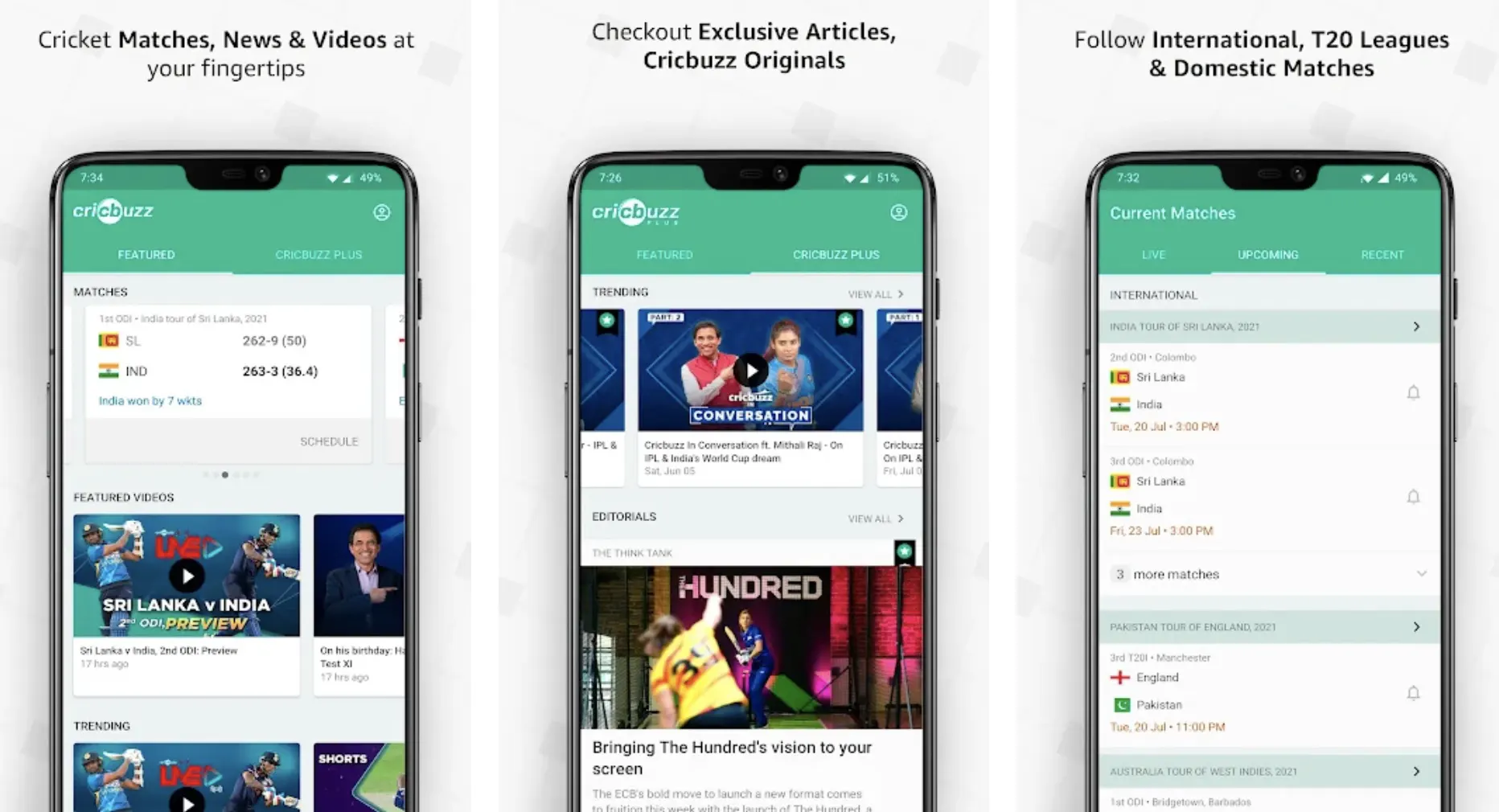
Cricbuzz has a large collection of matches and tournaments such as IPL, PSL, BBL, and many more tours. The app is free but ads are the only caveat you can see in the app. Users can get it from App Store or Google Play Store.
Download the App on Google Play Store
Download the App on Apple App Store
13. OLX
Looking for a combined platform that will help you to replace your old things with new items then you are at the right place, OLX is the best fit for doing so. Second-hand products are bought as well as sold here.
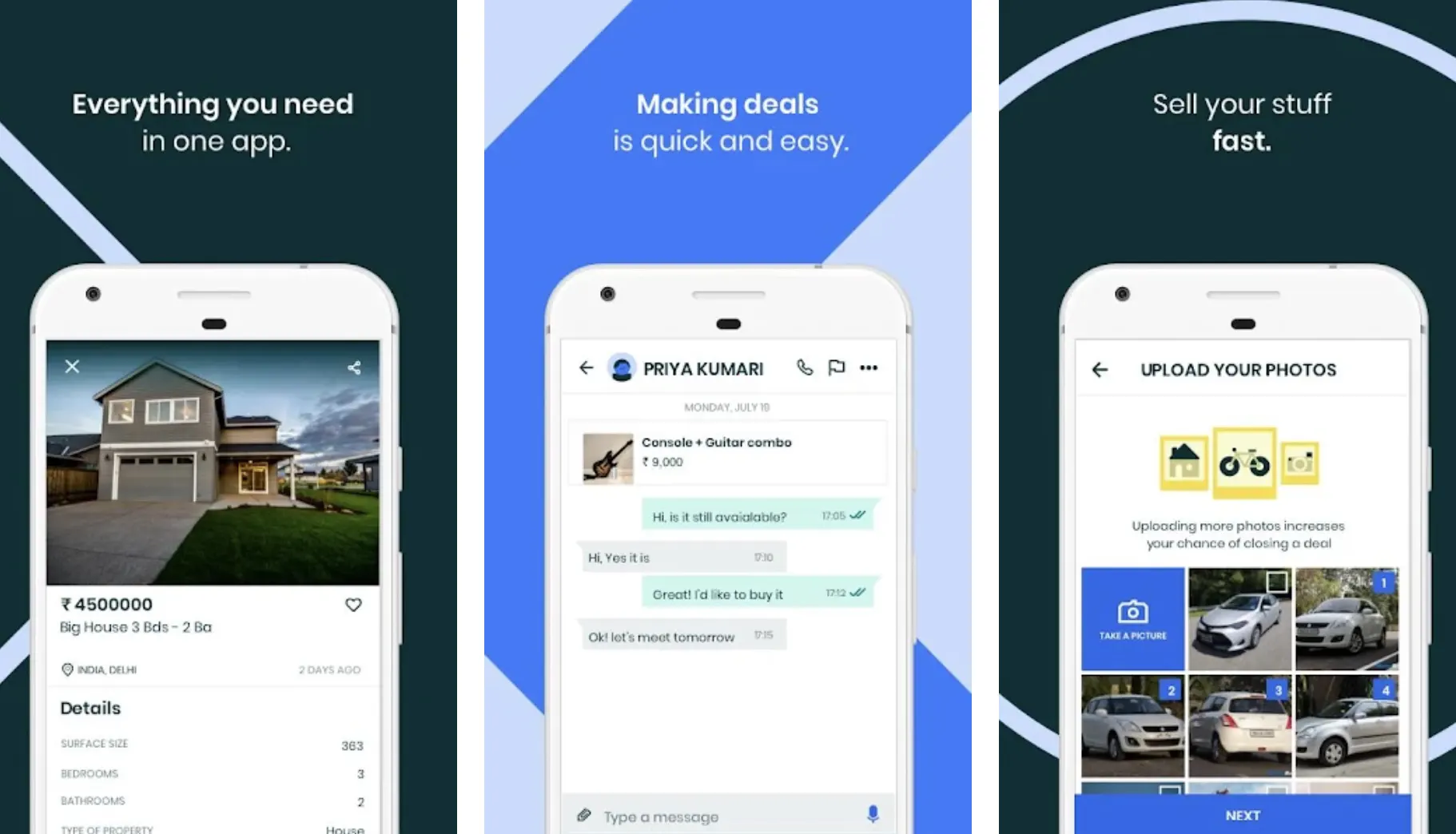
The buying process does not contain any type of scam as the process is very simple, interested buyers will directly seek out the deal by having a conversation between them related to the product and deal.
Replacing the item also requires a few steps as you can sell the item by only clicking a pic and then posting it to the app with its description. An interested purchaser will then hit you up with a message through Chat First app.
There is a major drawback though which has made many of its users select other platforms and that is its complicated interface but maybe the developers are working on it so stay tuned with the app to know what its future beholds.
Download the App on Google Play Store
Download the App on Apple App Store
14. Makemytrip: Travel Booking – Flights & Hotels
When going out for vacations, budget and quality matter the most and I’m sure travelers will agree with me. Makemytrip is one such app that helps adventurers and travelers to secure affordable flying tickets and comfy hotels.
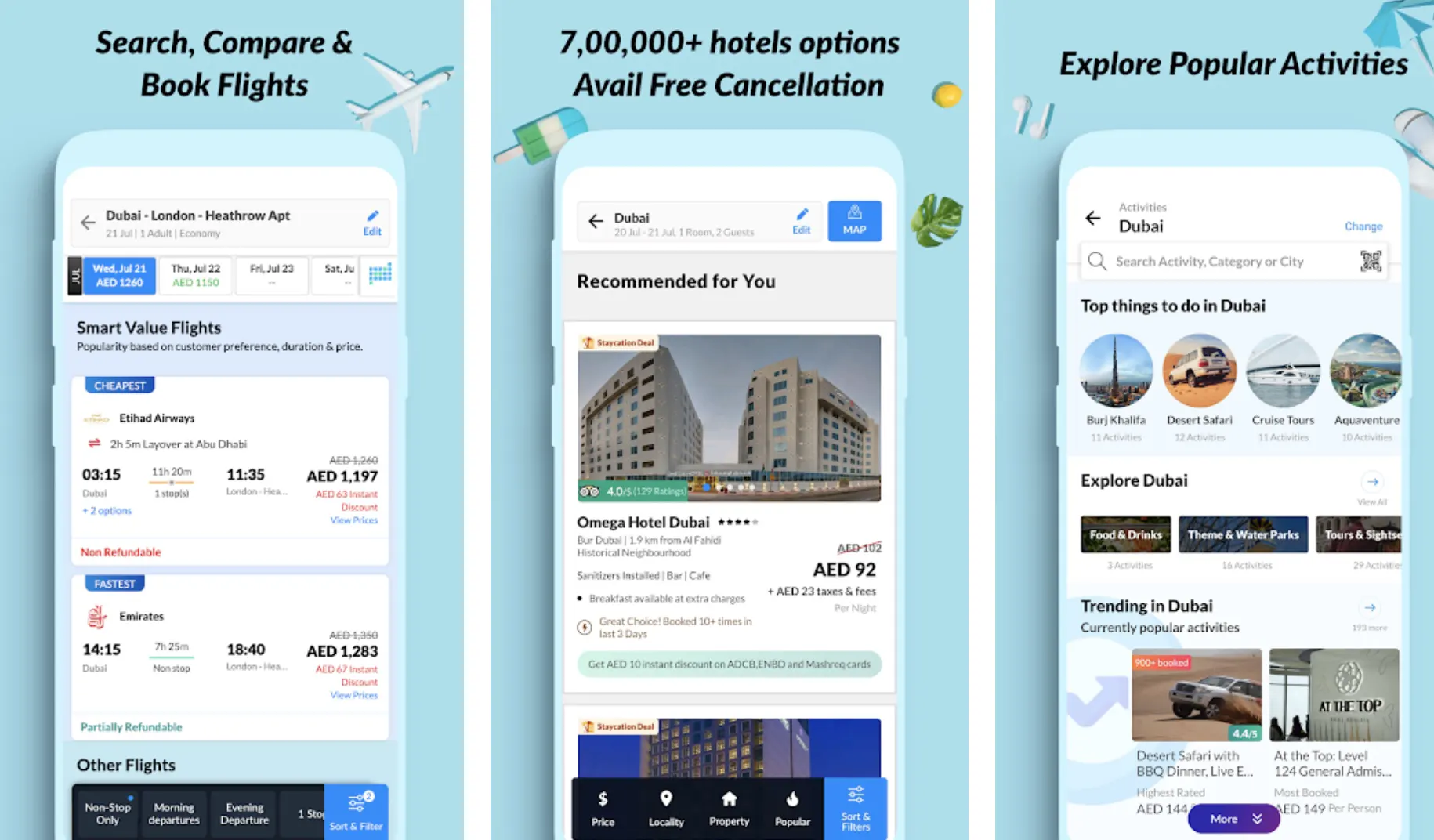
This two-in-one app has easily replaced these traveling agencies who take time and still don’t offers packages according to our needs. It has both domestic as well as international travel booking.
Don’t fret about the rates, as discounts and offers are pretty common in the app. Finding the right deal is also a simple task as it has filters that will refine your searches after you punch in the price range and number of tickets.
Download the App on Google Play Store
Download the App on Apple App Store
15. Meru Cabs
2007 founded cab services, Meeru Cabs is offering its services in cities like Mumbai, Delhi, and so on. The app is available for both the operating systems, iOS as well as Android. The list of features includes map navigation, live route tracking, and many more.

Meru Cabs has been in this department long before any other app such as Ola and Uber came into existence. You can grab Hatchback, Sedan, and SUV. The app has now expanded its horizon by joining hands with a french cab company called Taxis G7 and providing international services.
The app is one of the oldest names so how can you ignore one such best Indian app?
Download the App on Google Play Store
Download App on Apple App Store
16. Inshorts – 60 words News summary
The critics have already declared Inshorts as one of the top-notch news hunt apps and you will too after knowing that there is a no-nonsense policy in Inshorts.
What I meant is that provides straightforward news from all the parts of the country, no editing or adding anything extra, just crystal clear information. The app keeps you hooked on all the recent news and updates.
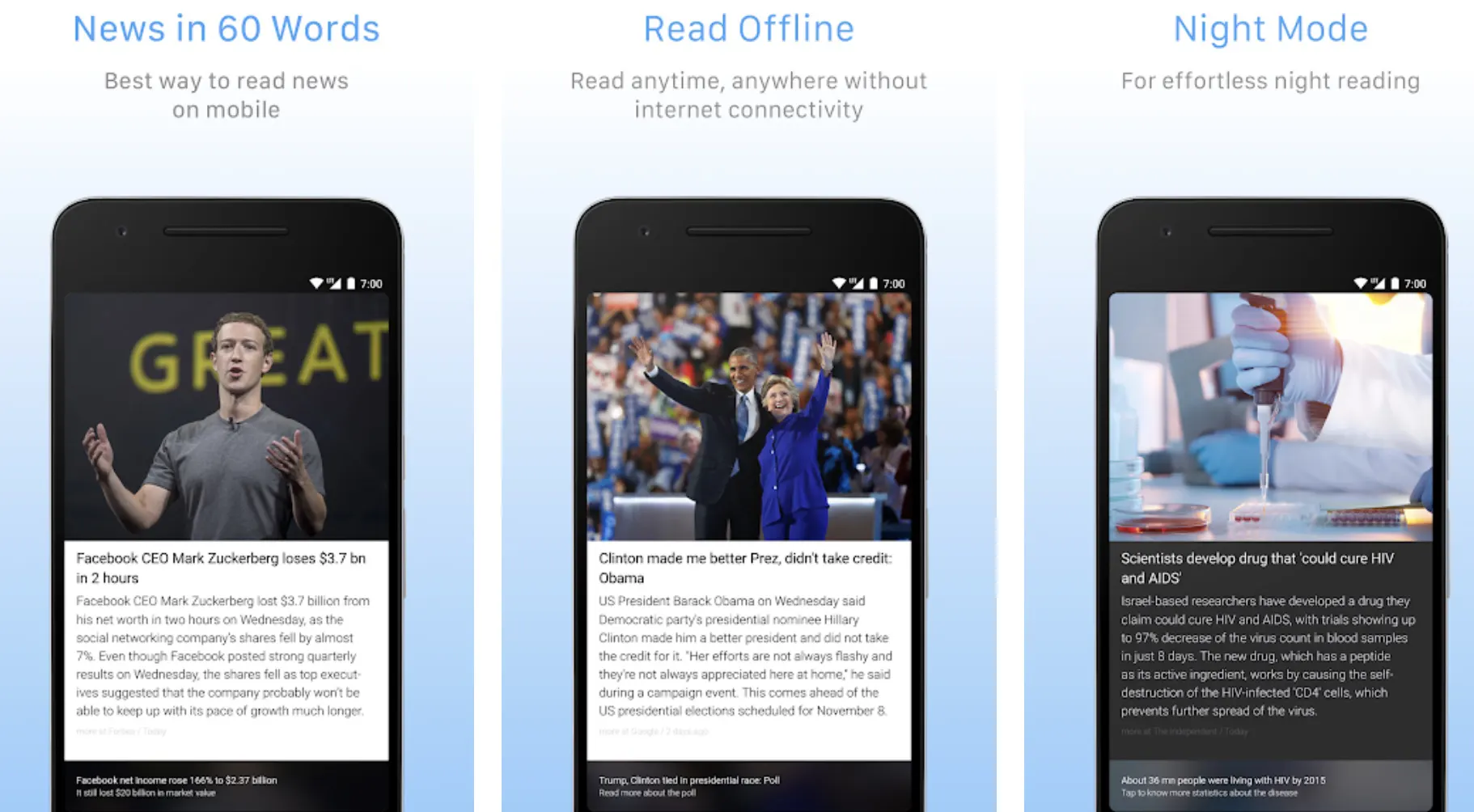
The app is at your service and you can go to either Google Play Store or App Store to start using its services. If you are not a fan of wasting time on others’ opinions and just want brief information then there is no better app than Inshorts to do the deed.
Download the App on Google Play Store
Download the App on Apple App Store
17. Zee5: Movies, TV Shows, Web Series, News
Zee is quite popular for its TV serials so to make it online, the channel launched its own OTT platform with the name Zee5. Now Zee lovers can see everything online, whether it’s shows, movies as well as news.
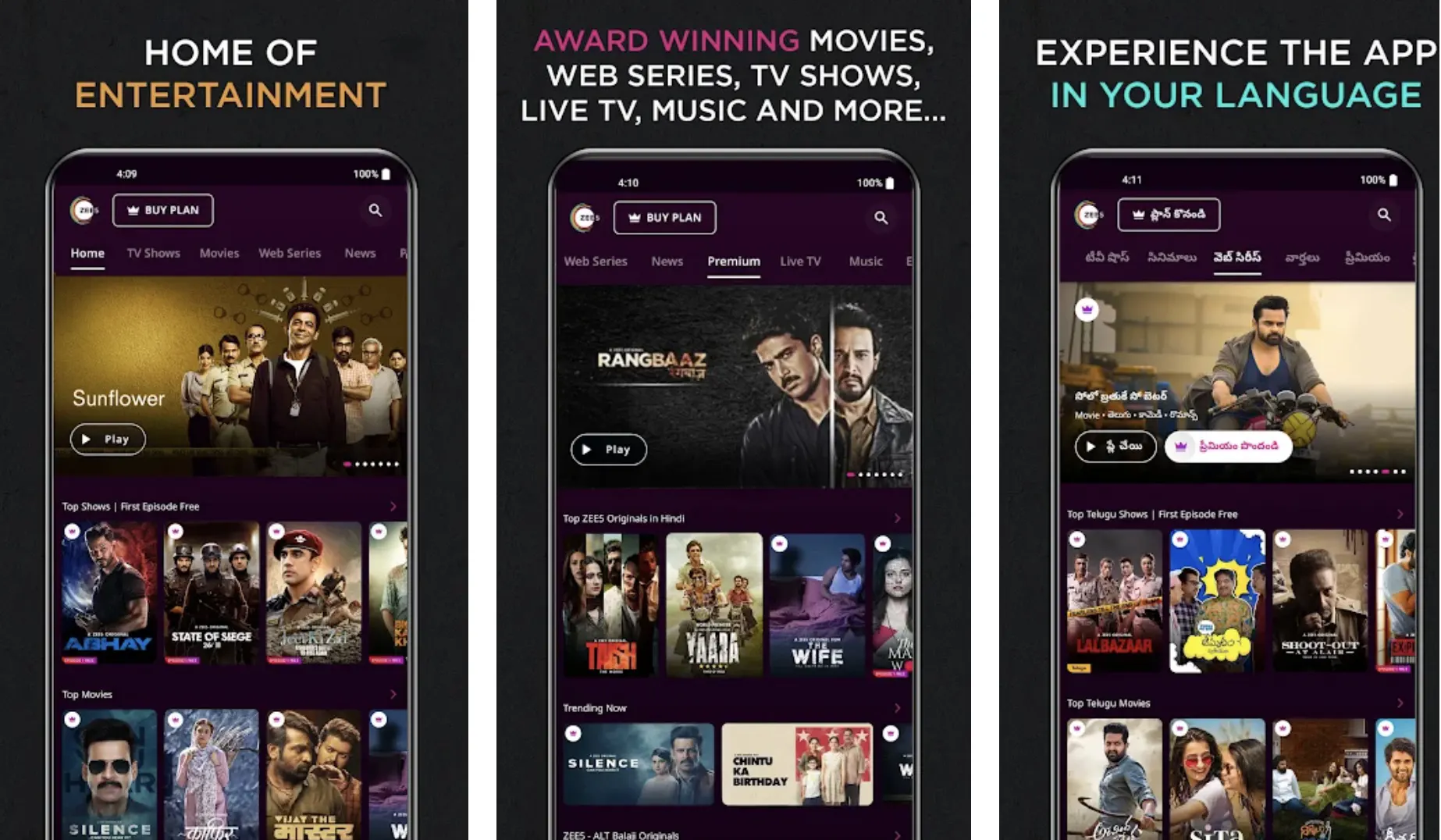
Apart from the shows, this streaming platform has its own content for its watchers. The name will always come when there is a talk about OTT platforms.
Not only original content and shows, but it also has some regional shows. The fan base is ever-growing as people were already attracted to the Zee channel.
When it comes to subscription, it has a total of 4 packages, an all-access pack, Kannada pack, Tamil pack, and Telugu pack. The rates are starting at 49 rupees per month and can vary such as 999 rupees per year.
There are other packages as well so you can go to its website to select the one convenient for you.
Download the App on Google Play Store
Download the App on Apple App Store
18. Dailyhunt
When talking about keeping up-to-date knowledge then Dailyhunt should be the next destination to search as it provides reader news from local areas. You can get a whole lot of insights into the things going on in different regions.
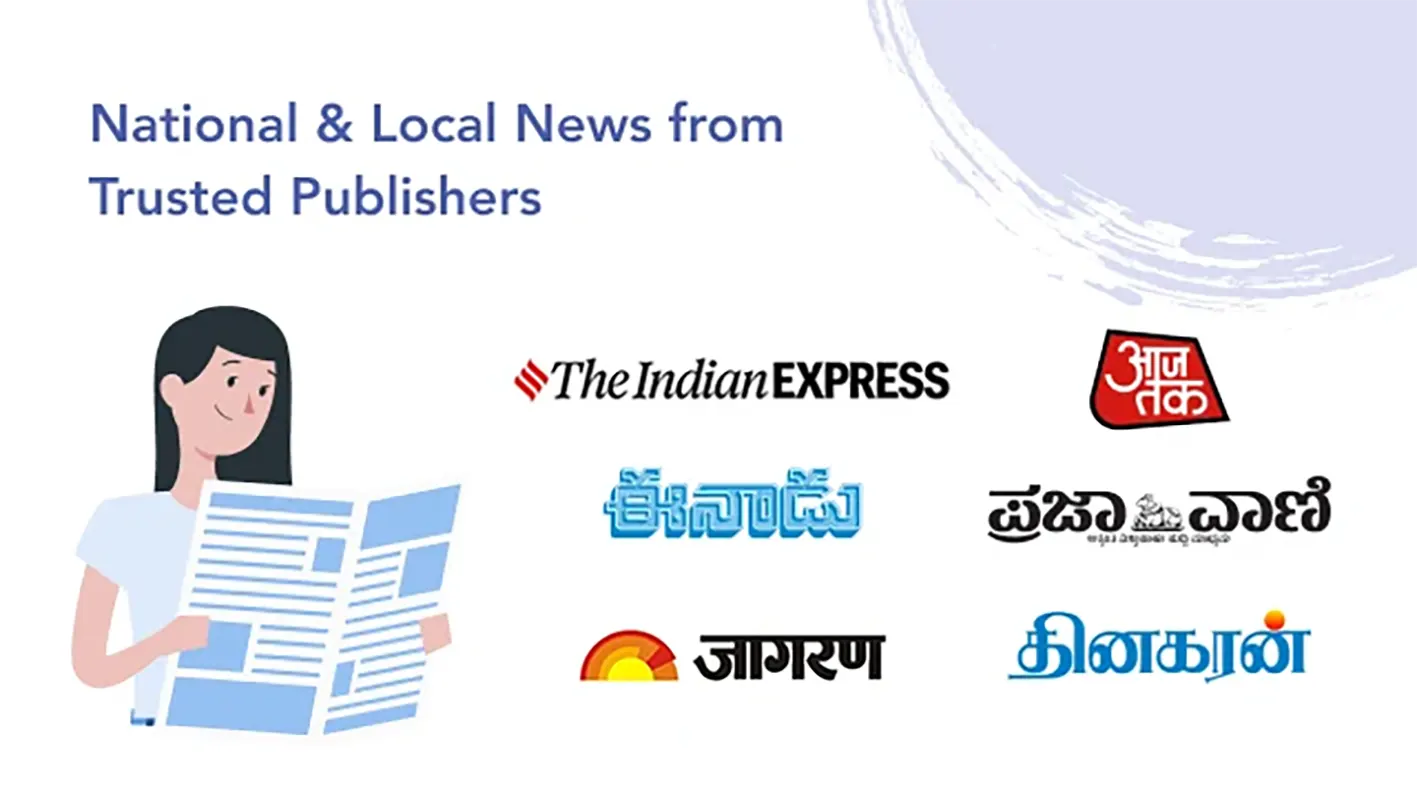
The app covers almost all the topics, be it politics, health, local news, technology, or such likes, and what more can you ask from an already free services providing platform. The app does not target a particular part of the country so news from all the regions is guaranteed here.
The app is surely among the best Indian apps that a person looking for news hunt apps can go for. With 4.2 ratings, I’m sure you now know the reason behind the name is on the list?
Download the App on Google Play Store
Download App on Apple App Store
19. Phonepe: UPI, Recharge, Investment, Insurance
Online payment apps is in the industry for quite a long time and Phonepe is among such Indian apps that started with a bang in this department. 2015 launch has reached the mark of 100 million downloads.
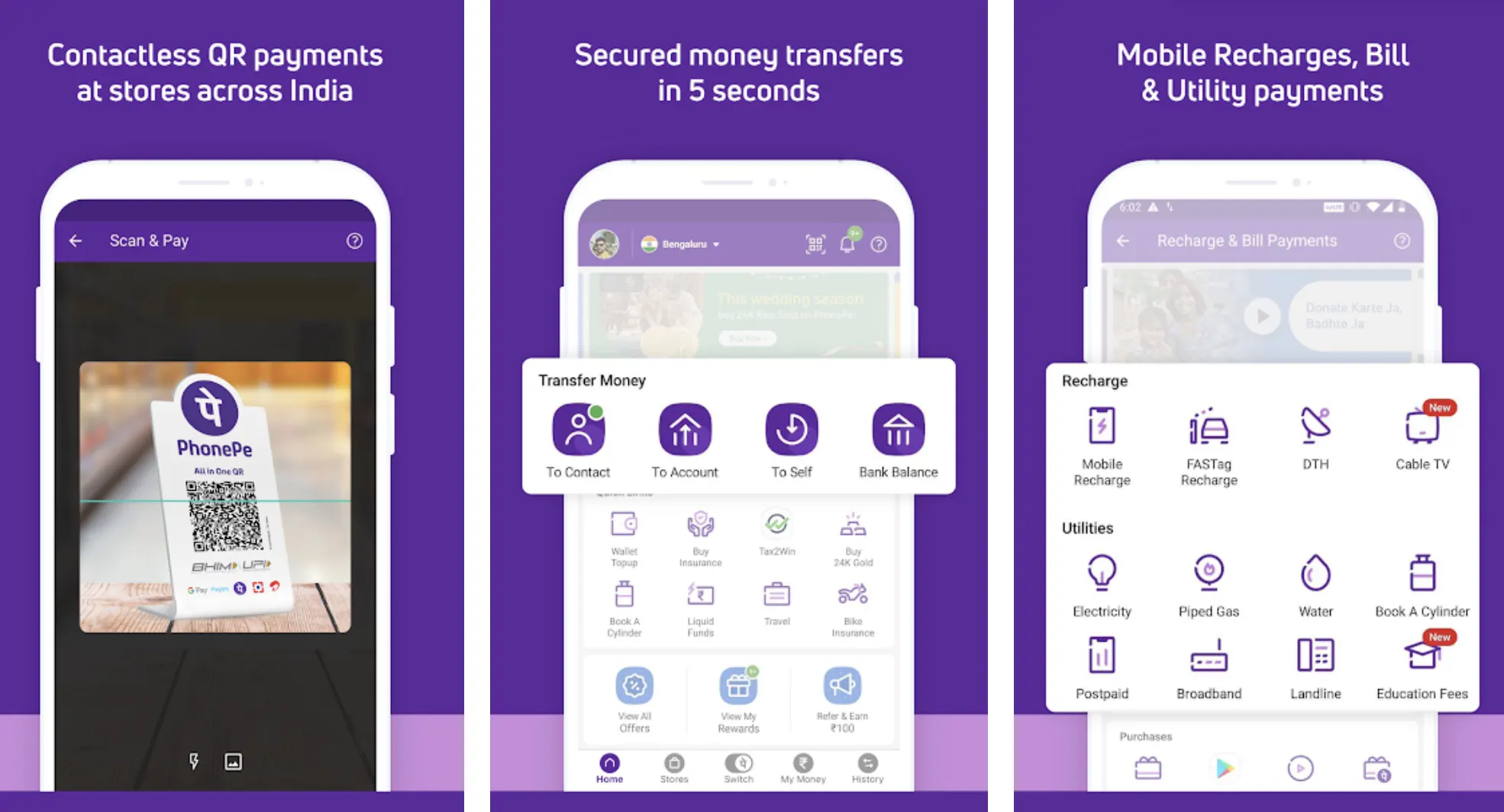
The app allows you to not only do UPI payments but also allows you to recharge your number, transfer money, and even pay bills. The app comes with an intuitive interface and is undoubtedly one of the safe platforms for doing any task related to money.
Download the App on Google Play Store
Download App on Apple App Store
An Indian-originated chatting app that can also work as a two-in-one tool is none other than ShareChat. The app is providing you with chat rooms where people of your interest chat together and have the time of their life.
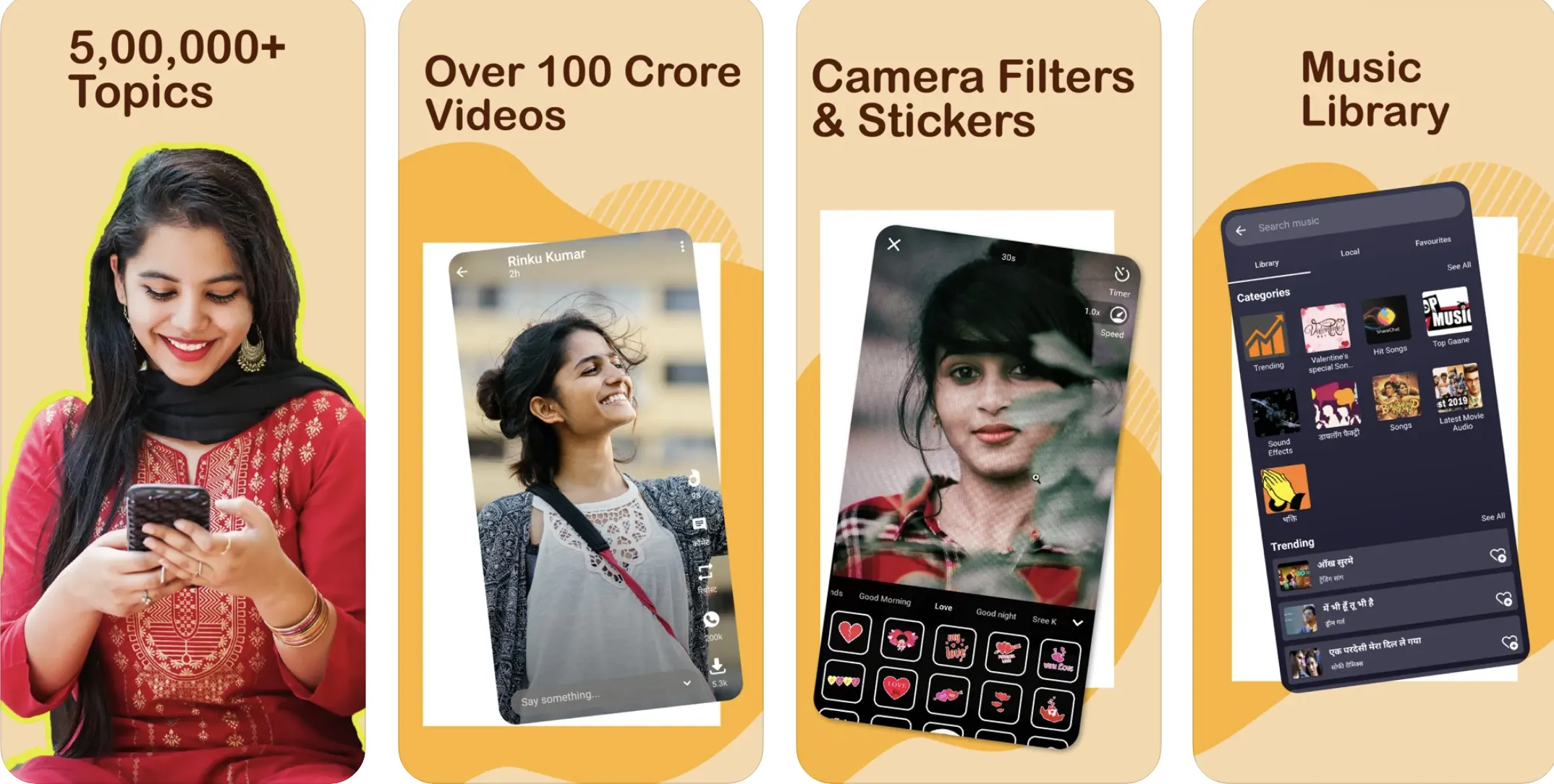
The app is available in 15 Indian languages such as Hindi, Punjabi, Gujarati, Urdu, Haryanvi, and many more. It is one of the best interaction apps that can not only allow you to make friends that has the same preferences but also provides diversity and insights on different topics.
Mohalla Tech Private Limited created the app so that Indians can have a sense of familiarity when shifting to more advanced technology.
And users can also download short videos, and videos for WhatsApp status, create new friends and expand their knowledge using ShareChat.
It would be unfair to the creators of ShareChat if you do not consider it among the best Indian apps.
Download the App on Google Play Store
Download the App on Apple App Store
21. IRCTC Rail Connect
If you are Indian then I’m pretty sure that you are familiar with the long line before the ticket counter so understanding that Indian citizens are spending unnecessary time on train tickets, the Indian government launched an app called IRCT Connect.
Now booking tickets is easier with IRCTC Connect, only in three steps your tickets will be booked. The app has been updated so the interface has a much easier approach than it was before.
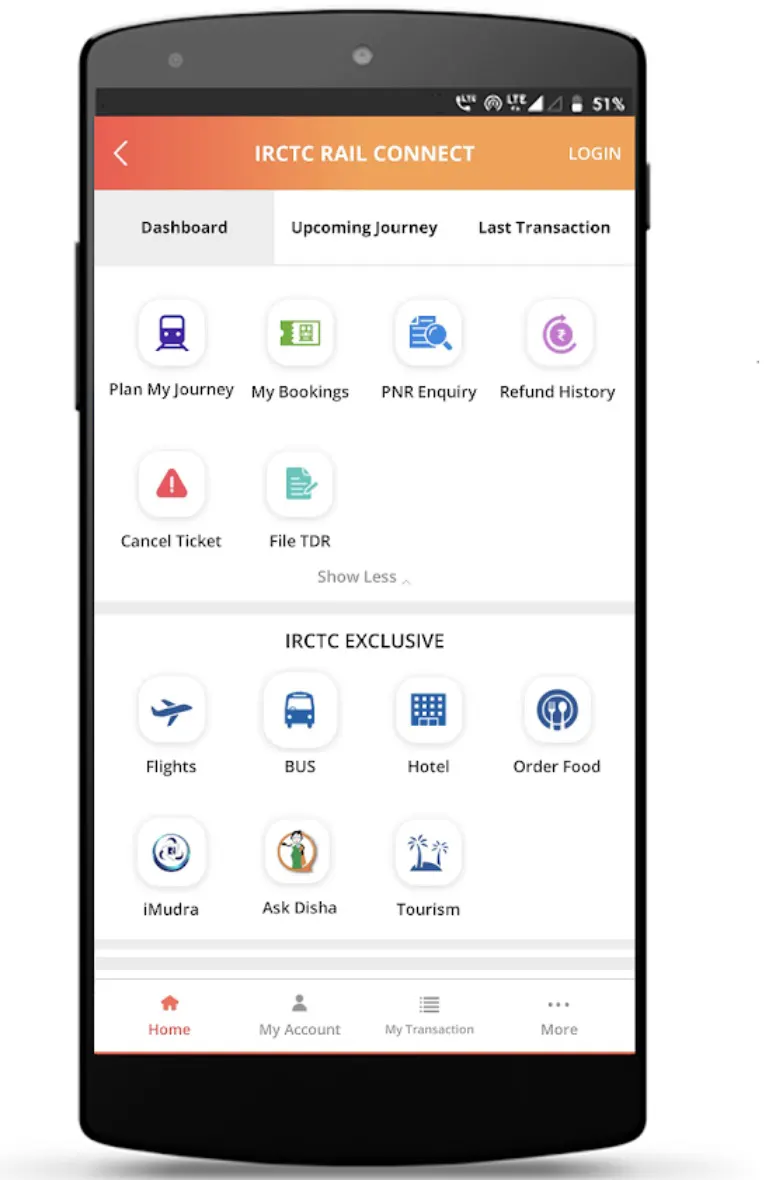
There are different types of payment options such as net banking, credits and debit cards, and BHIM and UPI. However, the app has mixed responses from the users. The app is hitting the users with updates every time they open the time.
Well, it is better to have something to start with than not having anything at all.
Download the App on Google Play Store
Download the App on Apple App Store
22. BigBasket – Online Grocery Shopping, Home Delivery
A big name since its release in the online grocery shops in India is BigBasket which brings you the comfort of shopping groceries online at a somewhat lower price than the original rates.
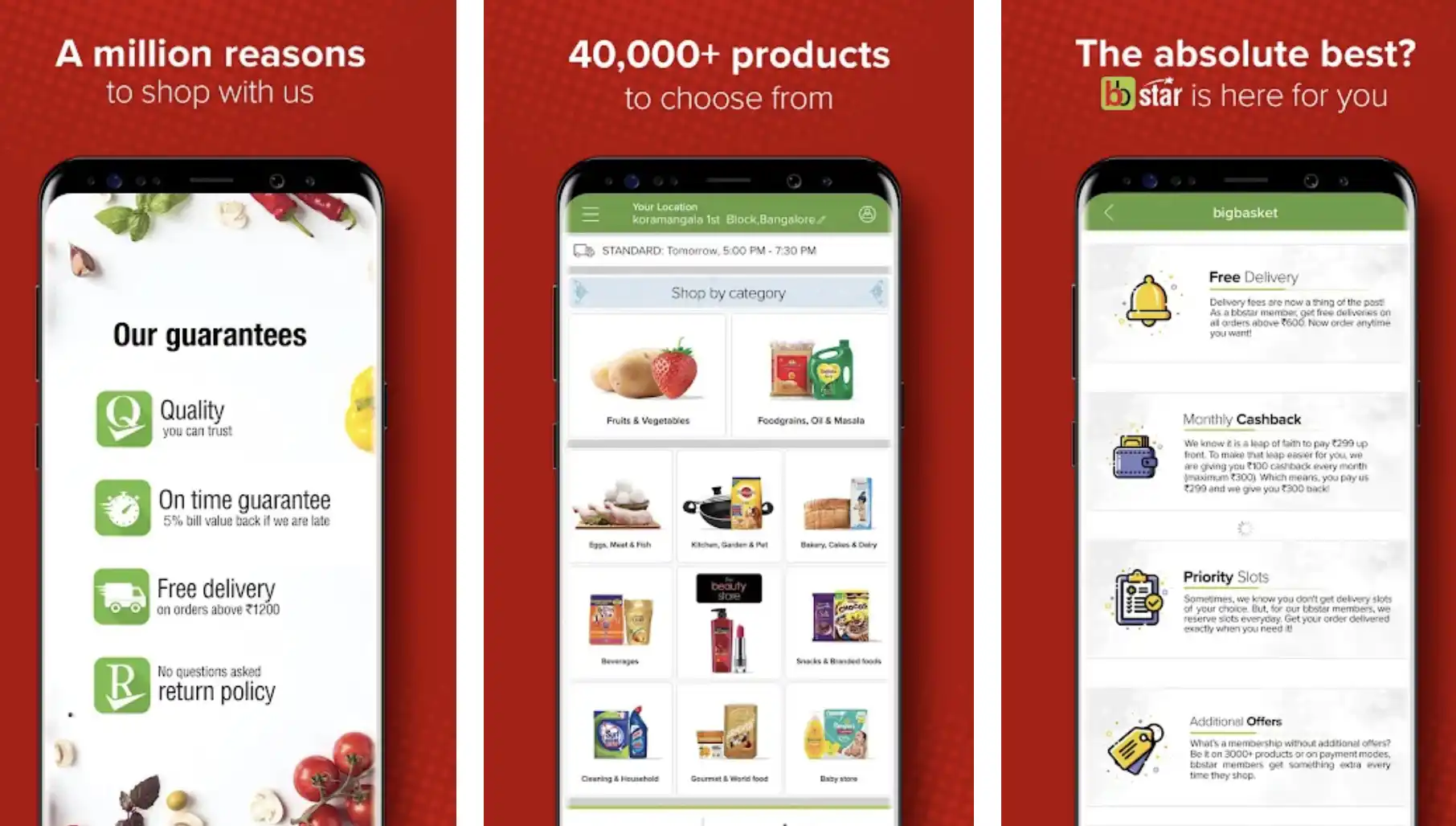
It can be a destination for users who do not like to go to multiple apps for getting everything done. From vegetables, fruits, snacks, and gourmet food, to toiletries, BigBasket has covered it all. Why step out of the house when you can get all these things on your doorstep?
You can get offers as well as discounts at special times of the year and the app is user-friendly with categorized chambers for different products. Customers can also shop for utensils, kitchen organizers, and even home decor.
There are different billing options for convenience so whatever you are comfortable with you can go for. Billing options are cash-on-delivery, e-wallets, debits and credit cards, net banking, and many more.
Undoubtedly, you cannot add Bigbasket to the list of Best Indian apps as the developers are trying to make Bigbasket a perfect platform for users as customers can select any language from the 7 options given.
The app is providing its service in more than 25 cities in India.
Download the App on Google Play Store
Download App on Apple App Store
23. Grofers
The next option that any person can look for is Grofers when thinking about grocery shopping at a good price.
It has a wide range of products available from all the brands. Whether you are looking for vegetables, fruits, groceries, or anything, Grofers has it all.
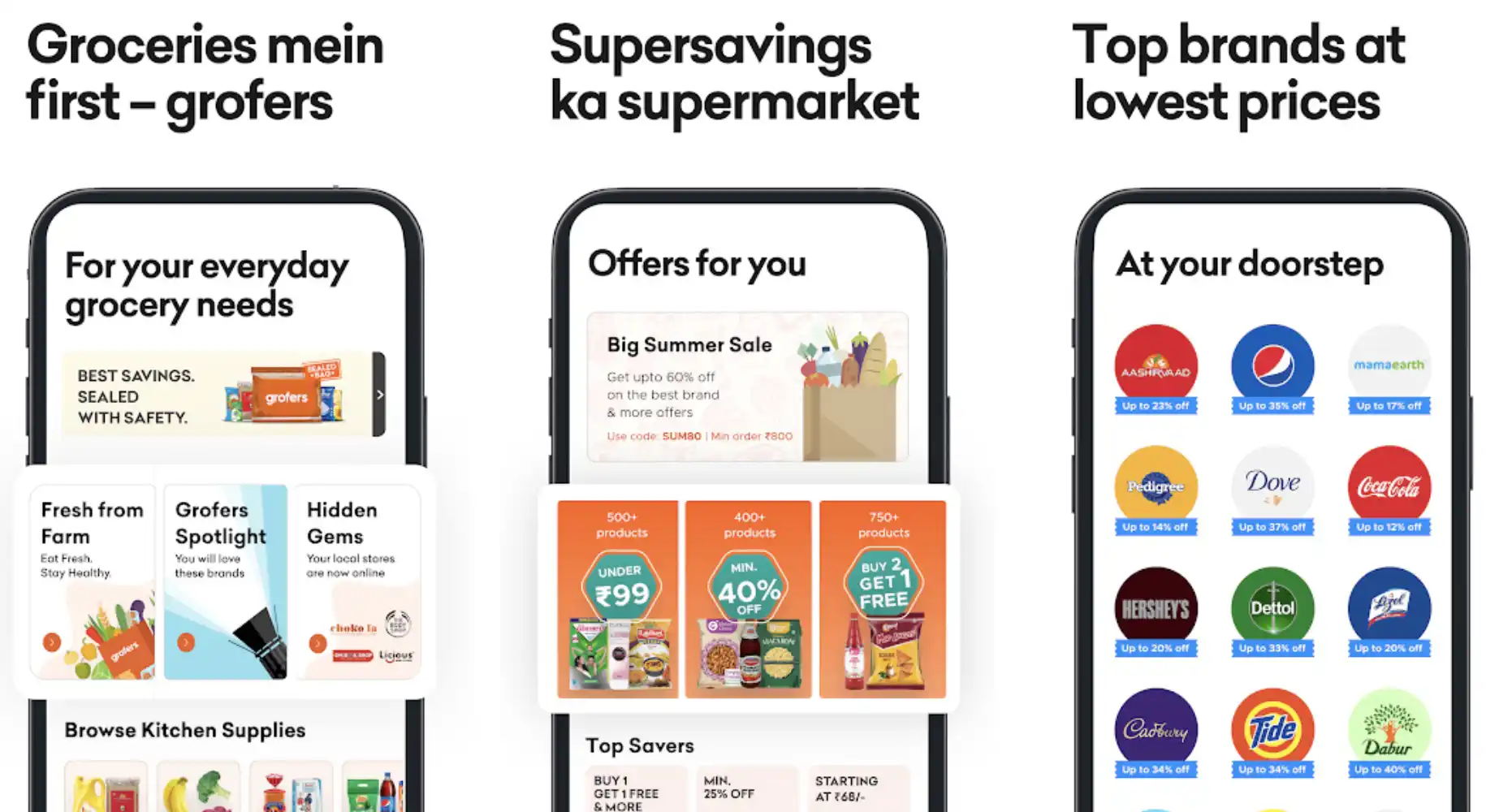
They believe in good quality over quantity so you can rest assured that you are getting high-quality products at a reasonable price here. Again, you are getting a set of payment options to select from.
During festivities season, Grofers has maha sales ( high discounts) going-on on almost every single product so it makes grocery shopping easier as well as cheaper as you are going to save money not only on products but also on transportation.
The app has an intuitive interface along with 6 languages to select from to make it a convenient place for all.
Download the App on Google Play Store
Download the App on Apple App Store
24. Tata1mg – Online Medical Store & Healthcare App
Even getting meds in India is one of the tasks that are simple as well as does not require going out of the house. Tata 1mg understood the pain and struggle of an independent living sick bachelor thus launching the app that can provide medicine online.

The app is a one-stop shop when it comes to anything related to health. If you are sick or are not sure about medical terms then using 1mg, you can consult with the best doctors while sitting at the house.
And if you can not find a suitable laboratory for lab tests then you can also book lab tests and as we said earlier, you can have all the types of meds from Tata 1mg. It is undeniably one of the best Indian apps that almost everyone should have on their phones.
Download the App on Google Play Store
Download the App on Apple App Store
📗FAQ
Which app is made in India?
Zomato, Bookmyshow, WynkMusic, Swiggy, PhonePe, IRCTC Rail Connect, etc. are some of the leading applications made in India and are making a lot of difference in the daily life of Indian people.
Which is the No 1 app in India?
WhatsApp is undeniably the number one application in India with more than 487 million active users.
India is the leading country as far as the overall size of WhatsApp audiences is concerned. Some other highly popular applications in India are Facebook, PhonePe, Messenger, Snapchat, Instagram, etc.
What apps do Indians use?
WhatsApp, Facebook, Instagram, Gaana, Hotstar, Myntra, and Flipkart, etc. are some of the most commonly used applications by Indians and fulfill various requirements including chatting, social media scrolling, music, movies, online shopping, and more.
Which apps are trending in India?
MX TakaTak is on top as far as trending applications in India are concerned. Other trending applications include Instagram, Facebook, WhatsApp, Snapchat, YouTube, Zoom Cloud Meetings, etc.
What is the #1 app in the world?
TikTok is the number one application in the world, with 1000 million downloads on the Google Play Store alone. Instagram, Facebook, and WhatsApp are other very popular applications to follow.
Which app has the most users?
TikTok is on top as far as the highest number of users is concerned. The total number of users is expected to reach 1.8 billion globally by the end of 2022.
YouTube, Twitter, Instagram, Facebook, and WhatsApp are other applications with a record number of users all over the world.
Which app has the highest download?
TikTok is known to have the highest number of downloads with more than 1 billion active users worldwide. It is closely followed by Instagram, Facebook, YouTube, and WhatsApp if we talk about the number of downloads.
What is the most popular app in 2022?
According to Forbes, Instagram is the most popular application in 2022 if we look at the number of downloads.
TikTok, Facebook, WhatsApp Messenger, Snapchat, Telegram, and Facebook Messenger along with Spotify are also right up there as far as popularity in 2022 is concerned.
What is the coolest app ever?
Nova Launcher, 1Weather, Google Assistant, Google Drive, Waze, etc. are among the coolest applications developed ever and are continuously doing amazingly well to fulfill different requirements of users.
What is the most popular free app?
WhatsApp, Zoom Cloud Meetings, PhonePe, Google Pay, TikTok, etc. are among the most popular free applications.
You can use these wonderful apps for various purposes, including chatting, with businesses, online payment, entertainment, virtual meetings, and more.
What is the highest-rated app on Google Play?
TikTok is the highest-rated application on the Google Play store with 4.4 / 5 stars, rated by as many as 50 million users. WhatsApp Messenger, Instagram, and Cash App by Square, Inc., etc. are other Highly rated applications on the Google Play store.
Conclusion on made in India apps list
That was our list of some of the best Indian apps. Even though they won’t give you a certificate of patriotism but they can be a great help to you.