
























Imagine you’re deep in the wilderness, enjoying a day of hiking or maybe even a weekend camping trip. Suddenly, the sky darkens, and you’re unsure where to head to find your camp or car.
Your smartphone’s GPS is spotty, and you’re anxious about changing weather conditions. Situations like these can transform a fun adventure into a risky ordeal.
If you have the right gear, you might not realize how easily avoidable these problems are. The standard watch can tell you the time, but can it indicate your altitude, forecast sudden weather changes, or even guide you in the right direction?🤷♂️
No, it can’t—and that’s where you find yourself lacking. An incorrect weather forecast or a faulty sense of direction could turn your excursion into a survival challenge.
Enter the world of ABC Watches—your Altimeter, Barometer, and Compass all in one device strapped conveniently to your wrist. This article will delve deep into the must-have features, top brands, and tips on choosing the best ABC watch to suit your outdoor needs.
With an ABC watch, you’ll be better prepared, more aware, and safer during your adventures. Stay tuned to unlock the full potential of your outdoor experiences.
So, whether you’re a casual hiker, an avid mountain climber, or someone who loves the great outdoors, the right ABC watch can be your perfect companion. Keep reading to find out how to pick the best one for you.
The Basics: What is an ABC Watch?
In the realm of horology, an ABC watch is a beacon of innovation and utility. Far from your conventional time-telling companion, it is an intricate amalgamation of precision engineering and outdoor functionality. But what exactly does this wrist-worn wonder entail?
An ABC watch is not your run-of-the-mill ticker; rather, it’s a sophisticated timepiece with an array of advanced features.
Altimeter, the first component of the trio, measures altitude – your elevation above sea level – with astounding accuracy, thanks to its built-in atmospheric pressure sensor. This comes particularly handy for mountaineers, hikers, and adventurers seeking to conquer new heights.
The second facet, the Barometer, taps into atmospheric pressure fluctuations to predict short-term weather changes. It’s akin to having a meteorologist on your wrist, helping you anticipate shifts in the weather and aiding in decision-making for outdoor pursuits.
Completing the triad is the Compass, which ensures you never lose your sense of direction. Employing magnetic sensors, it points steadfastly toward the magnetic north, a true lifesaver when GPS signals falter in remote areas.
A blend of rugged aesthetics and cutting-edge technology, the ABC watch finds resonance with explorers, trekkers, and even urban dwellers yearning for a touch of the wild. Whether you’re navigating uncharted trails or simply aiming to make a statement, this multifaceted chronometer is an emblem of modern horological ingenuity.
In conclusion, an ABC watch encapsulates the spirit of adventure and scientific prowess in a wristwear masterpiece. Its trinity of functions – Altimeter, Barometer, and Compass – elevates timekeeping to an art form that resonates with those who dare to venture beyond the ordinary.
Why Do You Need One?
In the realm of outdoor exploration, the indispensability of an ABC watch emerges as an undeniable truth. These timekeeping marvels, equipped with Altimeter, Barometer, and Compass functionalities, transcend the boundaries of conventional watches. But what prompts the need for such an intricate companion on your wrist?
The primary allure of an ABC watch lies in its ability to transform your wrist into a veritable command center for outdoor escapades.

The Altimeter feature, driven by advanced pressure sensors, instantaneously calculates your altitude, enabling mountaineers and hikers to track their ascent with remarkable precision. This invaluable tool gauges progress and enhances safety by alerting you to potential altitude-related risks.
The Barometer function, another cornerstone of these watches, goes beyond the ordinary. By monitoring atmospheric pressure trends, it forecasts impending weather changes. Whether summit-bound or navigating dense forests, this predictive prowess keeps you one step ahead of nature’s moods.
Consider the Compass, the North-seeking sentinel on your wrist. When traditional navigation tools falter in remote locations or amidst dense fog, the ABC watch’s compass keeps you oriented, safeguarding against disorientation and enabling you to forge ahead confidently.
An ABC watch isn’t merely a wrist adornment but a strategic tool for outdoor enthusiasts who crave knowledge and control. From plotting routes to anticipating weather shifts, this timepiece thrives where adventure meets technology.
Whether you’re an avid mountaineer scaling peaks or a weekend trekker exploring local trails, the ABC watch remains your unwavering companion, elevating your experiences and ensuring you’re always prepared for the unknown.
Features To Look For in an ABC Watch
In the world of adventure enthusiasts and outdoor lovers, the allure of an ABC watch with its Altimeter, Barometer, and Compass functionalities is undeniable.

However, not all of these timepieces are created equal. When searching for the perfect adventure companion, here are the essential features to look for in an ABC watch.
Altimeter Precision: The cornerstone of any exceptional ABC watch is its altimeter precision. Opt for a timepiece equipped with advanced pressure sensors that can deliver accurate altitude measurements, essential for tracking vertical progress during mountain hikes or scaling challenging peaks.
Barometric Forecasting: A cutting-edge barometric forecasting feature can elevate your outdoor experience. Look for a watch that interprets atmospheric pressure trends, providing real-time weather insights. This predictive capability empowers you to make informed decisions on the trail, ensuring you’re prepared for whatever nature throws your way.
Digital Compass: A digital compass is more than just a direction indicator. Seek a watch with a robust and responsive compass function that helps you maintain your bearings even in the most remote and challenging terrains. This feature ensures you never lose your way, even when modern technology falters.
GPS Integration: While not a traditional ABC component, GPS integration is increasingly incorporated into modern adventure watches. This feature enhances your navigational capabilities, allowing you to track and share your routes, waypoints, and even receive notifications about nearby points of interest.
Durability and Water Resistance: The rugged environments where ABC watches shine demand exceptional durability. Prioritize watches with strong build quality, reinforced by materials like titanium or stainless steel. Additionally, a high level of water resistance ensures your watch remains functional even in wet conditions.
Battery Life: Long-lasting battery life is crucial, especially on extended outdoor trips. Look for watches with power-saving modes and extended battery life to ensure your watch is a dependable companion throughout your adventure.
In conclusion, the features to look for in an ABC watch go beyond the surface to determine the functionality and value it adds to your outdoor escapades.
By prioritizing altimeter precision, barometric forecasting, digital compass, GPS integration, durability, water resistance, and battery life, you can secure a timepiece that tells time and enhances your exploration and safety in the great outdoors.
Review Of The Best ABC Watches in the Market
1. Garmin Instinct 2 Solar – Best Overall
In outdoor watches, the Garmin Instinct 2 Solar emerges as the epitome of innovation, combining cutting-edge technology with the ruggedness required for outdoor adventures. As the best solar ABC watch, it sets a new standard, redefining how explorers interact with their surroundings.
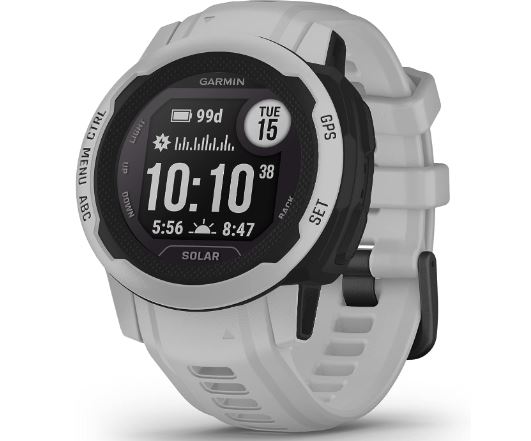
At the heart of its prowess lies the incorporation of solar charging capabilities. Harnessing the sun’s power, this watch transforms sunlight into a renewable energy source, ensuring that your timepiece never runs out of power, even in the most remote locations. This means uninterrupted access to crucial data, whether you’re tracking your altitude or navigating through challenging terrains.
The multi-GNSS support is another feather in the Instinct 2 Solar’s cap. Tapping into multiple global navigation satellite systems offers unparalleled accuracy in tracking your location. Whether exploring dense forests, ascending mountain peaks, or traversing desolate deserts, this feature ensures you’re always on the right path.
One standout feature is the TracBack routing. This innovation ensures you can easily retrace your steps, enhancing safety and peace of mind in unfamiliar territories. Navigational prowess is further elevated by including a digital compass, aiding orientation when GPS signals are compromised.
In the realm of design, the Mist Gray hue lends a touch of sophistication to the watch’s rugged exterior. Built to military standards, the Instinct 2 Solar withstands harsh environments while exuding a contemporary aesthetic.
In conclusion, the Garmin Instinct 2 Solar stands as the embodiment of the best solar ABC watch. Its fusion of solar charging capabilities, multi-GNSS support, TracBack routing, and impeccable design elevate it to an unrivaled status in outdoor timepieces.
For those who demand uncompromising performance, durability, and innovation, this watch is a testament to Garmin’s dedication to pushing boundaries.
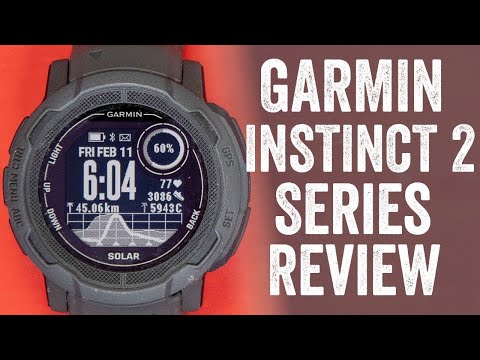
Pros:-
Solar Charging: The standout feature of the Garmin Instinct 2 Solar is its ability to charge using solar energy. This means extended battery life, allowing you to stay connected and track your adventures without worrying about running out of power.
Multi-GNSS Support: With support for multiple global navigation satellite systems, the watch offers exceptional accuracy in tracking your location. This feature is crucial for outdoor enthusiasts who venture into diverse and challenging terrains.
TracBack Routing: The TracBack routing feature lets you retrace your steps easily. This enhances safety by ensuring you can navigate back to your starting point, making it an invaluable tool for explorations in unfamiliar areas.
Robust Design: Built to military standards (MIL-STD-810), the Garmin Instinct 2 Solar is designed to withstand harsh conditions. It’s rugged, durable, and ready for the challenges of outdoor adventures.
Digital Compass: The built-in digital compass aids navigation, especially when GPS signals are compromised. It ensures you can maintain your bearings and stay on course even in challenging situations.
Activity Tracking: Beyond its ABC (Altimeter, Barometer, Compass) features, the watch offers comprehensive activity tracking, including heart rate monitoring, step counting, and sleep tracking, making it suitable for everyday use.
Cons:-
Price: The advanced features and technology of the Instinct 2 Solar come at a price. It might be considered relatively expensive compared to basic outdoor watches.
Learning Curve: Many features might require time to fully understand and utilize. Users new to complex outdoor watches might need to invest time learning the functionalities.
Size and Weight: While the rugged design is a pro, some users might find the watch slightly bulky and heavy for everyday wear.
Limited Smart Features: While the watch offers smartphone connectivity for notifications, it’s not as feature-rich in terms of smart capabilities as dedicated smartwatches.
Customization Options: While the design is functional, the options for customizing the watch’s appearance might be limited compared to other models.
Screen Visibility: In certain lighting conditions, such as direct sunlight, the visibility of the display might be affected, which can be a slight inconvenience during outdoor activities.
In conclusion, the Garmin Instinct 2 Solar boasts impressive features tailored for outdoor adventurers. Still, it’s important to consider both the advantages and limitations when deciding if it’s the right choice for your needs. Its solar charging capabilities, multi-GNSS support, rugged design, and TracBack routing make it a strong contender in the realm of outdoor watches.
Check Price on Amazon2. SUUNTO Core
Embarking on a hiking expedition demands more than just a sense of adventure; it requires precision, awareness, and the right tools. Enter the SUUNTO Core, a pinnacle of outdoor sports watches that redefines your hiking ventures.
As the best ABC watch for hiking, it seamlessly integrates altimeter, barometer, and compass functionalities to offer an unparalleled experience.
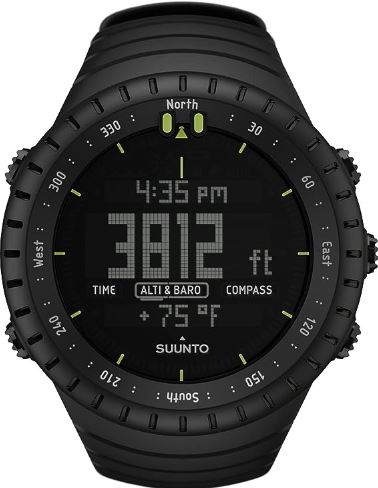
Altitude Mastery: The SUUNTO Core is a hiker’s beacon thanks to its advanced altimeter. This feature provides real-time altitude data and tracks your ascent and descent. Navigating steep ascents, you’ll appreciate its accuracy in gauging elevation changes, allowing you to monitor progress and estimate terrain challenges.
Weather Intelligence: Hiking amidst changing weather patterns demands foresight. The barometer feature of the SUUNTO Core deciphers atmospheric pressure trends, offering insights into imminent weather changes. Be it a sudden downpour or a clear sky, you’ll stay ahead of nature’s whims.
Navigational Precision: Hiking trails can sometimes be a labyrinth, but the compass feature of the SUUNTO Core is your trusted guide. It ensures you’re always on track, even when GPS signals are weak. Navigating through dense forests or vast landscapes, this feature maintains your sense of direction.
Designed to focus on durability and functionality, the SUUNTO Core withstands the rigors of outdoor escapades. Its rugged build is a testament to its reliability in challenging environments. Additionally, its availability in multiple styles and colors lets you choose a watch that resonates with your style.
Whether you are an experienced mountaineer conquering peaks or a nature enthusiast exploring local trails, the SUUNTO Core is an indispensable tool for elevating your hiking endeavors. As the best ABC watch for hiking, it embodies precision, resilience, and innovation, ensuring every step is backed by technology tailored to your journey.
Pros:-
Altimeter Accuracy: The SUUNTO Core’s altimeter provides precise altitude measurements, essential for monitoring elevation changes and gauging progress during hikes.
Barometric Insights: The built-in barometer forecasts weather changes by monitoring atmospheric pressure trends, allowing hikers to make informed decisions and stay ahead of changing weather conditions.
Reliable Compass: The compass feature ensures accurate navigation, especially when GPS signals are weak or unavailable, providing a reliable sense of direction.
Durability: Designed to withstand tough outdoor conditions, the SUUNTO Core is rugged and durable, making it a dependable companion for challenging hiking adventures.
Variety of Styles: With multiple styles and colors available, hikers can choose a SUUNTO Core that suits their preferences and outdoor aesthetics.
User-Friendly Interface: The watch’s intuitive interface makes it easy to access and utilize its various features, even for users new to outdoor watches.
Cons:-
Limited Smart Features: Unlike dedicated smartwatches, the SUUNTO Core focuses primarily on outdoor functionalities, offering fewer smart capabilities.
Learning Curve: The watch’s comprehensive features might require some time to learn and navigate efficiently, especially for those new to outdoor watches.
Size and Weight: Some users might find the SUUNTO Core slightly bulky and heavy for everyday wear, although this is often a trade-off for its durability.
Display Visibility: In certain lighting conditions, the visibility of the display might be affected, which could be a minor inconvenience during bright sunlight.
Price Range: The SUUNTO Core’s advanced outdoor features might have a higher price tag than basic hiking watches.
Battery Life: While its battery life is reasonable, the solar charging capabilities of some other models might offer longer uninterrupted use.
The SUUNTO Core is the best ABC watch for hiking due to its altimeter accuracy, barometric insights, reliable compass, durability, style options, and user-friendly interface.
While it may have some limitations regarding smart features and display visibility, its core functionalities make it an exceptional choice for hikers seeking a reliable and feature-rich companion for their outdoor expeditions.
Check Price on Amazon3. Amazfit T-Rex Pro
For avid hikers seeking functionality and ruggedness in their timepiece, the Amazfit T-Rex Pro emerges as the definitive choice. As the best ABC watch for hikers, this smartwatch redefines outdoor exploration with its unrivaled features and military-grade durability.
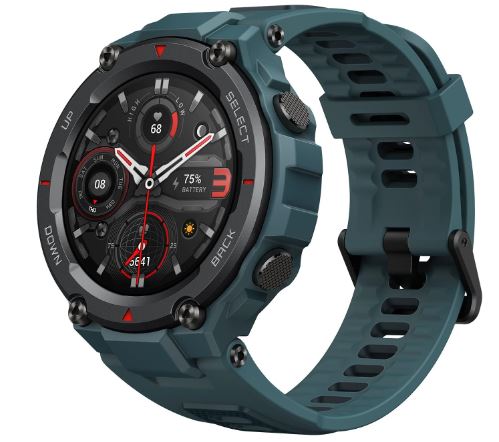
Advanced Outdoor Navigation: The Amazfit T-Rex Pro stands out with its ABC capabilities – Altimeter, Barometer, and Compass – providing hikers with essential tools for confident navigation.
Whether conquering peaks or wandering through dense forests, the altimeter tracks elevation changes, the barometer forecasts weather trends, and the compass ensures accurate direction.
Military Standard Certified: This rugged watch is 15, which means it can endure the most challenging terrains and conditions. It’s built to withstand extreme temperatures, shocks, vibrations, and even corrosive elements, ensuring its reliability in every outdoor adventure.
Extensive Sports Modes: With over 100 sports modes, the Amazfit T-Rex Pro caters to diverse interests. Hiking, trail running, swimming, and more – each activity is tracked precisely, offering comprehensive insights into your performance.
Water-Resistant Brilliance: Rated 10 ATM water-resistant, this watch is primed for aquatic adventures, surviving depths up to 100 meters. Whether crossing streams or caught in rainstorms, the T-Rex Pro remains unaffected.
Extended Battery Life: The Amazfit T-Rex Pro boasts an impressive 18-day battery life, eliminating the need to constantly worry about recharging during your expeditions.
Health Monitoring: Beyond outdoor functionalities, this watch includes a blood oxygen monitor, offering a health dimension to your hikes.
The bold blue hue of the Amazfit T-Rex Pro adds a touch of style to its robust design, making it equally suitable for urban exploration. In the realm of the best ABC watch for hikers, the Amazfit T-Rex Pro stands head and shoulders above the rest.
Its amalgamation of outdoor functionalities, military-grade durability, extensive sports modes, water-resistant build, prolonged battery life, and health monitoring makes it the ultimate companion for hikers who demand nothing less than excellence from their gear.
Pros:-
Advanced ABC Features: The T-Rex Pro’s Altimeter, Barometer, and Compass functionalities provide essential navigation tools for hikers, ensuring accurate altitude tracking, weather forecasting, and direction finding.
Military-Grade Durability: Built to meet 15 Military Standard Certification, the watch is designed to withstand extreme conditions, shocks, vibrations, and harsh outdoor environments.
Versatile Sports Modes: With 100+ sports modes, the T-Rex Pro accommodates various outdoor activities, making it a versatile companion for various adventures.
Water-Resistant Build: Rated 10 ATM water-resistant, the watch suits aquatic activities and can withstand water depths up to 100 meters.
Extended Battery Life: Boasting an impressive 18-day battery life, the T-Rex Pro ensures uninterrupted usage throughout extended hikes and outdoor escapades.
Health Monitoring: Including a blood oxygen monitor adds a health monitoring dimension to the watch, promoting wellness during outdoor activities.
Cons:-
Limited Smart Features: While the T-Rex Pro focuses on outdoor functionalities, it might offer fewer advanced features than dedicated smartwatches.
Learning Curve: The multitude of features and customization options might require users to understand and navigate efficiently and fully.
Design Preference: While the rugged design is perfect for outdoor adventures, some users might prefer a more sleek, urban aesthetic for everyday wear.
Display Visibility: In certain lighting conditions, such as direct sunlight, the visibility of the display might be affected, which could be a minor inconvenience during outdoor activities.
Size and Weight: The sturdy build of the T-Rex Pro might make it slightly bulkier and heavier compared to more traditional watches.
Price Range: The advanced features and military-grade durability might come with a higher price tag than basic hiking watches.
In conclusion, the Amazfit T-Rex Pro is the best ABC watch for hikers due to its advanced navigation features, military-grade durability, versatile sports modes, water-resistant build, extended battery life, and health monitoring capabilities.
While it may have limitations regarding smart features and design preferences, its core functionalities make it an excellent choice for hikers seeking a reliable and rugged outdoor companion.
Check Price on Amazon4. Casio Men’s Pro Trek PRG-270-1
In outdoor gear, the Casio Men’s Pro Trek PRG-270-1 is a beacon of affordability without compromising functionality. As the best budget ABC watch, it redefines outdoor experiences by seamlessly integrating altimeter, barometer, and compass functionalities at a wallet-friendly price point.
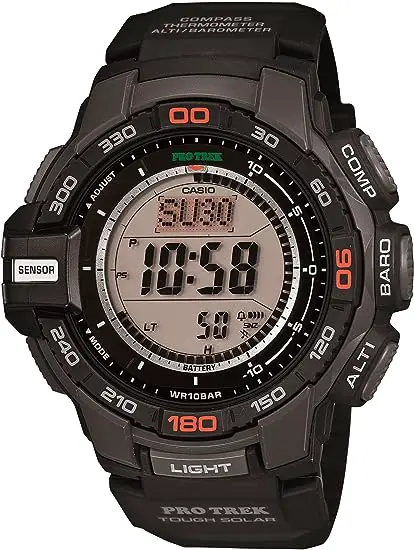
Precise Altimeter: The Pro Trek PRG-270-1’s altimeter isn’t just a feature; it’s a precise tool for tracking altitude changes during hikes and climbs. Its accuracy ensures that you always have a reliable measurement of your vertical progress.
Barometric Insights: Embracing the essence of adventure, the barometer feature interprets atmospheric pressure changes to forecast weather patterns. It aids hikers in anticipating shifts in conditions, ensuring they’re well-prepared for whatever nature presents.
Compass for Direction: Whether you’re exploring dense forests or open terrains, the watch’s compass feature keeps you on the right path, ensuring you maintain a sense of direction, even when GPS signals waver.
Tough Solar Power: The PRG-270-1’s Tough Solar technology harnesses sunlight to power the watch, eliminating the need for frequent battery replacements. This eco-friendly approach aligns perfectly with outdoor enthusiasts’ ethos.
Rugged Aesthetic: The watch’s design, both functional and rugged, is in harmony with outdoor aesthetics. It’s built to withstand tough conditions, and its black color exudes a sense of adventure.
While the Pro Trek PRG-270-1 offers budget-friendly ABC functionalities, it also boasts additional features like world time, countdown timer, and 100-meter water resistance.
In the realm of the best-budget ABC watch, the Casio Men’s Pro Trek PRG-270-1 reigns supreme. Its seamless amalgamation of outdoor functionalities, Tough Solar power, and durability is a testament to how affordability and quality can converge.
Whether you’re a novice hiker or a seasoned explorer, this timepiece guarantees that your outdoor escapades are backed by reliable technology.
Pros:-
Affordability: The Pro Trek PRG-270-1 offers impressive ABC functionalities at a budget-friendly price, making it accessible to outdoor enthusiasts without breaking the bank.
Accurate Altimeter: The watch’s altimeter provides precise altitude measurements, essential for tracking elevation changes during hikes and climbs.
Weather Insights: The barometer interprets atmospheric pressure changes to forecast weather patterns, ensuring hikers are prepared for shifting conditions.
Reliable Compass: The compass feature aids navigation in remote areas, offering a dependable sense of direction even when GPS signals are weak.
Tough Solar Power: The Tough Solar technology harnesses sunlight for power, reducing the need for frequent battery replacements and promoting eco-friendliness.
Rugged Design: Built to withstand tough conditions, the watch’s rugged design is functional and complements outdoor aesthetics.
Cons:-
Basic Smart Features: While it excels in outdoor functionalities, the watch might offer fewer advanced smart features than dedicated smartwatches.
Learning Curve: Users new to outdoor watches might need time to learn and navigate the watch’s various features and modes efficiently.
Limited Style Choices: The watch’s design might not cater to those seeking a more sleek or urban aesthetic for everyday wear.
Display Visibility: In certain lighting conditions, such as direct sunlight, the visibility of the display might be affected, which could be a minor inconvenience during outdoor activities.
Size and Weight: The watch’s sturdy build might make it slightly bulkier and heavier than traditional watches.
Battery Life: While the Tough Solar technology extends battery life, users might still need to expose the watch to enough sunlight to maintain optimal power levels.
In conclusion, the Casio Men’s Pro Trek PRG-270-1 is the best budget ABC watch because it offers an accurate altimeter, weather insights, a reliable compass, Tough Solar power, and a rugged design.
While it may have limitations regarding smart features and design preferences, its core functionalities make it an excellent choice for outdoor enthusiasts seeking affordability without compromising quality and performance.
Check Price on Amazon5. Garmin fēnix 7X Pro
The Garmin fēnix 7X Pro epitomizes innovation and functionality in outdoor timepieces. As the best ABC watch, it seamlessly integrates altimeter, barometer, and compass features, transcending the ordinary to empower adventurers with exceptional tools for navigation and exploration.
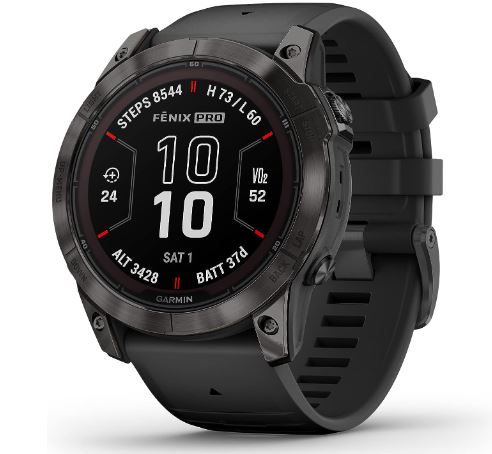
Altimeter Precision: The fēnix 7X Pro’s altimeter is a pinnacle of accuracy, offering real-time altitude measurements beyond ordinary tracking. It becomes an indispensable asset for mountaineers and hikers seeking the zenith, providing insights into elevation changes with remarkable precision.
Barometric Forecasting: Melding technology with meteorology, the watch’s barometer deciphers atmospheric pressure trends to predict impending weather changes. This forecasting prowess ensures that outdoor enthusiasts are equipped to anticipate and adapt to shifts in weather conditions.
Compass Reliability: When GPS signals falter, the fēnix 7X Pro’s compass becomes your unwavering guide. It ensures that even in the most challenging terrains, you maintain an accurate sense of direction, enabling you to navigate through the wilderness with confidence.
Solar Charging Brilliance: This watch taps into renewable energy with solar charging capability, ensuring uninterrupted access to its features. It’s a sustainable approach that aligns with the ethos of outdoor enthusiasts who embrace eco-friendly technologies.
Built-in Flashlight: A unique feature of the fēnix 7X Pro is its built-in flashlight, offering a practical tool for illumination during low-light situations, further enhancing its utility for outdoor escapades.
In the sea of outdoor watches, the fēnix 7X Pro stands tall as the best ABC watch, exemplifying Garmin’s commitment to pushing boundaries. Its integration of advanced features, unparalleled accuracy, solar charging brilliance, and built-in flashlight makes it a beacon of innovation.
Whether you’re a trailblazing mountaineer or an intrepid explorer of nature’s wonders, this watch ensures your journey is backed by cutting-edge technology that amplifies your connection with the great outdoors.
Pros:-
Advanced ABC Features: The fēnix 7X Pro seamlessly integrates altimeter, barometer, and compass functionalities, providing essential tools for navigation and outdoor exploration.
Altimeter Precision: The watch’s altimeter offers remarkable accuracy in tracking altitude changes, which is crucial for mountaineers and hikers seeking accurate elevation data.
Barometric Forecasting: The barometer deciphers atmospheric pressure trends, enabling users to anticipate weather changes and make informed decisions during outdoor activities.
Reliable Compass: The compass feature ensures accurate direction finding even in challenging terrains or when GPS signals are weak or unavailable.
Solar Charging Capability: The fēnix 7X Pro’s solar charging capability taps into renewable energy, reducing the need for frequent battery replacements and promoting eco-friendliness.
Built-in Flashlight: The built-in flashlight adds a practical dimension to the watch, providing illumination during low-light situations, enhancing its usefulness during outdoor adventures.
Cons:-
Price: The advanced features and technology of the fēnix 7X Pro might come with a higher price tag than basic outdoor watches.
Learning Curve: The multitude of features might require time to fully understand and utilize, especially for users new to complex outdoor watches.
Size and Weight: The rugged build and additional features might contribute to the watch’s bulkiness and weight, which might not be preferred by those seeking a sleeker design.
Limited Smart Features: While the watch offers some smart features, it might not be as feature-rich as dedicated smartwatches.
Battery Life: Despite solar charging capability, battery life might vary depending on usage and sunlight exposure, requiring users to manage power effectively.
Display Visibility: In certain lighting conditions, such as direct sunlight, the visibility of the display might be affected, which could be a minor inconvenience during outdoor activities.
The Garmin fēnix 7X Pro is the best ABC watch due to its advanced features, accurate measurements, solar charging capability, and built-in flashlight. While it may have limitations such as price and learning curve, its core functionalities make it an exceptional choice for outdoor enthusiasts who demand precision, reliability, and innovation in their adventure gear.
Check Price on Amazon6. Garmin Instinct 2X Solar
In outdoor exploration, the Garmin Instinct 2X Solar emerges as a beacon of innovation, seamlessly integrating altimeter, barometer, and compass functionalities to redefine navigation. This rugged GPS smartwatch goes beyond ordinary horizons, making it an unrivaled ABC watch that elevates outdoor adventures.
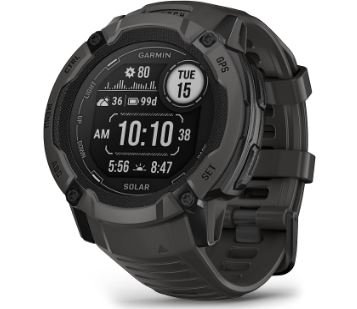
Unparalleled Altimeter Precision: The Instinct 2X Solar’s altimeter is not just a feature; it’s a precision tool that delivers real-time altitude data with remarkable accuracy. Whether scaling peaks or traversing valleys, this watch ensures you stay on course with precise elevation insights.
Weather Insights Through Barometer: Merging technology and meteorology, the watch’s barometer interprets atmospheric pressure trends to forecast weather changes. For explorers who venture into ever-changing environments, this feature empowers you to anticipate shifts in weather conditions.
Navigational Brilliance of Compass: Without clear GPS signals, the Instinct 2X Solar’s compass becomes your reliable guide. This feature ensures you maintain your sense of direction, empowering you to navigate confidently through unfamiliar terrains.
Harnessing Solar Power: With solar charging capability, the Instinct 2X Solar taps into renewable energy, extending the watch’s battery life and reducing the need for frequent charging. It’s an eco-conscious approach that aligns seamlessly with outdoor enthusiasts’ values.
Multi-Band GNSS: The inclusion of multi-band GNSS technology offers enhanced accuracy in tracking your location, making it a powerful tool for adventurers who explore diverse landscapes.
Designed for rugged durability and equipped with a built-in flashlight, the Garmin Instinct 2X Solar is a beacon of innovation in ABC watches. Its integration of advanced features, unparalleled accuracy, solar charging brilliance, and navigational prowess make it the ultimate outdoor companion.
Whether you’re a seasoned explorer or a passionate hiker, this watch ensures your journey is guided by technology that enhances your connection with the great outdoors.
Pros:-
Precise Altimeter: The Instinct 2X Solar’s altimeter provides real-time altitude data with remarkable accuracy, crucial for accurate elevation tracking during outdoor activities.
Weather Insights: The barometer interprets atmospheric pressure trends, allowing users to anticipate weather changes and make informed decisions during their adventures.
Dependable Compass: The watch’s compass feature ensures reliable direction finding, even in areas with weak or no GPS signals, providing a sense of orientation.
Solar Charging Capability: The solar charging capability taps into renewable energy, extending the watch’s battery life and promoting eco-friendliness.
Multi-Band GNSS: Including multi-band GNSS technology enhances location accuracy, ensuring reliable tracking across diverse landscapes.
Rugged Design: Built to withstand tough conditions, the Instinct 2X Solar’s rugged design ensures durability during outdoor activities.
Cons:-
Learning Curve: The watch’s many features might require some time to understand and navigate efficiently, especially for users new to outdoor watches.
Size and Weight: The rugged build and additional features might contribute to the watch’s bulkiness and weight, which might not be preferred by those seeking a sleeker design.
Limited Smart Features: While the watch offers some smart features, it might not be as feature-rich as dedicated smartwatches.
Display Visibility: In certain lighting conditions, such as direct sunlight, the visibility of the display might be affected, which could be a minor inconvenience during outdoor activities.
Price Range: The advanced features and technology of the Instinct 2X Solar might come with a higher price tag than basic outdoor watches.
Battery Life: While solar charging capability extends battery life, it might vary depending on usage and sunlight exposure, requiring users to manage power effectively.
In conclusion, the Garmin Instinct 2X Solar excels as an ABC watch due to its advanced features, precise measurements, solar charging capability, multi-band GNSS technology, and rugged design.
While it may have limitations such as a learning curve and size, its core functionalities make it an exceptional choice for outdoor enthusiasts seeking precision, reliability, and innovation in their adventure gear.
Check Price on Amazon7. Casio Men’s WS220
The Casio Men’s WS220 is a testament to the brand’s mastery of combining style and functionality in a single timepiece. This digital sports watch embodies Casio’s commitment to delivering reliable, feature-rich watches that cater to modern demands.
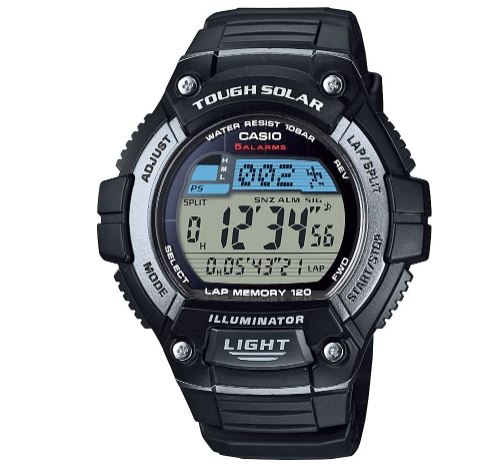
Tough Solar Innovation: The WS220 embraces Tough Solar technology, harnessing the power of sunlight to keep its battery charged. This reduces the need for frequent battery replacements and aligns with environmentally conscious trends.
Outdoor Fitness Companion: Designed for active individuals, the WS220 features various fitness-focused functions that aid in tracking workouts and performance. Its features include a stopwatch, countdown timer, and alarm, ensuring you’re well-equipped to achieve your fitness goals.
Resilient Build: The watch’s build is a testament to its durability. With a robust design that can withstand the rigors of daily wear and outdoor activities, the WS220 is a reliable companion for those with an active lifestyle.
Digital Precision: The digital display offers clear and precise timekeeping, making it easy to read even in various lighting conditions. The watch’s interface provides quick access to its various features, ensuring a seamless user experience.
Stylish Aesthetics: The Casio Men’s WS220 doesn’t compromise on style. Its sleek and modern design, coupled with a comfortable strap, makes it suitable for both casual and sporty occasions.
Water-resistant: The watch’s water-resistant feature ensures it remains functional even in wet conditions, making it suitable for water-related activities.
Whether you’re hitting the gym, jogging, or simply looking for a timepiece that complements your active lifestyle, the Casio Men’s WS220 ticks all the boxes.
Its fusion of innovative technology, durability, fitness features, digital precision, and stylish aesthetics make it a versatile and dependable choice for those seeking function and fashion in their wristwear.
Pros:-
Tough Solar Technology: The WS220 embraces Tough Solar technology, harnessing sunlight to keep the battery charged and reducing the need for frequent replacements.
Fitness-Focused Features: With a stopwatch, countdown timer, and alarm, the watch is a reliable fitness companion, aiding in tracking workouts and performance.
Durable Build: The watch’s robust design ensures durability, making it suitable for daily wear and outdoor activities.
Clear Digital Display: The digital display provides precise timekeeping and easy readability, even in varying lighting conditions.
Stylish Design: The WS220 doesn’t compromise on style, boasting a sleek and modern design suitable for both casual and sporty occasions.
Water-Resistant: The water-resistant feature enhances the watch’s functionality, allowing it to perform well in wet conditions.
Cons:-
Basic Smart Features: While it excels in fitness and outdoor features, the watch might lack advanced smart capabilities compared to dedicated smartwatches.
Limited Connectivity: The watch might not offer the same level of connectivity and integration with other devices as more advanced digital watches.
Limited Advanced Functions: The WS220 might lack some advanced functions found in higher-end digital watches, such as GPS or heart rate monitoring.
Learning Curve: Users new to digital watches might need time to familiarize themselves with its interface and features.
Size and Design Preference: Some users might prefer a more compact or sleek design, as the WS220’s robust build might not suit all style preferences.
Battery Life: While Tough Solar technology extends battery life, it might vary depending on usage and sunlight exposure, requiring users to manage power effectively.
The Casio Men’s WS220 Digital Sport Watch offers Tough Solar technology, fitness features, durability, clear digital display, a stylish design, and water resistance.
While it may have limitations regarding advanced smart features and design preferences, its core functionalities make it an excellent choice for individuals seeking a reliable and stylish timepiece that complements their active lifestyle.
Check Price on Amazon8. Garmin Enduro 2
The Garmin Enduro 2 is more than a timepiece; it embodies performance and innovation in ABC watches. As the best ABC watch, it revolutionizes outdoor exploration with its unmatched blend of features, including altimeter, barometer, and compass, making it an unrivaled companion for adventurers seeking nothing but excellence.
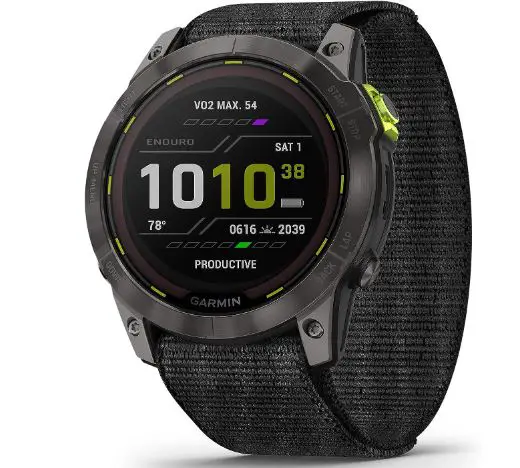
Ultraperformance GPS Battery Life: The Enduro 2 redefines endurance with its astonishing, long-lasting GPS battery life. With the power to track your journeys for extended periods, this watch ensures you never miss a moment, even on the most epic expeditions.
Solar Charging Brilliance: Embark on journeys without limits, thanks to the watch’s solar charging capability. Harnessing the sun’s energy, the Enduro 2 keeps you connected and empowered, regardless of remote terrains or prolonged expeditions.
Advanced ABC Features: The watch’s altimeter, barometer, and compass functionalities are perfectly engineered. Whether navigating mountainous trails, predicting weather shifts, or finding your bearings, the Enduro 2 is your ultimate tool for precision and confidence.
Preloaded Maps for Uncharted Terrain: With preloaded maps, this watch transforms into your guiding light, helping you easily conquer uncharted terrain. Navigational prowess meets technology in an unparalleled fusion.
The Garmin Enduro 2’s fusion of ultra-performance GPS battery life, solar charging brilliance, advanced ABC features, and preloaded maps positions it as the best ABC watch for those who demand more from their gear.
It’s not just a watch; it’s a testament to Garmin’s commitment to pushing boundaries and empowering outdoor enthusiasts with technology that enhances every adventure.
Pros:-
Ultraperformance GPS Battery Life: The Enduro 2 boasts a remarkable, long-lasting GPS battery life, ensuring extended tracking during even the most epic expeditions.
Solar Charging Capability: With solar charging, the watch remains powered by harnessing sunlight, making it an ideal companion for remote terrains and prolonged adventures.
Advanced ABC Features: The watch’s altimeter, barometer, and compass functionalities are finely tuned, offering precise navigation, weather forecasting, and direction finding.
Preloaded Maps: Preloaded maps provide valuable navigational assistance, helping users easily conquer uncharted terrains.
Durability and Build: Built to withstand outdoor conditions, the Enduro 2’s robust design ensures durability during rugged adventures.
Cons:-
Price: The advanced features and technology of the Enduro 2 might come with a higher price tag than basic ABC watches.
Learning Curve: The multitude of features and customization options might require users to understand and navigate efficiently and fully.
Size and Weight: The watch’s robust build and additional features might contribute to its bulkiness and weight, which all users might not prefer.
Limited Smart Features: While the watch offers some smart features, it might not be as feature-rich as dedicated smartwatches.
Battery Life Management: Despite solar charging, users might need adequate sunlight exposure to maintain optimal power levels.
In conclusion, the Garmin Enduro 2 is the best ABC watch due to its ultra-performance GPS battery life, solar charging capability, advanced ABC features, preloaded maps, and durability.
While it may have limitations such as price and a learning curve, its core functionalities make it an exceptional choice for outdoor enthusiasts who demand precision, reliability, and innovation in their adventure gear.
Check Price on Amazon9. COROS PACE 2
The COROS PACE 2 isn’t just a sports watch; it’s a revolution in ABC watches that seamlessly integrates altimeter, barometer, and compass functionalities to redefine outdoor pursuits.
This lightweight powerhouse is designed to elevate your performance and enhance your navigation, making it an exceptional choice for athletes and adventurers seeking precision and innovation.
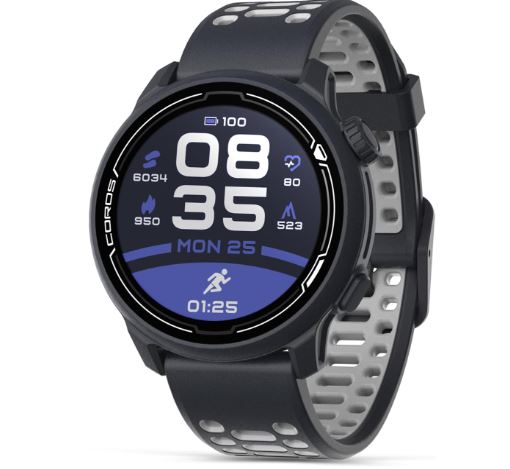
Unparalleled Battery Life: With a staggering 20 days long battery life, the PACE 2 ensures you stay connected and powered throughout extended training sessions, expeditions, and more. It’s a testament to the watch’s endurance, catering to the most demanding pursuits.
Lightweight Design: The watch’s lightweight build doesn’t compromise on durability. It’s designed to withstand the rigors of various activities while being unobtrusive on your wrist.
Enhanced Navigation: Including a barometer and compass empowers you with accurate weather insights and direction finding, essential for safe and effective navigation during outdoor escapades.
Training Insights: The PACE 2 goes beyond mere tracking. With features like Strava integration, training plans, and performance monitoring, it offers a comprehensive ecosystem for optimizing your athletic journey.
Versatile Activity Tracking: From swimming and biking to running, strength training, and even treadmill workouts, the PACE 2 caters to many activities, ensuring it’s a true companion for multifaceted athletes.
Sleep Tracking: Beyond the active hours, the PACE 2 monitors your sleep patterns, ensuring you achieve a holistic approach to your well-being.
The COROS PACE 2 is a testament to how technology can amplify athletic pursuits. Its fusion of long battery life, lightweight design, enhanced navigation features, comprehensive training insights, versatile activity tracking, and sleep monitoring positions it as an ABC watch that’s ready to accompany you through every stride and adventure.
Pros:-
Impressive Battery Life: The PACE 2 boasts an exceptional 20 days of battery life, ensuring extended use during training, expeditions, and daily activities.
Lightweight Design: Its lightweight build provides comfort during activities without compromising durability and ruggedness.
Enhanced Navigation: Including a barometer and compass offers accurate weather insights and direction finding, enhancing outdoor navigation.
Comprehensive Training Features: Strava integration, training plans, and performance monitoring create a comprehensive ecosystem for optimizing athletic performance.
Versatility in Tracking: From swimming and biking to running, strength training, and treadmill workouts, the PACE 2 caters to various activities.
Sleep Monitoring: The watch’s sleep tracking feature contributes to a holistic approach to well-being by providing insights into sleep patterns.
Cons:-
Limited Smart Features: While it excels in athletic functionalities, the watch might offer fewer advanced smart features compared to dedicated smartwatches.
Learning Curve: Users new to sport watches might need time to learn and navigate the watch’s various features and modes efficiently.
Design Preference: Some users might prefer a more traditional or sleek design, as the PACE 2’s sporty appearance might not suit all style preferences.
Size: The watch might be slightly larger for those who prefer a more compact and understated wristwatch.
Connectivity: While it offers some connectivity features, it might not have the same level of integration with other devices as more advanced smartwatches.
Price Range: The advanced features and technology of the PACE 2 might come with a higher price tag than basic sport watches.
The COROS PACE 2 excels as an ABC watch due to its impressive battery life, lightweight design, enhanced navigation features, comprehensive training insights, versatile activity tracking, and sleep monitoring.
While it may have limitations regarding smart features and design preferences, its core functionalities make it an excellent choice for athletes and adventurers seeking a performance-driven timepiece that supports their active lifestyle.
Check Price on AmazonHow to Choose the Best ABC Watch for You
Having the right tools can make all the difference in outdoor adventure and exploration. An ABC watch is an indispensable tool that can elevate your outdoor experiences.

Combining altimeter, barometer, and compass functionalities, an ABC watch provides essential data for navigation, weather forecasting, and direction finding.
But with many options available, how do you choose the best ABC watch? Here’s a comprehensive guide to help you navigate the choices and make an informed decision.
Consider Your Outdoor Activities: The first step in choosing the best ABC watch is to consider your outdoor activities. Are you an avid hiker, mountaineer, or trail runner? Do you enjoy camping, fishing, or skiing? Different activities might require specific features from your watch, such as accurate altitude tracking or reliable weather forecasts.
Accuracy Matters: Precision is paramount in outdoor pursuits. Look for a watch that offers accurate altimeter readings, reliable barometric pressure data, and a dependable compass. These features should be finely tuned to provide the information you need to navigate safely and confidently in various terrains.
Battery Life and Charging Options: Long-lasting battery life is crucial, especially for extended adventures. Some watches offer solar charging capabilities, harnessing the sun’s power to keep your watch powered. This is a sustainable and convenient feature, especially for multi-day trips.
Durability and Build: Outdoor environments can be tough on gear. Opt for a watch that’s rugged and built to withstand the elements. Look for durable materials that are resistant to scratches, impact, and water.
User-Friendly Interface: While advanced features are valuable, they should also be easy to use. A user-friendly interface ensures you can access the watch’s functionalities quickly and efficiently, even in challenging conditions.
Smart Features: Consider whether you want additional smart features in your ABC watch. Some watches offer smartphone connectivity, app integration, and notifications. These features can enhance your overall outdoor experience by keeping you connected while on the go.
Fit and Comfort: Your ABC watch should be comfortable for long periods. Pay attention to the size, weight, and strap material. A watch that feels good on your wrist won’t become a hindrance during your activities.
Price Range: Set a budget for your ABC watch. While more advanced models might offer a wide range of features, they might also come at a higher price. Choose a watch that aligns with your budget and priorities.
Brand Reputation: Trusted brands often have a reputation for quality and innovation. Research and read reviews about different watch brands to find one with a history of producing reliable outdoor watches.
Customization and Personalization: Some watches offer customizable settings, allowing you to tailor the watch to your preferences and needs. Consider whether this level of personalization is important to you.
In conclusion, choosing the best ABC watch involves understanding your outdoor activities, prioritizing accuracy and durability, considering battery life and smart features, and finding a watch that fits comfortably within your budget.
Remember that your watch is a tool and a companion on your outdoor journeys, enhancing your safety, navigation, and overall experience. With the right ABC watch on your wrist, you can confidently explore and elevate your adventures to new heights.
How to Ensure the Longevity of Your ABC Watch
An ABC watch is not just a timekeeping tool; it’s a valuable companion for outdoor adventures that combines altimeter, barometer, and compass functionalities.

To make the most of your investment and ensure your watch serves you well for years to come. Here’s a comprehensive guide on maintaining your ABC watch’s longevity and keeping it functioning at its best.
1. Regular Cleaning: Your watch is exposed to various elements during outdoor activities. Regularly clean it with a soft, lint-free cloth to remove dirt, sweat, and grime that might accumulate on the surface and between the buttons.
2. Avoid Extreme Conditions: While many ABC watches are designed to withstand rugged conditions, extreme temperatures and harsh environments can take a toll. Avoid exposing your watch to extreme heat, cold, or direct sunlight for extended periods.
3. Rinse After Water Exposure: If your watch is water-resistant, it’s important to rinse it with freshwater after exposure to saltwater or chlorinated water. This helps prevent corrosion and keeps the watch’s seals in good condition.
4. Proper Strap Care: The strap is integral to your watch. Clean it regularly if it’s made of silicone, rubber, or fabric to prevent sweat and dirt buildup. Leather straps might require more delicate care to prevent drying out or cracking.
5. Battery Management: If your watch has a rechargeable battery, follow the manufacturer’s guidelines for charging and discharging. Avoid overcharging, as it can affect the battery’s lifespan. For solar-powered watches, ensure they receive adequate sunlight exposure to maintain optimal battery levels.
6. Regular Calibrations: Calibrate the altimeter and compass features periodically according to the manufacturer’s instructions. This ensures accurate readings and reliable navigation information.
7. Avoid Impact and Shock: While many ABC watches are built to be rugged, excessive impact and shock can still damage internal components. Avoid dropping your watch or subjecting it to unnecessary impacts.
8. Store Properly: Store your watch in a cool, dry place when not in use. Avoid leaving it in direct sunlight or extreme temperatures.
9. Service and Maintenance: Follow the manufacturer’s recommended service intervals. Regular servicing by authorized technicians can identify potential issues before they become major problems.
10. Update Software: If your watch has software updates available, update it regularly. These updates often include bug fixes and improvements that can enhance the watch’s performance.
11. Avoid Chemical Exposure: Chemicals such as harsh cleaning agents, perfumes, and lotions can damage the watch’s case and strap. Remove your watch before using such substances.
12. Use Buttons and Functions Mindfully: Use the buttons and features of your watch with care. Avoid pressing buttons too forcefully, and don’t use excessive force when operating the watch’s functions.
13. Read the Manual: Each ABC watch has its care instructions specific to its features and design. Always refer to the user manual provided by the manufacturer for guidance on proper care and maintenance.
By following these steps, you can ensure that your ABC watch remains reliable for all your outdoor pursuits. Proper care and maintenance not only extend the lifespan of your watch but also enhance its accuracy and functionality, allowing you to navigate, forecast weather, and find direction confidently.
Your watch is more than a tool; it’s a partner in your adventures, and taking care of it ensures it will be by your side for countless journeys ahead.
📗FAQ’s
What is an ABC watch?
ABC watches combine altimeter, barometer, and compass functionalities to aid outdoor enthusiasts in navigation, weather prediction, and direction finding.
How accurate are ABC watches?
ABC watches are designed for reliable accuracy in altitude, atmospheric pressure, and direction measurements, ensuring precision during outdoor adventures.
What is the most accurate watch for elevation?
Some high-end ABC watches, like the Garmin Fenix 7X Pro Sapphire Solar, are known for their exceptional accuracy in elevation readings.
What is the best GPS watch for climbers?
The Suunto 9 Baro and the Casio Pro Trek series are among the top choices for climbers, offering robust GPS capabilities and ABC features.
Is Coros Apex waterproof?
Yes, the Coros Apex is waterproof, with water resistance ratings suitable for swimming and diving activities.
What is a triple sensor watch?
A triple sensor watch integrates altimeter, barometer, and compass sensors for comprehensive outdoor functionality.
How can you tell a good fake watch?
Authenticity signs include high-quality craftsmanship, correct branding, and proper markings. Purchase from reputable sources to avoid counterfeits.
Which smartwatch is best and accurate?
Smartwatches like the Garmin Fenix series and the Suunto models offer both smart features and outdoor accuracy.
How do I know if my watch is high quality?
Look for reputable brands, precision craftsmanship, durable materials, and attention to detail in design and function.
What type of watch is most precise?
High-end chronometer-certified watches undergo rigorous testing to achieve exceptional precision in timekeeping.
Which watch is accurate?
Watches with advanced quartz or mechanical movements from respected brands like Omega, Rolex, and Grand Seiko are known for their accuracy.
How accurate are high-end watches?
High-end watches, often crafted with precision and advanced movement technology, can achieve remarkable accuracy.
What watch went to Everest?
The Rolex Explorer is famously associated with Everest expeditions, providing reliable timekeeping in extreme conditions.
What watches were used on Everest?
In addition to the Rolex Explorer, brands like Suunto and Garmin have also been popular choices for Everest expeditions.
What watch do mountaineers use?
Mountaineers often prefer rugged ABC watches like Suunto, Garmin, and Casio for their reliability in challenging environments.
Is COROS or Garmin better?
COROS and Garmin offer quality outdoor watches, but preferences vary based on features, design, and personal needs.
Is COROS a Chinese brand?
COROS is a Chinese brand known for its innovative GPS sports watches.
Is the COROS watch worth it?
The COROS watches are highly regarded for their accuracy, durability, and advanced features, making them a worthwhile investment.
Who owns G-Shock?
G-Shock is a brand owned by Casio, known for its rugged and durable watches.
What is Mudmaster?
The G-Shock Mudmaster series is designed for extreme environments, featuring mud and dust resistance.
What sensor is in G-Shock?
Depending on the model, G-Shock watches often include various sensors like altimeters, barometers, thermometers, and compasses.
Why are Rolex so expensive?
Rolex’s high prices are attributed to their impeccable craftsmanship, timeless design, limited production, and prestigious brand status.
Are fake watches safe?
Fake watches lack quality control and may not perform as expected, posing potential safety risks and financial loss.
What is the most expensive Rolex?
The most expensive Rolex models include rare vintage pieces and special editions, often fetching millions at auctions.
Which smartwatch is best and cheap?
The Amazfit Bip U Pro and Xiaomi Mi Band 6 offer affordability without compromising features.
Which smartwatch is popular?
Smartwatches like the Apple Watch, Samsung Galaxy Watch, and Fitbit Versa remain popular for their comprehensive features.
Which smart watch is FDA approved?
The Apple Watch Series 7 has received FDA clearance for its ECG and blood oxygen monitoring features.
What are the most quality watch brands?
Trusted watch brands include Rolex, Omega, Patek Philippe, Audemars Piguet, and Jaeger-LeCoultre, known for their quality and craftsmanship.
What size watch looks best?
Watch size preferences vary, but a watch diameter of around 40-44mm is considered versatile and suitable for most wrists.
What makes a good watch expensive?
Factors such as high-quality materials, intricate craftsmanship, complex movements, limited production, and brand prestige contribute to the cost.
Is Seiko a good brand of watch?
Seiko is a respected Japanese brand known for producing affordable and high-quality timepieces.
How accurate are Omega watches?
Omega watches are known for their accuracy, often achieving precision within a few seconds per day.
Which movement is best for a watch?
High-quality mechanical movements like automatic and manual-winding are esteemed for their craftsmanship and reliability.
Which company watch is better?
Many reputable watch companies offer quality timepieces. Brands like Rolex, Omega, and Patek Philippe are widely regarded.
What makes a watch run fast?
Factors like magnetization, temperature fluctuations, and movement wear can cause a watch to run fast.
Why do watches lose time?
Environmental factors, movement issues, or insufficient winding can lead to watch time loss.
How long do luxury watches last?
Well-maintained luxury watches can last for generations, with regular servicing and care extending their lifespan.
Why is Rolex so accurate?
Rolex invests in advanced technology, quality materials, and precision craftsmanship, contributing to its renowned accuracy.
Who makes Everest watches?
Everest Bands creates watch accessories like straps and buckles, enhancing the comfort and aesthetics of various watch brands.
Did the Rolex Explorer go to Everest?
The Rolex Explorer is historically associated with Everest expeditions, providing reliable timekeeping for mountaineers.
Who invented a wristwatch?
The wristwatch’s invention is attributed to pioneers, including Patek Philippe and Louis Cartier.
What is ABC on Everest?
ABC on Everest stands for Advanced Base Camp, a critical staging area for mountaineers during Everest expeditions.
What watches did Neil Armstrong wear?
Neil Armstrong famously wore an Omega Speedmaster Professional during the Apollo 11 moon landing.
What is the famous body at Everest?
The “Green Boots” body is a well-known landmark on Everest, serving as a grim reminder of the challenges of mountaineering.
What watches do NASA astronauts wear?
NASA astronauts have worn watches like the Omega Speedmaster due to their durability and functionality.
What brands do mountaineers use?
Mountaineers often rely on brands like Suunto, Garmin, and Casio for their accuracy and durability in extreme conditions.
Conclusion
Remember that unnerving feeling of disorientation and vulnerability when you’re out in the wilderness, unprepared for unexpected weather changes or unsure of your bearings? We’ve all been there, and it’s a situation nobody wants to find themselves in, especially when better preparation could have easily avoided it.
Throughout this article, we’ve explored the various features, brands, and considerations for choosing the best ABC watch for your needs. We’ve established that an ABC watch is not just a gadget; it’s a life-enhancing tool. With features like altimeters, barometers, and compasses, these watches offer more than just timekeeping—they offer peace of mind.
Your adventures in the great outdoors should be thrilling, awe-inspiring, and, most importantly, safe. Armed with the best ABC watch tailored to your activities, you can navigate terrains, predict weather changes, and make well-informed decisions, all from the convenience of your wrist. You’re not just investing in a watch; you’re investing in a more secure, aware, and fulfilling outdoor experience.
So go ahead and make the smart choice today. Pick the best ABC watch and elevate your outdoor adventures from ordinary to extraordinary. It’s not just a purchase; it’s a long-term investment in safety, awareness, and adventure.
Thank you for reading, and here’s to your next great adventure—this time, better prepared and more confident than ever!