






















So, you’re deep in the zone, crafting the next chart-topping beat in FL Studio, but suddenly your laptop starts glitching.
The lag interrupts your flow, the audio crackles, and you spend more time staring at the “loading” screen than producing music. Sounds frustrating, doesn’t it? Picking the wrong laptop can become a real obstacle in your music production journey.
Imagine the hours you’ll waste, the inspiration you’ll lose, and the deadlines you’ll miss. It’s not just a laptop; it’s the hub of your creative world.
The wrong choice can break your rhythm and disrupt your creative flow, leaving you overwhelmed and disheartened. And we haven’t even gotten into the negative impact of limited storage or poor battery life, which can severely limit your flexibility and mobility.
Don’t worry, you’re not alone, and we have a solution tailored just for you. This comprehensive guide is your one-stop-shop for finding the Best Laptop for FL Studio. We’ve combed through dozens of options and dissected their specs to offer you the top picks that will keep up with your creative genius.
Whether you’re a budding artist on a budget or a pro willing to invest in the highest quality, our recommendations are designed to fuel your musical aspirations without a hitch.
So, let’s turn the beat around and dive into the list that will keep your tracks—and your workflow—on point.
Why The Right Laptop Matters For FL Studio
FL Studio stands as a beacon of creativity in music production, offering a dynamic platform for composers and producers to weave auditory dreams into reality.
However, the symphony of seamless production heavily relies on the harmony of hardware, particularly the laptop that serves as the vessel for this sonic craftsmanship. This brings us to the profound question: Why does the right laptop matter for FL Studio?
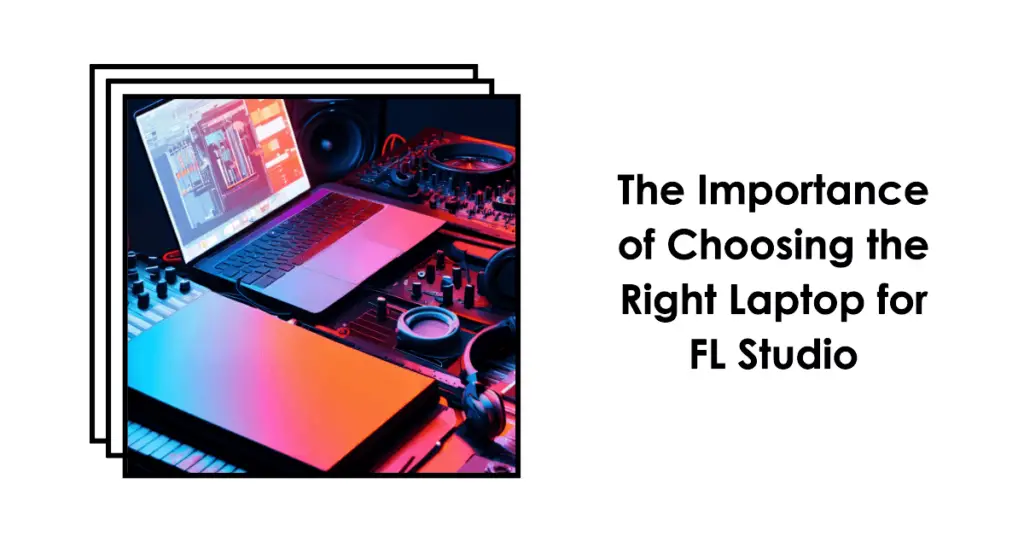
In the intricate tapestry of digital composition, a laptop tailored for FL Studio orchestrates an unrivaled symphony of performance. The intricate ballet of MIDI sequencing, audio recording, and VST instrument manipulation requires a laptop with substantial processing power. Multithreaded processors, such as Intel’s i9 or AMD’s Ryzen series, ensure a harmonious execution of resource-intensive tasks.
The vibrant crescendos of FL Studio find their resonance in ample RAM, where 32GB or more serves as the sweet spot. This memory tapestry weaves intricate layers of virtual instruments, samples, and effects, seamlessly eradicating the dissonance of lags and glitches.
Enter the domain of SSDs – a laptop adorned with a swift Solid State Drive lends pace to project loading, sample streaming, and rendering. This confluence of speed and fluidity echoes the software’s ethos of creativity without impediments.
Graphics prowess might seem like an auxiliary note, yet for visualizers and video integration, a laptop with a dedicated GPU like NVIDIA’s GeForce series kindles the flames of artistic expression.
In conclusion, the digital orchestration within FL Studio is an intricate art form, and the choice of the laptop becomes the conductor of this symphonic journey. The right laptop, replete with potent processing, expansive RAM, nimble SSDs, and harmonizing GPUs, becomes the silent collaborator, ensuring that the composer’s opus is delivered as intended – without compromise.
In the harmonious realm of FL Studio, the right laptop indeed matters – a silent yet resounding crescendo in musical creation.
Key Features To Consider for a FL Studio Laptop
When embarking on a musical journey with FL Studio, the choice of laptop becomes more than a mere decision; it transforms into a harmonious partnership between creativity and technology.
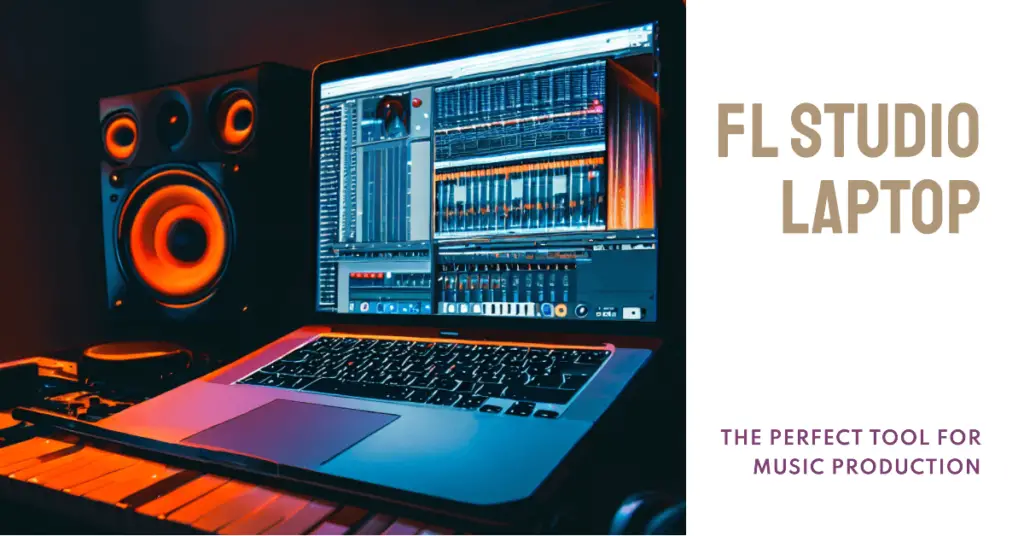
The intricacies of music production demand a laptop that orchestrates a seamless symphony of performance, and therein lies the significance of understanding the Key Features To Consider for a FL Studio Laptop.
Processing Power: At the heart of the composition lies the processing prowess. Opt for laptops with potent processors like the Intel Core i9 or AMD Ryzen 9, conducting resource-intensive tasks with finesse. Multithreaded architectures ensure a harmonious execution of MIDI sequencing, audio recording, and real-time effects manipulation.
Ample RAM: The virtual canvas of FL Studio unfurls best with abundant RAM. A 32GB or more laptop weaves intricate layers of virtual instruments, samples, and effects. This symphony of memory eradicates the dissonance of lags, ensuring a fluid composition experience.
Swift SSDs: The project loading and rendering tempo becomes paramount as compositions swell. Solid State Drives (SSDs), with their swift tempo, enhance the rhythm of your creative process. SSDs expedite data access and ensure your laptop keeps up with your imagination.
GPU Performance: While FL Studio’s melodies primarily resonate in the auditory realm, visualizers and video integration demand graphical finesse. Laptops with dedicated GPUs, such as the NVIDIA GeForce series, transmute your artistic visions into high-definition symphonies, rendering graphics and videos with precision.
Connectivity Conductor: A symphony extends its notes beyond the boundaries of the laptop. Ample USB ports, Thunderbolt support, and audio interface compatibility connect your laptop with MIDI controllers, audio equipment, and other peripherals, amplifying your creative spectrum.
In conclusion, the harmonious liaison between FL Studio and the laptop hinges upon these key features. The journey from composing to mastering is paved with the technological virtuosity of processing power, memory harmony, swift storage, graphical resonance, and seamless connectivity.
Let your compositions flow effortlessly, orchestrated by a laptop that understands the profound connection between technology and musical artistry.
Review of The Best Laptops for FL Studio
1. Apple MacBook Pro – Best Overall
In the symphony of digital music production, the Apple MacBook Pro is the virtuoso, orchestrating an unparalleled harmony between technological prowess and artistic ingenuity. As the best laptop for FL Studio, its composition is a masterpiece, where innovation converges with sophistication.
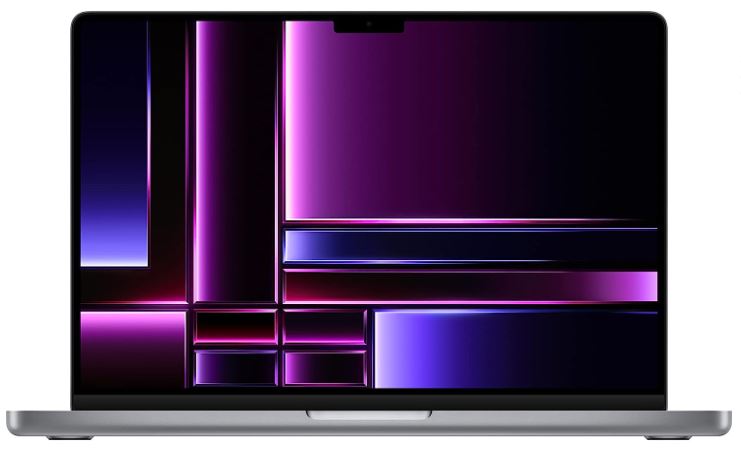
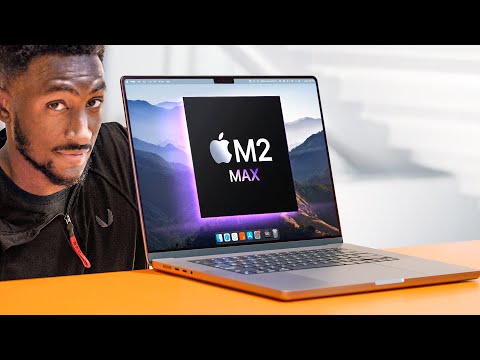
At its core lies the revolutionary M2 Pro chip, a 12-core CPU and 19-core GPU symphony that conducts intricate operations with remarkable finesse. This amalgamation of computational power ensures that every musical note, every beat, and every layer resonates with precision, crafting compositions that transcend mere melodies.
The crescendo of visual delight is presented on the 14.2-inch Liquid Retina XDR Display, where colors and details intertwine in a mesmerizing dance. This canvas becomes the visual playground for producers, sculpting their sonic narratives with precision and depth.
Within this sonic canvas, the 16GB Unified Memory assumes the role of a conductor, seamlessly weaving together complex arrangements of virtual instruments, effects, and samples. The laptop’s memory symphony ensures a fluid composition process devoid of dissonance.
The MacBook Pro’s prowess isn’t limited to its musical domain. Its affinity to the iPhone and iPad creates a seamless symphony of creativity across Apple devices. Ideas, inspirations, and projects harmonize effortlessly, a testament to the MacBook Pro’s role as a conductor bridging creativity across platforms.
The opus of capabilities continues with its 1TB SSD Storage, providing ample room for orchestrating grand compositions, loading projects swiftly, and storing a symphony of musical treasures.
The Space Gray design exudes elegance in the ensemble of technology and aesthetics, making a statement in any studio or stage setting.
In conclusion, the Apple MacBook Pro is not just a laptop; it’s a masterpiece that beckons creators to compose their sonic narratives with finesse. As the best laptop for FL Studio, it embodies the essence of innovation, harmonizing technology, and artistry in perfect unison.
Pros:-
Powerful Hardware: Including the M2 Pro chip with a 12-core CPU and 19-core GPU provides exceptional processing power, enabling smooth handling of resource-intensive tasks within FL Studio.
High-Quality Display: The 14.2-inch Liquid Retina XDR Display offers stunning visual clarity and color accuracy, enhancing the visual aspect of music production and allowing for precise adjustments.
Unified Memory: The 16GB Unified Memory ensures seamless multitasking and efficient handling of large projects, reducing the likelihood of performance bottlenecks during complex compositions.
Swift SSD Storage: The 1TB SSD storage guarantees fast loading times for projects, samples, and plugins, contributing to a smooth and uninterrupted workflow.
Cross-Platform Compatibility: Integration with iPhones and iPads through the Apple ecosystem streamlines the transfer of files, ideas, and projects, enabling creators to work seamlessly across devices.
Elegant Design: The sleek and sophisticated Space Gray design of the MacBook Pro reflects Apple’s commitment to aesthetics, making it visually appealing for professional environments and artistic spaces.
Cons:-
Price: The MacBook Pro is known for its premium pricing, which might be a deterrent for budget-conscious music producers or beginners who are just starting.
Limited Customization: Apple’s laptops are not as customizable as some PC alternatives, so users looking for specific hardware configurations might find themselves limited in their choices.
Software Compatibility: While FL Studio is available for macOS, some users may still require Windows-specific software or plugins, which might not be as easily accessible on a Mac platform.
Port Selection: The MacBook Pro tends to have fewer ports, relying heavily on USB-C/Thunderbolt connections. This might necessitate the use of dongles or adapters for certain peripherals.
Repair and Upgrades: Repairs and hardware upgrades on Apple laptops can be more complex and expensive than certain Windows laptops, where components can be more easily replaced or upgraded.
The Apple MacBook Pro is an exceptional choice for FL Studio enthusiasts due to its impressive performance, sleek design, and integration with the Apple ecosystem. However, before deciding, potential buyers should carefully consider the pricing, software compatibility, and customization options.
Check Price on Amazon2. Dell XPS 17 9720
In the symphony of music production, where every note holds the potential to shape sonic landscapes, the Dell XPS 17 9720 takes center stage as the ultimate instrument for composers and producers.
As the best laptop for FL Studio, its harmonious blend of cutting-edge technology and artistic finesse orchestrates an unparalleled composition experience.
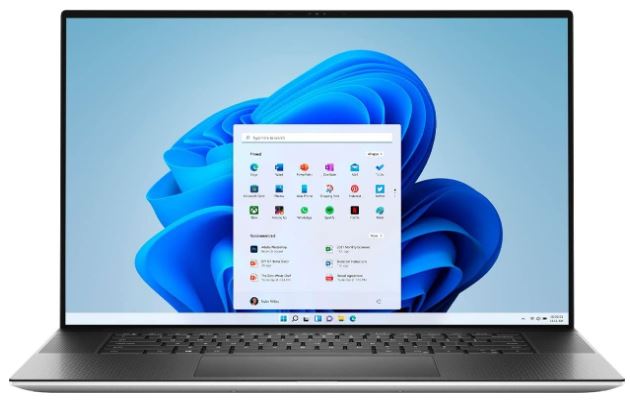
At its core, the 14-Core 12th Intel Core i7-12700H processor stands as a maestro of performance, conducting complex tasks with precision and speed. This computational virtuosity ensures that the creative journey remains fluid and uninterrupted, with no dissonance to hinder the musical flow.
The laptop’s NVIDIA RTX 3060 6GB GDDR6 graphics paint vibrant sound palettes, weaving intricate melodies with visual delight. This graphical prowess empowers creators to synthesize sounds and immersive visuals, making the laptop a canvas for multisensory storytelling.
The 32GB DDR5 memory is the symphony’s conductor, orchestrating the seamless integration of virtual instruments, plugins, and effects. This memory ensemble ensures a harmonious blend of tracks and samples, allowing artists to experiment without constraints.
Within the XPS 17’s composition, the 1TB NVMe SSD storage plays a pivotal role, seamlessly storing compositions and facilitating swift project loading. The laptop’s rapid data retrieval rhythm maintains the tempo of the creative process.
The laptop’s architecture extends its harmonious capabilities through Thunderbolt 4, facilitating rapid data transfers and enabling connectivity to many peripherals. With WiFi 6E, the laptop remains in tune with the digital world, ensuring seamless collaboration and online resource access.
As the curtain rises on this technological symphony, the laptop’s 17″ Touchscreen UHD+ Display provides a canvas for precision and detail. Every touch, every tap, becomes a gesture of artistic expression, enhancing the tactile engagement of music production.
In the grand finale, Windows 11 Pro sets the stage for an immersive and productive environment, perfectly complementing the laptop’s capabilities.
In conclusion, the Dell XPS 17 9720 reigns supreme as the ultimate companion for FL Studio virtuosos. Its prowess in processing, graphics, memory orchestration, and seamless connectivity transforms music production into a symphony of innovation and creativity.
As a harmonious blend of technology and artistry, this laptop takes place among the stars, defining the pinnacle of FL Studio performance.
Pros:-
Powerful Processing: The 14-Core 12th Intel Core i7-12700H processor delivers robust performance, handling complex music production tasks quickly and efficiently.
Impressive Graphics: The NVIDIA RTX 3060 6GB GDDR6 graphics card enhances visual creativity, enabling producers to create both captivating sounds and immersive visuals.
Ample Memory: With 32GB DDR5 memory, the laptop allows for smooth multitasking, facilitating the seamless integration of virtual instruments and effects within FL Studio.
Fast Storage: The 1TB NVMe SSD storage ensures swift project loading and data retrieval, contributing to an uninterrupted creative workflow.
Versatile Connectivity: Thunderbolt 4 ports enable rapid data transfers and seamless connectivity with various peripherals, enhancing the laptop’s versatility.
WiFi 6E: Including WiFi 6E ensures a reliable and high-speed internet connection, vital for collaboration, resource access, and updates.
High-Resolution Display: The 17″ Touchscreen UHD+ Display offers precision and detail, enhancing the visual aspect of music production and providing a tactile interface.
Windows 11 Pro: The laptop is equipped with Windows 11 Pro, offering a modern and productive environment that complements its capabilities.
Cons:-
Size and Weight: The larger 17-inch form factor may make the laptop less portable than smaller alternatives, potentially limiting mobility.
Battery Life: The powerful hardware components may reduce battery life during intensive music production sessions, requiring frequent charging.
Learning Curve: The advanced features and capabilities of the laptop might require some learning for users new to complex music production software like FL Studio.
Price: The robust specifications come at a cost, making the Dell XPS 17 9720 a premium option that might not be suitable for all budgets.
Windows Ecosystem: While the laptop comes with Windows 11 Pro, users more accustomed to macOS or other operating systems might need time to adapt.
Lack of macOS: For those specifically looking for a macOS environment for FL Studio, this laptop’s Windows operating system might not align with their preferences.
The Dell XPS 17 9720 offers an exceptional blend of processing power, graphics prowess, memory capacity, and connectivity options, making it an ideal choice for FL Studio enthusiasts. However, before deciding, potential buyers should consider factors like size, battery life, and operating system compatibility.
Check Price on Amazon3. Acer Aspire 5
Regarding FL Studio, the heart of music production, having the right tools at your disposal can make all the difference. In budget laptops, the Acer Aspire 5 emerges as a true champion, seamlessly marrying affordability with performance, thus earning its stripes as the best laptop for FL Studio under $500.
Equipped with a robust 12GB RAM, this laptop ensures that your creative endeavors are met with unparalleled smoothness. The spacious 1TB SSD provides ample storage for your extensive sample libraries and project files and significantly reduces load times, granting you more time to focus on refining your sonic masterpiece.
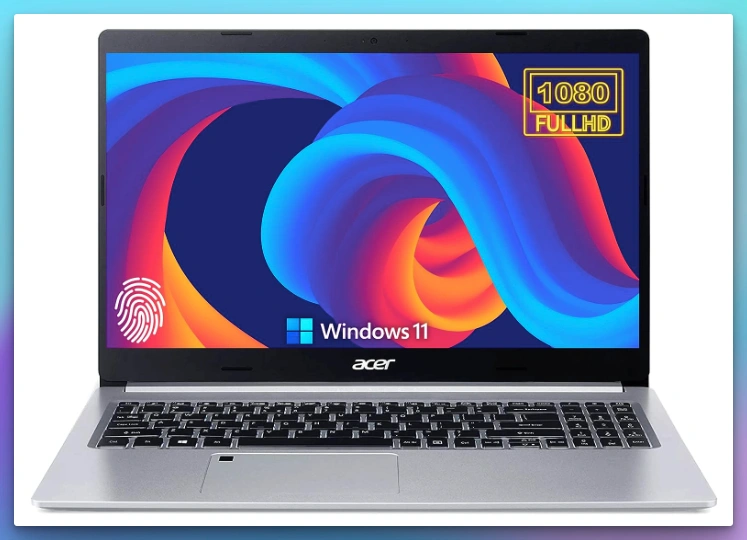
The Acer Aspire 5 boasts a finely tuned AMD Ryzen processor, a true workhorse capable of handling the intricate demands of FL Studio. This processing powerhouse minimizes latency and efficiency, which is vital for a seamless music production experience.
The laptop’s high-resolution display is an expansive canvas, allowing you to fine-tune every project element with precision. The ergonomically designed keyboard ensures extended producing sessions remain comfortable, while the precise touchpad facilitates effortless navigation through your arrangements.
One notable feather in the Aspire 5’s cap is its exceptional portability. Musicians on the move will appreciate its lightweight construction, a boon for those seeking inspiration beyond the confines of their studio walls.
In the realm of connectivity, this laptop shines with many USB ports, an HDMI output, and Wi-Fi 6 compatibility, ensuring swift file transfers, secondary display integration, and seamless collaboration with fellow artists.
In conclusion, for the modern music producer seeking a laptop that harmonizes budget constraints with exceptional performance, the Acer Aspire 5 is the best laptop for FL Studio under $500. Its harmonious blend of processing power, substantial RAM, and capacious SSD encased in a sleek and portable design makes it an ideal companion on your musical journey.

Pros:-
Affordability: The standout feature of the Acer Aspire 5 is its remarkable affordability, making it an accessible choice for music producers on a budget.
Powerful Performance: With a robust 12GB RAM and an efficient AMD Ryzen processor, the laptop delivers impressive performance, ensuring smooth multitasking and minimal latency during music production tasks in FL Studio.
Ample Storage: The 1TB SSD offers generous storage space for your extensive collection of samples, plugins, and project files while contributing to faster load times and smoother workflow.
High-Resolution Display: The laptop’s high-resolution display provides a crisp and clear canvas for fine-tuning every detail of your music projects, aiding in precision editing and arrangement.
Portability: The lightweight and compact design of the Aspire 5 enhances its portability, making it convenient for musicians who require flexibility in their work environments.
Connectivity Options: The laptop’s multiple USB ports, HDMI output, and compatibility with Wi-Fi 6 ensure seamless connectivity, enabling quick data transfer, external display integration, and collaboration.
Cons:-
Limited Graphics Performance: While the laptop performs well for music production tasks, its integrated graphics may not be sufficient for graphic-intensive applications or gaming.
Audio Quality: While adequate for casual listening, the laptop’s built-in speakers might not offer the optimal audio quality required for critical music production tasks. External audio devices or headphones are recommended for accurate sound assessment.
Build Quality: Given its affordability, the Aspire 5’s build quality might not match that of higher-end laptops, potentially leading to concerns about long-term durability.
Upgrade Limitations: Some components, such as the RAM, might be soldered onto the motherboard, limiting the laptop’s potential for future upgrades. Therefore, it’s important to consider your long-term needs when choosing a configuration.
Battery Life: Depending on usage patterns, the laptop’s battery life may not be as impressive as some other models, necessitating occasional charging during extended work sessions.
Pre-installed Software: Like many laptops, the Aspire 5 might have pre-installed software or bloatware that could impact performance or clutter your system. An initial setup and uninstallation may be needed to optimize the laptop for music production.
The Acer Aspire 5 is an exceptional choice for music producers seeking an affordable laptop for FL Studio under $500. Its strengths in performance, storage, portability, and connectivity outweigh its limitations in graphics and certain hardware aspects, making it a valuable tool in the creative arsenal of budding musicians and producers.
4. ASUS ROG Strix G16
In the realm of music production, precision and power are paramount. Enter the ASUS ROG Strix G16, a gaming laptop transcending its niche to emerge as the best laptop for FL Studio aficionados.
This powerhouse of technology is poised to redefine your music production experience, delivering unprecedented performance and a slew of cutting-edge features.
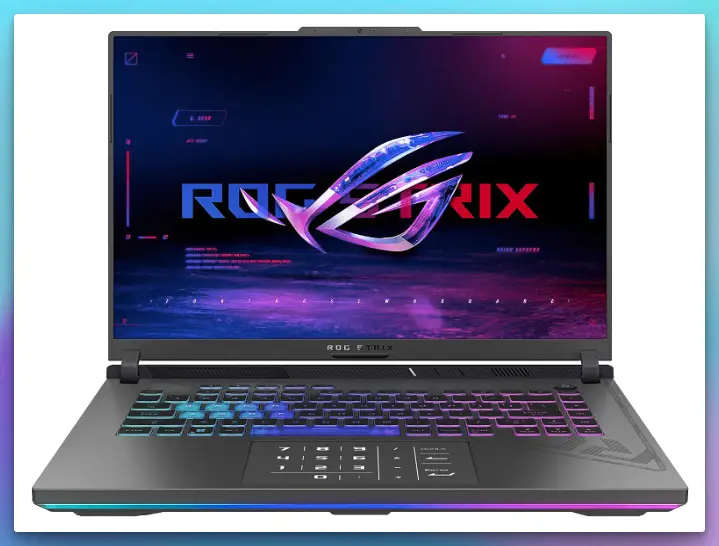
Crafted to captivate, the laptop boasts a striking 16″ Nebula Display with a cinematic 16:10 QHD resolution. The visual canvas is elevated further by an astounding 240Hz refresh rate, rendering every waveform and plugin interface with unparalleled fluidity.
This harmonious resolution and refresh rate blend ensures your creative vision remains true, empowering you to finesse your music projects pixel by pixel.
Under the hood, the ASUS ROG Strix G16 is fueled by the relentless power of an Intel Core i9-13980HX processor. This colossus of a CPU, coupled with a mammoth 16GB DDR5 RAM, orchestrates a symphony of multitasking prowess.
Whether layering intricate melodies or applying intricate effects chains, the laptop’s prowess remains steadfast, minimizing latency and elevating your workflow to new heights.
For the discerning producer, storage is of the essence. Including a 1TB PCIe SSD ensures that your sample libraries, project files, and audio assets reside at your fingertips, enabling swift access and manipulation. This synergy of speed and capacity empowers you to explore new sonic landscapes without restraint.
At the heart of this laptop’s prowess lies the GeForce RTX 4050 graphics card, a true virtuoso in rendering. This isn’t just about gaming; it’s about visualizing soundscapes.
The immense graphical might enhance not only the visual aesthetics of your software but also unlock the potential for GPU-accelerated audio processing, transcending traditional audio production boundaries.
Moreover, the laptop’s Wi-Fi 6E compatibility ensures seamless collaboration, with ultra-low latency connectivity that can make a difference during remote sessions with fellow artists or clients.
In modern music production, where innovation reigns supreme, the ASUS ROG Strix G16 is the best laptop for FL Studio. Its fusion of technological supremacy, stunning visuals, and unbridled power establishes it as an instrument of choice for producers who demand nothing short of excellence in their creative journey.
Pros:-
Exceptional Performance: The ASUS ROG Strix G16 is powered by an Intel Core i9-13980HX processor and a hefty 16GB DDR5 RAM, providing unparalleled processing power and multitasking capabilities for complex FL Studio projects.
Stunning Display: The 16″ Nebula Display with a 16:10 QHD resolution and a remarkable 240Hz refresh rate offers an immersive visual experience, enabling precise editing and a seamless interface interaction.
GPU Powerhouse: Including the GeForce RTX 4050 graphics card enhances visual aesthetics and potential for GPU-accelerated audio processing, allowing music producers to explore new creative dimensions.
Ample Storage: The 1TB PCIe SSD ensures ample space for storing vast sample libraries, project files, and audio assets, contributing to swift access and an organized workflow.
Cutting-Edge Connectivity: With Wi-Fi 6E compatibility, the laptop offers ultra-low latency connectivity, making remote collaboration and online interactions seamless and efficient.
Elevated Aesthetics: The ASUS ROG Strix G16 features an attractive design that aligns with modern sensibilities, ensuring that your workstation performs exceptionally and looks the part.
Cons:-
Premium Price: The advanced specifications and features come with a premium price tag, making the ASUS ROG Strix G16 an investment for serious professionals and enthusiasts.
Portability Considerations: While the laptop’s performance is undeniable, its larger form factor might be less suitable for those seeking extreme portability or on-the-go music production.
Battery Life: Given the high-performance components, the laptop’s battery life may be relatively shorter, especially during resource-intensive tasks in FL Studio.
Weight: The robust components contribute to the laptop’s weight, which might be a factor for users who prioritize lightweight devices.
Potential Learning Curve: Users new to advanced technology might need time to acclimate to the laptop’s extensive capabilities and features.
Audio Monitoring: While the laptop’s graphical prowess is remarkable, external audio devices or headphones might still be preferable for critical audio monitoring tasks.
In conclusion, the ASUS ROG Strix G16 is an extraordinary choice for discerning music producers seeking a laptop that harmonizes cutting-edge performance, immersive visuals, and creative innovation.
While the premium price and considerations related to portability and battery life are worth noting, the laptop’s capabilities far outweigh these limitations, making it a top-tier option for those striving for excellence in their FL Studio projects.
5. Razer Blade 18
In music production, where precision meets innovation, the Razer Blade 18 is the pinnacle of excellence, solidifying its status as the best laptop for FL Studio enthusiasts.
Melding powerhouse performance with sleek design, this laptop is poised to redefine your creative process, unleashing a symphony of capabilities that elevate your music production experience.
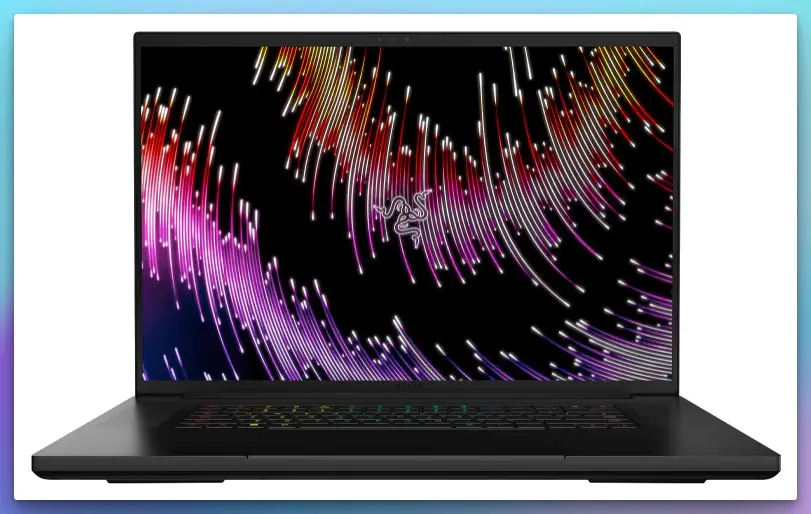
At the heart of this technological marvel lies the 13th Gen Intel 24-Core i9 HX CPU, a computational titan orchestrating your musical endeavors with finesse. This processing juggernaut, combined with a substantial 16GB RAM, ensures that your intricate compositions are met with seamless execution, enabling you to sculpt soundscapes without bounds.
Visualizing your sonic creations requires a canvas that does justice to your artistry. The Razer Blade 18 delivers an impressive 18″ QHD+ display boasting a remarkable 240Hz refresh rate. This harmonious union of size, resolution, and refresh rate engulfs you in an immersive environment, rendering every note and waveform with pixel-perfect precision.
The laptop’s NVIDIA GeForce RTX 4060 graphics card isn’t just about stunning visuals; it unlocks creative possibilities. From rendering intricate virtual instruments to harnessing the potential of GPU-accelerated effects, this graphics powerhouse extends the frontiers of what your music can become.
Storage is no longer a limitation with the inclusion of a spacious 1TB SSD. Your sample libraries, project files, and audio assets are at your fingertips, enabling swift access and manipulation, while the laptop’s CNC Aluminum Compact build exudes durability and sophistication.
In the heart of this sonic powerhouse lies a feature that sets it apart – the Chroma RGB lighting. Beyond aesthetics, it enhances your workflow by providing customizable visual cues, turning your keyboard into a canvas of creative expression.
Seamless connectivity is ensured with Windows 11, while the laptop’s compact GaN Charger caters to on-the-go productivity. Whether collaborating remotely or bringing your music to life in a studio, the Razer Blade 18 delivers unwavering performance.
In the symphony of music production, the Razer Blade 18 takes center stage as the best laptop for FL Studio. Its fusion of exceptional processing power, mesmerizing visuals, and creative enhancements renders it an invaluable tool for producers who demand nothing short of perfection in their sonic masterpieces.
Pros:-
Unmatched Performance: The Razer Blade 18 boasts a formidable 13th Gen Intel 24-Core i9 HX CPU and 16GB RAM, ensuring seamless execution of complex FL Studio projects and allowing producers to dive deep into intricate sound design.
Immersive Display: The laptop’s 18″ QHD+ display with a 240Hz refresh rate provides an immersive canvas for precision editing, enabling musicians to visualize their music with stunning clarity.
Creative Graphics Power: Including an NVIDIA GeForce RTX 4060 graphics card empowers music producers to explore GPU-accelerated audio processing and unleash new dimensions of creative potential.
Ample Storage: With a 1TB SSD, the laptop ensures generous storage space for extensive sample libraries, project files, and audio assets, enhancing workflow efficiency.
Durable Build: The CNC Aluminum Compact construction not only exudes sophistication but also ensures the laptop’s durability, making it a reliable companion for studio and on-the-go work.
Chroma RGB Enhancement: The integrated Chroma RGB lighting adds an aesthetic flair and serves as a customizable tool for optimizing workflow through visual cues.
Cons:-
High Price: The advanced specifications and features of the Razer Blade 18 come at a premium cost, making it an investment suitable for serious professionals and enthusiasts.
Large Form Factor: The laptop’s 18″ display contributes to its larger size and weight, potentially impacting portability for users who prioritize mobility.
Battery Life: Given the laptop’s powerful components, its battery life might be relatively shorter during resource-intensive tasks, necessitating occasional charging.
Learning Curve: Users new to advanced technology might need time to adapt to the laptop’s extensive capabilities and features.
Potential Overkill: The high-performance components might be more than some users require for FL Studio, potentially leading to an underutilization of the laptop’s capabilities.
Audio Monitoring Consideration: While the laptop has impressive graphics prowess, external audio devices or headphones are still recommended for critical audio monitoring tasks.
The Razer Blade 18 is an unparalleled choice for music producers seeking a laptop that harmonizes high-octane performance, captivating visuals, and innovative enhancements.
While the premium price and considerations related to size and battery life are worth noting, the laptop’s capabilities far outweigh these limitations, positioning it as a top-tier option for those committed to achieving sonic excellence in their FL Studio projects.
6. SAMSUNG Galaxy Book2 Business
In music production, where creativity meets technology, the SAMSUNG Galaxy Book2 Business emerges as a true gem, earning its title as the best laptop for FL Studio enthusiasts.
With its powerful performance, enhanced security features, and sleek design, this laptop is poised to revolutionize your music production journey, empowering you to craft intricate sonic landscapes like never before.
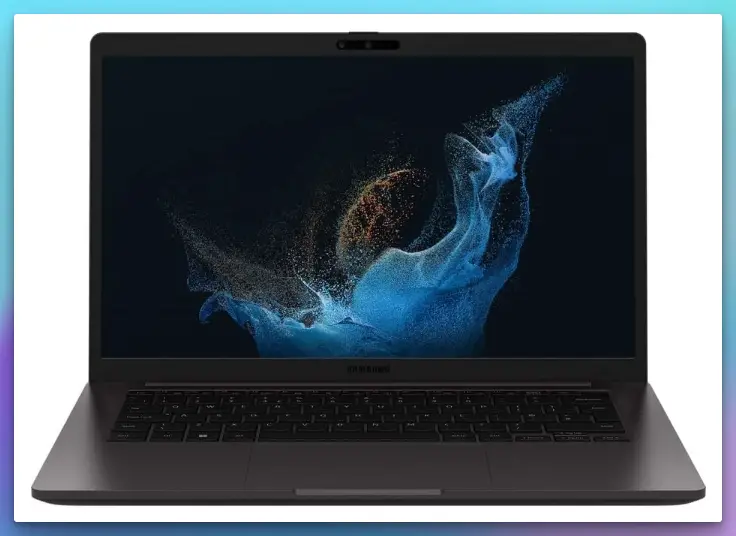
Under the hood, the laptop is fueled by the prowess of the 12th Gen Intel vPro 28W Processor. This technological marvel ensures lightning-fast performance and prioritizes security with enhanced encryption and system management capabilities.
With a substantial 32GB RAM and a spacious 512GB storage, this laptop seamlessly handles the demands of FL Studio, allowing you to compose, arrange, and mix your tracks with unrivaled efficiency.
The 14″ Galaxy Book2 Business display provides a canvas for your creativity that’s both vivid and expansive. Its high-resolution screen offers the precision needed for intricate audio editing. At the same time, the laptop’s portability ensures that your musical ideas can flourish whether you’re in your studio or on the move.
But it’s not just about performance and visuals—the laptop’s inclusion of Windows 11 PRO provides an environment optimized for productivity and creativity. The operating system’s enhancements in multitasking, virtualization, and compatibility foster a seamless experience, allowing you to focus on what matters most: your music.
The Galaxy Book2 Business places security at the forefront with its Enhanced Security features, aligning perfectly with its business-oriented design. This is crucial for safeguarding your musical creations and protecting sensitive data related to your projects.
Whether you’re a seasoned music producer or a budding artist, the SAMSUNG Galaxy Book2 Business is your ideal companion for FL Studio. Its harmonious blend of robust performance, enhanced security, and intuitive design transforms your laptop into a hub of creativity, ensuring that every note you craft resonates with precision and passion.
Pros:-
Powerful Performance: The SAMSUNG Galaxy Book2 Business boasts a 12th Gen Intel vPro 28W Processor and 32GB RAM, offering robust processing power that ensures seamless music production tasks within FL Studio.
Ample Storage: With 512GB storage, the laptop provides ample space for storing extensive sample libraries, project files, and audio assets, enhancing workflow efficiency.
Enhanced Security: The laptop’s Enhanced Security features, in combination with Windows 11 PRO, provide advanced encryption and system management capabilities, keeping your music projects and sensitive data safe.
Sleek Design: The 14″ Galaxy Book2 Business’s elegant design looks professional and ensures portability, allowing you to create music wherever inspiration strikes.
Optimized Operating System: Windows 11 PRO offers a user-friendly environment with improved multitasking, virtualization, and compatibility features, enhancing your overall music production experience.
Business Focus: The laptop’s business-oriented design and features make it a reliable and secure choice, catering to professional users seeking performance and data protection.
Cons:-
Integrated Graphics: The laptop’s integrated graphics might not be as powerful as dedicated graphics cards, limiting its performance for graphic-intensive tasks beyond music production.
Limited Screen Real Estate: While the 14″ display offers portability, users accustomed to larger screens might find it slightly limiting for intricate audio editing and arrangement.
Battery Life: Depending on usage patterns, the laptop’s battery life may vary, potentially requiring charging during extended music production sessions.
Price Consideration: The advanced specifications and security features might come with a higher price point, making the SAMSUNG Galaxy Book2 Business more suitable for serious professionals and enthusiasts.
Audio Quality: While adequate for casual listening, the laptop’s built-in speakers might not provide the optimal audio quality required for critical music production tasks.
Potential Learning Curve: Users new to advanced technology might need time to effectively explore and utilize the laptop’s enhanced security features.
In conclusion, the SAMSUNG Galaxy Book2 Business is a versatile and secure choice for music producers seeking a laptop that harmonizes performance, security, and portability.
While the integrated graphics and screen size considerations are worth noting, the laptop’s strengths in powerful processing, enhanced security, and intuitive design make it a valuable asset for crafting exceptional music within FL Studio.
7. HP Envy X360
In music production, where innovation meets melody, the HP Envy X360 emerges as a true maestro, earning its title as the best laptop for FL Studio enthusiasts.
With its dynamic features and versatile design, this laptop is set to redefine your music production experience, enabling you to compose, arrange, and mix with unparalleled precision.
At the core of this powerhouse lies the AMD Ryzen 7 5825U Processor, a true virtuoso in computational prowess. Combined with an impressive 32GB RAM and a spacious 1TB PCIe SSD, the laptop orchestrates a symphony of speed and storage capacity, ensuring a seamless workflow even for the most intricate music projects.
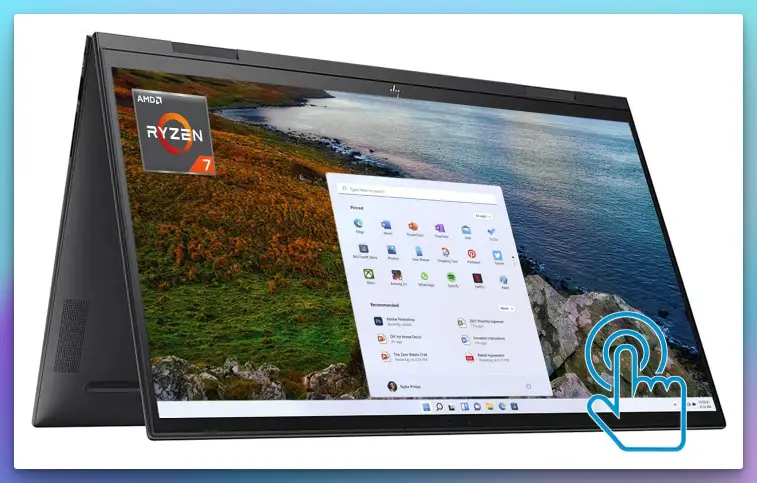
The 15.6″ IPS Touchscreen display is not just a window—it’s an interactive canvas for your musical ideas. Visualize your melodies with clarity, while the touchscreen capability offers an intuitive way to manipulate audio elements, bringing a new level of hands-on creativity to your compositions.
The laptop’s backlit keyboard adds an elegant touch to your workspace and extends your productivity into late-night production sessions. Meanwhile, the Fingerprint Reader enhances security, protecting your musical compositions without hindering your artistic flow.
Wi-Fi 6 connectivity ensures swift data transfer and seamless collaboration, which is essential for exchanging ideas with fellow musicians or collaborators.
And let’s not forget the auditory experience—Audio by Bang & Olufsen elevates your soundscapes to new heights. Whether you’re fine-tuning instrument arrangements or mixing vocals, the laptop’s audio capabilities ensure an accurate representation of your music.
From composing to performing, the HP Envy X360 adapts to your every musical need. Its fusion of processing power, expansive storage, and creative enhancements establishes it as a key player in music production.
With the precision of a conductor’s baton, this laptop empowers you to shape sonic landscapes that resonate with your unique musical vision.
Pros:-
Versatile Performance: The HP Envy X360 features an AMD Ryzen 7 5825U Processor, a robust 32GB RAM, and a spacious 1TB PCIe SSD, ensuring smooth multitasking and efficient handling of complex FL Studio projects.
Interactive Touchscreen: The 15.6″ IPS Touchscreen display offers high-quality visuals and an intuitive touch interface for hands-on manipulation of audio elements, enhancing your creative workflow.
Elegant Design: The laptop’s backlit keyboard adds a touch of sophistication to your workspace, making late-night music production sessions comfortable and visually appealing.
Enhanced Security: The Fingerprint Reader feature adds a layer of security to your laptop, safeguarding your musical creations without interrupting your creative process.
Audio Excellence: With Audio by Bang & Olufsen, the laptop ensures an exceptional auditory experience, allowing you to create and mix music with precision and accuracy.
Wi-Fi 6 Connectivity: Wi-Fi 6 ensures fast and reliable data transfer, facilitating seamless collaboration and sharing of music projects with others.
Cons:-
Integrated Graphics: While suitable for music production, the integrated graphics might not be sufficient for graphic-intensive tasks beyond audio production.
Audio Monitoring: While the laptop has impressive audio capabilities, external audio devices or headphones may be preferred for critical audio monitoring tasks.
Battery Life: Depending on usage, the laptop’s battery life may vary, potentially requiring charging during extended music production sessions.
Touchscreen Ergonomics: While the touchscreen is intuitive, some users may find that extended touch interactions are less comfortable than traditional input methods.
Size Consideration: The larger 15.6″ form factor might be less portable for users who prioritize mobility or require a compact workspace.
Price: While offering premium features, the laptop’s specifications might lead to a higher price point, making it more suitable for serious music producers and enthusiasts.
In conclusion, the HP Envy X360 is a versatile tool for music producers seeking a laptop that harmonizes performance, interactivity, and audio quality. Despite considerations related to integrated graphics and battery life, its strengths in processing power, storage, and creative enhancements make it an appealing choice for crafting exceptional music within FL Studio.
8. Dell Inspiron 16 5635
In the dynamic world of music production, where innovation meets melody, the Dell Inspiron 16 5635 emerges as a true virtuoso, proudly claiming its title as the best laptop for FL Studio enthusiasts.
With its powerful features and impeccable design, this laptop is poised to transform your music production experience, empowering you to craft harmonies and rhythms with unparalleled finesse.
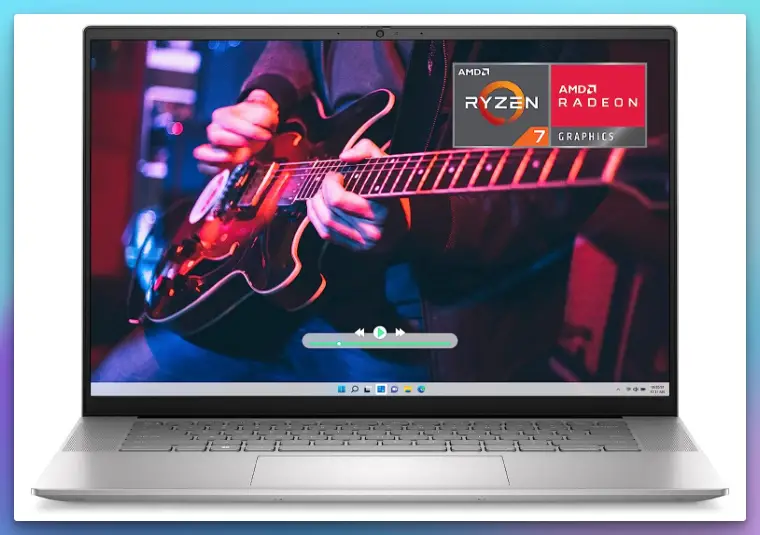
The AMD Ryzen 7-7730U processor is central to its prowess, a symphony of computational brilliance. With a generous 16GB LPDDR4x RAM and a spacious 1TB SSD, this laptop conducts your music projects seamlessly, ensuring a harmonious blend of speed and storage capacity.
The QHD 16-inch display is not just a screen; it’s a canvas for your sonic artistry. Witness your compositions in brilliant clarity as you arrange and edit with precision. This expansive canvas is a playground for your creative expression, helping you bring your musical ideas to life.
The laptop’s AMD Radeon Graphics lend vibrant colors and visual depth to your music production journey. Whether you’re crafting melodies or mixing tracks, the graphics prowess ensures that your creative vision shines through.
Navigating your musical endeavors is a breeze with the sleek keyboard, while the precision touchpad lets you fine-tune every element. The laptop’s seamless integration with Windows 11 Home provides an optimized music creation and collaboration environment.
Elevating the auditory experience is the inclusion of Windows 11 Home and 1 Year Premium Support. These features ensure an exceptional listening experience and offer peace of mind, knowing that your laptop is backed by comprehensive support.
The Dell Inspiron 16 5635 isn’t just a laptop—it’s a symphony of innovation and creativity. Its fusion of power, design, and precision establishes it as an essential tool for music producers striving for excellence in FL Studio.
As you embark on your musical journey, let this laptop be your guiding conductor, orchestrating your ideas into sonic masterpieces.
Pros:-
Powerful Performance: The Dell Inspiron 16 5635 features an AMD Ryzen 7-7730U processor and 16GB LPDDR4x RAM, ensuring smooth multitasking and efficient handling of demanding FL Studio projects.
Vivid Display: The QHD 16-inch display offers brilliant clarity, providing a canvas for precise music editing, arrangement, and visualization of audio elements.
Graphics Excellence: The laptop’s AMD Radeon Graphics enhances visual depth and vibrancy, elevating your music production experience and creative expression.
Spacious Storage: With a 1TB SSD, the laptop offers ample storage for large sample libraries, project files, and audio assets, contributing to a streamlined workflow.
Windows 11 Integration: Seamless integration with Windows 11 Home ensures an optimized environment for music creation, multitasking, and collaboration.
Premium Support: Including 1 Year Premium Support provides peace of mind, offering comprehensive assistance and ensuring a smooth music production journey.
Cons:-
Integrated Graphics: While suitable for audio production, the integrated graphics might not suffice for graphic-intensive tasks beyond music-related activities.
Audio Monitoring: To ensure accurate sound assessment, external audio devices or headphones may be preferred for critical audio monitoring.
Battery Life: Depending on usage, the laptop’s battery life may vary, potentially requiring charging during extended music production sessions.
Portability Consideration: The larger 16-inch form factor might be less portable for users who prioritize mobility or require a compact workspace.
Price: While offering powerful features, the laptop’s specifications might lead to a higher price point, making it more suitable for serious music producers and enthusiasts.
Learning Curve: Users new to advanced technology might need time to explore and effectively utilize Windows 11 Home features.
In conclusion, the Dell Inspiron 16 5635 is a versatile tool for music producers seeking a laptop that balances performance, design, and visual clarity. While considerations related to integrated graphics and battery life are worth noting, its strengths in processing power, storage, and creative enhancements make it an appealing choice for crafting exceptional music within FL Studio.
9. MSI Katana 15
In the symphony of music production, where precision meets innovation, the MSI Katana 15 emerges as a true virtuoso, claiming its rightful place as the best laptop for FL Studio aficionados.
With its cutting-edge features and relentless performance, this laptop redefines your music production experience, enabling you to craft intricate harmonies and melodies with unmatched finesse.
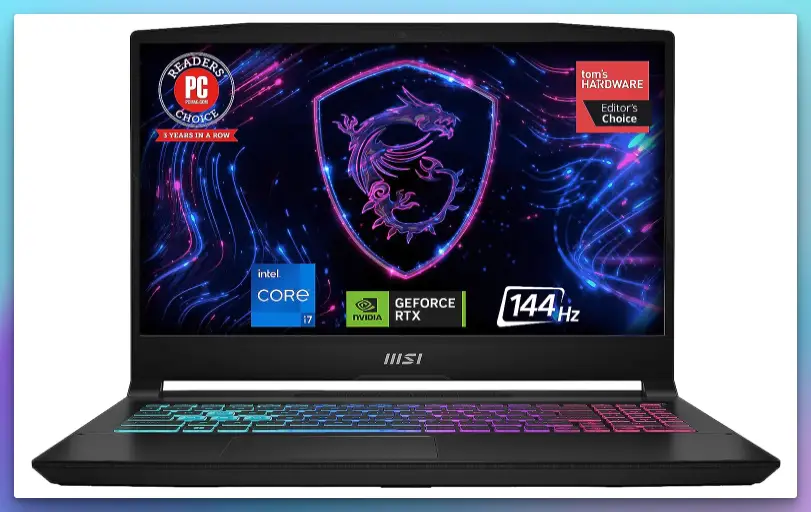
At its core, the laptop houses the formidable 13th Gen Intel Core i7 processor, a sonic powerhouse that orchestrates your creative endeavors with fluidity. Coupled with a potent 16GB DDR5 memory, this dynamic duo ensures that your compositions and mixing tasks are executed without missing a beat.
The laptop’s GeForce RTX 4070 graphics card isn’t just about visuals; it’s a gateway to exploring new dimensions of sound design. From rendering complex virtual instruments to harnessing GPU-accelerated effects, this graphics marvel transcends traditional audio boundaries.
The 15.6″ 144Hz Display is your window into a world of sonic precision. Witness every waveform, visualize intricate effects chains, and edit pixel-perfectly. This visual canvas complements your auditory artistry, empowering you to sculpt soundscapes that resonate with emotion.
With a robust 1TB NVMe SSD, your vast sample libraries, project files, and audio assets reside at your fingertips, enhancing your creative flow. Including Cooler Boost 5 ensures your laptop remains cool even during resource-intensive music production sessions.
Elevating your music journey further is Windows 11 Home, a platform that enhances multitasking and creativity. Whether you’re composing, arranging, or collaborating remotely, this laptop is your conduit to musical brilliance.
The MSI Katana 15 isn’t just a laptop—it’s a symphony of innovation and artistry. Its fusion of performance, visual splendor, and raw power establishes it as a cornerstone for music producers striving for excellence within FL Studio.
Let this laptop be your instrument of choice, conducting your musical aspirations into symphonies that resonate with your unique voice.
Pros:-
Powerhouse Performance: The MSI Katana 15 features a formidable 13th Gen Intel Core i7 processor and 16GB DDR5 memory, ensuring seamless multitasking and efficient handling of complex FL Studio projects.
Graphics Excellence: Including a GeForce RTX 4070 graphics card unlocks stunning visuals and opens doors to GPU-accelerated audio processing and advanced sound design possibilities.
Visual Precision: The 15.6″ 144Hz Display offers a high-refresh-rate canvas for precise audio editing, arrangement, and visualization of intricate sound elements, enhancing your creative workflow.
Ample Storage: With a spacious 1TB NVMe SSD, the laptop ensures fast and responsive access to extensive sample libraries, project files, and audio assets.
Effective Cooling: The Cooler Boost 5 technology keeps the laptop’s temperature in check even during resource-intensive music production sessions, ensuring optimal performance and longevity.
Windows 11 Enhancement: The integration of Windows 11 Home enhances multitasking, enabling you to navigate various aspects of music production easily.
Cons:-
Price Consideration: The high-end specifications and performance might result in a premium price point, making the MSI Katana 15 more suitable for serious music producers and enthusiasts.
Battery Life: Due to the powerful components, the laptop’s battery life may be shorter during extended music production sessions, necessitating occasional charging.
Portability: The larger 15.6″ form factor may affect the laptop’s portability for users who require a compact workspace or are often on the move.
Audio Monitoring: To ensure accurate sound assessment, external audio devices or headphones might be preferred for critical audio monitoring tasks.
Learning Curve: Users unfamiliar with advanced technology might need time to adapt to the laptop’s capabilities and Windows 11 Home features.
Graphics Intensity: While beneficial for advanced audio processing, the high-performance graphics card might be overkill for users whose primary focus is music production.
In conclusion, the MSI Katana 15 is a powerhouse for music producers seeking a laptop that fuses performance, visuals, and power. While considerations related to price and battery life are worth noting, its strengths in processing, graphics, and creative enhancements position it as a top-tier choice for crafting exceptional music within FL Studio.
Optimizing Your Laptop for Seamless Performance in FL Studio
In the epoch of digital audio workstations (DAWs), FL Studio has distinguished itself as a quintessential platform for music production. Whether you’re an aspiring beatmaker or a seasoned sound engineer, FL Studio offers many features to meet your creative requirements.
However, these functionalities can sometimes lead to system latency or sluggishness if your laptop isn’t adequately optimized. The question is, how do we implement laptop optimization for FL Studio?
Hardware Precedence:- Before we delve into software tweaks, we must consider the hardware components. To sidestep avoidable bottlenecks in performance, opt for a laptop with at least 8 GB of RAM, a quad-core processor, and a solid-state drive (SSD). These components are not merely extra add-ons but the linchpin of system performance.
Background Processes: The Hidden Culprits:- Background applications can be parasitic, gobbling up your system’s resources. To commence laptop optimization for FL Studio, initiate a task manager scan and obliterate unnecessary processes. This operation frees up system memory and enhances CPU performance, creating an optimal environment for FL Studio.
Power Settings: Unleashing the Beast:- Your laptop’s default power settings might not be congruent with the intensive tasks performed in a DAW. For efficacious laptop optimization for FL Studio, navigate to ‘Power Options’ in your control panel. Select the ‘High Performance’ setting to unshackle your laptop’s computational prowess.
Tweaking FL Studio Settings:- Once your laptop is primed, the next step is to fine-tune FL Studio itself. In the ‘Options‘ menu, click ‘Audio Settings‘ and select an ASIO driver.
ASIO, or Audio Stream Input/Output, affords low latency and high fidelity sound. Furthermore, adjust the buffer length; a shorter buffer leads to lower latency, but it’s a fine balance. If the buffer is too short, audio may stutter or clip; too long and you compromise real-time responsiveness.
Disk Cleanup: The Sanitation Ritual:- Accumulated cache and temporary files can decelerate any laptop. Regular disk clean-up activities are hence vital for laptop optimization for FL Studio. Use built-in utilities like ‘Disk Cleanup’ for Windows or third-party applications for an in-depth cleanse.
De-fragmenting Your SSD:- While SSDs are blazingly fast, they can still suffer from fragmentation over time. Running a disk defragmenter can realign these fragmented pieces, although modern SSDs often have optimized algorithms to mitigate this issue. Excessive defragmentation can wear out an SSD, so use this strategy judiciously.
The artistic journey through FL Studio is akin to sculpting; your laptop is the chisel, and your creativity the strokes. Without laptop optimization for FL Studio, even the most brilliant compositions might remain trapped in unrealized potential.
Therefore, meticulous hardware selection, disciplined resource management, and perspicuous software tweaks are indispensable in elevating your FL Studio experience to the zenith of its capabilities. So fortify your laptop, and let your creativity unfold in harmonious synchrony.
Best Processor For FL Studio
In the dynamic landscape of digital audio workstations (DAWs), FL Studio reigns supreme for many music producers, beatmakers, and audio engineers. However, this illustrious software isn’t exactly economical regarding system resources.
The CPU, or the central processing unit, becomes the linchpin in this context, directly influencing latency, real-time audio processing, and even the simplicity of your workflow.
So, what is the best processor for FL Studio? Let’s dissect this problem, unraveling each nuance that could affect your music production endeavors.
The Multithreading Paradigm:-
Understanding the demands of FL Studio necessitates a brief foray into multithreading. A DAW such as FL Studio benefits immensely from multiple CPU cores, which enables simultaneous processing of numerous tasks—the rule of thumb here: more cores equal better performance.
But hold your horses! Not all cores are manufactured equal. Some high-end processors may sport fewer cores but offer higher single-core performance. A balanced combination of the two often manifests as the most pragmatic choice for FL Studio users.
Intel vs. AMD: The Eternal Duel
When one raises the question of the best processor for FL Studio, the debate inevitably turns into a coliseum where Intel and AMD gladiators vie for the championship.
Traditionally, Intel processors have been lauded for their superior single-core performance, which translates to better real-time audio processing capabilities. Intel’s Core i9 series, particularly the i9-10900K, emerges as a top-tier option for professionals who can afford the extravagance.
On the other hand, AMD’s Ryzen series offers a formidable counterpoint, particularly the Ryzen 9 5950X, with its generous 16 cores and 32 threads. While it might not match Intel’s single-core prowess, it offers unparalleled multi-threaded efficiency. It is a fantastic choice for those who engage in layered compositions, extensive sampling, or intricate sound designs.
The Budget Conundrum: Value Propositions
Affordability can’t be dismissed as a negligible concern for many, and thankfully, you don’t have to mortgage your soul for a robust processor. Both Intel and AMD offer mid-range options that still perform admirably.
Intel’s Core i7-10700K or AMD’s Ryzen 7 5800X provides a compelling value proposition for budding musicians or small studios on a budget. These processors offer a commendable blend of multi-threading capabilities and single-core performance, thereby not sacrificing quality for cost.
Nuanced Factors: Cache Size and Clock Speed
While cores and threads capture the limelight, other elements like cache size and clock speed can be equally transformative. Larger cache sizes facilitate quicker data access, improving the processor’s overall efficacy.
Moreover, higher clock speeds usually denote better performance but can also increase power consumption and heat generation. Therefore, optimal cooling solutions become non-negotiable to maintain the processor’s longevity.
Choosing the best processor for FL Studio is not just about meeting the software’s current demands. It’s also an exercise in future-proofing your investment. As DAW software becomes more complex and feature-rich, it’s reasonable to expect future versions to be even more resource-intensive.
Therefore, always keep an eye on the upgrade path. Investing in a processor with ample headroom ensures you won’t be left scrambling for an upgrade soon after your purchase.
In summary, the best processor for FL Studio is not a one-size-fits-all proposition. It depends on your needs, budget constraints, and long-term goals. Whether you opt for the blazing single-core performance of Intel or the multi-threaded muscle of AMD, weigh each factor judiciously to make an enlightened decision you won’t regret.
📗FAQ’s
Which Laptop is Best for FL Studio?
Determining which laptop is the best for FL Studio largely hinges on your specific needs. While both Macbook and Windows laptops can capably run FL Studio, a laptop with at least an i5 or i7 processor is generally recommended.
Does FL Studio Run on Any Laptop?
Technically, FL Studio can run on any laptop that meets its minimum requirements. However, a more powerful laptop is advisable for optimal performance, especially for tasks like sound engineering.
Which Type of Laptop is Best for Music Production?
The best type of laptop for music production often features a high-speed processor, ample RAM, and robust storage. Many famous producers opt for high-end models from Apple or gaming laptops from brands like Asus and MSI.
What Computers Can Use FL Studio?
FL Studio is compatible with Windows and macOS, thus broadening your options. While some musicians prefer Macs for their streamlined architecture, Windows PCs often offer more flexibility.
Do You Need a Powerful Computer for FL Studio?
Yes, you do need a powerful computer for FL Studio if you’re engaging in complex production tasks. A CPU with multiple cores and high clock speed can reduce latency and improve workflow.
Do Any Professionals Use FL Studio?
Absolutely, many professionals use FL Studio. Renowned artists like Martin Garrix and Metro Boomin have utilized FL Studio for chart-topping hits.
Do You Need a Graphics Card for FL Studio?
A dedicated graphics card for FL Studio is not necessary but can improve your overall experience, especially if you plan to use multiple monitors or high-resolution displays.
How Much RAM Do I Need for FL Studio?
For most tasks, 16 GB of RAM should suffice for FL Studio. However, more intricate projects may necessitate 32GB.
Does FL Studio Take a Lot of RAM?
FL Studio can be quite RAM-intensive, especially when juggling multiple plug-ins and tracks. Hence, skimping on RAM is ill-advised for professionals.
Should I Buy a Laptop for Music Production?
If mobility is crucial for your workflow, you should buy a laptop for music production. Laptops have evolved to offer desktop-level performance, making them apt choices for music production on the go.
How Much RAM Should a Laptop Have for Music Production?
A laptop should ideally have 16GB to 32GB RAM for music production, though 8GB may be adequate for less complicated projects.
Is It Better to Make Music on Laptop or PC?
The choice between making music on a laptop or PC depends on your needs. Desktops offer more power and upgradability, but laptops offer mobility.
How Much Does FL Studio Cost on a Computer?
As of the last update, FL Studio costs range from $99 to $899, depending on your required version and features.
Do You Need Any Equipment for FL Studio?
External equipment for FL Studio, like MIDI controllers and audio interfaces, can be beneficial but are not strictly necessary.
Can I Transfer My FL Studio to Another Computer?
Yes, FL Studio allows license transfers between computers. You can install it on multiple machines if you are the sole user.
Should I Get a Sound Card for FL Studio?
A dedicated sound card for FL Studio can potentially enhance audio quality and lower latency but is not a strict requirement.
Why Is My FL Studio Crackling?
Crackling in FL Studio is often due to CPU overload or insufficient RAM, which can be remedied by optimizing your settings or upgrading hardware.
How Many Laptops Can I Put FL Studio On?
Your FL Studio license allows installation on all of your personal computers. There’s no strict limit on how many laptops you can put FL Studio on, provided you’re the sole user.
Is FL Studio Easy to Run?
Ease of operation can vary, but generally, FL Studio is easy to run on modern computers meeting the recommended specifications.
Should I Get FL Studio as a Beginner?
FL Studio is known for its user-friendly interface, making it an excellent choice if you should get FL Studio as a beginner.
What Famous Rappers Use FL Studio?
Artists like Waka Flocka Flame and Soulja Boy have produced hits using FL Studio.
Do You Keep FL Studio Forever?
Once purchased, you keep FL Studio forever with free lifetime updates.
Is 32GB RAM Overkill for Music?
While 32GB RAM might be considered overkill for basic tasks, for intensive music production, it’s often justified.
Is i5 or i7 Better for Music Production?
An i7 processor is generally better for music production due to its higher performance, although an i5 can also suffice for less demanding tasks.
Why Do Musicians Use Macs?
Musicians often use Macs for their reliability, sleek design, and robust software ecosystem, though Windows PCs have their own merits.
What are the Best Computers for Music?
The best computers for music production are those with high-speed CPUs, ample RAM, and SSD storage. Brands like Apple, Dell, and Asus dominate the scene.
Can FL Studio Run on a Chromebook?
Unfortunately, FL Studio cannot run natively on a Chromebook due to hardware and OS limitations.
Conclusion
We started this journey acknowledging a common pain point for music producers—being shackled by a laptop that can’t keep up with your creative demands when using FL Studio. From lagging processors to insufficient storage, we identified how the wrong hardware choices can stifle your artistic flow.
It’s not merely about specs; it’s about never facing the crushing disappointment of lost opportunities. Whether it’s the missed beat that could’ve made your track epic or the mixing session you had to abandon because of hardware limitations, settling for the wrong laptop can be a costly mistake—in both time and inspiration.
But you’re not cornered anymore. Armed with our comprehensive guide to the Best Laptop for FL Studio, you now have a list of top-performing machines to choose from, tailored for different needs and budgets. We’ve done the legwork, so you don’t have to sacrifice your creativity for technical snags.
Choosing the right laptop is like picking the right instrument; it’s an extension of your artistry. So why compromise? Whether you’re an aspiring beatmaker or a seasoned producer, investing in a reliable laptop for FL Studio is investing in your creative future. Now, all that’s left is to make your pick and let the beats flow!
So select the laptop that best fits your needs and set the stage for unparalleled music production. And when you’re topping the charts, remember: The right tools make the job easier and elevate your art to new heights. Happy producing!