
























Are you tired of relying solely on Pastebin for sharing snippets of code, text, or confidential information?💁
As a frequent user, you may have noticed limitations or concerns regarding privacy, security, or the lack of essential features. If you’re searching for reliable alternatives to Pastebin, you’ve come to the right place.
In this article, we’ll explore a range of top-notch Pastebin alternatives that offer enhanced functionality, stronger privacy measures, and an array of features designed to meet your specific needs.
Whether you’re a programmer, a tech enthusiast, or someone who frequently shares text snippets, we’ll help you find the perfect platform to suit your requirements. Say goodbye to the limitations of Pastebin and say hello to a new world of secure and feature-rich online data sharing.
Let’s dive in and explore the best alternatives available that will elevate your sharing experience while keeping your data safe and confidential.
What is Pastebin?🔭
Pastebin is an online platform that serves as a versatile text storage and sharing tool, offering its users a wide range of functionalities. It is a popular service utilized by individuals, programmers, and various online communities to quickly and easily share text-based information.

The platform’s primary functions revolve around efficient text storage, sharing, and collaboration. At its core, Pastebin allows users to paste and store text snippets on its website, which can then be shared with others through unique URLs.
This makes it an ideal tool for sharing code snippets, configuration files, error logs, and other textual content. Moreover, Pastebin offers a clean and minimalistic user interface that focuses on simplicity and ease of use.
Beyond basic text storage and sharing, Pastebin provides several additional features to enhance user experience. These include syntax highlighting, which enables easy readability and comprehension of code snippets, and expiration settings, allowing users to specify the lifespan of their shared content.
Furthermore, Pastebin allows for limited formatting options, such as line numbering and indentation, which can be crucial for code readability.
Collaboration is another key aspect of Pastebin’s functionality. It offers options for sharing pastes with specific users or groups, enabling effective collaboration on projects, code reviews, or sharing sensitive information securely. Additionally, Pastebin provides a “Paste API” that developers can integrate into their applications, streamlining workflows and further expanding the platform’s potential.
In conclusion, Pastebin is a versatile platform designed to easily and efficiently share text-based content. Its primary functions encompass text storage, sharing, collaboration, syntax highlighting, and other features.
Whether you are a developer, writer, or someone who needs to share textual information quickly, Pastebin provides a reliable and convenient solution.
What is the need for the Pastebin Alternatives Platform?
While Pastebin has served as a popular text-sharing tool, the demand for alternatives has emerged due to several factors.
One significant aspect driving the need for alternative platforms is privacy concerns. Pastebin’s model of public pastes may not be ideal for users who prioritize confidentiality and secure data sharing.

Alternative platforms address this by providing advanced privacy features such as end-to-end encryption, access control, and the ability to password-protect shared content.
Additionally, the limitations of Pastebin have prompted users to seek alternatives. These limitations may include restrictions on file size, lack of text formatting options, or the absence of advanced collaboration features.
Users who deal with large code snippets, complex documents or require real-time collaboration find alternative platforms that offer expanded capabilities.
Furthermore, individual preferences and user experience are crucial in seeking alternative platforms. Users may desire a more intuitive interface, customizable themes, or seamless integration with other tools.
Alternative platforms aim to provide a tailored experience, empowering users to work efficiently and enjoy a more personalized environment.
In conclusion, the need for Pastebin alternative platforms arises from concerns related to privacy, the desire for expanded features, and the importance of personalized user experiences.
These platforms address these needs by offering advanced privacy measures, improved functionality, and customizable interfaces, ultimately empowering users to share and collaborate on text-based content more effectively.
Criteria for Pastebin Alternative Evaluation
When considering Pastebin alternative platforms, it is essential to establish a set of criteria for evaluation.

These criteria will help determine the suitability of alternative platforms based on specific needs and preferences. Several key factors should be considered to ensure a comprehensive evaluation.
1. Security and Privacy Features:- One of the primary concerns when choosing an alternative to Pastebin is the level of security and privacy offered. Look for platforms that prioritize data encryption, access control, and options for secure sharing.
2. User Interface and Ease of Use:- The user interface is crucial to the overall user experience. Seek platforms with intuitive layouts, well-organized menus, and efficient navigation to ensure ease of use.
3. Text Editing Capabilities: Evaluate the alternative platform’s text editing capabilities. Look for features like syntax highlighting, code formatting, line numbering, and the ability to edit and manipulate text easily.
4. Collaboration Options: If collaboration is important, consider the collaboration features offered by the platform. This may include sharing pastes with specific users, real-time editing, version control, and commenting features.
5. Additional Features and Customization Options:- Assess additional features that enhance the overall user experience, such as integration with other tools, customization options for themes or layouts, and advanced search functionalities.
Users can make informed decisions based on their unique requirements by considering these criteria for Pastebin alternative evaluation. When exploring alternative platforms, consider security, usability, editing capabilities, collaboration options, and additional features.
Here, we have prepared a list of some of the best ones –
Best Pastebin Alternatives For Next-Level Text Sharing👌
1. GitHub Gist
In the vast realm of code sharing, GitHub Gist is one of the premier Pastebin alternatives. With its ingenious design and extensive functionality, Gist has become the go-to platform for developers seeking a powerful and intuitive solution.
At its core, GitHub Gist offers a feature-rich environment for sharing code snippets, project collaboration, and inspiration.
As a top Pastebin alternative, it caters to the needs of developers worldwide, providing a seamless experience that fosters knowledge exchange and teamwork.
The brilliance of GitHub Gist lies in its versatility. It is a code repository where developers can store and share code snippets effortlessly.
With support for multiple programming languages, Gist empowers coders to showcase their skills and solutions in a manner that is both elegant and accessible.
What sets GitHub Gist apart is its robust collaboration capabilities. Developers can easily collaborate on projects, leveraging Gist’s intuitive interface and powerful version control system.
This allows for seamless tracking of changes and revisions, enabling individuals and teams to iterate on their code and drive innovation forward.
Moreover, GitHub Gist integrates seamlessly with the larger GitHub ecosystem, providing a comprehensive toolkit for developers. Gist becomes a hub where code, discussions, and feedback converge, fostering a vibrant, supportive community that thrives on collaboration and shared knowledge.
In conclusion, as one of the top Pastebin alternatives, GitHub Gist has redefined the landscape of code sharing and collaboration.
Its extensive features, versatility, and integration with the GitHub platform make it an indispensable tool for developers worldwide.
Whether you’re seeking a platform to showcase your code, collaborate on projects, or discover inspiring solutions, GitHub Gist has you covered.

Pros:-
Feature-rich: GitHub Gist offers comprehensive features, making it an ideal platform for code sharing and collaboration. Gist accommodates various coding needs, from code snippets to complete files.
Versatility: With support for multiple programming languages, GitHub Gist caters to developers across various domains. It allows users to share and showcase their expertise in a language of their choice.
Collaboration-friendly: Gist provides robust collaboration capabilities, enabling developers to collaborate seamlessly on projects. It facilitates discussions, feedback exchange, and version control, making it easy for teams to work together efficiently.
Integration with GitHub: Being part of the GitHub ecosystem, Gist seamlessly integrates with other GitHub services. This integration enhances productivity by allowing developers to leverage the larger suite of tools and resources available on the platform.
Community and Inspiration: GitHub Gist fosters a vibrant and supportive community of developers. It provides a platform for sharing innovative code solutions, discovering inspiring projects, and engaging in discussions with like-minded individuals.
Cons:-
Limited Formatting Options: While GitHub Gist is suitable for sharing code snippets, it may lack extensive formatting options compared to dedicated text-editing tools. Users seeking advanced formatting capabilities may find the options somewhat limited.
Limited Storage Space: GitHub Gist imposes storage limitations on individual files, which may restrict users who require large file storage for their codebases. Alternative storage solutions may suit projects involving extensive files or assets.
Dependency on Internet Connectivity: As an online platform, GitHub Gist relies on Internet connectivity for access and collaboration. Connectivity can hinder seamless collaboration and code sharing, especially in offline environments.
Code Visibility: By default, Gist repositories are public, meaning that code snippets shared on Gist are accessible to anyone. While Gist offers privacy options, users must be mindful of the visibility settings to ensure the appropriate level of confidentiality.
2. Hastebin
Regarding Pastebin alternatives, one platform that stands out is Hastebin.
With its unique features and user-friendly interface, Hastebin has become a go-to solution for developers seeking a streamlined code-sharing experience.
Hastebin offers a simple yet powerful environment for code sharing and collaboration.
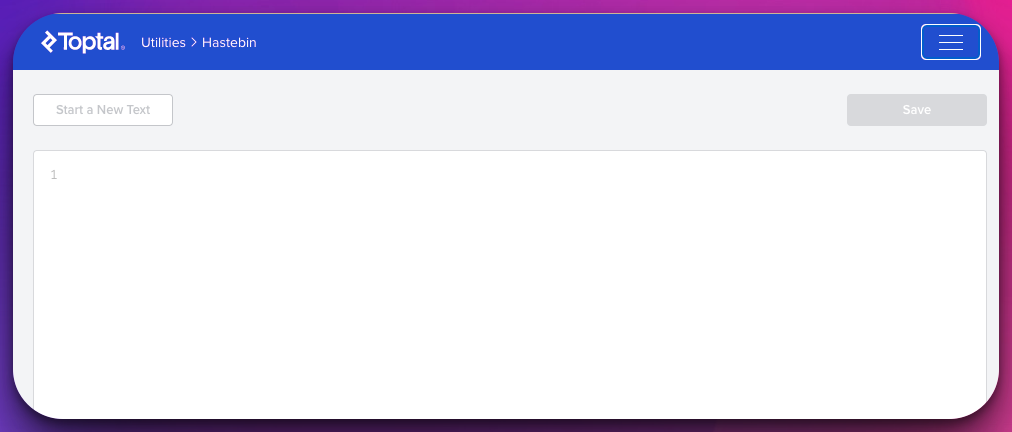
As an alternative to traditional Pastebin services, it caters to the needs of developers who value simplicity and efficiency. The platform allows users to share code snippets and collaborate on projects in real-time easily.
One of the key advantages of Hastebin is its minimalist design. The platform focuses on providing a clean and distraction-free interface, allowing developers to focus solely on their code. This emphasis on simplicity makes Hastebin a preferred choice for those who value a clutter-free environment.
Hastebin also offers syntax highlighting for a wide range of programming languages, enhancing code readability and making it easier for others to understand and work with the shared code snippets.
Additionally, the platform supports version history for shared code, enabling users to track changes and revisions over time.
Furthermore, Hastebin provides privacy options that allow users to control the visibility of their shared code snippets. Whether you want to share your code publicly or keep it private for a select audience, Hastebin offers the flexibility to customize access settings according to your preferences.
In conclusion, Hastebin is a valuable Pastebin alternative for developers seeking a straightforward and efficient code-sharing experience. With its minimalist design, syntax highlighting, version history, and privacy options, Hastebin simplifies sharing code and collaborating with others. Give Hastebin a try and discover a new level of simplicity in your code-sharing endeavors.
Pros:-
Simplicity and User-Friendly Interface: Hastebin’s minimalist design and clean interface make it extremely user-friendly. Developers can quickly and easily share code snippets without unnecessary distractions.
Real-Time Collaboration: Hastebin allows for real-time collaboration, enabling multiple users to work together on a code snippet simultaneously. This feature fosters efficient teamwork and encourages seamless collaboration.
Syntax Highlighting: Hastebin supports syntax highlighting for various programming languages. This feature enhances code readability, making it easier for others to understand and work with the shared code snippets.
Version History: Hastebin provides version history for shared code snippets, allowing users to track changes and revisions over time. This feature is beneficial for reviewing and comparing different iterations of a code snippet.
Privacy Options: Hastebin offers privacy options, enabling users to control the visibility of their shared code snippets. Users can choose to make their code snippets public or restrict access to a select group, ensuring the desired level of privacy.
Cons:-
Limited Features: Compared to more feature-rich Pastebin alternatives, Hastebin may have a more limited set of functionalities. Users seeking advanced formatting options or additional collaboration tools may find Hastebin’s feature set less extensive.
Storage Limitations: Hastebin imposes size limitations on shared code snippets, which may constrain users from working with larger codebases or files. Alternative solutions may be more suitable for projects requiring extensive storage.
Dependency on Internet Connectivity: Hastebin, like other online platforms, relies on Internet connectivity for access and collaboration. Lack of internet connectivity can hinder sharing and collaborating on code snippets.
Less Established Community: While Hastebin has gained popularity, it may have a smaller user base than other Pastebin alternatives. This might limit the availability of community support or the ability to discover a wide range of code snippets.
3. Paste.ee
Regarding Pastebin alternatives, Paste.ee emerges as a powerful platform that caters to the needs of developers seeking a feature-rich and versatile code-sharing experience.
With Paste.ee, developers can seamlessly share code snippets, collaborate on projects, and explore a wealth of coding knowledge. This platform offers a user-friendly interface and advanced features, making it a top choice among coding enthusiasts.

One of the key advantages of Paste.ee is its extensive support for programming languages. From popular languages like Python and JavaScript to lesser-known ones, Paste.ee accommodates various coding needs.
This inclusivity ensures that developers can confidently share their code snippets in a language of their choice.
Collaboration is at the heart of Paste.ee’s functionality. The platform allows for real-time collaboration, enabling developers to work together seamlessly on code snippets and projects. With features like version control and comment threads, users can provide feedback, suggest improvements, and foster productive discussions.
Furthermore, Paste.ee prioritizes privacy and security. It offers various privacy settings, allowing users to choose the visibility and accessibility of their shared code snippets. This ensures that sensitive information remains protected while facilitating collaboration with trusted individuals or teams.
In conclusion, Paste.ee is a robust pastebin alternative for developers seeking a versatile and collaborative platform. With its extensive language support, real-time collaboration features, and emphasis on privacy, Paste.ee empowers developers to share their code effectively, collaborate seamlessly, and nurture a thriving coding community.
Embrace Paste.ee as your go-to platform for code sharing and collaboration, and unlock the potential of your coding endeavors.
Pros:-
Extensive Language Support: Paste.ee supports a wide range of programming languages, ensuring developers can share and explore code snippets in their preferred language.
Real-time Collaboration: Paste.ee enables real-time collaboration, allowing multiple users to work together on code snippets or projects simultaneously. This feature enhances teamwork and facilitates efficient collaboration.
Advanced Features: The platform offers advanced features such as version control and comment threads, enabling users to track changes, provide feedback, and engage in productive discussions around code snippets.
Privacy and Security: Paste.ee emphasizes privacy and security, providing various privacy settings that allow users to control the visibility and accessibility of their shared code snippets. This ensures that sensitive information remains protected.
User-Friendly Interface: Paste.ee boasts a user-friendly interface that makes it easy for developers of all skill levels to navigate and utilize the platform effectively. The intuitive design enhances the overall user experience.
Cons:-
Limited Storage: Paste.ee may impose limitations on the size and duration of code snippets or files that can be shared. Users working with larger codebases or files may encounter restrictions on storage.
Dependency on Internet Connectivity: Like other online platforms, Paste.ee relies on a stable internet connection for access and collaboration. Lack of internet connectivity can hinder sharing and collaborating on code snippets.
Less Established Community: Compared to some other pastebin alternatives, Paste.ee may have a smaller user base, which could impact the availability of community support or the diversity of shared code snippets.
Possible Learning Curve: While Paste.ee offers a user-friendly interface, certain advanced features may require users to familiarize themselves with the platform. Users who are new to the platform may experience a learning curve initially.
4. Ghostbin
Regarding Pastebin alternatives, Ghostbin is a standout platform prioritizing security and anonymity.
With its unique features and commitment to user privacy, Ghostbin has gained popularity among developers seeking a secure code-sharing environment. As a Pastebin alternative, Ghostbin provides a robust and encrypted platform for sharing code snippets while preserving user anonymity.
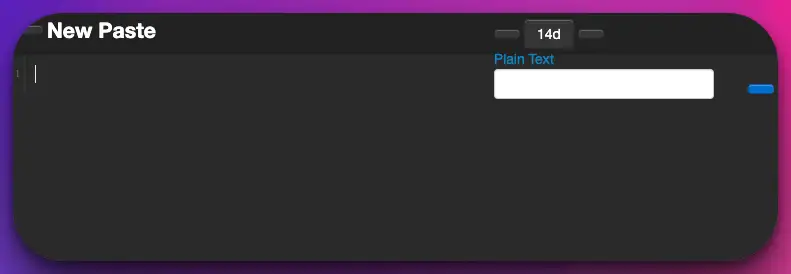
It employs end-to-end encryption to protect the shared content from unauthorized access, ensuring that sensitive code remains confidential. Ghostbin’s commitment to privacy extends to its anonymous posting feature.
Users can share code snippets without an account, offering additional privacy and convenience. This feature makes Ghostbin an attractive choice for developers who value online anonymity.
One of the notable aspects of Ghostbin is its versatile expiration settings. Users can choose when their code snippets will expire, ranging from a few minutes to several months. This flexibility allows for efficient code sharing while ensuring that outdated or sensitive code is automatically removed.
Furthermore, Ghostbin offers a range of formatting options to enhance code readability. Syntax highlighting for various programming languages improves the legibility of shared code snippets, making it easier for others to understand and work with the code.
In conclusion, Ghostbin is a reliable Pastebin alternative for developers seeking secure and anonymous code sharing. With its emphasis on privacy, end-to-end encryption, anonymous posting, and customizable expiration settings, Ghostbin provides a safe and convenient platform for sharing code snippets while preserving user confidentiality.
Embrace Ghostbin to experience a new level of security and privacy in your code-sharing endeavors.
Pros:-
Security and Anonymity: Ghostbin prioritizes user privacy and offers end-to-end encryption, ensuring that shared code snippets remain secure and confidential. The option for anonymous posting further enhances user anonymity.
Versatile Expiration Settings: Ghostbin allows users to customize the expiration time of their shared code snippets, providing flexibility and control over the lifespan of the shared content. This feature ensures that outdated or sensitive code is automatically removed from the platform.
Formatting Options: Ghostbin offers various formatting options, including syntax highlighting for different programming languages. These options enhance code readability and make it easier for others to understand and work with the shared code snippets.
Ease of Use: Ghostbin provides a user-friendly interface, making it accessible and intuitive for developers of all skill levels. The platform’s simplicity ensures a seamless code-sharing experience.
Cons:-
Limited Collaboration Features: Ghostbin may offer limited collaboration features compared to other Pastebin alternatives. It primarily focuses on secure and anonymous code sharing and may not provide advanced collaboration tools like real-time editing or version control.
Less Established Community: Ghostbin may have a smaller user base than other Pastebin alternatives. This may result in a relatively smaller pool of shared code snippets or a potentially reduced level of community support.
Dependency on Internet Connectivity: Ghostbin requires a stable Internet connection for access and code sharing as an online platform. Lack of internet connectivity can hinder sharing or accessing code snippets.
Limited Storage: Ghostbin may impose limitations on the size or duration of code snippets that can be shared. Users working with larger codebases or files may encounter storage restrictions.
5. JustPaste.it
One platform that deserves attention when exploring Pastebin alternatives is JustPaste.it.
With its array of features and user-friendly interface, JustPaste.it has established itself as a go-to solution for developers seeking an efficient and versatile code-sharing experience.
JustPaste.it offers a seamless environment for code sharing and collaboration. As an alternative to traditional Pastebin services, it caters to the needs of developers who value simplicity and convenience.
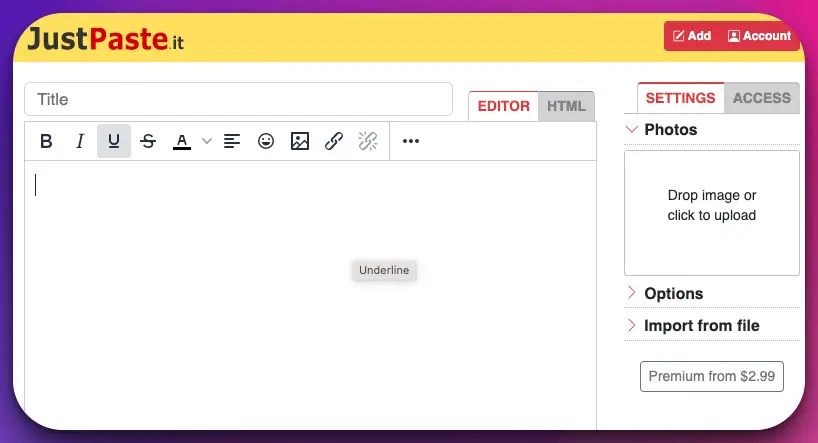
The platform enables users to share code snippets and collaborate on projects hassle-free. A standout feature of JustPaste.it is its rich text editing capabilities. It allows users to format their code snippets with various font styles, sizes, and colors.
This enhances code readability and presentation, making it easier for others to understand and work with the shared code. Another remarkable aspect of JustPaste.it is its privacy settings. Users can keep their shared code snippets public or restrict access with password protection.
This ensures that sensitive code remains confidential while facilitating collaboration with trusted individuals or teams. Furthermore, JustPaste.it provides version history for shared code snippets. This feature lets users track changes and revisions over time, facilitating better code management and easy comparisons between different iterations.
In conclusion, JustPaste.it offers a reliable and user-friendly solution as a Pastebin alternative. Its rich text editing capabilities, privacy settings, and version history functionality make it a valuable platform for code sharing and collaboration.
Embrace JustPaste.it to streamline your code-sharing endeavors and experience a new level of efficiency and convenience.
Pros:-
Rich Text Editing: JustPaste.it offers robust text editing capabilities, allowing users to format code snippets with various font styles, sizes, and colors. This enhances code readability and presentation, making it easier for others to understand and work with the shared code.
User-Friendly Interface: JustPaste.it boasts a user-friendly interface that makes it easy for developers of all skill levels to navigate and utilize the platform effectively. The intuitive design enhances the overall user experience.
Privacy Settings: JustPaste. provides options for public and password-protected sharing. Users can keep their code snippets public or restrict access to authorized individuals, ensuring the desired level of privacy and confidentiality.
Version History: JustPaste offers version history functionality, enabling users to track changes and revisions over time. This feature is beneficial for reviewing code iterations, comparing different versions, and managing code updates effectively.
Cons:-
Limited Collaboration Features: JustPaste may offer fewer collaboration features than other pastebin alternatives. The focus is primarily on code sharing, and it may lack advanced collaboration tools such as real-time editing or built-in commenting features.
Limited Storage Space: JustPaste.it may impose limitations on the size and duration of code snippets that can be shared. Users working with larger codebases or files may encounter storage restrictions.
Dependency on Internet Connectivity: JustPaste.it relies on a stable internet connection for access and code sharing. Lack of internet connectivity can hinder sharing or accessing code snippets.
Less Established Community: JustPaste may have a smaller user base than other pastebin alternatives. This might limit the availability of community support or the diversity of shared code snippets.
6. 0bin
Regarding secure and anonymous data sharing, 0bin emerges as a remarkable platform. With its unique approach and advanced features, 0bin has gained recognition among users who value privacy and confidentiality.
0bin offers a powerful solution for data sharing while ensuring the users’ anonymity. The platform leverages cutting-edge encryption techniques to protect shared data, making it virtually impossible for unauthorized parties to access or decipher the information.
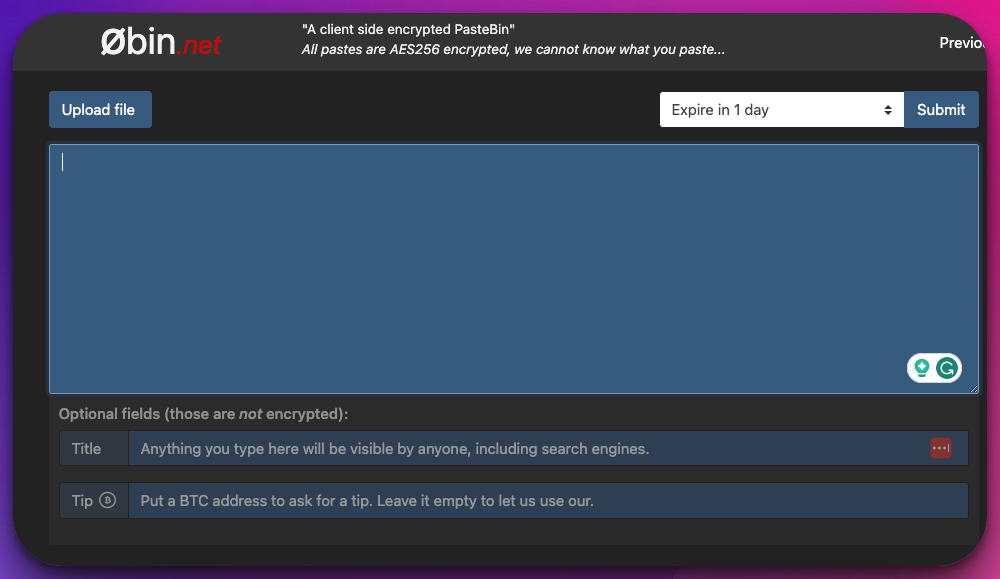
The standout feature of 0bin lies in its use of client-side encryption. Data is encrypted locally on the user’s device before being uploaded to the server.
Only the intended recipients possess the necessary decryption keys and can access the shared data. This method ensures that even the platform has no knowledge or access to sensitive information.
Furthermore, 0bin enables users to set expiration times for shared data, ensuring it remains accessible for the desired duration. Once the expiration time elapses, the data is automatically deleted from the server, leaving no trace.
The simplicity and ease of use of 0bin make it an attractive option for those seeking a secure and anonymous data-sharing platform. With its focus on privacy and client-side encryption, 0bin empowers users to share sensitive information confidently.
Embrace 0bin for your data-sharing needs and experience a new level of security and anonymity in your online interactions.
Pros:-
Secure and Anonymous: 0bin prioritizes user privacy and data security. With its client-side encryption approach, sensitive information remains protected and only accessible to intended recipients with the decryption keys.
Client-side Encryption: 0bin’s use of client-side encryption ensures that data is encrypted locally on the user’s device before being uploaded to the server. This method enhances data security, as even the platform itself has no access to the decrypted information.
Expiration Times: 0bin allows users to set expiration times for shared data, ensuring it remains accessible for a specific duration. This feature promotes data confidentiality and eliminates the risk of information lingering on the server beyond its intended lifespan.
Simplicity and Ease of Use: 0bin offers a user-friendly interface, making it easy for users of all technical levels to navigate and utilize the platform effectively. The straightforward design enhances the overall user experience.
Cons:-
Limited Features: 0bin may offer fewer features than other data-sharing platforms. Its primary focus on privacy and anonymity means it may lack advanced collaboration tools or formatting options.
Dependency on Internet Connectivity: 0bin, like other online platforms, requires a stable Internet connection for access and data sharing. Lack of internet connectivity can hinder sharing or accessing sensitive information.
Limited Community: Due to its emphasis on privacy and anonymity, 0bin may have a smaller user base than other data-sharing platforms. This could result in limited community support or fewer opportunities for collaboration and feedback.
7. Snipplr
Regarding streamlining code efficiency and fostering collaboration, Snipplr stands out as a powerful platform.
With its impressive features and dedicated community, Snipplr has become a go-to resource for developers seeking to enhance their coding endeavors. Snipplr is a comprehensive repository for developers to discover, store, and share reusable code snippets.
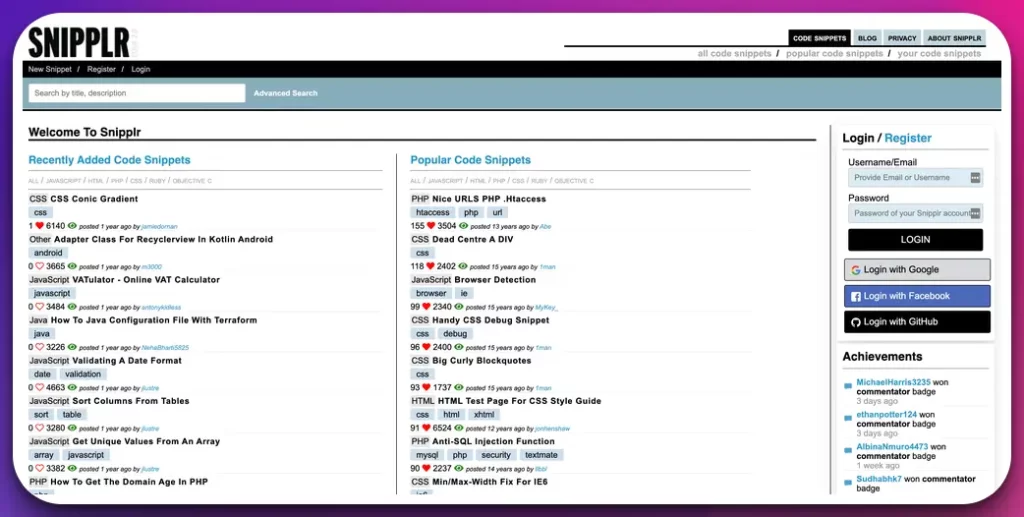
The platform covers many programming languages and provides vast code examples, allowing users to leverage existing solutions and accelerate their development process.
One of the key advantages of Snipplr is its focus on community collaboration. Developers can contribute their code snippets, share insights, and engage in discussions with fellow coders.
This collaborative environment fosters knowledge exchange and inspires innovation among like-minded individuals.
Snipplr’s search functionality lets users quickly find relevant code snippets, saving valuable time and effort. The platform also offers options for tagging and categorizing snippets, making it easier to organize and discover code resources based on specific topics or functionalities.
Furthermore, Snipplr promotes code versioning and revision history, allowing developers to track changes, view previous iterations, and compare different implementations of a code snippet. This feature enhances code management and empowers users to iterate and improve their solutions effectively.
In conclusion, Snipplr is an invaluable resource for developers seeking to boost code efficiency and collaboration.
With its extensive code snippet repository, community-driven collaboration, powerful search capabilities, and code versioning features, Snipplr empowers developers to accelerate their coding workflow, learn from others, and contribute to the wider coding community. Embrace Snipplr and unlock the full potential of your coding endeavors.
Pros:-
Comprehensive Code Repository: Snipplr offers various code snippets covering various programming languages. Developers can leverage this repository to find ready-made solutions and accelerate their development process.
Community Collaboration: Snipplr fosters a collaborative environment where developers can contribute their code snippets, engage in discussions, and share insights with fellow coders. This community-driven approach encourages knowledge exchange and inspires innovation.
Efficient Search Functionality: Snipplr provides a powerful search feature that lets users quickly find relevant code snippets based on keywords, tags, or specific programming languages. This saves time and effort in locating the desired code resources.
Tagging and Categorization: Snipplr allows users to tag and categorize code snippets, making it easier to organize and discover code resources based on specific topics or functionalities. This organizational feature enhances accessibility and improves the overall user experience.
Code Versioning and Revision History: Snipplr supports code versioning, allowing developers to track changes, view previous iterations, and compare different implementations of a code snippet. This feature facilitates effective code management and iterative improvement.
Cons:-
Dependency on User Contributions: Snipplr’s code snippet collection relies on user contributions. The availability and quality of code snippets may vary depending on the contributions from the developer community.
Limited Moderation: Due to the user-driven nature of Snipplr, there may be a lack of comprehensive moderation, which could lead to low-quality or outdated code snippets.
Less Established Community: Snipplr may have a smaller user base than other code-sharing platforms. This could result in fewer community interactions, collaboration opportunities, and available code snippets.
8. Termbin
Regarding efficient command-line text sharing, Termbin emerges as a powerful tool. With its simplicity and versatility, Termbin has gained popularity among users seeking a quick and convenient way to share text snippets in a command-line environment.
Termbin provides a straightforward command-line interface that allows users to easily share text without complex setups or graphical interfaces. It is a convenient Pastebin alternative for command-line enthusiasts who value efficiency and simplicity.
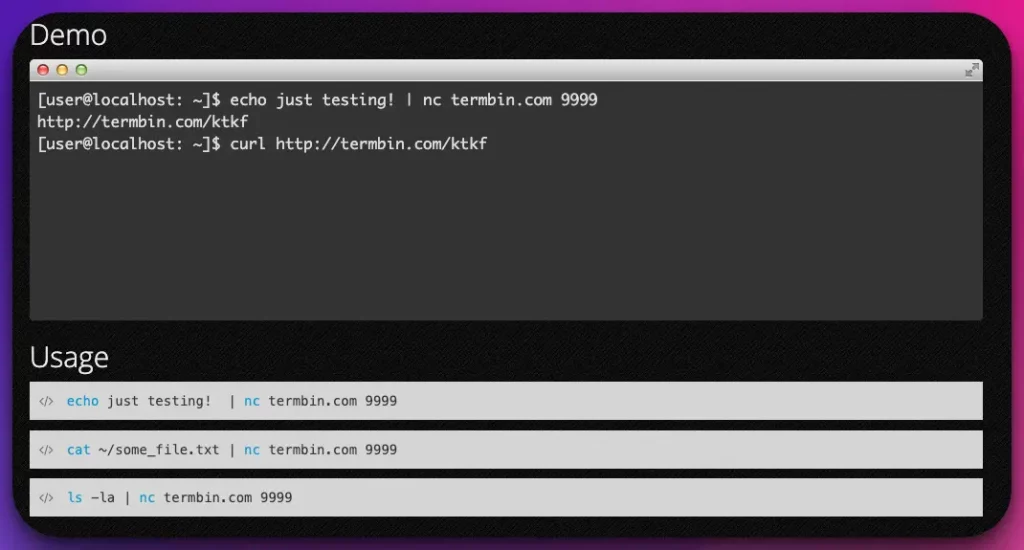
The process of sharing text via Termbin is seamless. Users can pipe their desired text into the Termbin command, which generates a unique URL for the shared content. This URL can then be shared with others, enabling them to access the text snippet directly.
One of the notable advantages of Termbin is its support for plaintext. It ensures that the shared text remains in its original format, preserving the integrity and readability of the content. Termbin is excellent for sharing logs, code snippets, or text-based information.
Furthermore, Termbin promotes privacy and security by not storing shared text indefinitely. Instead, it provides expiration times for shared snippets, ensuring the content is accessible only for a limited duration. This approach enhances confidentiality and reduces the risk of sensitive information lingering online.
In conclusion, Termbin excels as a reliable command-line tool for text sharing. With its command-line interface, streamlined process, support for plaintext, and emphasis on privacy, Termbin provides a valuable solution for conveniently sharing text snippets in a command-line environment.
Embrace Termbin to simplify your text-sharing experience and optimize your command-line workflow.
Pros:-
Simplicity and Convenience: Termbin offers a straightforward command-line interface, making it quick and easy to share text snippets without complex setups or graphical interfaces. It streamlines the process of text sharing for command-line enthusiasts.
Support for Plaintext: Termbin preserves the original format of the shared text, ensuring the content remains readable and intact. This makes it suitable for sharing logs, code snippets, or any plaintext information that needs to be shared accurately.
Privacy and Security: Termbin promotes privacy and security by not storing shared text indefinitely. Instead, it provides expiration times for shared snippets, enhancing confidentiality and reducing the risk of sensitive information lingering online.
Command-Line Integration: Termbin seamlessly integrates into the command-line workflow, allowing users to pipe text directly into the Termbin command and receive a unique URL for sharing. This integration simplifies the sharing process for command-line users.
Cons:-
Limited Features: Termbin focuses primarily on command-line text sharing, which may lack advanced features in comprehensive Pastebin alternatives. Users seeking additional functionalities, such as syntax highlighting or collaboration tools, may find Termbin limited in scope.
Dependency on Command-Line Usage: Termbin is designed for users comfortable with the command-line environment. Users unfamiliar with command-line interfaces may find it challenging to utilize Termbin effectively.
Limited Long-Term Storage: Termbin’s emphasis on privacy and security means that shared text snippets have expiration times. This limited long-term storage may not be suitable for scenarios where persistent access to shared text is required.
9. PrivateBin
PrivateBin stands out as an exceptional platform when protecting data sharing privacy.
With its robust security features and emphasis on confidentiality, PrivateBin has gained recognition as a leading choice for users seeking a secure and private environment for sharing sensitive information. PrivateBin serves as a privacy-centric alternative to traditional data-sharing platforms.
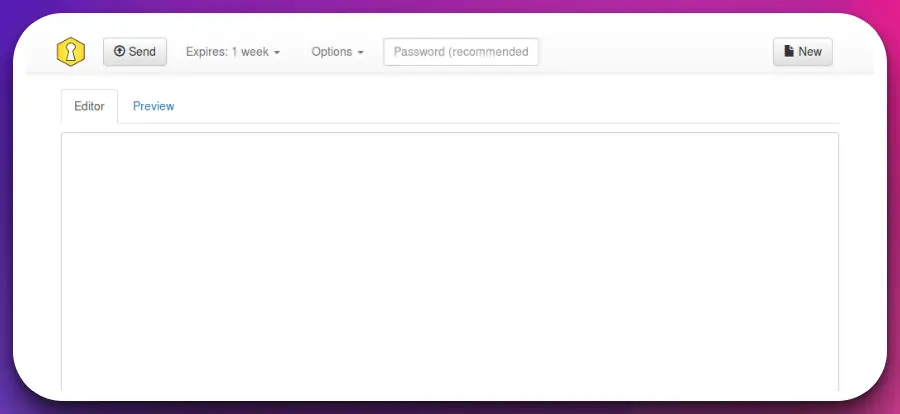
It offers end-to-end encryption, ensuring that data remains encrypted from the moment it is shared until the intended recipients access it. This encryption mechanism guarantees that only authorized individuals can decrypt and access the shared information.
A key advantage of PrivateBin is its commitment to anonymity. The platform does not require user registration or personal information, allowing users to share data anonymously. This feature protects user identity and fosters a secure environment for confidential data sharing.
PrivateBin also empowers users with control over data retention. Users can set expiration times for shared content, after which the data is automatically deleted. This feature enhances data privacy and reduces the risk of sensitive information persisting beyond its intended lifespan.
Furthermore, PrivateBin offers a range of customization options to tailor the sharing experience. Users can adjust settings such as the maximum paste size, syntax highlighting, and language selection, ensuring a personalized and efficient data-sharing process.
In conclusion, PrivateBin excels as a reliable and privacy-focused data-sharing platform. With its end-to-end encryption, anonymity, data retention controls, and customization options, PrivateBin provides a secure and personalized environment for sharing confidential information.
Embrace PrivateBin to safeguard your privacy and ensure the confidentiality of your shared data.
Pros:-
Robust Security and Encryption: PrivateBin prioritizes data security by offering end-to-end encryption. This ensures that shared information remains encrypted and can only be accessed by authorized recipients, enhancing confidentiality.
Anonymity: PrivateBin allows users to share data anonymously without the need for user registration or personal information. This protects user identity and fosters a secure environment for confidential data sharing.
Control over Data Retention: PrivateBin allows users to set expiration times for shared content. This feature allows automatically deleting data after a specified period, enhancing data privacy and reducing the risk of information persisting beyond its intended lifespan.
Customization Options: PrivateBin offers various customization options, such as adjusting maximum paste size, syntax highlighting, and language selection. This allows users to personalize their data-sharing experience according to their preferences and needs.
Cons:-
Dependency on User Trust: PrivateBin’s security relies on user trust and proper implementation. Users must ensure they were using a secure instance of PrivateBin and take necessary precautions to protect their encryption keys and shared links.
Limited Collaboration Features: PrivateBin primarily focuses on secure data sharing rather than collaboration. It may lack advanced collaboration tools such as real-time editing or version control, which could be a drawback for users seeking extensive collaboration capabilities.
Potential User Adoption Challenges: PrivateBin may have a smaller user base than mainstream data-sharing platforms. This could result in fewer shared resources and a potentially limited community for support and collaboration.
These pros and cons will help users determine if PrivateBin aligns with their specific secure and private data-sharing requirements.
PrivateBin’s strong encryption, anonymity, control over data retention, and customization options make it an appealing choice for users prioritizing data security and confidentiality.
10. JsFiddle
JsFiddle has established itself as a premier platform for web developers seeking an interactive code playground.
With its innovative features and user-friendly interface, JsFiddle has become an invaluable tool for experimenting, testing, and sharing web development code snippets.

JsFiddle is a virtual sandbox for developers to explore HTML, CSS, and JavaScript code in real-time. It allows users to write, edit, and execute code directly within the browser, making quick prototyping and testing convenient.
One of the notable advantages of JsFiddle is its live preview feature. The platform provides a dynamic preview of the resulting output as developers change their code. This real-time feedback enables users to refine and perfect their code snippets iteratively.
JsFiddle also facilitates collaboration through its sharing and embedding capabilities. Users can easily share their code snippets with others, allowing for seamless collaboration and feedback.
Additionally, JsFiddle provides embedding options that allow developers to integrate their code snippets into blog posts, documentation, or websites.
Furthermore, JsFiddle offers integration with popular libraries and frameworks. Users can include external resources and libraries, such as jQuery or React, to enhance the functionality and capabilities of their code snippets.
In conclusion, JsFiddle is a powerful and user-friendly platform for interactive web development. With its live preview, sharing and embedding features, and integration with libraries and frameworks, JsFiddle empowers developers to experiment, test, and collaborate effectively.
Embrace JsFiddle as your go-to tool for exploring and refining your web development skills and projects.
Pros:-
Interactive Code Playground: JsFiddle provides an interactive environment where developers can write, edit, and execute code in real time. This allows for quick prototyping, testing, and experimentation.
Live Preview: The platform offers a live preview feature that dynamically displays the code output as changes are made. This real-time feedback lets developers refine their code and see the results instantly.
Sharing and Collaboration: JsFiddle facilitates easy sharing and collaboration of code snippets. Users can share their code with others, allowing for seamless collaboration, feedback, and learning from the community.
Embedding Options: JsFiddle provides embedding options that allow developers to integrate their code snippets into blog posts, documentation, or websites. This makes showcasing code and sharing examples with a wider audience convenient.
Integration with Libraries and Frameworks: JsFiddle supports the integration of external resources, libraries, and frameworks, such as jQuery or React. This enables developers to leverage existing tools and enhance the functionality of their code snippets.
Cons:-
Dependency on Internet Connectivity: JsFiddle is an online platform that requires a stable Internet connection to access and use its features. Lack of internet connectivity can hinder the ability to work on code snippets, or access shared examples.
Limited Offline Capability: JsFiddle may have limited offline capabilities due to its online nature. Users may need to rely on alternative solutions when working in environments with restricted internet access.
Public Nature of Shared Code: Code snippets shared on JsFiddle are public by default. While this allows for easy sharing and collaboration, it may not suit those requiring strict privacy or confidentiality for their code snippets.
Potential Learning Curve: Users new to JsFiddle or unfamiliar with web development concepts may encounter a learning curve when navigating and utilizing the platform’s features effectively.
These pros and cons will help users determine if JsFiddle meets their needs for an interactive code playground and collaboration platform.
JsFiddle’s real-time execution, sharing capabilities, and integration options make it a valuable tool for web developers. In contrast, its online nature and public code sharing may have certain limitations to be considered.
11. TextBin
TextBin is a versatile platform that simplifies the process of text sharing and collaboration. With its user-friendly interface and powerful features, TextBin has become a go-to tool for individuals and teams seeking a convenient and efficient way to share and collaborate on text-based content.
TextBin provides a seamless text-sharing experience. Users can easily create and share text documents, notes, code snippets, or other textual information. The platform’s intuitive interface ensures a smooth and straightforward sharing process.
One of the standout features of TextBin is its support for real-time collaboration.
Multiple users can simultaneously edit and contribute to a shared text document, fostering efficient teamwork and reducing the need for cumbersome file transfers or version control.
TextBin’s version history feature allows users to track changes and revisions made to a document over time. This functionality is invaluable for reviewing edits, restoring previous versions, and ensuring the integrity of the shared content.
Furthermore, TextBin offers access control options. Users can share their text documents publicly, with specific individuals, or keep them private. This flexibility allows for tailored sharing and collaboration, ensuring the right level of privacy and security.
In conclusion, TextBin is a reliable platform for effortless text sharing and collaboration. Its user-friendly interface, real-time collaboration capabilities, version history functionality, and access control options make it a valuable tool for individuals and teams working with text-based content.
Embrace TextBin to streamline your text-sharing and collaboration workflows and experience enhanced productivity in your textual endeavors.
Pros:-
Effortless Text Sharing: TextBin provides a user-friendly platform for easy creation and sharing of text documents, notes, and code snippets. The intuitive interface simplifies the process and ensures a seamless sharing experience.
Real-Time Collaboration: TextBin supports real-time collaboration, allowing multiple users to edit and contribute to shared text documents simultaneously. This feature promotes efficient teamwork and reduces the need for manual file transfers or version control.
Version History: TextBin’s version history feature lets users track changes and revisions made to a document over time. This functionality facilitates review and restoration of previous versions and ensures the integrity of shared content.
Access Control: TextBin offers access control options, allowing users to choose between public sharing, sharing with specific individuals, or keeping documents private. This flexibility ensures the appropriate level of privacy and security for shared text content.
Cons:-
Dependency on Internet Connectivity: TextBin is an online platform, requiring a stable internet connection to access and use its features. Lack of internet connectivity can hinder the ability to work on or access shared text documents.
Limited Formatting Options: TextBin may have limited formatting options compared to more feature-rich text editors. Advanced formatting features such as custom styles, tables, or rich media embedding may be lacking in TextBin.
File Size Limitations: TextBin may impose file size limitations on uploaded text documents. Users working with large text files may encounter restrictions on the size of files that can be uploaded and shared.
Potential Learning Curve: Users new to TextBin may require some time to familiarize themselves with the platform’s features and interface, especially if they are accustomed to other text editing or collaboration tools.
Considering these pros and cons will help users determine if TextBin aligns with their text sharing and collaboration needs. TextBin’s ease of use, real-time collaboration, version history, and access control options make it a valuable tool for efficient text-based teamwork.
In contrast, limitations such as internet dependency and formatting options should be considered based on individual requirements.
Pastebin alternatives with API
These platforms offer the core functionalities of traditional paste bins and provide an API that enables seamless integration and extends the capabilities of text management and collaboration capabilities.
One of the top Pastebin alternatives with API is CodeShare. With its robust API, CodeShare allows developers to create, retrieve, and manage code snippets programmatically. The API integration facilitates automation, making incorporating code sharing into development workflows and enhancing collaboration easier.
Another standout option is TextBin Pro. Along with its intuitive interface for text sharing, TextBin Pro offers a powerful API that empowers developers to automate tasks, manage shared content, and integrate text sharing seamlessly into their applications or services.
For those seeking an enterprise-level solution, ShareX API provides a comprehensive API for secure file and text sharing. It allows seamless integration with other systems, enabling businesses to streamline workflows and enhance data sharing across different platforms.
Here’s a table comparing some popular Pastebin alternatives along with their API availability:-
| Pastebin Alternative | API Availability |
|---|---|
| Hastebin | Yes |
| Ghostbin | Yes |
| PrivateBin | Yes |
| GitHub Gists | Yes |
| Paste.ee | Yes |
| 0bin | No |
| Gist.github.com | Yes |
| JustPaste.it | No |
| Snipplr | Yes |
Best Ubuntu Pastebin alternatives
One of the standout Ubuntu Pastebin alternatives is Ubuntu Pastebin itself. It offers a user-friendly interface, allowing users to quickly paste and share text snippets.
With its integration into the Ubuntu ecosystem, this alternative provides a seamless experience for Ubuntu users.
Another noteworthy option is Gist, a versatile text-sharing platform by GitHub. It offers an intuitive interface for sharing code snippets and text files and provides version control, collaboration features, and the ability to embed snippets in various formats.
For those seeking a more privacy-focused alternative, PrivateBin is an excellent choice. It offers end-to-end encryption, allowing users to share sensitive information securely.
PrivateBin also provides options for setting expiration times, ensuring that shared text remains accessible only for a limited duration.
Lastly, Termbin offers a unique command-line interface for text sharing in the Ubuntu terminal. It allows users to quickly share text snippets without a graphical interface, making it convenient for command-line enthusiasts.
📗FAQ’s
What is better than Pastebin?
Several alternatives to Pastebin offer similar functionalities and may be considered better by some users. Some of the popular options include Hastebin, Ghostbin, PrivateBin, and JustPaste.it.
Here’s a comparison table showcasing alternatives to Pastebin, highlighting their features and advantages:-
| Pastebin Alternative | Description | Advantages |
|---|---|---|
| Hastebin | A simple and lightweight Pastebin service | No registration required, easy to use, supports syntax highlighting |
| GitHub Gists | Integrated with GitHub, allows code sharing and version control | Markdown support, easy collaboration, revision history |
| Ghostbin | Encrypted pastebin with additional security features | AES-256 encryption, client-side encryption option, burn-after-reading feature |
| PrivateBin | Open-source and secure pastebin with advanced privacy options | End-to-end encryption, password protection, self-hosted deployment option |
| PasteFS | A decentralized and blockchain-based pastebin | Data stored on multiple nodes, resistant to censorship, transparent and tamper-proof |
| CodePen | Web-based development environment for front-end web development | Live preview, CSS preprocessing, community sharing and collaboration |
| Ideone | Online compiler and debugging tool supporting multiple languages | Code execution, input/output testing, sharing options, API integration |
| GistBox | A cloud-based code snippet manager and organizer | Tagging and searching, code library, syncing across devices |
| JSFiddle | Web development playground for HTML, CSS, and JavaScript | Real-time preview, multiple frameworks and libraries, collaboration features |
| SnippetManager | Desktop-based code snippet organizer and editor | Tagging and searching, code snippet templates, export/import options |
Here’s a table comparing Pastebin to some alternative platforms based on user ratings:-
| Platform | User Ratings (out of 5) | Main Features |
|---|---|---|
| Hastebin | 4.5 | Syntax highlighting, collaboration features, password protection |
| GitHub Gist | 4.4 | Version control integration, code sharing, easy embedding |
| Ghostbin | 4.3 | Encryption support, time-limited pastes, burn-after-reading |
| PrivateBin | 4.2 | Client-side encryption, configurable self-destructing pastes |
| Ideone | 4.1 | Online compiler and debugging tool, supports multiple languages |
| CodePen | 4.0 | Live code editing, community features, front-end development focus |
| Gistlyn | 3.9 | Real-time collaboration, customizable editor themes |
| PasteFS | 3.8 | File sharing, self-destructing pastes, secure encryption |
| JSFiddle | 3.7 | JavaScript, HTML, CSS testing and sharing, live preview |
| Repl.it | 3.6 | Online coding platform, collaborative coding, multiple languages |
What apps are similar to Pastebin?
Some popular apps similar to Pastebin include Hastebin, Ghostbin, PrivateBin, JustPaste.it, and PasteFS. These apps allow users to share text and code snippets online and are widely used by developers and other tech-savvy individuals.
What is the alternative to Pastebin Private?
PrivateBin is one of the alternatives to Pastebin, offering similar functionalities while prioritizing user privacy. This open-source platform allows users to create private pastes that are encrypted and can only be accessed by those who have the correct URL and encryption key.
here’s a table on the alternative to Pastebin Private:-
| Platform | Features | Price |
|---|---|---|
| Ghostbin | Syntax highlighting, password protection, and expiration. | Free |
| Hastebin | Syntax highlighting and password protection. | Free |
| PrivateBin | Syntax highlighting, password protection, and expiration. | Free |
| GitHub Gist | Syntax highlighting and version control. | Free |
| CodePen | Syntax highlighting, live rendering, and collaboration. | Free (with limitations) or paid plans starting at $12/month |
| Repl.it | Syntax highlighting, version control, and collaboration. | Free (with limitations) or paid plans starting at $7/month |
| GitLab Snippets | Syntax highlighting and version control. | Free |
| Ideone | Syntax highlighting and debugging. | Free |
| CodeSandbox | Syntax highlighting, live rendering, and collaboration. | Free (with limitations) or paid plans starting at $7/month |
| Pastery | Syntax highlighting and password protection. | Free (with limitations) or paid plans starting at $3/month |
What is Pastebin, and why do hackers love it?
Pastebin is a website that allows users to share text and code snippets online. Hackers love it because it provides a convenient and anonymous platform to share stolen data, such as login credentials, credit card numbers, and other sensitive information.
Here’s a table outlining some possible reasons why hackers may use Pastebin:-
| Reason | Explanation |
|---|---|
| Information sharing | Pastebin provides an easy and convenient platform for hackers to share information, such as stolen data, compromised account credentials, or details about vulnerabilities they have discovered. |
| Anonymity | Pastebin allows users to post content anonymously, making it attractive to hackers who wish to conceal their identity while sharing information or communicating with other hackers. |
| Exposing vulnerabilities | Hackers may use Pastebin to expose vulnerabilities in software or systems, aiming to bring attention to weaknesses and potentially exploit them or encourage developers to patch the vulnerabilities. |
| Recruitment | Pastebin can serve as a platform for hackers to recruit individuals with similar skills or interests, forming hacking groups or collaborating on specific projects or attacks. |
| Documentation and collaboration | Hackers might use Pastebin to document their hacking techniques, create tutorials, or collaborate with others on refining and enhancing their methods, sharing knowledge within the hacking community. |
| Communication and coordination | Pastebin can be employed as a communication tool for hackers, allowing them to exchange messages, coordinate attacks, or share code snippets and scripts necessary for executing specific actions. |
| Bypassing content filtering and monitoring | By leveraging Pastebin, hackers can bypass content filtering and monitoring systems that may be in place to detect and prevent malicious activities, allowing them to operate more covertly. |
Why do hackers use Pastebin?
Hackers use Pastebin to share stolen data and communicate with each other anonymously. They can create private pastes only accessed by those with the correct URL and encryption key, making it difficult for law enforcement agencies to track them down.
Is Pastebin anonymous?
To unveil the truth, we must delve into the intricacies of this virtual vault.
Pastebin, a web-based application, allows users to store and share text anonymously. It provides a seemingly private environment where individuals can disclose sensitive information without revealing their identities. Through a straightforward interface, users can upload content and generate unique URLs for distribution, guarding against prying eyes.
However, true anonymity on Pastebin is a multifaceted matter. While the platform may not collect explicit personal data, it cannot evade the scrutiny of network administrators and government entities. In fact, without proper safeguards, the anonymity veil can be lifted through IP address tracking and other digital breadcrumbs left behind.
Moreover, security breaches can further compromise the purported anonymity. Pastebin’s reputation has, at times, been marred by incidents of data leaks and breaches, revealing confidential content that was meant to be concealed.
In conclusion, while Pastebin offers anonymity, it is not an impenetrable fortress. Prudent users should exercise caution, employing tools like VPNs and encryption to bolster privacy.
The age-old wisdom of sharing only what one is comfortable with being linked back to their identity remains as relevant as ever in digital communication.
Best text dump websites?
With the surging interest in coding and database management, it’s unsurprising that the value of best text dump websites is sky-high. Navigating the vast web universe to cherry-pick the most effective ones can seem a herculean task, yet a few digital sanctuaries stand out amidst the deluge.
The pantheon of best text dump websites starts with Pastebin. Arguably the most well-known platform, Pastebin is often the first port of call for programmers seeking an easy, reliable site for text dumping. Its user-friendly interface and vast community make it an unmissable resource.
Stepping into the realm of the less common, Ghostbin and JustPaste.it distinguish themselves with their unique feature sets. Ghostbin, a paragon of open-source ethos, supports syntax highlighting for many programming languages, while JustPaste.it, renowned for its simplicity, offers a robust WYSIWYG editor and is astoundingly easy to use.
A formidable contender is PrivateBin. Maintaining a laser focus on privacy, it encrypts all pasted data, making it a sought-after hub for programmers who prioritize data security.
Similarly, ZeroBin, a minimalist text dump site, thrives on its promise of ‘zero knowledge’, with server-side encryption rendering the text unreadable to anyone but the holder of the URL.
An unsung hero in this sphere, Hastebin offers the epitome of simplicity. This website is known for its minimalistic design and user-friendly layout, effectively trimming away unnecessary frills to serve one purpose – sharing code effectively.
The panoply of the best text dump websites is extensive, with each site offering unique features and specialties. Whether your priority is simplicity, privacy, or unique features, the vast cyberscape offers an array of choices.
Indeed, selecting the most suitable platform hinges on individual needs and preferences. From Pastebin to Hastebin, Ghostbin to ZeroBin, the choices are as diverse as they are numerous, ready to serve the needs of any tech enthusiast.
Best Ghostbin Alternatives?
Best Ghostbin Alternatives signify a veritable wealth of platforms that offer secure, private, and highly efficient code-sharing facilities. Astute tech enthusiasts continually look for refined solutions to simplify their digital coding lives.
Pastebin, an archetypal paradigm in this niche, is a benchmark for many. Its robust interface caters to many users, from beginner coders to veteran developers. Its user-friendly modus operandi easily secures its place among the Best Ghostbin Alternatives.
Hastebin, another alternative, appeals to individuals who value minimalist design coupled with potent performance. It provides a distraction-free ambiance and a clear, concise space for sharing and storing code. An exemplary demonstration of function meeting form, it’s a notable contender in our list of Best Ghostbin Alternatives.
PrivateBin presents a solid choice for those prioritizing high-level security. Encrypted with zero-knowledge technology, your shared codes remain your exclusive property. Additionally, it permits users to set expiration dates for their bins, a unique feature that cements its position among the Best Ghostbin Alternatives.
Gist by GitHub flaunts a robust platform that leverages the social coding potential of GitHub. It permits users to share code snippets, or “gists,” publicly or privately, catering to diverse sharing preferences. Its integration with the renowned GitHub ecosystem makes it an indispensable alternative.
The realm of code-sharing platforms is dynamic, teeming with an array of options that strive to offer superior services to their users. Each option, distinct in its offerings, uniquely appeals to its user base. This list of Best Ghostbin Alternatives is far from exhaustive but certainly provides a worthwhile starting point for those seeking a change from Ghostbin.
Best Hastebin Alternatives?
Understanding the ever-evolving landscape of online text storage services is pivotal to finding an alternative that mirrors Hastebin’s simplicity and efficiency. While Hastebin has carved a niche, commendable platforms offer similar services, sometimes with additional functionality.
The first of the Best Hastebin Alternatives we discuss is GitHub Gist. Much like Hastebin, Gist allows users to upload and share code snippets in a jiffy; however, it outshines Hastebin regarding revision history tracking and the option to make gists public or private.
Ghostbin is another impressive alternative, setting itself apart with the support for multiple files per paste, creating a beneficial environment for developers working with various file formats concurrently. Furthermore, it offers an optional feature of ‘Burn After Reading’, where the paste is destroyed post the first view, providing an extra layer of security.
Pastebin is the reigning space champion, with many features, including syntax highlighting for numerous programming languages, making it a multipurpose tool that satisfies the needs of programmers, journalists, and data scientists.
Concluding, the choice among the Best Hastebin Alternatives boils down to user needs. GitHub Gist is a superior choice for those seeking version control, while Ghostbin takes the cake when multiple file types need to be stored together, and Pastebin reigns supreme in terms of versatility. Every alternative has unique advantages; thus, the choice inevitably becomes subjective, hinging on specific needs and usage scenarios.
What happened to Pastebin?
Pastebin is still operational and widely used by developers and other tech-savvy individuals. However, it has faced criticism for its role in facilitating the sharing of stolen data by hackers and cybercriminals.
What is an Open Source Pastebin alternative?
PrivateBin is an open-source Pastebin alternative that offers similar functionalities while prioritizing user privacy. Other open-source options include Hastebin, ZeroBin, and Etherpad Lite.
What are Pastebin hacks?
Pastebin hacks refer to using Pastebin to share stolen data, such as login credentials, credit card numbers, and other sensitive information.
Hackers use Pastebin to communicate with each other anonymously and share tips and tricks on how to exploit vulnerabilities in computer systems.
What are alternatives to JustPaste.it?
Some of the popular alternatives to JustPaste.it include Hastebin, Ghostbin, Pastebin, and PrivateBin. These platforms allow users to share text and code snippets online and are widely used by developers and other tech-savvy individuals.
Here’s a table outlining some alternatives to JustPaste.it:-
| Alternative | Description |
|---|---|
| Pastebin | A popular platform for sharing plain text snippets, code, and other information. |
| GitHub Gists | A feature of GitHub that allows users to share code snippets, notes, and other files. |
| Google Docs | Google’s online document editing and sharing platform that supports collaborative editing. |
| Dropbox Paper | A collaborative workspace provided by Dropbox for creating and sharing documents. |
| Evernote | A note-taking app that allows users to create, organize, and share notes across devices. |
| Zoho Writer | An online word processor offered by Zoho that enables collaborative document editing. |
| Microsoft OneNote | Microsoft’s digital note-taking application that allows users to create and share notes. |
| Notion | A versatile workspace tool that supports note-taking, project management, and more. |
| Slite | A collaborative documentation tool designed for teams to create and share knowledge. |
| Quip | A productivity suite that includes a word processor for creating and sharing documents. |
Do hackers use Pastebin?
Yes, hackers use Pastebin to share stolen data and communicate with each other anonymously. They can create private pastes only accessed by those with the correct URL and encryption key, making it difficult for law enforcement agencies to track them down.
How long does Pastebin last?
The duration for which a paste on Pastebin lasts depends on the user’s account type. Free users’ pastes last 10 minutes, whereas paid ones can last up to 6 months.
What do hackers hate the most?
Hackers hate being caught and prosecuted by law enforcement agencies. They also hate being exposed by security researchers and publicizing their methods and tools.
What is Ghostbin used for?
Ghostbin is a website that allows users to share text and code snippets online. It offers several advanced features, such as setting expiration times and password protection, making it a popular platform among developers and tech-savvy individuals.
Can you get malware from Pastebin?
It is possible to get malware from Pastebin if a user clicks on a link or downloads a file posted on the platform. Hackers often use Pastebin to distribute malware and other malicious content, so users should exercise caution when accessing content on the platform.
What script do hackers use?
Hackers use various scripts and programming languages, depending on the type of attack they are carrying out. Some popular languages include Python, Perl, Ruby, and Bash.
What do hackers want the most?
Hackers want access to valuable information like login credentials, credit card numbers, and other sensitive data. They also want to exploit vulnerabilities in computer systems to gain access to networks and other resources.
What do hackers hack the most?
Hackers target many systems and networks, but some of the most common targets include financial institutions, government agencies, and large corporations.
They also target individuals with weak security practices, such as those using weak passwords or not updating their software regularly.
What does private Pastebin mean?
Private Pastebin refers to the ability to create pastes that are only accessible to those who have the correct URL and encryption key. This feature is designed to provide an extra layer of security and privacy for users who want to share sensitive information online.
Why is Pastebin banned in Pakistan?
Pastebin was banned in Pakistan in 2019 due to concerns over the sharing of extremist content on the platform. The ban was lifted after Pastebin implemented measures to address the issue later that year.
How much does Pastebin Pro cost?
Pastebin Pro offers a range of subscription plans, starting at $2.99 monthly for the basic plan. The higher-tier plans offer additional features, such as increased paste sizes and the ability to set custom expiration times.
What is an alternative to Ghostbin?
Some popular alternatives to Ghostbin include Pastebin, Hastebin, and PrivateBin. These platforms offer similar functionalities and are widely used by developers and tech-savvy individuals.
Are Pastebin scripts safe?
The safety of Pastebin scripts depends on the content of the script and the intentions of the user who posted it. Some scripts may be safe, while others may contain malware or malicious content.
Users should exercise caution when accessing content on the platform and take steps to ensure that they are not putting themselves at risk.
Can you copy and paste open source?
Yes, users are free to copy and paste open-source code and use it in their projects as long as they comply with the terms of the relevant open-source license.
How do hackers get dumps?
Hackers can obtain dumps of sensitive information in various ways, such as by exploiting vulnerabilities in computer systems, social engineering, or purchasing data on the dark web. They may also target third-party service providers who store sensitive data on behalf of their clients.
Is there another way to copy and paste?
Yes, there are several ways to copy and paste text, including using keyboard shortcuts, right-clicking and selecting “Copy” and “Paste,” or using the “Edit” menu in most applications.
How do I paste text without copying it?
Users can paste text without copying it by selecting the “Paste” option from the application’s “Edit” menu, or by using the keyboard shortcut “Ctrl+Shift+V” in some applications.
Why can’t I paste anymore?
There are several reasons why users may be unable to paste, including issues with their application, conflicts with other software on their system, or keyboard shortcuts that are not functioning properly. Restarting the application or computer may help resolve the issue.
Can hackers send you to jail?
Yes, hackers who engage in illegal activities can face fines, imprisonment, or other legal consequences. The severity of the punishment will depend on the nature and severity of the offense, as well as the jurisdiction in which the hacker is operating.
What do hackers go to jail for?
Hackers can go to jail for many offenses, including unauthorized access to computer systems, theft of sensitive information, distribution of malware or other malicious content, and cyberstalking or harassment.
What do hackers install?
Hackers may install malicious software on targeted systems, including viruses, worms, Trojan horses, and ransomware. These programs are designed to exploit computer system and network vulnerabilities to gain unauthorized access or cause damage.
Who is Pastebin owned by?
Pastebin is owned by Pastebin Ltd, a UK-based company founded in 2002. The company operates the Pastebin platform, which allows users to share text and code snippets online.
Why was Pastebin created?
Pastebin was created as a platform for developers and other tech-savvy individuals to share text and code snippets online. It has since been used for various purposes, including sharing stolen data and communicating anonymously with other hackers.
What is private bin?
PrivateBin is an open-source Pastebin alternative that allows users to create private pastes that are encrypted and can only be accessed by those who have the correct URL and encryption key.
This feature is designed to provide an extra layer of security and privacy for users who want to share sensitive information online.
How to use Pastebin in Linux?
To use Pastebin in Linux, users can visit the Pastebin website and create an account. They can then paste their text or code into the platform and choose whether to make the paste public or private. Users can also set custom expiration times for their pastes and share them with others by sharing the URL.
Can you get a virus from a GIF file?
Yes, getting a virus from a GIF file is possible if it has been designed to exploit computer system vulnerabilities. However, this is relatively rare, and most GIF files are safe to download and use.
Is making malware illegal?
Yes, creating and distributing malware is illegal in most jurisdictions. Depending on the nature and severity of the offense, those who create or distribute malware may face fines, imprisonment, or other legal consequences.
Can you get a virus from clicking a Pastebin link?
Yes, getting a virus from clicking on a Pastebin link is possible if it leads to a page containing malware or other malicious content. Users should exercise caution when clicking on links from unknown sources and ensure that their antivirus software is up-to-date.
Why is Pastebin blocked?
Some organizations or governments may block Pastebin due to concerns over sharing sensitive or illegal content on the platform.
Pastebin has been used to share stolen data, post extremist content, and distribute malware, which has restricted its use in some jurisdictions.
What is the advantage of Pastebin?
Pastebin offers several advantages for users who want to share text or code snippets online. It is free to use, requires no registration to create a paste, and offers a range of customization options, including the ability to set custom expiration times and choose whether the paste is public or private.
here’s a table outlining the advantages and disadvantages of using Pastebin:-
| Advantage of Pastebin | Disadvantage of Pastebin |
|---|---|
| Convenient text storage and sharing platform | Lack of privacy controls |
| Simple and user-friendly interface | Limited formatting options |
| Easy to create and share code snippets | Limited storage capacity for free users |
| Supports syntax highlighting for various programming languages | Lack of version control or revision history |
| Allows anonymous pastes for quick sharing | Limited collaboration features |
| Provides a quick and temporary solution for sharing text | Vulnerable to abuse and misuse |
| Popular and widely used platform with a large user base | Limited search functionality |
| Accessible from any device with an internet connection | Dependency on the Pastebin server for availability |
| It can be used as a debugging tool for code-related issues | Potential risk of sensitive information exposure |
| It can be integrated into various applications and workflows | Limited customization options |
What is encrypted Pastebin?
Encrypted Pastebin allows users to create encrypted pastes that only those with the correct encryption key can access.
This feature is designed to provide an extra layer of security and privacy for users who want to share sensitive information online.
Does Pastebin have an app?
Yes, Pastebin offers a mobile app for Android and iOS devices, which allows users to create and share pastes from their mobile devices.
The app offers many of the same features as the web-based platform, including setting custom expiration times and choosing whether the paste is public or private.
Is Pastebin Safe to Use?
Programming mostly uses Pastebin to dump large lines of code and share it with others. You can use it as an extension and try keeping the data safe.
However, such platforms are also used by hackers and for other illegal activities where the group can save and share data anonymously with others.
Why do Hackers use Pastebin?
Hackers frequently distribute stolen data or information on paste sites like Pastebin.
This makes it simpler for other members of the hacker community to obtain the material because these sites provide a straightforward means to distribute copious volumes of text-based data without hosting it on their servers.
In addition to sharing information about software or website flaws, hackers may use paste sites to disseminate malware or phishing scams.
It is crucial to remember that not all people who use paste sites are hackers and that these websites can also be used for other purposes.
It is generally a good idea to employ caution when viewing content on paste sites, given their popularity among hackers.
What is better than Pastebin?
ControlC is one of the best alternatives for Pastebin. It has a lot more features than you will find on the latter.
This platform is secure and does not display other pastes from users on the side. All the content is hidden from the public. Moreover, you can add YouTube videos, change the color of the text, and a lot more.
Is Pastebin editable?
No, you cannot edit public Pastebin posts. You can view and share them or even copy content from them. However, no one can make edits to other people’s posts made public.
What is PrivateBin?
Users can share text or code snippets safely and privately with PrivateBin, an open-source encrypted paste bin.
It uses client-side encryption to safeguard a paste’s contents, and neither the website nor the paste’s contents are collected or stored.
This makes it a helpful tool for exchanging private information without fearing that someone else might intercept or read it.
Who created Pastebin?
In the year 2002, Paul Dixon founded Pastebin.com. It currently has millions of users and Pastes from every continent.
Even though it can be challenging to prevent hackers from using this platform for their malicious content, it is still one of the most widely used.
What is Ghostbin used for?
Users can share text using the service Ghostbin without worrying about it being saved or indexed by search engines.
It is frequently used to transmit code snippets, configuration files, and other text-based materials that users wish to communicate privately.
Because users can specify an expiration date and time for the content they post, which will cause it to be immediately removed from the server after that time, some people also use Ghostbin to exchange sensitive information, such as passwords or other secret data.
What are paste sites?
Users can exchange text-based content with others using paste sites, sometimes referred to as paste bins or pastebins.
Developers frequently use them to share configuration files or snippets of code. Still, they may also be used for other things like exchanging sensitive information or working together on writing projects.
Most paste sites offer additional capabilities like syntax highlighting, expiration dates, and the capacity to password-protect postings in addition to their standard, straightforward user experience that makes it quick and simple for users to publish their information.
Ghostbin, Pastebin, and PrivateBin are some prominent paste websites.
Final Words
In conclusion, exploring Pastebin alternatives opens up possibilities for individuals and businesses seeking efficient and secure online text storage and sharing platforms.
Considering the alternatives mentioned in this article, you can find a solution that best fits your needs.
Whether you’re concerned about privacy, collaboration features, customization options, or advanced functionalities, a diverse range of alternatives are available to cater to your requirements.
Each alternative has unique benefits and features, ensuring you can find the perfect fit for your text storage and sharing needs.
Remember to carefully evaluate your priorities and consider factors such as security, ease of use, pricing, and community support when choosing.
Don’t be afraid to try different options and see which aligns best with your workflow and goals.
In the fast-paced digital age, having a reliable and feature-rich platform to store and share text is essential.
By exploring Pastebin alternatives, you’re taking a proactive step towards finding a solution that enhances your productivity, streamlines your workflow, and provides a seamless experience for you and your collaborators.
So why wait? Start your journey today and discover the perfect Pastebin alternative that will revolutionize how you handle your text storage and sharing needs.
Embrace the power of innovation and choose a platform that empowers you to achieve more.