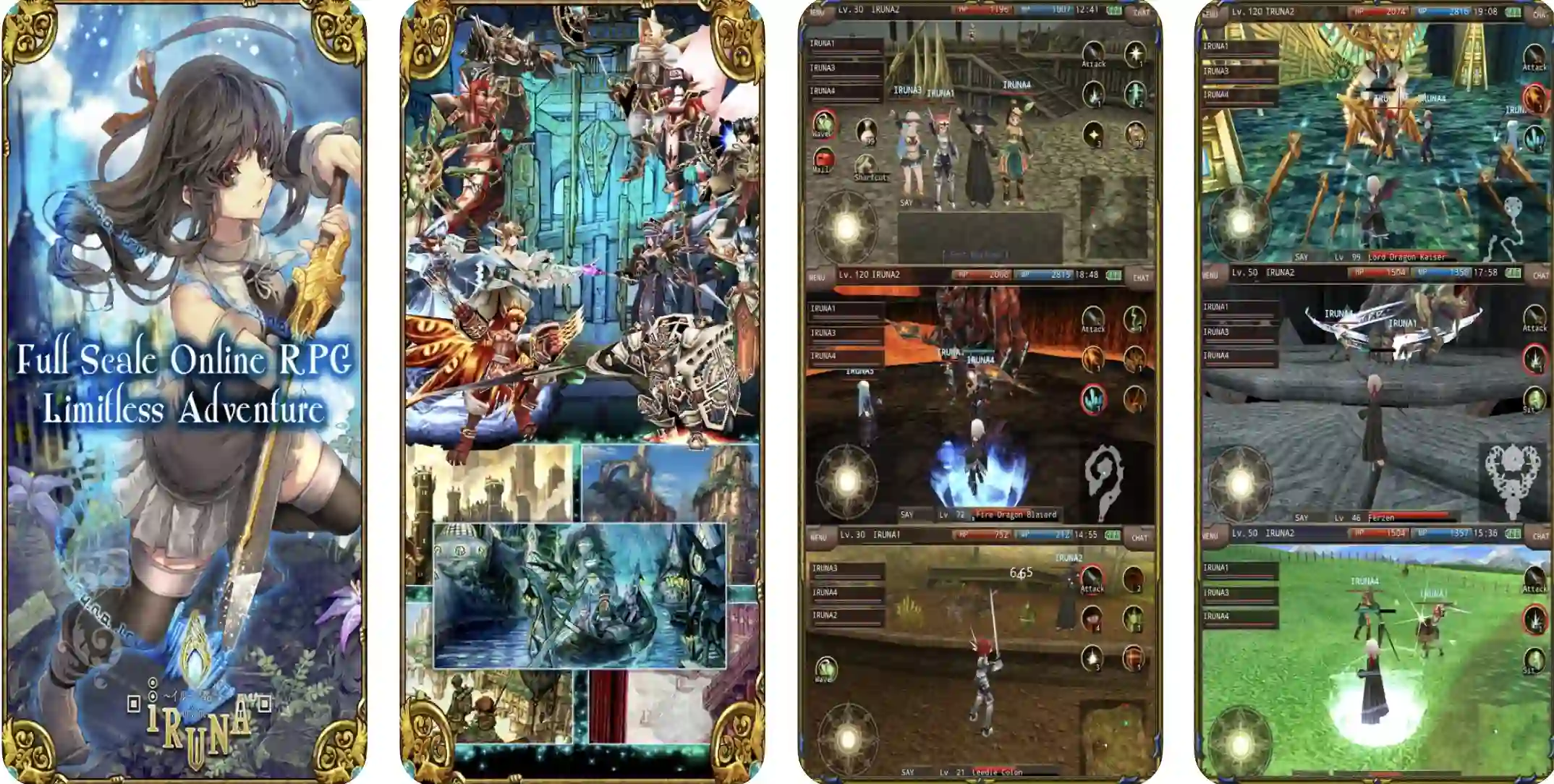


















As a writer and gamer who’s spent over a decade immersed in virtual worlds—from the grind-heavy dawn of MMOs to today’s cinematic masterpieces—I can say the best anime MMORPGs are cultural touchstones.
Over the past 15 years, this genre has evolved, blending Japanese anime aesthetics with the social depth of massively multiplayer online role-playing games. Whether you’re a raid leader perfecting rotations or a casual player vibing in a hub city, the best anime MMORPGs deliver journeys that resonate long after you log off.
This guide is a deep dive into the best anime MMORPGs, built on my countless hours of play—late-night boss clears, guild betrayals, and quiet moments of awe.
We’ll start with a comparison table, then unpack each game with detailed reviews, personal stories, player tips, community insights, and more.
Let’s log in.
Comparison Table: The Best Anime MMORPGs at a Glance
| Game | Release Year | Art Style | Combat Type | Platform | Free-to-Play? | Community Activity (2025) |
|---|---|---|---|---|---|---|
| Final Fantasy XIV | 2010 (A Realm Reborn 2013) | Semi-anime, cinematic | Tab-target | PC, PS4, PS5 | No (Subscription) | Very High |
| Tower of Fantasy | 2022 | Anime, sci-fi | Action (open-world) | PC, Mobile, PS5 | Yes | High |
| Closers | 2014 | Vibrant 2.5D anime | Action (side-scroll) | PC | Yes | Moderate |
| Elsword | 2007 | Chibi anime | Action (side-scroll) | PC | Yes | Moderate |
| Phantasy Star Online 2: New Genesis | 2012 (NG 2021) | Anime, sci-fi | Action (open-world) | PC, PS4, Xbox | Yes | High |
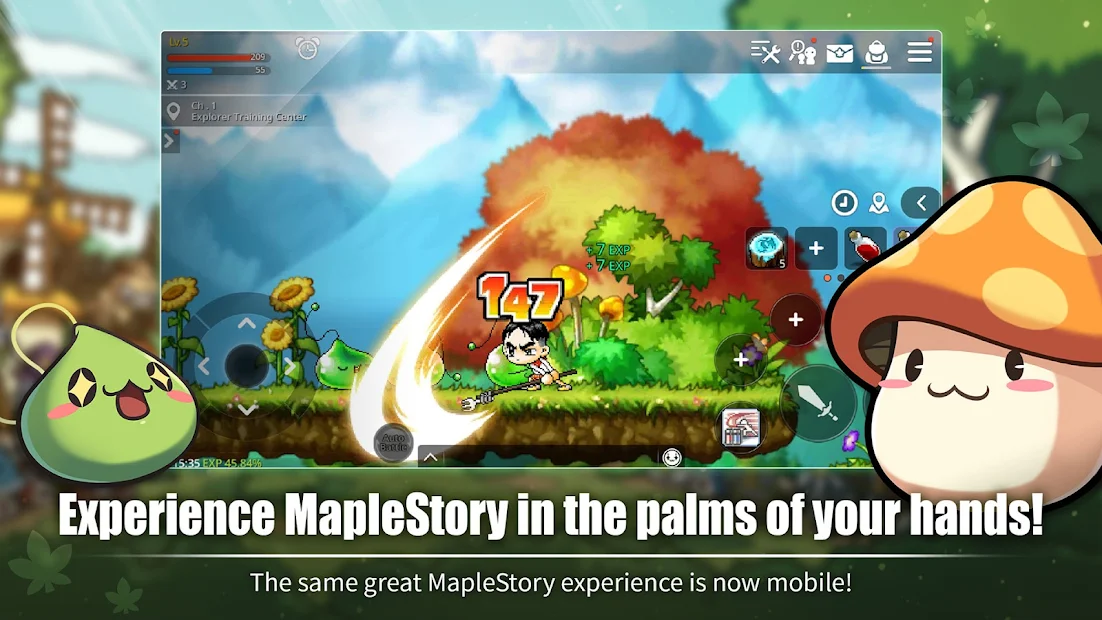
| MapleStory | 2003 (Global 2005) | 2D chibi anime | Action (side-scroll) | PC, Mobile | Yes | Moderate |
| TERA (Blue Protocol in 2025) | 2011 (BP 2024 JP) | Anime, high-fantasy | Action (real-time) | PC, PS4, Xbox (BP: PC, PS5, Xbox) | Yes (TERA), TBD (BP) | Low (TERA), Growing (BP) |
| Mabinogi | 2004 (Global 2008) | Cel-shaded anime | Action/Tab hybrid | PC | Yes | Moderate |
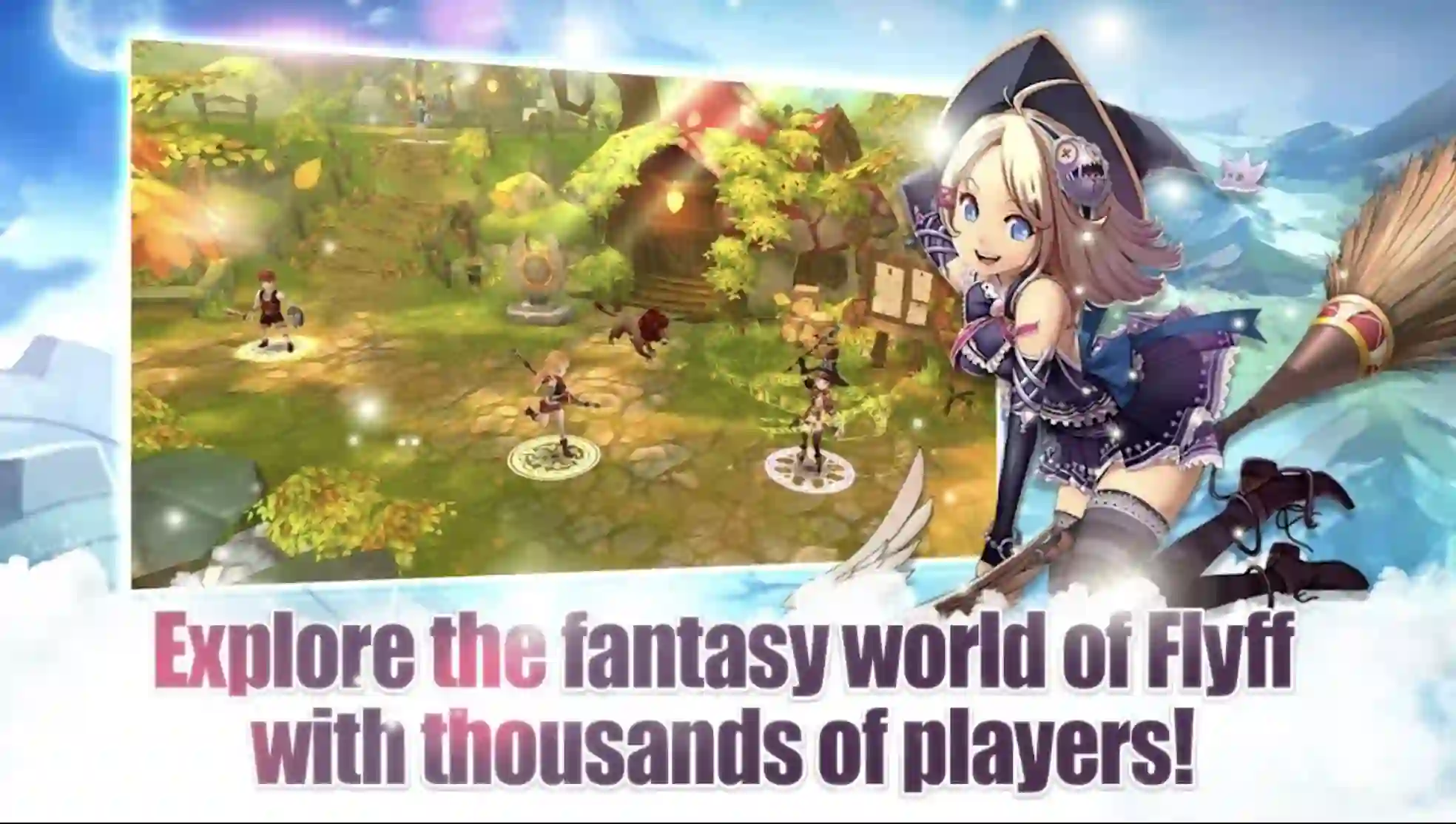
| Aura Kingdom | 2013 | Colorful 3D anime | Tab-target | PC, Mobile | Yes | Moderate |
| Gran Saga | 2021 | Anime, high-fantasy | Action (open-world) | PC, Mobile | Yes | Moderate |
This table is your cheat sheet for the best anime MMORPGs. Below, we’ll explore each title with enhanced sections for maximum value.
The Evolution of Anime MMORPGs: A Brief History
Anime MMORPGs emerged in the early 2000s, riding anime’s global boom. Titles like Ragnarok Online (2002) and MapleStory (2003) set the stage with 2D sprites and grind-heavy gameplay, appealing to fans of Dragon Ball Z. These games leaned on social hubs and cute aesthetics.
The late 2000s brought Mabinogi (2004) with sandbox freedom and Elsword (2007) with arcade combat. By the 2010s, Final Fantasy XIV and TERA pushed cinematic storytelling and action combat. The 2020s saw mobile-friendly anime MMORPGs like Tower of Fantasy and Gran Saga, alongside Blue Protocol’s hype, reflecting open worlds and crossplay.
This evolution mirrors anime’s growth—from VHS to Crunchyroll. Today’s anime MMORPGs are polished, social, and accessible, with communities like virtual anime conventions.
Best Anime MMORPGs – A Detailed Overview
1. Final Fantasy XIV: The Narrative Colossus
Final Fantasy XIV (FFXIV) is the storytelling pinnacle of the best anime MMORPGs. Launched in 2010 and reborn with A Realm Reborn (2013), it’s a phoenix of game design.
It’s semi-anime art—expressive characters, sweeping landscapes—feels like a Studio Ghibli film crossed with Final Fantasy XV. The narrative, spanning Heavensward, Shadowbringers, and Dawntrail (2024), weaves a saga of gods and mortals that hits harder than most JRPGs. Its community, polish, and content depth cement its legendary status.
Gameplay and Mechanics:-
FFXIV’s tab-target combat balances accessibility and complexity. You select enemies and cycle through abilities, but high-end content demands precision. Jobs like Monk (positional combos) or Summoner (pet and AoE management) have unique rotations. One character can level all jobs—tanks (Paladin), healers (White Mage), DPS (Dragoon)—with seamless switching, eliminating alts.
Group content shines: 4-player dungeons teach mechanics, while 8-24 player trials and raids (e.g., Eden Savage) test teamwork. Dawntrail added Viper and Pictomancer jobs, shaking up the meta. Crafting jobs (e.g., Alchemist) have skill rotations, and housing lets you build dream homes (if you win the plot lottery).
The Glamour system ensures your look is iconic. PvP (e.g., Frontlines) is casual fun, but PvE is king. Cross-platform play (PC, PS4/5) and controller support broaden access, though the $12.99/month subscription is a hurdle.
Community and Social Features:-
FFXIV’s community is its heartbeat. Free Companies (guilds) foster camaraderie, with buffs and shared housing. Social hubs like Limsa Lominsa buzz with roleplayers, musicians, and meme lords.
In-game events—seasonal festivals, crossover quests (e.g., Final Fantasy XVI)—keep players engaged. The Mentor system pairs veterans with newbies, though quality varies. Official Discord servers and fan sites like FFXIV Reddit offer guides, LFG channels, and lore debates. Party Finder and Duty Finder streamline group content.
Player Tips and Tricks:-
- Beginners: Start with a DPS job like Archer—simpler rotations ease you in. Follow the Main Scenario Quests (MSQ) to unlock content.
- Mid-Game: Unlock Glamour and dyes early for customization. Join a Free Company for buffs and advice.
- Endgame: Study raid guides on YouTube (e.g., MrHappy1227). Use ACT (parser) discreetly to optimize DPS, but avoid shaming others.
- Resources: Check FFXIV’s Lodestone for patch notes and The Balance Discord for job guides.
Technical Performance and Accessibility:-
FFXIV runs smoothly on mid-to-high-end PCs and PS4/5, with minimum requirements of Intel Core i5, 4GB RAM, and NVIDIA GTX 750.
Low-spec PCs may struggle with crowded hubs. Controller support is excellent, and localization (English, Japanese, French, German) is top-tier. Accessibility features include colorblind modes and customizable UI, though text-heavy quests can be a barrier for some.
Monetization and Value Analysis:-
The $12.99/month subscription unlocks all content, with no paywalls for raids or jobs. Optional cash shop items (mounts, cosmetics) are pricey but cosmetic-only. Maximize value by using the free trial (up to Heavensward) for 200+ hours.
Buy expansions in bundles during sales (e.g., Steam Summer Sale) to save. The content volume—thousands of hours—justifies the cost for dedicated players.
Upcoming Updates and Expansions:-
In 2025, FFXIV’s 7.1 patch will expand Dawntrail with new raids, dungeons, and story arcs, per Square Enix’s roadmap. Rumored features include a new Ultimate raid and crossovers. Check Lodestone for patch schedules to stay ahead.
Personal Take:-
I’ve poured 3000+ hours into FFXIV, and it’s redefined gaming for me. The Shadowbringers climax had me weeping at 2 a.m.—Emet-Selch’s arc is storytelling perfection. Leading a static through Pandaemonium Savage was a rollercoaster; nailing a phase after 30 wipes felt like a gold medal.
I’ve also lost weekends to casual joys: fishing in La Noscea with guildmates, decorating my Shirogane apartment, or roleplaying as a bard in Ul’dah’s taverns.
The community’s a mixed bag—mentors can be saints, but toxic parsers in Party Finder sting. The subscription’s steep, but the polish is unmatched. My Dragoon’s my baby, even if I botch positionals.
Why Play in 2025?
FFXIV’s free trial (up to Heavensward) offers 200+ hours, perfect for testing the waters. Dawntrail keeps it fresh with new zones, jobs, and raids, while the community’s massive—Free Companies welcome all skill levels.
Whether you’re chasing Savage clears, crafting legendary gear, or vibing in social hubs, FFXIV is the best anime MMORPG for story lovers and endgame raiders. The early quest slog is real, but stick with it for a narrative payoff that rivals anime epics. Join a Discord like The Balance for tips, and don’t skip cutscenes—you’ll thank me.
2. Tower of Fantasy: Sci-Fi Anime Adventure
Tower of Fantasy (2022) is a sci-fi best anime MMORPG blending Genshin Impact’s exploration with MMO social hooks. Set on post-apocalyptic Aida, its Omnium-driven story is deeper than most free-to-play titles. Anime-inspired visuals—sleek characters, vibrant biomes—and crossplay make it a modern gem.
Gameplay and Mechanics:-
The real-time action combat is dynamic, built on weapon-based skills. Equip three weapons (e.g., dual blades, bow, hammer), each with elemental effects (fire, volt).
Swap mid-fight for combos—unload with a bow, then dive in with blades for a discharge skill. Dodging and timing are key, especially in world boss fights needing coordination. The system supports hybrid roles based on weapons.
The open world is packed with puzzles, chests, and dynamic events. Glide across deserts, climb sci-fi towers, or ride vehicles through jungles. Group content includes raids and co-op missions, though matchmaking can be spotty.
The gacha system for weapons/skins is grindy, but daily rewards help. Crossplay (PC, mobile, PS5) is seamless, though mobile controls falter for precision. Crafting and progression are light, tied to exploration, while social hubs buzz with players.
Community and Social Features:-
Tower of Fantasy’s community thrives in social hubs like Asperia’s central city, where players trade, chat, or flex cosmetics. Guilds offer buffs and co-op events, with leaderboards driving competition.
In-game events—seasonal festivals, boss rushes—encourage teamwork. Official Discord servers and subreddits (e.g., r/TowerofFantasy) provide LFG channels, gacha guides, and fan art. Crossplay fosters a unified player base, though mobile-PC balance can frustrate in PvP.
Player Tips and Tricks:-
- Beginners: Pick versatile weapons like dual blades for mobility. Focus on story quests to unlock zones.
- Mid-Game: Save gold nuclei (gacha currency) for limited banners—SSR weapons are game-changers.
- Endgame: Join world boss rotations via Discord for rare drops. Upgrade matrices (gear mods) for DPS boosts.
- Resources: Follow ToF’s official X account for event news and check Reddit for gacha tier lists.
Technical Performance and Accessibility:-
Tower of Fantasy runs well on mid-range PCs (Intel Core i5, 8GB RAM, GTX 960) and modern mobiles (Snapdragon 855+). Low-end devices may lag in crowded areas.
Controller support is solid, and localization (English, Japanese, Chinese) is robust. Accessibility includes adjustable UI and subtitles, though touch controls can frustrate on mobile.
Monetization and Value Analysis:-
The free-to-play model relies on gacha for weapons and cosmetics. Daily quests and events provide enough currency for casual pulls, reducing pay-to-win pressure.
Save nuclei for limited banners to maximize value. Avoid cosmetic packs unless you’re a collector—gameplay rewards suffice. Monthly passes ($5-10) boost progression but aren’t essential.
Upcoming Updates and Expansions:-
In 2025, Tower of Fantasy plans new regions and weapons, per Hotta Studio’s X posts. Rumored collaborations (e.g., anime crossovers) could spice things up. Join Discord for update leaks and event schedules.
Personal Take:-
I stumbled into Tower of Fantasy during a layover, expecting a quick fling. Months later, I was hooked, chasing rare mounts across Aida’s dunes. The gacha rng was a rollercoaster—weeks of bad pulls, then a SSR scythe that made me yell in triumph.
My favorite moment was a world boss fight where my party debated Jujutsu Kaisen’s Shibuya arc mid-battle, laughing as we wiped. The open world’s beauty is a constant draw, though the story’s later chapters drag.
I’ve made Discord friends through co-op, and crossplay lets me swap between PC and phone seamlessly. Mobile controls annoy me, but the exploration keeps me coming back.
Why Play in 2025?
Tower of Fantasy shines in 2025 with regular updates—new zones, weapons, and events keep Aida alive. The community’s growing, with active Discord servers and guilds fostering connections.
It’s the best anime MMORPG for mobile gamers and sci-fi fans, with a generous free-to-play model for casuals (whales rule leaderboards, though). Focus on daily quests to ease the gacha grind, and join a guild for boss runs.
The crossplay and vibrant world make it perfect for players who want freedom and flair. If you’re new, explore every corner—hidden chests are gold.
3. Closers: Arcade Anime Blitz
Closers (2014) is a side-scrolling best anime MMORPG channeling arcade beat-’em-up vibes. Set in a monster-infested Seoul, you play psychic operatives with rich backstories.
The 2.5D anime art—crisp, colorful—pairs with an episodic story that feels like a Persona anime. Its fast combat and tight community make it a hidden gem.
Gameplay and Mechanics:-
Combat is real-time and combo-heavy, demanding precision. Characters (e.g., Seha’s melee, Misteltein’s magic) have unique movesets—light/heavy attacks, specials, ultimates. Chain combos via dashes and dodges, juggling enemies in instanced dungeons.
Timing is critical—mistime a dodge, and a boss’s AoE wrecks you. Skill trees allow deep customization.
Dungeons (5-15 minutes) scale for solo or co-op, with endgame raids for veterans. Gear progression uses crafting and drops, with enhancements needing grind or premium currency. New Seoul’s hub is a social space for trading and costumes. PvP arenas exist but lag behind PvE. The story’s voiced cutscenes add replayability. It’s low-spec friendly.
Community and Social Features:-
Closers’ community is small but passionate, centered in New Seoul’s hub where players trade, chat, or show off outfits. Crews (guilds) offer co-op missions and buffs, with events like dungeon races fostering bonds.
The official Discord and Steam forums provide guides and LFG channels. Seasonal events—Halloween dungeons, summer quests—keep players engaged, though the smaller player base means quieter hubs outside peak hours.
Player Tips and Tricks:-
- Beginners: Start with Yuri for forgiving melee combos. Prioritize story missions to unlock skills.
- Mid-Game: Farm event dungeons for rare materials. Save premium currency for skill resets.
- Endgame: Optimize gear with tuning chips—focus on crit rate. Join co-op raids via Discord.
- Resources: Check Closers’ Steam forums for patch notes and Naddic’s X for event schedules.
Technical Performance and Accessibility:-
Closers runs on low-end PCs (Intel Core 2 Duo, 4GB RAM, integrated graphics) with minimal lag. No mobile port exists, but controller support is decent. Localization (English, Korean) is solid, with subtitles for cutscenes. Accessibility is limited—small text may strain eyes, but UI scaling helps.
Monetization and Value Analysis:-
The free-to-play model focuses on cosmetics and boosts. Daily logins and events provide enough currency for skill resets or gear upgrades. Avoid costume packs unless you love fashion—gameplay is unaffected. Monthly subscriptions ($10) offer minor perks but aren’t necessary. Farm events for free cosmetics to maximize value.
Upcoming Updates and Expansions:-
In 2025, Closers plans new characters and raids, per Naddic’s X. Community events like anniversary celebrations are expected. Check Steam forums for patch previews.
Personal Take:-
Closers was my 2019 stress-buster. After brutal workdays, chaining a 50-hit combo on a boss felt like punching my problems away. The combat’s rhythm is hypnotic—I’d lose hours perfecting my Yuri’s skill chains, aiming for that perfect ultimate.
The Steam community’s small but loyal; I’ve got Discord pals from co-op runs who still ping me for new raids. The cash shop’s costume prices are highway robbery, and server lag can break a good run, but the core loop’s so tight I barely care. I once spent an evening just chatting in New Seoul about Demon Slayer—that’s the vibe.
Why Play in 2025?
Closers is the best anime MMORPG for action lovers who want quick, intense gameplay. The community, though modest, is dedicated, with regular events and updates keeping dungeons fresh.
It’s free-to-play, with no paywalls blocking core content, making it a low-risk dive. The combo-heavy combat rewards skill, and the story’s episodic arcs are binge-worthy.
Join a Crew early for co-op raids, and check Discord for endgame tips. If you crave arcade-style anime action, Closers delivers in spades—just brace for the cosmetic grind.
4. Elsword: Chibi Charm, PvP Bite
Elsword (2007) is a chibi-style best anime MMORPG thriving for nearly two decades. Set in Elrios, its charming story follows heroes chasing a magical crystal. The chibi art—cute yet fierce—hides a deep combat system and brutal PvP scene. Its accessibility and longevity make it a genre staple.
Gameplay and Mechanics:-
The side-scrolling combat is real-time, blending accessibility with depth. Classes (e.g., Elsword’s swords, Rena’s bows) have unique skills—AoE blasts, single-target nukes.
Chain attacks, specials, and dashes in instanced dungeons, with mana management adding strategy. Class advancement trees unlock playstyles (e.g., Elsword’s Knight).
Dungeons (5-10 minutes) support solo or co-op, with endgame tiers for grinders. Gear progression uses drops and crafting, with enhancements risking breaks without premium currency.
PvP’s ranked arenas and tournaments test builds. Social hubs are lively, though the cash shop pushes cosmetics. The story’s manga-style cutscenes are light but engaging. It’s low-spec friendly.
Community and Social Features:-
Elsword’s community gathers in hubs like Elder Village, where players trade, spar, or flex costumes. Guilds offer buffs and co-op events, with PvP tournaments driving competition.
Seasonal events—Christmas quests, anniversary rewards—keep players hooked. The official Discord and Reddit (r/elsword) provide LFG, guides, and fan art. The community’s moderate but active, with veterans mentoring newbies in hubs.
Player Tips and Tricks:-
- Beginners: Pick Aisha for ranged magic—easier to learn. Focus on story quests for gear.
- Mid-Game: Save ED (currency) for accessory enhancements. Join PvP practice matches to learn.
- Endgame: Optimize gear with sockets for crit damage. Check Discord for PvP tier lists.
- Resources: Follow Elsword’s X for event news and KOG Games’ site for patch notes.
Technical Performance and Accessibility:-
Elsword runs on low-end PCs (Pentium 4, 2GB RAM, integrated graphics) with no issues. No mobile port exists, but controller support is functional. Localization (English, Korean, Spanish) is good, with subtitles. Accessibility is basic—adjustable UI helps, but fast-paced combat may challenge some players.
Monetization and Value Analysis:-
The free-to-play model emphasizes cosmetics and boosts. Daily quests provide enough ED for gear upgrades. Save for Ice Burners (costume gacha) for rare outfits. Avoid premium enhancements—grind events for free rewards. Monthly passes ($7-15) offer minor perks but aren’t essential.
Upcoming Updates and Expansions:-
In 2025, Elsword plans new classes and PvP modes, per KOG’s X. Anniversary events and seasonal dungeons are confirmed. Check Reddit for patch rumors.
Personal Take
Elsword was my college dorm obsession in 2010. My roommates and I ran dungeons between classes, blasting Soul Eater OSTs and laughing at our terrible combos. PvP was humbling—veterans obliterated me, but winning my first ranked match felt like a crown.
Aisha’s spell animations won my heart, and the chibi art’s charm grew on me. The grind’s brutal, and costume prices are absurd, but the combat’s flow keeps me hooked.
I still jump in for nostalgia, running boss raids with guildmates I’ve known since high school. Last month, we wiped on a new dungeon but spent hours joking about One Piece—that’s Elsword’s magic.
Why Play in 2025?
Elsword is the best anime MMORPG for casual fun or competitive PvP. The community’s active, with new classes and events keeping it fresh. It’s free-to-play and runs on low-end PCs, perfect for budget gamers. PvP offers a steep but rewarding climb, while PvE dungeons are quick and replayable.
Join a guild for co-op and PvP tips—veterans are surprisingly helpful. If you love chibi aesthetics and skill-based combat, Elsword is a timeless pick. Start with story quests and practice PvP early to build reflexes.
5. Phantasy Star Online 2: New Genesis: Sci-Fi Anime Reborn
Phantasy Star Online 2 (2012) got a transformative reboot with New Genesis (2021), securing its spot among the best anime MMORPGs. Its sci-fi anime visuals—sleek characters, neon worlds—are a cosplayer’s dream. The open-world overhaul and deep customization make it a modern classic.
Gameplay and Mechanics:-
The real-time action combat emphasizes mobility. Classes (e.g., Hunter, Ranger) tie to weapons—swords for melee, rifles for range—with photon arts and dodges chaining combos.
The open world, Halpha, is dynamic, with storms spawning enemies and urgent quests rallying players. Exploration rewards scavenging, with gliding and collectibles.
Group content includes trials (8 players) and raids, though matchmaking can lag. Customization is elite—character creation rivals 3D modeling tools. Gear progression uses drops and crafting, with a gacha-driven cash shop for cosmetics. The story’s light but lore-rich, via cutscenes. Crossplay (PC, PS4, Xbox) is seamless.
Community and Social Features:-
New Genesis’ community thrives in Central City, where players dance, trade, or flex outfits. Alliances (guilds) offer co-op events and buffs, with leaderboards for competition.
In-game events—seasonal festivals, urgent quest rotations—drive teamwork. Official Discord and r/PSO2NGS provide LFG, fashion guides, and patch discussions. The community’s vibrant, with crossplay uniting platforms.
Player Tips and Tricks:-
- Beginners: Start with Fighter for forgiving combat. Explore Halpha for early materials.
- Mid-Game: Save N-Meseta for gear augments. Join urgent quests for rare drops.
- Endgame: Optimize weapons with multi-element augments. Check Discord for raid schedules.
- Resources: Follow SEGA’s X for event news and PSO2es for gear guides.
Technical Performance and Accessibility:-
New Genesis requires mid-range PCs (Intel Core i5, 8GB RAM, GTX 950) or Xbox/PS4. Low-end systems may lag in crowded events. Controller support is excellent, and localization (English, Japanese) is robust. Accessibility includes subtitles and adjustable UI, though fast-paced combat may challenge some.
Monetization and Value Analysis:-
The free-to-play model uses gacha for cosmetics and boosts. Daily quests and events provide enough AC (currency) for casual pulls. Save for premium cosmetics—gameplay is unaffected. Monthly passes ($10-20) offer storage but aren’t essential. Farm urgent quests for free rewards to maximize value.
Upcoming Updates and Expansions:-
In 2025, New Genesis plans new regions and classes, per SEGA’s X. Rumored crossovers (e.g., Persona) could add flair. Check r/PSO2NGS for update leaks.
Personal Take:-
New Genesis saved me from MMO burnout in 2021. I lost hours exploring Halpha, chasing sunsets or rare ores instead of quests. The character creator ate my evenings—I made a cyborg waifu I’m still proud of. The cash shop’s aggressive, but in-game rewards keep it fair.
The community’s vibrant; I’ve joined impromptu dance parties in Central City and made friends through urgent quests. My only complaint is the story’s slow burn, but the world’s beauty compensates. Last week, I teamed up with randos for a raid, and we ended up debating Evangelion—that’s the New Genesis vibe.
Why Play in 2025?
New Genesis is the best anime MMORPG for customization nerds and open-world fans. SEGA’s updates—new regions, classes—keep it fresh. The community’s thriving, with active guilds and Discord servers.
It’s free-to-play, with crossplay making it easy to squad up. If you love sci-fi and fashion, this is your game. Start with a class like Fighter for forgiving combat, and join urgent quests early for loot. The vibrant community and endless customization make it a must-play in 2025.
6. MapleStory: The 2D Nostalgia King
MapleStory (2005 globally) is the best 2D anime MMORPG that defined a generation. It’s chibi art, quirky humor, and endless grind are pure nostalgia. Nexon’s mobile ports and updates keep it relevant in 2025.
Gameplay and Mechanics:-
The side-scrolling combat is simple but satisfying, with dozens of classes (e.g., Bowmaster, Night Lord) offering varied skills. You chain attacks and specials in 2D zones, with platforming adding challenge.
The world is vast, with quests and areas like Ellinia. Progression is grind-heavy, with levels and gear tied to mob farming and bosses (e.g., Zakum).
Social hubs like Henesys are the heart, buzzing with traders and chatters. Crafting and trading are robust, though the cash shop pushes pets and cosmetics. Mobile versions simplify controls but lose some charm. The story is quirky, with manga-style quests.
Community and Social Features:-
MapleStory’s community gathers in Henesys and Orbis, where players trade, chat, or flex NX outfits. Guilds offer buffs and boss run coordination, with events like Guild PQ fostering bonds.
Seasonal events—Maple Anniversary, Halloween quests—are community highlights. The official Discord and r/MapleStory provide LFG, market tips, and class guides. The community is moderate but loyal, with nostalgia driving engagement.
Player Tips and Tricks:-
- Beginners: Pick Explorer classes (e.g., Archer) for flexibility. Follow story quests for early gear.
- Mid-Game: Farm popular maps (e.g., Star Force zones) for mesos. Save NX for hyper teleport rocks.
- Endgame: Cube gear for bonus stats—focus on main stat. Join boss runs via guilds.
- Resources: Check MapleStory’s X for event news and MapleCentral Discord for market trends.
Technical Performance and Accessibility:-
MapleStory runs on low-end PCs (Pentium 4, 2GB RAM, integrated graphics) and mobiles (Snapdragon 625+). Mobile controls are clunky. Localization (English, Korean, Chinese) is solid, with subtitles. Accessibility includes adjustable UI, but small text may strain eyes.
Monetization and Value Analysis:-
The free-to-play model focuses on pets and cosmetics. Daily quests and events provide mesos for gear. Save NX for pets with auto-loot—gameplay rewards suffice otherwise. Avoid cosmetic gacha unless you’re a collector. Monthly passes ($5-10) offer minor perks but aren’t needed.
Upcoming Updates and Expansions:-
In 2025, MapleStory plans new classes and regions, per Nexon’s X. Anniversary events and summer quests are confirmed. Check r/MapleStory for patch rumors.
Personal Take:-
MapleStory is my gaming home. I started in 2006, grinding bandits in Kerning City, and I still log in to chat in Orbis with guildmates I’ve known for a decade. A Zakum run with friends is pure joy, though the late-game grind feels like a second job.
The chibi art and goofy quests—like delivering mushrooms—never fail to make me smile. The cash shop’s pet prices are a scam, and mobile controls frustrate, but the PC version’s charm is unmatched. Last month, I revisited Ellinia and felt 16 again—that’s MapleStory’s power.
Why Play in 2025?
MapleStory is the best anime MMORPG for nostalgia and casual grinding. The community’s smaller but loyal, with events and new classes adding spice. It’s free-to-play and runs on anything, perfect for budget gamers.
If you’re new, focus on story quests to ease the grind, and join a guild for boss runs. The social vibe and quirky world keep it timeless. Check MapleCentral Discord for meso-making tips, and don’t skip holiday events for rare loot.
7. TERA / Blue Protocol: Action Anime’s Legacy and Future
TERA (2011) pioneered action combat in anime MMORPGs, with high-fantasy anime visuals. Blue Protocol (2024 JP, 2025 global), Bandai Namco’s successor, refines the formula with modern polish. Both are the best anime MMORPGs for their eras.
Gameplay and Mechanics:-
TERA’s real-time combat requires aiming and dodging, with classes (e.g., Slayer) offering distinct rotations. Boss fights (BAMs) are skill-based, with telegraphed attacks. Blue Protocol evolves this with smoother animations and an open-world focus. Its classes (e.g., Blade Warden) blend melee and magic, with combos tied to positioning.
TERA’s world is instanced, with dungeons and raids. Blue Protocol emphasizes open-world exploration, with dynamic events and co-op. Both have deep customization—Blue Protocol’s character creator is elite. Gear progression uses drops and crafting; Blue Protocol’s gacha is TBD. Crossplay is confirmed for Blue Protocol.
Community and Social Features:-
TERA’s community is nearly gone, with quiet hubs. Blue Protocol’s beta showed vibrant hubs where players trade, roleplay, or flex outfits. Guilds offer co-op missions and buffs, with events like world boss rushes driving teamwork.
Official Discord and r/BlueProtocol provide LFG, lore discussions, and beta feedback. Blue Protocol’s community is growing fast, with crossplay uniting platforms.
Player Tips and Tricks:-
- TERA Beginners: Pick Warrior for dynamic combat. Focus on story quests for gear.
- Blue Protocol Beginners: Try Spell Caster for ranged ease (beta). Explore for early materials.
- Blue Protocol Mid-Game: Save currency for gear enhancements. Join dynamic events for loot.
- Blue Protocol Endgame: Optimize builds with skill synergies. Check Discord for raid guides.
- Resources: Follow Blue Protocol’s X for launch news and Reddit for beta tips.
Technical Performance and Accessibility:-
TERA requires mid-range PCs (Intel Core i3, 4GB RAM, GTX 260). Blue Protocol needs modern specs (Intel Core i5, 8GB RAM, GTX 1060) per beta. Controller support is solid, and localization (English, Japanese) is planned. Blue Protocol offers subtitles and adjustable UI, but fast combat may challenge some.
Monetization and Value Analysis:-
TERA is free with cosmetic cash shop. Blue Protocol’s model is TBD, likely gacha-based. Beta events suggest generous rewards. Save currency for gear over cosmetics. Avoid early spending until launch clarifies value. Join beta events for free loot.
Upcoming Updates and Expansions:-
TERA is static, but Blue Protocol’s 2025 global launch includes new regions and classes, per Bandai Namco’s X. Rumored anime crossovers could add hype. Check r/BlueProtocol for launch updates.
Personal Take:-
TERA was my 2012 obsession—dodging a BAM’s swipe felt like a dance. I spent hours grinding with guildmates, laughing over Skype. Blue Protocol’s beta blew me away; its world feels alive, and the combat’s buttery.
I recreated my TERA Lancer in Blue Protocol, and it felt like coming home. TERA’s servers are ghost towns now, but Blue Protocol’s hype reminds me of TERA’s launch. The beta’s community was buzzing, though I worry about gacha creep. Last week, I joined a beta event and ended up chatting about Spy x Family—that’s the vibe.
Why Play in 2025?
TERA is fading, but Blue Protocol is the best anime MMORPG to watch. Its global launch will likely spark a huge community, with crossplay (PC, PS5, Xbox) broadening access. Early adopters can shape the meta, and the open world’s perfect for exploration.
If you loved TERA, Blue Protocol is your next fix. Keep an eye on cash shop details at launch, and join Discord for beta insights. The vibrant world and fluid combat make it a must-watch for 2025.
8. Mabinogi: The Anime Sandbox Haven
Mabinogi (2008 globally) is a cel-shaded best anime MMORPG that prioritizes living over grinding. Its Celtic-inspired world and anime visuals offer unmatched freedom, from combat to virtual life.
Gameplay and Mechanics:-
Combat blends action and tab-target, with skills tied to talents (e.g., archery, magic). You chain attacks and counters, with positioning key in group fights. The sandbox shines: learn music, cook, or run a shop. Quests range from story-driven to open-ended, with events like festivals adding flavor.
Progression is skill-based, letting you mix roles. Social hubs are roleplay havens, with player-driven economies. The cash shop is cosmetic-focused. It’s low-spec friendly.
Community and Social Features:-
Mabinogi’s community thrives in Tir Chonaill, where players trade, roleplay, or host events. Guilds offer buffs and co-op missions, with events like music festivals driving engagement.
The official Discord and r/Mabinogi provide LFG, roleplay guides, and market tips. The community’s moderate but passionate, with roleplay keeping hubs alive.
Player Tips and Tricks:-
- Beginners: Pick combat talents (e.g., sword) for early ease. Follow story quests for skills.
- Mid-Game: Learn life skills (e.g., tailoring) for profit. Join roleplay events for fun.
- Endgame: Max skill ranks for hybrid builds. Check Discord for dungeon runs.
- Resources: Follow Mabinogi’s X for event news and Nexon’s site for patch notes.
Technical Performance and Accessibility:-
Mabinogi runs on low-end PCs (Pentium 4, 2GB RAM, integrated graphics). No mobile port exists. Localization (English, Korean) is solid, with subtitles. Accessibility includes adjustable UI and slow-paced options, ideal for diverse players.
Monetization and Value Analysis:-
The free-to-play model focuses on cosmetics and pets. Daily quests provide currency for pets—essential for inventory. Save for pets over outfits. Avoid gacha boxes—event rewards suffice. Monthly VIP ($10) offers perks but isn’t needed.
Upcoming Updates and Expansions:-
In 2025, Mabinogi plans new life skills and events, per Nexon’s X. Anniversary festivals are confirmed. Check r/Mabinogi for patch previews.
Personal Take:-
Mabinogi was my grad school escape. I spent more time running a virtual shop than fighting, and it was blissful. My bard character still gets invites to in-game concerts, and the roleplay community’s warmth is unmatched.
Combat feels clunky compared to modern MMOs, and the UI’s dated, but the freedom to live a second life keeps me hooked. I once spent a weekend hosting a fishing contest—that’s Mabinogi’s magic. Last month, I joined a roleplay wedding and teared up—only this game does that.
Why Play in 2025?
Mabinogi is the best anime MMORPG for sandbox fans and roleplayers. The moderate community is welcoming, with events and updates keeping the world alive. It’s free-to-play and runs on low-end PCs.
If you want a game where you can be a warrior one day and a chef the next, this is it. Dive into roleplay guilds for the full experience, and check r/Mabinogi for event schedules. The sandbox freedom and tight-knit community make it a gem in 2025.
9. Aura Kingdom: Colorful Anime Ease
Aura Kingdom (2013) is a vibrant anime MMORPG built for accessibility. Its 3D anime art and Eidolon companions give it charm, perfect for casual players.
Gameplay and Mechanics:-
The tab-target combat is flashy but simple, with classes (e.g., Duelist) offering varied skills. Eidolons—AI companions—provide buffs and banter, joining you in dungeons and raids. The world is quest-heavy, with instanced group content. Gear progression is straightforward, though enhancements favor cash shop users.
Mobile ports simplify controls, and social hubs are lively. The story is generic but functional, with voiced cutscenes.
Community and Social Features:-
Aura Kingdom’s community gathers in Navea, where players trade, chat, or flex Eidolons. Guilds offer buffs and co-op dungeons, with events like fishing contests fostering bonds. The official Discord and Steam forums provide LFG and gear guides.
Seasonal events—Valentine’s quests, summer raids—keep players engaged. The community’s moderate but friendly, with hubs active during events.
Player Tips and Tricks:-
- Beginners: Pick Wizard for ranged ease. Follow story quests for Eidolon unlocks.
- Mid-Game: Farm daily dungeons for gear materials. Save rubies for enhancements.
- Endgame: Optimize Eidolons with skill upgrades. Join guild raids via Discord.
- Resources: Check Aura Kingdom’s X for event news and Aeria Games’ site for patch notes.
Technical Performance and Accessibility:-
Aura Kingdom runs on low-to-mid PCs (Intel Core 2 Duo, 4GB RAM, GTX 260) and mobiles (Snapdragon 625+). Mobile controls are passable. Localization (English, Spanish) is good, with subtitles. Accessibility includes adjustable UI, but fast combat may challenge some.
Monetization and Value Analysis:-
The free-to-play model focuses on cosmetics and boosts. Daily dungeons provide rubies for enhancements. Save for Eidolon upgrades—gameplay rewards suffice otherwise. Avoid cosmetic packs—events offer free skins. Monthly passes ($5-10) are optional.
Upcoming Updates and Expansions:-
In 2025, Aura Kingdom plans new Eidolons and events, per Aeria’s X. Summer raids are expected. Check Steam forums for patch news.
Personal Take:-
Aura Kingdom was my low-effort MMO during a hectic 2018. My Eidolon’s quirky dialogue carried the weak story, and I loved tweaking my Wizard’s skill loadout. The community’s chill—I made friends in hub chats who still ping me on Steam.
The cash shop’s costume prices are obscene, and endgame grind feels repetitive, but the game’s bright vibe is a mood-lifter. I still log in for holiday events, and last Christmas, I won a rare mount in a raffle—that’s the Aura Kingdom charm.
Why Play in 2025?
Aura Kingdom is the best anime MMORPG for casual players who want a colorful, easygoing experience. The community is moderate but friendly, with mobile support for on-the-go play.
It’s free-to-play, with no major paywalls. If you’re after a low-stress MMO with cute companions, this fits. Join a guild for group content to spice things up, and check Steam forums for event tips. The vibrant art and relaxed vibe make it a solid pick for 2025.
10. Gran Saga: Mobile Anime Epic
Gran Saga (2021) is a mobile-first anime MMORPG with high-fantasy anime visuals and a deep story. Its open-world action and gacha elements make it a fresh contender.
Gameplay and Mechanics:-
The action combat is fluid, with character-switching (up to three per party) adding depth. Each character has unique skills—melee combos, AoE magic—with dodging and timing key.
The open world is gorgeous, with dynamic events and co-op raids. Gear and character progression tie to gacha pulls and crafting, with daily rewards easing the grind. Social hubs are active, and crossplay (PC, mobile) is smooth. The story is cinematic, though pacing dips.
Community and Social Features:-
Gran Saga’s community thrives in Las Grandes, where players trade, chat, or flex gacha pulls. Guilds offer co-op raids and buffs, with leaderboards for competition. In-game events—seasonal quests, boss rushes—drive teamwork.
The official Discord and r/GranSaga provide LFG, gacha guides, and fan art. The community’s moderate but growing, with crossplay uniting platforms.
Player Tips and Tricks:-
- Beginners: Pick Knight for tanky ease. Follow story quests for early characters.
- Mid-Game: Save diamonds for limited banners—SR characters boost DPS.
- Endgame: Optimize artifacts for elemental synergy. Join raid guilds via Discord.
- Resources: Follow Gran Saga’s X for event news and Reddit for gacha tier lists.
Technical Performance and Accessibility:-
Gran Saga runs on mid-range mobiles (Snapdragon 855+) and PCs (Intel Core i5, 8GB RAM, GTX 960). Low-end devices lag. Controller support is good, and localization (English, Korean) is solid. Accessibility includes subtitles and UI scaling, but touch controls may frustrate.
Monetization and Value Analysis:-
The free-to-play model relies on gacha for characters and artifacts. Daily quests provide diamonds for pulls—save for limited banners. Avoid cosmetic gacha—events offer free skins. Monthly passes ($5-15) boost progression but aren’t essential.
Upcoming Updates and Expansions:-
In 2025, Gran Saga plans new characters and regions, per Npixel’s X. Rumored crossovers could add hype. Check r/GranSaga for patch leaks.
Personal Take:-
Gran Saga’s Tales-like visuals hooked me in 2021. I spent hours tweaking my party, chasing synergies between my knight and mage. The gacha rng stung—I blew weeks on a bad pull streak—but daily rewards kept me going.
The community’s small but growing; I joined a guild through Discord and now run weekly raids. The story’s early beats hit hard, though later quests drag. Playing on PC feels smoother than mobile for combat. Last month, I pulled a rare character and celebrated with guildmates—that’s Gran Saga’s pull.
Why Play in 2025?
Gran Saga is the best anime MMORPG for mobile gamers seeking a premium experience. Updates add new characters and zones, and the community’s expanding. It’s free-to-play, with crossplay making it flexible.
If you love high-fantasy and don’t mind gacha, this is a gem. Focus on daily quests to build your roster early, and join a guild for raids. The cinematic story and vibrant world make it a standout in 2025.
Integration of User-Generated Content
The best anime MMORPGs inspire vibrant fan communities. Check out fan art on DeviantArt (e.g., FFXIV’s Emet-Selch portraits), cosplay on Instagram (search #PSO2NGS), or guides on Reddit (r/FFXIV’s raid primers).
Mabinogi roleplayers share stories on r/Mabinogi, while Blue Protocol beta testers post builds on r/BlueProtocol. Engaging with UGC—via comments or shares—deepens your experience and connects you to the fandom.
FAQ
What are the top free-to-play anime MMORPGs to try in 2025 without a subscription?
Most anime MMORPGs lean toward free-to-play models with optional in-game purchases, making them accessible for budget-conscious gamers.
Standouts include Tower of Fantasy, which offers sci-fi open-world exploration and dynamic combat; Phantasy Star Online 2: New Genesis, known for its customization and cross-platform play; and MapleStory, a 2D chibi classic with endless grinding and social hubs.
Other options like Elsword and Closers provide arcade-style action without upfront costs, while Gran Saga excels on mobile with high-fantasy elements. These games use gacha systems or cosmetic shops for monetization, but core content remains free, allowing players to progress through daily quests and events.
Is Final Fantasy XIV still worth playing for its story in 2025, and what’s new?
Final Fantasy XIV remains a narrative powerhouse among anime MMORPGs, with expansions like Dawntrail delivering emotional arcs that rival standalone JRPGs.
In 2025, the game continues to thrive with Patch 7.3, “The Promise of Tomorrow,” introducing new raids, dungeons, and story content launching on August 5. The subscription model ($12.99/month) unlocks everything, but the free trial covers hundreds of hours up to Heavensward.
It’s ideal for story lovers, though beginners should prepare for a lengthy main questline—worth it for moments like Shadowbringers’ climax that leave lasting impacts.
How has Tower of Fantasy updated its gameplay and content in 2025?
Since its 2022 launch, Tower of Fantasy has expanded with new regions, weapons, and story chapters, maintaining high community activity through crossplay on PC, mobile, and PS5.
The 4.7 update in February 2025 added fresh events, main story missions, and character enhancements, emphasizing elemental combos and open-world puzzles.
Players appreciate the gacha system’s generosity via daily rewards, reducing pay-to-win concerns, though mobile controls can feel imprecise during intense boss fights. It’s a strong pick for sci-fi fans seeking Genshin-like exploration without the single-player focus.
What unique combat features make Closers stand out among side-scrolling anime MMORPGs?
Closers differentiates itself with combo-heavy, real-time beat-’em-up combat in a 2.5D anime style, where characters like Yuri or Seha juggle enemies through dashes, specials, and ultimates.
Unlike tab-target systems, it demands precise timing and skill trees for customization, shining in short dungeons and co-op raids. In 2025, moderate community activity persists via seasonal events and Discord groups, with no major barriers for low-spec PCs.
It’s perfect for quick sessions, though the smaller player base means relying on guilds for endgame content.
Is Elsword still active in 2025, and how does its PvP hold up?
Elsword, now nearly two decades old, maintains a moderate but dedicated community in 2025, with regular class updates and events keeping chibi-style action fresh.
Its PvP arenas and tournaments emphasize skill-based builds, with ranked modes testing mana management and combos across classes like Aisha or Rena.
Free-to-play accessibility on low-end hardware helps, though gear enhancements can feel grindy without premium currency. New players benefit from story quests for quick progression, and guilds provide tips for competitive play—making it a timeless choice for PvP enthusiasts.
What recent updates has Phantasy Star Online 2: New Genesis received in 2025?
Phantasy Star Online 2: New Genesis continues its sci-fi reboot with dynamic open-world events and class expansions in 2025, focusing on photon arts and mobility in combat.
Crossplay across PC, PS4, and Xbox fosters high activity, with urgent quests rallying players for rare drops. The free-to-play model supports deep character creation without paywalls, though gacha cosmetics tempt collectors. It’s evolved from its 2021 overhaul by adding more lore-rich cutscenes and alliances for co-op, appealing to fans of neon aesthetics and exploration.
Why is MapleStory regarded as a nostalgic yet relevant anime MMORPG in 2025?
MapleStory’s 2D chibi charm and quirky quests have defined nostalgia since 2005, but 2025 updates like new classes and regions keep it relevant for casual grinders.
Platforming combat across vast zones, combined with robust trading and guilds, creates a lively social scene in hubs like Henesys. Mobile ports extend accessibility, though PC offers the full experience.
Its moderate community thrives on anniversary events, making it ideal for players seeking lighthearted progression without complex mechanics.
What’s the latest on Blue Protocol’s global release and how does it compare to TERA in 2025?
Blue Protocol’s original version shut down in January 2025, but the rebranded “Blue Protocol: Star Resonance” targets a global launch around October 2025 on PC and mobile, following a China release in July and closed beta sign-ups starting July 24.
It refines TERA’s action combat with smoother animations, open-world events, and elite customization, while TERA’s legacy fades with low activity. Blue Protocol promises dynamic co-op and crossplay, positioning it as a fresh successor for high-fantasy anime fans.
How does Mabinogi incorporate sandbox elements into its anime MMORPG gameplay?
Mabinogi stands out by blending cel-shaded anime visuals with life simulation, allowing players to mix combat talents like archery with non-combat skills such as cooking, music, or shop-running. This hybrid system enables hybrid builds and open-ended quests in a Celtic-inspired world, with roleplay thriving in hubs like Tir Chonaill.
In 2025, moderate activity focuses on festivals and player-driven economies, suiting creative players who prefer freedom over strict progression—though the dated UI may require adjustment.
Is Aura Kingdom a good choice for casual players looking for an easy anime MMORPG in 2025?
Aura Kingdom’s colorful 3D anime style and simple tab-target combat make it beginner-friendly, with Eidolon companions adding AI support and personality to dungeons. Casual progression ties to daily quests and events, with mobile ports for on-the-go play.
Moderate community engagement in 2025 centers on guilds and seasonal raids, and the free-to-play model avoids heavy grinds for core content. It’s great for relaxed sessions, though story depth lags behind narrative-heavy titles.
What features make Gran Saga a top mobile anime MMORPG option in 2025?
Gran Saga’s mobile-first design delivers fluid action combat with party-switching and cinematic high-fantasy stories, enhanced by crossplay with PC. Gacha for characters and artifacts is balanced by daily diamonds, while open-world events and raids encourage guild teamwork.
In 2025, new regions and collaborations maintain moderate growth, appealing to players wanting premium visuals on the go—though touch controls may need practice for precise dodging.
Final Fantasy XIV leads with very high activity, featuring Free Companies, roleplay hubs, and cross-platform events that feel like virtual conventions. Tower of Fantasy and Phantasy Star Online 2: New Genesis follow with high engagement via Discord-integrated guilds and leaderboards.
For smaller but passionate groups, Mabinogi’s roleplay and MapleStory’s nostalgic chats shine. Overall, community strength depends on your playstyle—raiding-focused or casual vibing.
How can beginners get started in anime MMORPGs without feeling overwhelmed?
Start with free-to-play titles like Tower of Fantasy or Elsword for simple mechanics, focusing on story quests to unlock features gradually. Join guilds early for tips and buffs, and use resources like Reddit guides or official Discords.
Experiment with classes—DPS roles often ease entry—and prioritize exploration over grinding. For subscription games like FFXIV, leverage free trials to test the waters, ensuring a smooth transition into these immersive worlds.
What emerging trends are shaping anime MMORPGs beyond the classics in 2025?
Beyond established games, 2025 sees mobile integration and crossplay rising, with new entries like Crystal of Atlan blending magicpunk elements and open-world MMOs. Gacha systems evolve for fairness, while storytelling draws from anime influences like Jujutsu Kaisen discussions in-game.
Community-driven content, such as fan art and cosplay tie-ins, enhances longevity, reflecting the genre’s shift toward accessible, social experiences.
What are some upcoming anime MMORPGs expected in late 2025 or 2026?
While classics dominate, 2025 and 2026 promise fresh entries in the anime MMORPG space. Crystal of Atlan stands out as a hybrid action-combat game with magicpunk elements, offering open-world exploration and class branches for PvP on mobile and PC.
Blue Protocol: Star Resonance, a revamped version under Tencent, features cross-platform play, enhanced anime visuals, and improved retention mechanics, targeting a Western launch around October 2025
. Ragnarök Online 3 brings updated chibi aesthetics and classic grind to modern platforms. Other potentials like Chrono Odyssey blend sci-fi with anime influences, though not all are strictly anime-styled—keep an eye on betas for hands-on impressions.
Which anime MMORPGs are best suited for PvP enthusiasts in 2025?
For competitive PvP, Elsword’s ranked arenas and tournaments excel with chibi-style skill builds and mana-focused combos, maintaining relevance through class updates. Kurtzpel offers intense, anime-inspired duels with customizable movesets, while SoulWorker emphasizes fast-paced action in PvP modes.
Crystal of Atlan introduces branch-specific PvP gameplay in arenas, blending melee and magic for strategic depth. These games prioritize skill over gear, with leaderboards and events driving engagement—join Discords for meta builds and practice matches to climb ranks.
How do cross-platform features enhance the experience in anime MMORPGs?
Cross-platform play bridges PC, mobile, and consoles, boosting accessibility and community size. Tower of Fantasy’s seamless integration allows swapping devices mid-session for exploration and raids, while Phantasy Star Online 2: New Genesis unites players in urgent quests across Xbox, PS4, and PC.
Upcoming titles like Blue Protocol: Star Resonance emphasize this for co-op events and trading. It reduces queue times, enables friends on different platforms to team up, and supports on-the-go progression—though balance tweaks are needed to equalize controls between touch and keyboard.
How do monetization models vary across anime MMORPGs, and which are the fairest?
Most anime MMORPGs are free-to-play, but models differ: Tower of Fantasy and Gran Saga use gacha for weapons and characters, balanced by daily rewards to minimize pay-to-win.
Final Fantasy XIV’s subscription ensures equal access to all content without cash shop advantages, while games like Elsword and Closers focus on cosmetic microtransactions via premium currency. Fairer options avoid gameplay boosts—MapleStory’s pet auto-loot is convenient but grindable for free.
Blue Protocol’s original struggles with retention led to a revamp emphasizing cosmetics over progression gates; always check event rewards to progress without spending.
What tips can help manage the grind and progression in anime MMORPGs?
Grind is a staple, but efficiency matters: Prioritize daily quests and events in games like MapleStory or Tower of Fantasy for meso/nuclei rewards without burnout. Use guilds for shared boss runs and buffs in Elsword or Mabinogi, and track rotations via apps or Discords.
For gacha-heavy titles like Gran Saga, save currency for meta banners instead of impulse pulls. Alternate activities—exploration in Phantasy Star Online 2: New Genesis or life skills in Mabinogi—to keep sessions varied, and set weekly goals to avoid fatigue while building gear.
Which anime MMORPGs are ideal for solo players versus those requiring group play?
Solo-friendly picks include Tower of Fantasy’s open-world puzzles and scalable dungeons, allowing self-paced story progression, and Aura Kingdom’s Eidolon companions for AI-assisted runs. Mabinogi’s sandbox lets you focus on personal skills like music or crafting without teams.
For group-oriented, Final Fantasy XIV’s raids and trials demand coordination, while Closers shines in co-op raids—though solo modes exist. Balance depends on content; start solo in story modes, then transition to guilds for endgame rewards.
How can players effectively customize characters in anime MMORPGs?
Deep customization defines the genre: Phantasy Star Online 2: New Genesis offers 3D modeling-like tools for cyborg or waifu designs, with photon arts tying aesthetics to combat. Final Fantasy XIV’s Glamour system layers outfits over gear, unlocked via dyes and housing. In upcoming games like Crystal of Atlan, branch choices alter visuals and skills.
Tips: Experiment in creators early, save presets, and use community resources like Reddit fashion threads for inspiration—focus on roleplay hubs to showcase builds.
What system requirements are needed for smooth gameplay in modern anime MMORPGs?
Most run on mid-range setups: Tower of Fantasy needs an Intel Core i5, 8GB RAM, and GTX 960 for PC/mobile fluidity, while low-spec friendly ones like Elsword or MapleStory work on integrated graphics with 2-4GB RAM.
High-end titles like Blue Protocol: Star Resonance recommend GTX 1060 for vibrant visuals. Mobile variants (e.g., Gran Saga) require Snapdragon 855+ to avoid lag in crowds—test via free trials, adjust settings for colorblind modes, and ensure stable internet for crossplay.
How do popular anime series influence the design of these MMORPGs?
Anime inspirations abound: Final Fantasy XIV draws from Studio Ghibli’s cinematic storytelling and emotional arcs, while Tower of Fantasy echoes Genshin Impact’s exploration with Jujutsu Kaisen-like boss debates in chats.
Closers channels Persona with psychic operatives and episodic plots, and Phantasy Star Online 2: New Genesis nods to Evangelion’s sci-fi themes. These elements foster immersive worlds—look for crossovers, like FFXIV’s Final Fantasy XVI quests, to blend anime tropes with MMO social dynamics.
What strategies help in finding and joining positive guilds or communities?
Guilds amplify fun: Use in-game tools like Party Finder in FFXIV or hub chats in MapleStory to scout active groups. Discords and subreddits (e.g., r/TowerofFantasy) offer LFG channels for trials—specify your playstyle (casual, PvP) to match vibes.
For positivity, check veteran reviews on Steam forums and avoid toxic parsers by joining mentor-focused Free Companies. Events like seasonal festivals are great for networking; start small with co-op runs to build connections.
Which anime MMORPGs offer the best controller support for console-like play?
Controller compatibility enhances accessibility, especially for action-oriented games. Phantasy Star Online 2: New Genesis provides excellent native support on PC, PS4, and Xbox, with fluid mapping for photon arts and dodges. Final Fantasy XIV excels in controller-friendly UI and combat rotations, ideal for raids on PS5.
Tower of Fantasy offers solid integration for exploration and combos, though precision in PvP may favor keyboard/mouse. For side-scrollers like Elsword, controllers mimic arcade feels but require custom bindings—test via Steam’s Big Picture mode for optimal setups.
How do accessibility features in anime MMORPGs support players with disabilities?
Many titles prioritize inclusivity: Final Fantasy XIV includes colorblind modes, customizable UI scaling, and text-to-speech for quests. Mabinogi’s slow-paced sandbox allows adjustable controls and auto-pathing for mobility challenges. Aura Kingdom features subtitles for all voiced content and simplified inputs for Eidolons.
Upcoming games like Crystal of Atlan incorporate haptic feedback and voice commands in betas. Always check official patch notes for updates, and use community mods where permitted to enhance features like high-contrast visuals.
What anime MMORPGs have the strongest ties to actual anime series or crossovers?
Crossovers blend gaming with source material: Final Fantasy XIV frequently collaborates with series like Final Fantasy XVI or Nier, integrating story quests and cosmetics. Phantasy Star Online 2: New Genesis has Evangelion-themed events with mechs and outfits.
Tower of Fantasy occasionally nods to Jujutsu Kaisen in community events, while Elsword draws from manga-style narratives with potential for One Piece discussions in hubs. For direct adaptations, games like Naruto Online or One Piece Online recreate arcs faithfully—monitor developer X accounts for limited-time anime tie-ins.
How can players optimize economy and trading in anime MMORPGs for profit?
Efficient trading builds wealth: In MapleStory, monitor market trends via MapleCentral Discord for meso flips in Henesys auctions. Final Fantasy XIV’s Market Board rewards crafting rares during sales, using Lodestone for price history. Tower of Fantasy’s hubs facilitate nucleus trades via guilds—farm events for rare matrices.
Avoid scams by using in-game systems only; for Mabinogi’s player-driven shops, diversify life skills like tailoring for steady income. Track seasonal events for high-demand items to maximize returns without heavy grinding.
Which anime MMORPGs excel in roleplaying and immersive storytelling?
Roleplay thrives in narrative-rich worlds: Mabinogi’s Celtic-inspired sandbox encourages player-hosted events like concerts or weddings in Tir Chonaill, with deep lore for custom tales. Final Fantasy XIV’s hubs like Limsa Lominsa buzz with RP communities, enhanced by Glamour and housing.
Blue Protocol: Star Resonance supports dynamic emotes and crossovers for anime-like scenarios. Join RP Discords or subreddits for server-specific rules—focus on Main Scenario Quests to unlock expressive tools for deeper immersion.
How to handle technical issues like lag or crashes in anime MMORPGs?
Lag disrupts gameplay: For Tower of Fantasy, lower graphics in crowded zones and use wired connections; check Hotta Studio’s forums for server status. Final Fantasy XIV players can enable data center travel to avoid peak times. Low-spec games like Elsword run smoothly—update drivers and close background apps.
Report bugs via in-game tickets or official Discords; for mobile titles like Gran Saga, clear cache and ensure device meets Snapdragon 855+ specs. Community guides on Reddit often provide VPN or mod fixes for regional issues.
What seasonal events and limited-time content should players watch for in 2025?
Events keep games fresh: Final Fantasy XIV’s Moonfire Faire and All Saints’ Wake offer exclusive mounts and stories in summer/fall. MapleStory’s anniversary drops rare cubes, while Tower of Fantasy’s collaborations yield themed weapons quarterly. Phantasy Star Online 2: New Genesis rotates urgent quests with seasonal festivals.
Blue Protocol: Star Resonance plans anime crossovers post-October launch. Follow official X accounts or Lodestone for schedules—participate early for unique rewards like cosmetics or buffs.
Which anime MMORPGs are best for players seeking high-quality soundtracks and voice acting?
Audio elevates immersion: Final Fantasy XIV boasts orchestral scores by Masayoshi Soken, with fully voiced expansions like Dawntrail rivaling anime dubs. Phantasy Star Online 2: New Genesis features dynamic sci-fi tracks and Japanese voiceovers for cutscenes.
Tower of Fantasy’s ambient biomes pair with elemental sound effects, though voice acting is limited. For chibi vibes, MapleStory’s quirky OST evokes nostalgia—enable high-quality audio in settings and explore fan remixes on YouTube for extended vibes.
How do anime MMORPGs compare to single-player anime games like Genshin Impact?
While Genshin Impact offers solo exploration with gacha elements, MMORPGs like Tower of Fantasy add social raids and crossplay for multiplayer depth, though with more grind.
Final Fantasy XIV emphasizes group storytelling over Genshin’s puzzles, requiring subscriptions for full access. Gran Saga mirrors Genshin’s high-fantasy but focuses on party-switching in open worlds.
For pure action, Closers provides beat-’em-up combos without Genshin’s elemental synergies—choose MMORPGs for community longevity versus Genshin’s polished single-player arcs.
What strategies help in reporting bugs or getting customer support in anime MMORPGs?
Efficient support resolves issues: Use in-game report tools in Final Fantasy XIV for exploits, attaching screenshots to Lodestone tickets. Tower of Fantasy’s Discord channels bugs directly to devs.
For smaller games like Closers, Steam forums track patches—include system specs and steps to reproduce. Email publishers like Nexon for MapleStory account problems; join subreddits for community workarounds. Always reference FAQs first to avoid redundant queries, ensuring faster resolutions.
About the Author
Syed Balal Rumy is a 15-year MMO veteran and gaming writer for Kotaku and IGN. With thousands of hours across titles like Final Fantasy XIV and MapleStory, He’s led raids, crafted guides, and built communities in virtual worlds. Follow him on @balalrumy for gaming insights.
Conclusion
The best anime MMORPGs of the last 15 years offer a spectrum of experiences: Final Fantasy XIV’s tear-jerking epics, MapleStory’s nostalgic grind, Blue Protocol’s bold future. Story chasers should pick FFXIV; open-world fans, Tower of Fantasy or New Genesis. Closers and Elsword nail action, while Mabinogi offers sandbox freedom.
As a veteran, FFXIV’s my heart, but Mabinogi’s roleplay and Aura Kingdom’s chill vibes are close contenders. Each anime MMORPG has a community ready to welcome you—grab your gear and dive in. Vote in our poll below, share your favorite in the comments, and let’s swap war stories!