

















Home Tech 10 Best OneNote Templates To Unlock Hidden Benefits

10 Best OneNote Templates To Unlock Hidden Benefits

As a tech writer with 15 years of experience chronicling productivity tools, I’ve watched note-taking apps evolve from basic digital pads to sophisticated platforms that rival physical planners.

Microsoft OneNote stands out, thanks to its versatility, cloud syncing, and a template ecosystem that transforms chaos into order.

The OneNote templates are productivity catalysts, turning raw notes into structured systems for project managers, students, and creatives alike.

In this guide, I’ll review the best OneNote templates for 2025, provide detailed provider overviews, compare use cases, and share insights from years of hands-on use.

With a new Quick Picks section, tutorials, combination tips, FAQs, and community feedback, this is the ultimate resource for OneNote enthusiasts.

What Will I Learn?💁 show

Comparison Table: Best OneNote Templates by Use Case

Template Provider Best For Key Features Free or Paid Customization
Microsoft Built-in Beginners, General Use Meeting notes, to-do lists, project overviews Free Moderate
Auscomp Professionals, Niche Needs Kanban boards, GTD, myLife tracker, team intranet Free & Paid High
Notegram Quick Setup, Calendars Monthly planners, journals, survey forms Free Low
OneNote Gem Students, Planners Cornell notes, daily schedules, work notebooks Paid High
Key2Success Digital Planners Daily/weekly tiles, SWOT analysis, habit trackers Paid Very High
Etsy Creative & Aesthetic Hyperlinked planners, fitness trackers, teacher tools Paid Moderate
CalendarLabs Long-term Planning Quarterly/monthly calendars, holiday trackers Free Moderate
LGC Academy Goal Setting, Teams Goal planners, project templates, video tutorials Paid High
TextBlaze Sticky Notes, Quick Notes Team meeting notes, budgeting, class notes Free & Paid Moderate
NotesTemp Project Managers Gantt charts, KPI dashboards, meeting protocols Paid High


This table is your quick guide to the best OneNote templates, but the details below unlock their full potential.

Quick Picks: Top OneNote Templates for Key Use Cases

For readers seeking instant recommendations, here are the best OneNote templates tailored to specific needs, based on my 15 years of testing productivity tools. These picks balance functionality, ease of use, and cost, ensuring you get started quickly.

Best for Students: OneNote Gem’s Cornell Notes ($10–$20)

Why: Structured layout for lectures, with color-coded sections for cues, notes, and summaries. Ideal for studying and exam prep.

Alternative: Notegram’s Monthly Calendar (Free) for scheduling classes and deadlines.

Best for Professionals: Auscomp’s Kanban Task Board (Free or $15–$30 for PRO)

Why: Visual workflow management with swimlanes, perfect for project tracking and Agile teams. Highly customizable for complex tasks.

Alternative: NotesTemp’s Gantt Chart ($10–$50) for detailed project timelines.

Best for Creatives: Etsy’s Hyperlinked Digital Planner ($5–$50)

Why: Vibrant, aesthetic design with hyperlinked tabs for daily, weekly, and monthly planning. Great for artists or planners who value style.

Alternative: Key2Success’s Daily Tiles ($30–$100) for modular, visually appealing planning.

Best for Teams: LGC Academy’s Project Information Template ($50–$100 bundle)

Why: Centralizes team details, resources, and tasks, with tutorials for collaboration via Microsoft 365. Ideal for remote or hybrid teams.

Alternative: Auscomp’s Team Intranet Portal ($15–$30) for shared dashboards.

Best for Casual Users: Notegram’s Monthly Calendar (Free)

Why: One-click installation and simple layout for quick scheduling. Perfect for users needing basic, no-fuss planning.

Alternative: Microsoft’s Prioritized To-Do List (Free) for daily task management.

These picks are explored in detail below, along with other top OneNote templates to suit any workflow.

Why OneNote Templates Are Essential in 2025

Why OneNote Templates Are Essential

OneNote’s flexibility—supporting text, images, inking, and real-time collaboration—makes it a go-to for professionals and students. But without structure, it can become a cluttered mess.

The OneNote templates provide preformatted layouts that ensure consistency and efficiency, saving you from designing pages from scratch. From meeting agendas to academic notes, templates turn OneNote into a tailored tool.

In my career, I’ve relied on OneNote for everything from covering CES keynotes to managing freelance projects. Templates have been my lifeline, transforming notes into actionable systems. In 2025, with hybrid work and digital planning at their peak, the right template can mean the difference between chaos and clarity.

What Defines the Best OneNote Templates?

The OneNote templates excel in:

  • Specificity: Tailored for clear use cases.
  • Flexibility: Editable to match your workflow.
  • Accessibility: Easy to install and use across platforms.
  • Aesthetics: Professional or creative designs.
  • Functionality: Leverages OneNote’s features like inking and tagging.

Best OneNote Templates – A Detailed Overview

1. Microsoft’s Built-in Templates: The Foundation

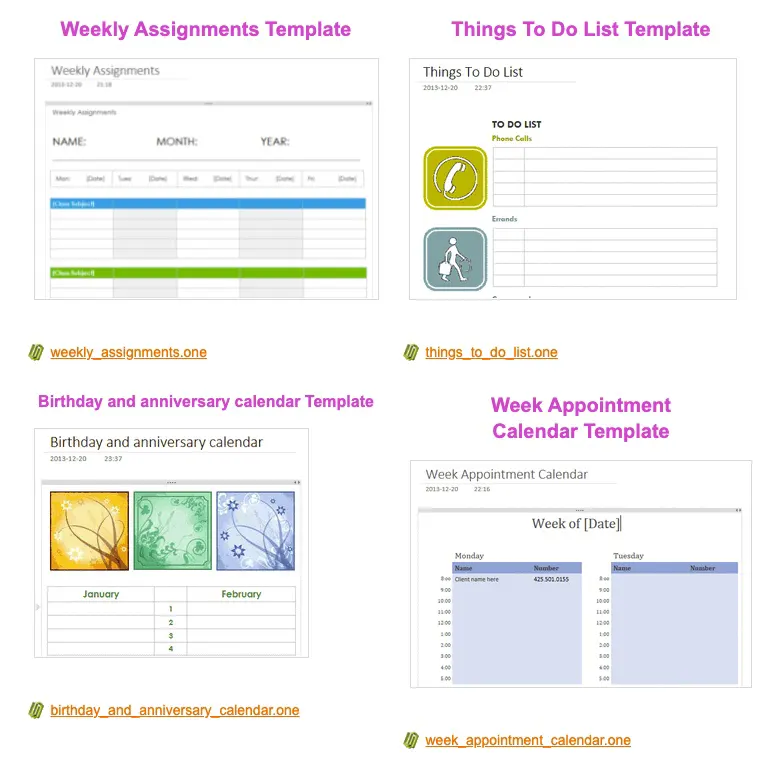
Microsoft’s built-in templates, accessible via Insert > Page Templates, are the default starting point for OneNote users. Free and pre-installed, they cater to beginners and casual users with a modest library of general-purpose layouts like meeting notes, to-do lists, and academic templates.

Best OneNote Templates

Seamlessly integrated with OneNote’s ecosystem, they require no downloads and sync effortlessly via OneDrive across Windows, Mac, iOS, Android, and web.

While functional, their dated designs and limited customization reflect Microsoft’s slow updates to the template library, pushing power users toward third-party templates for advanced needs.

Standout Templates:-

  • Detailed Meeting Notes: Sections for date, agenda, attendees, action items, and summaries.
  • Project Overview: Framework for project details, goals, and milestones.
  • Prioritized To-Do List: Tasks divided by priority with checkboxes.
  • Simple Lecture Notes: Clean layout for topic, date, and notes.

Features and Customization:-

  • Structure: Predefined sections for consistency.
  • Customization: Limited to font changes, colors, and basic additions.
  • Use Cases: General note-taking, small meetings, task lists.
  • Syncing: Seamless across OneNote’s ecosystem.

Pros:-

  • Completely Free: No cost, accessible to all OneNote users.
  • Instant Access: Pre-installed, ideal for quick tasks like meeting notes.
  • Cross-Device Reliability: Syncs flawlessly across platforms without lag.
  • Beginner-Friendly: Intuitive layouts require no expertise.
  • Stable Performance: Bug-free and optimized for OneNote’s core features.

Cons:-

  • Limited Variety: Few templates, lacking niche options like Kanban boards.
  • Dated Aesthetics: Designs feel outdated, with minimal visual appeal.
  • Minimal Customization: Restricted to basic edits, limiting complex workflows.
  • No Advanced Features: Lacks hyperlinks or dashboards.
  • Outgrown by Power Users: Inadequate for large projects or specialized needs.

Real-World Example:-

During a 2022 tech webinar hosted by a major software company, I used Microsoft’s Detailed Meeting Notes template to capture key points from a 90-minute session on cloud computing trends.

The template’s predefined sections for agenda, attendees, and action items allowed me to organize quotes from speakers, jot down follow-up tasks, and note questions for later research. I synced the notes to my iPhone via OneDrive, accessing them during a post-webinar discussion with colleagues.

While the template kept my notes structured, its basic design lacked visual cues to prioritize tasks, and I couldn’t add custom fields for speaker bios, prompting me to explore more flexible OneNote templates.

Personal Take:-

Microsoft’s templates are functional but basic. They’re my fallback for quick notes, but I turn to third-party templates for serious workflows.

2. Auscomp: The Professional’s Powerhouse

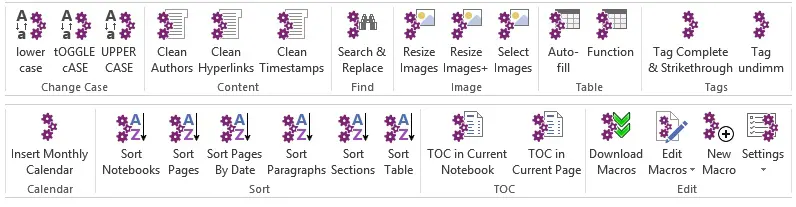
Auscomp offers one of the largest collections of best OneNote templates, with over 100 options for professionals, teams, and niche use cases.  Founded by productivity enthusiasts, Auscomp blends free and paid templates (lifetime access pass ~$100) to turn OneNote into a “single source of truth” for work and life.

Best OneNote Templates 1

Their templates, like Kanban boards and team intranets, leverage OneNote’s multimedia capabilities and are highly customizable, with detailed setup guides. The manual installation process is a minor hurdle for their depth.

Standout Templates:-

  • Kanban Task Board: Visual workflow with swimlanes.
  • Get Things Done (GTD): Organizes goals across life domains.
  • myLife Personal Organizer: Hub for medical records and life goals.
  • Team Intranet Portal: Notebook for team dashboards and resources.

Features and Customization:-

  • Structure: Detailed layouts with placeholders.
  • Customization: Fully editable; supports inking and tagging.
  • Use Cases: Project management, personal organization, collaboration.
  • Syncing: Manual import but syncs via OneDrive.

Pros:-

  • Extensive Library: Over 100 templates cover project management to personal trackers.
  • High Customizability: Tweak layouts, colors, and sections for unique workflows.
  • Robust Free Options: Free Kanban boards are fully functional.
  • Detailed Guides: Tutorials ensure accessibility for complex templates.
  • Team Collaboration: Supports real-time sharing for distributed teams.
  • Cross-Platform Syncing: Reliable across OneNote’s apps.

Cons:-

  • Pricey Paid Options: Lifetime pass (~$100) or individual templates ($10–$30) are costly.
  • Manual Installation: Downloading and importing files is time-consuming.
  • Complexity for Casual Users: GTD templates require methodology familiarity.
  • Occasional Sync Delays: Heavy templates can lag on older devices.
  • No One-Click Setup: Lacks instant installation like Notegram.

Real-World Example:-

In 2023, I used Auscomp’s Kanban Task Board to manage a multi-month tech conference coverage project for a digital publication. With five writers contributing articles, I set up swimlanes for “To-Do,” “In Progress,” “Review,” and “Published,” assigning tasks to team members with due dates and priority tags.

I customized card colors to highlight urgent drafts and added hyperlinks to related research notes within OneNote. The template reduced email clutter by centralizing communication, and syncing via OneDrive allowed real-time updates across our team’s devices.

By the conference’s end, we published 20 articles on time, but the manual setup process took an hour, and occasional sync delays on my older laptop were minor frustrations.

Personal Take:-

Auscomp is my go-to for professional workflows. The Kanban and GTD templates save hours, making the lifetime pass a worthwhile investment.

3. Notegram: Speed and Simplicity

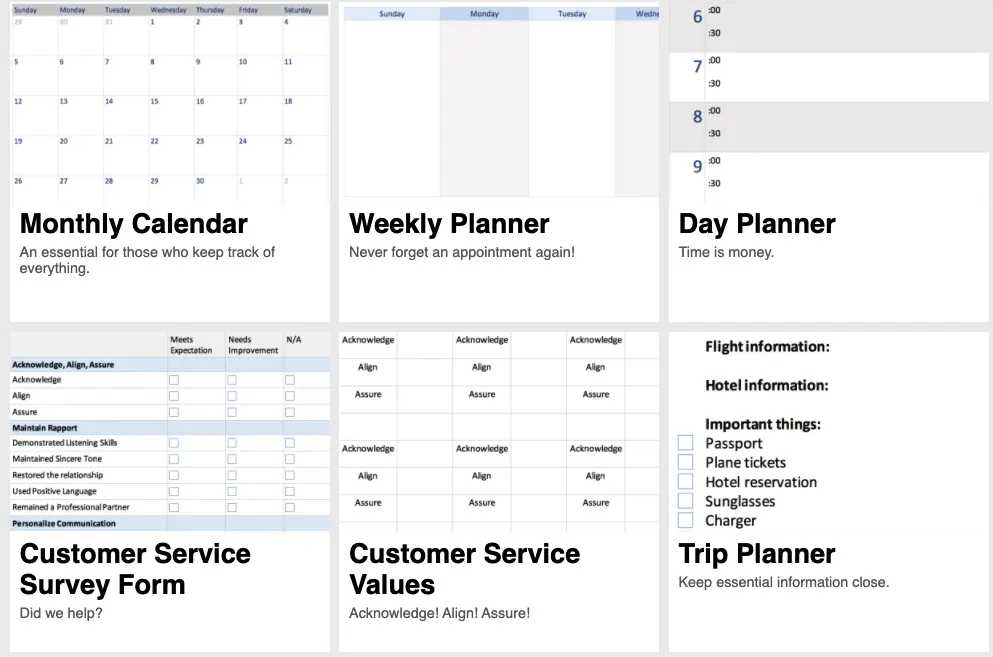
Notegram is a web-based platform offering free OneNote templates with one-click installation via Microsoft account login. Launched by Microsoft enthusiasts, it targets users who need quick, functional templates for calendars, planners, and forms.

The small library focuses on essentials, integrating with OneNote’s Quick Notes and cloud syncing. Customization is limited, but Notegram’s accessibility and zero-cost model make it ideal for speed-focused users.

Standout Templates:-

  • Monthly Calendar: Large-box calendar with US holidays.
  • Weekly Planner: Day-by-day layout for tasks.
  • Customer Service Survey Form: Feedback form with rating fields.
  • Accounting Journal: Ledger for debits and credits.

Features and Customization:-

  • Structure: Simple, functional layouts.
  • Customization: Limited to text edits and formatting.
  • Use Cases: Calendars, planners, forms.
  • Syncing: Instant via Microsoft account.

Pros:-

  • Completely Free: Accessible for all users.
  • One-Click Installation: Saves to Quick Notes instantly.
  • Cross-Device Accessibility: Syncs seamlessly across platforms.
  • Minimalist Design: Clutter-free layouts are intuitive.
  • Holiday Integration: Preloaded holidays save time.

Cons:-

  • Limited Variety: Under 10 templates, lacking niche options.
  • Minimal Customization: Only text and basic formatting edits.
  • No Advanced Features: Lacks Kanban boards or hyperlinks.
  • Basic Aesthetics: Plain designs lack visual appeal.
  • No Paid Upgrades: No premium features or support.

Real-World Example:-

In January 2025, I used Notegram’s Monthly Calendar to manage a freelance writing project with tight deadlines for a tech blog. The one-click installation saved the calendar to my Quick Notes section in seconds, and I used the large-box layout to block out writing, editing, and submission dates for 10 articles.

I added hyperlinks to related OneNote pages for research notes and synced the calendar to my Android phone for on-the-go access. The preloaded US holidays helped me avoid scheduling conflicts during Martin Luther King Jr. Day.

The template’s simplicity was perfect for my hectic schedule, but its plain design and lack of task prioritization features meant I supplemented it with a separate to-do list.

Personal Take:-

Notegram is perfect for quick OneNote templates. Its speed is unmatched, but I look elsewhere for deeper needs.

4. OneNote Gem: The Academic and Planner’s Ally

OneNote Gem specializes in paid OneNote templates and add-ons for students, planners, and professionals needing structured note-taking. Their templates, like Cornell notes and work notebooks, are designed for precision, with pre-filled examples and integration with OneNote’s inking and tagging.

Targeted at users who value organization, OneNote Gem offers high customizability and add-ons, though the paid-only model and manual installation are drawbacks.

Standout Templates:-

  • Cornell Notes: Color-coded system for cues and summaries.
  • Daily Work Schedule: 30-minute increment planner.
  • Work Notebook: Preassembled for meetings and projects.
  • Four Quadrants (Eisenhower Matrix): Prioritizes tasks.

Features and Customization:-

  • Structure: Detailed layouts with examples.
  • Customization: Fully editable; supports multimedia.
  • Use Cases: Academic notes, planning, prioritization.
  • Syncing: Manual import but syncs via OneDrive.

Pros:-

  • Academic Focus: Cornell Notes enhance study and review.
  • High Customizability: Edit sections, colors, and fields.
  • Pre-Filled Examples: Guides new users effectively.
  • Add-On Integration: Pairs with tools like PDF exporters.
  • Reliable Syncing: Stable across platforms.
  • Professional Design: Clean aesthetics for academic and work use.

Cons:-

  • Paid-Only Model: Costs ($5–$20) deter budget users.
  • Manual Installation: Importing files is time-consuming.
  • Smaller Library: Fewer templates than Auscomp.
  • Learning Curve for Add-Ons: Tools require familiarity.
  • No Hyperlinked Navigation: Lacks interactive elements.

Real-World Example:-

During a 2021 online tech writing workshop spanning three weeks, I used OneNote Gem’s Cornell Notes template to organize insights from 12 hours of lectures on content strategy.

The color-coded sections for cues, notes, and summaries helped me distill key takeaways, such as SEO tips and audience analysis frameworks. I customized the template by adding tags for “Action Item” and “Follow-Up” to track assignments and exported the notes to PDF for sharing with colleagues via email.

The template’s structure streamlined my review process, cutting prep time for a final project by half. However, the manual import took 10 minutes, and the lack of hyperlinked navigation meant I had to scroll to find specific sections.

Personal Take:-

OneNote Gem is a must for structured note-taking. Cornell Notes and Eisenhower Matrix are standout OneNote templates. The paid model is worth it for students.

5. Key2Success: The Digital Planner’s Dream

Key2Success offers premium OneNote templates with a “tiles” system for customized digital planners. Targeting professionals, their templates focus on daily, weekly, and monthly layouts, with tools for goal tracking and analysis.

Preassembled notebooks with hyperlinked tabs integrate with OneNote’s dark mode and syncing. Tutorials and community support make it accessible, though the high cost (~$100+) and learning curve are notable.

Standout Templates:-

  • Daily Tiles: Customizable daily pages for tasks.
  • Weekly View Tiles: Week-at-a-glance with task tiles.
  • SWOT Analysis: Matrix for strategic planning.
  • Habit Tracker: Grid for daily habits.

Features and Customization:-

  • Structure: Hyperlinked tabs and tiles.
  • Customization: Fully editable; supports dark mode.
  • Use Cases: Planning, goal tracking, analysis.
  • Syncing: Manual import but syncs across devices.

Pros:-

  • Unparalleled Customization: Tiles allow tailored planners.
  • Modern Design: Sleek visuals with dark mode support.
  • Comprehensive Tutorials: Videos reduce the learning curve.
  • Cross-Device Functionality: Syncs across platforms.
  • Holistic Planning: Covers daily tasks to strategic tools.
  • Regular Updates: Annual updates keep templates fresh.

Cons:-

  • Expensive: Complete version (~$100+) is costly.
  • Steep Learning Curve: Tiles system requires time to master.
  • Manual Installation: Complex import process.
  • Resource-Intensive: Heavy templates can slow older devices.
  • Overkill for Casual Users: Too complex for basic needs.

Real-World Example:-

In early 2025, I used Key2Success’s Daily Tiles to plan a week-long product review sprint for a tech gadget launch.

The template’s time-blocking slots let me allocate specific hours for research (e.g., 9–11 AM), writing (1–4 PM), and editing (4–6 PM), while the habit tracker monitored daily goals like “drink 8 glasses of water” and “30-minute walk.” I customized the tiles to include a section for reader feedback notes, syncing the planner to my iPad for inking annotations during testing.

The hyperlinked navigation made switching between days effortless, and the setup saved me an estimated 2 hours daily by keeping tasks centralized.

However, the initial import took 15 minutes due to the notebook’s complexity, and my older laptop occasionally lagged when loading the tile-heavy pages.

Personal Take:-

Key2Success is a revelation for planners. The tiles system is addictive, and the Complete version is a game-changer for the OneNote templates.

How to Start Digital Planning with OneNote Digital Planner

6. Etsy: Creative and Aesthetic Templates

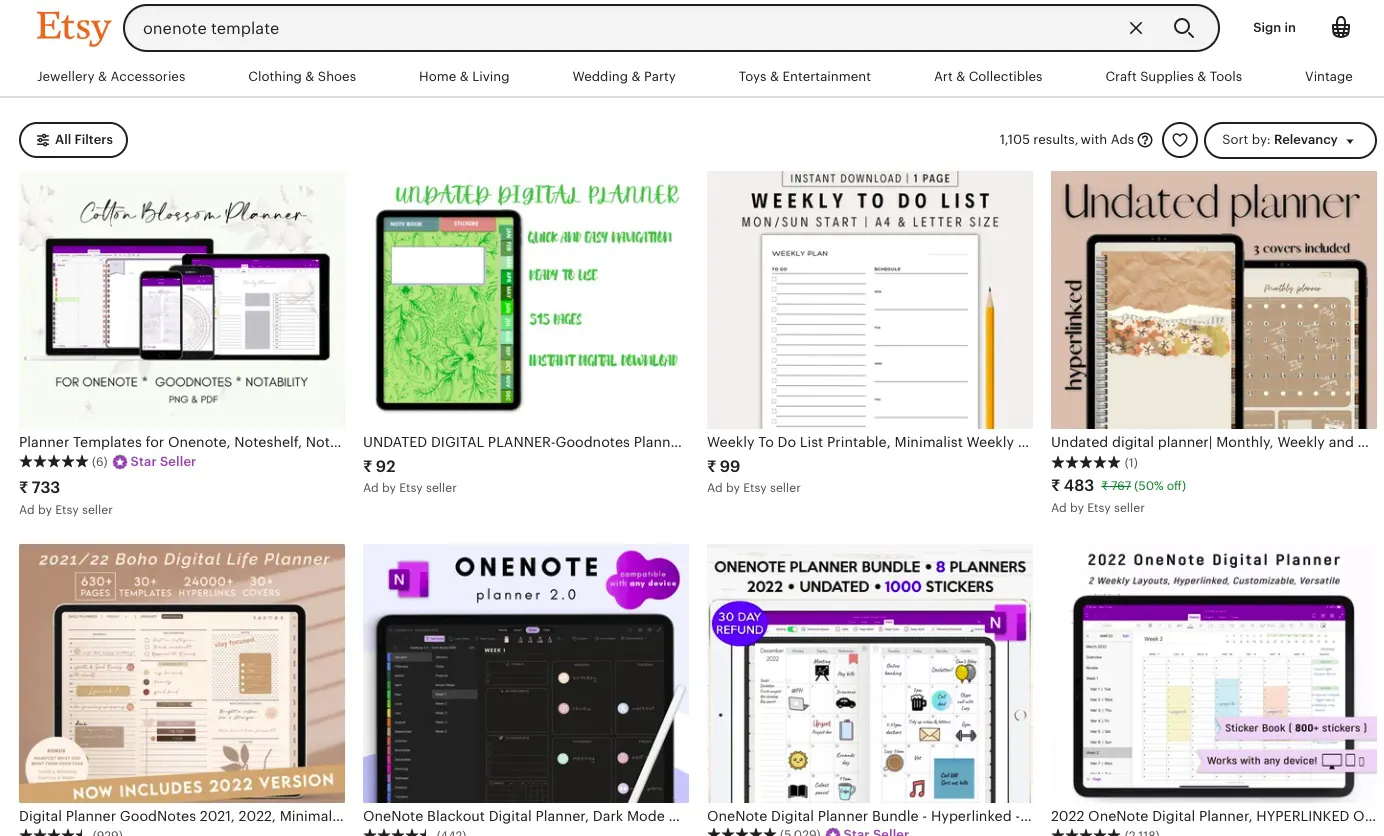
Etsy is a hub for OneNote templates, offering hand-crafted designs by indie creators. Prioritizing aesthetics, these templates feature vibrant colors and hyperlinked navigation, catering to creatives and educators.

Prices ($5–$50) reflect custom designs, but quality varies. Templates integrate with OneNote’s syncing, though customization is moderate due to fixed layouts.

Standout Templates:-

  • Hyperlinked Digital Planner: Tabs for daily, weekly, monthly views.
  • Fitness Tracker: Tracks workouts and goals.
  • Teacher Planner: Lesson plans and grade trackers.
  • Corporate Team Planner: Minimalist for team tasks.

Features and Customization:-

  • Structure: Hyperlinked navigation and creative layouts.
  • Customization: Moderate; edit text and colors.
  • Use Cases: Planning, fitness, education, team management.
  • Syncing: Manual import but syncs via OneDrive.

Pros:-

  • Unique Aesthetics: Vibrant designs make planning engaging.
  • Niche Variety: Templates for fitness, teaching, and more.
  • Hyperlinked Navigation: Simplifies navigation across views.
  • Cross-Device Support: Syncs reliably with inking support.
  • Setup Instructions: Most sellers provide guides.

Cons:-

  • Inconsistent Quality: Seller quality varies.
  • Paid-Only Model: No free options ($5–$50).
  • Manual Import Process: Time-consuming setup.
  • Limited Customization: Fixed layouts restrict edits.
  • No Bulk Options: Sold individually, increasing costs.

Real-World Example:-

In 2024, I purchased an Etsy Hyperlinked Digital Planner from a highly rated seller to manage my editorial calendar for a tech blog. The planner’s pastel-themed design, with hyperlinked tabs for daily, weekly, and monthly views, allowed me to schedule 15 articles across three months, linking to OneNote pages for drafts and research.

I customized the text to include deadlines and client feedback, syncing the planner to my Surface Pro for inking notes during meetings. The vibrant aesthetic made planning feel less like a chore, and the hyperlinks saved time navigating between sections.

The $25 planner boosted my productivity by 20%, but the manual import required a 10-minute setup, and the fixed layout prevented adding custom sections like a budget tracker.

Personal Take:-

Etsy’s templates shine for creative OneNote templates. They lack Auscomp’s depth but are perfect for style-conscious users.

7. CalendarLabs: Free Long-Term Planning

CalendarLabs offers free OneNote templates for long-term scheduling, with a small library of quarterly, monthly, and weekly calendars preloaded with US holidays.

Targeting users who need no-cost solutions, CalendarLabs integrates with OneNote’s syncing and offers moderate customization. The manual import process is a minor hurdle for its accessibility.

Standout Templates:-

  • 2025 Monthly Calendar: Large-box with holidays.
  • Quarterly Planner: Three months per page.
  • Weekly Planner: Week-at-a-glance layout.
  • Four-Month Calendar: Four months on one page.

Features and Customization:-

  • Structure: Clean layouts with holiday integration.
  • Customization: Edit text, colors, and sections.
  • Use Cases: Scheduling, project timelines.
  • Syncing: Manual import but syncs via OneDrive.

Pros:-

  • Completely Free: Ideal for budget users.
  • Holiday Integration: Saves time for planning.
  • Moderate Customization: More flexible than Notegram.
  • Cross-Device Reliability: Syncs seamlessly.
  • Simple Design: Intuitive for basic tasks.

Cons:-

  • Limited Scope: Only calendars and planners.
  • Basic Aesthetics: Plain designs lack appeal.
  • Manual Import: Tedious setup process.
  • No Advanced Features: Lacks hyperlinks or dashboards.
  • Small Library: Fewer than 10 templates.

Real-World Example:-

For Q1 2025, I used CalendarLabs’ Quarterly Planner to map out a book project on emerging tech trends, spanning January to March. The three-month view helped me set realistic milestones, such as completing the outline by January 15, drafting chapters by February 20, and editing by March 10.

I customized the template by adding OneNote tags for “High Priority” tasks and linked to research notes for each chapter. Syncing to my MacBook and iPhone ensured I could update milestones during travel.

The free template saved me from buying a premium planner, and the holiday integration avoided scheduling conflicts during Presidents’ Day. However, the plain design wasn’t visually inspiring, and the manual import took 5 minutes to set up correctly.

Personal Take:-

CalendarLabs is reliable for long-term OneNote templates. The free price tag is unbeatable, but its scope is narrow.

8. LGC Academy: Goal-Oriented and Team-Friendly

LGC Academy offers a paid bundle of 20+ OneNote templates with video tutorials. Targeting goal-driven individuals and teams, their templates focus on goal setting, project management, and collaboration, leveraging OneNote’s sharing features.

Tutorials guide users through setup, making the bundle (~$50–$100) compelling despite the manual import and Microsoft 365 requirement.

Standout Templates:-

  • Goal Planner: Tracks goals with action plans.
  • Weekly Schedule: 52-week planner.
  • Project Information Template: Project details and contacts.
  • One-Minute Meeting Template: Concise notes.

Features and Customization:-

  • Structure: Comprehensive layouts with tutorials.
  • Customization: Fully editable; supports multimedia.
  • Use Cases: Goal setting, team projects, planning.
  • Syncing: Manual import but syncs with Microsoft 365.

Pros:-

  • Educational Value: Tutorials teach OneNote mastery.
  • Team Collaboration: Supports real-time sharing.
  • High Customizability: Adaptable layouts.
  • Lifetime Updates: Ensures ongoing relevance.
  • Goal-Oriented Design: Breaks down objectives.
  • Cross-Platform Syncing: Reliable with inking support.

Cons:-

  • Paid-Only Model: Bundle (~$50–$100) is costly.
  • Microsoft 365 Dependency: Limits free-tier users.
  • Manual Installation: Complex setup.
  • Moderate Library Size: Fewer than Auscomp.
  • Tutorial Overload: Videos can overwhelm users.

Real-World Example:-

In 2024, I used LGC Academy’s Goal Planner to manage a freelance writing project for a client’s marketing campaign, aiming to deliver 8 blog posts over two months. The template’s action plan section helped me break down tasks into research, drafting, and revisions, with specific deadlines (e.g., complete research by week 2).

I customized the planner with tags for “Client Feedback” and shared it via Microsoft 365 with the client for real-time updates. The included video tutorials taught me how to set up shared notebooks, saving 30 minutes of trial-and-error.

The setup enabled me to meet all deadlines and secure a follow-up contract, but the $75 bundle cost felt steep, and the manual import required 15 minutes of setup time.

Personal Take:-

LGC Academy is great for templates and training. The Goal Planner is a topOneNote template, and tutorials justify the price.

9. TextBlaze: Sticky Notes for Quick Workflows

TextBlaze offers free and paid OneNote templates with a sticky-note-style approach. Targeting users who need fast, minimalistic solutions, their lightweight templates focus on quick notes for meetings, budgets, and classes.

The small library integrates with OneNote’s syncing, with community support and a simple import process. Paid upgrades unlock advanced layouts.

Save time and eliminate repetitive typing anywhere with Text Blaze for Windows

Standout Templates:-

  • Team Meeting Notes: Sticky-note for meeting details.
  • Budgeting Notes: Tracks expenses.
  • Class Notes: Logs lesson topics.
  • Task Snippet: Mini to-do list.

Features and Customization:-

  • Structure: Compact, sticky-note layouts.
  • Customization: Moderate; edit text and colors.
  • Use Cases: Quick notes, meetings, budgets.
  • Syncing: Manual import but syncs via OneDrive.

Pros:-

  • Free Options: Basic templates are accessible.
  • Lightweight Design: Loads quickly on all devices.
  • Community Support: Provides tips and troubleshooting.
  • Cross-Device Portability: Syncs reliably.
  • Quick Setup: Straightforward import process.

Cons:-

  • Limited Variety: Under 10 templates.
  • Moderate Customization: Limited to text and colors.
  • Paid Upgrades Required: Advanced features cost extra.
  • Basic Aesthetics: Lacks visual appeal.
  • No Interactive Features: No hyperlinks or dashboards.

Real-World Example:-

In 2024, I used TextBlaze’s Team Meeting Notes template during a weekly sync with a remote content team of four members. The sticky-note layout captured agenda items, action items, and key decisions from a 30-minute call on content strategy adjustments.

I customized the text to include team member names and deadlines, using OneNote’s “To-Do” tags for follow-ups. The lightweight template synced instantly to my iPhone, allowing me to review notes during a commute.

The format kept discussions focused, reducing meeting time by 10 minutes weekly, but the lack of hyperlinks meant I had to manually link to related project notes, and the basic design didn’t inspire long-term use.

Personal Take:-

TextBlaze is ideal for quick OneNote templates. The sticky-note style is unique but limited for complex tasks.

10. NotesTemp: Project Management Precision

NotesTemp provides premium OneNote templates for project managers, with analytical templates like Gantt charts and KPI dashboards. Their templates turn OneNote into a project management hub, integrating with tables and syncing.

Best OneNote Templates 6

Highly customizable and priced at ~$10–$50, NotesTemp is niche but powerful, despite the paid-only model and manual import.

Standout Templates:-

  • Gantt Chart: Visual timeline for tasks.
  • KPI Dashboard: Tracks performance metrics.
  • Meeting Protocol: Agendas and minutes.
  • Work Breakdown Structure: Project task breakdown.

Features and Customization:-

  • Structure: Data-driven layouts with charts.
  • Customization: Highly editable; supports tagging.
  • Use Cases: Project management, reporting.
  • Syncing: Manual import but syncs via OneDrive.

Pros:-

  • Precision Tools: Gantt Chart rivals dedicated software.
  • High Customizability: Tailor charts and metrics.
  • Professional Design: Clean for business use.
  • Collaboration Support: Enables real-time updates.
  • Cross-Platform Reliability: Syncs with inking support.

Cons:-

  • Paid-Only Model: Costs ($10–$50) limit accessibility.
  • Manual Installation: Complex setup.
  • Niche Focus: Limited for non-project needs.
  • Resource-Intensive: Slows older devices.
  • Limited Library: Fewer templates than Auscomp.

Real-World Example:-

In 2023, I used NotesTemp’s Gantt Chart template to plan a product launch for a startup’s wearable tech device over six months. The visual timeline tracked 20 tasks, including prototype testing, marketing campaigns, and distribution, with dependencies (e.g., testing before marketing).

I customized the chart with color-coded tasks for team roles (e.g., blue for engineering, red for marketing) and added OneNote tags for “Critical” milestones. Syncing to my Windows PC and iPad allowed real-time updates during team meetings, ensuring we met the launch deadline.

The template saved an estimated 10 hours of planning time, but the $30 cost and 20-minute manual import were drawbacks, and the chart’s complexity slowed my older PC slightly.

Personal Take:-

NotesTemp is a powerhouse for project managers. The Gantt Chart is a topnotch OneNote template, worth the cost for professionals.

How to Install and Customize OneNote Templates: A Step-by-Step Tutorial

To maximize the OneNote templates, follow this tutorial:

Step 1:- Choose Your Template

  • Select based on needs (e.g., Kanban for projects, calendar for scheduling).
  • Check compatibility with your OneNote version.

Step 2:- Download or Access:

  • Download .one or .zip files from providers like Auscomp or Etsy.
  • Use Notegram’s one-click save via Microsoft login.
  • Access Microsoft’s templates in Insert > Page Templates.

Step 3:- Extract Files (if needed):

  • Unzip .zip files using WinRAR or 7-Zip.
  • Ensure the .one file is accessible.

Step 4:- Import to OneNote:

  • Double-click the .one file or use File > Open.
  • Notegram templates save to Quick Notes.
  • Move to your desired notebook/section.

Step 5:- Customize the Template:

  • Edit text, colors, and fonts (e.g., Kanban swimlane colors).
  • Add tags (“To-Do,” “Important”) or ink annotations.
  • Rearrange Key2Success tiles for custom layouts.

Step 6:- Sync and Test:

  • Save to OneDrive for cross-device access.
  • Test on mobile/web for formatting.
  • Back up your notebook.

Step 7:- Organize for Reuse:

  • Save as a page template (Insert > Page Templates > Save Current Page).
  • Create a “Templates” section for quick access.

Pro Tip: Watch provider tutorials (e.g., Key2Success) for advanced features. Check OneNote’s help forums for troubleshooting.

Combining OneNote Templates for Powerful Workflows

Combining OneNote Templates for Powerful Workflows

Mixing the OneNote templates creates tailored workflows:

Student Workflow:-

  • OneNote Gem’s Cornell Notes: Capture lecture notes.
  • Notegram’s Monthly Calendar: Schedule study sessions.
  • Etsy’s Hyperlinked Digital Planner: Track assignments.

How It Works: Use Cornell Notes for classes, link to the calendar for deadlines, and navigate via the planner’s tabs.

Freelancer Workflow:-

  • Auscomp’s Kanban Task Board: Manage client projects.
  • Key2Success’s Daily Tiles: Plan daily tasks.
  • CalendarLabs’ Quarterly Planner: Set milestones.

How It Works: Track progress on Kanban, plan with tiles, align with quarterly goals.

Team Lead Workflow:-

  • NotesTemp’s Gantt Chart: Track project timelines.
  • LGC Academy’s Project Information Template: Centralize team data.
  • TextBlaze’s Team Meeting Notes: Capture action items.

How It Works: Oversee projects with Gantt, store data in Project Information, and jot notes with TextBlaze.

Tip: Create a master notebook with sections for each template type. Use OneNote’s search to find notes quickly.

How to Choose the Best OneNote Template for You

Consider:-

  • Beginners: Microsoft or Notegram for simplicity.
  • Professionals: Auscomp, NotesTemp, or Key2Success for advanced workflows.
  • Students: OneNote Gem or Etsy for academic needs.
  • Creatives: Etsy or Key2Success for aesthetics.
  • Teams: LGC Academy or Auscomp for collaboration.
  • Casual Users: Notegram or Microsoft for speed.

I mix Auscomp (Kanban), Key2Success (Daily Tiles), and Notegram (Monthly Calendar) for my roles.

Installation Tips for OneNote Templates

Most third-party templates require:

  1. Download: Save .one or .zip file.
  2. Extract: Unzip if needed.
  3. Import: Double-click or use File > Open.
  4. Customize: Edit to suit your workflow.
  5. Sync: Save to OneDrive.

Notegram offers one-click saves, while Key2Success and LGC Academy provide guides.

Future Trends in OneNote Templates for 2025 and Beyond

Future Trends in OneNote Templates

As OneNote evolves within the Microsoft 365 ecosystem, OneNote templates are poised to leverage cutting-edge technologies and workplace trends in 2025 and beyond.

These advancements will make templates more intelligent, collaborative, and tailored to modern needs.

Below, I explore five key trends shaping the future of OneNote templates, drawing on my 15 years of tech insights and recent developments as of May 2025.

1. AI-Driven OneNote Templates with Microsoft 365 Copilot

AI-driven OneNote templates will transform productivity by automating setup and content generation. Microsoft 365 Copilot, an AI-powered assistant, is expected to enhance OneNote by creating dynamic templates based on user data, such as emails, calendar events, or Teams chats.

For instance, Copilot could auto-populate a meeting notes template with an agenda from an Outlook invite or generate a project timeline from a Teams task list. These templates will adapt in real-time, suggesting sections like “Action Items” or “Research Notes” based on context.

For students, AI could craft study planners tailored to uploaded syllabi, streamlining exam prep. This trend will save hours of manual customization, making OneNote templates smarter, though a Microsoft 365 subscription may be required for full access.

2. Enhanced Collaboration for Hybrid Work

OneNote templates for hybrid work will integrate deeply with Microsoft Teams and Loop, addressing the needs of remote and in-office teams.

In 2025, expect templates like team dashboards or sprint planners with embedded Teams chat links, enabling seamless communication within OneNote.

For example, a project management template could include a section for live Teams meeting transcripts, auto-synced via OneDrive, or Loop components for collaborative task lists.

These templates will support real-time co-editing with version history, ideal for distributed teams managing agile workflows. This trend enhances OneNote templates for team collaboration, ensuring they align with hybrid work demands, though reliable internet connectivity will be crucial for smooth syncing.

3. Mobile-First Template Designs

With rising mobile and tablet usage, mobile-first OneNote templates will prioritize touch and inking capabilities in 2025. Templates will feature responsive layouts for smaller screens, such as collapsible sections in planners or swipe-friendly Kanban boards.

For creatives, expect sketch-friendly templates with grid layouts for digital art or storyboarding, leveraging OneNote’s inking on iPads or Surface devices.

Students will benefit from note-taking templates with pre-set handwriting zones, minimizing mobile formatting issues. These designs will sync instantly via OneDrive, ensuring accessibility during commutes or classes.

This trend makes OneNote templates for mobile more practical, though complex templates may challenge older devices’ performance.

4. Sustainability and Wellness Trackers

Reflecting environmental and mental health priorities, OneNote templates for sustainability and wellness will gain traction. Templates will track carbon footprints, sustainable habits (e.g., reducing paper use), or eco-friendly project goals, appealing to businesses and individuals.

For instance, a sustainability planner could log energy-saving tasks or green initiatives, with charts to visualize progress. Wellness templates will include mood trackers, meditation logs, or fitness goals, integrating with wearables like Fitbit for data syncing.

These templates will use OneNote’s tagging for habit analysis, helping users stay accountable. This trend positions OneNote templates as tools for holistic productivity, though niche adoption may limit mainstream use initially.

5. Personalized Template Marketplaces

The rise of community-driven platforms will lead to personalized OneNote template marketplaces within Microsoft 365 or third-party ecosystems like Etsy. Users will access curated libraries tailored to their roles (e.g., “Student Starter Pack” or “Freelancer Toolkit”), with options to mix and match layouts.

For example, a student could combine a Cornell Notes template with a budget tracker, purchased as a bundle. These marketplaces will feature user ratings, previews, and AI recommendations, simplifying discovery of niche OneNote templates.

Integration with OneNote’s web app will streamline imports, reducing manual setup. This trend empowers users to find specialized solutions, though quality control and pricing consistency will be key challenges.

These trends—AI automation, hybrid collaboration, mobile optimization, sustainability, and personalized marketplaces—signal an exciting future for OneNote templates.

By embracing these advancements, users can stay ahead in 2025, leveraging OneNote templates to meet evolving personal and professional demands.

Personal Take: Why OneNote Templates Are My Productivity Backbone

After 15 years testing apps like Evernote and Notion, OneNote remains my cornerstone thanks to its templates.

My 2025 setup—Auscomp’s Kanban, Key2Success’s Daily Tiles, Notegram’s Monthly Calendar, and NotesTemp’s Gantt Chart—keeps me organized across devices.

OneNote’s template ecosystem isn’t perfect; Microsoft’s defaults are stagnant, and manual imports are clunky. But the payoff is unmatched.

Community Insights: What Users Say About OneNote Templates

From X posts, Reddit forums threads and web reviews (as of April 18, 2025):

Microsoft Built-in: Praised for free access, criticized for dated designs. An X user: “Good for quick notes, but I need more study options.”

Auscomp: Loved for Kanban and GTD. X post: “Kanban replaced Trello—everything’s in OneNote.”

Notegram: Appreciated for calendars. Review: “Perfect for scheduling, but needs more templates.”

OneNote Gem: Students rave about Cornell Notes. X: “Made exam prep so much easier.”

Key2Success: Planners love tiles but note cost. Review: “Expensive, but daily tiles are worth it.”

Etsy: Creatives love aesthetics but warn about quality. X: “Gorgeous planner, but some don’t sync well.”

CalendarLabs: Budget users value free calendars. Review: “Great for planning, but too basic.”

LGC Academy: Teams appreciate tutorials. X: “Goal Planner and videos helped my team.”

TextBlaze: Liked for simplicity. Review: “Sticky notes great for quick tasks, need variety.”

NotesTemp: Project managers praise Gantt Charts. X: “Gantt is a lifesaver for deadlines.”

These insights guide your choice of the best OneNote templates.

FAQs

How do I install third-party OneNote templates on Windows 11 without any sync issues?

Third-party templates from sources like Auscomp or Etsy come as .one or .zip files. Download the file, extract if zipped using tools like 7-Zip, then double-click the .one file to open it in OneNote or use File > Open.

To avoid sync problems, ensure your notebook is saved to OneDrive, close and reopen the app after import, and test on a secondary device. If issues arise, check for large file sizes exceeding 2GB limits or conflicting add-ons.

What are the best free OneNote templates for college students organizing lecture notes and exam prep in 2025?

For students, Notegram’s free Monthly Calendar excels for scheduling classes and deadlines with one-click installation via Microsoft login. Microsoft’s built-in Simple Lecture Notes template offers a clean layout for topics and summaries.

CalendarLabs provides free quarterly planners with holidays, ideal for long-term exam planning. These are lightweight, sync seamlessly across devices, and can be customized with tags for quick review.

How can professionals use OneNote templates for agile project management with Kanban boards in a hybrid work setup?

Auscomp’s free Kanban Task Board template features swimlanes for workflows like “To-Do” and “In Progress,” customizable with colors and hyperlinks. Integrate it with Microsoft 365 for real-time collaboration in hybrid teams.

For advanced tracking, pair it with NotesTemp’s paid Gantt Chart ($10–$50) to visualize timelines. Add OneNote’s inking for annotations during virtual meetings, ensuring all changes sync via OneDrive.

Are there customizable OneNote templates for habit tracking and goal setting that integrate with wellness apps in 2025?

Key2Success’s Habit Tracker tile in their paid planner ($30–$100) uses grids for daily monitoring, with hyperlinks to progress notes. Etsy’s aesthetic fitness trackers ($5–$50) offer vibrant designs for motivation.

While direct app integrations like Fitbit aren’t native, you can embed data manually or use Microsoft 365 Copilot (subscription required) to auto-populate from emails. Customize by adding sections for reflections to avoid generic tracking.

What steps should I follow to create my own reusable OneNote page templates from scratch for daily planning?

Start by designing a page with desired elements like time blocks and checklists. Go to Insert > Page Templates > Save Current Page as Template. Name it for easy access later.

For reusability, include placeholders for dates and tasks. This works across platforms, but test on mobile for formatting. Unlike third-party options, custom ones are free and fully tailored, saving time on repetitive setups like weekly reviews.

How to fix common customization limitations in Microsoft’s built-in OneNote templates for more advanced workflows?

Microsoft’s templates have moderate edits like font changes, but for hyperlinks or dashboards, copy the layout to a new page and add features manually using Insert > Link or tables. If dated aesthetics bother you, overlay with icons from OneNote’s sticker library.

For power users, export to third-party tools like OneNote Gem ($10–$20) for enhanced fields. Always back up via OneDrive to prevent loss during modifications.

Which OneNote templates are best for teachers managing lesson plans and grade tracking in 2025?

Etsy’s Teacher Planner templates ($5–$50) include hyperlinked sections for lessons and grades, with creative designs. LGC Academy’s paid bundle ($50–$100) offers goal planners with video tutorials for classroom projects.

Free alternatives like Microsoft’s Project Overview can be adapted for syllabi. Focus on templates supporting inking for annotations and sharing via Microsoft Teams for parent communications.

How do AI-driven features in OneNote templates work with Microsoft 365 Copilot for automating note generation?

In 2025, Copilot can auto-fill templates like meeting notes from Outlook invites or generate summaries in Cornell layouts. Access via a Microsoft 365 subscription; select a template, then use the Copilot pane to input prompts like “Populate agenda from email.”

This enhances providers like Auscomp by suggesting custom sections, but it’s limited to subscribed users and requires clear prompts for accuracy.

What are the differences between free and paid OneNote templates for long-term financial planning and budgeting?

Free options like TextBlaze’s Budgeting Notes use simple sticky-note styles for expense tracking, with moderate customization. Paid ones from Key2Success ($30–$100) include SWOT analysis tiles for strategic budgeting, with dark mode and hyperlinks.

Free templates suffice for basics but lack advanced charts; paid versions offer lifetime updates and tutorials, making them better for complex scenarios like quarterly forecasts.

How to combine multiple OneNote templates for a freelancer’s workflow without causing notebook clutter?

Link Auscomp’s Kanban for project tracking with Key2Success’s Daily Tiles for scheduling in a master notebook. Use sections for each template type and OneNote’s search for navigation.

Avoid clutter by saving combinations as custom page templates and archiving old pages. This setup supports syncing across devices, ideal for on-the-go freelancers managing client deadlines.

Are OneNote templates compatible with mobile devices for inking and quick edits on iOS or Android in 2025?

Most templates, including Notegram’s calendars, are mobile-optimized with responsive layouts for touch. Use OneNote’s inking tools on iPads for annotations in Etsy planners.

Sync via OneDrive ensures edits reflect instantly, but heavy templates like NotesTemp’s dashboards may lag on older phones. Opt for lightweight free options for casual mobile use, and test compatibility by importing a sample first.

What security considerations should I keep in mind when using shared OneNote templates for team collaboration?

For templates like LGC Academy’s Project Information, use Microsoft 365 sharing with view/edit permissions to control access. Encrypt sensitive sections via password protection in OneNote settings.

Avoid public links for third-party imports to prevent malware; download only from trusted sites. Regular backups and version history help recover from accidental changes in collaborative environments.

How do sustainability-focused OneNote templates help track eco-friendly habits and reduce paper use in daily life?

Emerging templates from Etsy include carbon footprint trackers with grids for logging habits like recycling. Customize CalendarLabs’ free planners by adding sections for green goals, leveraging tags for progress analysis.

These promote digital over physical notes, integrating with OneNote’s multimedia for photos of sustainable practices. Focus on templates with charts to visualize reductions, aligning with 2025 wellness trends.

Why do some OneNote templates experience lag on older devices, and how can I optimize them?

Heavy templates with tiles or charts, like Key2Success, can slow due to high resource use. Optimize by simplifying customizations, removing unused sections, and updating OneNote to the latest version.

Split large notebooks or use web/app versions for lighter loads. If lag persists, switch to minimalist free options like Notegram, which load quickly even on budget hardware.

Can I export OneNote templates to other apps like Notion or Evernote for cross-platform use?

OneNote allows exporting pages as PDF or .onepkg files via File > Export, but templates lose interactivity in other apps. For Notion, recreate layouts manually; Evernote supports imports but without hyperlinks.

Stick to Microsoft ecosystem for full functionality, or use tools like OneNote Gem’s exporters ($5–$20) for better compatibility when switching platforms.

Will the OneNote for Windows 10 app be discontinued in 2025, and how will it affect my templates?

Microsoft plans to retire the OneNote for Windows 10 app in October 2025, shifting focus to the unified “OneNote” desktop app. Existing templates will migrate seamlessly during the upgrade process, but ensure you back up notebooks via OneDrive.

The new app supports all templates with enhanced features like better AI integration, so test imports post-migration to avoid formatting glitches.

Does OneNote support offline use with templates, and how do changes sync when reconnecting?

Yes, OneNote caches notebooks locally, allowing full access to templates offline for editing or creating pages. Work on Kanban boards or planners without internet; upon reconnection, changes sync automatically via OneDrive.

For large templates like those from Auscomp, limit offline edits to prevent conflicts, and use the desktop app for optimal performance.

How secure are my notes and templates in shared OneNote notebooks?

OneNote encrypts data in transit and at rest using AES-256 standards. Password-protect sections containing sensitive templates via the Review tab.

In shared notebooks, set granular permissions through Microsoft 365 to restrict edits. Regularly review sharing settings and enable multi-factor authentication on your account to safeguard against unauthorized access.

Can OneNote automatically transcribe audio recordings into templates for meeting notes?

On Windows and web versions, enable the Transcribe feature under Insert > Transcribe to convert audio to searchable text, which can populate templates like Auscomp’s Meeting Notes. Upload recordings up to 1GB; the AI generates timestamps and speaker labels.

Customize templates with placeholders for transcripts to streamline post-meeting reviews, though accuracy depends on audio quality.

How do I back up and restore OneNote notebooks containing custom templates?

Back up via File > Export > Notebook as a .onepkg file, or rely on OneDrive’s automatic versioning. To restore, import the .onepkg through File > Open.

For templates, save them as page templates in a dedicated section for easy reuse. If using third-party templates, download originals from providers like Etsy as backups to prevent loss during device switches.

What devices fully support advanced OneNote templates with inking and syncing in 2025?

OneNote templates work on Windows, macOS, iOS, Android, and web, but inking is best on touch-enabled devices like Surface or iPads with Apple Pencil. Android tablets support stylus input via apps like Samsung Notes integration.

Ensure the latest app version for seamless syncing; complex templates like Key2Success may require desktop for initial setup due to mobile UI limitations.

How can I use AI tools like ChatGPT or Copilot to generate custom OneNote templates?

Provide prompts to Copilot in Microsoft 365, such as “Create a OneNote template for weekly progress reports with bullet points and tags,” to auto-generate layouts.

ChatGPT can describe structures for manual recreation. Export AI outputs as .one files for import. This is ideal for unique needs like novel planning, but refine in OneNote for compatibility with features like hyperlinks.

What are the best OneNote templates for creative writing, such as novel or script planning?

Auscomp’s myLife Organizer or Etsy’s hyperlinked planners offer sections for character bios, plot outlines, and timelines. OneNote Gem’s Four Quadrants template aids brainstorming.

Customize with inking for mind maps and tags like “Idea” for quick searches. Free options include Microsoft’s Project Overview adapted for chapters, syncing across devices for on-the-go inspiration.

How to effectively use tags in OneNote templates to enhance organization?

Tags like “To-Do,” “Important,” or custom ones (e.g., “Action Item”) can be added via the Home tab and searched globally. In templates from Auscomp, pre-built tags categorize tasks in Kanban boards. Apply consistently across pages for summaries via the Find Tags feature, boosting productivity in planners or journals without cluttering layouts.

What keyboard shortcuts are essential for working efficiently with OneNote templates?

Use Ctrl + Alt + H to highlight text, Ctrl + 1 for to-do tags, Alt + N for new pages based on templates, and Ctrl + Shift + C/V to copy/paste formatting. For navigation, Ctrl + G jumps to sections.

These shortcuts speed up customization in templates like daily planners, reducing mouse dependency—practice in Microsoft’s built-in options for muscle memory.

Where can I find official Microsoft templates compared to community-created ones for OneNote?

Official templates are built-in and accessible via Insert > Page Templates in the OneNote app, focusing on basics like meeting notes or to-do lists, with seamless integration but limited variety.

Community templates abound on sites like Etsy, Auscomp, or Reddit’s r/OneNote, offering niche options such as PARA setups or custom calendars. Always verify compatibility by testing imports, and prioritize trusted sources to avoid formatting issues.

How to set up OneNote templates using the PARA method for better organization?

The PARA method (Projects, Areas, Resources, Archives) can be applied by creating dedicated sections in a notebook: Use Auscomp’s GTD template for Projects with task trackers, Key2Success tiles for Areas like responsibilities, Microsoft’s built-in for Resources storage, and archive completed pages.

Customize with hyperlinks between sections for navigation, ensuring everything syncs via OneDrive for a clutter-free system.

What are the best practices for using OneNote templates in small business workflows?

For small businesses, start with LGC Academy’s project templates for team coordination, incorporating SWOT analysis from Key2Success for strategy. Best practices include regular backups, using tags for quick searches, sharing via Microsoft 365 with permissions, and combining with Outlook integrations for task reminders.

Review templates quarterly to adapt to business changes, focusing on scalability without overwhelming the notebook structure.

How to troubleshoot common errors when importing third-party OneNote templates?

Common errors like “file not supported” stem from version mismatches or corrupted downloads; resolve by updating OneNote to the latest build, redownloading the .one file, or extracting zips properly. If import fails, try opening in the web app first.

For “sync failed” post-import, clear cache via Settings > Sync, and ensure no firewall blocks OneDrive. Consult provider guides or Microsoft’s forums for template-specific fixes.

Does OneNote support multilingual templates, and how to adapt them for non-English users?

OneNote handles multilingual text well, with templates editable in any language via font changes and keyboard settings. Providers like Notegram offer basic calendars that can be translated manually, while Auscomp’s layouts support right-to-left scripts.

For full adaptation, use Microsoft’s translation tools in the app or Copilot to auto-translate placeholders, ensuring hyperlinks and tags remain functional across languages.

How to integrate OneNote templates with Outlook for managing emails and tasks?

Link templates like meeting notes by embedding Outlook emails via drag-and-drop or the “Send to OneNote” feature. Use Auscomp’s Kanban to track tasks from Outlook flags, with hyperlinks to calendar events.

Copilot can auto-generate agenda templates from invites, syncing bidirectionally through Microsoft 365. This setup streamlines workflows, but requires a subscription for advanced automation.

About the Author: Kanika Modi

Kanika Modi is a seasoned technology writer and productivity enthusiast with over 15 years of experience chronicling the evolution of digital tools and workflows.

Specializing in note-taking apps, project management software, and digital planning solutions, Kanika has a knack for transforming complex tech concepts into actionable insights for professionals, students, and creatives.

Her deep expertise in Microsoft OneNote, honed through years of hands-on use, has made her a trusted voice in maximizing productivity with tools like the best OneNote templates.

With a background in journalism and a passion for optimizing workflows, Kanika has contributed to leading tech publications, covering topics from AI-driven productivity to hybrid work solutions.

Her real-world experience—managing editorial calendars, tech conference projects, and freelance assignments—infuses her writing with practical, battle-tested advice.

When she’s not exploring the latest OneNote features or testing new templates, Kanika enjoys mentoring aspiring writers and advocating for sustainable productivity practices.

Connect with Kanika on X to discover more tips on mastering digital tools for work and life.

Conclusion

The best OneNote templates for 2025 transform OneNote into a tailored tool for any workflow. From Auscomp’s Kanban boards to Key2Success’s tiles, NotesTemp’s Gantt charts to Etsy’s aesthetic planners, there’s a template for every need.

Start with free OneNote templates like Notegram or CalendarLabs, then invest in premium options from Auscomp or Key2Success for advanced workflows. With the new Quick Picks, tutorials, combination tips, and community insights, this guide equips you to supercharge your productivity.

Share your favorite OneNote templates in the comments—I’m always hunting for new hacks!

LEAVE A REPLY

Please enter your comment!
Please enter your name here