
























Are you a doctor in need of an excellent laptop? If that’s the scenario, you’ve reached the right place.
When shopping for the best laptops for doctors, there are many things you need to look at first before deciding on the best option. This article will provide you with that knowledge.
Laptops are necessary for doctors who always access their patient records and information. It can also be used for research and other duties requiring internet access.
As a doctor, you are in charge of various responsibilities. You may be required to multitask, balancing work and personal obligations easily.
That’s why you’re looking for a laptop to manage your jobs, whether you meet patients via telehealth, in person, or a combination of the two.
Many different laptops are available, but not all work well for doctors. To find the best laptops for doctors, you should consider factors like portability, durability, battery life, and performance that guarantee that the clients will have the capacity to deal with their work within a short period.
This post will go through the elements to consider when buying the best laptops for doctors.
Buyer’s Guide
With laptops becoming cheaper and more powerful, finding a good one is not difficult.
If you are in the market for the best laptops for doctors, this article can be an excellent resource for knowing important things about choosing your laptop.
1. Brand
A brand is among the considerations when buying a laptop. The brand of the computer can be an indication of its performance, quality, and durability.
Numerous options are available; however, some are more well-known than others.
Some brands have been around for decades and have an excellent reputation to back them up, so they are worth considering when buying a laptop.
2. Processor
Processors are one of the essential considerations when buying a laptop. They must handle a large volume of work while delivering high-quality solutions. A strong processor can assist the doctor in doing numerous duties simultaneously.
A computer with a robust CPU, for instance, may run multiple programs at the same time.
We could recommend going for at least an i5 processor for the smooth functioning of all software and multiple works simultaneously.
3. RAM
The RAM is the main memory that the computer uses to store data. It allows you to run numerous apps simultaneously while enhancing your device’s performance.
This component is vital for accessing medical images, large data sets, and other files.
Doctors must also use their laptops to conduct clinical research and collaborate with other doctors worldwide.
Hence keeping everything in mind, you should opt for around 8GB RAM that can easily take care of everything.
4. Graphics card
It would be wise to consider the graphics card when buying a laptop. A computer with a powerful graphics card will allow you to work on your project without hiccups and provide maximum performance.
The graphics card is an essential part of the laptop, and it can be used to run complex calculations and simulations.
5. Storage
The laptop is a portable and versatile device often used by doctors in daily work. It can be used for various purposes, including memorizing and analyzing medical data.
You might require a laptop with a good amount of storage to store your files and documents, so you can easily refer back to them when needed.
A laptop with at least 256 GB storage is recommended for doctors such as yourself who are always on the go and require a lot of storage capacity for your equipment.
6. Battery life
Battery life is among the most crucial factors when purchasing a laptop for professionals.
Good battery life can help you work without interruptions and ensure you are not wasting time on unnecessary tasks.
Professionals will appreciate that some Systems have up to ten-hour batteries and are readily transportable.
Some laptops have longer battery life, making them suitable for long-term use in hospitals or offices.
Best Laptops For Doctors – Our Top Pick👌
Buying the best laptops for doctors can be confusing. You need something that can withstand the physical and mental pressures of being a doctor and perform well enough to run the latest and greatest medical software. Finding these qualities in a laptop can be difficult.
The following list will be helpful for you in finding the perfect one-
1. HP Pavilion 15
The HP Pavilion 15 is a medical grade laptop that balances performance and price perfectly. The laptop series is designed primarily as an all-purpose PC with superior performance and battery life for multimedia and entertainment.
They are making it ideal for doctors, students, or anyone on a limited budget that wishes to store a lot of data.
One of the latest laptops boasts a compact design and powerful hardware to help medical professionals do their work efficiently.
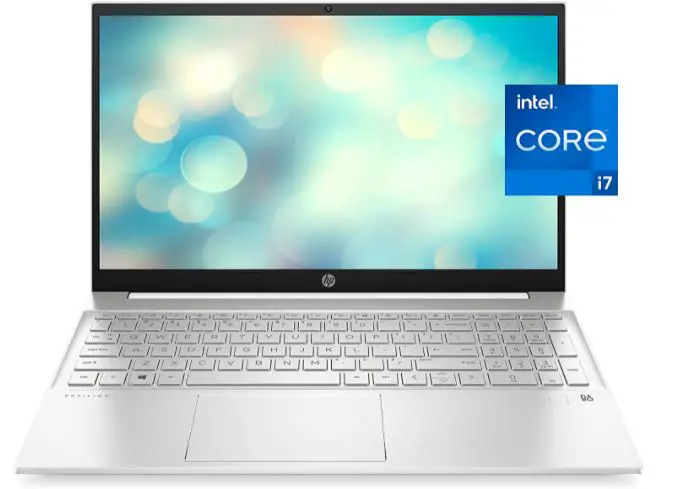
This laptop has a modern outlook with sleek lines, an aluminum finish, and a soft-touch matte finish on the palm rest area and keys.
It also has an IPS screen with good viewing angles for watching movies or streaming videos on Netflix.
It consists of a 15.6″ diagonal Full HD display with 1920 x 1080 resolution providing an excellent viewing experience. Moreover, it has a full-size keyboard, touchpad, and fingerprint reader.
The HP Pavilion 15 is a perfect laptop for students or anyone who needs to multitask. It has enough processing power to run many programs and games simultaneously without lag or slowdown.
This laptop features an 11th-generation Quad-core Intel Core i7-1165G7 processor with a large memory capacity. It has a 4.7GHz clock frequency and can handle numerous tasks at once.
The ability to clock packs a substantial processing power makes it the perfect choice for professionals who need to work on jobs requiring extensive computing power, such as multiple medical-based software.
The HP Pavilion 15 is an exciting laptop with many features to offer. It has a high speed and a beautiful display, as mentioned. It’s also quite affordable, making it one of the best laptops available.
Specs:-
- Processor -Intel Core i7-1165G7 (2.8GHz)
- RAM – 16GB
- Storage – 512 GB
- Display – FHD IPS 15.6-inch
- GPU – Intel Iris Xe integrated graphics
- Battery -Approximately 8 hours
- Resolution – 1920 x 1080 pixels
Pros:-
- HP Quick Charge
- Affordable and durable
Cons:-
- Issues with ventilation
- No Backlight for the keyboard
2. ASUS ZenBook 14 – Best laptops for doctors From ASUS
ASUS ZenBook 14 is among the best laptops for telemedicine because it has a sleek design, a powerful processor, and full-HD display discrete graphics.
It also comes at a decent cost, perfect for students or professionals. It has a slim and lightweight design and powerful hardware.
It’s one of the most cost-effective laptops available. The ASUS laptop boasts an ergonomic plan that makes you to use it for long periods without getting tired or uncomfortable.
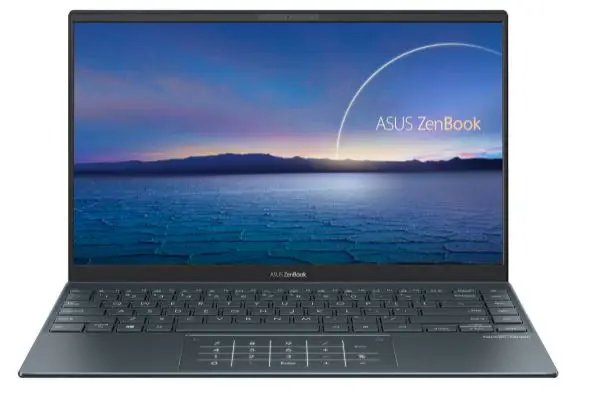
The ASUS ZenBook is a moderate laptop with a high-performance CPU. This laptop combines performance and portability to deliver the best of both worlds.
The 1TB SSD storage would significantly improve booting speed, and the 16GB RAM combo is ideal for storing documents and multimedia files.
The ASUS ZenBook 14 is a bezel-less, 14-inch high Definition screen that has 1920 x 1080 and provides an incredibly immersive viewing angle and exceptional experience.
The AMD Radeon RX Vega 7 video card will also provide a good overall experience coupling with the processor.
It is a super-thin laptop that’s excellent for anybody who needs a powerful portable gadget. The computer is compact and light.
It weighs only 2 pounds, making it convenient for any medical student to carry it around/ It has multiple USB connections and a specialized MicroSD card reader. Furthermore, it has a long battery life lasting up to 12 hours.
Specs:-
- CPU – AMD Ryzen 7 4700U (2.3GHz)
- RAM – 16GB
- Storage -1TB Solid State Drive
- Display – 14-inch Full-HD IPS Display
- GPU – AMD Radeon Vega 7 integrated graphics
- Battery – 12 hours or more
- Resolution – 1920 x 1080 pixels
Pros:-
- Long-lasting battery
- Compact and lightweight
- Multiple ports available
Cons:-
- There is no fingerprint scanner available.

3. Lenovo ThinkPad X1 Carbon
One of the best laptops for doctors who want to be productive while on the job is the Lenovo ThinkPad X1 Carbon.
It’s also ideal for kids who need to complete schoolwork on the road or for workers who need to work on the go.
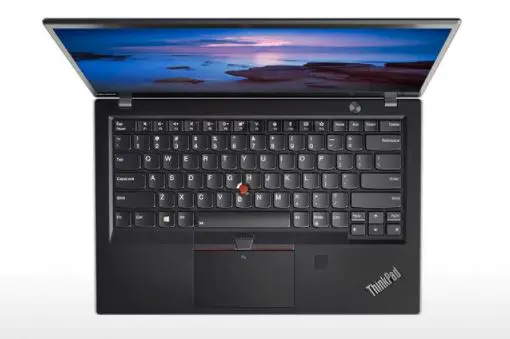
This sleek notebook achieves the ideal combination of performance and aesthetics. It has a durable design with a gorgeous screen and all the necessary features to help you work efficiently.
The laptop sports a 14-inch screen. It also includes a fingerprint sensor, making it one of the safest Ultrabooks.
An Intel Core i7 processor powers this device. It operates on the Windows 10 operating system and has a clock frequency of 1.9GHz. It also weighs just 1.35 kg.
Thanks to the device’s 16GB of RAM and 1TB of SSD storage, you can expect faster boot time and excellent multitasking efficiency.
This is currently among the most energy-efficient laptops available. It also has dual drives with SSDs and HDDs and options for 2-in-1s.
Lenovo provides no assurances on the battery life of the laptop. On the other hand, customers claim that this level of performance allows them to get up to 7 hours of usage.
Specs:-
- CPU – 1.9GHz Intel Core i7-8650U
- RAM – 16GB
- Storage – 1TB SSD
- Display – 14-inch HDR WQHD
- GPU – Integrated Intel UHD 620
- Battery – Up to 7 hours
- Resolution – 2560 x 1440
Pros:-
- Inexpensive
- Display with a high resolution
- Connectivity possibilities from the past
- Options for more storage
Cons:-
- There are no exceptional visuals.
- It’s a little heavier.
4. HP Spectre x360 13t – Best hp laptops for medical students
The HP Spectre x360 13t is the perfect laptop for a person who wants a conventional notebook with touchscreen support with a traditional keyboard and trackpad setup.
It is also thinner and lighter than most laptops on the market. It has a fantastic design and is also quite reasonably priced.
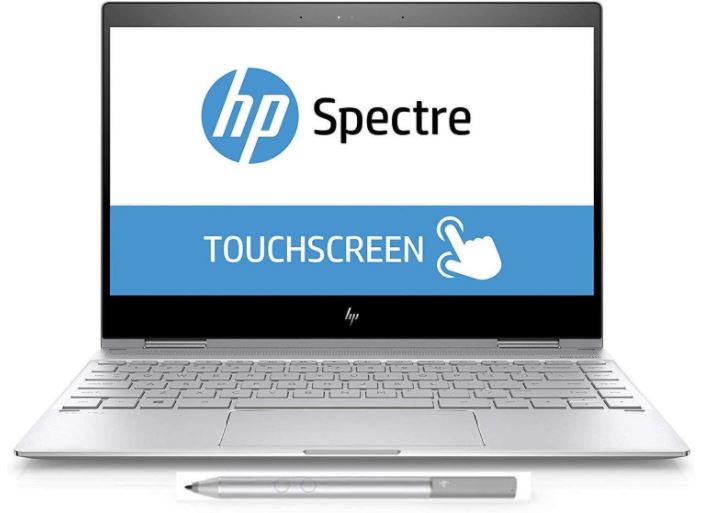
The HP Spectre x360 13t is a lightweight design laptop with an Intel 8th Gen Core i7-8550U processor, making it a bang for your buck. The NVIDIA GeForce MX150 graphics card includes a 360-degree hinge that lets you use it in four distinct modes: laptop, stand, tablet, and tent.
The computer is meant to be extremely light, making it simple to pack and use on the go. There’s also a lighted keyboard, so you won’t have to worry about writing in the dark. It’s an excellent choice for anybody looking to increase professional operational efficiency.
The laptop is designed for the modern world. It features a 13.3-inch Full HD screen and a 1.8GHz base clock speed, but thanks to Turbo Boost, it can reach 4GHz.
And up to 16 GB of DDR4 RAM will enable you to multitask, while the 512GB SSD storage reduces startup time dramatically.
This is a stylish laptop perfect for any work or study environment. Its sleek black design with red accents will make it stand out in any room, while its Full HD screen with 1920 x 1080 resolution makes it easy to read the text and watch videos without straining your eyes.
The connectivity possibilities of the HP Spectre x360-13t are fantastic. The gadget also has two Thunderbolt 3 connectors and a regular USB 3.1 Gen 1 port for data transport and power.
A gyroscope and an accelerometer are among the detectors on the smartphone.
Specs:-
- CPU – Intel Core i7-8550U (1.8GHz)
- RAM – 16GB
- Storage – SSD (512 GB)
- Display – 13.3-inch FHD IPS Touch
- GPU – Integrated Intel UHD 620
- Battery – Up to 14 hours
- Resolution – 1920 x 1080
Pros:-
- Lightweight
- Support for Touchscreens
- Elegant design
- Increased interconnection
Cons:-
- The battery does not last as long as the manufacturer advertises.
5. Dell XPS 13 – Best laptops for doctors From Dell
If you’re searching for a laptop with all the features and specifications you need at a reasonable price, the Dell XPS 13 is a great option. It is designed for professionals.
It has a sleek and stunning design, perfect for doctors who value visual clarity more than anything else.
The smaller laptop makes it easier to carry around while offering enough power to handle even professional tasks.
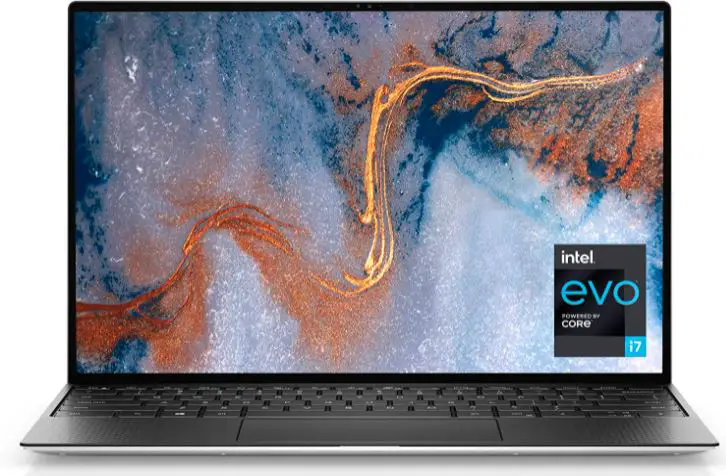
It’s a well-balanced combination of cutting networking, best-in-class speed, and long-lasting durability. More importantly, this series is the finest choice for all professionals and doctors.
Dell’s new quad-core processor is an Intel Core i7-1195G7, a power-efficient processor with 16GB of RAM and 512GB of internal storage. Intel Core11th Gen CPUs power the new Dell XPS 13 laptops.
The Dell XPS 13 laptop is now available in a new design made thinner and lighter than before, making it easier to carry around.
Although the base clock is set at 1.8GHz, Turbo Boost reaches 4.6GHz. You’ll have enough RAM for seamless processing among the most powerful computers available.
This laptop features a 13.3-inch 4K Ultra HD screen with touch capability and a 4-sided InfinityEdge display.
Even the tiniest details would be visible thanks to the massive resolution of 1920 x 1200. Dell has done a fantastic job keeping bezels to a minimum anti-glare screen’s optimum brightness is 500 nits.
This laptop shines in connection, especially given the lack of specialist graphics. Two USB Type C ports facilitate Thunderbolt 4.
Any of these can be used to fast charge and transmit data. Last but not least, at only 2.8 pounds, the laptop is among the lighter power notebooks in the industry.
Specs:-
- Processor – Intel Core i7-1195G7 (1.8GHz)
- RAM – 16GB
- Storage -SSD 512 GB
- Display – 13.3-inch 4K UHD Touch
- GPU – Intel Iris Xe
- Battery – Up to 7 hours
- Resolution – 1920 x 1200
Pros:-
- Exceptional performance
- Increased interconnection
- Bezels that are as small as possible
- Support for touchscreen
Cons:-
- There are no dedicated graphics.
- A little pricey.
6. LG Gram 15Z90P – Best laptop for medical students
LG Electronics is among the world’s most popular electronics brands. They’re renowned for their innovative products, and they’ve managed to stay ahead of the competition throughout these trying times.
For a long time, it has been one of the most well-known brands in the world. It is a company known for its innovative products and has managed to stay at the top of its game despite competition from other companies.
LG Gram 15Z90P has been able to pack a lot of power into a small body. It is so light and thin that it is perfect for taking your laptop everywhere.
With an ultra-thin, lightweight laptop that doesn’t sacrifice speed or performance, LG 15Z90P has almost done some magic.
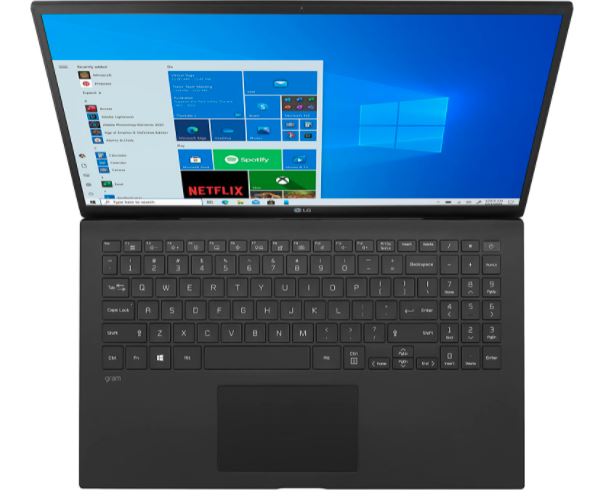
It features a 15.6-inch FHD display; As previously said, this laptop does not skimp on functionality. An Intel Core i5 CPU powers it.
With a 2.4GHz clock frequency to provide you with the most outstanding performance possible.
The combination of 8GB of RAM and 512GB of SSD storage makes sense regarding multitasking and speedier boot times. Incredibly, all of these functions were crammed into such a compact chassis.
It has created a laptop with a beautiful design, strong performance, and an affordable price. LG’s laptops are known for their sleek design and powerful performance.
The LG UltraBook 13 has an impressive battery life of Up to 21 hours on a single charge while still providing great speed.
It’s fantastic that the LG Gram doesn’t sacrifice either durability or accessibility. Fingerprint authentication and Microsoft Hello are both supported.
Although you do not even type, a lighted keyboard and good essential travel are beneficial.
Specs:-
- Processor – Intel Core i5-1135G7 (2.4GHz)
- RAM – 8GB
- Storage – SSD with 512 GB
- Display – 15.6-inch FHD
- GPU – Integrated Intel UHD Graphics
- Battery – Up to 21 hours
- Resolution – 1920 x 1080
Pros:-
- Design that is light in weight
- Keyboard with backlighting
- Bezels that are as small as possible
- Exceptional battery capacity
Cons:-
- Graphics aren’t dedicated.
7. Lenovo Yoga 730 – Best laptop for doctors From Lenovo
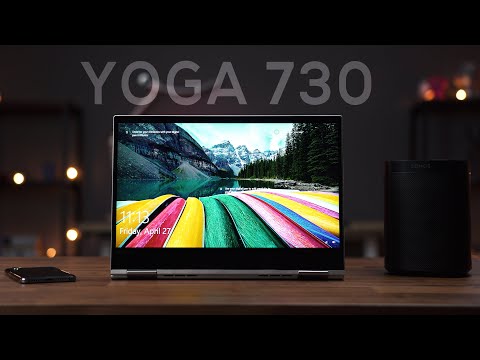
The Lenovo Yoga 730 is a laptop from the Lenovo Yoga range. It’s a flexible laptop that can be utilized at various angles and shapes, depending on your preferences.
It is a device that one should not miss if they are looking for a computer with many features and affordable prices.
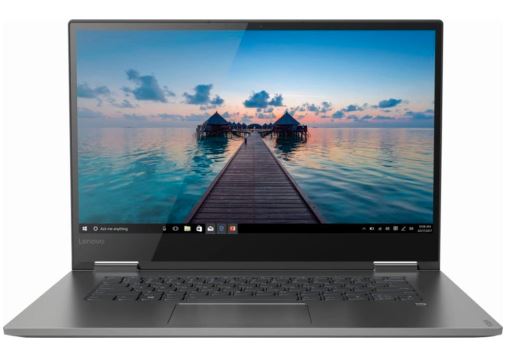
As a doctor, you may reap many advantages from possessing such a laptop, mainly because the Lenovo Yoga 730 excels at asset activities.
The laptop’s default clock speed of 1.6GHz powers this multipurpose laptop, but adding 8GB RAM and a 256GB SSD is a must-have.
This Yoga laptop, like the Pro, comes with integrated processors. It has thunderbolt-enabled ports for increased speed and connectivity. While the Fingerprint Sensor allows quick Windows login, the illuminated keyboard provides excellent essential travel.
The Lenovo laptop includes a 15.6-inch FHD screen and an 8th-generation Intel Core i5 processor. It has a backlit keyboard fingerprint scanner and supports Windows 10 Pro operating system. A 15.6-inch IPS touchscreen display with 1920 x 1080 resolution is also included in the laptop.
The Yoga 730 is the perfect laptop for students, professionals, or anyone who wants to stay productive on the go. It’s a budget-friendly laptop with all the tools you’ll need to be productive while on the go.
We must also consider the advantages of a flexible design. It also features a powerful battery that lasts up to 11 hours.
Specs:-
- Processor – Intel Core i5-8250U (1.6GHz)
- RAM – 8GB
- Storage – 256GB Solid State Drive
- Display – Touchscreen 15.6-inch Full HD
- GPU – Intel UHD 620 integrated graphics
- Battery – 11.5 hours or more
- Resolution – 1920 x 1080
Pros:-
- Adaptable design
- Long-lasting battery
- Keyboard with backlighting
- Budget-friendly
Cons:-
- Graphics aren’t devoted
8. Microsoft Surface Pro 8
The Microsoft Surface Pro 8 is a fantastic notebook to invest in. It’s a hybrid gadget that combines computing capability with the portability of a tablet. It’s a laptop with adequate performance and versatility.
It features a long battery life, a large screen, and is lightweight. This device fits all the requirements of a tablet, laptop, and PC. It offers an excellent Windows computing experience with powerful hardware and software features.
The Microsoft notebook has been one of the most popular devices on the market for quite some time due to its impressive hardware and software features.
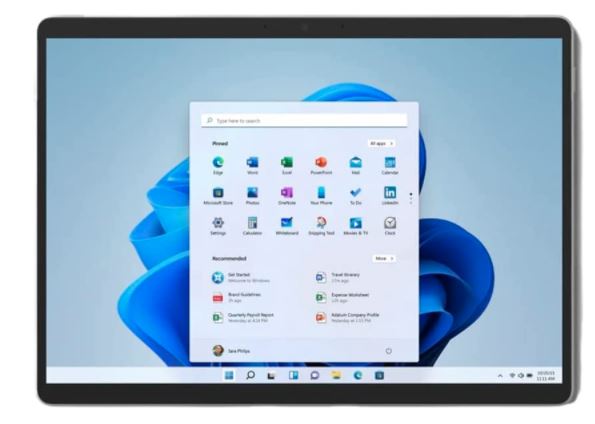
It has an Intel Core i5 CPU running at 2.4GHz and 8GB RAM. When paired with 128GB of SSD storage, you’ll enjoy the fastest Windows 10 experience possible.
This is true even if you switch back and forth between Laptop, Ipad, and Studio styles.
Support for the Surface array of peripherals, including the Type Cover, Microsoft Dial, Microsoft Pen, and Microsoft Arc Controller, is noteworthy. This package might meet all your needs if you value mobility and the power of connectivity.
It also has a 13-inch touchscreen display so you can enjoy a smooth Windows experience even if you think the device is too small.
It is compact and powerful. It has a bright-and-crispy screen that can be used in any environment, and you won’t need to worry about the screen getting dirty or scratched easily.
It’s not just about the sleek design and powerful hardware that makes this device stand out from the crowd. It’s also about the characteristics that make it simple to use.
The Microsoft Surface Pro 8 exceeds its competitors in terms of battery longevity. The battery has an endurance of 10.5 hours on a single charge.
Specs:-
- Processor – Intel Core i5-1135G7 processor (2.4GHz)
- RAM -8GB
- Storage – 128GB Solid State Drive
- Display – 13-inch QHD Touch
- GPU – integrated Intel Iris Xe Graphics
- Battery – Up to 10.5 hours
- Resolution – 2880 x 1920
Pros:-
- Elegant and lightweight design
- Battery life is extended.
- Surface accessories are supported.
Cons:-
- Limited access to the internet

9. Acer Aspire 5 – Best laptop for private practice
The Aspire 5 is one of Acer’s most popular laptops. This package might meet all your needs if you value mobility and the power of connectivity.
Compared to the MacBook Pro, you didn’t have to pay nearly as much money here. It’s excellent for constantly moving folks who rely on their laptop computers to keep up.
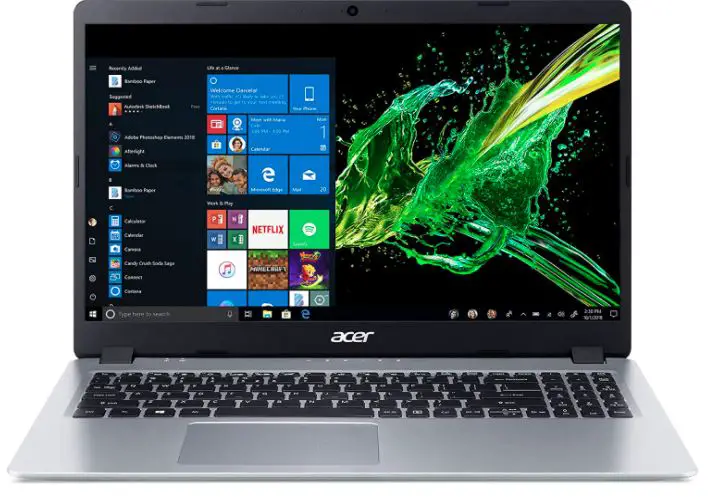
This is a powerful laptop with a sleek design and impressive performance. It’s lightweight, slim, and durable.
This laptop is perfect for students or professionals who need to do their work on the go. It has high-end specs for a low price, so it’s worth checking out!
The laptop has a stylish notebook that is the perfect companion for your daily work and entertainment needs, with a backlit button for a more comfortable writing experience.
It also features a microphone webcam, allowing you to enjoy high-quality video conferencing and chat sessions.
This laptop has a powerful GPU, making it an excellent gaming machine for those who want to play high-end games in medium settings. Players can access games at 1080p resolution on the best settings with the AMD Radeon RX Vega 10.
Acer Colour AI and BlueLightShield are technologies on this display that will help you work longer hours without tiring your eyes. This configuration will provide you with a flawless Windows experience.
In the Acer Aspire 5, the AMD Ryzen 7 3700U engine combines 8GB of RAM and 512GB of SSD storage. It has a 15.6-inch Full HD display screen with an IPS panel with 1920 x 1080 resolution.
In terms of design and connection, the Acer Aspire 5 includes a full range of ports, including a 1x USB 3.1 port, 2x USB 2.0 ports, and an HDMI port.
In addition, this 4.19-pound laptop is said to have 10-hour battery life. For a computer in this price range, this is a significant achievement.
Specs:-
- Processor – AMD Ryzen 7 3700U – 2.3GHz
- Storage – 512GB
- Display – 15.6-inch (Full HD)
- RAM – 8GB
- GPU – AMD Radeon RX Vega 10
- Battery – up to 10 hrs
- Resolution – 1920 x 1080 pixels
Pros:-
- Highly Affordable
- Excellent portability
- It has a stylish design.
- Long-lasting battery
Cons:-
- Graphics aren’t designated.
📗FAQ on the best laptops for doctors list
Which laptop is best for doctors?
Laptop options for doctors include the HP Spectre x360 14, HP mt32 mobile thin client, HP EliteBook x360 830 G8 Notebook PC, HP Elite Dragonfly G2 notebook laptop, HP ZBook Firefly 15 G8 mobile workstation, etc.
Do doctors need laptops?
Medical students don’t need a laptop at the start of medical school. However, having one will make their journey ahead much more effortless.
Which MacBook is best for doctors?
Apple MacBook Pro, with its powerful sixth-generation processor ( Intel sixth generation ), is ideal for multitasking doctors. It is fast and powerful to run all the software without lagging and crashing.
What computers do doctors use?
Here are top laptops options that offer computing solutions and manage healthcare operations. They are HP EliteBook 840 GS Healthcare Edition, Lenovo ThinkPad 10, HP Pro x2 612 G1, Acer Aspire S 13, Lenovo ThinkPad Yoga 12, etc.
Which is best for medical students, a laptop or an iPad?
A laptop is a minimum requirement for medical students. However, some NEET/NEXT preparation applications may not be available on the laptop. Hence, the iPad should be the priority.
Which laptop is good for MBBS students?
The best laptops for doctors and MBBS students are the 2022 Apple MacBook Air Laptop, ASUS ZenBook Duo UX481, Microsoft Surface Pro 6, etc.
Is MacBook Air A Good Laptop For Medical Students?
Yes, the MacBooks Air is one of the best laptops you can use if you are a Medical Student. It is preferred by many students as well as working professionals.
The laptop offers the best performance, and you can rely on it. The blend of powerful hardware and software makes it one of the best and most powerful laptops you can go for.
Why Do Doctors Use Laptops?
Doctors can keep their medical records on their laptops. They can then access the records anytime they want to.
They can check their previous records and add new ones, which will keep updating. This makes it easier for Doctors to know about past visits and diagnose patients properly.
Which Laptop Is Best For Long Working Hours?
If you are looking for laptops for long working hours, you can go for Dell XPS 15 OLED, MacBook Pro 14, Dell Inspiron 15, and HP Envy 13 Laptop.
These are some of the best laptops you can consider going for if you have to sit in front of a screen.
Is Dell Better Or HP?
Well, Dell has more options when compared to HP. Moreover, Dell laptops have better performance and reliability than HP.
HP laptops have the good build quality, but their customer service is not good compared to Dell. Dell is a much-preferred brand if you are looking for a laptop.
Are Macbooks good for med students?
Macbooks can be a good choice for med students, as they are reliable, easy to use, and have long battery life.
Macbooks also come with various helpful productivity and learning tools, like the Notes app and the Preview app, which are great for keeping track of notes and annotating documents.
Nevertheless, Macbooks might cost more than other laptops, so it’s crucial to consider your budget when choosing which one to buy.
There are also excellent options if money is tight, like laptops from companies like Lenovo, Dell, and HP.
Do doctors need laptops?
Laptops may be a beneficial tool for doctors in their line of work as a portable and effective means of accessing and entering patient data, corresponding with coworkers, and performing other duties.
Many doctors utilize laptops for administrative work, reading medical journals, and charting patient records.
Final Verdict on best laptops for doctors
These laptops have the best hardware available to meet doctors’ demands. They are also optimized with good features and specifications like ergonomic design, high-quality displays, and the quick performance necessary for doctors.
Choosing one can significantly increase your productivity, so keep them in mind when purchasing your new laptop.
So many brands and types of laptops are on the market, making it difficult to choose the ideal one. They offer great portability, durability, battery life, and performance, which is ideal for doctors.
To sum it up, when searching for the best laptops for doctors, make sure you pick the one with a high processing power for faster speeds and excellent battery life so you can use it on the go and with confidence.
And also something that has enough storage space to hold all of your files, games, and music/movies while allowing you to get work done.
We’ve covered you, researched all the options, and found the best laptops for doctors. We hope our piece on the excellent laptop for doctors taught you anything new.